
3 Days in Valparaiso: A Practical Itinerary
Plan 3 days in Valparaiso with this practical itinerary covering major sights, neighborhoods, food, and transport.
A direct, usable three-day plan for seeing the hills, street art, ports and seafood markets without wasting time on tourist traps.
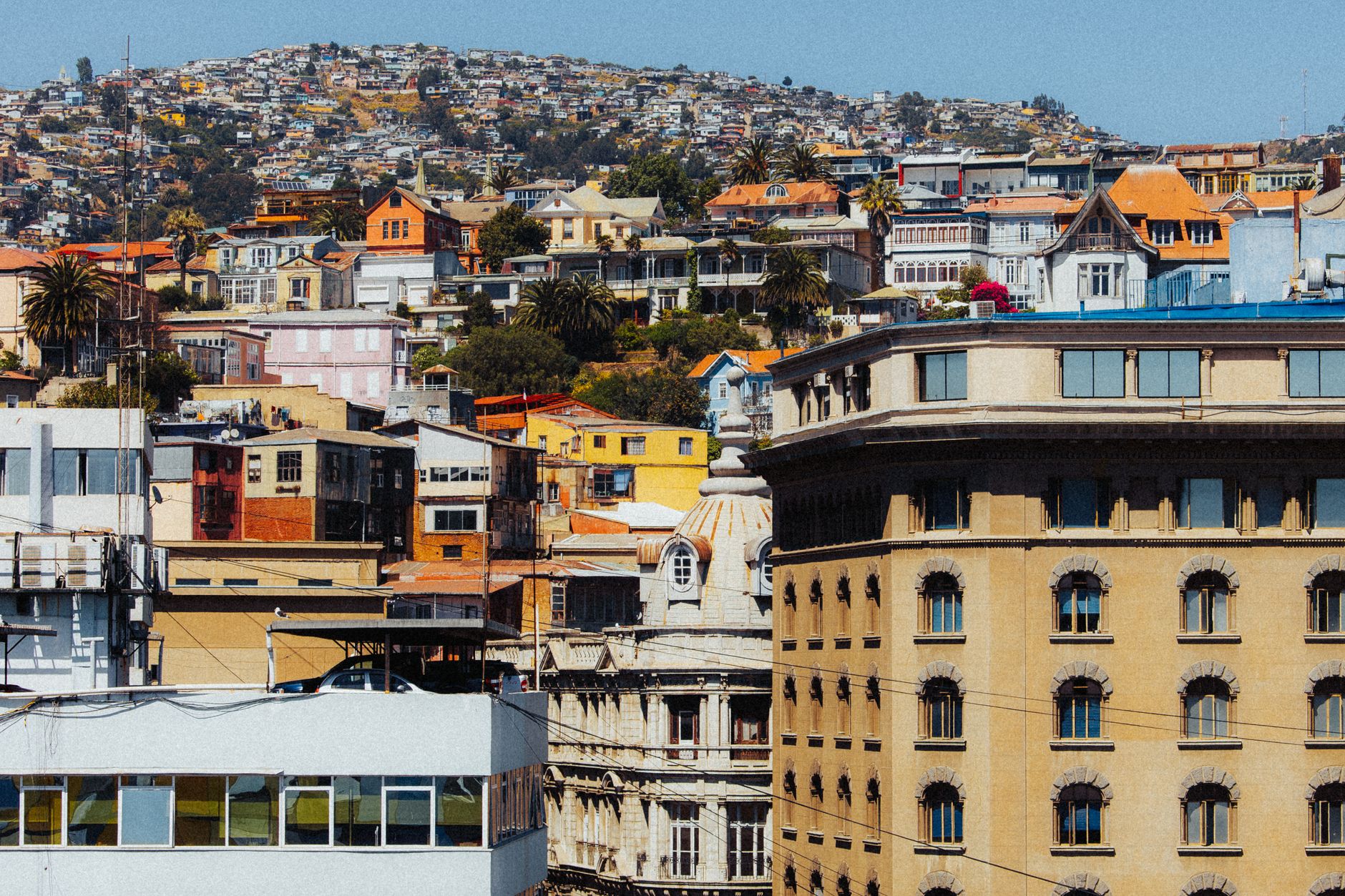
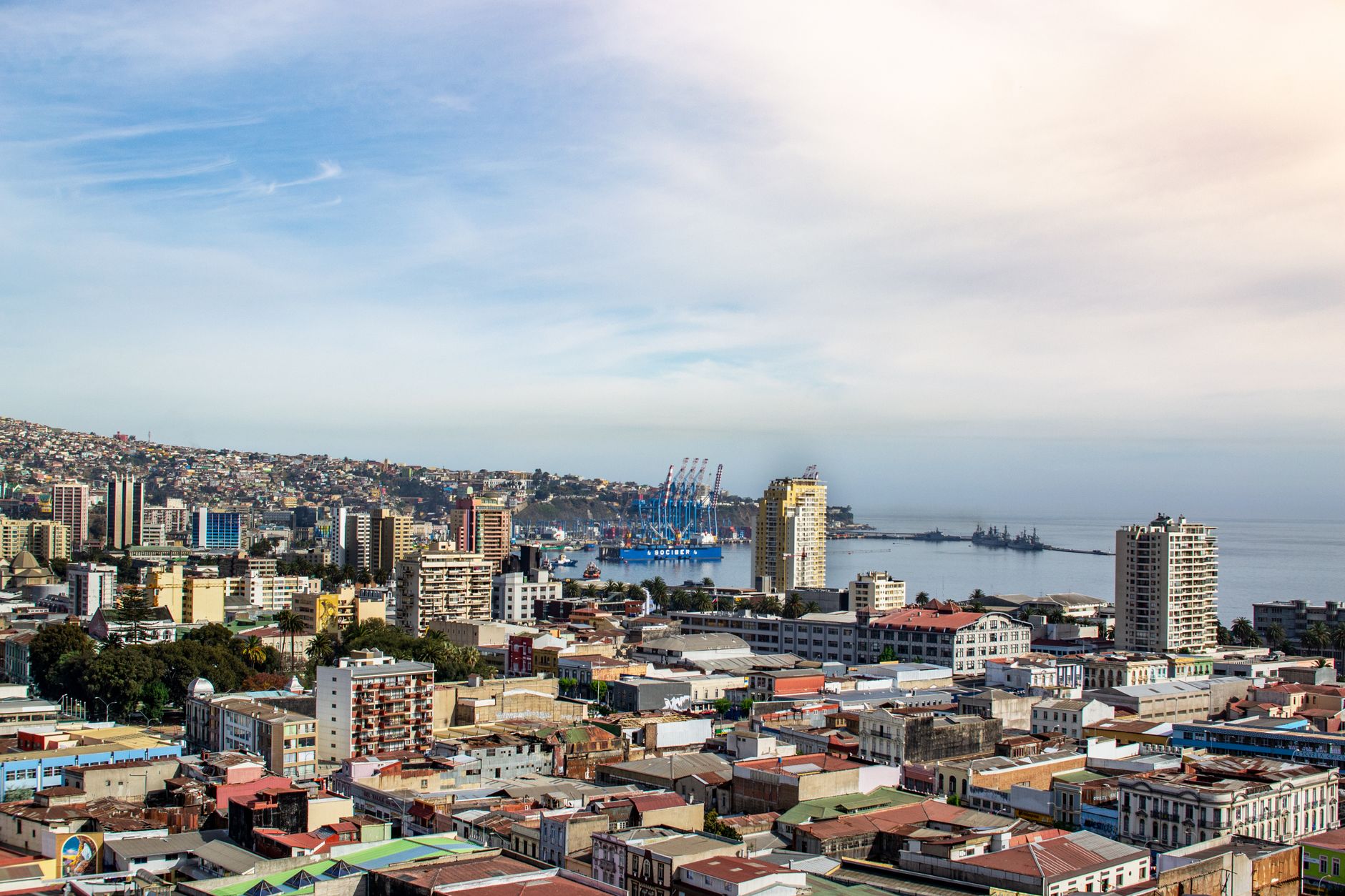
Valparaíso feels like a working port pressed up against steep, colourful hills. The first impression is noise: ship horns, clattering trams, dogs and street sellers, overlaid with sudden quiet in residential stairways. Visitors expecting tidy plazas and rigid opening hours often get frustrated; galleries and restaurants close irregularly, and funiculars may stop for repairs or local festivals. This is a city where much of the attraction comes from small discoveries—muraled staircases, neighbourhood cafés on narrow streets, and viewpoints reached by short but steep ascents.
Is 3 days in Valparaiso enough?
Three days is enough to cover the main cerros, the portfront, the Neruda house and a market meal while leaving slack for slow walks and photography. The caveat: there isn't time to make a long wine-country excursion or to explore every museum or festival—the coastal neighbourhoods reward unhurried returning visits.
Who This Guide Is For
Best for travellers who like steep walks, street art, seafood and irregular opening hours; less suitable for those wanting beach resort days or tightly scheduled cultural programming.
Local Tips for Valparaiso
Practical details that most travel sites skip — specific to Valparaiso.
- Buy a Bip! card at Merval stations — the Merval commuter-rail single is roughly CLP 700–1,000 and the card speeds boarding on busy services.
- Ascensor Concepción and Ascensor Reina Victoria run short routes up the cerros for CLP 100–200 in manual turnstile systems; check the metal signs on each station for opening hours before relying on them.
- Mercado Cardonal (near Plaza Aníbal Pinto) opens most mornings for seafood auctions; arrive 08:00–10:30 to see fish stalls and to get fresh ceviche portions for CLP 3,000–6,000.
- La Sebastiana (Pablo Neruda house) typically charges around CLP 6,000–8,000 for entry — buy tickets online on busier weekends to avoid queues.
- Port boat tours from Muelle Prat leave on set schedules in high season and cost about CLP 6,000–10,000; small-group departures are often announced only at the dock.
How This Guide Was Prepared
This guide treats Valparaíso as a working port-city with steep hills and intense local life, not an Instagram backdrop. Most guides over-focus on photos of stairways and murals without explaining the logistics of the funiculars, the variability of gallery opening hours or where to find reliable seafood at market prices. This guide was prepared through a structured research that combines destination research, geographic context, itinerary planning logic, and content review.
Plan Your Stay in Valparaiso
Use this itinerary as your starting point, then compare areas to stay, transport options, seasonal timing, and realistic daily costs before booking.
Why Visit
Street art here is a civic layer, not just tourist decoration—Museo a Cielo Abierto on Cerro Bellavista and the murals on Cerro Alegre present local narratives and political cartoons. The portfront around Plaza Sotomayor and Muelle Prat shows live maritime activity alongside 19th-century architecture like the Armada buildings. Several small but well-placed museums—Palacio Baburizza for fine arts and La Sebastiana for Neruda—offer compact cultural visits that fit into a tight schedule. Finally, the seafood scene at Mercado Cardonal and the fish auctions provide food experiences not replicated in nearby resort towns.
Quick Planning Tips
Most incoming flights arrive at Santiago's Arturo Merino Benítez (SCL); buses by TurBus and Pullman run to Terminal Barón in about 1.5–2 hours and cost CLP 6,000–12,000. From Valparaíso Merval stations use a Bip! card to speed boarding; buy it at the station kiosks. Cash is still needed at many small cafés and for some ascensor fares; keep CLP 5,000–10,000 in small bills. Avoid planning tight museum schedules on Sundays—many close or have reduced hours, so build buffer time for closures or maintenance of funiculars.
Day 1
Start at Plaza Sotomayor to get bearings and view the Armada buildings and the naval monument; allow 30–45 minutes. Walk 5–10 minutes to Ascensor Artillería and ride up for a panoramic view over the port—funicular ride CLP 100–300 and expect a short queue on weekends. From the top, follow Paseo 21 de Mayo (10–15 minutes) to Mirador Gervasoni; the walk has murals and cafés and connects to Paseo Gervasoni on Cerro Alegre. Lunch at a Mercado Cardonal stall or at Restaurant Mercado Cardonal (fresh ceviche or sopa de mariscos — CLP 4,000–8,000) with market ambience.
After lunch, spend the afternoon on Cerro Alegre: visit Palacio Baburizza (allow 45–60 minutes for the collection; entry around CLP 2,000–3,000) and stroll the stairways toward Paseo Concepción and the small galleries. Walk to Ascensor Reina Victoria (10–20 minutes downhill/winding route) and ride if operational—this links to the El Plan area. End the day with dinner at Café Turri or a similar Cerro Concepción restaurant (expect CLP 10,000–20,000 per main). For the evening, return to Paseo 21 de Mayo or the Plaza Sotomayor waterfront for port lights and calmer air.

Day 2
Dedicate the second day to street art, bohemian neighbourhoods and a boat tour. Start at Cerro Bellavista to see Museo a Cielo Abierto murals; expect 60–90 minutes if photographing and reading plaques. Walk 15 minutes to Cerro Concepción to explore Paseo Gervasoni, tight artisan shops, and small galleries—many open late morning. For lunch, choose a seafood restaurant near Plaza Aníbal Pinto or a sit-down spot on Cerro Concepción; typical dishes run CLP 6,000–12,000.
In the afternoon, take a port boat tour from Muelle Prat (check schedules in high season; allow 1–1.5 hours and pay CLP 6,000–10,000). After the tour, head to the Parque Cultural de Valparaíso (former prison) for an exhibition or a terrace view—15 minutes by taxi or a longer walk from the pier. Close the day with a relaxed drink in Barrio Puerto or a late dinner in Plaza Aníbal Pinto where live music sometimes appears on weekend nights.
Day 3
Spend the final day on quieter viewpoints, markets and a focused museum visit. Morning visit to La Sebastiana (Neruda house) on Cerro Florida—allow 60–75 minutes including views; the house charges around CLP 6,000–8,000 and online booking is useful on busy days. Walk or taxi down to Mercado Cardonal for a late lunch or market snacks—try a mariscal (seafood cocktail) or empanada de mariscos for CLP 2,500–5,000.
Afternoon options depend on departure plans: if catching an afternoon bus to Santiago, allow 90–120 minutes travel time and leave the cerros two hours before the bus. If staying late, take the time to walk through Playa Ancha or visit the Universidad de Playa Ancha viewpoint for a different panorama—both are quiet and less touristy than the central cerros. End with a farewell coffee or glass of Casablanca wine at a café on Cerro Alegre; prepare for stairs when returning to accommodations.
Best Local Experiences
Attend a morning fish auction or early market walk at Mercado Cardonal to see wholesale activity and buy grilled shellfish. Ride at least two historic ascensores—Ascensor Concepción and Ascensor Reina Victoria—to experience how locals move up and down the cerros. Take a port boat from Muelle Prat for working-port views and to understand the shipping activity. Photograph or walk Museo a Cielo Abierto murals on Cerro Bellavista, paying attention to local artists' political themes. Spend an evening in Plaza Aníbal Pinto listening to live music—small bars and cafés host local bands on weekends. Each of these is specific: market times, named ascensores, the dock departure and named cerros provide real local patterning.

Where to Stay
Cerro Alegre and Cerro Concepción: Best for first-time visitors who want walkable access to Paseo Gervasoni, galleries and cafés. Expect mid-range hotels or guesthouses CLP 40,000–90,000 per night (USD 50–110 / EUR 45–100). El Plan (downtown near Plaza Sotomayor): Suits travellers who prefer flatter ground and direct access to ports and buses; rooms tend to be slightly cheaper and range CLP 30,000–70,000 per night. Playa Ancha and Cerro Playa Ancha: Suits quieter evenings and views from the university terraces; good for budget travellers and longer stays with rentals CLP 20,000–50,000 per night. Each neighbourhood has many stairs, so check whether accommodation has lift access or an easy route for luggage.
Food and Drink
Caldillo de congrio: A traditional seafood stew of conger eel served with potatoes and herbs; find it at family restaurants near the port for CLP 6,000–12,000. Empanada de mariscos: Baked or fried pastry stuffed with seafood—easy market find at Mercado Cardonal for CLP 1,000–3,000. Ceviche or mariscal: Fresh raw-fish preparations with lime and onions; many Mercado Cardonal stalls and small restaurants serve portions CLP 3,000–6,000. Terremoto: A local cocktail of sweet pipeño wine, pineapple ice cream and grenadine, typically CLP 3,000–6,000 in bars. Breakfast option: pan amasado con palta at cafes on Cerro Concepción or at Café Turri for CLP 2,000–4,500. For dinner, try a seafood parrillada at a Mercado Cardonal restaurant or a Cerro Alegre table where mains run CLP 10,000–20,000.
Getting Around
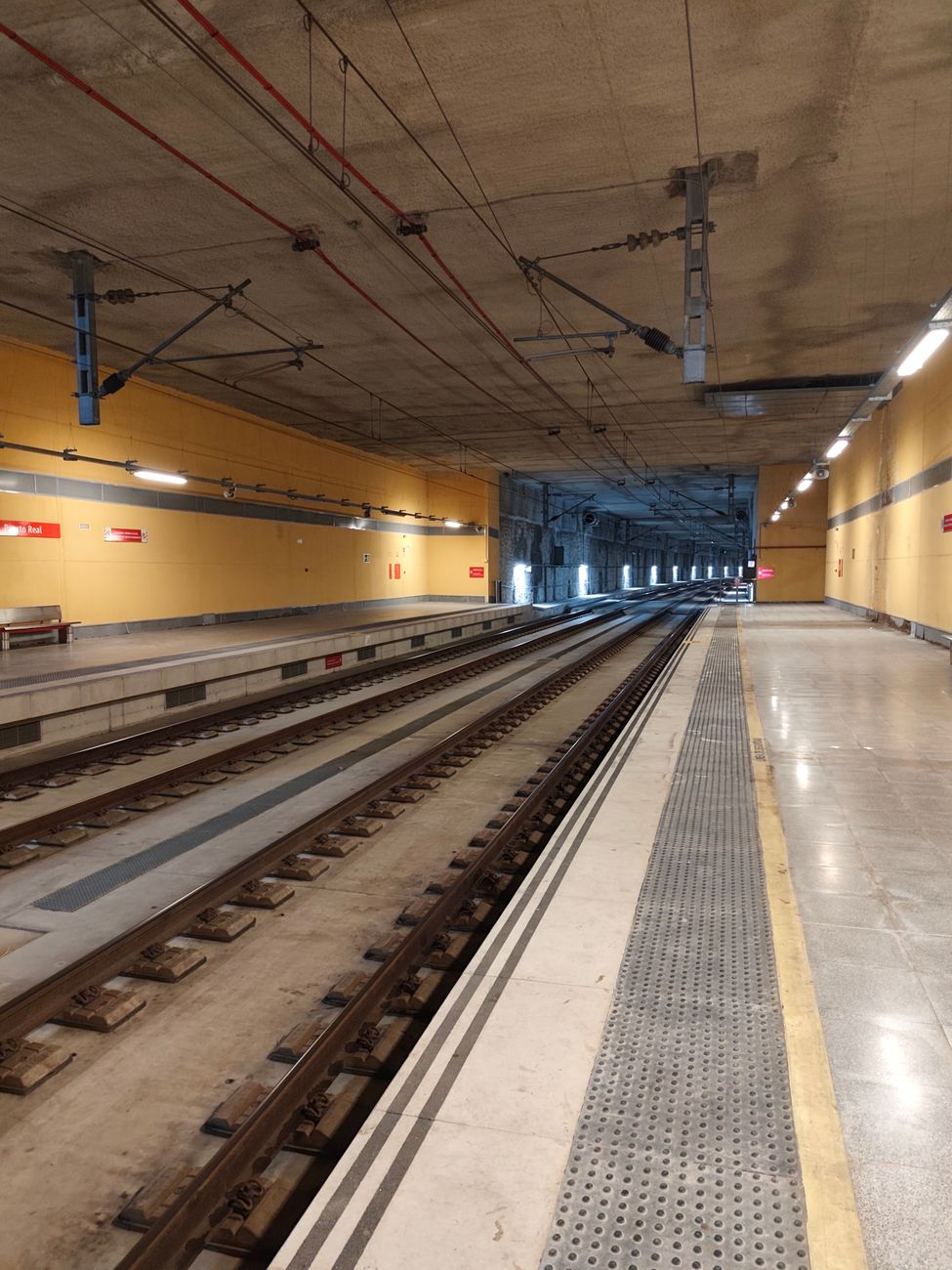
Merval is the regional commuter rail linking Puerto station with Viña del Mar and Limache; single rides cost roughly CLP 700–1,000 and use the Bip! card. Local transport includes micros (city buses) and colectivos (shared minivans) on numbered routes—fares for micros are about CLP 600–900 in cash. Historic ascensores (funiculars) such as Ascensor Artillería and Reina Victoria have small nominal fares CLP 100–300 and are best used for short hill climbs. Taxis and ride-hail apps like Cabify operate in the area; an airport taxi from Santiago will be CLP 50,000–80,000 depending on traffic. Useful apps: Moovit or Google Maps for route planning and the official Metro Valparaíso website for Merval timetables.
Best Time to Visit
Summer (December–February) brings the warmest weather, 18–28°C, but also the biggest crowds and higher prices. Spring/Autumn (October–November, March–April) provide mild weather 12–22°C, fewer tourists and good value for accommodation and restaurants. Winter (June–August) is cool, often windy and rainy with temperatures around 7–15°C; many independent galleries and cafés reduce hours and some ascensores undergo maintenance in winter. For lower prices and reliable gallery hours, aim for shoulder months rather than peak summer weekends.
Budget and Practical Tips
A realistic daily budget: budget travellers CLP 25,000–40,000 (USD 30–50 / EUR 27–45) covering hostel dorm, street food, local buses and a couple of low-cost entries. Mid-range travellers CLP 60,000–120,000 (USD 75–150 / EUR 70–140) for private rooms, restaurant meals and some guided tours. Transport per day (local): CLP 1,500–3,500 for Merval and a few micros; allow CLP 6,000–12,000 if taking intercity buses to Santiago. Entry fees: La Sebastiana CLP 6,000–8,000, Palacio Baburizza CLP 2,000–3,000, small private galleries CLP 1,000–3,000. Tipping: small restaurants add service occasionally but tipping is not obligatory; rounding up or leaving 5–10% for table service is common practice.
FAQ
Is Valparaíso safe for tourists?
Most daytime areas frequented by visitors such as Paseo Gervasoni, Plaza Sotomayor and the main cerros are generally safe, but standard precautions apply—avoid poorly lit stairways at night and keep valuables secure on crowded streets.
How do I get from Santiago airport to Valparaíso?
Take an intercity bus (TurBus or Pullman) from Terminal Alameda or direct departures from the airport area; journey time is about 1.5–2 hours and fares range CLP 6,000–12,000.
Is a city card or pass worth it?
There is no single Valparaíso tourist pass covering all attractions; buy individual tickets for La Sebastiana and Palacio Baburizza and use a Bip! card for Merval and some buses.
Can Uber or ride-hail apps be used locally?
Cabify and local taxis operate reliably; Uber works intermittently and fares vary—use registered apps or metered taxis for fixed pricing.
Are the funiculars wheelchair accessible?
Most historic ascensores are not wheelchair friendly because of steep steps and narrow cars; check specific stations for ramps or alternatives.
Are there good day trips from here?
Viña del Mar is a short Merval ride away for beaches and gardens; wine valleys such as Casablanca require a full day trip and taxi or organized tour.
What are typical opening hours for museums?
Many small museums and galleries open 10:00–13:00 and 15:00–18:00, with closures on Mondays or Sundays—always check schedules before planning tight itineraries.
Conclusion
Three days will deliver the essential experience: steep cerros, working port views, concentrated museum visits and memorable seafood markets. The most lasting impressions will be the viewpoints reached by ascensor, the unpredictable muralled stairways and the market meals that change by season. If time becomes tight, prioritise a morning at Mercado Cardonal and a ride on one key ascensor—those two capture both the city's economy and its vertical layout better than any single photograph.
How this guide was prepared
This guide was prepared through a structured research that combines destination research, geographic context, itinerary planning logic, and content review.