
Durham, NC: A Practical 3-Day Itinerary and Planning Guide
Three-day plan for Durham, NC: detailed daily routes, transit tips, recommended restaurants, market times.
A honest, walkable 72-hour plan for Durham that balances Duke University landmarks, local food, the American Tobacco Campus, and nearby parks with realistic transit and budget notes.
Expect a city with two clear personalities: the university precincts around Duke with stone Gothic buildings and carefully maintained gardens, and the downtown core where former tobacco warehouses were repurposed into restaurants, offices and performance venues. The pace is mid-Atlantic urban — not frantic like larger metros but busier than a college town on game day. Noise levels vary quickly; downtown gets lively after work and around DPAC shows, while neighborhoods such as Trinity Park and the Historic West End are quiet residential streets.
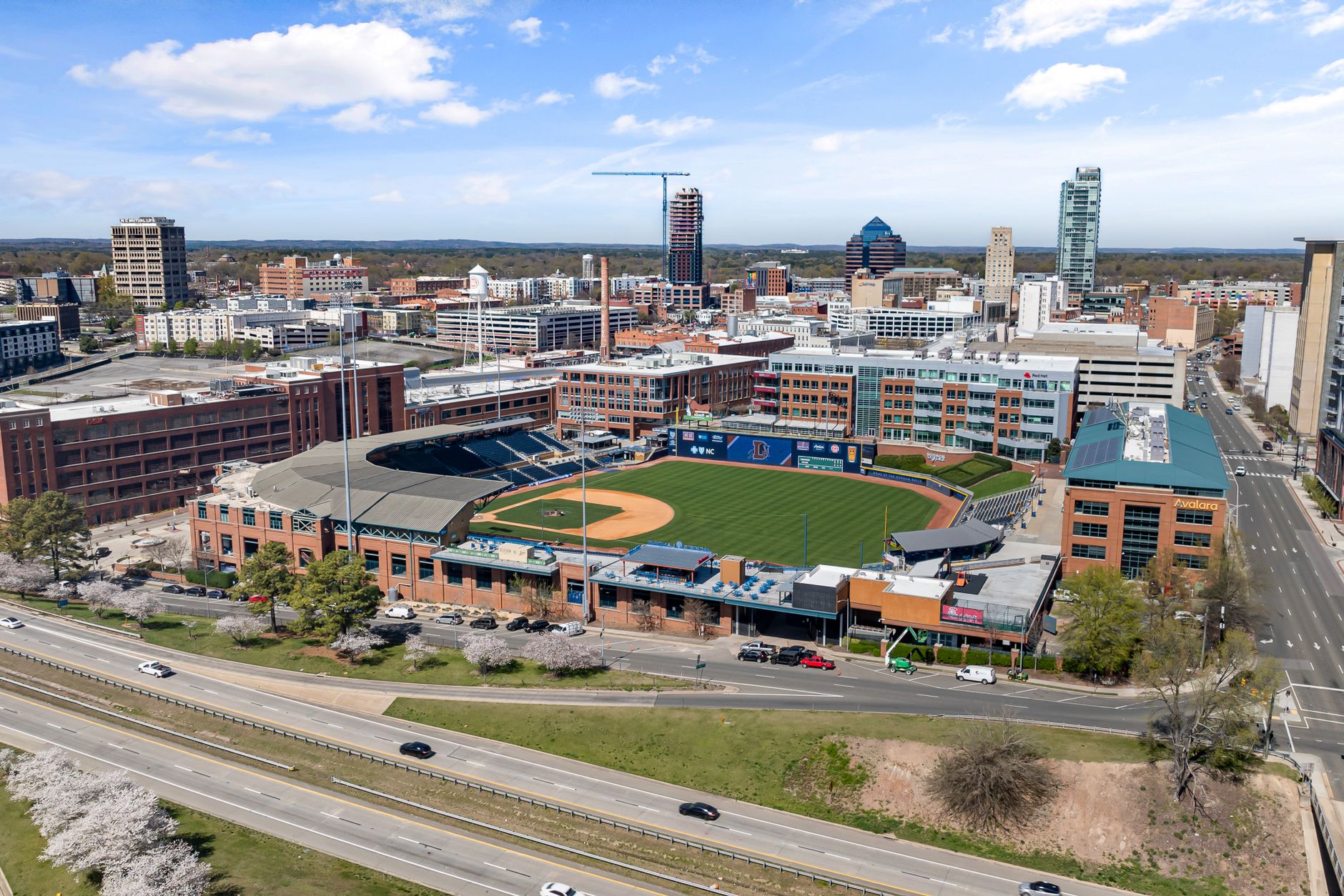
Many visitors arrive thinking this is only a stop between Raleigh and Chapel Hill and miss how much can be covered on foot or by short bus rides. A compact three-day plan works because major sites are clustered: Brightleaf Square, American Tobacco Campus, Durham Bulls Athletic Park and Ninth Street form a triangle that is walkable with occasional short transit rides. Those who want calm green space should carve out time for Sarah P. Duke Gardens or a stretch of the Eno River, both of which feel different from the downtown scene.
Is 3 days in Durham enough?
Three days cover the city's essential contrasts: Duke University and Sarah P. Duke Gardens, downtown culture around American Tobacco Campus and Brightleaf Square, and an outdoor or neighbourhood day (Eno River or East Durham). Caveat: a day trip to Raleigh or a deep dive into the craft beer scene will require extra time.
Who This Guide Is For
Best for travelers who like college campuses, craft food and museums and who prefer compact urban days rather than long wilderness treks. Less suitable for visitors seeking a long nature-centric trip or a luxury resort stay.
Local Tips for Durham
Practical details that most travel sites skip — specific to Durham.
- Bull City Connector is a free circulator bus linking Brightleaf Square, American Tobacco Campus, Ninth Street and Durham Station — use it to skip parking hassles during downtown hops.
- Durham Farmers' Market runs Saturdays 8:00–12:00 at Durham Central Park (South Ellerbe Creek); expect local produce, oysters and cash or card at most stalls.
- Sarah P. Duke Gardens (on Duke University campus) has free entry year-round but the visitor center and parking can fill early on weekends — arrive before 10:00 for quieter paths.
- Museum of Life + Science (2201 W NC 54) sells timed-entry tickets; adult admission is roughly $18–20 and the outdoor exhibits are the busiest afternoons in summer.
- Hayti Heritage Center on Fayetteville Street hosts folkloric performances and community exhibitions; check the calendar for low-cost concerts and matriculation events.
How This Guide Was Prepared
Durham combines a major research university, repurposed tobacco-industry architecture, and a serious independent food and arts scene; that mix defines how to use three days here. Many guides treat Durham as a side trip from Raleigh or Chapel Hill and skip the practicalities of getting between neighborhoods, late-night food closures, and the role of free circulator buses that change how a short stay feels. This guide was prepared through a structured research that combines destination research, geographic context, itinerary planning logic, and content review.
Plan Your Stay in Durham
Use this itinerary as your starting point, then compare areas to stay, transport options, seasonal timing, and realistic daily costs before booking.
Why Visit
Duke University and Sarah P. Duke Gardens offer architectural and horticultural contrasts not found in many U.S. college towns; the garden paths and the view from Duke Chapel steps reward a morning visit. The converted tobacco warehouses at American Tobacco Campus and Brightleaf Square are central to how the city organizes public life: restaurants, open-air events and independent shops congregate there, making efficient use of a single afternoon or evening.
Food and beer scenes are distinctive because they mix Southern staples with serious small producers: local barbecue and craft breweries appear alongside chefs experimenting with global flavors. Museums like the Nasher Museum of Art and the Museum of Life + Science make the city accessible to families and art-minded travelers without long museum queues. Finally, the presence of African American cultural institutions such as the Hayti Heritage Center gives a necessary angle on local history that many nearby cities do not foreground.

Quick Planning Tips
Fly into Raleigh–Durham International Airport (RDU). The simplest options to downtown are rideshare or taxi (about 20–30 minutes depending on traffic) or the GoTriangle bus routes that connect to Durham Station; check schedules before arrival. Parking downtown is limited and often metered; for daytime sightseeing, park near Durham Station or use the Bull City Connector to move between central stops.
Local payment norms: most restaurants and shops accept cards; however, small market stalls at Durham Farmers' Market can be cash-preferred early in the morning, though many take cards later. Avoid assuming late-night dining options are plentiful on Sundays; plan dinner reservations ahead for popular spots and confirm opening hours for museums and gardens.
Day 1
Morning: Start at Duke University Chapel and walk the West Campus quad. Allow 45–60 minutes for the chapel interior and the short Gothic walks. From the chapel, walk 8–12 minutes to Sarah P. Duke Gardens for plant collections, the canal path and shade. A typical visit takes 60–90 minutes.
Lunch: Walk or take a 6–10 minute ride to Ninth Street for casual options; try a neighborhood sandwich shop or a café on 9th Street. After lunch, head 10–15 minutes by bus or rideshare to the Nasher Museum of Art on East Campus. Plan 45–60 minutes for current exhibitions and the small museum shop.
Afternoon: Cross to American Tobacco Campus (about a 12-minute walk from Nasher via Science Drive and Blackwell Street). Explore the brick walkways, the S. Truett Cathy pedestrian areas and the Durham Bulls Athletic Park exterior; allow 30–45 minutes here. If visiting during baseball season, reserve tickets for a Durham Bulls game (tickets often start around $10–20 for upper levels).
Evening: Dine in the American Tobacco area or Brightleaf Square; suggested dinner is a local smokehouse or a farm-to-table restaurant in the district. After dinner, check the calendar at DPAC or Carolina Theatre for performances and expect shows to push a lively crowd into nearby bars.

Day 2
Morning: Start with the Durham Farmers' Market at Durham Central Park (Saturday mornings) for produce, pastries and prepared-food stalls; spend 60–90 minutes tasting and shopping. From the market, walk 5–10 minutes to Brightleaf Square and the Tobacco Warehouse district to view repurposed industrial architecture and independent bookstores.
Lunch: Eat on Brightleaf Square or grab tacos from a recommended stall; many are open for midday crowds. After lunch, take the Bull City Connector or a short GoDurham bus (10–15 minutes total transit) to the Museum of Life + Science. Expect 2–3 hours if including the butterfly house and outdoor science exhibits, longer with children.
Afternoon: Head to Hayti Heritage Center (10–15 minutes by car from the museum) to check rotating exhibitions and local arts programming. Alternatively, spend late afternoon in the Historic West End or Trinity Park neighborhood (5–10 minutes by bus) to see bungalow streets and local cafés.
Evening: Dinner around Ninth Street for a quieter neighbourhood scene or attend an evening performance at DPAC. If interested in nightlife, try a few craft breweries such as Fullsteam Brewery or Ponysaurus; pickup times and tasting-room hours vary, so check ahead.

Day 3
Morning: For outdoors options, drive or rideshare 15–25 minutes to Eno River State Park (Cole Mill or West Point on the Eno access points) for a 1.5–3 hour walk along river trails and rocky outcrops. Pack water and expect uneven footing.
Alternative morning: If checking out of accommodation and avoiding a car, opt for a final stroll through Ninth Street and the Duke homestead neighborhoods to pick up local coffee and pastries and visit independent shops.
Lunch: Return to downtown for a midday meal near Brightleaf Square or a final barbecue stop; allow 45–60 minutes. If catching an afternoon flight from RDU, leave downtown at least 90 minutes before departure for rideshare and security, or budget 60–90 minutes to reach the airport by taxi on off-peak traffic.
Afternoon: If time allows before a flight, visit the Carolina Theatre or the small galleries on Geer Street for quick exhibitions. For travelers with extra energy, a short drive to Bennett Place State Historic Site gives Civil War context and a quieter end to the trip.
Best Local Experiences
Durham Farmers' Market at Durham Central Park (Saturday mornings) for local produce, oysters and prepared foods; arrive early for peak selection. Museum of Life + Science offers a real mix of indoor science displays and outdoor animal exhibits including the butterfly house and train rides, which are particularly good for families.
A Durham Bulls game at Durham Bulls Athletic Park creates an easy evening outing with local food stalls and a lively crowd. Hayti Heritage Center presents African American cultural programming and small concerts; check its schedule for affordable shows and community exhibitions. Walk the American Tobacco Campus after dark for lit brick promenades and patios; the area is a frequent site for free outdoor concerts and seasonal events.
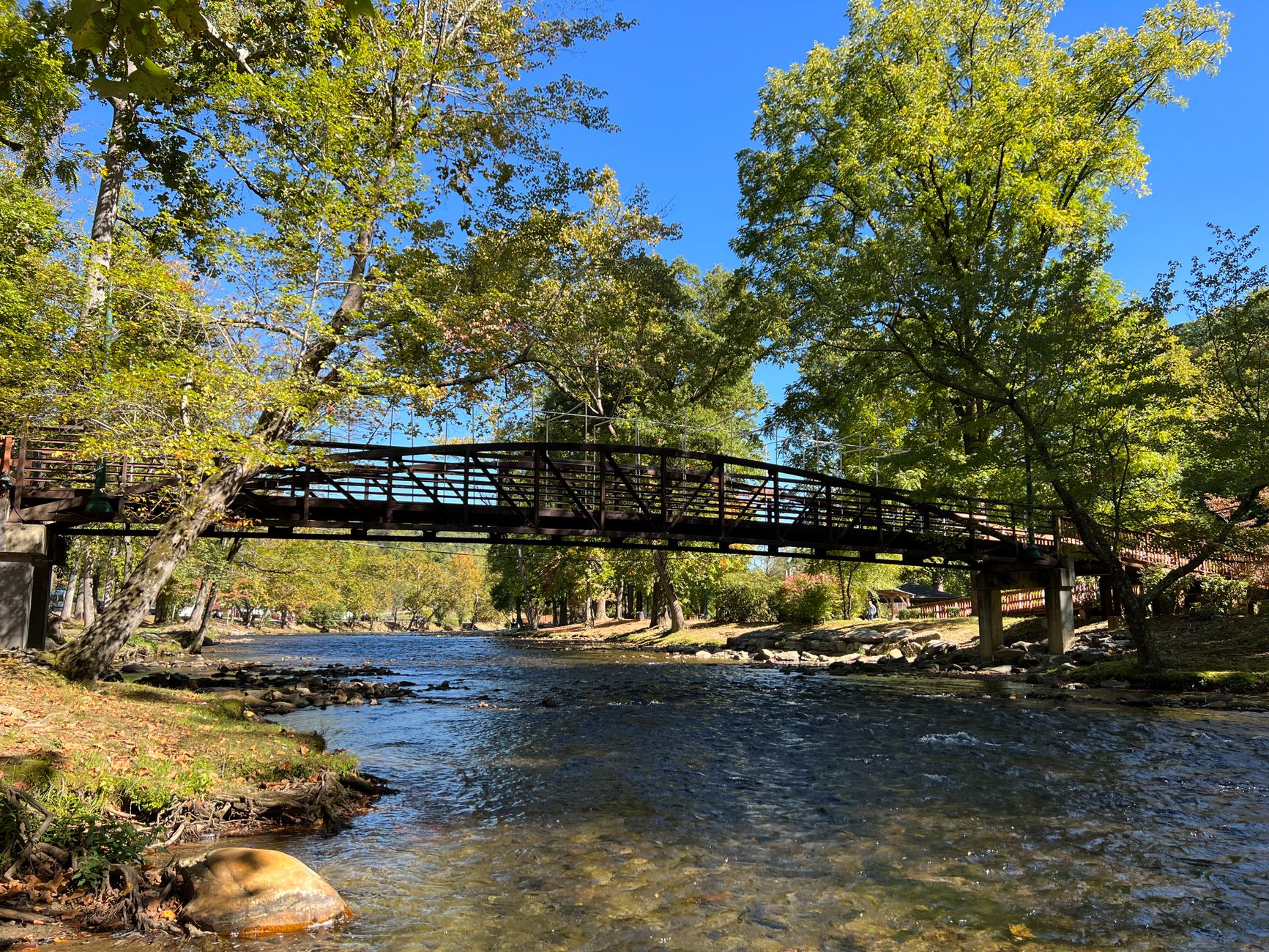
Finally, trail running or a relaxed hike on the American Tobacco Trail or segments of the Eno River gives a countryside feel without leaving the county limits.

Where to Stay
Downtown / American Tobacco: Suits visitors who want nightlife, restaurants and walking access to DPAC and Brightleaf Square. Expect mid-range hotels and boutique options from about $140–250 USD per night (≈ €130–230). Parking is often extra and many hotels are within a 5–10 minute walk of key venues.
Ninth Street / Trinity Park / Duke area: Suits visitors who want a quieter, residential feel near Duke University and local cafés. Small inns and B&Bs or budget chain hotels range roughly $110–200 USD per night (≈ €100–185). This area works well for daytime access to gardens and campus without downtown noise.
Southpoint / I-40 corridor: Suits travelers looking for chain hotels, lower nightly rates and easy highway access to Raleigh–Durham International Airport. Expect rates around $85–140 USD per night (≈ €80–130). This is a practical option for business travelers or those with a car.
Food and Drink
Carolina-style pulled pork barbecue: Slow-cooked pork with a vinegar- or pepper-forward sauce; good versions at local smokehouses and restaurants, typically $10–$16 for a plate. Shrimp and grits: a coastal-rooted dish adapted in Southern kitchens — expect $12–$20 at mid-range restaurants.
Livermush: a regional specialty made from pork liver and cornmeal, usually sliced and fried; commonly available at breakfast plates in older diners and at the farmers' market for $4–$8. Sweet tea: sold everywhere as the default nonalcoholic option and usually included with lunch or dinner at no extra cost.
Biscuits and gravy: a standard Southern breakfast offering; expect $6–$12 at brunch spots. Craft beer and local breweries: sample rooms at locales such as Fullsteam Brewery or Ponysaurus typically price pints $6–$8; flights are common and useful for tasting multiple beers.
Breakfast option: a neighborhood bakery or café on Ninth Street for pastries and coffee (about $6–$12). Street food option: festival or market tacos and oyster vendors at Durham Farmers' Market for $3–$8 per item. Dinner recommendation: a farm-to-table or barbecue restaurant in American Tobacco or Brightleaf Square with mains $15–$30.
Getting Around
Local transit is GoDurham buses for city routes and GoTriangle for regional connections; the free Bull City Connector circulator links Brightleaf Square, American Tobacco Campus, Ninth Street and Durham Station. GoDurham single-ride fares are about $1.75; day passes on local systems run roughly $4–$5. Regional GoTriangle fares vary by route; expect $2–$4 for nearby trips.
Rideshare and taxis are common; a taxi or rideshare from Raleigh–Durham International Airport (RDU) to downtown runs roughly $30–$45 depending on traffic. The transit app ecosystem includes the GoDurham/GoTriangle web schedules and common multi-agency apps such as Transit or Google Maps for route planning. Bicycle rentals and a handful of bike lanes exist around downtown and the American Tobacco area, but expect mixed infrastructure in some neighbourhoods.
Note: parking in central districts is metered; garages near Brightleaf and American Tobacco charge hourly rates and can fill during game days or performances. For connections to Raleigh, the GoTriangle routes and occasional Amtrak Raleigh–Charlotte options exist, with the Durham Amtrak/Amtrak station a central pick-up point.
Best Time to Visit
Spring (March–May): Temperatures average 50–75°F (10–24°C). Flowers and Sarah P. Duke Gardens peak in April–May and weekends can be busy, especially around university events. Late spring offers good value if avoiding peak summer hotel prices.
Summer (June–August): Temperatures average 70–90°F (21–32°C) with high humidity and frequent afternoon thunderstorms. Expect the highest local restaurant and event activity, but also larger crowds and higher accommodation rates around July.
Fall (September–November): Temperatures average 50–75°F (10–24°C) with clear days and comfortable evenings; university term time brings energy without summer humidity. Early November and mid-October offer good foliage near Eno River and county parks.
Winter (December–February): Temperatures average 30–50°F (-1–10°C). Fewer tourists and lower hotel prices, but some outdoor attractions and festival schedules are reduced; college-term breaks can change museum and garden hours.
Best overall value and manageable crowds: March–May and September–October.
Budget and Practical Tips
Daily budget guidelines per person: Accommodation $90–200 USD (≈ €85–185) depending on neighbourhood and season. Food $30–60 USD (≈ €28–55) for two decent meals plus snacks; higher with multiple sit-down dinners. Transport $5–20 USD (≈ €5–18) for local buses, occasional rideshare or parking. Entry fees: Museum of Life + Science $18–20, Durham Bulls tickets $10–30, Nasher Museum suggested donation or low-cost ticketed exhibitions depending on show.
Tipping: Standard U.S. norms apply — restaurants 15–20% on the pre-tax total; bar tabs 1–2 USD per drink for table service. Service workers in cafes and at markets appreciate small cash tips though they are not always expected. Carry a small amount of cash for market stalls and farmers' vendors; most venues accept cards but exact change speeds transactions.
Practical note on timing: reserve dinner times for weekend evenings and book any sports or DPAC tickets ahead of travel dates. For airport transfers, allow extra time during collegiate move-in/out weekends and big events at the ballpark.
FAQ
Is Durham safe for a short visit?
Durham is generally safe in central districts and university areas during daytime; standard urban precautions apply after dark and avoid poorly lit, nonresidential areas alone. Use well-lit routes and rideshare if uncertain.
What is the best way to get from RDU airport to downtown?
Rideshare or taxi is the fastest (about 20–30 minutes). GoTriangle buses serve regional connections to Durham Station but check the timetable; a direct bus can take longer depending on stops.
Is a city pass or card worth buying?
There is no single all-inclusive city card; individual attractions like the Museum of Life + Science sell timed tickets and Duke-affiliated museums have their own pricing. Buy tickets a la carte for the handful of paid attractions on a three-day trip.
Can most attractions be done on foot?
Many downtown and Duke-area sites are walkable in clusters, but Ninth Street, Eno River and Museum of Life + Science will require short rides or a car. Use the Bull City Connector to reduce walking between Brightleaf, American Tobacco and Ninth Street.
Are there good day trips from Durham?
Raleigh is a 25–30 minute drive or regional bus away; Chapel Hill and the UNC campus are 20–30 minutes in the opposite direction. For natural areas, Eno River State Park is inside county limits and reachable in 15–25 minutes by car.
How much time should be allowed for the Sarah P. Duke Gardens?
Plan 60–90 minutes for the main gardens; longer if visiting at peak bloom or bringing a picnic.
Conclusion
Three days gives a clear sense of the city's two main moods: university gardens and gothic architecture on one hand, repurposed tobacco-industry spaces and a condensed dining and arts scene on the other. Visitors will most likely remember the contrast between quiet garden paths at Sarah P. Duke Gardens and the brick promenades of American Tobacco Campus.
If time becomes tight, prioritize a morning at the gardens and an evening at the American Tobacco/Brightleaf area — those two experiences together capture why this city feels distinct from nearby Raleigh or Chapel Hill.
How this guide was prepared
This guide was prepared through a structured research that combines destination research, geographic context, itinerary planning logic, and content review.