
Shenzhen in 3 Days: Practical Itinerary and Costs
A practical 3-day Shenzhen guide with timed routes, transit advice, realistic prices, and specific meal and neighbourhood recommendations.
A straight-to-the-point 3-day plan for Shenzhen with timed routes, local transit tips, expected costs, and honest warnings for first-time visitors.
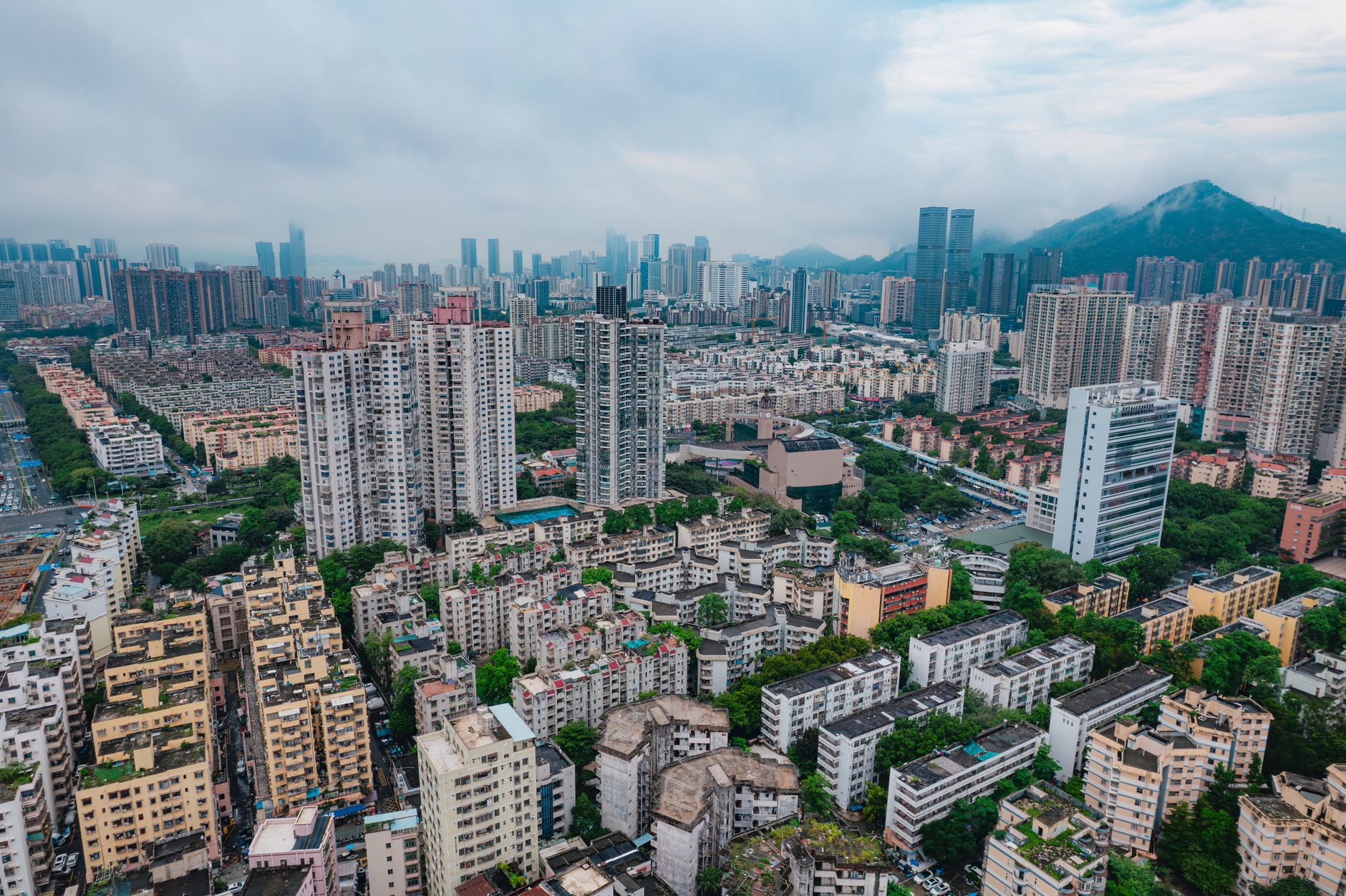
Expect a city that was planned around commerce and rapid growth rather than slow sightseeing. Skyscrapers, corporate plazas and wide transport arteries give a functional, efficient impression; green public parks and reclaimed waterfront promenades sit beside high-density residential blocks. English signage appears in central stations and major malls but smaller lanes and older markets use only Chinese and Cantonese phrasing. Noise levels vary: Futian and Nanshan feel busier during office hours while Shekou and Yantian are calmer evenings and weekends. Visitors often arrive expecting tourist-style attractions everywhere; this leads to disappointment if the aim is sightseeing alone. This guide balances a few paid attractions with street-level markets, a creative district, a tech-shopping area and an outdoor option so three days feel intentional rather than rushed.
Is 3 days in Shenzhen enough?
Three days give enough time to see a compact mix: Futian's civic core and Penn Plaza, a morning at Huaqiangbei electronics market, an afternoon in Nanshan (OCT/Shekou), and an outdoor hike on Wutong Mountain or a beach at Dameisha. Travelers must skip either a full day trip to Dapeng Peninsula or long lines at theme parks if they want relaxed pacing.
Who This Guide Is For
Best for urban planners, tech shoppers, and first-time visitors who want a balance of museums, markets and a short hike; less suitable for travelers seeking slow rural scenery or a dedicated beach holiday.
Local Tips for Shenzhen
Practical details that most travel sites skip — specific to Shenzhen.
- Buy a Shenzhen Tong (深圳通) card at any metro station; ¥20 deposit and top-up by cash, WeChat or Alipay — tap at gates for faster boarding.
- Huaqiangbei’s SEG Plaza and nearby Huaqiang North stations concentrate component and phone stalls; bring small cash (¥10–50 notes) and expect bargaining for repairs and loose parts.
- Luohu Port (罗湖口岸) and Huanggang/Shekou Ferry handle cross-border movement; clearing Hong Kong immigration at Luohu can take 30–90 minutes on weekends and evenings.
- Window of the World and Splendid China combined tickets are often cheaper on Meituan/Ctrip by ¥40–¥100 versus walk-up prices (onsite ≈¥180–¥250 depending on season).
- Seafood in Yantian (大梅沙/盐田) is sold by weight; expect a minimum spend per dish (roughly ¥80–150 per dish) and restaurants often charge a service or table fee separately.
How This Guide Was Prepared
Shenzhen is a fast-moving, built-for-business metropolis where skyline projects, tech bazaars and reclaimed coastline sit adjacent to working-class neighbourhoods. Most guides either treat it as a transit hub to Hong Kong or a theme-park checklist; this guide treats Shenzhen as a city with distinct districts — a fintech core, hardware markets, coastal leisure zones and industrial-turned-creative quarters — and gives realistic timing and costs. This guide was prepared through a structured research that combines destination research, geographic context, itinerary planning logic, and content review.
Plan Your Stay in Shenzhen
Use this itinerary as your starting point, then compare areas to stay, transport options, seasonal timing, and realistic daily costs before booking.
Why Visit
Access to technology markets at Huaqiangbei makes Shenzhen unique for anyone who repairs, prototypes or shops electronics. Entrepreneurs and hobbyists will find components, modular boards and phone parts not sold in traditional retail elsewhere. The coastline — Shekou, Dameisha and Yantian — offers quick seaside relief without long travel from the city center. Fresh seafood restaurants and promenades mean a beach day is feasible within a short metro or taxi ride. A creative rebound has converted former factories into gallery clusters like OCT Loft and Dafen Oil Painting Village, where one can see production and buy original or reproduction art at scale. Finally, modern architecture and finance towers such as Ping An IFC provide skyline viewpoints and observation options; this is useful for visitors who want modern-city contrast rather than historical tours.

Quick Planning Tips
Arrive by air at Shenzhen Bao'an Airport (SZX) or by rail at Shenzhen North and Luohu stations; Line 11 connects Bao'an Airport to Futian and central hubs but check platform signs for the airport express service. Obtain a Shenzhen Tong (深圳通) card at any metro station ticket counter for a small deposit; topping up with WeChat or Alipay is easiest. Carry some cash in small denominations for street stalls in Dongmen and parts of Huaqiangbei; not every vendor accepts foreign cards. Avoid booking every attraction for the first day; rush and long queues at Window of the World or theme parks will derail a three-day plan. Reserve one flexible afternoon for shopping or adjusting to jet lag.

Day 1
Morning: Start at Luohu or Futian civic center depending on arrival. At Luohu, cross-check walkways through Luohu Commercial City for fast shopping; allow 60–90 minutes for browsing and passports if crossing to Hong Kong. From Futian Civic Center (Civic Center Station), spend 45–75 minutes at Shenzhen Museum (free entry but check opening hours) and photograph the modern government plaza outside. Transit: metro ride between Futian Civic Center and Huaqiangbei is about 10–15 minutes on Line 1 or Line 3 with a short walk. Midday: Walk or take one stop to Huaqiangbei — allocate 2–3 hours in SEG Plaza and surrounding arcades for electronics, phone repairs and component stalls. Lunch: Eat at a mid-range Cantonese restaurant around Huaqiangbei or try dumpling stalls in the lower floors (expect ¥25–60 per person). Afternoon: Head to Ping An Finance Centre; allow 60–90 minutes for the observation deck and lobby (observation ticket ≈¥120–¥200). Transit: from Huaqiangbei, Line 1/Line 2 connections take 15–25 minutes to Futian or Qianhai areas. Evening: Move to Shekou for dinner at Sea World (Sea World Plaza) where seafood restaurants and milk-tea cafés cluster; a seafood dinner for two typically runs ¥200–¥400 depending on selection. End the night with a walk along Shekou Sea World promenade or drinks at a bar facing the marina.

Day 2
Morning: Start in Nanshan district at OCT Loft Creative Park (visit He Xiangning Art Museum nearby if interested). Allow 1.5–2 hours for galleries, design shops and coffee. Transit: OCT Loft is on Line 2/Line 9 connections from central metro hubs and takes 30–40 minutes from Futian. Midday: Walk or taxi to Dafen Oil Painting Village for lunchtime and an art stroll; small galleries and studios are open from mid-morning through afternoon, and commissions are possible if purchased in advance. Lunch: Try a local seafood noodle shop near Dafen or a Cantonese tea house in Nanshan (expect ¥40–90 per person). Afternoon: Head to Shekou’s Sea World if not visited Day 1 or explore Shenzhen Bay Park for an easier afternoon — a 60–90 minute riverfront walk gives skyline photographs and local bike rentals. Alternatively, allocate this afternoon to visit He Xiangning Art Museum exhibitions and nearby Huawei or Tencent campus exteriors for architecture shots. Evening: Dine in Shekou’s Sea World area or try a street-level shaokao (skewers) stall in Dongmen if back near Luohu; public transit between Shekou and Luohu takes 35–50 minutes by metro.

Day 3
Morning: Choose between a hike on Wutong Mountain for 2–4 hours or a beach visit to Dameisha for a relaxed morning. Wutong Mountain trailheads near Luohu will take 30–45 minutes by taxi from Futian; plan for good shoes, water and 3–4 hours round trip. Dameisha is about 45–60 minutes by metro and bus or taxi from central districts; beach facilities charge seasonal entrance or umbrella rental fees (≈¥20–60). Midday: If hiking, descend and eat at a local riverside restaurant around Luohu; if at the beach, try a seafood lunch in Yantian (expect ¥80–150 per dish for mid-range places). Afternoon: Return to central districts for any missed stops — Dafen, Huaqiangbei or a last museum visit at Shenzhen Museum depending on opening times. Practical note for departures: allow extra time for traffic to the airport (Bao'an) or for Luohu/Lok Ma Chau border crossings; taxis from Futian to Bao'an Airport are roughly ¥120–160 depending on time of day and traffic. Evening: If departure is late, finish with a final meal in Futian's shopping streets or pick up packaged soy-based snacks and tea for the journey.

Best Local Experiences
Huaqiangbei electronics market for component hunting and phone repairs; SEG Plaza and adjacent blocks specialize by product and floor. OCT Loft Creative Park for converted factory galleries, independent design shops and weekend pop-up markets. Dafen Oil Painting Village for studio visits and commissioned reproductions or original canvases sold at scale. Sea World (Shekou) for international dining, marina views and live music nights near the ship-shaped plaza. Wutong Mountain hike for a full-city panorama and an escape from traffic; multiple trails lead to different ridgelines and the summit. Additional options: Window of the World for international miniature landmarks if short on time, Splendid China Folk Village for staged cultural shows, and Dongmen Pedestrian Street for street food and inexpensive clothing. Each of these is specific enough to plan with realistic time blocks rather than aiming to 'see everything.'

Where to Stay
Futian (Central business district): Suits business travelers and first-time visitors who want metro links and proximity to Shenzhen Museum, civic center and high-speed rail at Futian. Expect nightly hotel rates from ¥300–¥900 (≈€40–€120 / $44–$135) for mid-range to upper-mid hotels. Nanshan (Shekou, Houhai, OCT): Suits families and creative travellers who prefer coastal promenades and OCT Loft; expect ¥250–¥700 per night (≈€35–€95 / $40–$110). Luohu (near Luohu Port and Dongmen): Suits budget travellers and those crossing to Hong Kong frequently; prices range ¥180–¥450 per night (≈€25–€60 / $30–$65) for comfortable options. Pick Futian for central access, Nanshan for coastal evenings and a quieter night, and Luohu for budget and border convenience.
Food and Drink
Cantonese dim sum (点心): Small steamed dumplings and rice rolls found at tea houses and chains; try a suburban Cantonese teahouse for authentic har gow and siu mai at ¥28–¥60 per person for a basic meal. Hong Kong–style milk tea (港式奶茶): Strong black tea with condensed milk, common in Shekou cafés and chain stores; expect ¥12–¥25. Shenzhen seafood platters (盐田/大梅沙): Steamed fish, scallops and clams sold by weight — mid-range restaurant dishes usually cost ¥80–¥200 per dish; order fewer live items to control cost. Shaokao (烧烤) skewers: Street-side grilled skewers near Dongmen and night markets — plan ¥3–¥15 per skewer depending on meat and marinade. Jianbing (煎饼), Chinese crepe for breakfast: Found at morning stalls near metro exits for ¥6–¥15; fast and portable. Dinner recommendation: a seafood-focused restaurant in Yantian or Shekou where a mid-range meal for two with several dishes will run ¥200–¥400 excluding high-end live seafood.
Getting Around
Metro: Use Shenzhen Metro Lines including Line 1 (Luobao), Line 2 (Shekou), Line 3 (Longgang), Line 4 (Longhua), Line 7, Line 9 and Line 11 (Airport Express) for most city travel. Single-ride fares start at ¥2 and increase with distance; fares typically range ¥2–¥14 for most journeys. There is no widely used official unlimited metro day pass; pay-as-you-go with Shenzhen Tong (深圳通) card is standard. Taxis: Metered taxis start around ¥10–¥14 plus per-kilometre charges; expect ¥120–¥160 from Bao'an Airport to Futian in normal traffic. Ride-hailing: Didi works but may require a local phone number for registration; most drivers accept cash or WeChat. Apps and cards: Use the Shenzhen Metro official app for route maps and Amap (高德地图) or Baidu Maps for transit walking exits. Keep WeChat Pay or Alipay available for many vendors.
Best Time to Visit
Spring (March–May): Temperatures 16–25°C. Pleasant for hiking Wutong Mountain and outdoor promenades; expect higher weekend crowds in April. Summer (June–August): Hot, humid and rainy with temperatures 26–33°C and frequent thunderstorms; best avoided for long outdoor hikes but fine for indoor malls and beach visits early morning. Autumn (September–November): Temperatures 18–28°C and lower humidity; optimal balance of weather and fewer hotel price spikes after October holidays. Winter (December–February): Mild but cooler nights (8–18°C); good for budget travel with lower hotel rates, though some restaurants may close earlier in quieter neighbourhoods. Best value months: late November and February (outside Chinese New Year) when accommodation dips and weather remains comfortable.
Budget and Practical Tips
Daily budget (mid-range traveler): Accommodation ¥300–¥700, food ¥100–¥250, transport ¥20–¥60, entry fees ¥0–¥200 (averaged). That equates roughly to ¥520–¥1,210 per day (≈€72–€170 / $80–$185). Budget travelers can find hostels or budget hotels for ¥120–¥250 per night and eat street food to cut daily costs under ¥400. Tipping is not customary for table service in most local restaurants; small tips are accepted in international hotels and some tour situations but not expected. Expect card acceptance at malls and large restaurants but carry cash for market stalls and small food vendors. Bring passport copies and a local contact number for hotel registration and Didi sign-up.
FAQ
Is Shenzhen safe for solo travellers?
Yes; city centre areas like Futian, Nanshan and Shekou are generally safe with low violent crime, though pickpocketing can occur in crowded markets such as Huaqiangbei and Dongmen so guard belongings.
What is the best way to get from Bao'an Airport to central Futian?
Take Line 11 Airport Express to Futian or a metered taxi (approx ¥120–¥160) depending on luggage and time; allow extra time for rush-hour traffic.
Is a Shenzhen city card or pass worth buying?
There is no single universal tourist metro day pass; buy a Shenzhen Tong card for convenience and tap-pay savings. Some third-party sites sell park or theme-park bundles that can save money if planning multiple paid attractions.
How easy is it to visit Hong Kong from here for a day trip?
Very doable via Luohu Port, Futian Checkpoint or the ferry from Shekou; allow 1–2 hours each way depending on queues and Hong Kong immigration rules.
Are English signs and English-speaking staff common?
English signage and staff are common in major malls, hotels and metro stations, but local markets and smaller restaurants often lack English menus; download Amap and a translation app.
Can cashless payments be used by foreign visitors?
WeChat Pay and Alipay dominate; many places accept international cards in malls and hotels but small vendors may require cash or a local mobile-wallet setup.
Conclusion
A realistic three-day visit prioritizes one neighbourhood per block of time rather than trying to cover every attraction. Expect efficient transport, busy markets and a skyline that rewards short observation visits. If time runs short, prioritize Huaqiangbei for tech shopping or Wutong Mountain for a clear sense of scale; either gives a decisive impression of what separates this city from neighbouring Guangzhou or Dongguan. Plan travel time conservatively for airport and border transfers and keep one afternoon flexible for delays or weather.
How this guide was prepared
This guide was prepared through a structured research that combines destination research, geographic context, itinerary planning logic, and content review.