

Dongguan in 3 Days: Practical 72-Hour Itinerary and Tips
A straightforward 3-day Dongguan guide with day-by-day plans, transport advice, realistic budgets, and food picks for a short business or weekend trip.
Concrete, non‑salesy 72-hour plan for Dongguan that balances history, parks, village architecture and local food, with transport, budgets and safety notes.
Expect a spread-out urban area made of former market towns that now read as districts—Humen, Dongcheng, Nancheng, Songshan Lake and Dalingshan each have different characters. The pace tends to be practical and work-focused during weekdays, with quieter residential streets and early-closing shops in many parts. First impressions are often of surprising green space and preserved Lingnan architecture tucked behind wide boulevards rather than a single compact centre.
Is 3 days in Dongguan enough?
Yes — three days can give a solid, varied impression: one day in Humen and the old town core, one day at Songshan Lake and nearby industrial-park museums, and one day among villages and a mountain park. A caveat: longer excursions into every district or a deep factory-tour program will require more time.
Who This Guide Is For
Best for travelers who have limited time between stops in Guangzhou and Shenzhen, or business visitors who want a short cultural excursion; less suitable for travelers seeking nightlife or slow countryside trekking.
Local Tips for Dongguan
Practical details that most travel sites skip — specific to Dongguan.
- Keyuan Garden (可园) usually charges around ¥20–30 for admission and opens earlier than many attractions; go when it opens to avoid tour-group visits.
- Humen (虎门) is served by Humen Railway Station (虎门站) on the Guangzhou–Shenzhen line; a high-speed train from Guangzhou South takes about 15–25 minutes to Humen.
- Songshan Lake (松山湖) has a bicycle rental network and a community bus inside the park; expect to pay about ¥10–30 for a decent electric bike rental for a half day.
- Buy a rechargeable public-transport card at major bus terminals or metro stations (look for 东莞通/Dongguan Tong machines) to shave time and avoid cash on buses.
- Most shops and restaurants accept Alipay and WeChat Pay; foreign cards work at larger hotels and some supermarkets but not at small stalls.
How This Guide Was Prepared
This guide treats Dongguan as more than an industrial hub between Guangzhou and Shenzhen: it's a string of distinct towns with preserved Lingnan gardens, Humen's Opium War sites, and large modern research parks at Songshan Lake. Most guides either reduce the place to factories or lump it with neighbouring megacities; this plan shows how to sample both the old villages and the newer tech districts without wasting time on logistics. This guide was prepared through a structured research that combines destination research, geographic context, itinerary planning logic, and content review.
Plan Your Stay in Dongguan
Use this itinerary as your starting point, then compare areas to stay, transport options, seasonal timing, and realistic daily costs before booking.
Why Visit
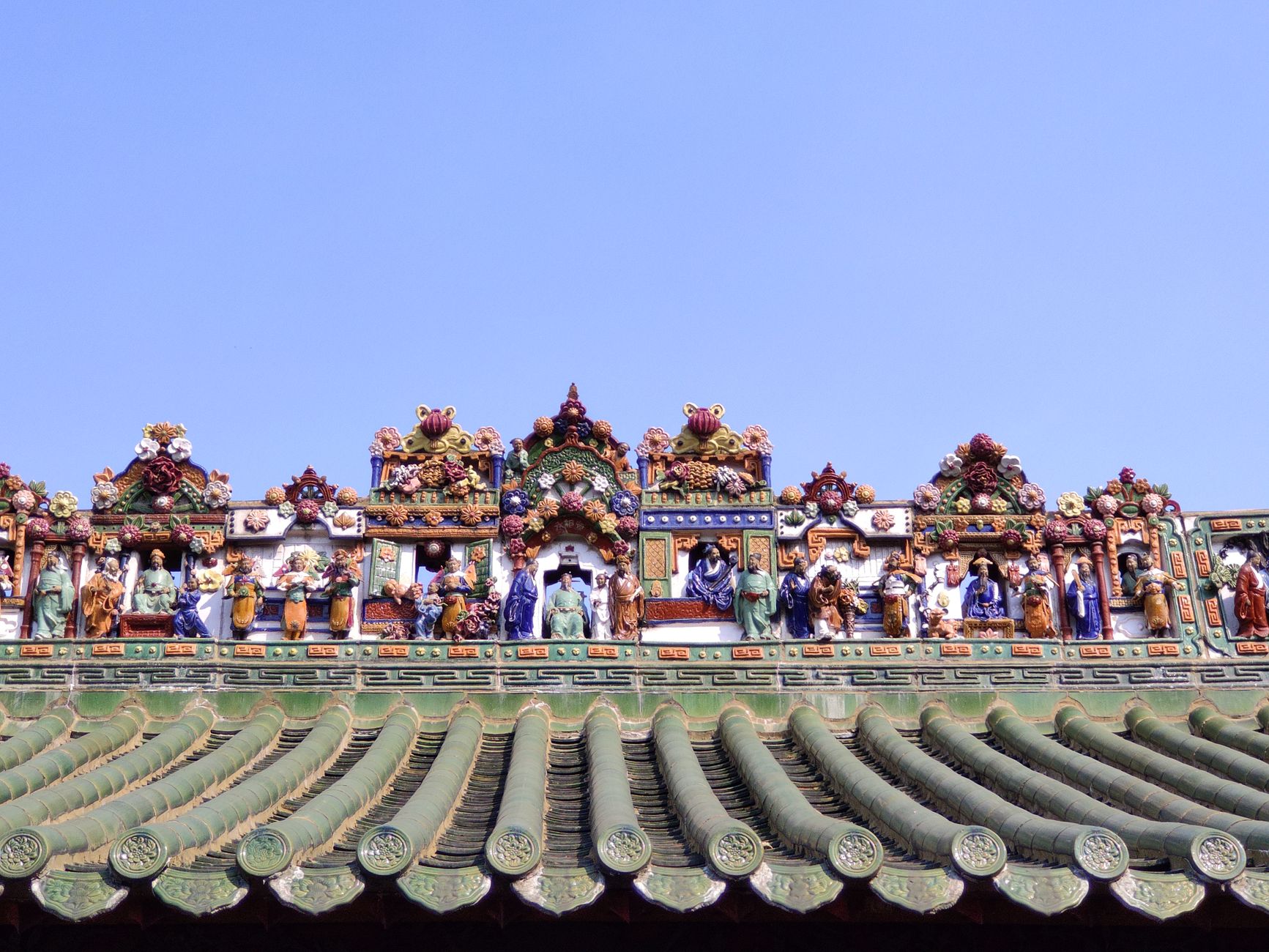
One: historical sites that are specific to the region. Humen's Opium War batteries and the Humen Naval Museum document events that shaped modern China and are more focused than displays in Guangzhou. Two: preserved Lingnan architecture. Keyuan Garden and Nanshe Ancient Village show classical southern-climate gardens and clan-built villages rarely found inside bigger neighbouring cities. Three: modern R&D and lakeside design. Songshan Lake combines corporate campuses, cycle paths and public art, offering a different feel from Shenzhen’s hyper-growth districts. Four: proximity to Guangzhou and Shenzhen makes it an efficient stop-over for short trips; train and intercity-bus links reduce dead transit time.
Quick Planning Tips
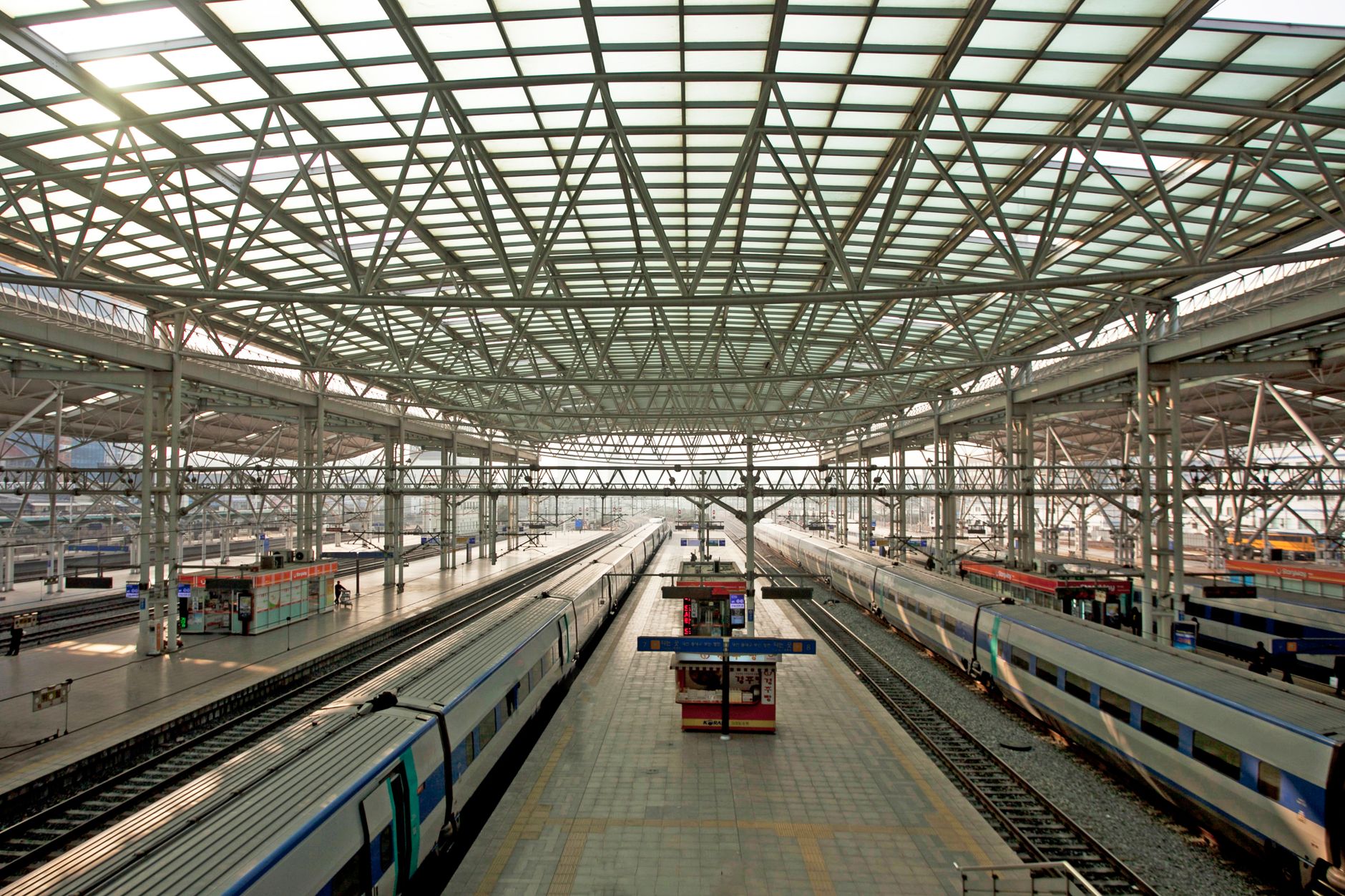
Arrive by high-speed train to Humen or Dongguan East for the fastest access; many hotels list transfer times from Humen Railway Station. Expect most signs in Chinese; download an offline map with Chinese characters for station names and confirm addresses with the hotel in Chinese. Cash is less necessary than a few years ago: Alipay and WeChat Pay work almost everywhere, but prepare a UnionPay or Visa/Mastercard for hotel payments. Avoid booking accommodation in industrial sub-districts (check for '镇' or '工业区' in the address) unless proximity to a specific factory visit matters.
Day 1
Morning: Start at Humen Railway Station and walk 10–15 minutes to the Humen Opium War Museum and Humen Fort (虎门炮台), where interpretive panels and preserved cannons sit along the Pearl River estuary. Expect 1.5–2 hours here. Midday: Walk or take a short taxi to Keyuan Garden (可园) in Humen town (about 10 minutes by taxi). Spend an hour exploring the courtyard rooms and garden pavilions; entry typically costs around ¥20–30. Lunch: Eat at a nearby Cantonese restaurant—search for local roast meats and steamed fish; a set lunch near Keyuan will run ¥40–80 per person. Afternoon: Walk through Humen Old Street (虎门老街) to see tea shops and small retail arcades—this is a 15–20 minute stroll from Keyuan. Late afternoon: Take a taxi (about 20–30 minutes) to Humen Bridge viewing points; sunset photos of the bridge are popular. Dinner: Try a family-run seafood restaurant by the estuary in Humen; expect ¥60–150 per person depending on dishes. Evening: Finish at a low-key riverside walkway or a local bar near Humen Road for a quiet drink.

Day 2
Morning: Head to Songshan Lake (松山湖). From Humen or Dongguan East station, take a taxi or local bus; travel time is typically 30–50 minutes depending on traffic. Rent an electric bike at the lakeside rental stand (about ¥20–40 half day) and cycle the lakeside path, stopping at public art installations and small cafes. Midday: Lunch at a lakeside café or a tech-park canteen—cafés near the visitor centre offer rice bowls and noodle dishes for ¥30–60. Afternoon: Visit the nearby Guangdong Modern Industrial Design Museum or a corporate campus open to visitors to see contemporary industrial design and company showrooms; many campuses have visitor centres with free entry but require ID registration. Alternatively, travel to Songshan Lake Botanical Garden for quiet paths and shade trees. Evening: Return toward Nancheng or Dongcheng and pick a restaurant that serves local Cantonese hotpot or seafood; taxis from Songshan Lake to central districts run ¥60–100 depending on distance. Night: If energy remains, check a commercial mall near Dongguan Exhibition Center for late shopping and local desserts.

Day 3
Morning: Visit Nanshe Ancient Village (南社古村落) for clan architecture, brick carvings and lane layouts; allow 1.5–2 hours. Nanshe is 30–45 minutes from central Dongguan by taxi or local bus. Midday: Move toward Dalingshan Forest Park (大岭山森林公园) for a short hike or cable-car viewpoint; travel time is roughly 20–40 minutes from Nanshe by taxi. Lunch: Pack a light lunch from a supermarket near Nancheng or eat at a simple park canteen—expect ¥25–50. Afternoon: If an afternoon train or flight is scheduled, return via Dongguan East or Humen station depending on departure; leave plenty of buffer for weekday traffic. If time allows, stop at Dongguan Museum (东莞市博物馆) to see local ceramics and industry exhibits—entry is often free or low cost. Practical note: check hotel checkout policies; for afternoon departures, ask the hotel about luggage storage and a late checkout fee. Evening/Departure: For an evening or late-afternoon flight, allow at least 2–2.5 hours transfer time to Guangzhou Baiyun or Shenzhen Bao'an airports if using road transfer.

Best Local Experiences
Ride an electric bike around Songshan Lake to see corporate campuses and lakeside sculpture. Explore Humen’s Opium War sites and the Humen Bridge viewpoints for regional 19th-century history. Wander Keyuan Garden for a compact example of Lingnan garden design. Walk the lanes of Nanshe Ancient Village to study clan houses and brick reliefs. Hike short trails in Dalingshan Forest Park for a quick nature escape without leaving the metropolitan area. Attend a local wet market in a district like Dongcheng to see morning produce, live seafood and local snacks; many operate early, around 06:00–09:00. Time a visit to coincide with a university open day or a corporate expo at the Dongguan Exhibition Center for a look at manufacturing-to-design transitions.

Where to Stay
Humen town: suits visitors who want direct access to Humen Railway Station and the Opium War sites; many mid-range hotels and business hotels line Humen Avenue. Typical nightly cost: ¥250–500 (≈€32–65 / $35–75). Songshan Lake area: suits visitors focused on cycling and modern campuses; hotels here are newer and often cater to corporate guests. Expect quieter evenings and shuttle services to tech parks. Typical nightly cost: ¥300–700 (≈€38–90 / $45–100). Nancheng / Dongcheng (central districts): suits travelers who want restaurants, shopping malls and museum access; more hotel choices and better evening options. Typical nightly cost: ¥200–600 (≈€25–77 / $30–85). Choose hotels with easy access to Humen Station or Dongguan East if planning high-speed connections to Guangzhou or Shenzhen.
Food and Drink
Dim sum (早茶): small steamed and fried plates served at traditional teahouses; try shrimp dumplings (虾饺) and steamed pork buns. Look for established Cantonese teahouses in Nancheng or Humen; expect ¥30–80 per person for a solid morning meal. Roast goose (烧鹅): Cantonese-style roast bird with crisp skin; good versions are available near Humen Old Street for ¥60–120 per portion to share. Rice noodle soup (肠粉 or 粿条): Cantonese rice rolls and noodle soups served at breakfast stalls; single portions cost about ¥8–20. Humen-style seafood: estuary restaurants serve fresh shellfish and fish; a shared dinner with a few dishes runs ¥80–200 per person depending on selection. Local desserts and teas: Chenghua milk tea shops and local mango desserts are common in malls and near Songshan Lake; a dessert with tea runs ¥15–40. For breakfast on the go, try a soy milk and youtiao combination at a street stall for ¥6–15.
Getting Around
Rail: Humen Railway Station and Dongguan East (东莞东) connect to Guangzhou and Shenzhen on the Guangzhou–Shenzhen corridor; high-speed trains are fastest for intercity hops. Metro and light rail: Dongguan Rail Transit exists with operational lines serving parts of the city—look for station names and line numbers at stations; single rides generally start around ¥2–3 and rise with distance. Buses: city buses cover most districts; single fares are commonly ¥1–3. Cards and payment: use a local transport card (look for 东莞通/Dongguan Tong) or pay with Alipay/WeChat on buses and in many stations. Taxis and ride-hailing: taxis start around ¥10–12 for the flag drop; Didi handles most recommended trips. Airport transfers: a taxi to Guangzhou Baiyun or Shenzhen Bao'an can run several hundred RMB depending on traffic; for faster transit use high-speed rail plus metro connections.
Best Time to Visit
Spring (March–May): warm temperatures around 18–26°C and moderate humidity; good balance of weather and fewer peak domestic tourists. Summer (June–August): hot and humid, 28–35°C, with heavy rain and higher visitor numbers for family trips; expect afternoon thunderstorms. Autumn (September–November): pleasant temperatures 20–28°C and lower humidity; this period offers the best weather for outdoor cycling and hiking. Winter (December–February): mild but cooler nights, 10–18°C; lower hotel prices but limited swimming options and some industrial areas may feel quiet. For best value and weather, aim for late September–November; avoid the core of Chinese New Year if crowds and higher prices are a concern.
Budget and Practical Tips
Typical daily budgets (per person): Budget traveler: accommodation ¥150–300, food ¥60–120, transport ¥20–40, entry fees ¥0–50; total ≈ ¥230–510 (≈€30–65 / $35–70). Mid-range traveler: accommodation ¥300–600, food ¥120–250, transport ¥30–80, entry fees ¥20–100; total ≈ ¥470–1,030 (≈€60–140 / $70–155). Tipping: tipping is not customary in most local restaurants; small tips for exceptional private guides or bell service are acceptable but not expected. Carry some cash for small markets and buses, although mobile payments are the dominant method. Hotel Wi‑Fi is widely available; if planning to navigate Chinese-language signage, save key addresses in Chinese and download a map app with offline capability.
FAQ
How safe is Dongguan for tourists?
Generally safe; petty theft is the main concern in crowded markets. Keep valuables secure and use registered taxis or Didi at night.
Is there a city pass worth buying?
There is no single universal tourist pass; paying per museum or attraction is common. Some corporate campuses and exhibition centres offer free entry with prior registration.
How do I get from Guangzhou to Humen quickly?
High-speed trains to Humen Railway Station are the fastest option, typically 15–30 minutes from Guangzhou South depending on service.
Are English signs common on public transport?
Station signage increasingly includes English, but many bus stops and small attractions use only Chinese; carry addresses in Chinese for drivers.
Can Chinese mobile payment apps be used with foreign cards?
Alipay and WeChat Pay can be used if linked to a Chinese bank card; some foreign cards now support limited functionality in Alipay for tourist registrations, but plan to have a backup card or cash.
What's the best way to visit Songshan Lake?
Take a taxi from Humen or Dongguan East, then rent an electric bike at the lake; allow a half day for cycling and a museum stop.
Are there English-speaking tours of Humen's historical sites?
English tours are uncommon; hire a guide through a hotel or book a private guide in advance if English commentary is necessary.
How early should one leave for the airport from Dongguan?
For Guangzhou Baiyun or Shenzhen Bao'an, allow at least 2–3 hours for transfer plus international recommended check-in time; traffic can add significant delays.
Conclusion
A three-day plan highlights what makes this place different from Guangzhou and Shenzhen: specific historical sites in Humen, Lingnan garden architecture, lakeside R&D parks and quieter village cores. Most travelers will remember the contrast between industrial-scale development and small, ornate clan houses. If time runs out, prioritise Humen's Opium War sites plus a half-day at Songshan Lake — that combination gives a clear sense of past and present in a short span.
How this guide was prepared
This guide was prepared through a structured research that combines destination research, geographic context, itinerary planning logic, and content review.