

Madison in 3 Days: Practical Itinerary and Local Tips
A practical 3-day guide to Madison, WI with day-by-day plans, transit and bike tips, farmers' market times, neighborhood picks, food and budgets.
A realistic, no-fluff 72-hour plan for Madison focusing on timing, transit, food and where to skip long lines. For travellers who want efficient routes and honest costs.
Madison is a compact, lake-framed college city where life centers on the Capitol isthmus and the University of Wisconsin–Madison campus. Expect a mix of student energy, steady municipal services, and lakeshore activity; noise from nightlife clusters near State Street and Williamson Street can be surprising to anyone expecting a quiet small town.
First impressions are often of green space and planned civic architecture: the Capitol dome, Bascom Hill, and broad lake views are immediate. Many visitors misunderstand the layout; the isthmus compresses major attractions within easy bikable distance, but that convenience comes with busy weekends and limited parking.
This guide suits travellers who want efficient routes and realistic time estimates rather than broad promotional lists. It names exact markets, reliable meal stops, transit options and small timing hacks so a three-day visit feels complete without trying to cram long day trips into the schedule.
Is 3 days in Madison enough?
Three days is enough to hit the Capitol, UW–Madison campus, a major museum or two, one lakefront, and a full Saturday farmers' market. One honest caveat: with three days there is time for highlights only — lengthy day trips to places like Devil's Lake or Milwaukee must be left for a future visit.
Who This Guide Is For
Best for active, moderately budgeted travellers who like walking, biking and food markets; not a great fit for visitors who need a slow, museum-only schedule or who dislike urban noise near bars and campus housing.
Local Tips for Madison
Practical details that most travel sites skip — specific to Madison.
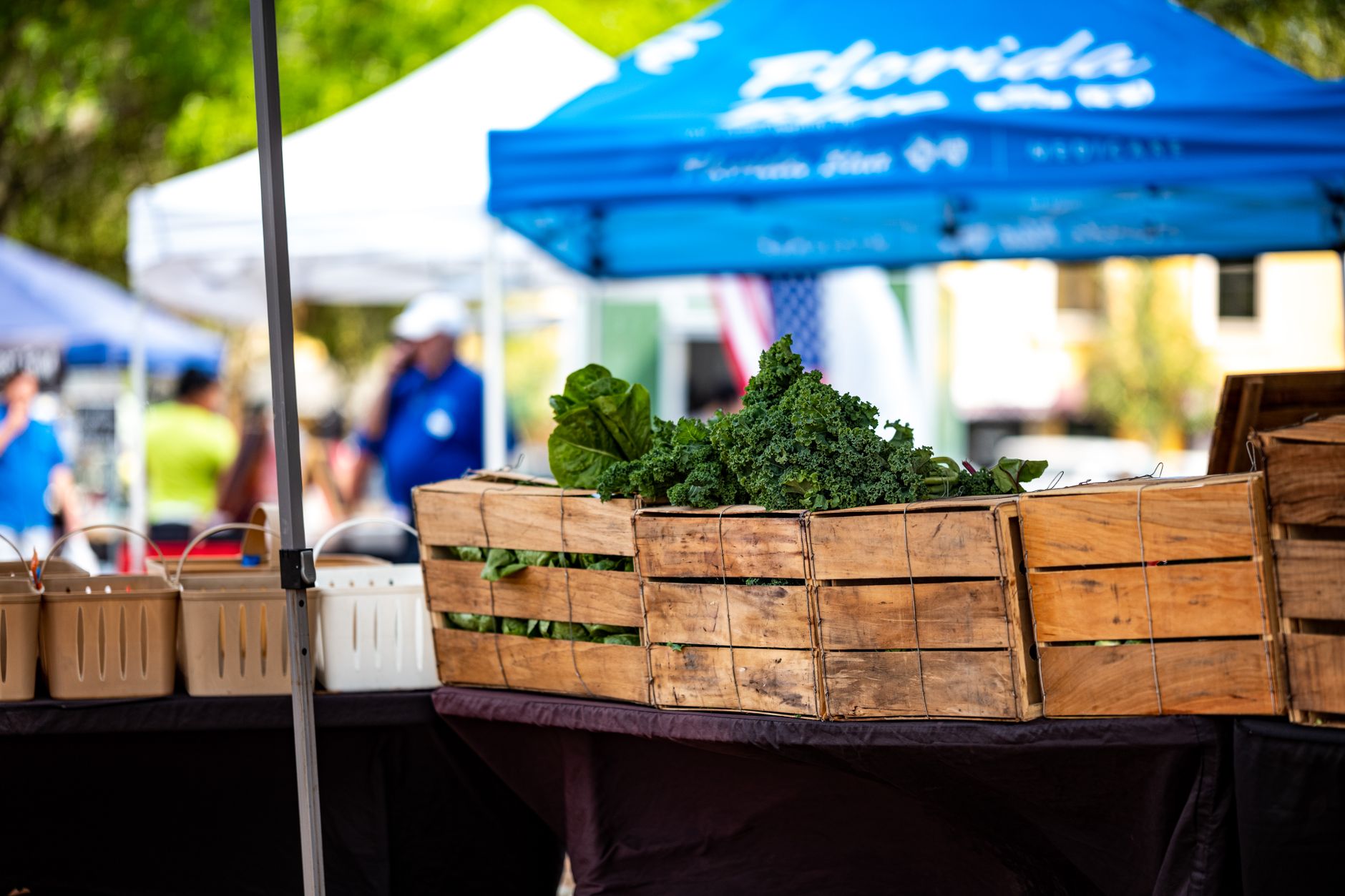
- Dane County Farmers' Market runs on the Capitol Square every Saturday from about 6:00 AM to early afternoon; it is producer-only and often busiest 8:00–11:00.
- Henry Vilas Zoo and the Wisconsin Veterans Museum offer free admission most days; check each site's hours for special exhibits that may charge.
- On-street parking near the Capitol is metered and enforced approximately Monday–Friday 8:00–6:00, with rates around $1.50–2.00 per hour and short maximum stays on some blocks.
- Bublr Bikes has stations across the isthmus and near UW–Madison; a 24-hour pass is often under $10 and is useful for short hops along Lakes Mendota and Monona.
- Real-time bus tracking uses the TransLoc Rider app (search 'Madison Metro'); many frequent routes serve UW and the isthmus, and passes can be purchased on the app or at major transfer points.
How This Guide Was Prepared
Madison is an isthmus university-and-lakes city where mornings belong to the farmers' market and afternoons split between campus and lakefront activity. Many guides overplay architecture and downtown shopping while under-describing how weather, university schedules and market hours shape a short trip; this guide gives exact markets, timed routes, and realistic meal and transit costs. This guide was prepared through a structured research that combines destination research, geographic context, itinerary planning logic, and content review.
Plan Your Stay in Madison
Use this itinerary as your starting point, then compare areas to stay, transport options, seasonal timing, and realistic daily costs before booking.
Why Visit
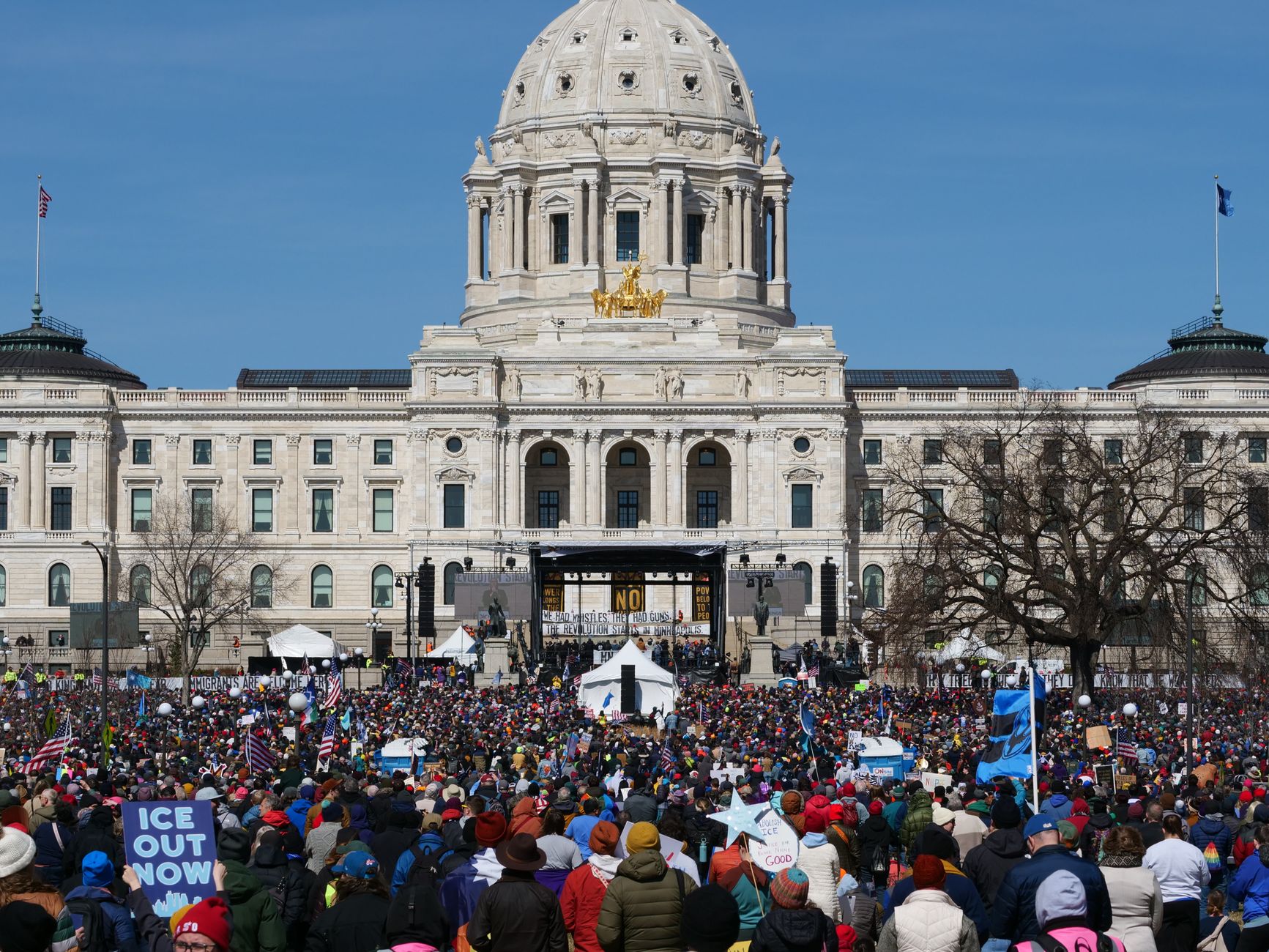
Capitol Square and its Saturday Dane County Farmers' Market are a specific draw: the market is producer-only and large enough that a morning there gives a clear sense of local agriculture and food culture. Combine that with accessible civic sites like the Wisconsin State Capitol, where free tours explain state government and the building offers a rooftop view.
The university campus is also distinctive. Bascom Hill, the Chazen Museum of Art (free admission), and Memorial Union Terrace on Lake Mendota provide a mix of art, student life and lakefront dining that most medium-size Midwestern cities do not concentrate in one walkable area.
Outdoor access matters: Lake Mendota and Lake Monona bookend the isthmus and make short boat rentals, lakeside walks and sunset views easy to fit into limited time. Small cultural scenes — independent bookstores on State Street, craft breweries in the Willy Street area and a persistent farmers' market culture — make food, beer and local produce central rather than peripheral reasons to visit.
Quick Planning Tips
Fly into Dane County Regional Airport (MSN) and budget about $30–40 for a taxi or rideshare to downtown; some limited county bus service connects the airport with transfer hubs. If arriving by train or bus, Badger Bus and Greyhound serve a downtown stop near the isthmus; Union Station options are limited so check schedules.
Carry a payment card and small bills for market stalls; many vendors take cards but smaller producers sometimes prefer cash for purchases under $10. Do not assume parking will be easy on Saturday mornings — drive in only if staying at a hotel with parking or if arriving before 7:30 AM.
Pack layered clothing for lake winds and check university event calendars; home football games and commencements drastically increase demand for hotels and restaurants. Book central accommodation early for summer weekends and the fall football season.

Day 1
Morning: Start at the Wisconsin State Capitol on the square. Allow 45–90 minutes for a free guided tour or a self-guided walk to the observation deck and the marble interior. From the Capitol, walk 2–5 minutes to the Dane County Farmers' Market (Saturdays), where local produce, cheese and prepared foods concentrate around the square.
Lunch: Eat at Graze on the Square or the second-floor café at the Capitol (about a 3–5 minute walk from market stalls). Expect $12–18 for a solid lunch plate; Graze offers local cheese plates and sandwiches with straightforward service.
Afternoon: Walk State Street toward the UW–Madison campus (10–15 minutes from the Square). Stop at Bascom Hill, then visit the Chazen Museum of Art (free admission, 15–30 minutes) and go down State Street to the Memorial Union Terrace on Lake Mendota (5–10 minute walk). Allow time for a quick campus loop and photos of the Memorial Union steps.
Dinner and evening: Dine at The Old Fashioned on Martin Luther King Jr. Blvd for Wisconsin comfort food and fried cheese curds (budget $18–30). After dinner, an evening walk along the lake at James Madison Park or a short bar crawl on State Street provides a feel for local nightlife; expect louder crowds near the university on weekend nights.

Day 2
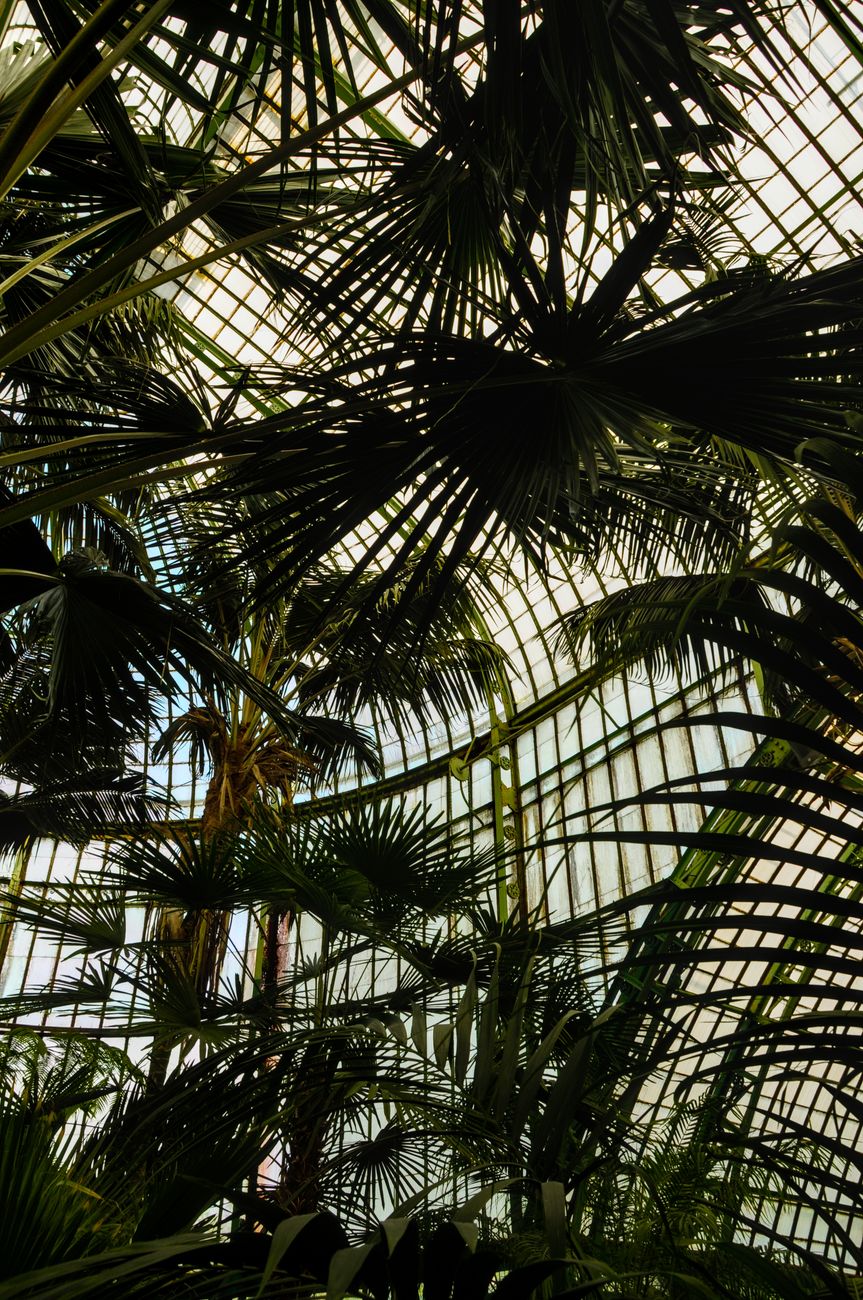
Morning: Head to Olbrich Botanical Gardens in the Vilas neighborhood. Allocate 1–2 hours to see the outdoor gardens and the Bolz Conservatory; travel time from the isthmus is about 15–25 minutes by bus or 10–15 minutes by car. Olbrich is reliably plant-focused and is a good escape from the downtown pace.
Midday: Take the bus or a 15-minute drive to Willy Street (Williamson Street) for lunch and neighborhood browsing. Willy Street hosts independent cafés, the Willy Street Co-op, and small shops; this area leans local and food-focused. Try a sandwich or bowl at a neighborhood café (lunch $12–16).
Afternoon: Continue east to the Atwood neighborhood for local breweries, murals and a different residential vibe; travel time from Willy Street is about 10 minutes by bike or 15 by bus. Visit the Madison Museum of Contemporary Art or local galleries if open, or return to Monona Terrace for an architecture-focused rooftop walk (10–20 minute transit depending on starting point).
Dinner and evening: Eat at The Great Dane Pub & Brewing Co. near the Square for local beer and a hearty dinner ($20–35). For a quieter evening, catch a sunset on the Monona Lakefront Trail or a local music show at a small venue on Willy Street.
Day 3
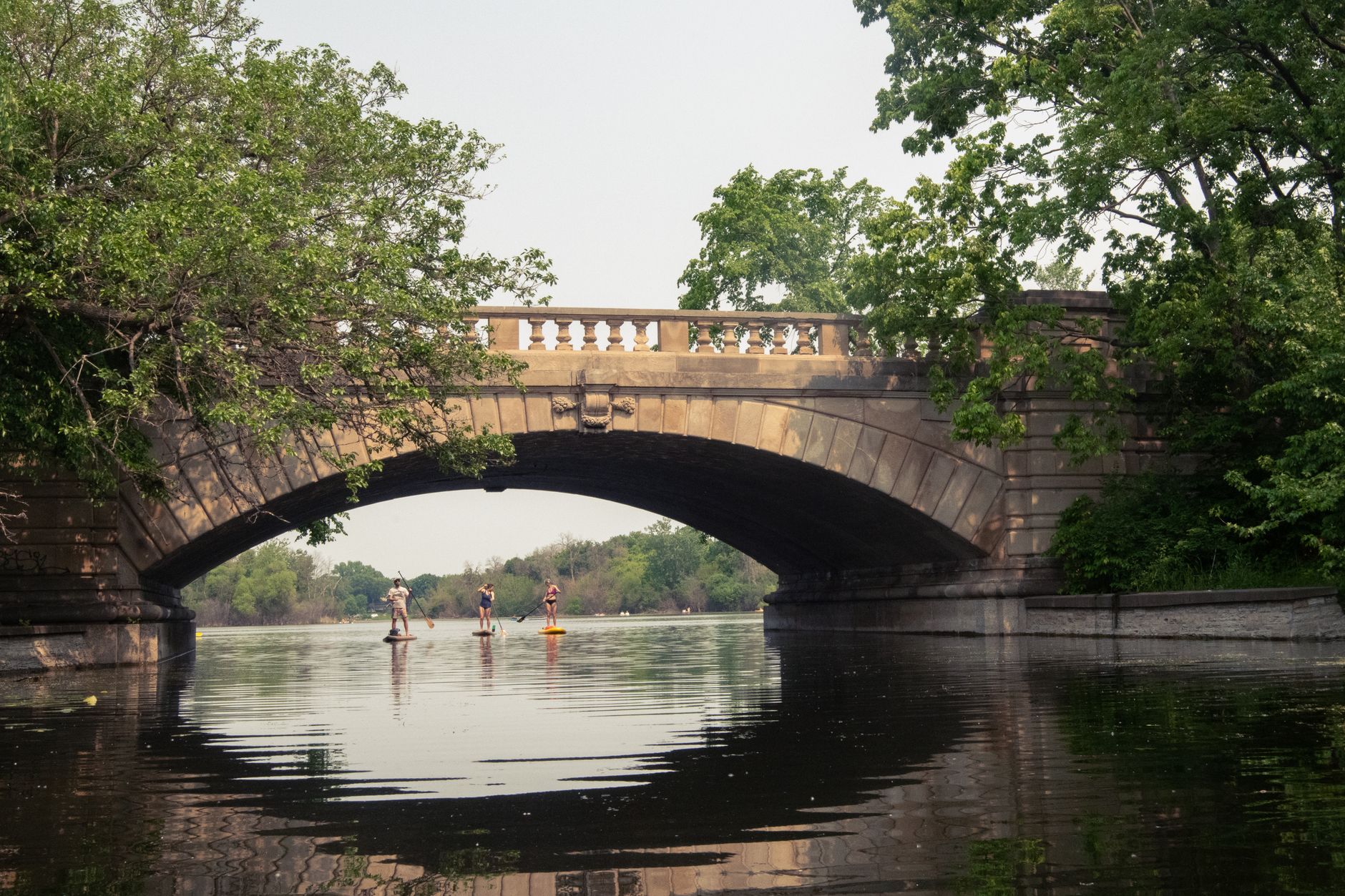
Morning: Reserve this time for anything missed earlier or for a relaxed lake activity. Rent a kayak or paddleboard from Memorial Union or a private provider on Lake Mendota; rentals typically run $15–30 per hour and are a good half-day activity. If checking out of a hotel, confirm luggage storage while on the lake.
Late morning: Visit Henry Vilas Zoo (free) and the adjacent Vilas Park; allow 1–2 hours. From the zoo, the Madison Museum of Contemporary Art and more State Street shops are a 10–15 minute transit or 20–30 minute walk away.
Lunch: Try a local barbecue or brat from a market vendor or the Old Fashioned if not previously visited; budget $10–20. After lunch, consider a short museum stop such as the Wisconsin Historical Museum or a brewery tour depending on opening times and transport; many exhibits have modest entry fees under $10–15.
Afternoon and travel note: If catching an afternoon flight from Dane County Regional Airport, plan at least 90 minutes travel time from downtown by taxi or rideshare and 45–60 minutes to allow for rental car return and security. If staying longer, use this afternoon for a relaxed lakeside walk or a final coffee on State Street before heading to the airport.
Best Local Experiences
Dane County Farmers' Market on Capitol Square (Saturday morning) — a focused, producer-only market with cheese, apples, flowers and prepared food stalls. Plan to arrive early for the best selection and lower crowds.
Memorial Union Terrace — sit lakeside with a local beer and watch boats on Lake Mendota; the Terrace is weather-dependent but central to summer social life. Bring a light jacket for evenings.
Bublr Bikes around the isthmus — short rentals let visitors cross between State Street, the Capitol and lakeshore in under 15 minutes. Use a 24-hour pass for multiple stops.
Willy Street (Williamson Street) — craft beer, ethnic eateries and independent shops concentrated in a two-block stretch; good for evening food crawls and small venue music.
Monona Terrace rooftop and lakewalk — a civic space by Frank Lloyd Wright's concept; the terrace and route along Lake Monona are practical for sunset photography and a calm lakeside walk.
Where to Stay
Capitol Square / State Street: Best for first-time visitors who want walking access to the Farmers' Market, Capitol and campus. Suited to people who prefer sightseeing on foot and evening dining options. Typical nightly costs range $150–250 USD (€140–230) depending on season and hotel brand.
University / Bascom Hill area: Best for visitors who want a university atmosphere, easy access to campus museums and Memorial Union. Suited to visitors who prioritize proximity to student life and cheaper food options. Expect $100–180 USD per night (€95–165) for modest hotels or guesthouses.
Willy Street / Near East Side: Best for people who want local bars, small restaurants and a neighborhood feel away from the isthmus bustle. Suited to those who bike or take buses; boutique guesthouses and short-term rentals are common. Typical nightly rates are $110–160 USD (€100–150).
When booking, check for university events, home football games or large conferences that can double rates. Many hotels add parking fees $10–30 per night if staying in downtown properties.
Food and Drink
Cheese curds (fried or squeaky) — a Wisconsin staple; best examples at The Old Fashioned or local farmers' market stalls. Expect $6–10 for a snack portion.
Bratwurst and grilled sausages — common at the Memorial Union Terrace and downtown bars; served with mustard and pretzels at $6–12 depending on venue. These are classic quick bites on the isthmus.
Frozen custard — a Midwestern specialty found at local walk-up shops; a small cup costs about $3–5. Popular neighborhood spots include small independent stands and chains like Culver's for a predictable version.
Beer from local breweries — try a pint at The Great Dane Brewing Co. or one of the Willy Street taprooms; pints are $5–8. Madison has a strong small-batch beer scene rather than one dominant brewery.
Breakfast/brunch options — State Street cafés and Marigold Kitchen offer full breakfasts; plan $10–18 per person for a plate and coffee. Expect lines for weekend brunch, so allow extra time or make reservations where possible.
Getting Around
Buses: Madison Metro (often called Metro Transit) runs numbered routes across the isthmus and to neighborhoods; frequent campus routes serve Bascom Hill and the Union. Real-time tracking through the TransLoc Rider app is reliable for planning connections.
Bikes: Bublr Bikes has docking stations across downtown and near campus; short rides are fast and practical for moving between lakes and neighborhoods. Bring a helmet or rent one from select shops.
Tickets, passes and fares: Single-ride bus fares are approximately $2.00 (cash) and day passes or 24-hour passes are often in the $4–6 range; app fares are slightly cheaper and stored-value cards reduce boarding time. Taxi and rideshare fares from Dane County Regional Airport to downtown are generally $30–40 depending on traffic.
Other notes: Many core attractions are within biking or a 20–30 minute walk of each other. For longer trips outside the city, Badger Bus and intercity shuttles connect to Milwaukee and Chicago but schedules are limited — book those tickets in advance.
Best Time to Visit
Late spring through early fall (May through September) offers the best combination of farmers' market activity, open gardens and lake recreation. Expect daytime highs from the 60s to mid-80s Fahrenheit (15–30°C) and cooler evenings, with the highest crowds in June–August and during university events.
September and early October provide lower hotel rates and pleasant weather with university life in full swing, though nights drop into the 40s–50s F (5–12°C). Winters (November–March) are cold with snow and sub-freezing temperatures; winter activities exist but many lakeside services and terraces close.
For value, late April or October avoids peak summer prices while keeping many indoor attractions open. Avoid mid-July to early August if intolerant of crowded terraces and limited hotel availability.
Budget and Practical Tips
Daily budget (moderate traveller): Accommodation $120–200 USD (€110–185), food $35–60, local transport $6–10, entry fees and activities $5–25. Total roughly $170–295 USD per day depending on hotel choice and dining style.
Lower-budget options: use Bublr Bikes, cook from market purchases, and stay in university-area lodging to push the daily total closer to $100–140 USD. Higher-budget travel with nicer hotels and guided tours can reach $300+ per day.
Tipping: Standard U.S. norms apply — 15–20% at full-service restaurants, $1–2 per drink at bars, and round up taxi fares. Market vendors and casual stands do not expect tips but may accept small change.
Practical extras: carry a compact umbrella for sudden rain, pack a light windbreaker for lakeside evenings, and keep a photo of hotel address on your phone in case rideshare drivers need a precise pick-up spot.
FAQ
Is Madison safe for solo travellers at night?
Downtown and campus areas are generally safe with visible police and student presence, but standard precautions apply — avoid poorly lit side streets late at night and keep an eye on personal items in busy bars.
What is the easiest way from the airport to downtown?
Taxi or rideshare is the most straightforward and typically costs $30–40; limited public bus service connects the airport to transfer hubs but can be slower and less frequent.
Are buses reliable and is a transit card worth it?
Metro buses run regular routes and TransLoc Rider gives live tracking; buy fares on the app for convenience. For a three-day stay, single rides or a 24-hour pass bought on the app are usually sufficient — a long-term city card is not necessary.
Is the Farmers' Market worth going to if staying only one day?
Yes if that day is Saturday morning; it consolidates local food producers and is a concentrated local experience. Arrive early to avoid crowds and empty stalls.
Can visitors bike safely across the isthmus?
Yes — protected bike lanes and multiuse paths link major spots, and Bublr Bikes makes short rentals easy. Watch for rush-hour bicycle traffic near campus and use lights at night.
Should tickets for the Capitol or museums be booked ahead?
Guided Capitol tours and special museum exhibits may require booking during peak periods; free museum general admission usually doesn't need reservations but check exhibit pages for timed entries.
Conclusion
A three-day visit rewards focused planning: pick one lake, the Capitol and a neighborhood to explore in depth rather than trying to cover every museum. Most travellers will remember a Saturday morning at the farmers' market, a sunset on Memorial Union Terrace and a plate of fried cheese curds.
If time becomes tight, prioritize the Capitol Square market or a clear campus-to-lake loop; those deliver a quick but accurate sense of local life and food culture. Leave the longer state parks and day trips for another visit when there is time to drive out of the isthmus and into the surrounding countryside.
How this guide was prepared
This guide was prepared through a structured research that combines destination research, geographic context, itinerary planning logic, and content review.