
Kota Kinabalu: Practical 3-Day Itinerary and Weekend Guide
A practical 3-day guide to Kota Kinabalu with island and mountain options, public transport tips, market schedules, and realistic costs for a fast trip.
Three days gives time for a focused mix of city sights, a Tunku Abdul Rahman island hop or a Kinabalu-area day trip, and a local food and market crawl without overpacking.
Expect a coastal port town where seafood, ferry schedules and Malay–Chinese–indigenous cultures meet in a compact centre. Streets near the waterfront concentrate markets, seafood stalls and ferries; inland wards around Jalan Tunku Abdul Rahman and Jalan Gaya host small shops and weekend market stalls. The tempo is measured—mornings often start early at markets and piers, afternoons can be humid, and evenings focus on open-air dining near the waterfront.
Many guides present this place only as a base for Mount Kinabalu or island trips. That misses how much time is spent simply coordinating ferries, sunset crowds and market windows. A three-day visit works best when logistics are front-loaded: note ferry times at Jesselton Point, plan market visits early, and use Grab for short hops. This style of planning turns limited time into a series of manageable half-days rather than a rushed checklist.
Is 3 days in Kota Kinabalu enough?
Yes: three days is enough to see core city sights, spend a half- or full-day on one of the Tunku Abdul Rahman islands, and fit in a short cultural stop such as the Sabah State Museum. The honest caveat is that a proper Mount Kinabalu summit requires two days and advance permits, so a summit attempt is out unless more time is allocated.
Who This Guide Is For
Best for travelers wanting a coastal weekend with island snorkeling, seafood, and easy cultural stops. Not ideal for those who want to summit Mount Kinabalu, multi-island diving trips, or a strict public-transit-only experience.
Local Tips for Kota Kinabalu
Practical details that most travel sites skip — specific to Kota Kinabalu.
- Gaya Street Sunday Market runs roughly 06:00–13:00 on Gaya Street in the city centre; vendors start packing away after 13:00 so arrive before 10:00 for the best selection.
- Jesselton Point Ferry Terminal operates island boats starting about 08:00; return boats to the city often stop between 16:00 and 17:00—plan the last return and check schedules at the counter.
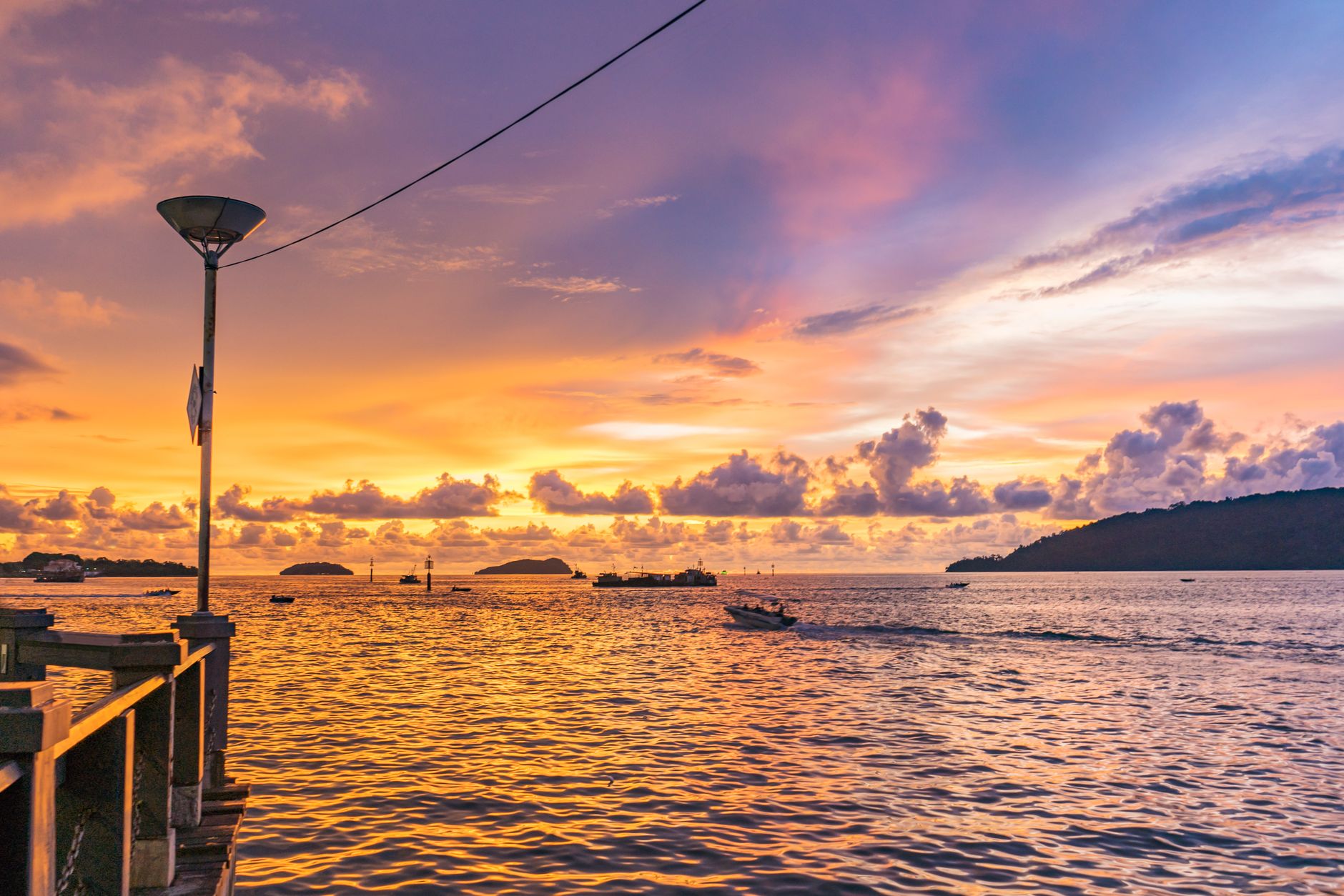
- Tanjung Aru sunset is a local ritual; the strip between Tanjung Aru Park and Kinabalu Yacht Club fills around 18:00–19:00—grab a spot early if coming for sunset photography.
- Buy a local prepaid SIM (Digi, Celcom, U Mobile) at Kota Kinabalu International Airport (BKI) arrivals: expect RM30–40 for 10–15GB and faster verification than buying downtown.
- Book Mount Kinabalu park permits and guide slots at Sabah Parks at least 4–6 weeks ahead for weekends and peak season; same-day permit purchase is rarely possible for summit climbs.
How This Guide Was Prepared
Kota Kinabalu mixes coastal seafood markets, ferry piers and a gateway to Mount Kinabalu in a way many guides compress into vague ‘day trips’. Practical planning—timing ferries, morning markets and knowing taxi vs Grab limits—makes or breaks a short visit. This guide focuses on what realistically fits into three days and what most lists skip: transit gaps, island timings and market opening windows. This guide was prepared through a structured research that combines destination research, geographic context, itinerary planning logic, and content review.
Plan Your Stay in Kota Kinabalu
Use this itinerary as your starting point, then compare areas to stay, transport options, seasonal timing, and realistic daily costs before booking.
Why Visit
There is quick access to marine life without long transfers; Tunku Abdul Rahman Marine Park islands like Manukan and Sapi are 15–30 minutes by boat from Jesselton Point and allow easy half-day snorkeling. The city also offers fresh seafood markets—Filipino Market and nearby fishmongers supply evening grills and halal seafood restaurants by the waterfront.
Culture and local history are compact and readable: Sabah State Museum and its ethnobotanical displays show indigenous Sabah cultures in a single visit, while Atkinson Clock Tower and Signal Hill give short walks with local orientation. For mountain scenery without climbing, Kinabalu Park and Poring Hot Springs are accessible as full-day excursions from the city if a rental car or tour is used.
Finally, the city is affordable for Southeast Asia standards: mid-range meals and island transfers keep costs practical, which suits travelers who want quality experiences without premium prices.
Quick Planning Tips
Fly into Kota Kinabalu International Airport (BKI); budget 20–40 minutes and RM25–60 by taxi or Grab to the city centre depending on traffic. There is an airport bus/coach option with cheaper fares but less frequent departures—check counters outside arrivals for current schedules.
Bring small-denomination Malaysian ringgit cash for wet markets, small taxis and island boat counters where card machines are unreliable. Buy a local prepaid SIM at BKI arrivals (Digi, Celcom, U Mobile) for data and Grab access; expect RM30–40 for 10–15GB.
Avoid the mistake of leaving island or market visits to the last morning; boat schedules and stall timings change with tide and weather. Book any Mount Kinabalu park permits and summit slots at Sabah Parks well ahead if considering climbing, and consider reserving island boat transfers for busy weekends.
Day 1
Start in the city centre with a morning visit to Gaya Street Sunday Market (if it's Sunday). Arrive by 08:00 to walk stalls selling coffee, local snacks and handicrafts; budget 1–2 hours. From Gaya Street it is a 10–15 minute walk south to Atkinson Clock Tower; that walk along Jalan Tunku Abdul Rahman passes small kopitiams for a late-morning kopi stop.
Next head to Signal Hill Observatory Tower (five minutes by Grab or a 20-minute uphill walk) for a short skyline view and orientation. Walk down toward the waterfront to see the Kota Kinabalu City Mosque across the bay; it is a 15–20 minute walk from Signal Hill or 6–10 minutes by Grab.
Lunch at Welcome Seafood Restaurant or the seafood stalls near the Filipino Market provides fresh options—expect a whole fish from RM40–80 depending on size. Afternoon options include the Sabah State Museum (a 10–15 minute Grab from the waterfront) with ethnographic exhibits and nearby heritage gardens; plan 1–2 hours. Finish the day at the waterfront—walk the Jesselton Point area and eat dinner at a sea-facing stall. For evening, head to the KK Waterfront area for alfresco dining and people-watching; expect table service and music around 19:00–21:00, with seafood main dishes RM20–60.
Day 2
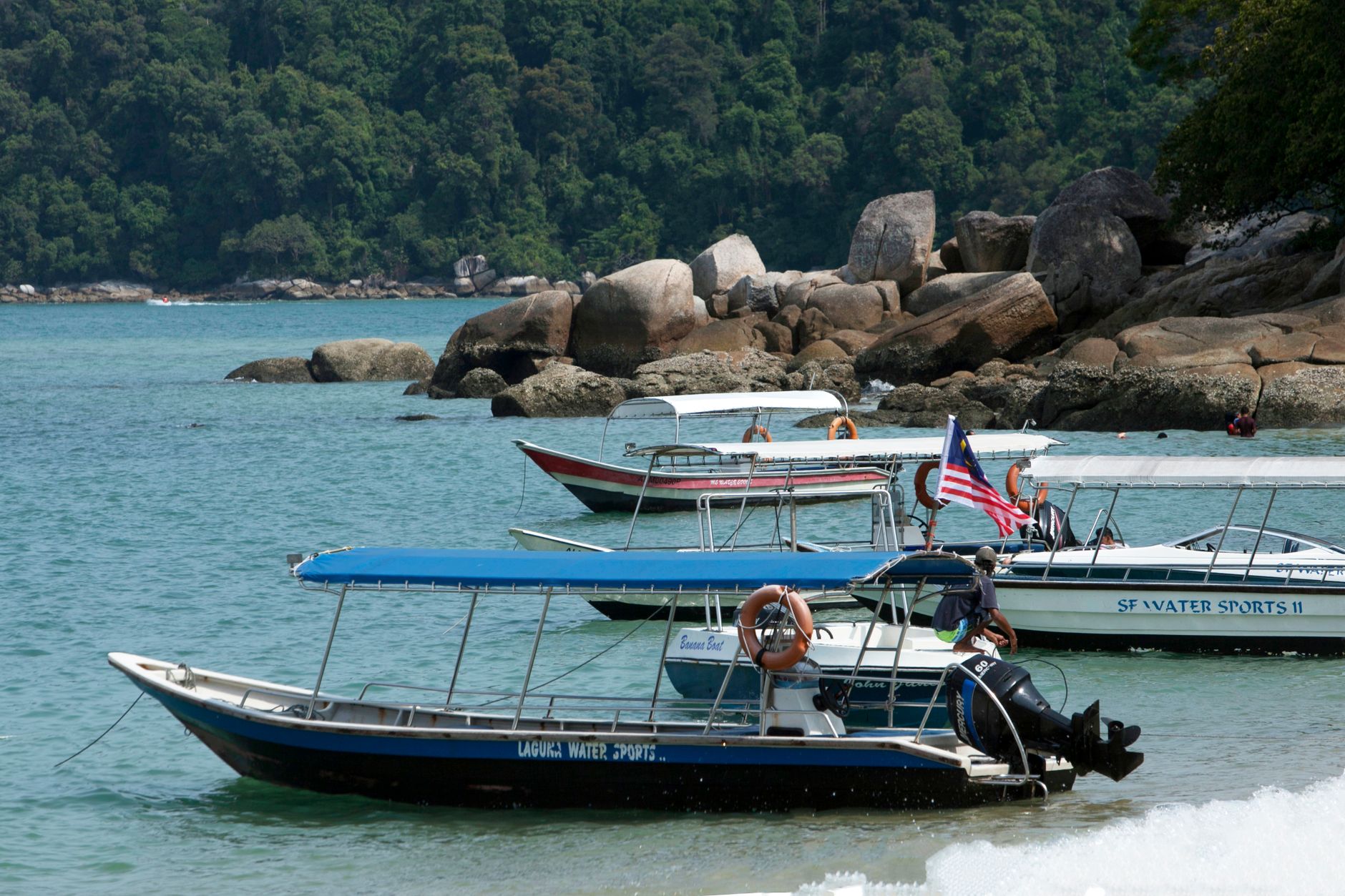
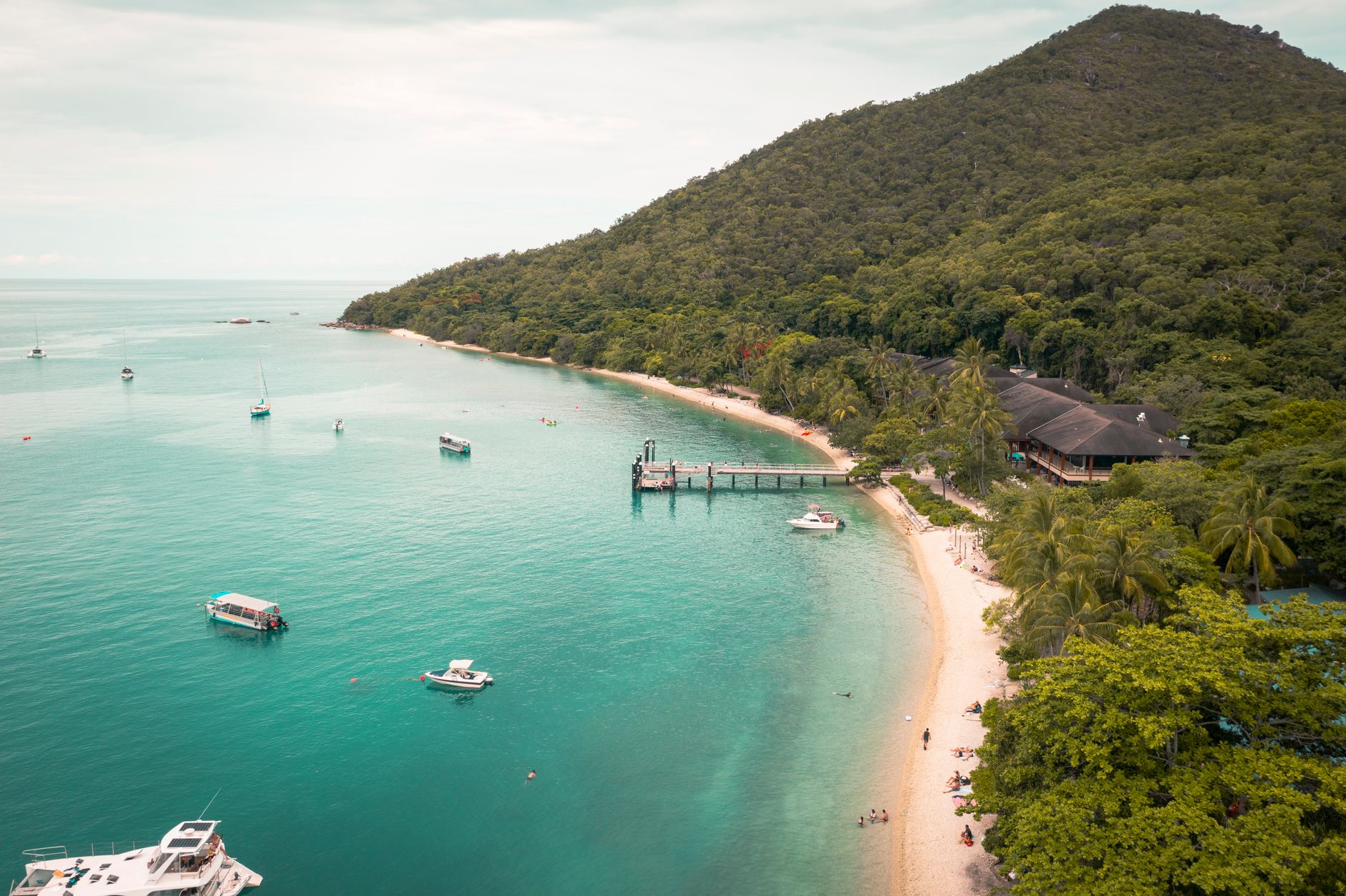
Dedicate this day to island time at Tunku Abdul Rahman Marine Park. Leave Jesselton Point by 08:00–09:00 for Manukan or Sapi Island; boat rides are typically 15–25 minutes. Book tickets at the plastic-ticket counters or online with a local operator; expect round-trip transfers RM20–40 and park fees roughly RM5–10 plus a small snorkeling gear rental RM20–40.
On Manukan pick a snorkel spot and a beach-side café for lunch—lifeguarded sections are limited, so check currents and swim close to shore. For lively marine life and easier snorkeling, Sapi offers clearer water and short swimming distances from the jetty. Return mid to late afternoon; ferries commonly run until about 16:00–17:00 but confirm times the day before.
Back onshore, visit the Filipino Market for evening seafood grilling: choose the fresh catch and a nearby cook shop will barbecue it; expect a seafood dinner for two around RM80–150 depending on selection. End the night at Tanjung Aru for sunset—arrive by 18:00 to secure a bench on the boardwalk and enjoy local vendors selling snacks and drinks.
Day 3
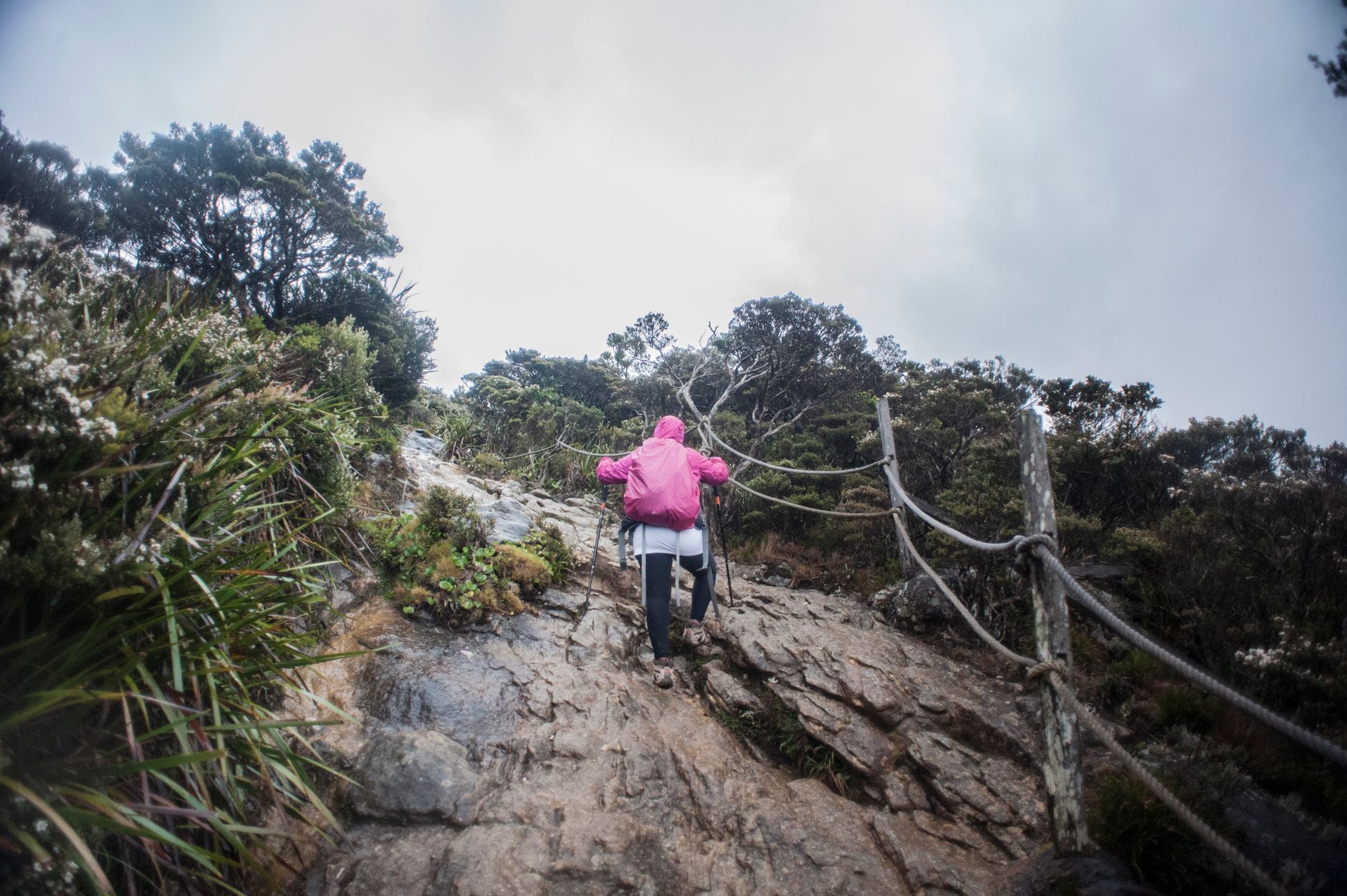
Use the final day for a choice: a short nature excursion to Kinabalu Park and Poring Hot Springs or a deeper city cultural day with craft villages and museums. For Kinabalu Park, depart early (rental car or organised tour) and expect a 1.5–2 hour drive each way. Plan for the park museum and a short boardwalk near the alpine meadow; entry fees to Kinabalu Park are about RM15–30 and Poring Hot Springs entrance about RM10–20. Allow 6–8 hours for the round trip including brief stops and a casual lunch at a roadside stall in Ranau.
If staying local, visit the Mari Mari Cultural Village (booked tours) or double back to the Sabah State Museum if missed earlier. For travellers checking out with an afternoon flight, keep luggage storage at the hotel or KK Waterfront lockers and plan for BKI departures: leave the city centre 60–90 minutes before international flights and 45–60 minutes before domestic flights when using Grab or taxi. For an evening before the flight, fit a relaxed seafood lunch, a short stroll on Signal Hill, and time to pack.
Best Local Experiences
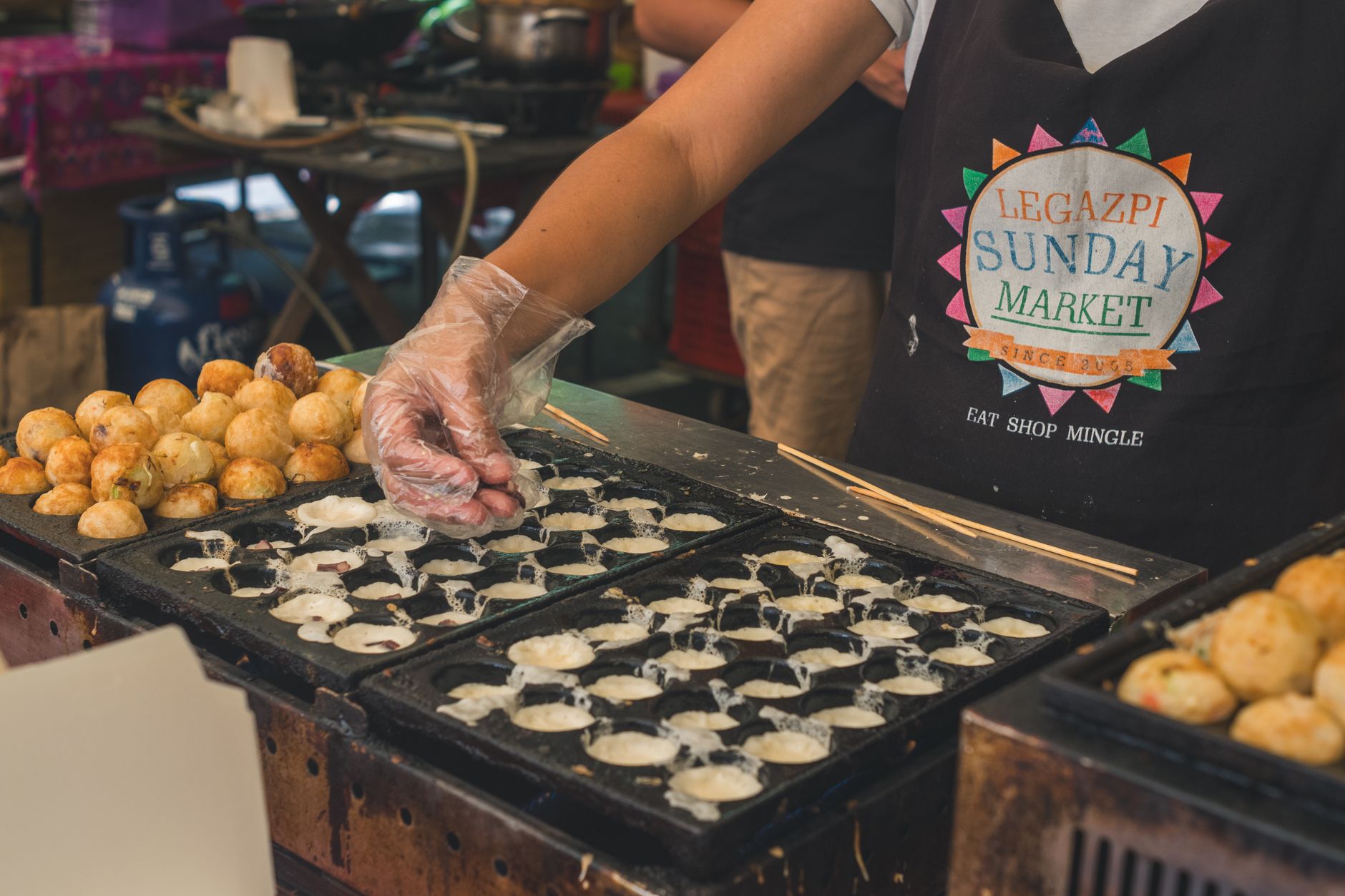
Gaya Street Sunday Market: weekend market for local produce, kopi stalls and second-hand books—best before 10:00. Tunku Abdul Rahman Marine Park island hop: choose Manukan for easy beaches and Sapi for snorkeling; boat counters at Jesselton Point sell morning returns.
Tanjung Aru sunset ritual: an early-evening congregation of locals with seafood snacks and roti. Filipino Market seafood grill: pick a fish or prawns and have a nearby cook shop prepare it—prices vary by catch size. Mari Mari Cultural Village: a half-day cultural demonstration of Kadazan-Dusun and other indigenous Bornean groups with hands-on craft demonstrations and a shared meal.
Signal Hill Observatory at dusk: short walk and a useful view over the bay without needing a long hike. Sabah State Museum: ethnography, natural history and mounted exhibits that contextualise Sabah’s communities; a single visit covers a lot of ground. For a wet-market experience, visit the Kota Kinabalu wet market near the waterfront before 09:00 for fish auctions and fresh produce.
Where to Stay
Central Waterfront / Jesselton Point: Suits travellers who want immediate access to island boats and evening seafood. Walk to the Filipino Market and KK Waterfront; budget hotels and mid-range options run RM100–250 per night (≈ €20–50 / $22–55).
Gaya Street / Old Town: Suits market lovers and easy walking to Gaya Street and Signal Hill. Small guesthouses and boutique hotels here are RM80–200 per night (≈ €16–40 / $18–44) and put morning market access on the doorstep.
Tanjung Aru: Suits those prioritising beach and sunset views rather than city nightlife. A short 10–20 minute taxi to the city centre, with resort-style options and mid-range hotels RM150–350 per night (≈ €30–75 / $33–82). Choose based on whether proximity to ferries (waterfront) or quieter evenings (Tanjung Aru) matters more.
Food and Drink
Seafood grilled (ikan bakar): whole fish or prawns barbecued with sambal; find it at the Filipino Market or waterfront restaurants—prices RM20–80 depending on size. Tuaran mee: a fried egg-noodle dish from Tuaran, often served in shops along Jalan Gaya and market stalls; expect RM8–15.
Kuih and kopi for breakfast: small cake-like kuih and local coffee available from kopitiams on Gaya Street or near the wet market—breakfast under RM6. Laksa Sabah-style: a sour, slightly spicy noodle soup with fish or prawns available at food courts and hawker stalls—RM8–15.
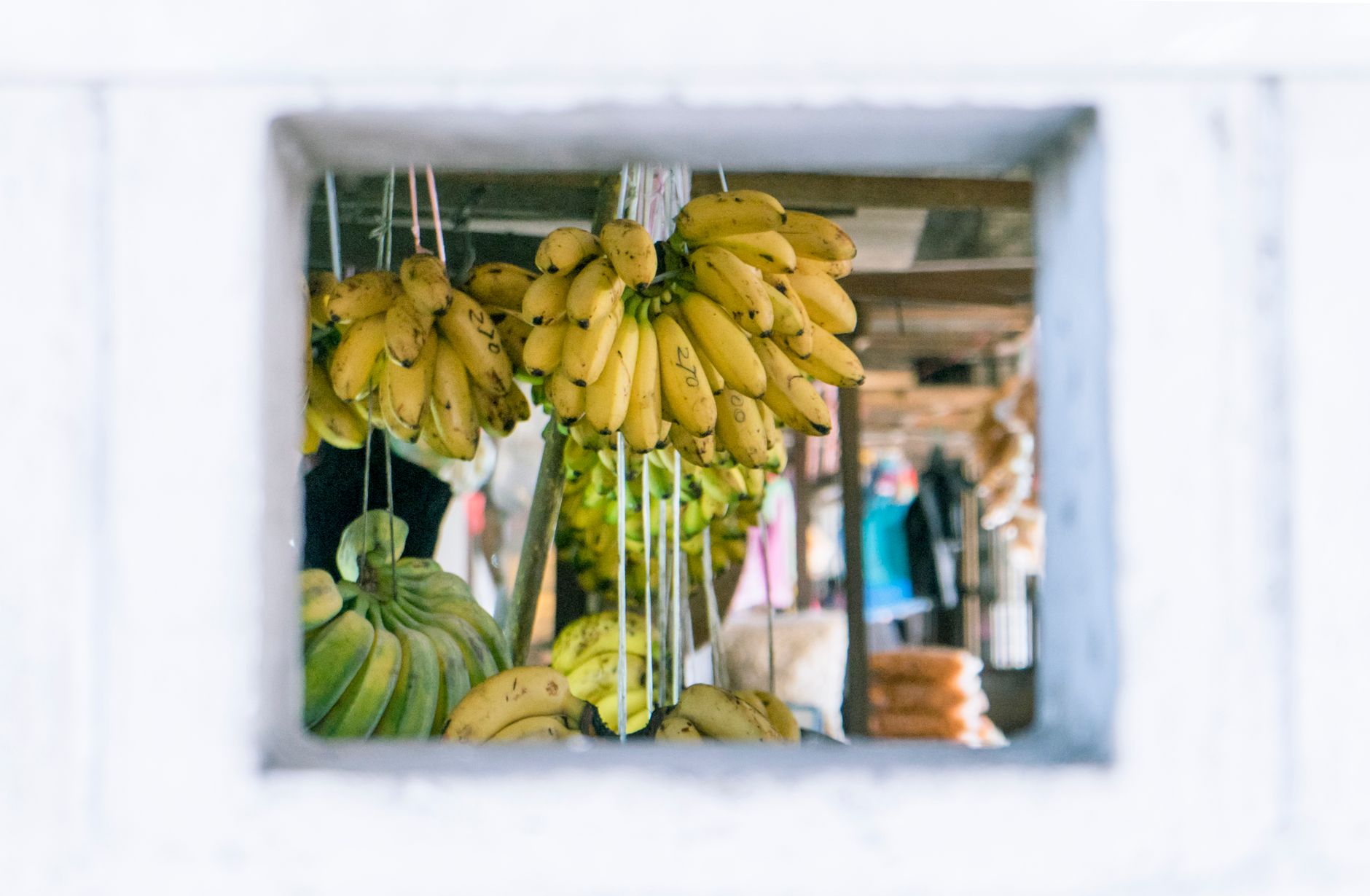
Tuak (rice wine): a local drink found at cultural village demonstrations and certain markets; sample cautiously as strength varies. For dinner, choose a seafood barbecue house on the waterfront and add fresh vegetables and rice—estimate RM30–100 per person depending on selection. Street food options include satay and banana fritters sold at evening stalls along the waterfront and around Tanjung Aru.
Getting Around
Public buses exist but coverage is limited; main intercity and suburban buses operate from KK Sentral towards Inanam and Penampang. For most city-to-attraction trips use Grab (ride-hailing app) or licensed taxis; download Grab before arrival.
Jesselton Point is the island-boat hub; buy tickets at the terminal counters. Single short taxi or Grab rides within the central area typically cost RM6–15. Airport transfer by taxi or Grab from BKI to the city centre runs about RM25–60 depending on time and traffic; airport shuttle coaches are cheaper but less frequent—check counters at arrivals for current fares.
No unified city rail or metro system exists; plan on mixed transport: walking in the core, Grab/taxi for cross-town hops, and island boats for marine park access. Bring cash for small buses and boat counters where cards are not always accepted.
Best Time to Visit
Dry season (March–September) is generally the easiest for island trips and clearer skies; daytime temperatures run 27–32°C with humidity. Peak visitor months are June–August and local school holidays—expect higher prices and busier piers in weekends.
Monsoon season (October–February) brings heavier rain and rougher seas; island boat services can be reduced or cancelled, and visibility for snorkeling drops. Shoulder months (March and September–October) can offer a compromise with fewer crowds and usually workable sea conditions.
For lower cost and fewer people, plan travel in April–May or September, but check festival dates: Hari Raya and Chinese New Year influence domestic travel and accommodation demand.
Budget and Practical Tips
Daily budget estimate for a mid-range traveller: Accommodation RM120–220 (≈ €24–44 / $26–49), food RM50–100 (≈ €10–20 / $11–22), transport RM20–60 (≈ €4–12 / $4–13), entry fees and activities RM30–150 (≈ €6–30 / $7–33). A reasonable daily total is RM220–530 (≈ €44–106 / $49–119).
Island transfers: expect RM20–40 round-trip to popular islands; snorkeling gear rental RM20–40. Kinabalu Park and related day trips can add RM50–200 depending on transport and guide choices. Small purchases and wet-market bargaining require cash; bring RM10 and RM50 notes for easy payment.
Tipping is not mandatory but appreciated: round up small bills for food stalls, and 5–10% in restaurants if service is attentive. Respect local halal signs; many seafood restaurants are halal-certified, but check if alcohol is served. Carry insect repellent for mangrove walks and island edges.
FAQ
Is Kota Kinabalu safe for solo travelers?
Yes, central areas and tourist piers are generally safe during daylight and early evening; usual precautions apply—watch belongings at crowded markets and avoid isolated areas at night.
How do I get to the islands from the city?
Boats depart from Jesselton Point Ferry Terminal; tickets sold at counters and by operators—Manukan and Sapi are about 15–25 minutes away with round-trip transfers around RM20–40.
Is a city card or tourist pass worth buying?
There is no widely used city pass; purchases for islands, museum entrance and tours are usually paid separately, so a single-purpose itinerary seldom benefits from a pass.
Can one-day trips reach Mount Kinabalu summit?
No, summit attempts require overnight park reservations, a licensed guide and advance permits; day visits can go to Kinabalu Park for short walks but not the summit.
Are taxis metered and is Grab available?
Some taxis use meters but fixed fares are common; Grab is widely available and often more convenient for short trips.
Is tap water drinkable?
Tap water is not recommended for drinking—use bottled water or a filtered bottle for teeth-brushing and drinking.
What are typical entry fees for main attractions?
Sabah State Museum is around RM5–10, Kinabalu Park entry about RM15–30, and island park or conservation fees small—typically RM5–20. Prices change, so confirm before visiting.
When are markets and piers busiest?
Gaya Street peaks 06:00–10:00 on Sundays; island piers are busiest 08:00–10:00 and late afternoons, so book morning slots where possible.
Conclusion
Three days can produce a focused and satisfying mix: one morning market and city orientation, one island or snorkeling day, and one cultural or Kinabalu-area excursion. What most visitors remember are the seafood meals, the short boat rides to clear water, and the early-morning market atmosphere rather than a long list of museums.
If time runs short, prioritise an early morning at Gaya Street or a half-day island trip from Jesselton Point—those two lock in the quintessential experiences in a compact schedule.
How this guide was prepared
This guide was prepared through a structured research that combines destination research, geographic context, itinerary planning logic, and content review.