
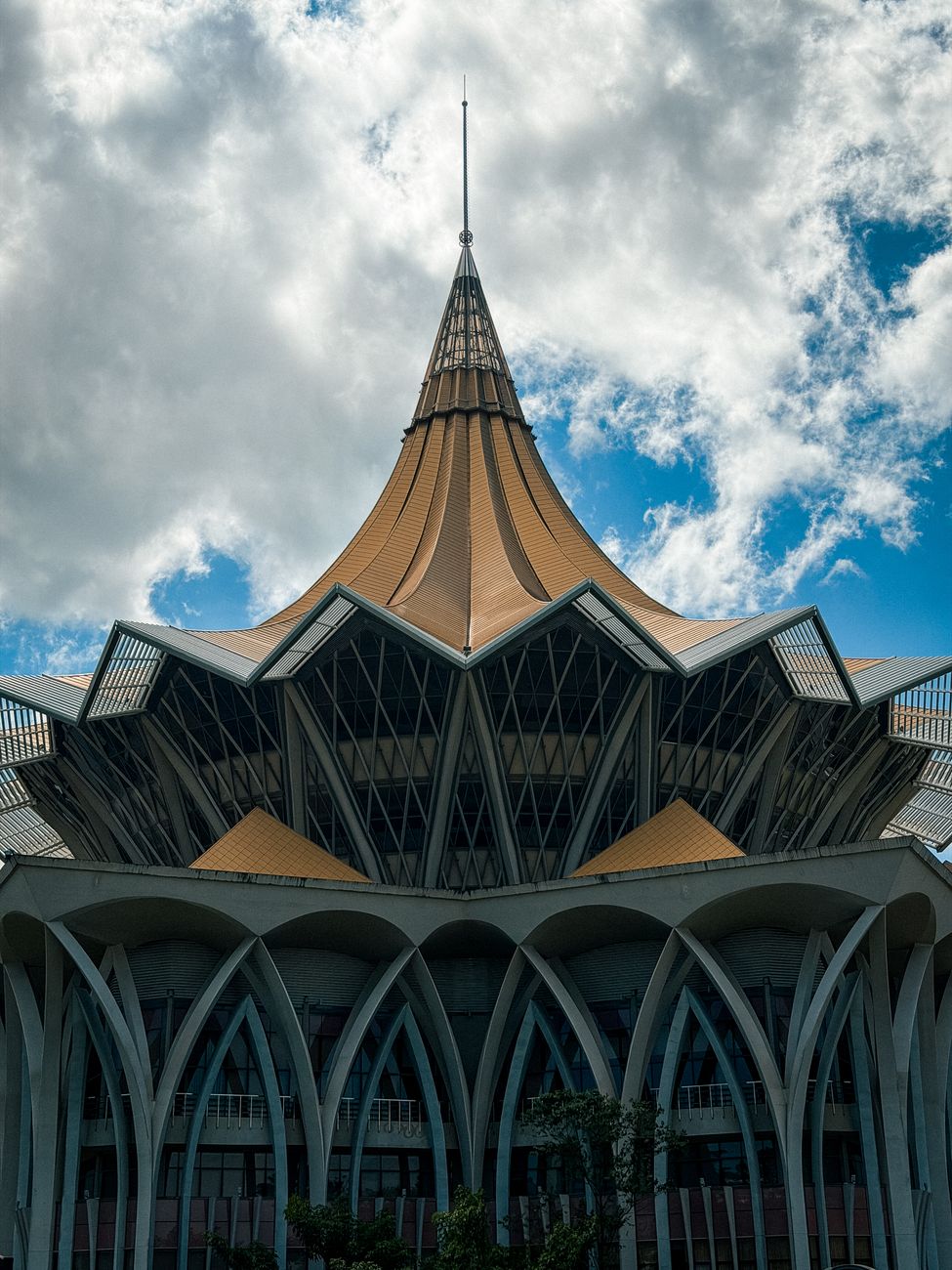
Kuching in 3 Days: Practical Weekend Itinerary and Tips
A practical 3-day itinerary for Kuching with transport advice, realistic budgets, day-trip logistics to Bako and Semenggoh, and local food recommendations.
A compact, realistic 72-hour plan for Kuching that mixes riverside walking, markets, wildlife day trips and seafood without false promises.
First impression: a low-rise riverside town where the river defines movement, markets set the daily rhythm, and ferries and small boats remain practical transport. Streets near the river are compact and walkable; beyond the waterfront the city opens into residential suburbs and low hills where parks and food markets cluster. Expect humidity, intermittent rain and a slower commercial pace than Kuala Lumpur; services that are automatic in larger Malaysian cities — frequent public transit, late-night shops — are patchy here.
Many visitors arrive expecting nonstop attractions; reality is a mix of small museums, artisan shops on Main Bazaar and short, single-day wildlife excursions that require careful timing. That suits travelers who prefer meaningful short outings—an early morning feeding session at Semenggoh, an afternoon at a wet market, or a mangrove hike at Bako—rather than ticking off dozens of sights. This guide sequences those options for 72 hours with transit and budget notes so time is used rather than wasted.
Is 3 days in Kuching enough?
Yes — three full days are enough to see the main riverside sights, sample market food, and do one wildlife day trip (Bako or Semenggoh). The honest caveat: squeezing both Bako and Semenggoh plus Sarawak Cultural Village is optimistic; choose one major day trip.
Who This Guide Is For
Best for travelers who like short nature excursions, street food and slow urban walks; less suitable for those wanting a packed museum schedule or extensive island-hopping. Budget travelers will find low-cost options; luxury seekers should plan lodging on Petra Jaya or waterfront hotels.
Local Tips for Kuching
Practical details that most travel sites skip — specific to Kuching.
- Semenggoh Wildlife Centre feeding times are strictly 09:00 and 15:00; arrive 30–45 minutes early—foreign visitors should budget around RM10–20 for donation/entry and bring cash.
- Top Spot Food Court on Jalan Padungan charges seafood by weight; expect RM40–120 for a modest two-person seafood meal depending on selection.
- Satok Weekend Market (Pasar Satok) opens Saturday mornings on Jalan Satok and often wraps up by noon; take cash for haggling on produce and local sambal.
- Bako National Park boat transfers leave from Bako jetty near Kampung Bako and take roughly 30–45 minutes; boat fares commonly add RM30–60 per person round-trip depending on group size and season.
- Main Bazaar (Jalan Main Bazaar) shops, galleries and art stores often close by 17:00; plan an afternoon visit rather than evening shopping.
How This Guide Was Prepared
This guide treats Kuching as a low-key provincial capital that rewards time spent on short day trips and at specific markets rather than nonstop sight-seeing. Many guides sell a packed checklist; this one prioritizes practical sequencing, realistic travel times to Bako and Semenggoh, and which attractions close early so visitors do not waste afternoons. This guide was prepared through a structured research that combines destination research, geographic context, itinerary planning logic, and content review.
Plan Your Stay in Kuching
Use this itinerary as your starting point, then compare areas to stay, transport options, seasonal timing, and realistic daily costs before booking.
Why Visit
Riverside character and colonial-era sites: the Waterfront promenade, Fort Margherita and The Astana offer compact, walkable views into the Brooke-era urban plan and are easy to cover in a morning. Local food distinctiveness: Sarawak laksa and kolo mee differ from peninsular versions; food courts like Top Spot and kopitiams on Padungan give reliable, affordable meals.
Accessible wildlife day trips: Semenggoh Orangutan Rehabilitation Centre and Bako National Park are reachable as half- or full-day outings and provide high-probability wildlife viewing that does not require long overland travel. Markets and craftwork: Main Bazaar and Satok Market supply authentic woven textiles, pepper, and native crafts concentrated in a small area that rewards a few focused hours rather than an all-day itinerary.
Practical base: the riverside area keeps transit times short for most central sights, giving time for a single well-paced day trip instead of a rushed multi-destination schedule.

Quick Planning Tips
Best airport transfer: Grab from Kuching International Airport to the city centre averages RM30–45 depending on time and luggage; private taxis near the arrivals curb are similar but confirm the meter or fixed rate. For day trips to Bako or Semenggoh, book with an operator the day before to secure a boat slot and guide; hotels can arrange transfers but independent visitors should allow extra time for boarding.
Payment and connectivity: Malaysia ringgit (RM) is standard; cash is needed at small markets and some nature centres. Major ATM networks and cards work at hotels and larger restaurants, but many stalls and smaller museums prefer cash. Buy a local prepaid SIM (Hotlink, Celcom or Digi) at the airport or city telco store for reliable data and Grab access.
One planning mistake to avoid: underestimating morning queues at Semenggoh and Bako departures—these run on fixed windows and boats wait to fill; start early rather than trying to fit a late arrival.

Day 1
Morning: Start at the Waterfront promenade for sunrise riverside walking and photo ops of the Brooke-era buildings; allow 45–60 minutes for the stretch from the Chinese Temple to Carpenter Street. From there, cross to Main Bazaar (Jalan Main Bazaar) for crafts and rattan ware; expect to spend 60–90 minutes browsing and bargaining.
Midday: Walk 5–10 minutes to the Sarawak Museum complex. Allocate 1.5–2 hours for natural history and ethnography displays; check opening hours as small galleries close earlier. Lunch: head to Top Spot Food Court on Jalan Padungan (10–15 minute taxi or 20–30 minute walk). Order seafood by weight or try kolo mee at a stall; expect a relaxed 60–75 minute meal.
Afternoon: After lunch, visit Fort Margherita and stroll along Brooke Drive toward The Astana (a short taxi or river ferry; 10–15 minutes). Continue to the Cat Museum (north hill) if interested—it's a short Grab ride from the waterfront.
Evening: Return to the Waterfront for sunset and local snacks; many riverside cafes close by 21:00. For a relaxed night, join locals at a kopitiam on Padungan for coffee and kuih. If energy remains, explore Carpenter Street’s late-night stalls but avoid carrying valuables in crowded stalls.

Day 2
Morning: Reserve this day for Semenggoh Orangutan Rehabilitation Centre or Bako National Park; pick one. For Semenggoh, depart early (20–40 minutes by car from city centre) to make the 09:00 feeding; allow 2.5–3.5 hours round-trip including travel. For Bako, leave before 07:30: the drive to Bako jetty plus boat transfer takes 60–90 minutes total and the park requires at least 3–4 hours once there.
Midday: If at Semenggoh, return to the city for lunch at a kopitiam in Jalan Padungan; if at Bako, bring packed lunch or rely on the park canteen (limited options). Travel times back to the city vary—Semenggoh returns by midday, whereas Bako usually gets visitors back late afternoon.
Afternoon: After returning, head to Satok Market (if Saturday) or visit the North Kuching area for a quieter riverside walk and local bakeries. Alternatively, spend the afternoon at Sarawak Cultural Village near Santubong if interested in longhouse demonstrations; travel time is around 40–50 minutes by car from the city centre.
Evening: Dinner at Top Spot or try waterfront seafood stalls. If staying in Petra Jaya, many riverside hotels host simple bars or dining options overlooking the river—book in advance on weekends.

Day 3
Morning: Use the final day for slower neighbourhood exploration. Walk through Carpenter Street and visit the old Chinese temples; include a stop at a local kopitiam for breakfast—try local coffee and kaya toast for RM4–8. Head to Main Bazaar again if any craft purchases remain; shops often open by 09:00 and close by 17:00.
Midday: Visit the Sarawak State Library building area and nearby cafes on Jalan Padungan for a last light meal. If time allows, the Cat Museum makes for a brief and offbeat stop; allocate 45–60 minutes. For lunch, try a hawker stall for Sarawak laksa or kolo mee; expect RM7–15.
Afternoon (if catching a flight): plan 45–60 minutes travel to Kuching International Airport from the city centre by Grab; allow extra time for afternoon traffic. If departure is late afternoon, stash luggage at your hotel and take a final riverside stroll or short visit to a gallery on Main Bazaar.
Evening: If flights are later, enjoy one last seafood dinner near Top Spot or a calm riverside cafe; otherwise confirm airport transfer and arrive two hours before domestic departures or three hours for international flights.

Best Local Experiences
Semenggoh Orangutan feeding sessions—see semi-wild orangutans at the rehabilitation centre during scheduled 09:00 and 15:00 feedings. Bako National Park trails—short coastal rainforest hikes with proboscis monkeys, monitor lizards and mangrove scenery; bring sturdy shoes. Top Spot Food Court—seafood by weight and lively shared-table dining on Jalan Padungan; great for groups and evening crowds.
Satok Weekend Market (Pasar Satok)—Saturday morning produce, river fish and pepper stalls; arrive early. Main Bazaar craft corridor—shops selling pua kumbu textiles, beadwork and Sarawak pepper; arrive before 17:00. A waterfront river taxi ride—short crossings between central jetties give a quick waterborne view of the riverside buildings and are useful for short hops.
Additional activities: roller-skaters and families at the Waterfront in the evening, night markets on specific streets on public holidays, and a day trip to Santubong for coastal trails and seafood villages.
Where to Stay
Waterfront / Padungan: Suits first-time visitors who want immediate access to the riverside promenade, Fort Margherita and Main Bazaar. Practical for sightseeing on foot and for taxis to docks. Nightly cost ranges: budget guesthouses RM60–120 (≈€12–26 / $13–27), mid-range hotels RM150–300 (≈€32–66 / $33–66).
Petra Jaya: Suits travellers seeking quieter riverside hotels near The Astana and large parks; taxi or ferry needed for central dining. Good for higher-end stays and river views. Nightly cost: mid-range RM200–350 (≈€43–78 / $44–78), upscale RM400+ (≈€88+ / $88+).
Satok / Stampin residential area: Suits budget travellers and longer stays who want access to local markets and cheaper eateries; more local feel and fewer tourist services. Nightly cost: budget guesthouses RM45–90 (≈€10–20 / $10–20), simple serviced apartments RM100–180 (≈€22–40 / $22–40).
Food and Drink
Sarawak laksa: a rich prawn-and-coconut based noodle soup with shredded chicken, sambal and lime. Best versions at kopitiams and small stalls; price RM7–12. Kolo mee: dry tossed egg noodles with pork or char siu and shallot oil; commonly found at hawker stalls for RM5–8.
Ayam Pansuh (manok pansoh): Iban-style chicken cooked in bamboo with herbs; usually found at specialty restaurants or longhouse-style eateries and at cultural village demonstrations—price RM25–60 per portion. Midin belacan: stir-fried wild fern with shrimp paste, a local vegetable specialty commonly served in seafood restaurants and kopitiams for RM8–15.
Seafood at Top Spot Food Court: order by weight—squid, prawns, crabs and shellfish are popular; expect RM40–120 for a two-person meal. Breakfast option: kopi and kaya toast at local kopitiams (RM4–8). Street food snack: kuih and fried spring rolls sold at markets and stall fronts (RM1–4 each). Dinner recommendation: shared seafood at Top Spot or a waterfront restaurant for riverside views; set aside RM60–150 for two depending on seafood choices.
Getting Around
Main transit modes: local buses, metered taxis, ride-hailing apps (Grab is the most reliable), and river taxis for short crossings. Public buses operate on local routes with single fares typically RM1–3 depending on distance; many routes are infrequent so check schedules.
There is no metro or tram network; rely on Grab for reliable point-to-point travel, especially after 20:00. Single bus price: around RM1–3. Day pass: no widely used unified day pass for city buses—tourists rely on single fares and Grab. Taxi from Kuching International Airport to the city centre: Grab fares commonly RM30–45 (≈€6–10 / $6–10) depending on time and luggage.
Useful apps and cards: use the Grab app for rides and online fares, Google Maps for general routing (bus info can be incomplete), and local telco prepaid SIMs (Hotlink, Celcom, Digi) for data and Grab access. Keep small change for buses and markets.
Best Time to Visit
Short seasonal overview: Kuching experiences a tropical climate with fairly consistent temperatures year-round (roughly 24–32°C). The drier months tend to be June through August, which offer slightly less afternoon rain and better conditions for Bako and coastal trails.
Peak rainfall arrives from November to January with heavier downpours and occasional localized flooding—this reduces trail availability in national parks and can disrupt boat transfers. Shoulder months (March–May and September–October) provide a balance of lower crowds and manageable rain, but expect brief heavy showers.
For wildlife watching, mornings during the drier half of the year increase the chance of sightings at Semenggoh and on Bako trails. For lower prices and fewer tourists, target May or September rather than major holiday periods such as Chinese New Year.
Budget and Practical Tips
Daily budget realistic breakdown (per person): Budget traveller: RM120–180/day (≈€26–39 / $27–40) including basic guesthouse RM60–90, food RM30–50, transport RM10–20, entry fees RM20–30. Mid-range traveller: RM300–450/day (≈€66–99 / $66–100) including hotel RM180–280, meals RM60–100, transport RM20–40, entry fees RM40–60.
Entry fees and day-trip costs: Semenggoh often asks for a small donation/fee ~RM10–20 for foreigners; Sarawak Cultural Village around RM60 for foreigners; Bako National Park charges park entry plus boat transfer—expect total RM60–150 depending on boat group size and guide choice.
Tipping norms: tipping is not obligatory; leave small change for good service. Many restaurants add a 5–10% service charge—check the bill. Carry cash for markets, small museums and longhouse visits; some operators and canteens are cash-only. Bring mosquito repellent and sun protection for outdoor activities.
FAQ
Is Kuching safe for solo travellers?
Yes; central areas and the waterfront are generally safe by day and evening, though standard precautions apply—watch belongings in crowded markets and avoid poorly lit side streets late at night.
How do I get from the airport to the city centre?
Use Grab for the most reliable transfer (RM30–45) or arrange a metered taxi at the taxi desk in arrivals; some hotels offer airport shuttles if booked in advance.
Is there a city card or tourist pass worth buying?
No unified city card covers transit and attractions here; most visitors save money by paying per attraction and using Grab or buses for transport.
What’s the best way to see orangutans without joining an expensive tour?
Visit Semenggoh independently; local minibuses or a short Grab ride take visitors to the centre for scheduled feeding times—arrive early and expect a small entry donation.
Can I rely on public buses to reach Bako or Semenggoh?
Public buses do not offer direct, timely service for Bako departures; Bako is best reached by pre-booked transfer or taxi to the Bako jetty. Semenggoh is reachable by taxi/Grab or local shared transport.
Are credit cards widely accepted?
Cards work at hotels, larger restaurants and supermarkets, but cash is needed at markets, smaller eateries and some nature centres.
Where to buy a SIM card and is mobile data reliable?
Buy a prepaid SIM at the airport kiosk or city telco shops (Hotlink, Celcom, Digi). Coverage in urban areas is good; expect weaker signals in Bako and some remote park trails.
How much time should I allocate for Bako National Park?
Plan for a full day—boat transfer plus at least 3–4 hours in the park to walk trails and see wildlife, and account for possible waiting time at the jetty.
Conclusion
A well-paced three-day visit reveals what makes this place distinctive: a riverfront rhythm, easily accessible wildlife experiences and a regional food scene that differs from peninsular Malaysia. Visitors most often remember a feeding session at Semenggoh or a seafood evening at Top Spot alongside slow market mornings.
If time runs short, prioritise one wildlife outing (Semenggoh for orangutans or Bako for coastal rainforests) and a long lunch at Top Spot—those two experiences capture the local contrast between nature and food that defines the area.
How this guide was prepared
This guide was prepared through a structured research that combines destination research, geographic context, itinerary planning logic, and content review.