
Three Days in Las Cruces: Practical 72-Hour Itinerary
Practical 3-day guide for Las Cruces covering Old Mesilla, Organ Mountains hikes, White Sands side-trip, markets, transit and realistic costs.
A hands-on 72-hour plan for exploring Old Mesilla, NMSU, the Organ Mountains, and nearby White Sands, with realistic transit, timing and budget advice.
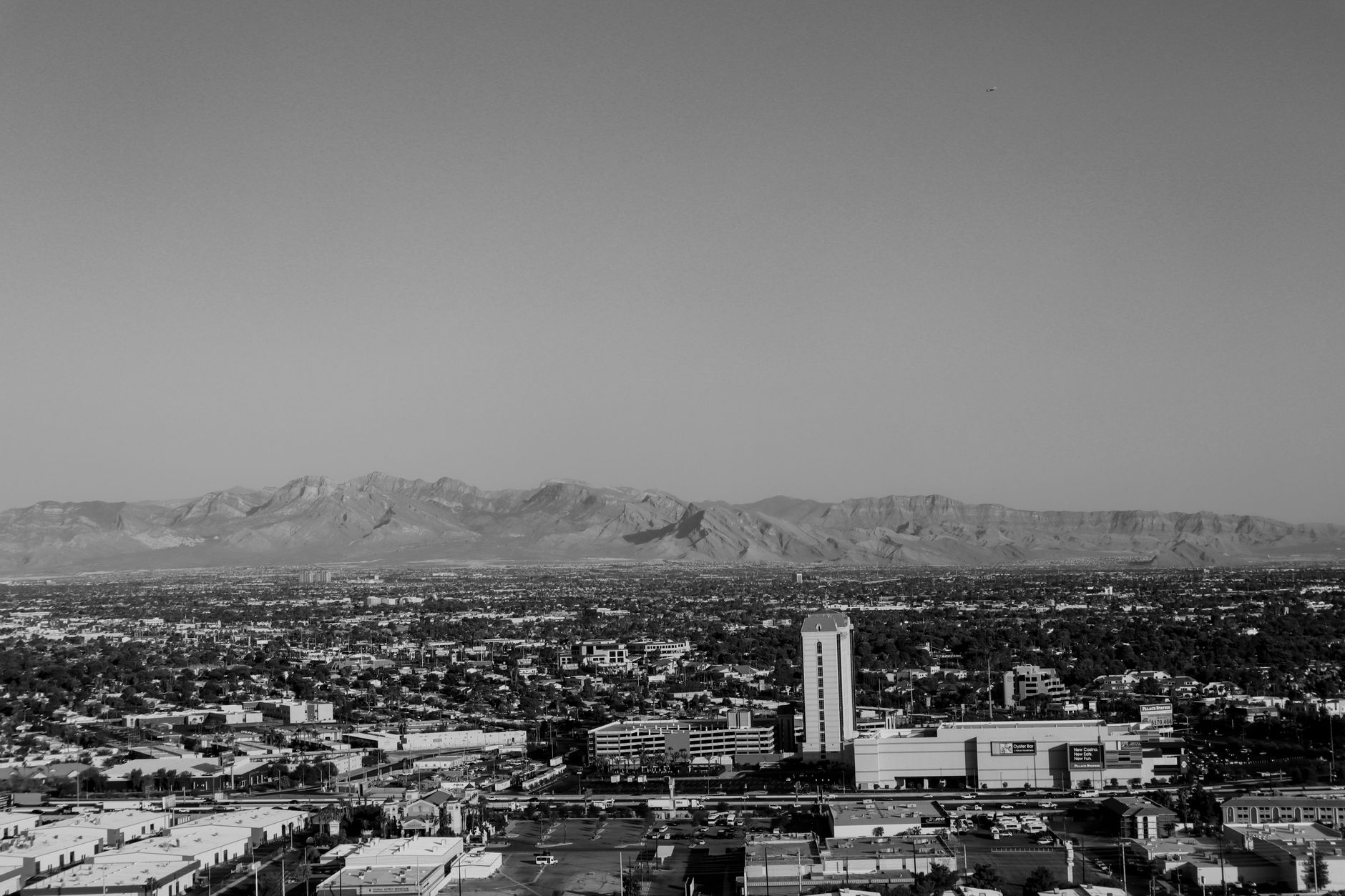
Expect a city where desert light and a working university shape the rhythm. Streets in the central grid wake early; cafés and the Saturday market are busiest in the morning, while downtown restaurants and plazas quiet down by 9pm on weekdays. The immediate landscape alternates between low-density suburban roads and sudden open views to the Organ Mountains, which makes walking long stretches less pleasant but scenic drives rewarding.
Many guides treat this place as only a gateway to White Sands or El Paso. That misses the daily markets, the influence of New Mexico State University, and a distinct local food scene built around Hatch green chile and mesquite flavors. This guide focuses on practical timing, transit realities and places locals actually use rather than only the photo spots.
Designed for travelers who want a clear plan rather than an aspirational list, the itinerary allocates mornings to markets or hikes, middays to museums and university spots, and evenings to Old Mesilla or downtown dining. That structure reduces wasted travel time and keeps the heat and weekend crowds in mind.
Is 3 days in Las Cruces enough?
Yes — three days gives a solid feel for downtown, Old Mesilla, trails in the Organ Mountains and a side trip to White Sands if planned tightly. One honest caveat: museum-heavy or slow-food travelers will have to skip some indoor collections or linger in Old Mesilla to make room for a hike or White Sands visit.
Who This Guide Is For
Best for travelers who like short hikes, regional food and small-city culture; not ideal for visitors seeking a packed urban museum itinerary or nightlife-focused city breaks. Budget travelers who plan to rent a car will have more flexibility.
Local Tips for Las Cruces
Practical details that most travel sites skip — specific to Las Cruces.
- Las Cruces Farmers & Crafts Market at Pioneer Plaza runs Saturday mornings roughly 6:30–11:30am; go early for produce and prepared-food vendors before midday heat.
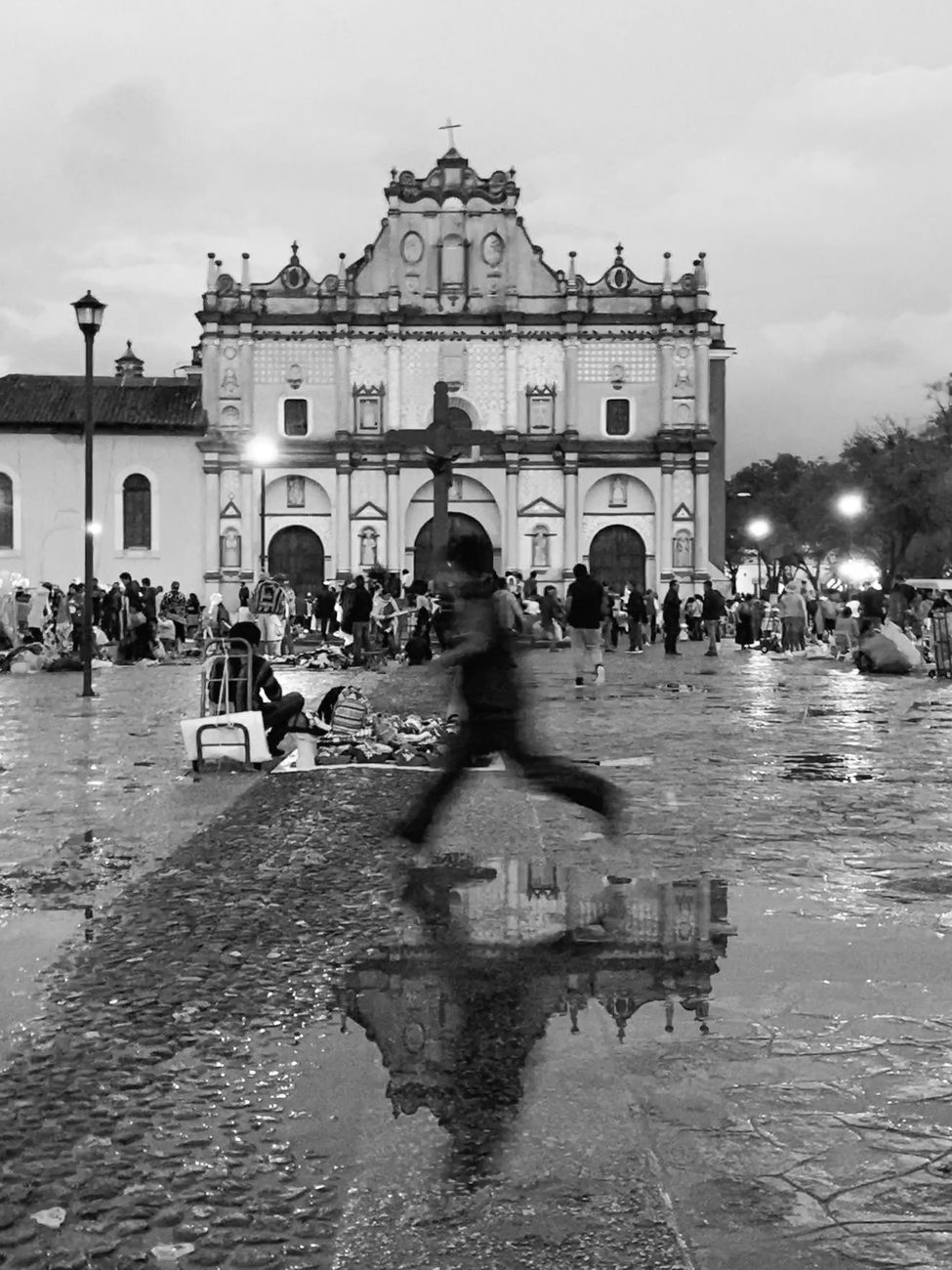
- Old Mesilla Plaza’s Basilica of San Albino holds a weekly market and evening events; many restaurants close by 9pm on weekdays, so plan dinner earlier for weekdays.
- White Sands National Park charges a per‑vehicle fee (currently $25) at the entrance station — budget this into a day‑trip and factor in an extra 30–40 minutes for shuttle/line delays on busy weekends.
- RoadRUNNER Transit provides city bus service; drivers require exact cash for single rides (typical single-ride fare about $1.25) and day passes can be bought at the transit office or selected retailers.
- The Zuhl Museum on the NMSU campus has no or low admission and very limited opening hours; check the NMSU Museums page before planning a visit to avoid wasted trips.
How This Guide Was Prepared
This guide treats Las Cruces as a working city with a strong local culture and desert landscape, not a boutique tourist stop. Many guides over-emphasize one photo‑op or White Sands day-trips; this one balances downtown life, local markets, university culture and desert hikes so time is spent usefully rather than chasing every viewpoint. This guide was prepared through a structured research that combines destination research, geographic context, itinerary planning logic, and content review.
Plan Your Stay in Las Cruces
Use this itinerary as your starting point, then compare areas to stay, transport options, seasonal timing, and realistic daily costs before booking.
Why Visit
Old Mesilla offers one of the most intact historic plazas in southern New Mexico; the Basilica of San Albino and the adobe storefronts create an easy half-day of history, shops and New Mexican food without long lines. The Organ Mountains-Desert Peaks National Monument provides quick-access desert hikes such as the Dripping Springs loop and the Aguirre Spring viewpoints within 20–30 minutes of downtown, so serious hikers can get a sustained outdoor day without a long drive.
The university campus adds cultural life uncommon in cities this size: New Mexico State University hosts small museums, public art and occasional concerts that reflect local research and Hispanic heritage. Markets and farms are a real draw — the Las Cruces Farmers & Crafts Market at Pioneer Plaza and the nearby farm stands showcase regional produce including Hatch green chile in season. Finally, proximity to White Sands National Park means a day trip to a rare white-sand landscape is realistic from a city-base while keeping hotel and restaurant options less seasonal than the park-side.

Quick Planning Tips
Most visitors fly into El Paso International Airport (ELP) when coming from farther away; the drive to the city center takes about 40–55 minutes depending on traffic and border delays. Las Cruces also has limited commercial service at Las Cruces International Airport, but schedules and routes are sparse; car rental at El Paso gives far more flexibility.
RoadRUNNER Transit runs city buses that are useful within downtown and to NMSU; expect to pay around $1.25 per single ride and buy day passes at the transit office or participating retailers. Ride-hailing apps operate here but service can thin out after 10pm, so plan taxis for late departures. Cash is accepted widely, but most restaurants and shops take cards; some smaller market vendors at Pioneer Plaza prefer cash or small change.
Avoid the mistake of assuming every attraction is open daily; check hours for the Zuhl Museum and the New Mexico Farm and Ranch Heritage Museum before scheduling mid‑afternoon visits. On weekends, leave extra time to park at Old Mesilla and White Sands, and carry sunscreen, water and a hat for daytime outdoor plans.

Day 1
Morning: Start at the Las Cruces Farmers & Crafts Market at Pioneer Plaza. Spend 1.5–2 hours sampling produce, breakfast burritos with green chile and chatting with vendors. The market is within easy walking distance of downtown hotels; budget a short 5–15 minute walk from central lodging.
Late morning: Walk or bus to the Branigan Cultural Center on Main Street for rotating exhibits and local history displays. Expect 45–60 minutes here depending on current exhibitions. It's a short 5–10 minute walk from the market and places on Main Street.
Lunch: Head to Old Mesilla Plaza for lunch at La Posta de Mesilla or another plaza restaurant that serves classic New Mexican enchiladas and carne adovada. Drive or take a short rideshare — expect 8–12 minutes by car from downtown and occasional parking waits at midday. Allow 60–75 minutes for a relaxed meal.
Afternoon: After lunch, explore the Basilica of San Albino and the plaza shops, then visit the nearby New Mexico Farm and Ranch Heritage Museum (about a 12–15 minute drive from Old Mesilla). The museum can take 1.5–2 hours; exhibitions cover local agriculture and ranching with outdoor exhibits suitable for warmer afternoons.
Evening: Return to downtown for dinner on Main Street or linger in Old Mesilla for outdoor dining if temperatures are cooler. The plaza is atmospheric after sunset on weekends when vendors or live music appear. If energy remains, check the event calendar at NMSU for evening concerts or theater performances as an alternative to a late-night bar scene.
Day 2
Morning: Aim for an early start to the Organ Mountains-Desert Peaks National Monument. Drive to the Dripping Springs Natural Area trailhead (about 20–25 minutes from downtown) and take the moderate trail that passes the old reservoir and picnic sites; plan 2–3 hours including breaks. Bring water, sun protection and sturdy shoes — trails can be rocky and exposed.
Midday: On the return, stop at the Aguirre Springs picnic area for a short viewpoint or a packed lunch; this adds a scenic contrast to the lower-elevation Dripping Springs route and is only a 10–15 minute drive between trailheads. Expect limited shade and no food service, so carry snacks or pick up sandwiches in town beforehand.
Afternoon: Return to town and visit the Zuhl Museum (NMSU) and the university’s public art on campus. Both are compact and typically take 45–90 minutes. If interested in regional archaeology, check whether any special exhibits are on at the Zuhl or Branigan galleries before arrival.
Dinner and evening: Choose a restaurant along Telshor Boulevard or downtown Main Street depending on mood. On clear nights, a short evening walk to a local stargazing spot on the west side of the city makes a good finish; parking lots near the Organ Mountains overlook offer wide western horizons and minimal light clutter.

Day 3
Morning: Reserve this morning for a White Sands National Park trip if it fits the schedule. Drive time from central accommodation is typically 40–55 minutes one-way. Arrive early to avoid the hottest hours and the largest crowds; plan at least three hours for the dunes, ranger talks and a short sledding session if desired.
Late morning: If skipping White Sands, use the morning for a longer museum visit — the New Mexico Farm and Ranch Heritage Museum takes another hour, or spend time at the Las Cruces Museum of Art depending on opening hours. Both are good options before checkout.
Lunch: Return to town and eat near the university or in Old Mesilla depending on luggage logistics. If catching an afternoon flight from El Paso, pick a place along I‑10 or the main route out of town to save transfer time.
Afternoon and departure notes: For travelers with afternoon departures, factor driving times to El Paso International Airport (40–55 minutes) or Albuquerque if using Sunport (about 3 hours). Allow an extra 30–45 minutes for unexpected delays when returning rental cars. If flying from Las Cruces International Airport, confirm the carrier and check-in rules the day before — flights and counters are fewer and often require earlier arrival.

Best Local Experiences
Las Cruces Farmers & Crafts Market (Pioneer Plaza) — Saturday morning market with local chile, roasted corn and prepared foods; go early for the best produce. Old Mesilla Plaza and the Basilica of San Albino — an active historic plaza with restaurants, craft shops and frequent cultural events; evening visits are quieter on weekdays and livelier on weekends. Dripping Springs Natural Area — a short, accessible hike in the Organ Mountains that gives a real desert‑mountain contrast without a long drive. New Mexico Farm and Ranch Heritage Museum — a hands‑on look at regional agriculture, animals and ranching equipment with outdoor exhibits and occasional demonstrations. Zuhl Museum (NMSU) and campus art walks — geology and fossil collections that are compact but informative and often open with free or low-cost admission. Late‑afternoon mesquite grilling events or occasional open-air music on the plaza happen seasonally; check local event calendars for dates and times.

Where to Stay
Downtown / Main Street: Suits travelers who want walking access to restaurants, the Farmers Market and the Branigan Cultural Center. Expect small hotels or boutique options and nightly rates roughly $90–$160 USD (~€83–€148) depending on season.
Old Mesilla / Mesilla Plaza: Best for those who want immediate access to historic plazas and evening dining. Many lodging options are in historic inns or B&Bs near the plaza. Nightly rates typically run $110–$180 USD (~€102–€167), higher on holiday weekends and around festival dates.
Near New Mexico State University (NMSU) / Telshor: Practical for visitors attending campus events or preferring chain hotels with parking. This area is more car-friendly and quieter at night. Expect rates around $70–$130 USD (~€65–€120) depending on proximity to campus and weekday vs weekend.
South Valley and Sonoma Ranch neighborhoods offer lower nightly rates but require driving into town; these suit budget-conscious travelers or families with a rental car. In all areas, prices rise sharply during Hatch chile harvest season (late summer) and special events, so book ahead if traveling then.
Food and Drink
Green chile (roasted) — a regional staple: fresh roasted Hatch green chile appears on everything from breakfast burritos to burgers; find it at the Farmers Market or at Old Mesilla restaurants. Expect $1–$3 extra per dish depending on portion.
Carne adovada — slow‑braised pork in red chile sauce; a classic New Mexican entrée available at plaza restaurants such as those around Old Mesilla. Typical plate price $12–$18 USD (~€11–€17).
Breakfast burrito with green chile — available at cafés and market stalls, often filled with eggs, potatoes and cheese; prices commonly $4–$8 USD (~€3.50–€7).
Chile relleno — roasted poblano stuffed with cheese and fried or baked, common at New Mexican restaurants around Main Street or Mesilla; expect $10–$15 USD (~€9–€14).
Street and market foods — tamales, roasted corn and churros at the Farmers Market and plaza vendors; single‑item prices commonly $2–$6 USD (~€1.80–€5.50).
Dinner recommendation: A plaza restaurant in Old Mesilla provides classic plates and an atmospheric evening; expect to pay $18–$30 USD (~€16–€28) per person for a main plus drink. For coffee and pastries, downtown cafés near Main Street and Picacho offer good morning options for $3–$6 USD per drink.
Getting Around
Primary modes: Rental car, RoadRUNNER Transit city buses, taxis and ride‑hailing (Uber/Lyft) with variable coverage. Driving on I‑10 and I‑25 is the most convenient way to reach trailheads and White Sands.
RoadRUNNER Transit runs several fixed routes serving downtown, NMSU and some commercial corridors; single-ride fares are around $1.25, and day passes are available through the transit office or local retailers. Bring exact change on buses; schedules are posted on the City of Las Cruces transit page and the Transit app shows live route times.
Taxi and ride‑hail: Typical taxi or ride‑hail fares around town are modest; expect an Uber or taxi from downtown to Old Mesilla to be roughly $8–$15 USD depending on time and demand. A one-way taxi from El Paso International Airport to Las Cruces usually runs $70–$100 USD. For White Sands or remote trailheads, a rental car is strongly recommended.
Best Time to Visit
Spring (March–May) — daytime temperatures typically 60s–80s°F (15–28°C) with low humidity and wildflowers in the foothills; spring offers the best balance of weather and lower crowds compared with summer. Early May can be busy around holiday weekends.
Summer (June–August) — highs routinely in the 90s–100s°F (32–38°C) with monsoon afternoons bringing brief thunderstorms July–September; mornings are best for outdoor activity and evenings are warm. Prices for hotels can be lower midweek but outdoor plans require heat precautions.
Fall (September–November) — pleasant daytime temps in the 60s–80s°F (15–28°C), fewer visitors and clear skies. Harvest season for Hatch chile runs late summer into early fall and affects dining and festival calendars.
Winter (December–February) — daytime highs often 50s–60s°F (10–16°C) with chilly nights; snow on the Organ Mountains is possible but rare at city elevations. Winter offers low crowds and good value on lodging except around holiday dates.
Budget and Practical Tips
Typical daily budget (per person): Budget traveler: accommodation $70–$100 USD, food $25–$40, transport $5–$15, entry fees $5–$20; total roughly $105–$175 USD (~€96–€160). Mid-range traveler: accommodation $100–$150 USD, food $40–$70, transport $10–$25, entry fees $10–$40; total roughly $160–$285 USD (~€147–€263).
Accommodation: expect lower midweek rates and higher prices on weekend festival dates. Food: breakfast burritos and market food keep costs down; sit-down dinners at plaza restaurants add $18–$30 per entrée. Transport: rental cars run $40–$70 per day depending on season; local bus fares are small but limited in coverage. Entry fees: White Sands National Park vehicle fee $25; farm and ranch museum admission typically in the single digits USD; some university museums are free or donation-based.
Tipping and payments: Standard tipping in restaurants is 15–20% on the pre-tax bill for sit-down service. Smaller vendors and market stalls sometimes prefer cash; carry small bills. Many businesses accept cards, but always confirm card minimums at small shops and food stalls.
FAQ
How safe is Las Cruces for visitors?
Downtown, Old Mesilla and university areas are generally safe in daytime; normal urban caution at night is sensible. Avoid leaving valuables visible in parked cars and be aware that some neighborhoods near major roads are best visited during daylight.
Is three days enough to include White Sands?
Yes, three days allows a dedicated half- or full-day trip to White Sands if planned early; allocate at least three hours on site plus driving time and the park vehicle fee.
Should a rental car be booked?
Yes for maximum flexibility; public buses cover central routes but a car makes Organ Mountains trails and White Sands far easier to reach.
Are taxis and ride‑hailing reliable late at night?
Service exists but can be slow outside downtown and after 10pm; pre-book a taxi for late departures or confirm driver availability before planning a late return.
Is a city card or pass worth it?
There is no widely used tourist city pass; individual museum fees are modest and the RoadRUNNER day pass helps only for multiple bus trips within a day. Most visitors save time and money by renting a car instead.
What transit app should be used?
The Transit app or the City of Las Cruces transit page provides RoadRUNNER schedules; both are adequate for planning bus trips though real-time coverage can be limited.
Conclusion
Three days delivers a clear sense of the city’s mix of plaza life, university energy and nearby desert landscapes. Most travelers will remember sitting on Old Mesilla Plaza with a plate of red or green chile, an early hike with wide mountain views, and the light on the dunes if White Sands is included. If time runs short, prioritize an early morning at the Las Cruces Farmers Market and a late afternoon walk in Old Mesilla — those two give the best immediate sense of local food, history and atmosphere.
How this guide was prepared
This guide was prepared through a structured research that combines destination research, geographic context, itinerary planning logic, and content review.