
3-Day Practical Itinerary for Ljubljana — Real Travel Tips
A practical 3-day guide to Ljubljana with day-by-day routes, transit advice, realistic costs, museum tips and where to eat for a short city break.
A clear, realistic 72-hour plan for getting around Ljubljana: what to see, where to eat, how to save on transit and which neighbourhoods justify extra time.
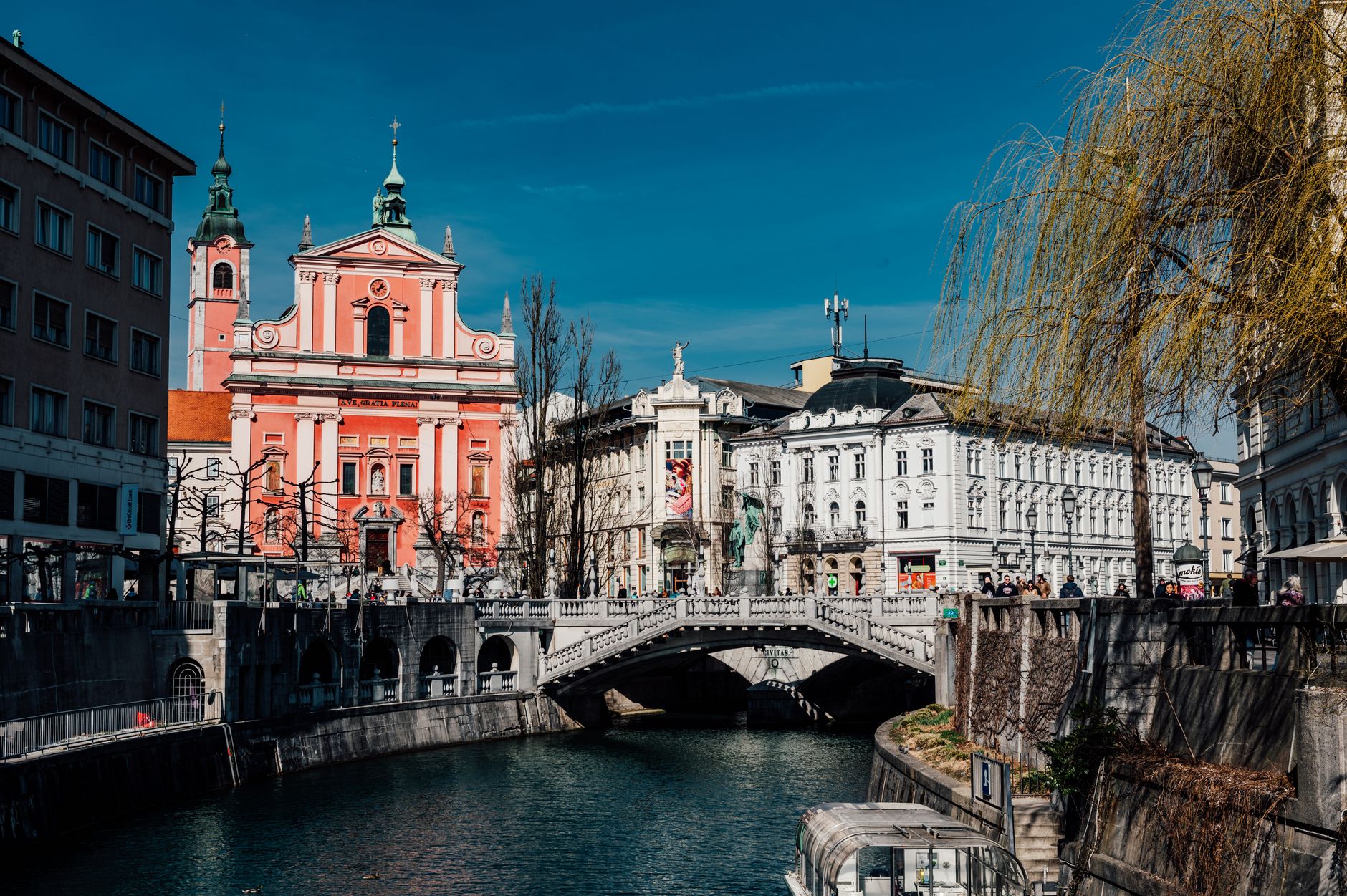
A first impression is of a compact centre where most landmarks sit within easy walking distance of each other, defined by the Ljubljanica river and a grid of small streets. The pace is noticeably calmer than larger capitals nearby, with cafes spilling onto riverbanks and a clear division between the tourist core and the alternative scene around Metelkova.
Historic architecture and modern interventions sit side by side: Jože Plečnik's market and bridges are as visible as post-industrial warehouses now hosting galleries. Many visitors expect a busy urban capital and are surprised by the small-city scale and the number of walkable neighbourhoods.
This layout suits travellers who like to move on foot, stop at local markets, and keep museum visits focused. It does not suit those expecting a packed schedule of late-night shows and 24-hour city services.
Expect some noise on weekends along the river and near Metelkova during events, and fewer options after 21:00 on Mondays in the museum circuit.
Is 3 days in Ljubljana enough?
Yes: three days allows a confident walking loop of the old town, time for the castle and two contrasting neighbourhoods (market and Metelkova), plus a relaxed afternoon in Tivoli. Caveat: day trips to Lake Bled or coastal towns will need extra days or a long day trip.
Who This Guide Is For
Best for walkers who like short museum visits, café time and compact city centres; not ideal for travellers who want extensive hiking, long wine tours, or strict budget travel requiring hostels outside the centre.
Local Tips for Ljubljana
Practical details that most travel sites skip — specific to Ljubljana.
- Buy an Urbana card at newspaper kiosks (Tobacna or kiosks near Ljubljana Railway Station) to ride LPP buses for €1.30–€1.50 per validated trip and skip onboard higher driver fares.
- The Ljubljana Card (24h, 48h, 72h) includes entry to the Castle Tower and many museums plus unlimited LPP buses; available at the tourist office at Slovenska c. 1 and online—compare prices if planning three full museum days.
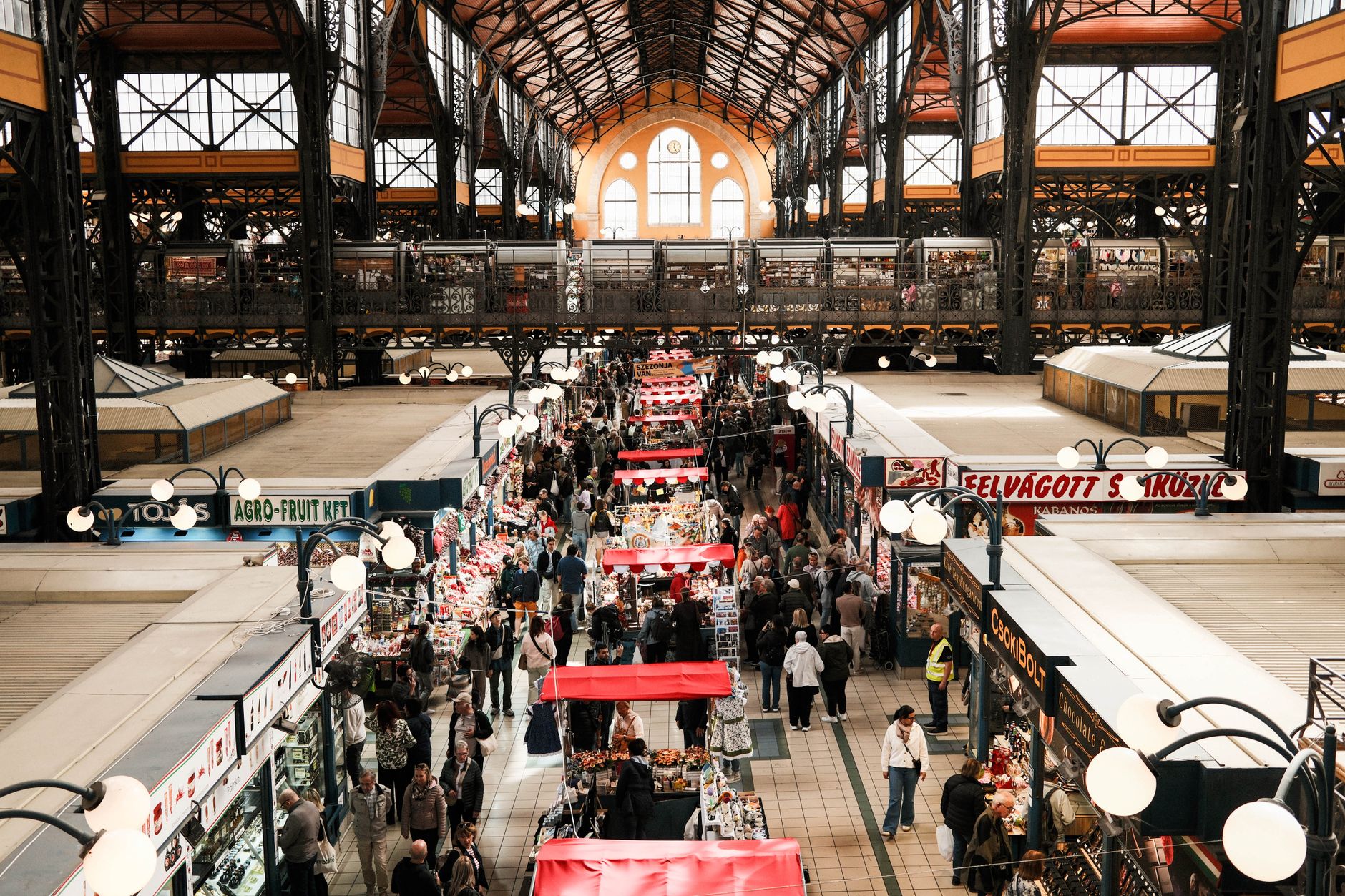
- Central Market (Pogačarjev trg and Vodnikov trg) runs weekdays from early morning; Saturday has the largest fresh-produce and artisanal stalls and the flower market by the river.
- The Castle funicular from Krekov trg costs around €4 round-trip if bought separately; walking up from Old Square takes 15–25 minutes and rewards with fewer crowds at the top.
- Nightlife and live music concentrate at Metelkova and along the Ljubljanica river cafés; Metelkova hosts shows and exhibitions with free or low-cost entry but check event listings at Stari trg 3 before going.
How This Guide Was Prepared
Three days in Ljubljana is enough to feel the city's compact scale and local routines but not to exhaust nearby day-trip options like Bled or Ptuj. Many guides overemphasize the castle as a single sight; the most useful experience comes from following the river, markets and two very different neighbourhoods—old centre and Metelkova—at a practical pace. This guide was prepared through a structured research that combines destination research, geographic context, itinerary planning logic, and content review.
Plan Your Stay in Ljubljana
Use this itinerary as your starting point, then compare areas to stay, transport options, seasonal timing, and realistic daily costs before booking.
Why Visit
There is a strong architectural identity defined by Jože Plečnik: see it at the Central Market, the National and St. Michael's Church façades. Plečnik's interventions are frequent, legible and within a compact area, which makes guided or self-guided architectural walks efficient.
The riverfront offers a concentrated café and restaurant scene between the Triple Bridge and Cobblers' Bridge where food, people-watching and evening drinks happen in the same short stretch. This makes the centre easy to sample in a few sittings.
A small but lively contemporary arts scene centers on Metelkova, where converted military barracks host experimental music, street art and pop-up galleries. That contrast with the ordered old town yields evenings that can be either quiet or irregularly exuberant, depending on schedules.
Green space access is immediate: Tivoli Park is a short walk from the centre and provides clear walking routes, sculpture gardens and lookouts without needing a long transfer.
Quick Planning Tips
From Jože Pučnik Airport at Brnik the shuttle bus (the airport coach) to Ljubljana central bus station takes about 40–45 minutes and costs roughly €7–10; shared-transfer services like GoOpti cost €10–20 and are door-to-door. Driving from the airport takes about 30–40 minutes depending on traffic.
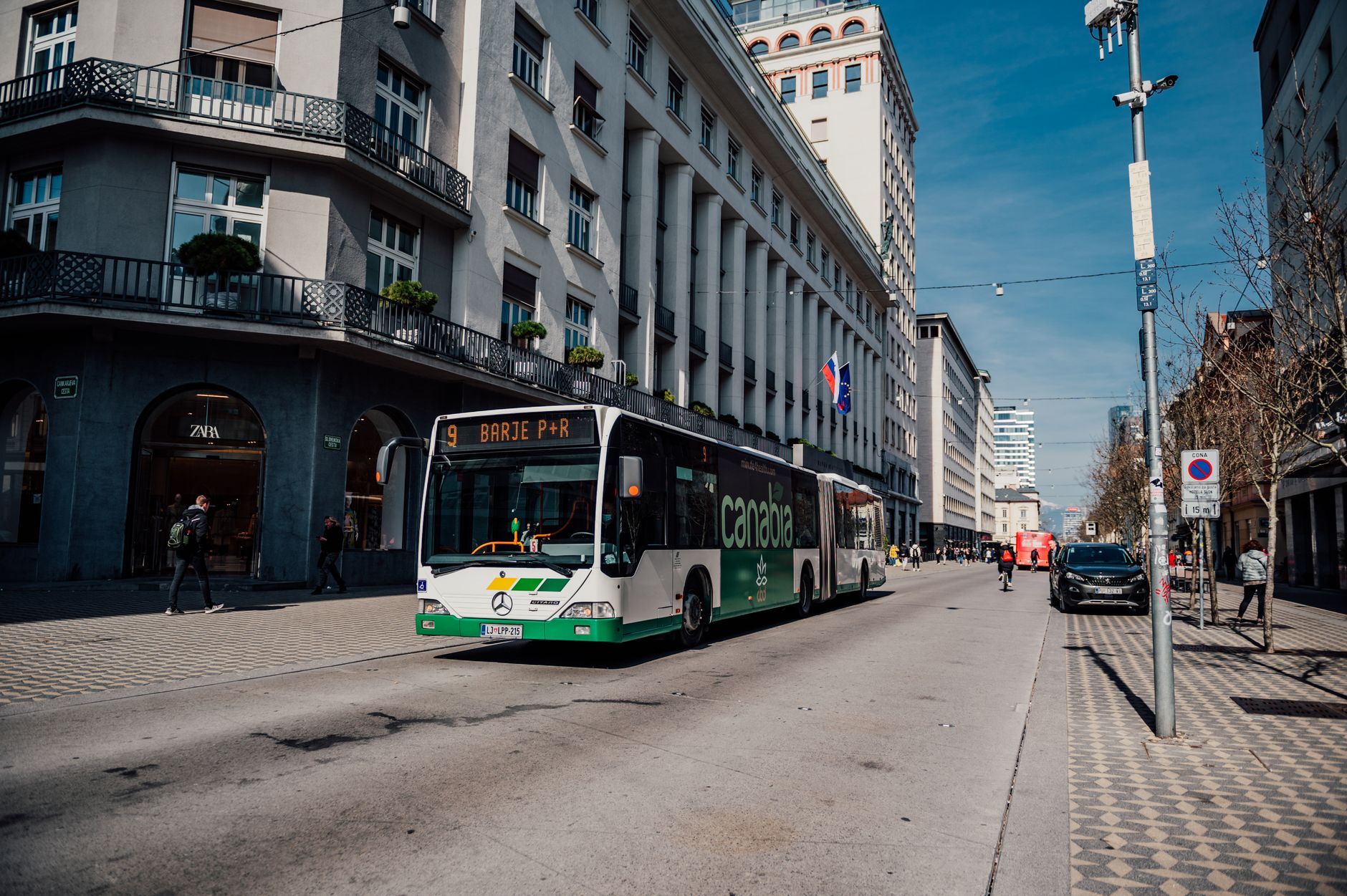
Buy an Urbana card at kiosks or LPP ticket machines for cheaper bus fares and to avoid paying the higher onboard driver fare. Contactless bank cards work at some machines, but cash remains useful for small kiosks and market stalls.
Avoid planning museum visits late on Mondays; several major museums and smaller galleries close that day. Also, reserve table or arrive early for riverside restaurants on Saturday evenings to avoid long waits.
Day 1
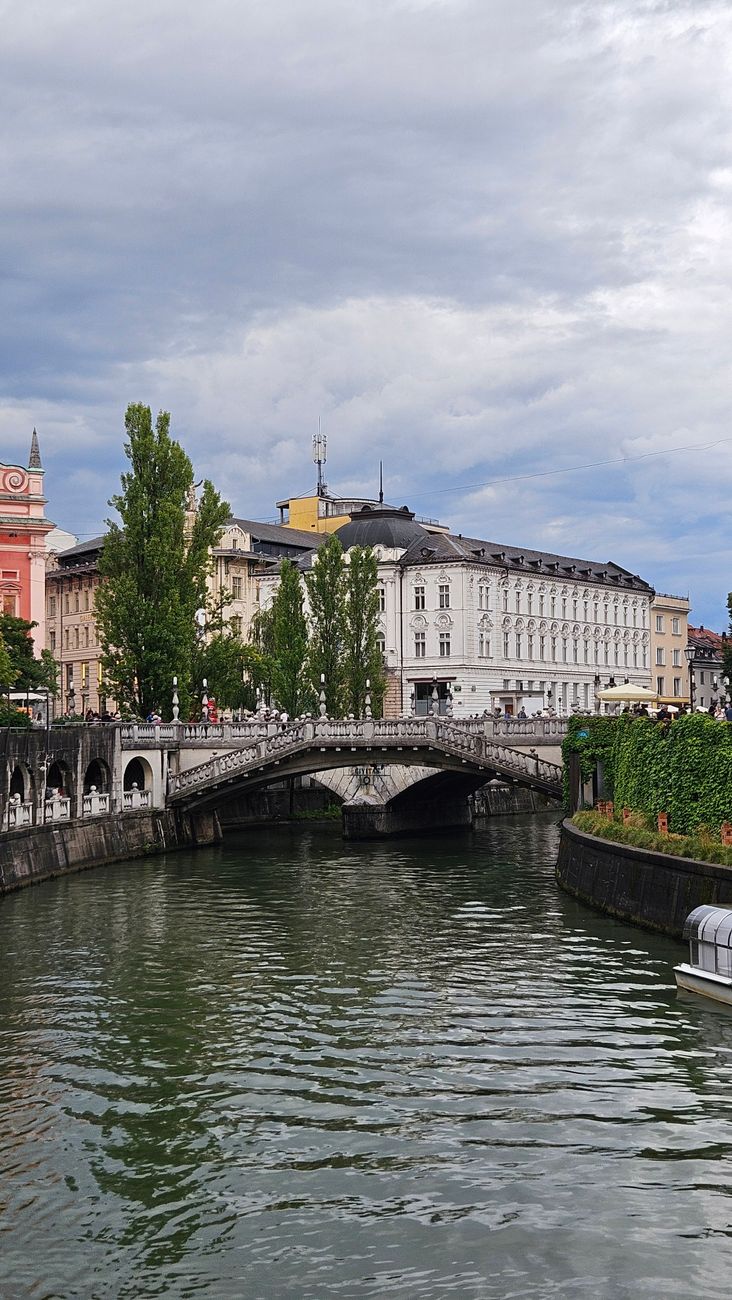
Start at Prešeren Square (Prešernov trg) beside the Triple Bridge to orient with the river and main pedestrian axes. From here walk 2 minutes to the Triple Bridge for photos and then cross to the Central Market at Pogačarjev trg and Vodnikov trg; allow 45–60 minutes to browse stalls and try a burek or local cheese.
From the market walk 5–10 minutes to the Cathedral of St. Nicholas (Katedrala sv. Nikolaja) and then head to the National Museum of Slovenia on Prešernova cesta—plan 60–90 minutes inside. Walking between these spots is compact: most legs are under 10 minutes.
Lunch suggestion: Strelec at Ljubljana Castle's outer courtyard or Druga Violina near the old town; Strelec is pricier and requires castle-entry planning, while Druga Violina at Vodnikov trg serves traditional dishes at moderate prices (about €10–15 for mains).
After lunch, take the funicular from Krekov trg up to Ljubljana Castle (or walk 15–25 minutes uphill). Explore the Castle Tower and the small museums—castle ticket combinations run around €10–12. Return to the river and stroll toward Špica (15–20 minutes along the river) for late-afternoon light.
Evening recommendation: riverside dinner near Cankarjevo nabrežje or a relaxed drink at a café on Mestni trg; both areas stay active after dusk and are an easy walk back to central hotels.
Day 2
Spend the morning in Tivoli Park: enter from Slovenska cesta and follow the main avenues toward Tivoli Mansion and Jakopič Promenade. Walking through the park to the International Centre of Graphic Arts takes 20–30 minutes depending on stops. Tivoli offers benches and small cafés for a relaxed coffee break.
After the park, head to the Museum of Modern Art (Moderna galerija) on Aškerčeva cesta; allow 60–90 minutes. From there take a 10–15 minute walk toward Metelkova (the former military barracks) and spend the afternoon contrasting the official museum programme with the independent galleries and street art at Metelkova mesto.
For lunch, try local sandwiches and salads at the market stalls near Pogačarjev trg or a set menu at a nearby bistro like Pop's Place. Public buses (LPP lines) connect if moving from the park to the gallery is needed—expect 10–15 minute rides.
Evening in Metelkova: check event listings at Metelkova's Kersnikova or the club Gala Hala; shows often start late and tickets range from free to €10–15. Finish the night with craft beer at a nearby bar or a quiet riverside drink if a late club night is not wanted.
Day 3
Use the final day to pick a lighter activity and a longer afternoon plan. Start with a casual breakfast at Central Market and then take a morning canal boat tour on the Ljubljanica; these run from the river near the Triple Bridge and last about 30–45 minutes—book ahead in high season.
After the boat, walk to the National Gallery (Narodna galerija) or the Museum of Illusions for a shorter indoor visit depending on interest; plan 60 minutes. Both are within 10–15 minutes on foot from the river.
For lunch head to the open-air stalls at Vodnikov trg for quick choices like burek or toasted sandwiches and then move toward Špica for a riverside walk. If luggage must be stored before a late flight, use lockers at the central train/bus station or ask hotels about late check-out or luggage hold—both options are common and convenient.
Afternoon travel note: if catching an afternoon or early evening flight at Jože Pučnik, allow at least 90–120 minutes travel time plus recommended check-in time; leave the city center 2–2.5 hours before departure to be safe. Alternatively, use the airport shuttle coach which departs from the main bus station and runs to Brnik regularly.

Best Local Experiences
Central Market at Pogačarjev trg on Saturday morning is essential: local farmers, charcuterie, honey producers and a strong local pastry selection appear between 7:00 and noon. Expect crowds around 09:00–11:00.
An evening walk and café stop along Cankarjevo nabrežje between Triple Bridge and Cobblers' Bridge provides concentrated riverfront life and seasonal terraces. Boat tours on the Ljubljanica operate from the river bank near the Triple Bridge and offer short narrated circuits.
Metelkova mesto hosts concerts, exhibitions and late-night bars; check the calendar at Metelkova.org for specific events and small festivals. For a relaxed green experience, Tivoli Park provides sculpture walks, open lawns and the Jakopič Gallery.
Attend a Slovenian wine tasting at a wine bar in the old town—look for labels like rebula or cviček served by the glass—and try a locally brewed Union or Laško beer at pubs near the station.
A short detour to the nearby Castle of Predjama or a day trip to Lake Bled are common extensions but require a full day; public bus or organised excursions leave from the main bus station daily.

Where to Stay
Old Town / Centre (Stari trg, Mestni trg): Suits first-time visitors who want immediate access to the river, Triple Bridge and most museums. Walking distance cuts travel time and evening options are abundant. Expect nightly prices around €80–€150 (EUR) for mid-range hotels, roughly €90–€160 (USD).
Trnovo and Šiška: Suits travellers seeking quieter residential streets but still close to the river and Tivoli Park. Šiška has more local bars and cheaper daily options; expect €50–€90 per night for budget to mid-range guesthouses (EUR), about €55–€100 (USD).
BTC and train/bus station area: Suits those arriving late or planning day trips to Trieste or Zagreb; practical for parking and shuttle connections. Prices can be lower for longer stays—around €45–€85 per night (EUR) or €50–€95 (USD).
Food and Drink
Kranjska klobasa (Carniolan sausage): a pork and bacon sausage often served with mustard and kraut; try at Gostilna Sokol or at market stalls for €4–7.
Jota: a stew of sauerkraut, beans and potatoes with smoked pork; find it at traditional restaurants like Druga Violina for €6–10 as a hearty lunch dish.
Štruklji: rolled dumplings filled with cheese, walnuts or tarragon; served in several traditional restaurants and bakeries—expect €3–6 for a serving.
Burek: flaky pastry with meat or cheese sold at market stalls and bakeries; a typical snack price €2–4 and ideal for a quick mid-morning bite at Central Market.
Potica: a rolled nut cake commonly sold in pastry shops and markets; slice prices €2–4, whole roll varies. For dinner, choose a sit-down menu at a bistro along the river for €15–30 per person depending on drinks.
Breakfast option: a coffee and layered pastry at a riverside café costs around €3–6. Local drinks: Slovenian white wines like rebula and light red cviček appear on many menus; local draft beers include Union and Laško, pints roughly €3–4.
Getting Around
Public transport is run by LPP (Ljubljanski potniški promet) with numbered bus lines covering suburbs and the centre. Key lines for visitors include the city centre ring and services toward BTC and the train station; consult LPP maps at main stops.
Single-ride fares via Urbana card are about €1.30; purchasing a single ticket from the driver or on-board may be more expensive. Day passes and multi-day cards are available; compare the Ljubljana Card for combined transport and museum entry if planning many paid attractions.
Taxis operate with base fares around €2.50–€3 and per-kilometre charges; a taxi from the centre to the airport is typically €25–€35 depending on traffic. Airport shuttle buses depart from the main bus station and cost roughly €7–€10.
Useful apps and cards: the Urbana city card for fares, LPP route maps and realtime info via the LPP mobile site or Google Maps; GoOpti and FlixBus for regional transfers. Walkability is high in the centre so many short hops are best on foot.
Best Time to Visit
Late spring (May–June) and early autumn (September) offer warm days around 18–24°C (64–75°F) and lower tourist density than July–August. These months balance open museums, river terraces and fewer peak crowds.
Summer (July–August) brings festival programming, river terrace crowds and daytime highs often 25–30°C (77–86°F). Hotels charge their highest rates and riverside restaurants are busiest, so reserve ahead if visiting then.
Winter (December–February) is quieter, with temperatures commonly around -2 to 6°C (28–43°F) and shorter opening hours at smaller attractions. Christmas markets around Prešeren Square are active in late November and December and are worth timing a trip for light displays and local stalls.
For best value with comfortable weather choose late April–early June or September; avoid late July if trying to dodge the largest crowds and highest prices.
Budget and Practical Tips
A realistic daily budget for a mid-range traveller: accommodation €80–€120 (EUR) / €90–€135 (USD), food €25–€45 (EUR) / €28–€50 (USD), transport €3–€6 (EUR) / €3–€7 (USD), entry fees €5–€15 (EUR) / €5–€17 (USD). Total daily mid-range roughly €120–€200 (EUR) / €135–€225 (USD).
Budget travellers using hostels and market meals can manage €50–€80 per day. Luxury travellers should budget €200+ per day. Museum ticket examples: National Museum around €6–8, Museum of Modern Art around €6–10—combine with Ljubljana Card for savings if visiting several paid sites.
Tipping: restaurants typically add service automatically in some places; if not, 5–10% is customary for table service. Rounding up small amounts for cafés and taxis is common.
Carry a small amount of cash (EUR) for market stalls and small bakeries; most restaurants and shops accept cards. Keep a photo of reservation confirmations and train/bus tickets on a phone for quick reference.
FAQ
Is Ljubljana safe for solo travellers?
Yes; the centre is generally safe with low violent crime rates, but standard precautions against pickpocketing in crowded riverfront areas apply.
Is a Ljubljana Card worth buying for three days?
Often yes if planning multiple paid museum visits and using LPP buses frequently—compare 48/72-hour card prices to individual entry costs before purchasing.
How do I get from Jože Pučnik Airport to the city centre?
Options are the airport shuttle coach to the main bus station (€7–€10, 40–45 minutes), shared transfer services like GoOpti (€10–20), or taxis (€25–€35 depending on traffic).
Can the old town be explored on foot in one day?
Yes; most central sights lie within a 15–25 minute walk of each other, allowing for relaxed visits to markets, the castle and riverside cafés in a single day.
Are credit cards widely accepted?
Major cards are accepted at hotels, larger restaurants and shops, but bring cash for markets, small cafés and bakeries.
What is the cheapest way to use public transport?
An Urbana card loaded with single fares or day passes is cheaper than paying onboard; buy and top up at kiosks or ticket machines.
Is Metelkova family-friendly?
Metelkova can be noisy and late-night oriented; daytime visits to see street art and galleries are fine, but evening events are more adult-focused.
Are museums open every day?
No; many museums close on Mondays or have shorter winter hours—check specific institutions like the National Museum or Museum of Modern Art before planning visits.
Conclusion
Three days gives a clear sense of what defines the centre: riverfront life, Plečnik architecture and a compact mix of markets, museums and alternative culture. Most travellers will remember short, walkable routes and the ease of moving between parks and cafés rather than a long list of attractions.
If time runs short, prioritise a morning at Central Market and an afternoon walk up to Ljubljana Castle for views plus one evening in Metelkova for the contrast—those three elements convey the city's character efficiently.
How this guide was prepared
This guide was prepared through a structured research that combines destination research, geographic context, itinerary planning logic, and content review.