
Zagreb 3-Day Itinerary: Practical Plans, Transit & Eatery Tips
A practical, honest 3-day guide to Zagreb covering transit, neighbourhoods, timing, and meal choices so visitors can plan each day efficiently.
Realistic three-day plans for Zagreb that prioritize walking, trams, markets and neighbourhoods rather than tick-box sightseeing. Includes transport notes and meal picks.
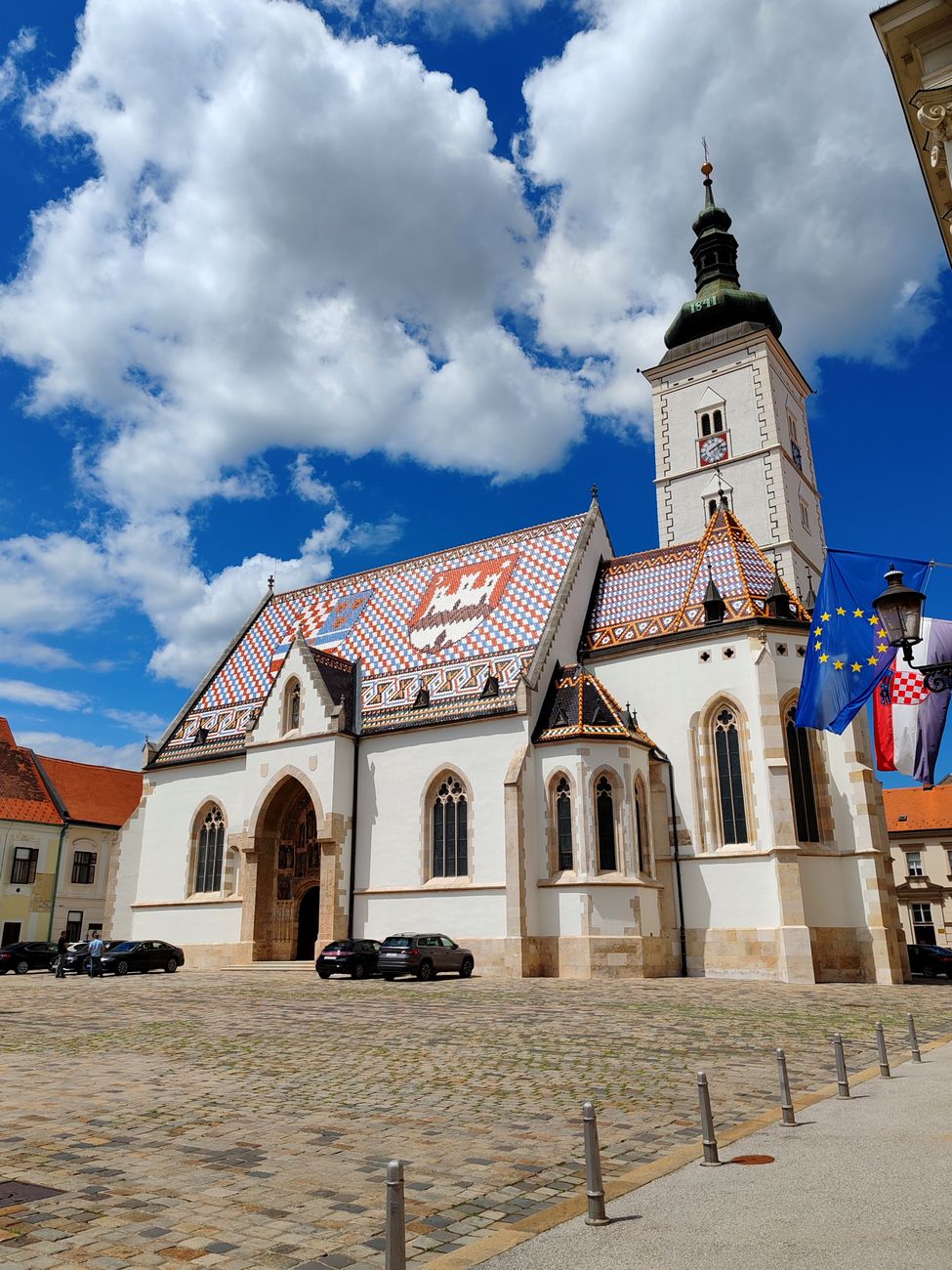
First impressions are often of broad boulevards, an easy tram rhythm and two distinct cores: Donji grad with its grid of streets, parks and theatres, and Gornji grad, the compact medieval hill where St. Mark’s Church and Lotrščak Tower sit. Expect many short uphill walks and cobbled alleys; comfortable shoes make more ground possible in a day than taxis. Noise levels are moderate in Donji grad during daytime because of trams and cafés, while Gornji grad is quieter once evening falls. Practical travellers will notice fewer long queues at major museums than in bigger tourist hubs, but weekday closures and odd opening hours for smaller sites mean planning is necessary.
Is 3 days in Zagreb enough?
Three days is enough to see central highlights: Ban Jelačić Square, Upper Town (Gornji grad), key museums and one major park. There won’t be time for a coastal day trip to Split or Dubrovnik; those require at least a separate overnight.
Who This Guide Is For
Best for travellers who prefer short walks, mid-range budgets, museum visits and café-drinking; less suitable for travellers seeking beach time or a nightlife-first itinerary.
Local Tips for Zagreb
Practical details that most travel sites skip — specific to Zagreb.
- Buy the Zagreb Card (24h or 48h) at the tourist office on Ban Jelačić Square or online; it bundles discounts on major museums and often includes free tram rides for the card period.
- Airport shuttle bus 290 (Pleso prijevoz) runs to Ban Jelačić Square; expect to pay roughly 30–40 HRK (€4–5) one way and allow 30–40 minutes depending on traffic.
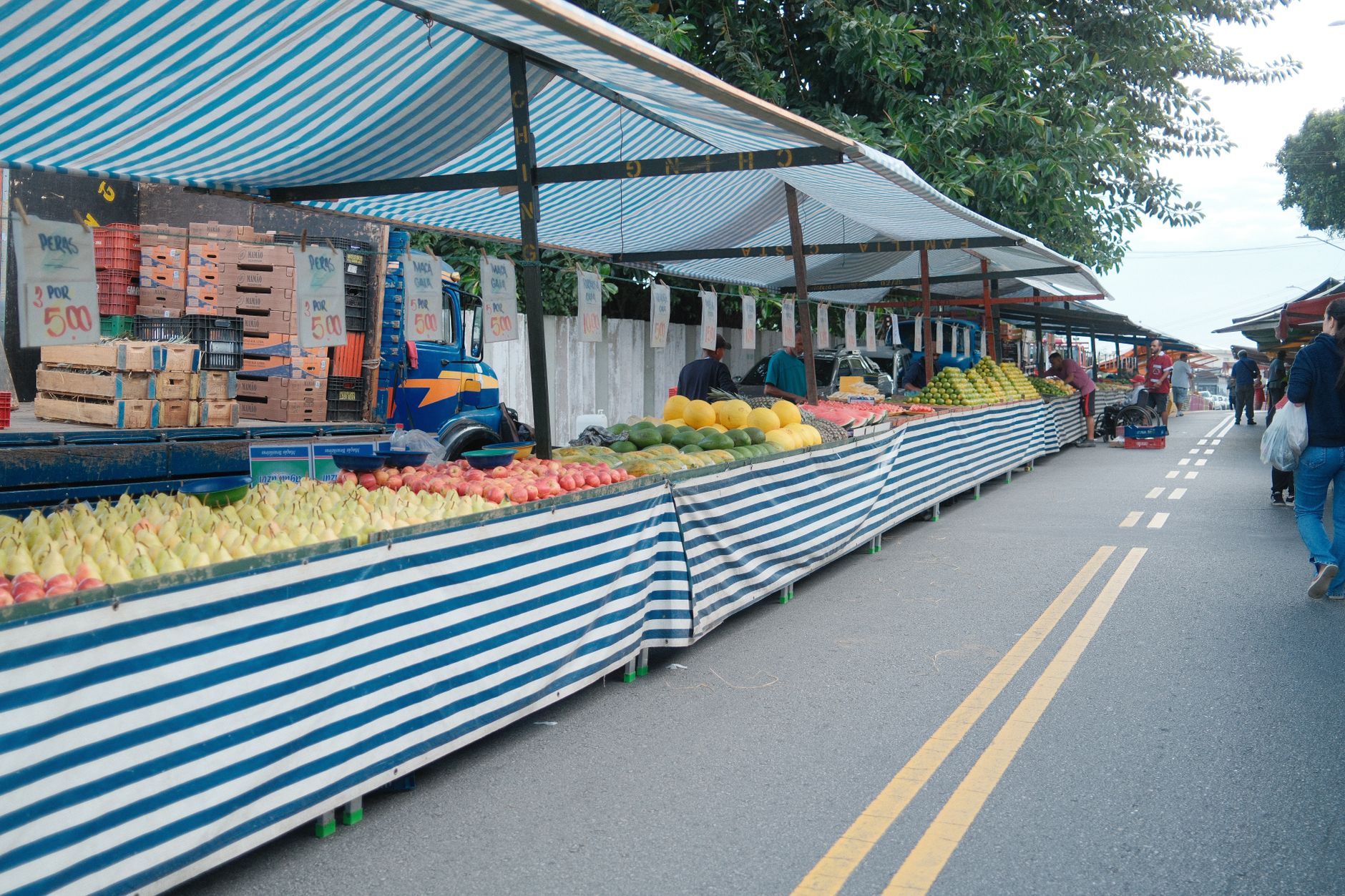
- Dolac Market on Gornji Grad is busiest 07:00–10:30; many vendors pack up by early afternoon so shop mornings for fresh produce and local cheeses.
- Mirogoj Cemetery has no mandatory entry fee and is a 15–20 minute tram ride from the main train station; allow at least 60–90 minutes to walk the arcades and read gravestones.
- Museum of Broken Relationships on Ćirilometodska often charges about 30–40 HRK (€4–5) for entry; combine it with nearby St. Mark’s Church and the Lotrščak Tower for a compact Upper Town visit.
How This Guide Was Prepared
This guide treats Zagreb as a layered, walkable capital with an Austro-Hungarian downtown and a quieter green belt, not a coastal resort. Many guides overemphasize single monuments and skip the daily routines—market shopping, tram rhythms, coffee culture and how the Upper Town’s narrow streets affect timings. This guide was prepared through a structured research that combines destination research, geographic context, itinerary planning logic, and content review.
Plan Your Stay in Zagreb
Use this itinerary as your starting point, then compare areas to stay, transport options, seasonal timing, and realistic daily costs before booking.
Why Visit
One: concentrated cultural variety across short distances — museums such as the Museum of Broken Relationships, the Archaeological Museum and the Croatian National Theatre are a tram or a 15–20 minute walk apart. Two: daily local life that’s easy to observe — Dolac Market, bakery windows and coffee shops on Tkalčićeva provide quick immersion into food and routine. Three: green space and manageable day walks — Maksimir Park and the lower Medvednica foothills are close enough for half-day escapes. Four: an architectural mix where Austro-Hungarian facades meet 20th-century public buildings, which helps visitors see different eras without long transfers.
Quick Planning Tips
Arrive through Franjo Tuđman Airport and take shuttle bus 290 to Ban Jelačić Square; buses run frequently but allow at least 40 minutes during rush hour. The main rail hub is Glavni Kolodvor (Central Station); several trams stop directly outside and ticket checks are routine. Carry a mix of cash and cards — many small bakeries and market stalls take only cash, while restaurants, museums and larger shops accept cards. Avoid assuming every museum is open daily; check opening hours and buy tickets or timed entries for popular museums if possible.

Day 1
Morning: Start at Ban Jelačić Square to get bearings; allow 20–30 minutes to observe tram routes and local kiosks. From there walk 5–10 minutes to Dolac Market for fresh produce, cheese and a pastry; budget 60–90 minutes if sampling and shopping. Late morning: Head uphill to Gornji grad (a 10–15 minute walk from Dolac, steeper on Vlaška/Opatovina paths) to visit St. Mark’s Church, the Croatian Parliament area and Lotrščak Tower; climb the tower for a short view and hear the noon cannon if timing matches. Lunch: Eat at Agava on Tkalčićeva for grilled small plates and local wine — it’s a 5–7 minute walk down into the lower streets, expect main courses around 90–140 HRK (€12–18). Afternoon: Visit the Museum of Broken Relationships (allow 45–60 minutes) and then walk to the Archaeological Museum or the Croatian National Theatre, both within 10–15 minutes on flat streets. Evening: Walk along Tkalčićeva for bars and casual restaurants; it’s lively but not late-night noisy, so expect to finish dinner by 22:00 without rush.
Day 2
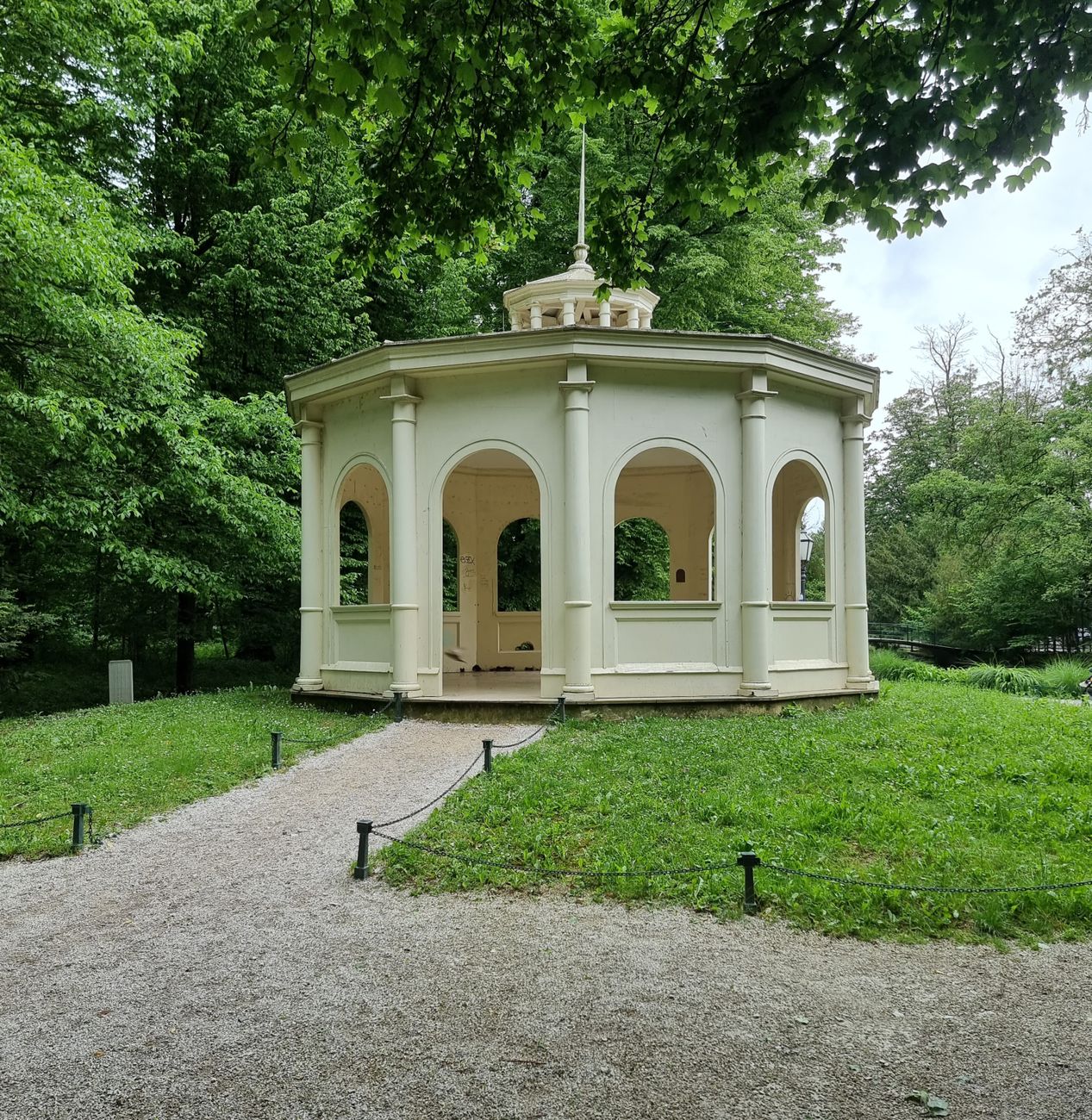
Morning: Take tram or a 20–25 minute walk to Maksimir Park for a calm start—visit the small zoo if travelling with family, stroll the tree-lined alleys and the lakes; allow 2–3 hours. Late morning: From Maksimir take tram or bus back toward the city centre (about 20–30 minutes) and stop at the Botanical Garden near the University for a shorter, quieter visit. Lunch: Have burek or a burek sandwich at a local pastry shop like Pekara Dubravica or a nearby bakery; expect a burek for about 10–18 HRK (€1.3–2.5). Afternoon: Explore the Lower Town galleries — the Modern Gallery or the Museum of Contemporary Art (reachable by tram, 20–30 minutes) for a change from historical touring. Evening: Head to the Sava River embankment for an informal riverside walk and simple riverside cafés; the area is more local and quieter than central squares.
Day 3
Morning: Ascend Medvednica foothills to visit Medvedgrad fortress if weather and energy permit; from city centre plan 45–60 minutes by bus plus short uphill walk, allow 2–3 hours total. If preferring something closer, spend the morning at Mirogoj Cemetery — a 15–20 minute tram ride from central stations, with 60–90 minutes for the arcades and monuments. Lunch: Try a neighbourhood konoba for a simple meat or fish stew (pašticada or fiš) depending on seasonal menu; expect mains 80–140 HRK (€10–18). Afternoon: Use remaining time to visit any missed museum (Archaeological or Ethnographic) close to the main train station, or pick a final café on Tkalčićeva for last-minute people-watching. Practical note for departures: allow 60–90 minutes to get to Franjo Tuđman Airport by shuttle or 30–45 minutes to Glavni Kolodvor for train departures; leave the hotel 2–2.5 hours before an afternoon flight to account for transfers.

Best Local Experiences
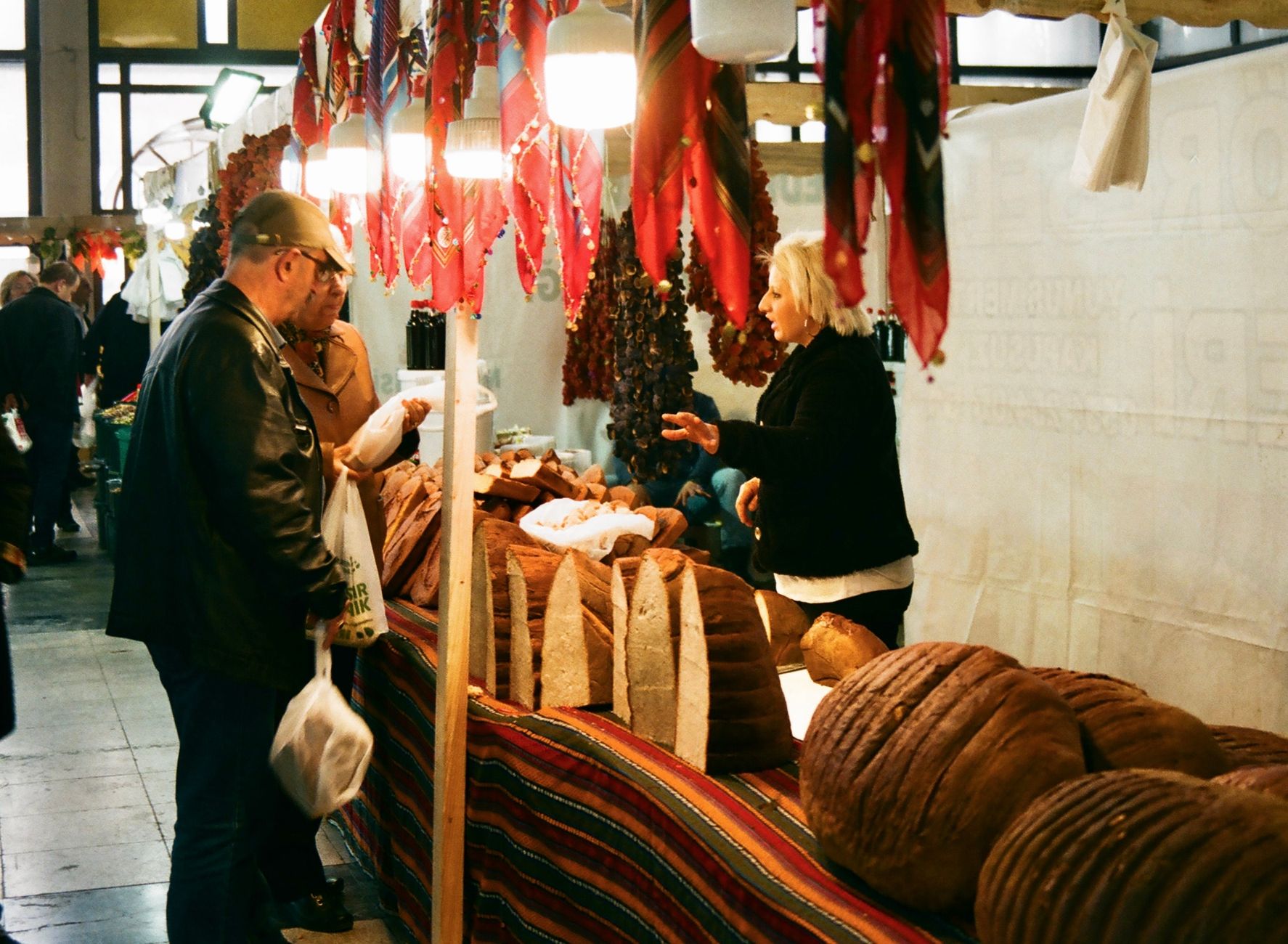
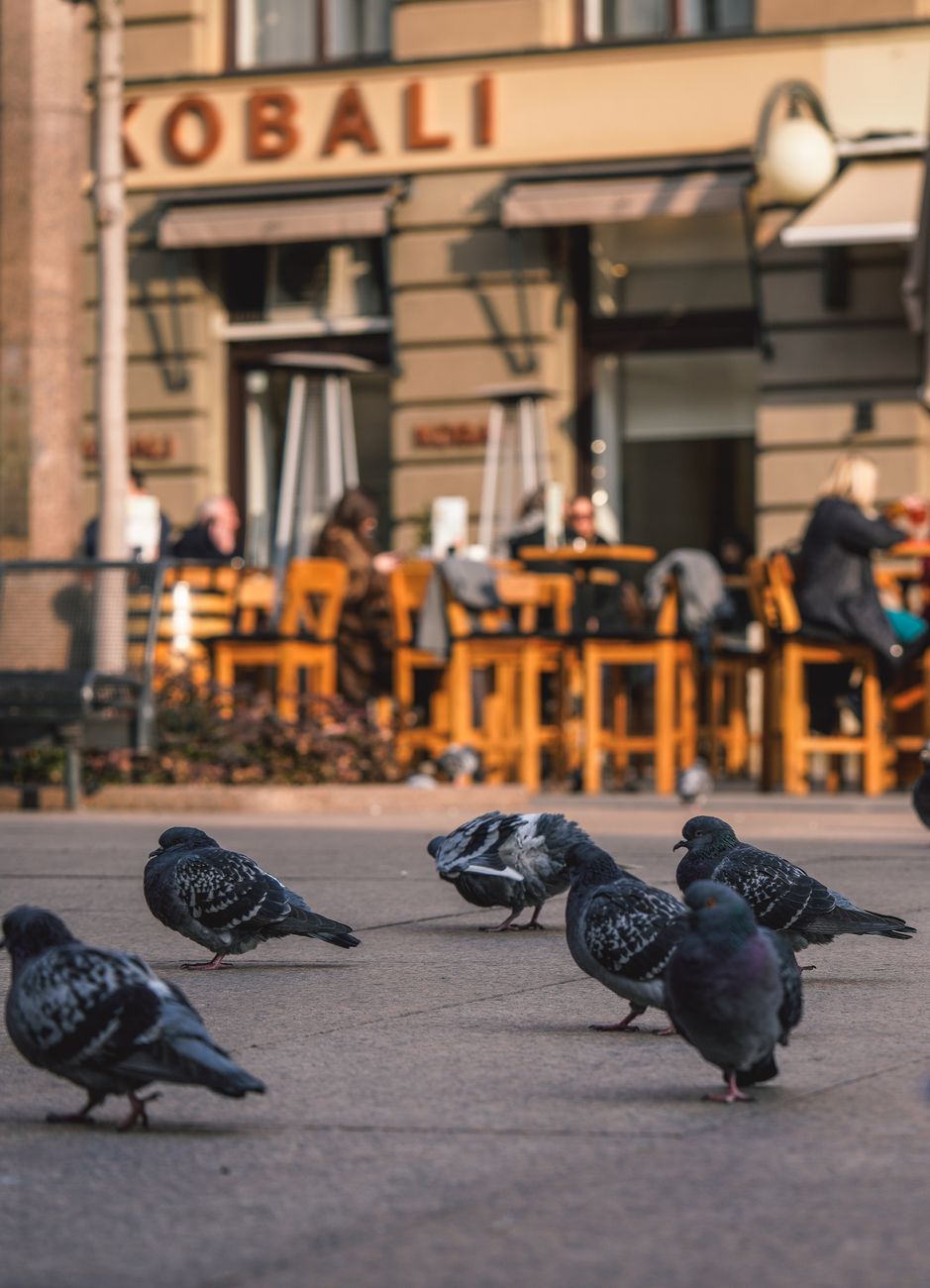
Dolac Market morning shopping and breakfast at a stall, buying local cheeses and štrukli from nearby bakeries. Coffee culture on Tkalčićeva — spend an hour at a street-side café watching passersby and trams. Evening concert at the Croatian National Theatre or a programme at Vatroslav Lisinski Concert Hall for classical music. Sunday flea market on Britanski trg or occasional craft markets on Trg bana Jelačića for secondhand finds and local designers. A half-day walk in Maksimir Park combined with the zoo for a family-friendly outdoor break. Each activity is specific: check opening days (Dolac opens early most days), performance schedules at theatre venues, and market days before planning.
Where to Stay
Donji grad (Lower Town): Suits visitors who want flat walking to museums, the Croatian National Theatre and central tram stops; expect mid-range hotels €70–€140/night (about 520–1050 HRK). Gornji grad (Upper Town/Gradec): Best for those who prioritise historic streets and early access to St. Mark’s Church; accommodation tends toward boutique guesthouses or apartments, roughly €80–€150/night (600–1125 HRK), but note uphill access. Near Glavni Kolodvor (Central Station): Practical for train arrivals and departures and budget travellers; simple hotels and hostels average €50–€90/night (375–675 HRK). Each neighbourhood has quieter residential streets and busier main arteries; check for elevator access or stairs in older buildings, especially in Upper Town.
Food and Drink
Breakfast: Croatian kifla or a warm štrukli at a bakery — light filo pastry or cheese-filled pastry; expect 10–25 HRK (€1.3–3.5) at a local pekara. Street food: Burek (meat or cheese) from a pastry shop; a single pie or sandwich typically costs 10–18 HRK (€1.3–2.5). Classic dinner: Pašticada (Dalmatian beef stew served with gnocchi) appears on many restaurant menus; expect 90–160 HRK (€12–21) in mid-range restaurants like those on Tkalčićeva. Snack/drink: Rakija is a common fruit brandy served in small measures in konobas; expect 10–20 HRK (€1.3–2.5) per measure. Coffee culture: A regular espresso or cappuccino at a street café costs around 10–20 HRK (€1.3–2.5); cafés often serve small sweets alongside. For a sit-down dinner with starters, mains and a drink budget 200–350 HRK (€26–46) per person in a mid-range spot.
Getting Around
Public transit is run by ZET and includes trams, buses and local trains. Trams and buses converge at Ban Jelačić Square and at key interchanges such as Glavni Kolodvor; look for ZET ticket machines, kiosks or the ZET mobile app for e-tickets. Single tickets usually cost in the order of 10–15 HRK (€1.3–2) with 24-hour and multi-day passes available that provide savings for several trips; inspectors check tickets frequently so validate on boarding or at the machine. Taxi apps and ride-hailing operate, but expect peak-hour surcharges; a taxi from the airport to the centre is typically above shuttle prices, often 200–300 HRK (€26–40) depending on traffic. For up-to-date schedules use the ZET app or Google Maps for tram and bus routing.
Best Time to Visit
Spring (April–June) offers mild weather, with daytime averages 15–24°C and fewer crowds than July–August; late May is often good value. Summer (July–August) brings warmer temperatures, 25–32°C, and more tourists; museums can be busier and prices slightly higher. Autumn (September–October) cools to 10–20°C and offers lower hotel rates and pleasant walking weather; leaf colour in Maksimir and parks is a plus. Winter (November–March) is cold, sometimes below freezing, and quieter for museums; city is cheaper but some smaller museums or services may have reduced hours. For best overall balance of weather and crowds, target late April–early June or September.
Budget and Practical Tips
Typical daily budget for a mid-range traveller: accommodation 400–900 HRK (€53–120), food 150–300 HRK (€20–40), transport 20–50 HRK (€3–6), museum entries 50–150 HRK (€7–20). Budget travellers can reduce accommodation to 150–350 HRK (€20–45) with hostels or budget rooms, while luxury stays exceed 900 HRK (€120) per night. Tipping norm: restaurants often include a service charge; if not, leaving 5–10% is appreciated but not obligatory. ATMs are widely available; small shops and markets may prefer cash. Carry a reusable water bottle; tap water in public fountains is generally potable but check signage in specific parks.
FAQ
Is Zagreb safe for solo travellers?
Yes; Zagreb is generally safe with low violent crime rates, though pickpocketing can occur in crowded trams or market areas, so use normal precautions and keep valuables secure.
How do I get from the airport to the city centre?
Take shuttle bus 290 (Pleso prijevoz) to Ban Jelačić Square or a taxi; shuttle is cheaper (around 30–40 HRK), taxi is faster depending on traffic but costs substantially more.
Are trams and buses frequent enough to rely on?
Yes; ZET trams and buses run frequently through the day on main lines, but frequency drops late evening so check last departures if planning a late return.
Is a Zagreb Card worth buying?
The card pays off if planning multiple paid museum visits and using public transport over 24–48 hours; compare individual museum fees and transport needs before purchase.
Can one day cover Upper Town highlights?
Yes; a focused half-day can cover St. Mark’s Church, Lotrščak Tower and the Museum of Broken Relationships, but expect uphill walking and limited time for more in-depth museums.
What about day trips to the coast?
Coastal cities like Split or Dubrovnik require significantly more travel time; a realistic day trip to Zadar is possible by early start but overnight stays are recommended for Split or Dubrovnik.
Conclusion
Three days allows a balanced mix of museums, markets, parks and neighbourhood time without rushing to distant regions. Most visitors will remember the market mornings, café routine on Tkalčićeva and the different tempo between Lower and Upper Towns. If time becomes tight, prioritise Dolac Market plus an Upper Town circuit (St. Mark’s Church, Lotrščak Tower and the Museum of Broken Relationships) since that combination gives a clear sense of the place in a compact timeframe.
How this guide was prepared
This guide was prepared through a structured research that combines destination research, geographic context, itinerary planning logic, and content review.