
3-Day Practical Guide to Lourdes, France: Itinerary & Tips
A candid 3-day itinerary for Lourdes with exact transit directions, neighbourhood advice, realistic schedules, and approximate costs for food and lodging.
A rigorous, low-fluff 72-hour plan for Lourdes: how to time the Sanctuaries, where to avoid long queues, public-transport options, and realistic costs for pilgrims and curious travellers.
A heavy presence of religious activity defines the day-to-day rhythm here: processions, masses in several languages, and long lines at the Grotto shape arrival times and noise levels. Streets near the Sanctuaries are full of pilgrims carrying rosaries, luggage trolleys, and volunteers in identifiable vests. That gives the place a focused, often crowded atmosphere rather than a relaxed sightseeing pace.
Expect many services aimed at pilgrims—cafeterias, donation desks, and volunteer helpers—so interactions are serviceable and often rushed. Shops selling medals and religious prints dominate the main approaches, which can disappoint travellers expecting a diversified centre. The town suits visitors ready to accept that religious programming dictates the calendar; it also suits travellers who want an easy base for low-altitude Pyrenean scenery and a calm mountain ambience outside of procession hours. First impressions are usually of dense crowds around focused sites and quieter residential streets a few blocks away.
Is 3 days in Lourdes enough?
Yes: three days is enough to see the Sanctuaries, attend a mass or the torchlight procession, visit Pic du Jer and the Château Fort, and sample local food. The honest caveat: there is little time left for long day trips into the central Pyrenees or a relaxed exploration of nearby regional towns.
Who This Guide Is For
Best for travellers focused on pilgrimage sites, short cultural stays, or a quiet mountain break; less suitable for travellers who want multiple full-day excursions into the high Pyrenees or a lively nightlife scene.
Local Tips for Lourdes
Practical details that most travel sites skip — specific to Lourdes.
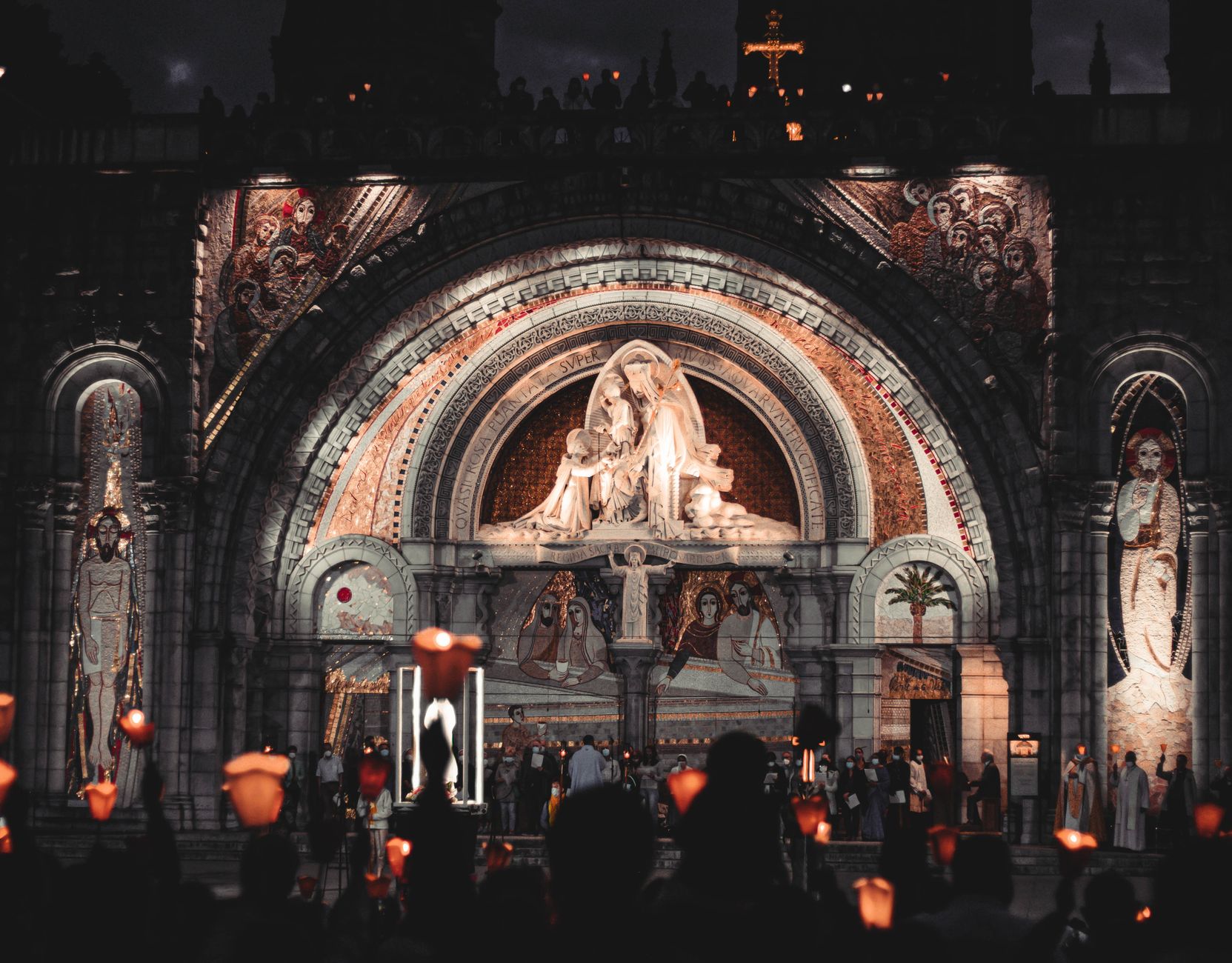
- Torchlight procession at the Grotto (Procession aux Flambeaux) runs nightly at about 21:00 from early April through October; arrive 30–45 minutes early in summer for a place along the processional route.
- The baths (Piscines) at the Domain of the Sanctuaries are free to enter but require a reservation from Accueil Notre-Dame on site; set aside €5–10 for donations and locker access.
- Take the TER Occitanie train to Tarbes (Tarbes–Lourdes–Pyrénées Airport connection) or Toulouse; book SNCF Connect for advance fares and check for off-peak discounts.
- Pic du Jer funicular (Funiculaire du Pic du Jer) has limited departures in low season; round-trip fares are roughly €6–8 and cash or card payment is accepted at the station kiosk.
- Saturday morning market near the main approach to the Sanctuaries runs from about 07:30 to 13:00; many stalls close by early afternoon and several vendors do not accept cards.
How This Guide Was Prepared
Lourdes is primarily a pilgrimage town where liturgy, crowd flows and volunteer services shape the experience more than typical tourist attractions. Many guides treat it like a daytrip or a collection of souvenir shops; this guide focuses on timing, logistics and the non-religious sights that reward the extra day. This guide was prepared through a structured research that combines destination research, geographic context, itinerary planning logic, and content review.
Plan Your Stay in Lourdes
Use this itinerary as your starting point, then compare areas to stay, transport options, seasonal timing, and realistic daily costs before booking.
Why Visit
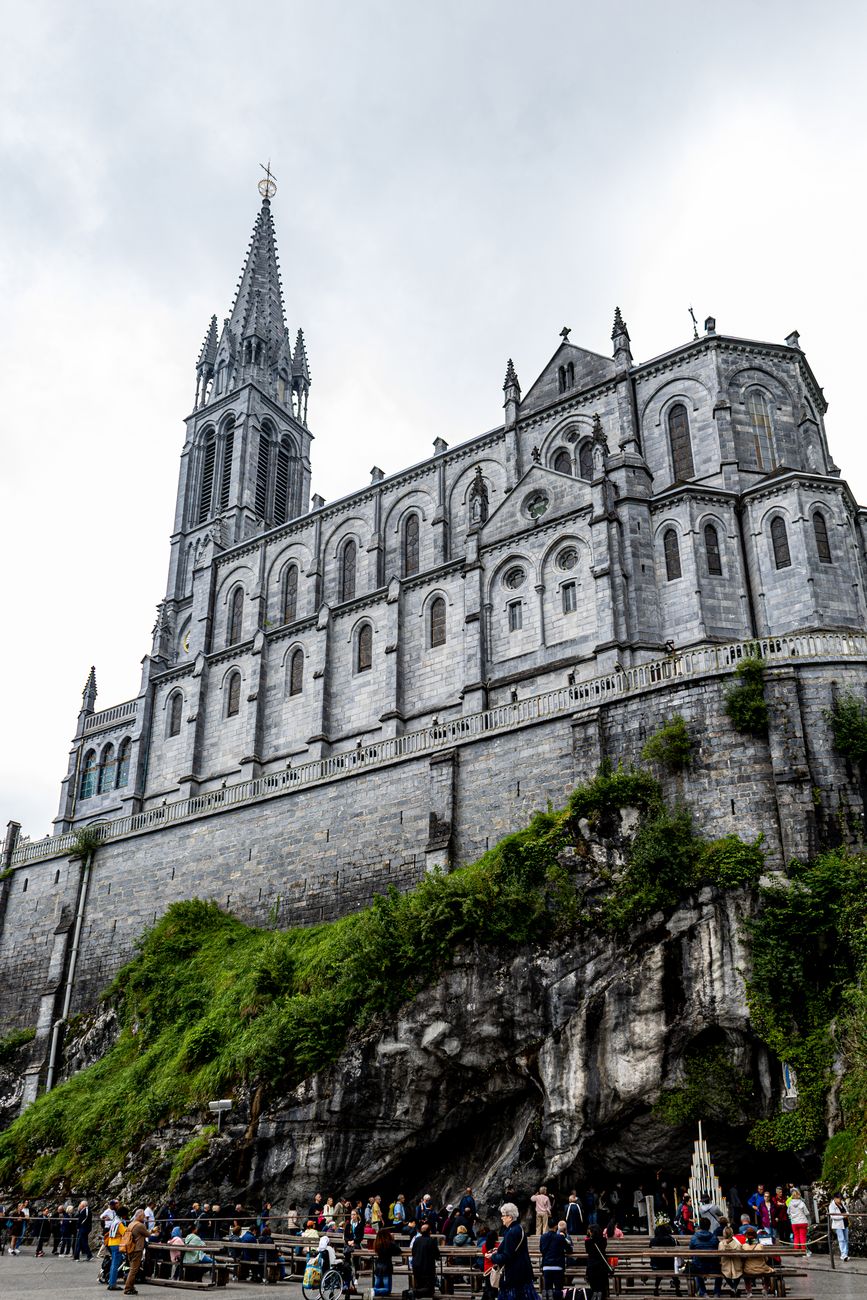
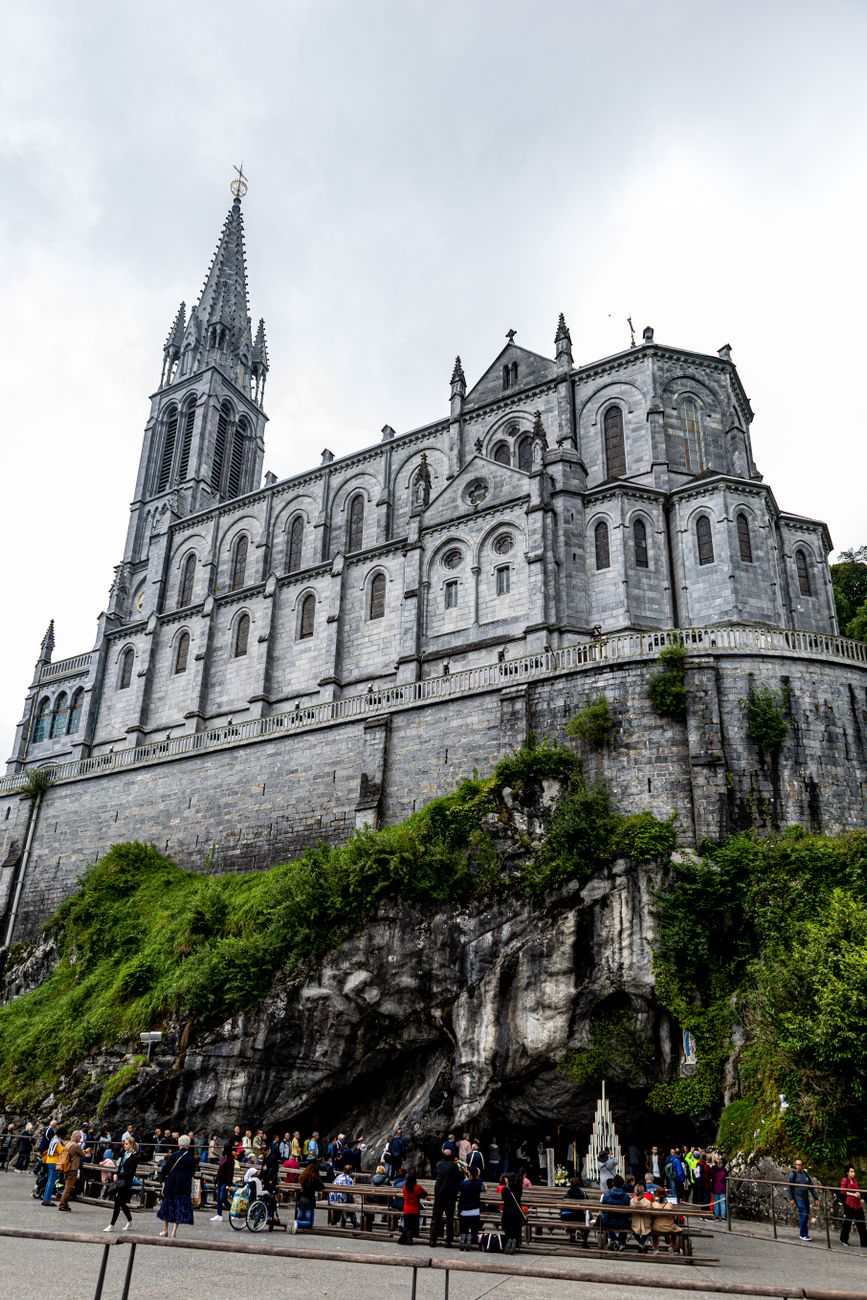
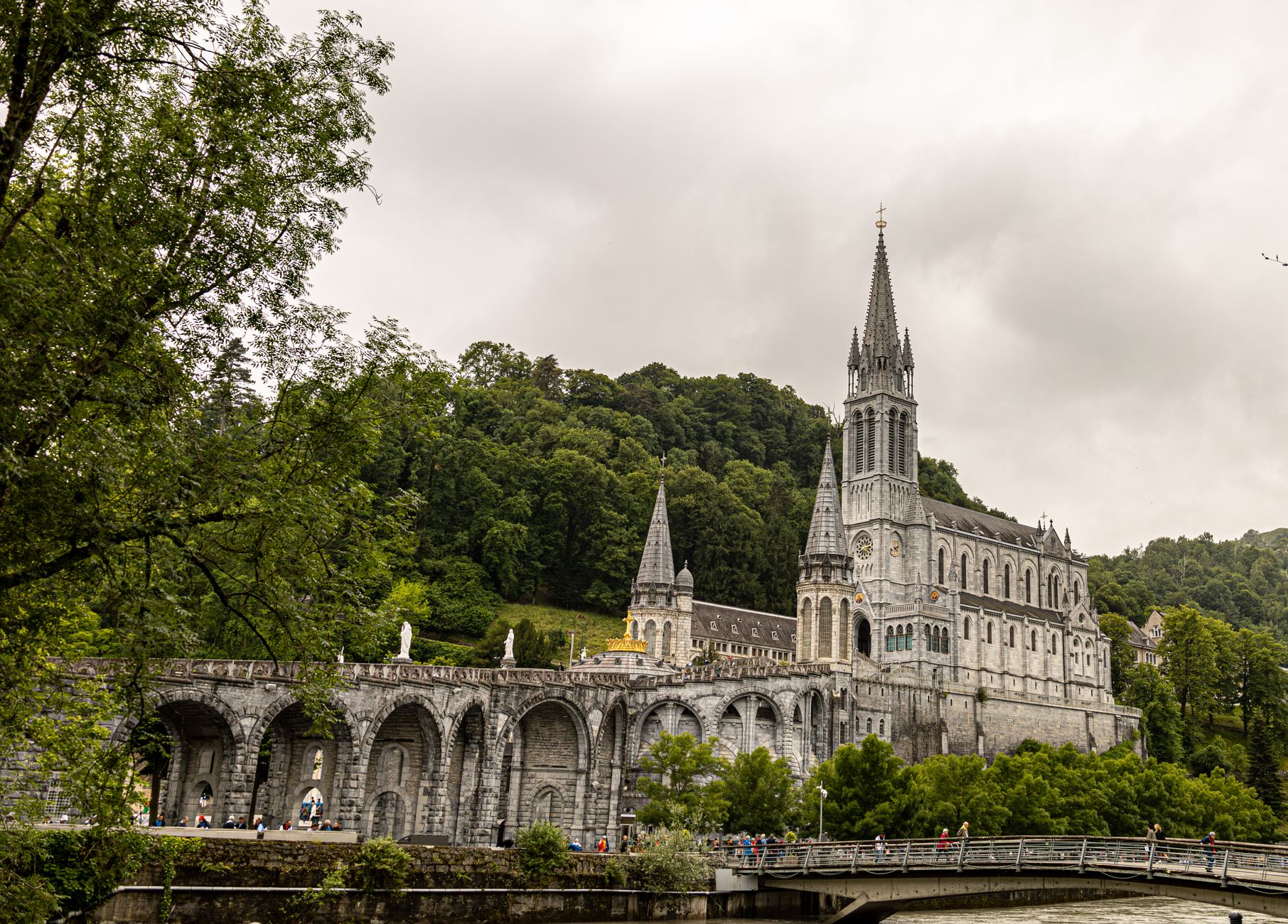
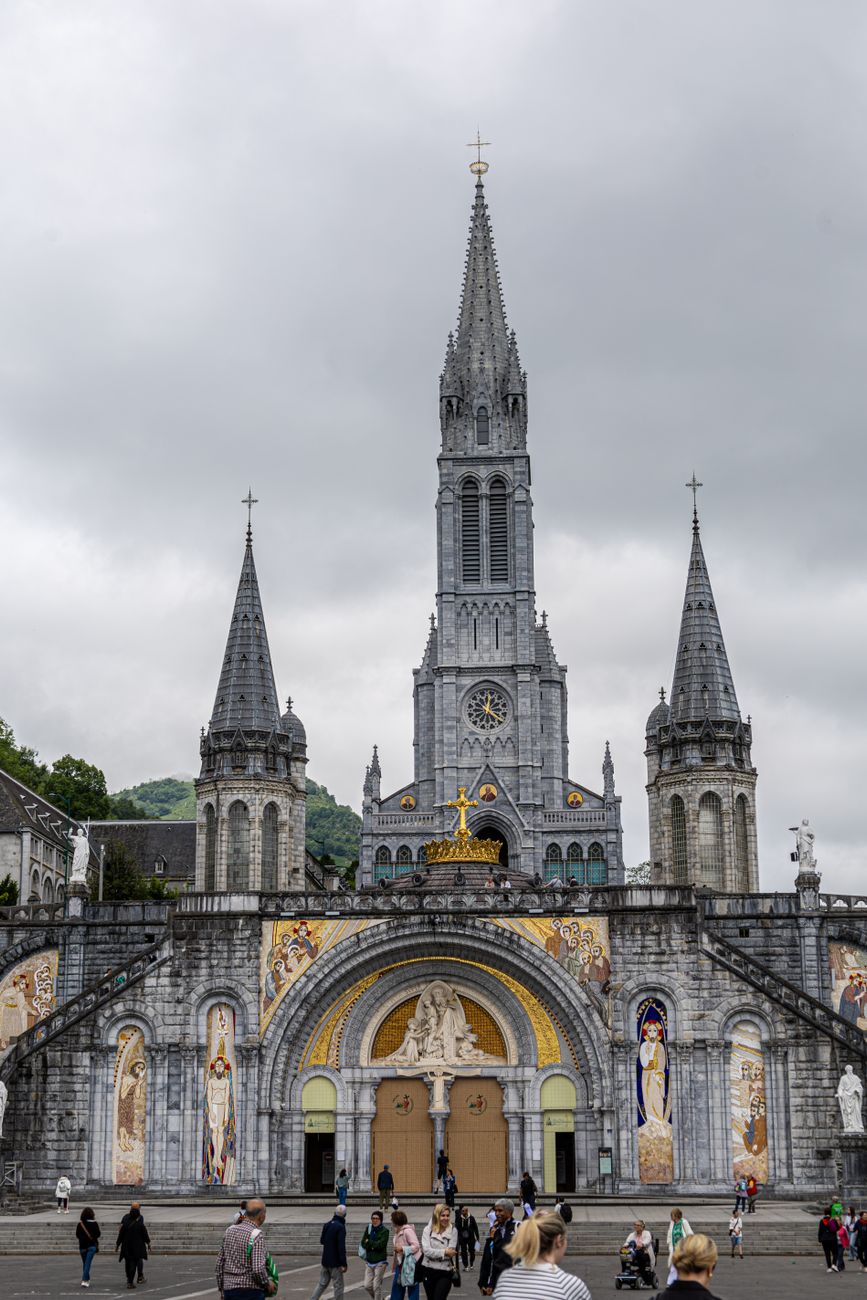
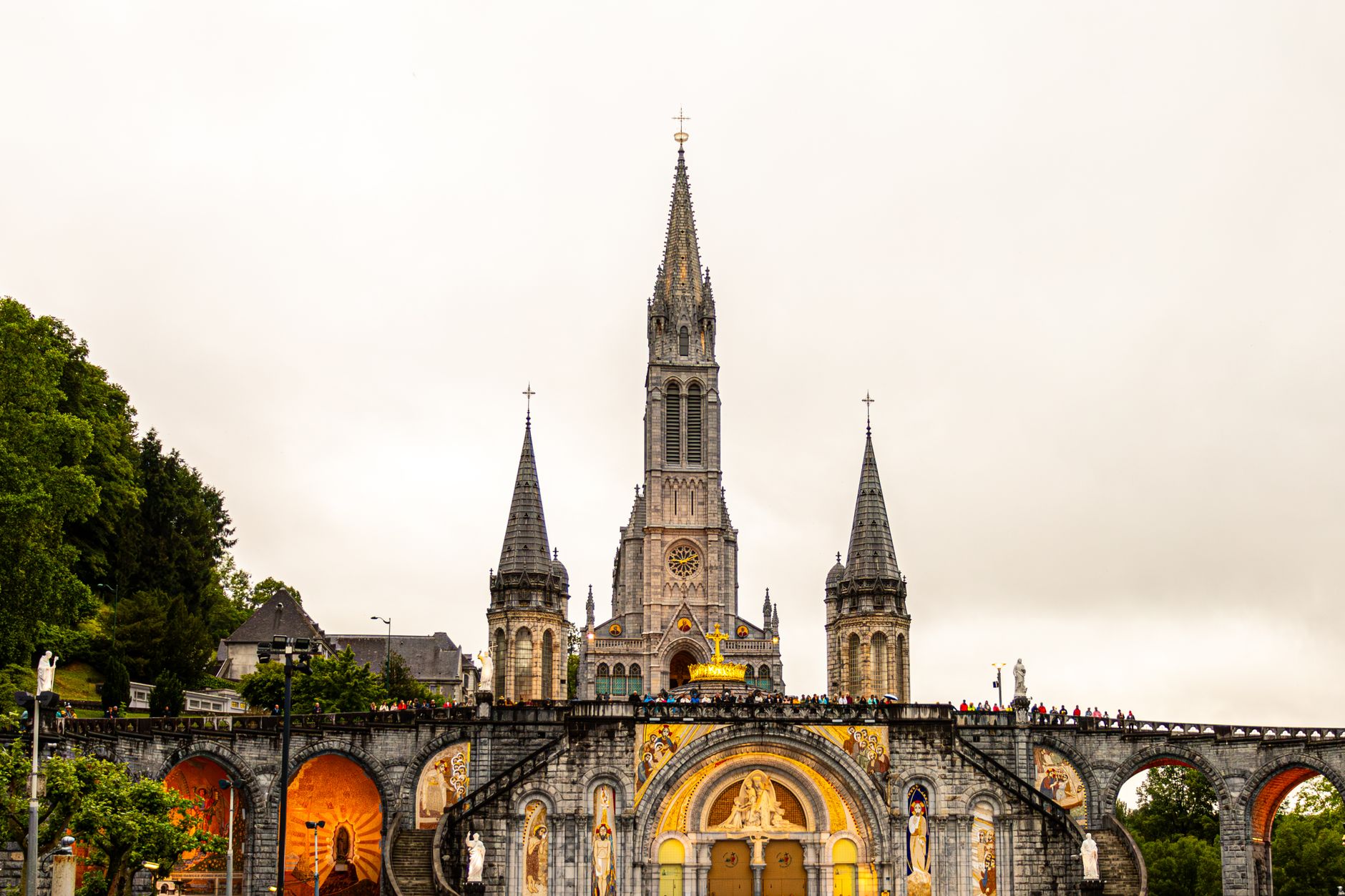
The Sanctuaries are the reason most people come: the Grotto of Massabielle, the Rosary Basilica and the subterranean Basilica of St. Pius X are accessible and free to enter, with regular services that are part of local life. The experience is less about museums and more about atmosphere and ritual.
Pic du Jer offers a short, distinctive mountain visit without long drives: the funicular puts viewpoints and short hikes within easy reach and provides sweeping views of the valley. The Château Fort de Lourdes (Château Fort) houses the Musée Pyrénéen and offers defensive architecture and panorama that contrast with the religious core.
Local cuisine and regional products such as garbure and Ossau-Iraty cheese link to Béarn and Bigorre culinary traditions; a market-style Saturday morning helps see everyday local life. Practicality is another reason: rail connections via SNCF TER make the town a compact stop between Toulouse, Pau and Bayonne for travellers routing through southwestern France.
Quick Planning Tips
From Tarbes–Lourdes–Pyrénées Airport use the scheduled shuttle buses or a taxi; taxis from the airport to the central area generally cost around €20–35 depending on luggage and time of day. From Toulouse or Pau, take SNCF TER Occitanie trains; Toulouse–Lourdes usually takes about 1h15–1h30 depending on the service.
Currency is euro; credit cards are widely accepted in hotels and most restaurants, but many stall vendors, smaller cafés and donation points prefer cash — carry small change (€5 and €10 notes and coins). Use SNCF Connect for train bookings and the regional Fluo Occitanie information pages for bus schedules. One planning error to avoid: assume the nightly torchlight procession runs year-round — it typically operates between early April and October, with slight schedule variations for special feast days.
Day 1
Morning: Start at the Domain of the Sanctuaries and the Grotto of Massabielle. Arrive early (08:00–09:00) to avoid the main pilgrim rush and to find space near the Grotto viewpoint. Allow 1–2 hours for the Grotto, the candle areas and nearby volunteer information desks.
Midday: Walk (5–10 minutes) to the Basilica of the Rosary and then to the Basilica of St. Pius X; plan 45–60 minutes to move between levels and to see the mosaics and crypt areas. There is a self-service cafeteria labelled "Restauration du Sanctuaire" for a quick lunch; expect simple set meals or sandwiches for €8–12.
Afternoon: Walk about 10 minutes to the Château Fort de Lourdes for the Musée Pyrénéen and panoramic views. Allocate 1.5–2 hours; the castle walkways give a different perspective on the valley. From the château, the lower town and riverside are another 5–10 minute walk.
Evening: Attend the Torchlight Procession (around 21:00 in season) at the Grotto; arrive 30–45 minutes early in summer. Alternatively, a sunset trip to the Pic du Jer funicular takes about 20 minutes by taxi or 25–35 minutes on local roads; the funicular ride itself is 4–10 minutes depending on boarding time. Finish with a quiet dinner at the town centre where many modest bistros serve regional dishes.
Day 2
Morning: Start at the Pic du Jer funicular station and ride up for views and short walking circuits; allow 2–3 hours if adding a loop hike on the ridge. The funicular schedule tightens in shoulder seasons, so check departure times in advance.
Late morning: Return to town and visit the Musée de Cire de Lourdes or the municipal museums near Place Peyramale; combined museum browsing and a cafe break will take about 2 hours. Several museums have small entrance fees (museum prices commonly in the €4–8 range).
Lunch: Eat at a bistro on Avenue Mgr Théas or near the train station; expect €12–18 for a midday set meal. In high season several bakeries sell ready-to-go plates and quiches for a quicker option.
Afternoon: Walk the Gave de Pau riverbank for 20–30 minutes toward quieter residential neighbourhoods to see local life away from the Sanctuaries. Then visit the Maison Natale or Cachot associated with Saint Bernadette if open: plan about 1 hour. If energy allows, take a short TER ride (10–15 minutes) to Tarbes for a different market scene, returning by late afternoon.
Evening: Sample regional cuisine at a local restaurant focused on Pyrenean dishes; many restaurants close earlier than in larger cities, so book or arrive by 19:30.
Day 3
Morning: Use this morning for anything missed earlier or to attend a morning mass at one of the Basilicas. If checking out of accommodation, most hotels will hold luggage for a fee while continuing with visits.
Late morning: Visit local shops for regional products such as Ossau-Iraty cheese and gâteau à la broche; the best stalls are near the main pedestrian approaches and the Saturday market when it runs. Budget 1–1.5 hours for purchases and sampling.
Lunch: A lighter lunch near the station makes catching trains or shuttles easier — plan on 30–45 minutes if transferring to the airport or a next destination. Allow time for transit: taxi to Tarbes–Lourdes Airport may take 15–25 minutes depending on traffic.
Afternoon departures: For an afternoon flight or train, schedule at least 90 minutes between leaving a central café and airport check-in for domestic flights. Taxis or pre-booked transfers are the most reliable option for last-minute transfers; if using public transport, verify TER times on SNCF Connect since services to Toulouse and Pau have specific timetables and limited frequency in evenings and Sundays.
Best Local Experiences
Attend the torchlight procession (Procession aux Flambeaux) for the full pilgrimage atmosphere; it runs nightly in season and differs from a daytime visit. Book time for the baths (Piscines) in the Sanctuaries to see the volunteer system and the modest facilities pilgrims use.
Ride the Funiculaire du Pic du Jer for quick mountain views and short ridge walks accessible to most fitness levels. Visit the Château Fort de Lourdes and its Musée Pyrénéen for local mountain archaeology and folklore displays.
Shop at the Saturday market near the Sanctuaries to sample local cheeses, cured meats and pastries; these stalls also sell regional souvenirs that are less commercial than those on the immediate Grotto approaches. Take the Petit Train touristique for a short loop if mobility is limited and time is tight — it links the main pilgrimage points and the train station.
Where to Stay
Sanctuary district (around Avenue Mgr Théas): Suited to pilgrims and anyone wanting proximity to the Grotto and Basilica. Rooms range from simple pilgrim hostels to mid-range hotels; expect €50–€120 per night (about €55–€135 USD) depending on season.
Centre-Ville / Gare area: Suited to travellers arriving by train and those wanting restaurants and bakeries within easy reach. Smaller hotels and guesthouses dominate; typical nightly rates are €60–€100 (€65–€115 USD).
Residential neighbourhoods such as Pouey-Barthes or the riverbank areas: Suited to travellers who prefer quieter streets and fewer souvenir stalls; short 10–20 minute walk to the Sanctuaries and lower prices off-peak. Expect €45–€90 per night (€50–€100 USD).
Food and Drink
Garbure: a thick cabbage-and-bean soup with confit or ham; typical in local bistros and mountain inns — expect €10–15 for a bowl. Ossau-Iraty: a local sheep's milk cheese from the Pyrenees available at market stalls; a small piece costs €3–6 depending on weight.
Confit de canard: slow-cooked duck leg common in area restaurants; a main course runs about €14–22. Gâteau à la broche: a spit-baked cake found at markets and some bakeries; portions cost about €3–6.
Breakfast option: Pain au chocolat or croissant from a town boulangerie with coffee for around €3. Street food: crêpes and galettes sold on approaches to the Sanctuaries for €3–6 as a quick snack. For dinner: a regional bistro serving Pyrenean dishes will typically offer a three-course meal for €20–30 per person to get a fuller experience.
Getting Around
Main transit modes are walking, SNCF TER Occitanie regional trains, local buses, taxis and the Pic du Jer funicular. The Petit Train touristique provides a short loop for visitors with limited mobility. SNCF Connect is the standard app for regional trains; the Fluo Occitanie website covers regional bus timetables.
Single bus tickets in the local area are inexpensive (roughly €1.50–€2) and cash is still common on some routes; check drivers for exact fares. TER fares vary by distance and booking time; short trips to Tarbes often cost under €5 if booked early. Taxi from Tarbes–Lourdes–Pyrénées Airport to the central area is about €20–35 depending on time and luggage. For short stays, walking covers most central needs but allow extra time for train connections on departure days.
Best Time to Visit
High season (July–August): Average highs 22–27°C and warm evenings; expect large pilgrim groups, crowded processions and higher hotel rates. Shoulder seasons (May–June, September–October): Daytime highs 15–22°C, fewer crowds and better value for hotels; many services still operate fully and the torchlight procession runs in much of this window.
Winter (November–February): Chilly weather with daytime temperatures often 2–10°C and reduced visitor numbers; several smaller museums and restaurants close or cut hours. For the best balance of weather, access and price, aim for May, early June or September.
Budget and Practical Tips
Typical daily budget (per person): Accommodation €60–120 (approx. €65–€135 USD), food €25–45 (€28–€50 USD), local transport €3–10 (€3.50–€11 USD), small entry fees and incidentals €5–20 (€6–€22 USD). A reasonable daily total for a mid-range traveller is about €100–180 (roughly €110–€200 USD).
Most restaurants include service (service compris) in the bill; leaving 5–10% for unusually attentive service is fine but not expected. Carry small change for donation boxes at the Sanctuaries, for market stalls and for bus drivers where cards are not accepted. Many hotels will store luggage on checkout for a small fee if a late train or flight is planned; confirm storage policies at booking.
FAQ
Is Lourdes safe for solo travellers?
Yes; daytime areas around the Sanctuaries and the town centre are generally safe. Common petty theft issues such as pickpocketing can occur in crowded places, so keep an eye on bags during processions.
How do I get from Tarbes–Lourdes–Pyrénées Airport to the town centre?
Use the airport shuttle service when available or take a taxi, which typically costs €20–35; verify shuttle schedules before arrival as they may be limited.
Are credit cards accepted everywhere in Lourdes?
Not everywhere; hotels and most restaurants accept cards, but smaller market stalls, some cafés and many donation points prefer cash — bring small euro notes and coins.
Is there a city card or pass worth buying?
There is no universally useful city card; the Sanctuaries are free and most fees are modest. Buy individual museum tickets or a train ticket on SNCF Connect as needed.
Can non-pilgrims enjoy the town?
Yes; museums, Pic du Jer, the Château Fort and local markets provide non-religious activities and landscapes that suit general cultural travellers.
Are museums and attractions open on Sundays?
Many smaller museums and shops have reduced hours or are closed on Sundays; plan essential museum visits for weekdays or Saturday mornings.
Are there English-language services at the Sanctuaries?
Yes; masses and information services commonly accommodate multiple languages, especially in peak months, but volunteer staff may vary in English ability.
Is a day trip to Lourdes from Toulouse feasible?
It is feasible via TER (around 1h15–1h30 each way) but leaves little time for anything beyond a focused visit to the Sanctuaries and a brief look at Pic du Jer or the Château Fort.
Conclusion
A three-day stay provides time to handle the logistical realities of a pilgrimage centre: queues, scheduled masses and volunteer-run services, and still visit the town's mountain and museum highlights. What most travellers remember are the ritual moments at the Grotto, the torchlight procession if attended, and the immediate mountain views from Pic du Jer or the château terraces. If time runs short, prioritise the Domain of the Sanctuaries and either the funicular to Pic du Jer or the Château Fort panorama — both give an essential contrast to the pilgrimage areas and a quick, clear sense of the valley and its setting.
How this guide was prepared
This guide was prepared through a structured research that combines destination research, geographic context, itinerary planning logic, and content review.