
3-Day Wilmington Itinerary: Practical Weekend Travel Guide
A no-nonsense 3-day Wilmington, NC guide with realistic itineraries, transit tips, and expected costs to plan a reliable weekend trip.
A sharply practical three-day plan for Wilmington, NC that balances downtown history, working waterfront, and nearby beaches with real transit and cost advice.
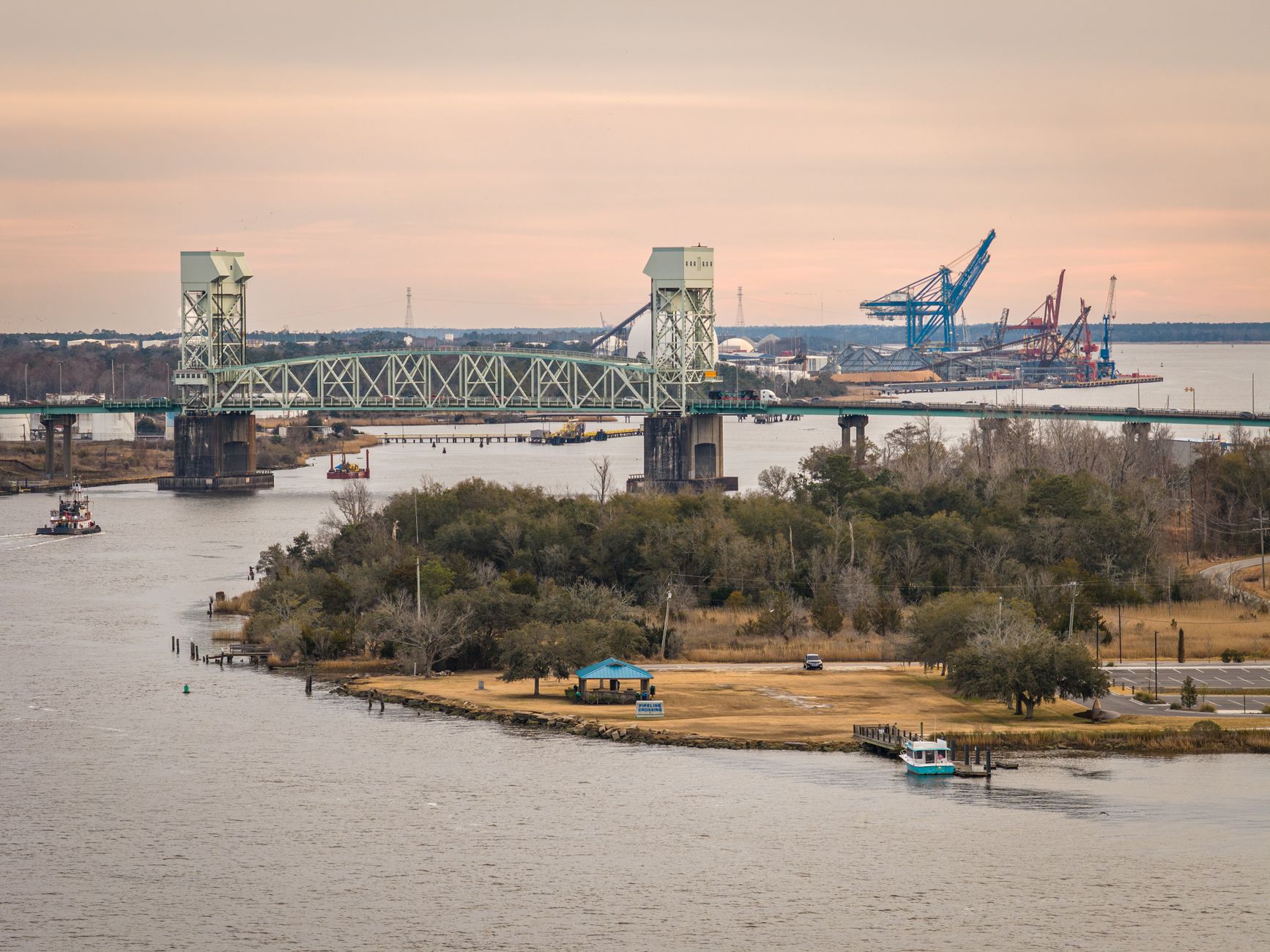
Expect a mid-sized coastal port whose downtown sits along the Cape Fear River and opens onto a string of barrier islands. The first impression is a working waterfront and a compact historic district with 19th-century houses, a handful of museums, and restaurants that trade on local seafood. The downtown rhythm is daytime-focused: shops and cultural sites close earlier than in large metro areas, but evening dining and drinks near Front Street remain steady on weekends.
Many visitors overestimate public transit and try to cram both barrier islands into one day; that often means shorter beach time and rushed driving. The place suits travelers who like history, short walks, boat tours, and one full beach day rather than people wanting an active nightlife or extensive island hopping.
Is 3 days in Wilmington enough?
Yes — three days is enough to cover downtown historic sites, the riverfront, and one nearby beach with time left for a gardens or museum visit. The main caveat: a thorough exploration of both Carolina Beach and Wrightsville Beach will require extra time or a return trip.
Who This Guide Is For
Best for travelers who like a mix of walking-based sightseeing and a single beach visit; less suitable for people expecting extensive nightlife, heavy public transit, or those wanting to visit both barrier islands in depth.
Local Tips for Wilmington
Practical details that most travel sites skip — specific to Wilmington.
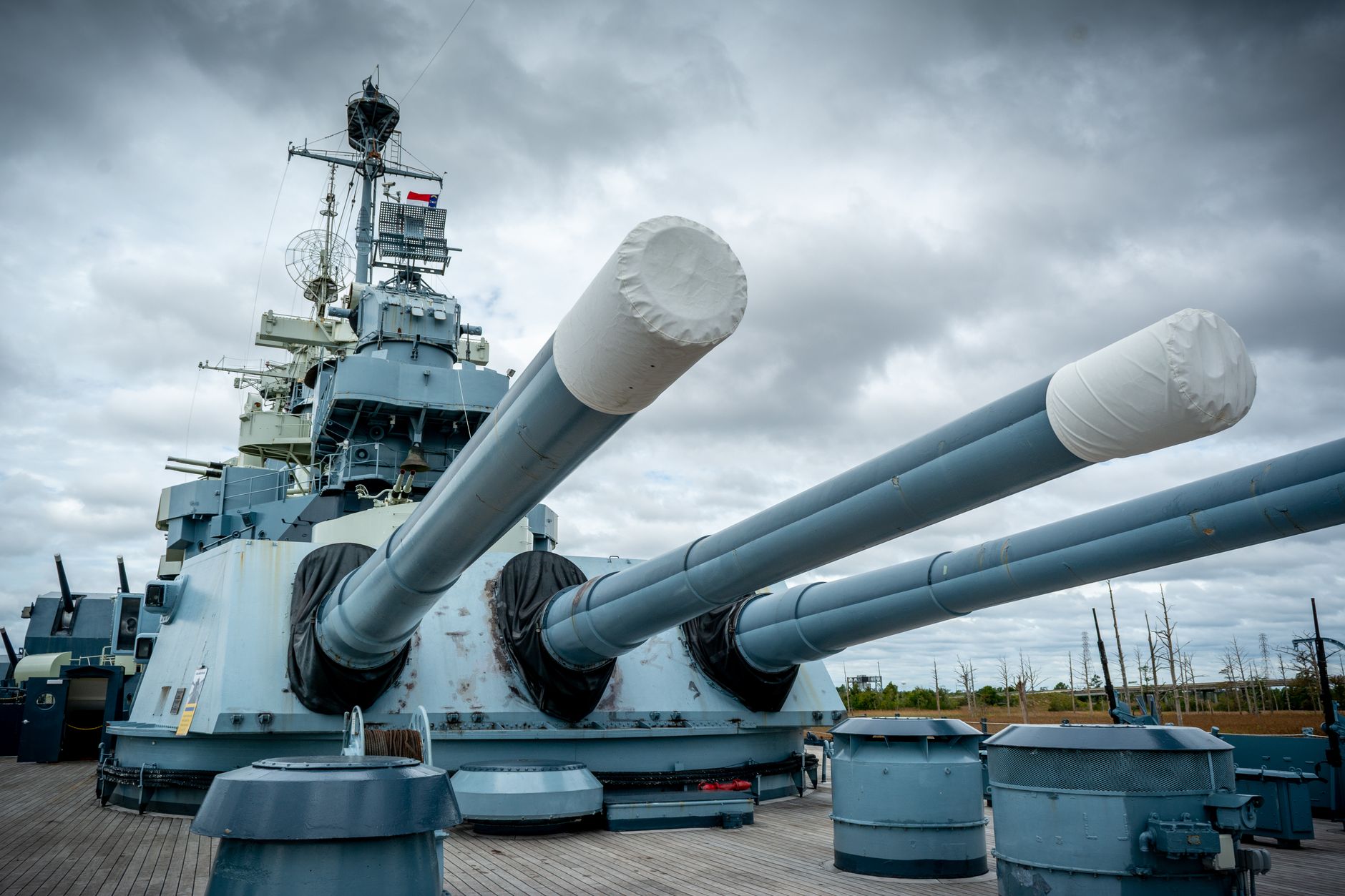
- Book USS North Carolina Battleship tickets online to save time — adult admission is about $14 and the boarding line can stretch on weekends.
- Airlie Gardens charges roughly $14 for adults and sells timed-entry tickets for special displays like the azalea season or Nights of a Thousand Candles.
- Wave Transit runs local buses and uses the Token Transit app for mobile fares; the Downtown Riverfront and Market routes are the most useful for visitors.
- Fort Fisher–Southport ferry (NCDOT) links the barrier islands to Southport; check the schedule before going — vehicle ferry runs on a timetable and pedestrian passes are often free.
- The Cape Fear Riverwalk runs along South Front Street and connects Thalian Hall, the Cotton Exchange, and the Battleship Museum in about 20–30 minutes of easy walking.
How This Guide Was Prepared
Short visits work best when they balance the riverfront history and the nearby barrier islands; most guides either over-assign attractions or treat the beaches as interchangeable. This guide separates downtown walking routes, a dedicated beach day, and an inland garden/museum day while calling out local transport limits and real costs. This guide was prepared through a structured research that combines destination research, geographic context, itinerary planning logic, and content review.
Plan Your Stay in Wilmington
Use this itinerary as your starting point, then compare areas to stay, transport options, seasonal timing, and realistic daily costs before booking.
Why Visit
The riverfront history is concentrated and tangible: boarding the USS North Carolina Battleship gives a very different feel than a museum exhibit and is easy to pair with the Cape Fear Riverwalk. Airlie Gardens offers a calm, planted landscape uncommon for urban centers and has seasonal displays that reward a slow visit.
Film production has a visible footprint thanks to EUE/Screen Gems Studios and periodic location shoots; that gives the historic district a cinematic quality and supports local tours. Nearby barrier islands provide two very different beach experiences within short drives: Wrightsville Beach is more local and surf-focused, while Carolina Beach has a classic boardwalk feel with arcades and seasonal events.
Quick Planning Tips
Fly into Wilmington International Airport (ILM) for the shortest transfers; the airport is about 10–15 minutes from downtown by taxi or rideshare. Greyhound and regional bus services arrive at the Wilmington bus station if coming by intercity coach; there is no regular passenger rail service into downtown.
Carry a chip-enabled debit or credit card; many small businesses accept cards but cash helps for small vendors and some parking meters. Buy Wave Transit fares on the Token Transit app if using buses — paper passes are limited. Avoid planning both beach days and all downtown museums for a single weekend; traffic to Wrightsville or Carolina Beach can add 20–45 minutes each way on summer weekends.
Day 1
Start on the Cape Fear Riverwalk near the Riverfront at Front Street and Market Street. Walk the Riverwalk toward Battleship Park; the stroll between Thalian Hall and the Battleship is about 20–30 minutes and passes the Cotton Exchange and several sculptures.
Board the USS North Carolina Battleship (allow 1.5–2 hours for self-guided exploration; adult admission about $14). After the battleship, walk back to the historic downtown and visit Thalian Hall Center for the Performing Arts (check for tours or a matinee performance) and the Cotton Exchange complex for boutique shops.
Lunch at Dock Street Oyster Bar or a similar riverfront seafood spot — expect to pay $15–25 for a substantial lunch including local shrimp or oysters. Post-lunch, visit the Bellamy Mansion Museum for guided interpretation of antebellum architecture (plan 45–60 minutes). A short taxi or 10–15 minute walk reaches the Cameron Art Museum for an afternoon collection and sculpture garden visit.
Dinner on Front Street — try a local seafood-focused restaurant; reservations are recommended on weekend evenings. For the evening, consider a sunset walk along the Riverwalk or a river cruise on the Cape Fear River for 60–90 minutes to see the downtown lights.

Day 2
Devote this day to the barrier island experience. Drive or take a rideshare to Wrightsville Beach (about 15–25 minutes from downtown depending on traffic) for a morning of swimming, renting a stand-up paddleboard, or watching local surfers. Wrightsville has public access points and paid parking near Johnnie Mercers Pier.
Lunch in Wrightsville at a beachfront café or grab fish tacos from a counter-service spot; budget $12–20. After lunch, head south to Carolina Beach (about 25–35 minutes by car) to walk the Carolina Beach Boardwalk, see classic arcade attractions, and try local fried seafood. The Boardwalk is best in the late afternoon when the light softens.
If interested in wildlife, stop at Fort Fisher State Recreation Area on the way back to catch the ocean-facing dunes and the Fort Fisher aquarium nearby (North Carolina Aquarium at Fort Fisher has entry fees around $14–$16). Return to downtown in the evening for a quieter dinner or sample a local brewery near the Riverwalk for a late drink.
Transport between beaches and downtown is quicker by car; expect 30–45 minutes total driving for beach hops including parking and short walks.

Day 3
Use the last day for slower cultural sites and green space. Begin at Airlie Gardens (allow 1.5–2 hours to see the live oaks and formal beds; timed-entry during peak displays). The drive from downtown is about 15 minutes.
After gardens, visit the Cameron Art Museum if missed on Day 1, or spend time at the historic Poplar Grove Plantation for a plantation tour and grounds walk (check opening days and tour times). Both sites take 1–2 hours. For lunch, head back toward the historic district and try a well-regarded sandwich shop or a café on Castle Street.
If catching an afternoon flight or leaving town mid-afternoon, plan travel time: expect 20–30 minutes to Wilmington International Airport from downtown without heavy traffic; add extra time for airport rental car returns. Finish with a quick stop at a waterfront café or the Cotton Exchange for any last purchases before departure.
For late departures, an afternoon trip to the Fort Fisher ferry landing offers a different river view and photo opportunities before returning to town.

Best Local Experiences
Walk the Cape Fear Riverwalk early in the morning to see fishermen, kayakers, and the working port before tourist crowds increase. Plan a self-guided USS North Carolina Battleship visit for a tactile sense of naval history.
Attend a show at Thalian Hall for local theater or a touring performance, and combine a Riverwalk dinner afterward. Drive to Airlie Gardens for seasonal blooms or the large candlelit Nights of a Thousand Candles event if visiting in winter; tickets sell fast.
Take a day to surf or paddle at Wrightsville Beach and compare it with the arcade-and-boardwalk atmosphere of Carolina Beach. Book a film-location walking tour or check schedules at EUE/Screen Gems Studios for public events to see why the area is called a film production center.
Ride the Fort Fisher–Southport ferry for a short vehicle or pedestrian crossing and explore Southport’s waterfront for an afternoon. Visit the Cape Fear Farmer’s Market on a weekend morning for local produce and prepared foods.

Where to Stay
Historic District / Riverfront: Best for first-time visitors who want walkable access to the Riverwalk, Cotton Exchange, restaurants, and museums. Expect nightly rates around $150–$250 USD (roughly €140–€230) for mid-range hotels or well-located B&Bs.
Wrightsville Beach: Suits beach-focused travelers who prefer easy ocean access, surf shops, and a quieter night scene. Small hotels and rental cottages typically run $160–$300 USD (€150–€280) per night in summer.
Carolina Beach / Kure Beach area: Good for families and those seeking a classic boardwalk atmosphere and lower-cost rentals; nightly rates range from $120–$220 USD (€110–€200) depending on season and proximity to the boardwalk.
Choose based on priorities: downtown for museums and restaurants, Wrightsville for surf and sand, Carolina Beach for a more economy-friendly beachstay. Booking earlier in spring and summer produces better rates.
Food and Drink
She-crab soup: A creamy crab bisque flavored with crab roe and sherry; find a good bowl at riverfront restaurants and many seafood houses for $6–$10 a cup. Shrimp and grits: Local shrimp sautéed with bacon or andouille over stone-ground grits; expect $12–$22 at mid-range lunch and dinner spots.
Fried flounder or local catch: Classic coastal plate often served with hushpuppies and coleslaw; lunch plates run $10–$18. Oysters on the half shell: Available at raw bars and oyster-focused spots; price varies by size and season, $1.25–$3 each or $12–$25 per half dozen.
Breakfast biscuits or a Southern-style biscuit sandwich: Available at local cafés and breakfast counters for $4–$8; try a biscuit with pimento cheese or country ham. Street-food option: Carolina Beach boardwalk offers fried seafood and funnel cakes in the afternoons and evenings, typical snack prices $5–12.
Local beers and breweries: Several microbreweries operate near downtown and the beaches; expect $6–8 per pint at tasting rooms. Dining note: popular riverfront restaurants fill on weekends — reservations recommended for dinner.
Getting Around
No metro or tram serves the area; the main public option is Wave Transit buses covering downtown, market, and neighborhood routes. Use the Token Transit app to buy mobile fares; buses connect Front Street, Market Street, and some beach routes though frequency drops on Sundays.
Rideshares and taxis are practical for short hops to Wrightsville or Carolina Beach when schedules are sparse. Driving is the most flexible option for visiting both barrier islands; allow extra time for parking during summer weekends. The Fort Fisher–Southport ferry provides a vehicle and pedestrian connection across the river — check the NCDOT ferry schedule.
Single bus fares are inexpensive (purchase on Token Transit) and local day passes are available through the app for frequent riders. A taxi or rideshare from Wilmington International Airport to downtown typically costs $20–$30 depending on traffic.
Best Time to Visit
Late spring (May–June) and early fall (September) offer the best compromise of warm beach weather (highs around 75–85°F / 24–29°C) and thinner crowds compared with July–August. Summer (July–August) is busiest, with high temperatures in the mid-80s to low 90s°F (29–33°C), frequent beach traffic, and higher accommodation rates.
Winter months bring cooler temperatures (40–60°F / 4–15°C) and reduced service at some beach concessions; however, this is the best time for lower prices and quieter museum visits. Hurricane season runs June–November; late summer and early fall carry the highest storm risk — monitor forecasts if traveling then.
Spring azalea season and the Gardens’ events draw local crowds; book nights and special tickets early for those dates.
Budget and Practical Tips
Daily budget (mid-range traveler): Accommodation $150–200 USD (€140–€185), food $50–80 USD (€45–€75), transport $10–25 USD (€9–€23), entry fees $10–25 USD (€9–€23) — total approx $220–330 USD (€205–€305) per day. Cheaper options are possible with off-peak lodging and picnic lunches; luxury stays raise accommodation costs significantly.
Museum and attraction examples: USS North Carolina about $14, Airlie Gardens around $14, North Carolina Aquarium at Fort Fisher $14–$16. Many small historic sites charge $5–$12 or suggest donations. Parking meters and municipal lots downtown typically charge hourly rates; check signage for evenings and event dates.
Tipping: Standard U.S. norms apply — 15–20% in sit-down restaurants, $1–2 per drink at bars, and rounding up for taxi or rideshare drivers. Sales tax applies to most purchases; check local sales tax rate for budgeting.
FAQ
How safe is downtown at night?
Downtown is generally safe for tourists during evenings, but standard precautions apply: avoid poorly lit side streets, keep valuables out of sight, and be cautious after late events when streets are quieter.
Is there an airport in town and how long is the ride to downtown?
Wilmington International Airport (ILM) serves the area; the drive to downtown is typically 10–15 minutes by taxi or rideshare without heavy traffic.
Are both Wrightsville Beach and Carolina Beach worth visiting?
Yes — Wrightsville is better for surfing and a quieter beach vibe, while Carolina Beach offers a boardwalk and arcade experience; each needs a half-day or more to appreciate properly.
Is a city pass or card worth buying?
There is no widely used all-in-one city pass; buying individual attraction tickets (Battleship, Airlie Gardens, Aquarium) and a Token Transit day pass for buses is usually more practical.
What are the public transport options for reaching the beaches?
Wave Transit buses serve limited routes toward the beaches, but frequency can be low; rideshare or driving are more reliable for beach hops.
Can the Fort Fisher ferry be used by pedestrians and how much does it cost?
The Fort Fisher–Southport ferry runs vehicle and pedestrian services; pedestrian fares are often free but check the NCDOT ferry schedule for current rules and any vehicle fees.
Are museums closed on certain weekdays?
Some museums and historic sites close one weekday (often Monday); check each attraction’s website to avoid arriving on a closed day.
Is gratuity included on restaurant bills?
Gratuity is not typically included except for large groups; add 15–20% for table service unless service charge is explicitly shown.
Conclusion
A three-day visit will most likely be remembered for the contrast of riverfront history and a single beach day. Prioritize boarding the USS North Carolina and one beach (choose Wrightsville for surf or Carolina Beach for boardwalk) if time is limited. If an extra hour appears, a short stop at Airlie Gardens or a river cruise delivers a different feel and makes the trip more complete.
How this guide was prepared
This guide was prepared through a structured research that combines destination research, geographic context, itinerary planning logic, and content review.