
Merano in 3 Days — Practical Plan, Routes, Food, and Costs
A practical 3-day Merano guide with walking routes, transport tips, meal costs, and what to skip so plans work for a short stay.
A concise, honest 72‑hour plan for Merano with realistic walking times, transport options, neighbourhood choices, and food picks for a short visit.
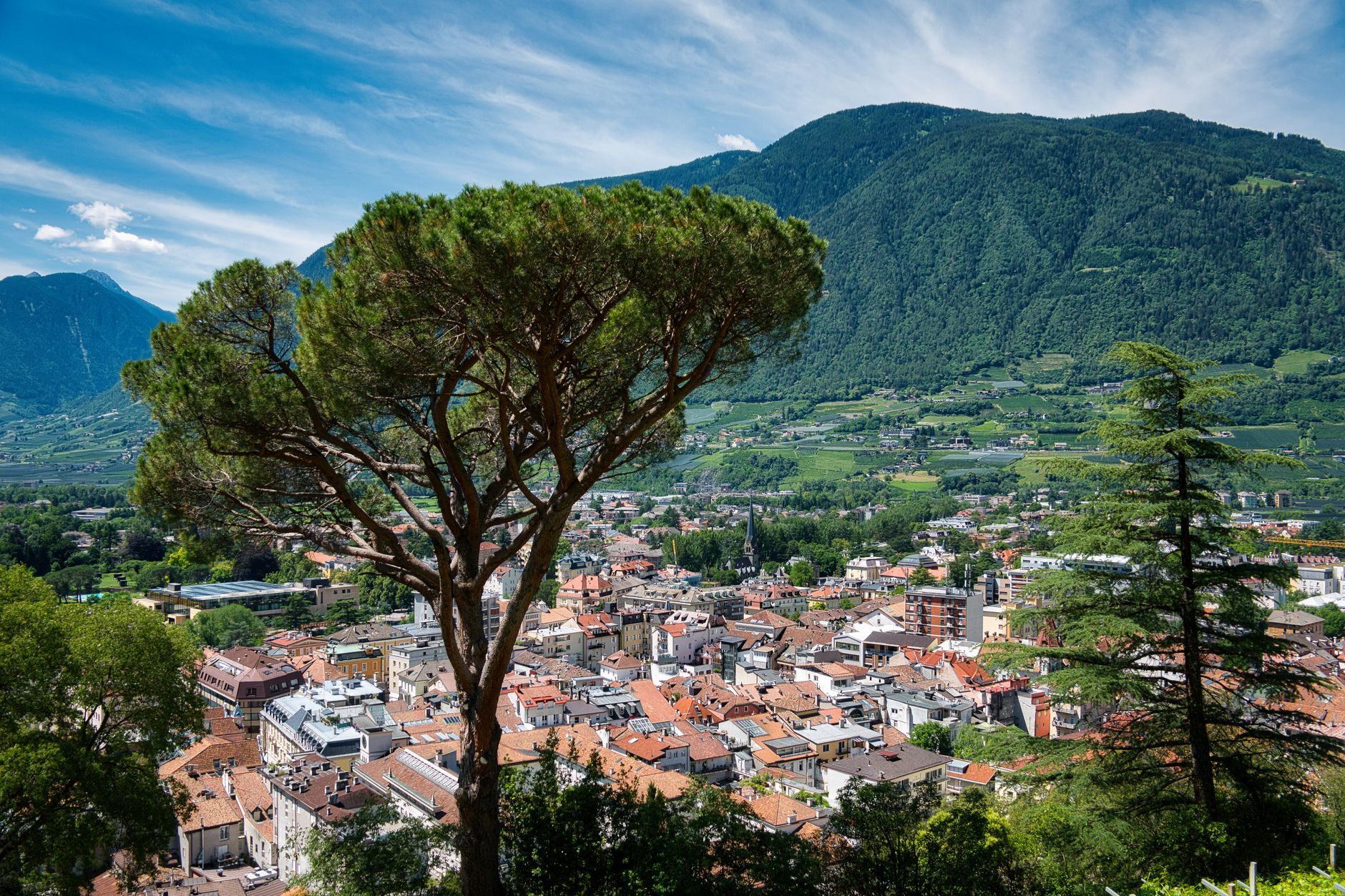
A visit to Merano feels like a compact mix of spa culture, Alpine foothills and Italian arcades. Expect a town where the Passer river runs through a tight valley, heated thermal pools sit next to pedestrian arcades and mountain transport is part of everyday life. The overall pace leans toward measured: people move between promenades, spa appointments and short mountain hops rather than long urban museum days.
Expect predictable crowds at the main promenades and at the garden entrance in high season; the Old Town streets are narrow and can feel congested mid-day. This place suits travellers who prefer short, scenic walks and relaxed food stops rather than long, museum-heavy itineraries. Practicalities like booked spa time, catching the cable car schedule and small-van taxis matter more here than big-city subway maps.
Is 3 days in Merano enough?
Three days in Merano is enough to see the Old Town, walk the Tappeiner Promenade, visit Trauttmansdorff Gardens and use the Therme if time is managed. One honest caveat: there's not enough time for a full-day trip to the Ötztal/Innsbruck or a slow multi-hike in Merano 2000 and still do everything in town.
Who This Guide Is For
Best for travellers who enjoy short walks, spa time, and food markets; not ideal for those wanting multi-day alpine trekking or a heavy-museum itinerary. Works well for couples, small groups and budget-conscious solo travellers.
Local Tips for Merano
Practical details that most travel sites skip — specific to Merano.
- Many hotels hand out the Südtirol Guest Pass (also called Mobilcard by some providers) which offers free travel on regional buses and trains for the length of the stay—ask before booking.
- Trauttmansdorff Gardens (Giardini di Castel Trauttmansdorff) charges about €13–€15 for an adult day ticket; buy online for a timed entry slot to avoid queues on weekends.
- Therme Meran requires booking time slots at therme-meran.it for busy periods; full-day wellness tickets typically run €20–€30 depending on sauna access.
- The Tappeiner Promenade begins near the city centre at Piazza della Rena and reaches Quarazze; allow 30–60 minutes one-way and expect short stair sections and steep access points at either end.
- The weekly market runs on Saturdays around Piazza della Rena and Mercato di Piazza Terme; arrive by 09:00 to get the best fresh produce and regional speck and cheeses.
How This Guide Was Prepared
This guide treats Merano as a mountain-border small city with spa culture and Alpine-Italian cuisine, not as a generic alpine postcard. Many guides overemphasise only the gardens and miss how short transit hops, specific promenades and thermal timetables shape a realistic three-day visit. This guide was prepared through a structured research that combines destination research, geographic context, itinerary planning logic, and content review.
Plan Your Stay in Merano
Use this itinerary as your starting point, then compare areas to stay, transport options, seasonal timing, and realistic daily costs before booking.
Why Visit
Trauttmansdorff Gardens is a strong reason: the planted terraces show how Mediterranean and alpine species coexist on one hillside and the site includes viewpoints over town. The thermal baths at Therme Meran provide easy, weather-proof relaxation and are integrated with public spaces, making a spa visit a convenient half-day choice.
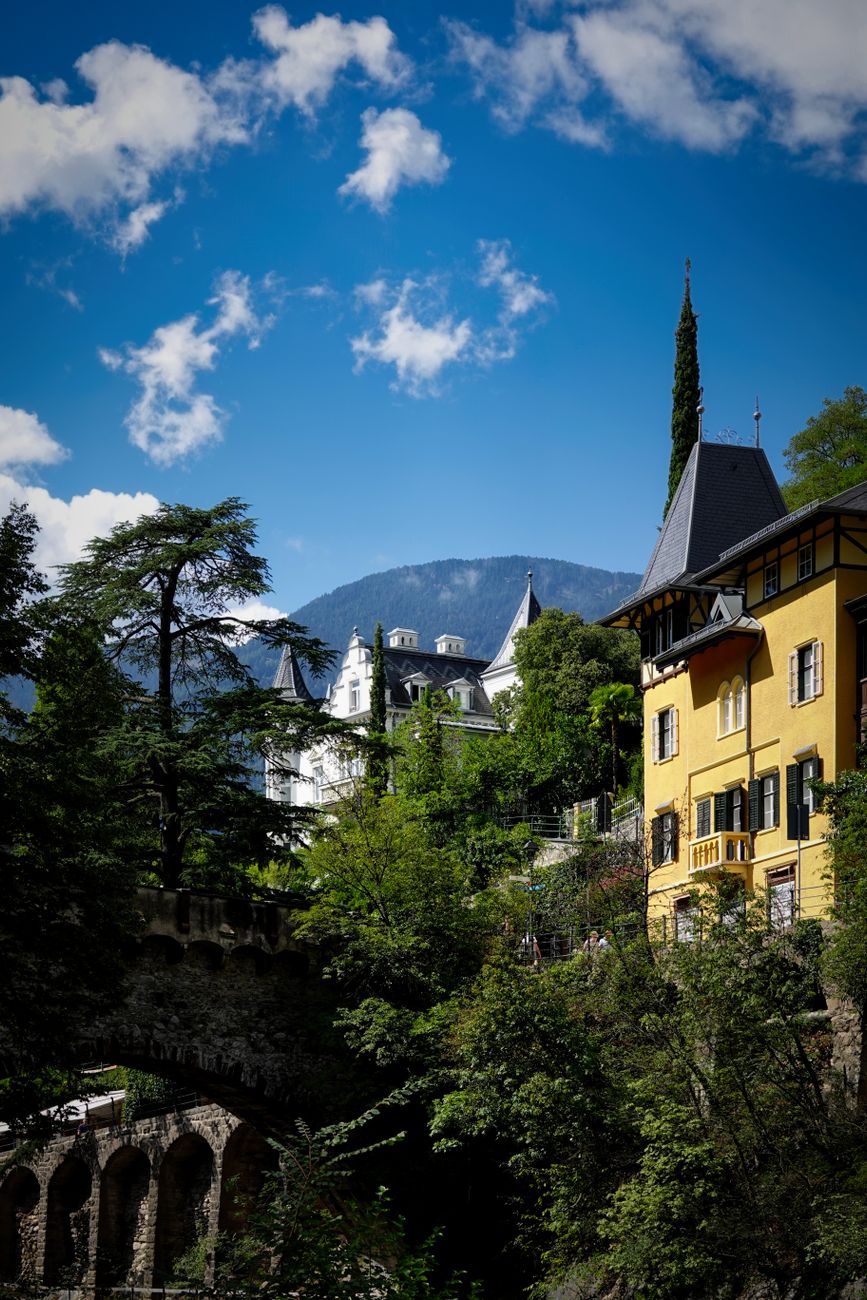
The Tappeiner Promenade offers immediate, well-maintained walking access from the centre up to Quarazze with panoramic views and few crowds early in the morning. The Old Town’s Laubengasse, the Duomo and the Kurhaus are compact and walkable, so visiting several distinct historic spots in a single morning is realistic. Finally, the mountain lifts to Merano 2000 and bus links to Dorf Tirol/Castel Tirolo make short alpine excursions possible without a car.
Quick Planning Tips
Arrive either via Bolzano/Bozen by regional train (about 25–40 minutes) or by car on the A22 motorway; Verona and Innsbruck airports are the major international options with train or bus connections. From Bolzano station, regional trains on the Bolzano–Merano line run frequently and take roughly 25–30 minutes.
Buy transport tickets at the station machine, at tobacco shops (Tabacchi) or use the regional app; many hotels provide the Südtirol Guest Pass which covers local and regional buses and some trains for the length of the stay. Avoid underestimating uphill walks: even short promenades have stair sections and sun can be strong on terraces, so bring layers and sun protection.

Day 1
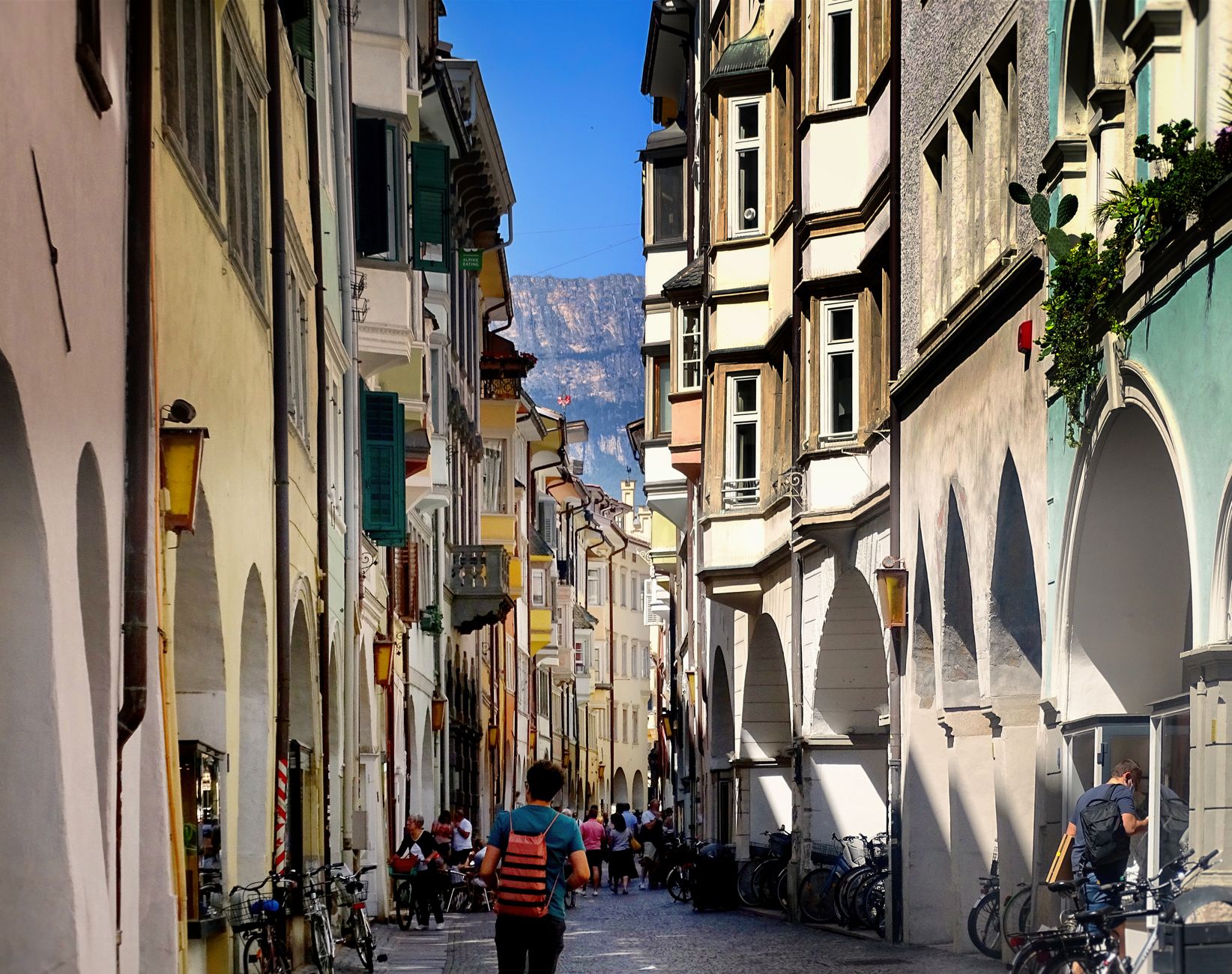
Morning: Start in the Old Town at Laubengasse (Via dei Portici) and Piazza della Rena to see the arcades, small boutiques and the Duomo di Merano (St. Nicholas). Allow 60–90 minutes to wander the narrow streets and stop at a café for a coffee and strudel. Walk time from the station to Laubengasse is about 10–15 minutes.
Midday: Walk the Passeggiata lungo Passirio (river promenade) for 20–30 minutes toward the Kurhaus and the glass-and-stone spa district. Lunch at a trattoria near Piazza della Rena—Trattoria del Centro or similar kitchens serve canederli and schlutzkrapfen for €10–€15.
Afternoon: Take the short bus or a 10–15 minute taxi to Trauttmansdorff Gardens; allow at least 2–3 hours for paths, the viewpoints and the small exhibition. Entry is around €13–€15.
Evening: Return to town for dinner in the centre—order speck and a local Gewürztraminer or Lagrein. Finish with a low-key stroll on the Tappeiner Promenade at golden hour; the walk down to town takes 30–45 minutes depending on pace.
Day 2
Morning: Head to Merano 2000 via the Funivia Merano 2000 cable car for alpine views and short hikes. The cable car station is a 10–15 minute bus ride from the centre; plan 3–4 hours if including a short summit walk and a mountain hut coffee.
Midday: Return to the town edge; stop in Forst or Algund (Algundo) for a light lunch and a look at local orchards if the season is right. Travel between Merano centre and Algund is 10–20 minutes by bus.
Afternoon: Visit Therme Meran for an afternoon of pools and saunas—book a 2–3 hour block to avoid rushed time. Entry is roughly €20–€30 depending on options and sauna access.
Evening: Walk or bus up to Dorf Tirol and Castel Tirolo for dinner with a view if open; the drive or bus takes about 20 minutes from the centre. If returning to town, sample local wines in a small enotheque near Piazza della Rena.

Day 3
Morning: Start with a market visit if it's Saturday—Piazza della Rena market stalls run early; otherwise take the Tappeiner Promenade uphill for a second perspective of the town. Allow 60–90 minutes for a relaxed morning.
Midday: Walk to the museum complex near Castel Trauttmansdorff’s info if more exhibitions are needed, or choose a short visit to the Stadtmuseum/Castel Tirolo museum in Dorf Tirol. The museum at Castel Tirolo is about a 20–30 minute bus ride from town and entry costs around €8–€10.
Afternoon (check-out note): If the travel plan includes an afternoon flight, pack luggage in the morning and leave it at hotel reception or a luggage deposit at the station. Train times to Bolzano or Verona are frequent; allow at least 90–120 minutes total transit time to Verona Airport via Bolzano and train/bus connections.
Evening: For later departures, enjoy a final meal in the Old Town—choose a restaurant that will hold a takeaway plate if time is tight, or have one last stroll along the river before departure.

Best Local Experiences
Stroll the Tappeiner Promenade at dawn for quiet views of vineyards and the valley slopes. Spend a half-day at Trauttmansdorff Gardens to see the themed landscapes and viewpoint terraces. Book a wellness block at Therme Meran and include the thermal pools rather than only the sauna circuit.
Attend the Merano Christmas Market (Weihnachtsmarkt Meran) if visiting late November through early January; the market concentrates around the spa and Old Town and fills up after 16:00. Visit the Forst brewery outlet in Forst/Algund for a guided tasting or a casual pint—Forst beer has local recognition. Walk part of the Vinschgau valley direction by train for views of apple orchards and small stations; regional trains stop at predictable intervals enabling short hops.

Where to Stay
Old Town / Centro Storico: Suits travellers who want immediate access to Laubengasse, Kurhaus and river promenades. Most hotels and B&Bs put guests within easy walking distance of restaurants and the train station. Typical nightly rates: €80–€160 (90–180 USD) depending on season and room standard.
Quarazze / Maia Bassa (residential hillside): Suits walkers and those who prefer quieter streets with easy access to the Tappeiner Promenade; expect a 10–20 minute walk into the centre. Typical nightly rates: €70–€130 (80–145 USD).
Near the Therme / Maia Alta fringes: Suits spa-focused travellers and those with later arrivals or departures, as the baths and some hotels offer private parking and direct spa access. Expect slightly higher spa-hotel rates: €110–€200 (125–220 USD) per night in high season.
General note: Book earlier for Christmas Market and summer; small guesthouses often include the Südtirol Guest Pass in the rate which can save on regional travel.
Food and Drink
Schlutzkrapfen: Thin, crescent-shaped spinach-and-cheese ravioli, usually served with melted butter and parmesan. Find them at traditional Stube restaurants and taverns for €8–€14.
Canederli (Knödel): Bread dumplings typically in broth or butter with speck; common as a lunch or first course at local trattorias for €6–€12.
Apple strudel (Apfelstrudel): The region’s apples make this ubiquitous; cafés in the Old Town and bakeries near Piazza della Rena sell slices for €2.50–€5.
Speck Alto Adige and cured meats: Served on antipasto plates or at market stalls; a quality plate at a wine bar costs €8–€15. Buy vacuum-packed speck at the Saturday market too.
Local wines: Gewürztraminer and Lagrein are regionally typical. A glass at an osteria is usually €3.50–€6; a bottle in a mid-range restaurant €18–€35.
Breakfast option: A bakery breakfast with coffee and a pastry (cornetto or strudel slice) costs about €3–€6 and is ideal before a morning promenade. Street food/snack: toasted sandwiches and local sausages are common at market stalls for €4–€8. Dinner recommendation: choose a trattoria serving local mountain-to-table plates—expect €18–€30 for a main course.
Getting Around
Regional trains run the Bolzano–Merano line with frequent services; travel time is approximately 25–30 minutes from Bolzano/Bozen. City buses operate between the station, the spa district and suburbs—with regular runs to Forst/Algund and Dorf Tirol. Cable cars include the Funivia Merano 2000 for alpine access; check posted schedules as frequency drops outside summer and winter peaks.
Single urban bus tickets cost around €1.60–€2.00; a day pass for local travel is approximately €6–€8. The Südtirol Guest Pass covers many regional buses and trains for the duration of qualifying hotel stays—ask the accommodation for exact coverage. Taxi fares from Bolzano or nearby airports to town typically run €60–€100 depending on distance and luggage.
Recommended apps and cards: use regional ticket machines at stations or the national Trenitalia app for trains; the provincial mobility site provides timetable info. For short trips, buying single tickets at a Tabacchi is convenient.
Best Time to Visit
Late spring (May–June) and early autumn (September–October) provide the best combination of moderate temperatures (10–22°C/50–72°F) and lower crowds; gardens are blooming in spring and harvest events occur in autumn. July–August sees the highest visitor numbers, warmer temperatures (18–28°C/64–82°F) and more full bookings for the Therme and cable cars.
Winter (December–February) is attractive for the Christmas Market and nearby snow sports; temperatures often range from −2 to 6°C (28–43°F) and some outdoor attractions reduce hours. Shoulder months like April and November can have unpredictable weather and some mountain lifts run limited schedules, but prices are lower and there are fewer crowds.
Budget and Practical Tips
Daily budget example (moderate traveller): Accommodation €80–€140 per night (70–150 EUR); food €30–€60 for three meals (35–65 USD); transport €5–€15 (local and short regional hops); entry fees €10–€20 for one or two attractions. Total daily: roughly €130–€235 (140–255 USD) excluding shopping or day trips.
Tipping: Service is often included in the bill (servizio) in restaurants; adding €1–€3 for small bills or rounding up on larger checks is customary but not mandatory. Cash and cards: most places accept cards; small market stalls and mountain huts may be cash-only. ATMs are available in the centre.
Practical tip: watch for ZTL areas and limited parking; park in marked public car parks at the town edge and walk in. Book Therme tickets and garden time slots in advance during summer and the Christmas Market weekend to avoid disappointment.
FAQ
Is Merano safe for tourists?
Yes. Crime levels are low; normal precautions apply in crowded market areas and on trains—watch bags and avoid leaving valuables unattended in parked cars.
How do you get from the nearest airport?
Major international flights arrive at Verona, Innsbruck or Munich; combine a regional train or bus to Bolzano then a 25–30 minute train to Merano. Shuttle buses and train connections are frequent in high season.
Are city cards worth buying?
The Südtirol Guest Pass provided by many hotels is often more valuable than a single city card because it covers regional buses and trains; compare inclusions before purchasing separate attraction cards.
Can Merano be done without a car?
Yes. The town is compact, regional trains and buses connect to Bolzano and nearby villages, and cable cars serve the mountain areas—most short excursions do not require a car.
Is the Therme Meran included in any tourist cards?
Usually not; Therme Meran tickets are separate and often require online booking for peak times. Some hotels offer discounted or combined packages—check when booking.
Are English speakers common?
Many people in hospitality speak English; German and Italian are widely used. Menus and signs are frequently bilingual (German/Italian).
Is it easy to take day trips to Verona or Lake Garda?
Regional trains connect to Bolzano, and onward trains to Verona and to Desenzano del Garda are possible but expect 2–3 hour journeys; doable as long day trips but start early.
What about hiking options for beginners?
The cable car to Merano 2000 provides high-alpine scenery with short, easy circuits near the summit suitable for beginners; choose marked trails and check lift hours.
Conclusion
A three-day stay delivers a clear sense of what makes this town distinct: a spa culture integrated into a compact alpine-Italian centre, promenades that invite short walks and easy access to mountain lifts. Travelers will most likely remember the contrast between thermal pools and terrace gardens with mountain backdrops. If short on time, prioritise one outdoor garden visit (Trauttmansdorff) and a timed Therme Meran booking; those two experiences together capture the town’s strongest, specific appeals.
How this guide was prepared
This guide was prepared through a structured research that combines destination research, geographic context, itinerary planning logic, and content review.