

3 Days in Brescia: A Practical Itinerary
Explore Brescia in 3 days: Roman ruins, Santa Giulia Museum, castle views, casoncelli tasting and easy trips to Lake Garda and Franciacorta wineries.
A compact, layered northern Italian city where Roman temples sit beneath Renaissance palaces. This 3-day guide packs must-see museums, a hilltop castle, local food and a day trip to the lake or vineyards.
Brescia is a compact, layered northern Italian city where Roman ruins sit beneath Renaissance palaces and a hilltop castle watches over lively piazzas. It suits travelers who love concentrated history, off-the-beaten-path museums, and short food-focused breaks: couples, small families, and culture-minded day-trippers. Three days works well because you can cover core museums and the historic centre on day one, explore the castle, markets and neighborhoods on day two, and reserve day three for a relaxed lake or Franciacorta winery excursion. The city's walkable layout and quick regional trains make this itinerary efficient and low-stress.
Why Visit
You visit for layered history: a well-preserved Roman Capitolium, medieval churches and elegant 19th-century squares. Add compact museums like Santa Giulia that tell the city's story, a photogenic hilltop castle with panoramic views, and a lively food scene anchored in local specialties.
It’s also a strategic base for Lake Garda and the Franciacorta wine region, so you get culture and easy day trips without the crowds of larger cities.

Quick Planning Tips
Book the Santa Giulia Museum in the morning to avoid queues and give two hours to the site and Roman area. Reserve a table for dinner if you want a popular trattoria on Saturday night.
Pack comfortable shoes: the historic centre and castle hill use cobbles and steps. Bring a lightweight layer for breezy evenings, especially near the lake.
If you plan a Franciacorta winery visit, book tastings in advance and consider a driver or organized tour.
Day 1
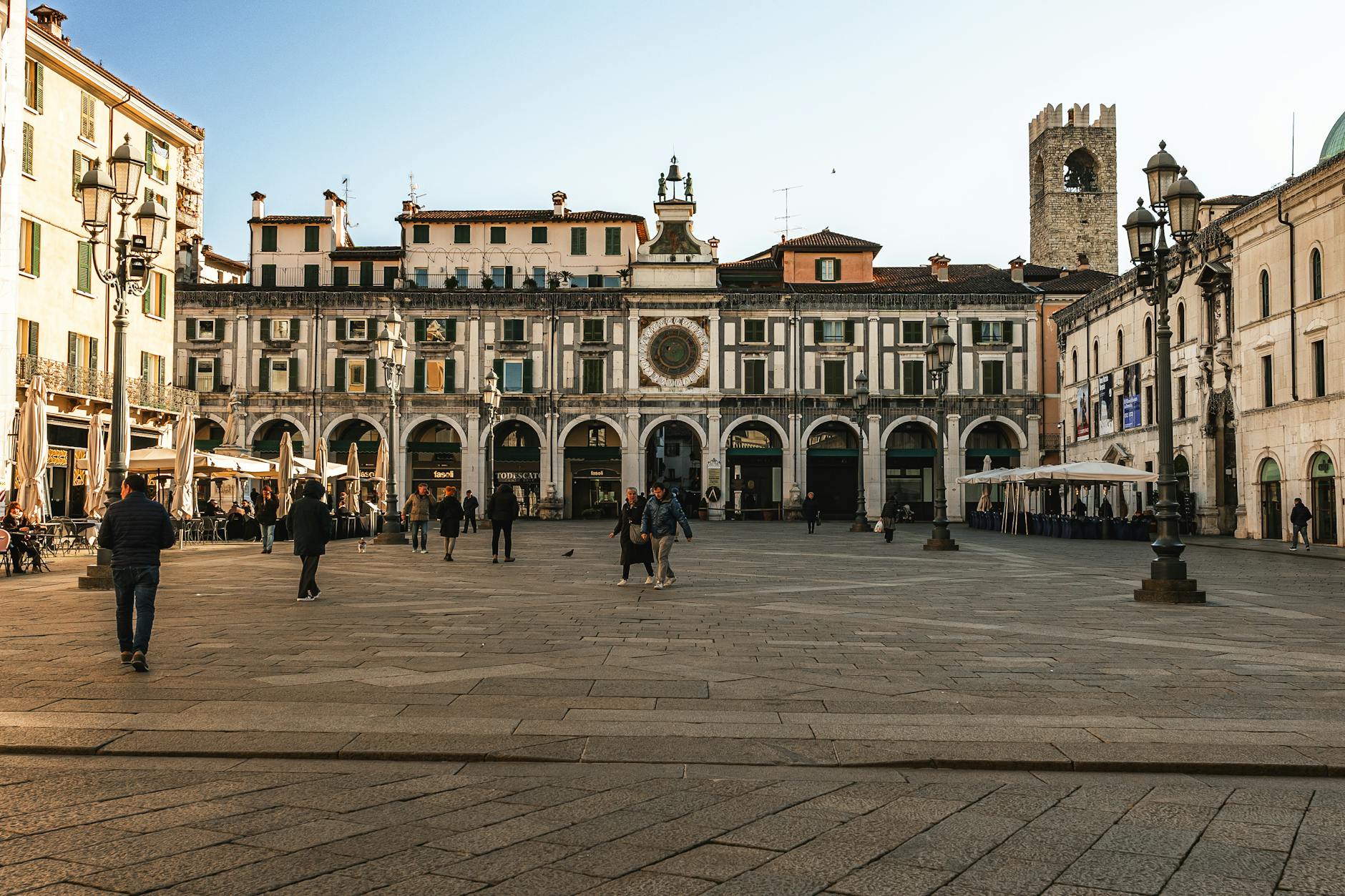
Morning: Start at Piazza della Loggia to see the Venetian-era clock and nearby cafés. Walk to the adjacent Roman archaeological area and the Tempio Capitolino.
Late morning: Head to Museo di Santa Giulia (allow 2–3 hours). The museum complex covers Roman houses, medieval cloisters and Lombard artifacts.
Afternoon: Lunch in the old town — try casoncelli (stuffed pasta) and a light polenta dish. Visit Duomo Vecchio (the Rotonda) and Duomo Nuovo, then stroll Teatro Grande and small artisan shops.
Evening: Aperitivo in Piazza della Loggia or Piazza del Foro and dinner in the historic centre.

Day 2
Morning: Climb or take the short drive to Castello di Brescia. Explore the fortress, museums on site and terraces with city views.
Late morning: Descend to Piazza della Vittoria to see 20th-century architecture and small boutiques. Pop into Teatro Grande if there’s a morning tour.
Afternoon: Visit Mercato di Piazza Arnaldo or sample street food near Via Trieste. Spend time in offbeat neighborhoods like Borgo Trento for a quieter local atmosphere.
Evening: Try a traditional spiedo bresciano or contemporary trattoria; enjoy a relaxed passeggiata through the illuminated streets.

Day 3
Option A — Lake Garda: Take a regional train or drive to Desenzano del Garda (30–40 minutes) for lakeside promenades, a boat to Sirmione, and gelato by the water.
Option B — Franciacorta: Book a morning winery tour to sample sparkling wines and visit a cantina, with a relaxed lunch in the vineyards.
Option C — Mantova or Verona: If you prefer another city, regional trains connect easily for a half-day trip; return in the evening to soak up a final dinner back in town.

Best Local Experiences
Try casoncelli alla bresciana and spiedo at a traditional osteria. Reserve an afternoon for a guided visit to Santa Giulia to appreciate Lombard and Roman layers.
Join a Franciacorta tasting or rent a bike for vineyard lanes. Pick a Sunday morning to browse Piazza Arnaldo market for local cheeses and cured meats.
Catch sunset from the castle terraces or seek out a small enoteca for local wines and an evening aperitivo.

Where to Stay
Historic centre (Centro Storico): Best for first-time visitors who want walkable access to museums, piazzas and restaurants.
Near Brescia Station: Practical for day trips and train connections; expect straightforward hotels and quick transit into the centre.
If you prefer countryside or vineyards, book a B&B in Franciacorta for a quieter stay and easy winery access.
Food and Drink
Local specialties: casoncelli (filled pasta), spiedo bresciano (rotisserie spit), and regional cheeses. Pair meals with Franciacorta sparkling wine or a local red.
Where to eat: informal trattorie and osterie in the old town, enotecas near the cathedral for wine tastings, and cafés on Piazza della Loggia for morning coffee.
Markets and street food: visit Piazza Arnaldo market for produce and cured meats, and try small pastry shops for mid-afternoon treats.
Getting Around
The historic centre is highly walkable; many sights are clustered within a 15–25 minute radius of each other. Use the automated Brescia Metro and local buses for longer hops.
Trains: Frequent regional trains connect to Desenzano del Garda, Verona, Bergamo, Mantova and Milan. Airports: Bergamo (Orio al Serio), Verona (Villafranca) and Milan airports are all practical options.
For Franciacorta wineries, use a guided tour or hire a driver if you plan tastings. Taxis and bike rentals are available for short trips.
Best Time to Visit
Late spring (May–June) and early autumn (September) are ideal: warm days, fewer crowds, and vineyard activity. Summer brings lake visitors and hotter weather; plan lake trips early or late in the day.
Winter is quieter and suits museum-focused weekends, though some wineries reduce tastings off-season.
Budget and Practical Tips
Expect moderate Italian prices: coffee €1–2 at the bar, casual lunches €10–18, midrange dinners €25–40. Many museums have reasonable entry fees; allow a small budget for guided tours or winery tastings.
Carry a daypack with water and a map; public loos can be limited outside cafés. Payment by card is widely accepted, but small vendors may prefer cash. Basic Italian phrases are appreciated but you’ll find English in major sights.
FAQ
Is three days enough to see the highlights?
Yes. Three days covers the main museums, the castle and a relaxed day trip to Lake Garda or Franciacorta.
How do I get from the airport to the city?
Fly into Verona (VRN) or Bergamo (BGY) and take a regional train or shuttle; Milan airports are also options with longer transfers.
Are attractions walkable?
Most major sites are within walking distance in the historic centre; the castle is a short uphill walk or taxi ride.
Can I visit Lake Garda as a day trip?
Absolutely—Desenzano is 30–40 minutes by train and has ferries to Sirmione and other lakeside towns.
Are museums suitable for families?
Yes. Santa Giulia and the castle have sections that engage older children, but check opening hours for family-friendly schedules.
Conclusion
Three days in this compact northern Italian city delivers Roman ruins, intimate museums, castle panoramas and memorable food without the rush. Use day one for core history, day two for the fortress and neighborhoods, and day three for the lake or wine region. Efficient trains and a walkable centre make it an ideal, low-stress weekend break or a cultured stop en route to the lakes and Verona.
How this guide was prepared
This guide was prepared through a structured research that combines destination research, geographic context, itinerary planning logic, and content review.