

Verona in 3 Days: Practical Itinerary and Local Tips
Practical 3-day Verona guide with transit tips, entry costs, realistic schedules, and food picks to help first-time visitors plan efficient, honest days.
A compact, realistic 3-day plan for Verona focused on walking the Roman core, sampling local dishes, and using public buses and the VeronaCard to avoid wasted time.
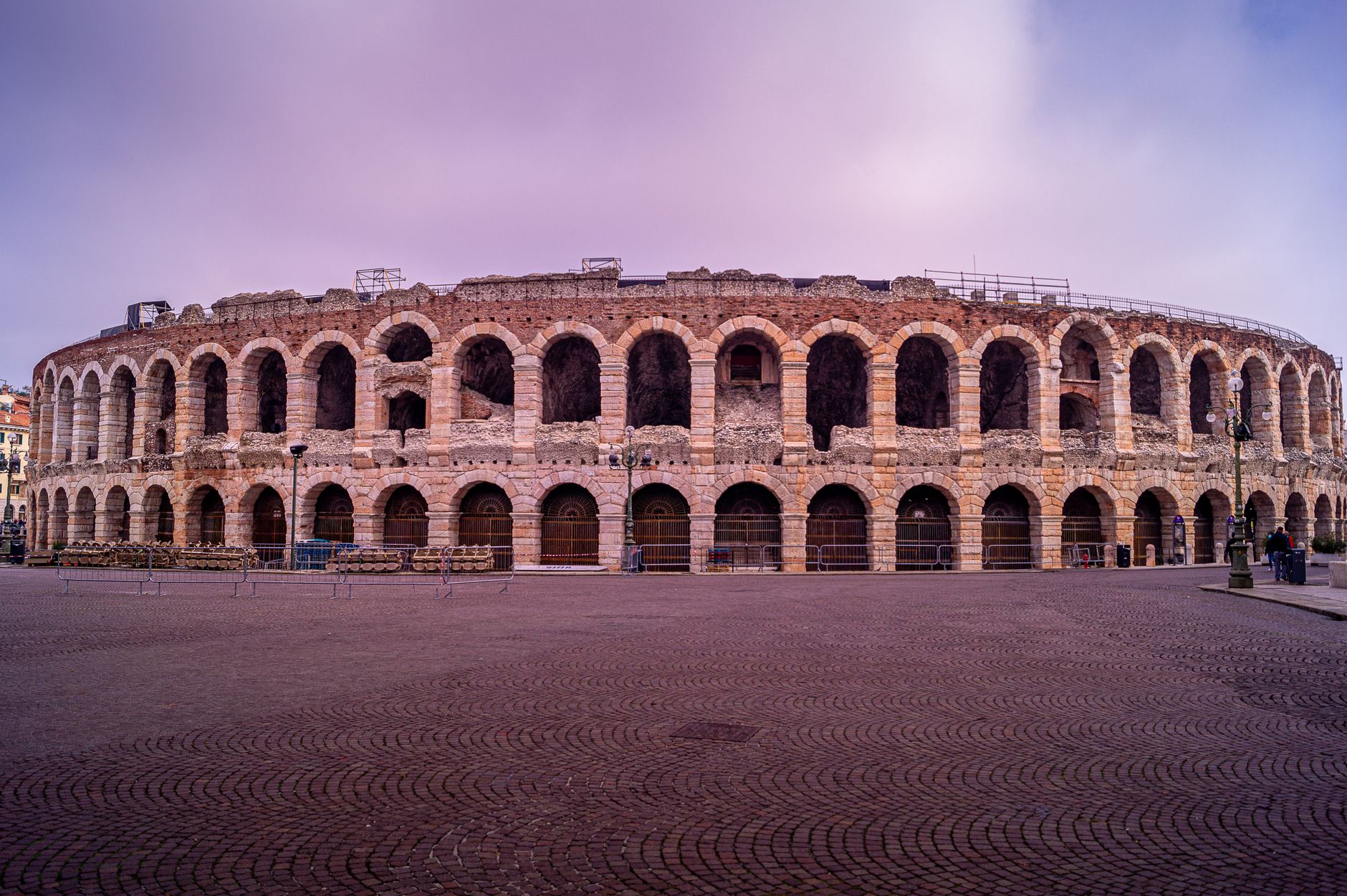
A first walk through the historic core feels like a sequence of piazzas, Roman stone and Scaliger-era bridges rather than a single long boulevard. Movement here is mostly on foot; streets narrow into medieval alleys and suddenly open into squares with cafes, which sets a slower pace than bigger northern Italian cities. Visitors expecting nonstop nightlife or large pedestrianised shopping avenues will be surprised; evenings focus on opera season, terraces and wine bars rather than clubs. The city suits people who want museums, architecture and food without long distances between sights, and it pairs especially well with rail day trips to Mantova or Desenzano del Garda. Crowds concentrate around the Arena and Juliet's House; outside those points the layout makes it easy to find quieter corners within 10–20 minutes' walk.
Is 3 days in Verona enough?
Yes—three days buys a solid introduction: Piazza Bra, the Arena, Castelvecchio, San Zeno, Giardino Giusti and a concentrated food walk can fit comfortably. One honest caveat: a proper wine tour of Valpolicella or a full Lake Garda day trip requires an extra day or an early start and a long return.
Who This Guide Is For
Best for travelers who like walking, museums, and regional food and wine, and who prefer a compact city with good rail links. Less suitable for visitors expecting rapid nightlife or those wanting a relaxed Lake Garda holiday without overnighting there.
Local Tips for Verona
Practical details that most travel sites skip — specific to Verona.
- Buy a VeronaCard at the Arena box office or online — 24h and 48h options include Arena entry, Castelvecchio and coverage for city buses (24h typically ~€20–25).
- From Valerio Catullo airport (Verona Villafranca) take the official Aerobus shuttle to Verona Porta Nuova — journey 15–20 minutes and one-way tickets are around €6–8.
- ATV operates local buses; single urban tickets must be validated on boarding with a paper or mobile ticket (inspectors hand out fines well above €50 for unvalidated rides).
- Many sit-down restaurants add a coperto of €1–3 and sometimes a servizio or pane charge; check the menu before ordering bottled water or bread.
- Buy Arena opera tickets at the Arena box office on non-performance days for lower fees; third-party resellers can add large commissions for popular summer nights.
How This Guide Was Prepared
Verona rewards slow walks through a compact Roman core and a surprisingly strong wine-and-opera culture; many guides reduce it to Juliet's balcony and the Arena tickets. This guide focuses on daily rhythms, transit realities, and which attractions genuinely repay limited time, not a checklist of every museum. This guide was prepared through a structured research that combines destination research, geographic context, itinerary planning logic, and content review.
Plan Your Stay in Verona
Use this itinerary as your starting point, then compare areas to stay, transport options, seasonal timing, and realistic daily costs before booking.
Why Visit
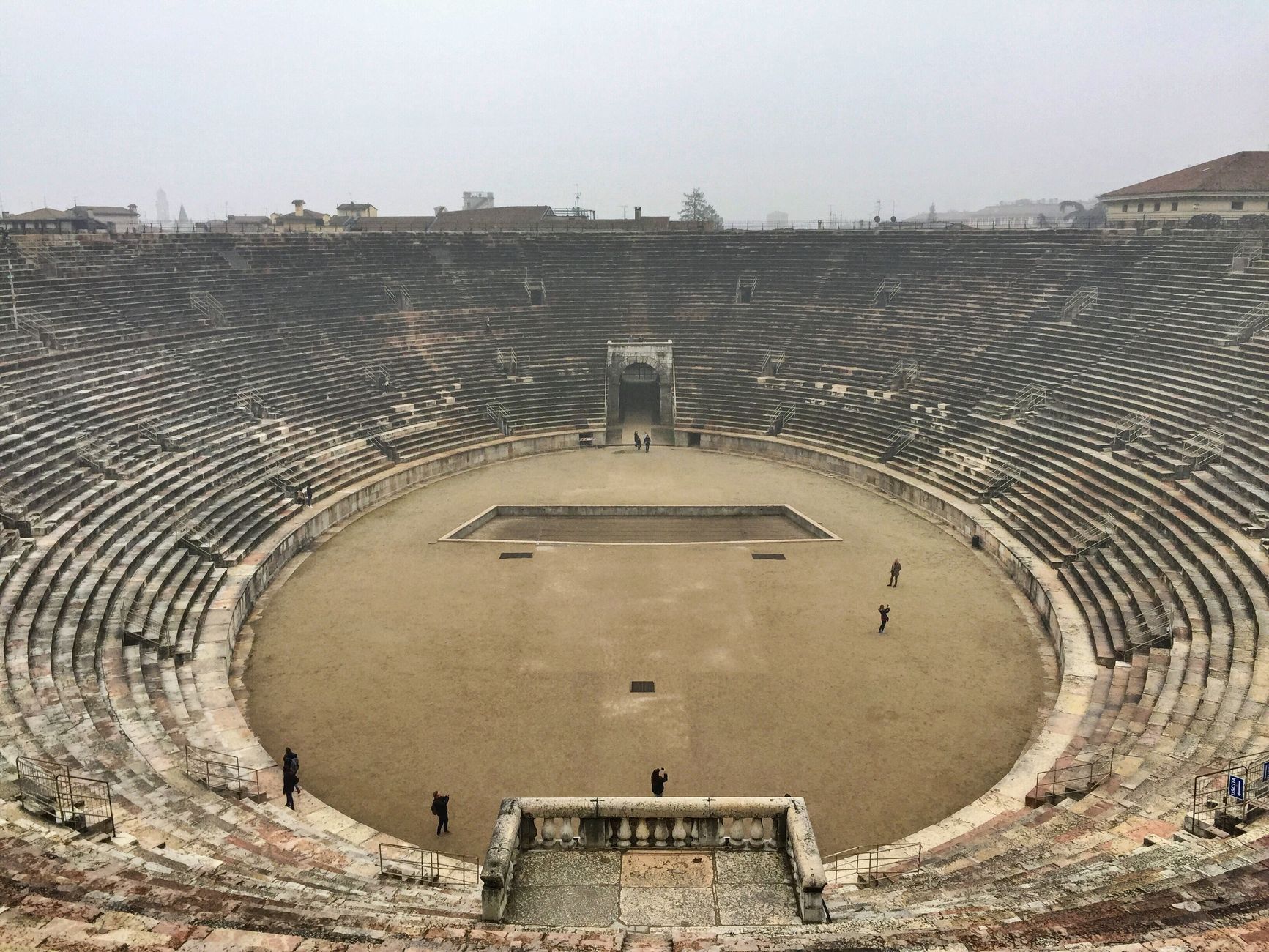
Compact Roman remains and a small but serious collection of medieval and Renaissance buildings make the historical loop easy to cover over a long weekend. The Arena di Verona hosts an opera season that is one of the few remaining large-scale open-air Roman amphitheatre opera programs; even outside performance nights a tour gives a clear sense of how the space shaped city life. The city also acts as a gateway to Valpolicella wines; many local enoteche such as Antica Bottega del Vino specialise in Amarone and offer quick tastings without a full-day tour. Finally, riverfront walks over Ponte Scaligero and the view from Castel San Pietro provide short outdoor experiences that contrast with museum visits, which helps balance rainy or hot days.
Quick Planning Tips
Arrive by rail at Verona Porta Nuova for the best access to the city centre; trains from Milan and Venice run frequently and the station is a 15–20 minute walk to Piazza Bra. From Valerio Catullo (airport) use the Aerobus shuttle to Porta Nuova or a prebooked taxi; rental cars add parking hassles in the ZTL (limited-traffic zone). Carry a mix of cash and card; many small osterie prefer cash for small bills but most restaurants and museums accept cards. One planning mistake to avoid is buying Arena opera tickets from unverified resellers; confirm seat maps and collection points, and know that cheap-seated shows sell fast in June–August. If staying inside the centro storico, plan to walk 10–25 minutes between most major sites rather than relying on buses for short hops.

Day 1
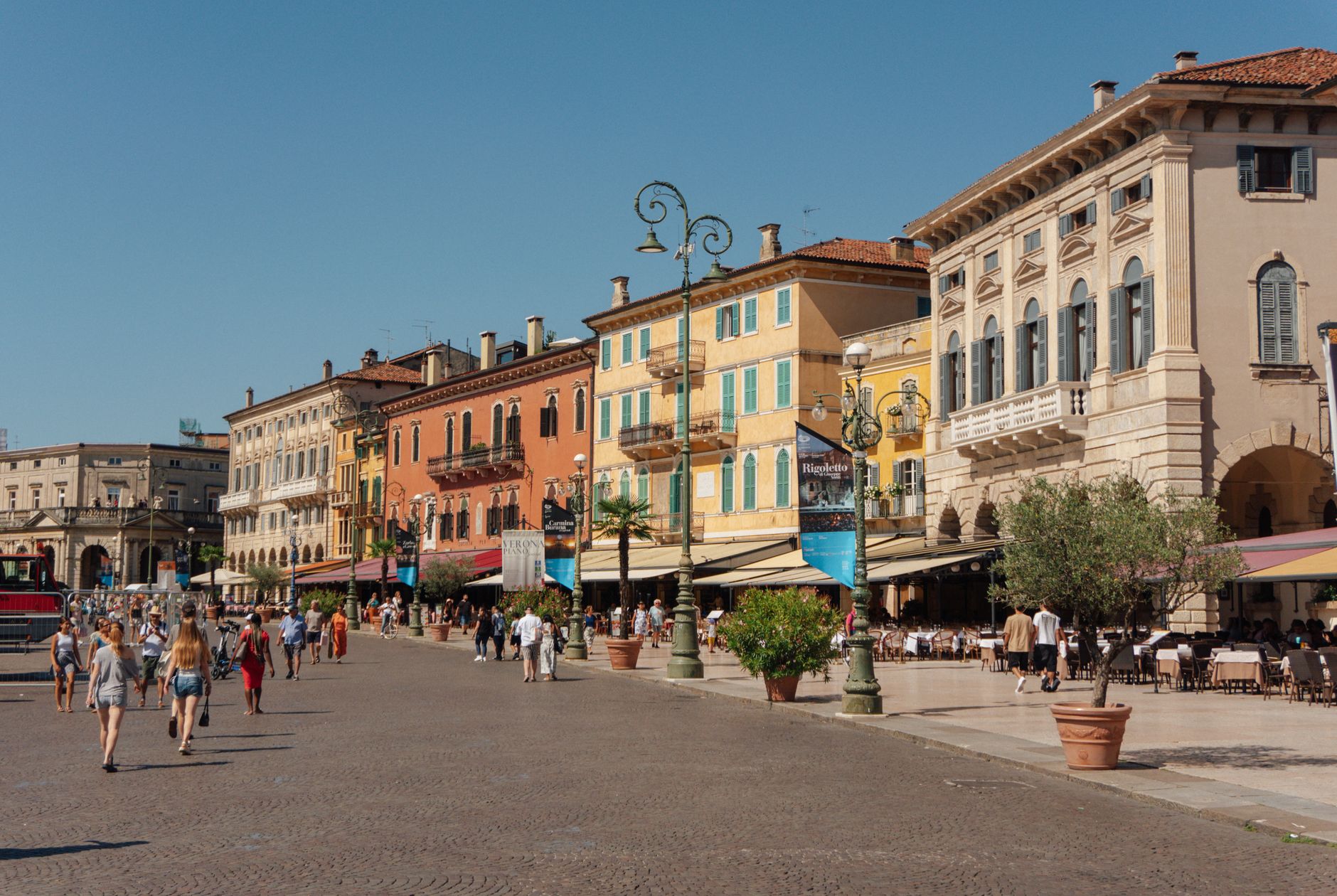
Morning: Start at Piazza Bra and approach the Arena di Verona for an external walk-around and ticket office visit; allow 45–75 minutes for the Arena and nearby tourist offices. From Piazza Bra walk 6–10 minutes to Piazza delle Erbe through Corso Porta Borsari, taking time to note Porta Borsari and the Roman gate along the way. Midday: Explore the market strip in Piazza delle Erbe and pick a table at a nearby trattoria; lunch at Osteria Le Vecete (traditional Veronese dishes) is about €12–18 for a main course and is a 5–7 minute walk from the square. Afternoon: Walk 8–12 minutes to Castelvecchio Museum via Ponte Scaligero and plan 1–1.5 hours for the museum and the fortified bridge views; the museum ticket is roughly €6–€10. From Castelvecchio, cross the river and within 15 minutes reach the Roman Theatre on the Lungadige for a short visit to the Museo Archeologico and Teatro Romano slope. Evening: Return to Piazza Bra for dinner near the Arena or pick a wine bar in the historic centre; if the Arena has a performance book tickets well in advance and allow time to arrive early by foot to avoid queues.
Day 2
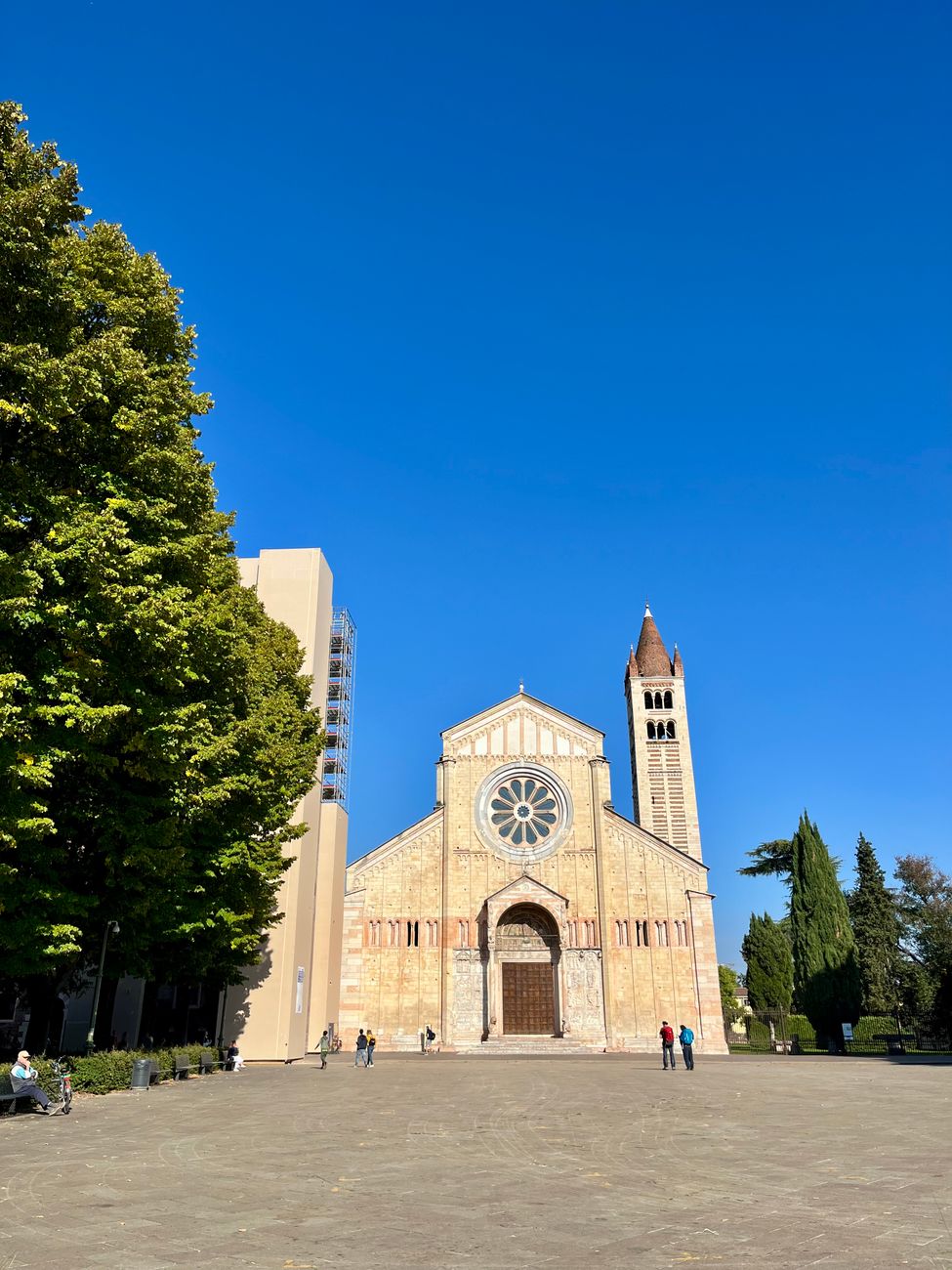
Morning: Begin in the San Zeno neighbourhood at Basilica di San Zeno Maggiore; guided or independent visits take 30–45 minutes and the church is a 20–25 minute walk west from Piazza Bra or a short bus ride on an ATV line. Nearby, visit Piazza San Zeno and the quieter streets for local bakeries. Midday: Walk 15–20 minutes or take bus to Giardino Giusti and allow 60–90 minutes for the Renaissance garden and the views from its upper terraces; entry is modest and the garden offers a clear contrast to the riverfront architecture. Afternoon: Head east to Casa di Giulietta and Piazza dei Signori — 10–15 minutes on foot from Giardino Giusti if moving briskly. Expect heavy crowds at the balcony; a quick photo stop and time in the adjacent arches works better than a long wait. Late afternoon: Cross to the Castel San Pietro viewpoint for sunset; the walk from Piazza dei Signori is about 20 minutes up the hill or take the stairs from Via Roma for a 10–15 minute ascent. Evening: Dine in the Veronetta district across the river for lively local restaurants and student bars; Antica Bottega del Vino offers an extensive wine list and small plates, with bottles and tastings priced from €10–€40 depending on selection.
Day 3
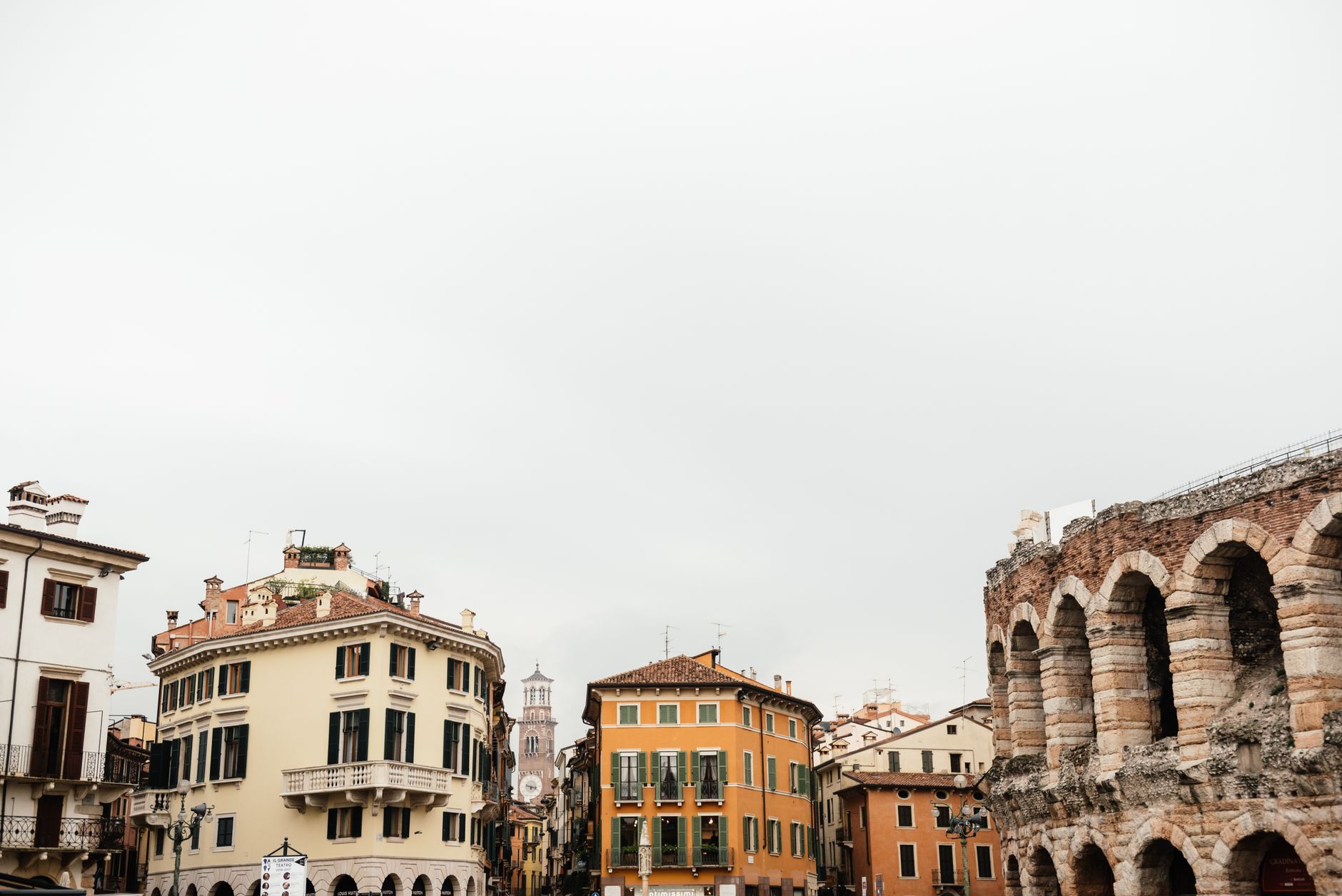
Morning: Reserve the morning for the Museo Archeologico at Teatro Romano and climb the Roman theatre slope for a city panorama; combine this with a visit to the Museo di Storia Naturale if time allows. Midday: If planning a half-day trip, catch a regional train from Porta Nuova to Desenzano del Garda or Sirmione (trains 20–40 minutes) and return by mid-afternoon. For those staying in town, spend lunchtime sampling risotto all'Amarone at a trattoria near Via Stella. Afternoon: Fit in shopping along Via Mazzini and a quick stop at the Duomo (Cattedrale di Santa Maria Matricolare); both are within a 10–15 minute walk of Piazza Bra. Practical note for departures: if checking out and heading to Valerio Catullo airport, allow 50–75 minutes total travel time from central hotels including security; taxis are faster but costlier at roughly €25–35, while the Aerobus requires time to reach the stop and wait. Evening (if not departing): finish with a relaxed aperitivo in Piazza delle Erbe or a final stroll along Lungadige for night views of Ponte Pietra.
Best Local Experiences
Attend one Arena opera performance if dates align; even a single-act or dress rehearsal captures the amphitheatre atmosphere. Walk the Lungadige on both sides of the Adige at dawn for quiet photos of Ponte Scaligero and the Scaliger crenellations. Spend an afternoon tasting Amarone or Valpolicella wines at Antica Bottega del Vino or at a short winery shuttle to nearby Negrar or Pedemonte. Visit the Giardino Giusti for a formal Renaissance garden experience and hedged terraces that are rarely crowded in the morning. Time a visit for the Verona in Love events around mid-February if romantic or themed activities are wanted, or plan December for the European-style Christmas market in Piazza dei Signori and surrounding squares.
Where to Stay
Centro storico (around Piazza Bra, Piazza delle Erbe): Suits first-time visitors who want walkable access to major sights and evening atmosphere. Expect mid-range hotel rooms from approximately €100–€220 per night (about $110–$240), with higher rates during Arena opera season. San Zeno and San Zeno Maggiore area: Suits travelers who prefer a quieter, more local neighbourhood near the basilica and good bakery options; it is 15–25 minutes' walk from Piazza Bra and offers guesthouses and mid‑range hotels from roughly €70–€140 per night (around $75–$155). Veronetta (river island across the Adige): Suits budget-conscious visitors and food-focused travellers who want small osterie and bars; it is a 10–15 minute walk into the centro and often has rooms or B&Bs from €55–€110 per night (about $60–$125).
Food and Drink
Risotto all'Amarone: A rice dish cooked with Amarone wine from Valpolicella — find it at Trattoria al Pompiere or Osteria Le Vecete for €12–€18 per main. Pastissada de caval: A slow-cooked horse-meat stew served in some traditional osterie; order it at older family-run places and expect €14–€22. Pandoro: A sweet yeast cake originally from nearby towns, available at pasticcerias like Pasticceria Flego; a slice costs around €2–€4 and whole cakes more for gifts. Aperol Spritz: The local aperitivo staple, often priced €3–€6 at a bar terrace; try an aperitivo hour around Piazza delle Erbe. Street food: A quick baccalà fritto or a panino with porchetta can be found near markets and costs €4–€8. For dinner splurges, book a table at Antica Bottega del Vino for wine-forward plates and tasting options from €25–€60 per person.
Getting Around
Main options are walking and ATV buses. ATV Verona operates urban bus routes that cover the historic centre and suburbs; expect to validate paper tickets on boarding or use the myCicero mobile app for contactless purchase. Typical single urban tickets sell for roughly €1.70 and are valid for about 75 minutes; day passes and 24/48-hour options exist and are cost-effective for multiple trips. Key rail points are Verona Porta Nuova (main station) and Porta Vescovo (for some regional links). Taxi from Valerio Catullo airport to central hotels is typically €25–35 depending on traffic; book ahead for early-morning departures. For train times and connections use Trenitalia or Italo apps and use Google Maps or Moovit for local bus routes and live updates.
Best Time to Visit
Spring (April–June): Temperatures typically range from about 12–24°C and crowds increase from late May; good weather and fewer arena crowds early in the season. Summer (July–August): Expect 25–33°C and heavy tourist numbers, especially during Arena opera season; prices and hotel rates peak in July. Autumn (September–October): Temperatures 12–22°C with harvest activity in nearby Valpolicella; offer good value and wine events in September. Winter (November–March): 0–10°C and quieter streets; December has Christmas markets and reasonable hotel deals but limited daytime hours for outdoor sightseeing. Best value months are late March–mid-May and September, balancing weather, events and lower peak pricing.
Budget and Practical Tips
Daily budget estimates for a typical mid-range visitor: accommodation €80–€160 per night (€90–€175 USD), food €30–€60 per day (€35–€65 USD), transport €6–€12 per day (€7–€13 USD), entry fees €10–€30 per major attraction (€11–€33 USD). Low-budget travellers can manage on €60–€90 per day by using hostels, market food and walking. Expect higher costs during the Arena opera season—hotel rates can more than double. Tipping: service is often included on the bill but leaving small change or rounding up is appreciated; tip 5–10% only for exceptional table service. Practical tip: check opening days for museums and churches (many close one weekday) and reserve Arena or major museum slots ahead in summer.
FAQ
Is Verona safe for tourists?
Yes. Central neighbourhoods are generally safe by day and evening; standard precautions against pickpocketing in crowded areas like Piazza delle Erbe and the Arena apply.
How do I get from the airport to the centre?
Use the Aerobus shuttle to Verona Porta Nuova for a 15–20 minute ride, book a taxi for convenience or use prearranged transfers for early flights.
Is the VeronaCard worth buying?
The VeronaCard pays off if planning to enter the Arena, Castelvecchio and several museums within 24–48 hours; compare single ticket prices against the card depending on planned visits.
Can a day trip to Lake Garda be done from here?
Yes—Desenzano and Sirmione are reachable by regional train in roughly 20–40 minutes; expect a full half-day to get a meaningful visit.
Are taxis reliable and expensive?
Taxis are available but limited; expect airport-to-centre fares of about €25–35 and consider booking in advance for nights and airport transfers.
Is Juliet's House worth visiting?
The house has cultural interest and a famous balcony, but long lines and crowds make a brief stop better than a lengthy visit; explore surrounding streets for more authentic scenes.
When is Arena opera season?
Major opera nights run in summer, typically late June through August; individual-season dates vary so check the Arena's official schedule before booking.
How do I buy local bus tickets on a phone?
Use the myCicero app to buy and validate ATV bus tickets, or purchase paper tickets from tabacchi and validate on boarding.
Conclusion
Three days provide a clear first impression: Roman monuments, accessible museums, and a food-and-wine culture that benefits brief exploration. What will be most remembered is the mix of close-packed piazzas, evening wine bars and a single impressive open-air amphitheatre; these create memorable contrasts between daytime walking and evening dining. If time runs short, prioritise a morning at the Arena and a late afternoon hilltop view from Castel San Pietro — those two give a compact sense of place that carries across longer visits.
How this guide was prepared
This guide was prepared through a structured research that combines destination research, geographic context, itinerary planning logic, and content review.