
3-Day Practical Guide to Suzhou: Gardens, Canals & Food
A focused 3-day Suzhou itinerary with transit tips, entry fees, precise timing for gardens and canals, neighbourhood notes, and essential food picks.
Concrete timing, transit and costs for three sensible days in Suzhou, focused on the classical gardens, canal quarters, modern Jinji Lake and real food options.
Arriving gives an immediate contrast: narrow stone alleys and small canals in the old town sit beside broad boulevards and a planned lakeside district. The old town moves at a morning-market pace with delivery bikes and teahouse breakfasts; evenings on Jinji Lake feel like a different urban project with light installations and high-rise hotels. Expect humid summers, grey damp winters and a noticeable split between traditional Gusu District and Suzhou Industrial Park.
Many guides treat this place as only a garden-tour package; that misses how people commute, how festival crowds concentrate, and how modern restaurants around Jinji Lake change evening options. This guide frames three days as a mix: core gardens and canal streets first, then a neighbourhood day and a lakeside finale. It suits travellers who like precise timing, public transit, and food stops rather than those who want a slow rural retreat.
Is 3 days in Suzhou enough?
Yes—three days allow visiting the main classical gardens, a canal neighbourhood, Tiger Hill, and an evening at Jinji Lake. The caveat: squeezing more than three full gardens plus a relaxed Yangcheng Lake crab meal is unrealistic.
Who This Guide Is For
Best for travellers who want compact cultural sightseeing, food-focused short breaks, and easy transit; less suitable for those seeking long countryside hikes or a slow, luxury spa retreat.
Local Tips for Suzhou
Practical details that most travel sites skip — specific to Suzhou.
- Humble Administrator's Garden (拙政园) regular peak-season ticket is about CNY 70; buy timed tickets online or expect queues at the gate.
- Suzhou Museum (苏州博物馆) is free but requires an online reservation with passport name and number via its official website or WeChat account.
- Buy and top up a Suzhou Tong card (苏州通) at any metro station vending machine; it saves time compared with single paper tickets on multiple trips.
- Take Metro Line 1 or Line 2 for most tourist connections; Line 1 runs east–west through Gusu District and reaches Suzhou Railway Station.
- Boat rides on Shantang Street or Pingjiang Road cost roughly CNY 30–60 per person and run less frequently after 17:30; confirm departure times before planning dinner.
How This Guide Was Prepared
Suzhou is usually reduced to photos of gardens; this guide treats the place as a lived city with morning market rhythms, metro connections and a separate modern lakeside district. Many guides skip practical timing, reservation quirks at museums, and how transport links split the old town from Jinji Lake. This guide was prepared through a structured research that combines destination research, geographic context, itinerary planning logic, and content review.
Plan Your Stay in Suzhou
Use this itinerary as your starting point, then compare areas to stay, transport options, seasonal timing, and realistic daily costs before booking.
Why Visit
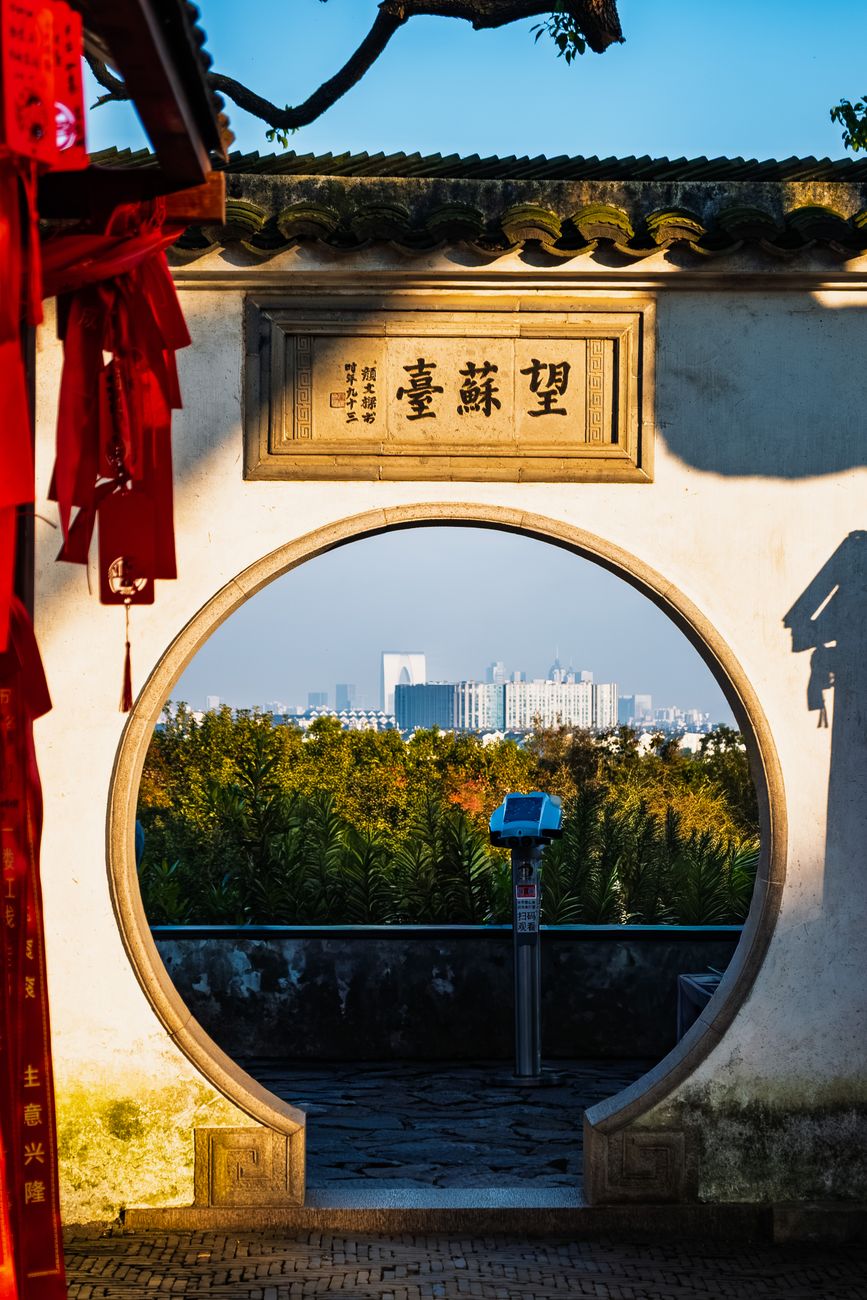
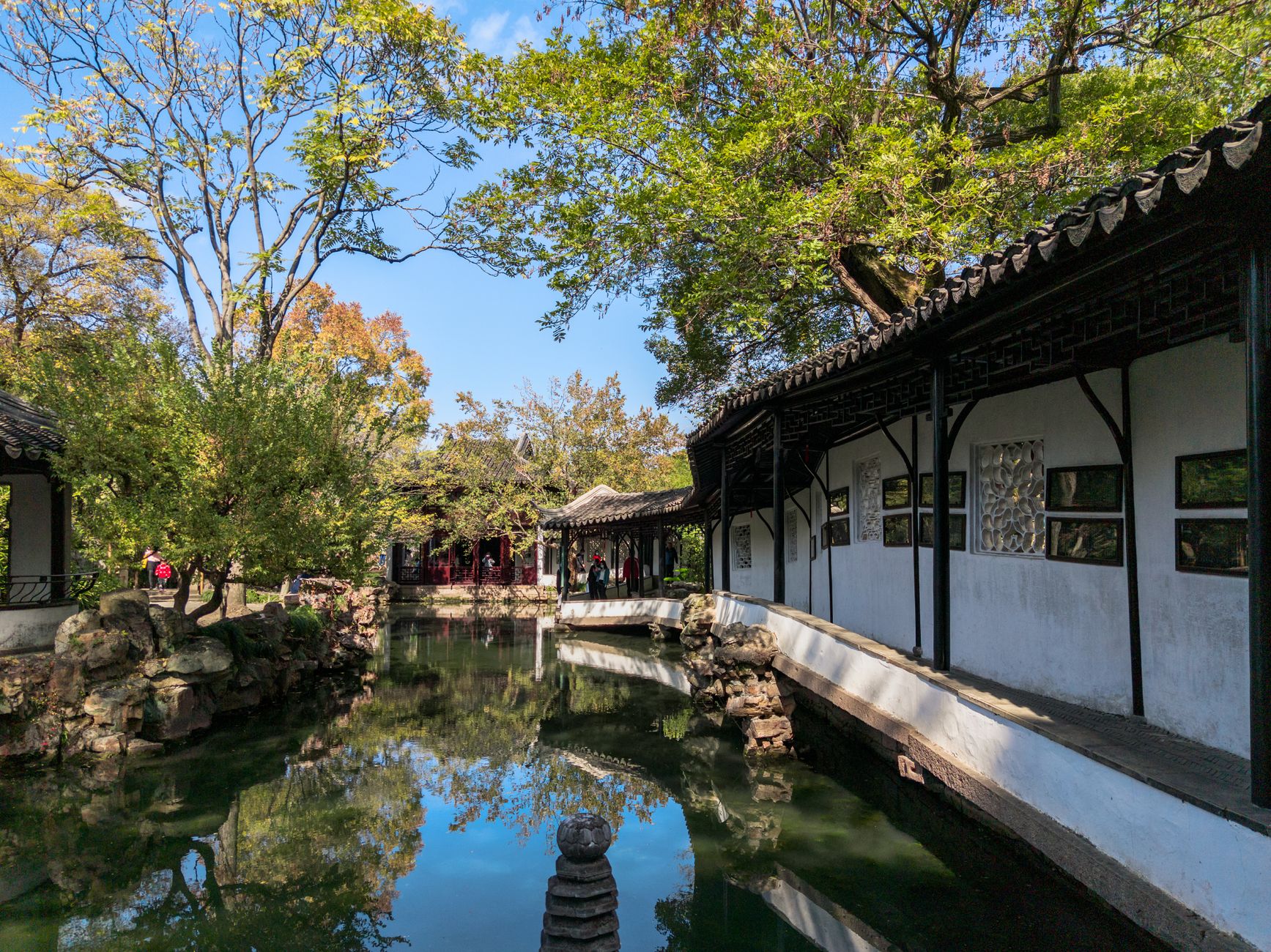
The classical gardens are the main draw: Humble Administrator's Garden and Lingering Garden show garden design linked to literati culture and are compact enough to see without a full-day marathon. The canal quarters—Pingjiang Road and Shantang Street—offer a canal-side pedestrian experience with small shops, teahouses and short boat rides that feel distinct from Shanghai's riverside promenades.
Musical design. Suzhou Museum combines I.M. Pei architecture with local collections and often has fewer crowds than big metropolitan museums, but requires booking. Jinji Lake offers modern skyline walking, contemporary dining and light shows, providing an obvious contrast that explains why some visitors extend a trip for nightlife and higher-end restaurants. Finally, local seasonal produce—Yangcheng Lake hairy crab in autumn—is a food-calendar reason to time a visit.
Quick Planning Tips
From Sunan Shuofang International Airport the fastest transfer to the urban area is the airport bus or a taxi; expect 30–50 minutes to downtown depending on traffic. High-speed trains arrive at Suzhou Railway Station and Suzhou North Railway Station; match the station to hotel location to avoid long metro trips.
Payment: major shops and taxis accept Alipay or WeChat Pay; international cards work at large hotels but smaller stalls take cash or mobile payment only. Avoid assuming Suzhou Museum or Humble Administrator's Garden admit walk-ins on busy days; book timed tickets online for mornings to avoid afternoon heat and queues.
Day 1
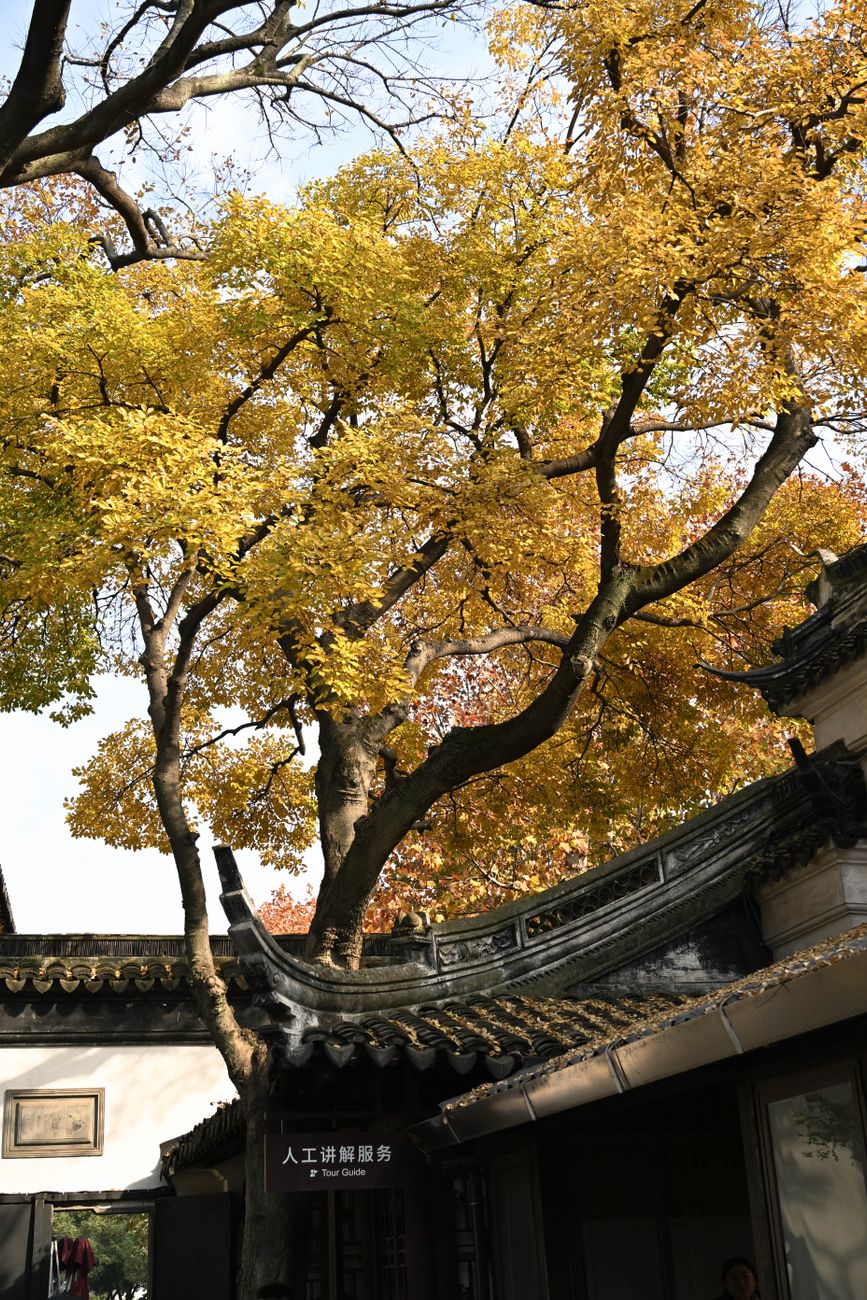
Start in Gusu District with the Humble Administrator's Garden (拙政园). Arrive at opening to avoid crowds; allow 90–120 minutes including the small exhibition rooms. Walk 8–12 minutes to Suzhou Museum (苏州博物馆); note the mandatory reservation and plan for 45–60 minutes if interested in architecture and local ceramics.
From the museum, walk about 10 minutes to Lion Grove Garden or head 15 minutes south on foot (or two metro stops) to Pingjiang Road. For lunch, pick a canal-side restaurant on Pingjiang Road—many serve noodles, soup dumplings and local cold dishes—expect CNY 30–80 per person. After lunch, take a short boat ride on Pingjiang Road (30–60 minutes including waiting) to see small bridges and merchant houses from the water.
Late afternoon, walk to Shantang Street (about 20 minutes or a short taxi) and visit Buddhist temples or small craft shops. Dinner: try a mid-range restaurant near Shantang Street for local freshwater fish dishes like songshu guiyu; budget CNY 80–200 for a two-person meal. Evening: return toward Guanqian Street for pedestrian shopping and the urban-lit canal sections; good for photography and short teahouse stops.
Day 2
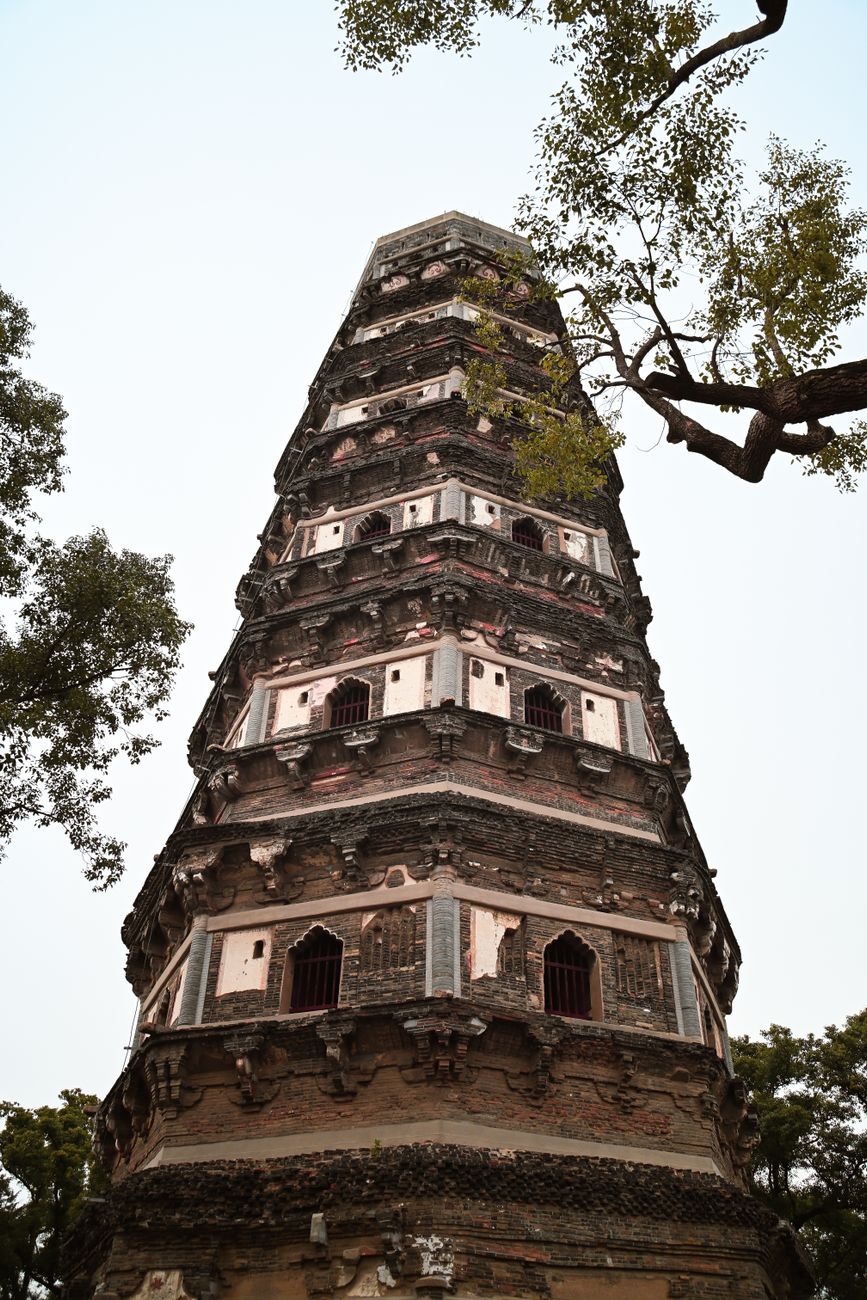
Dedicate this day to Tiger Hill (虎丘) and surrounding neighborhoods, which feel different from the compact garden circuit. Take Metro Line 1 or a taxi to the Tiger Hill stop and allow 2–3 hours on site for the pagoda, slope gardens, and the Sword Pond. Walking through the Tiger Hill area includes uneven paths and stone steps, so wear comfortable shoes.
After Tiger Hill, head to Pan Gate (盘门) scenic area by bus or a 15–20 minute taxi; Panmen includes a stretch of city wall, Moon Slope and canal-side ruins. Lunch near Pan Gate: sample local noodles or a set meal at a nearby hotel restaurant; expect CNY 40–100 per person. In the afternoon, move to the Master of the Nets Garden (网师园) in the old town; it is smaller but tightly designed and contrasts with Tiger Hill's open slopes.
Late afternoon, cross to the north bank or use a short metro ride toward the Silk Museum if interested in textile history; the Silk Museum has affordable entry and explains Suzhou's historical trade. Dinner: choose a Jiangsu cuisine restaurant near Guanqian or Shantang depending on energy levels. Evening recommendation: a canal-side bar or teahouse on Shantang for quieter late-evening people-watching.
Day 3
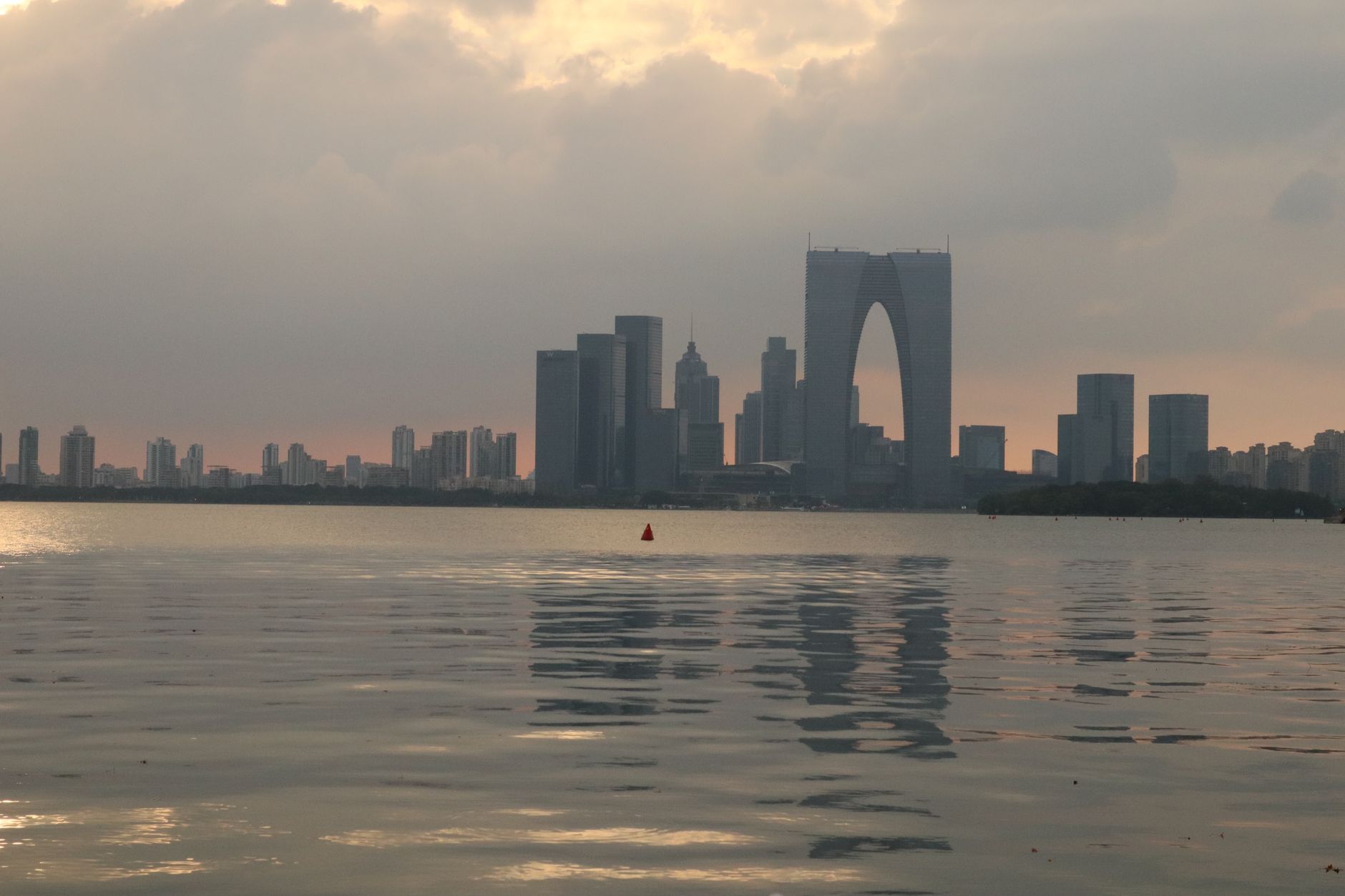
Spend the final day splitting time between modern Jinji Lake and any missed classic sites. Start near Jinji Lake (金鸡湖) in Suzhou Industrial Park; take Metro Line 1 or Line 2 depending on hotel. Walk along the lakefront promenade for 60–90 minutes, visit the Suzhou Culture and Arts Centre exterior and, if interested, buy a timed ticket for the contemporary shows or exhibitions.
For late morning visit, try the nearby Modern Art Museum or the shopping arcades for a quick café lunch; budget CNY 60–150. In the afternoon return to Gusu District to visit Lingering Garden (留园) if not seen—the contrast in garden layout and rockwork is striking and close to the old town. Allow 60–90 minutes for Lingering Garden and 30–45 minutes for nearby shopping on Guanqian Street.
Practical departure note: if catching an afternoon flight or high-speed train, consolidate morning attractions and head to the railway station or airport at least 90–120 minutes early for trains and 2.5 hours for flights. Evening recommendation if time permits: a Yangcheng Lake crab restaurant in autumn; otherwise a final walk along the canal and a tea room visit near Pingjiang Road.
Best Local Experiences
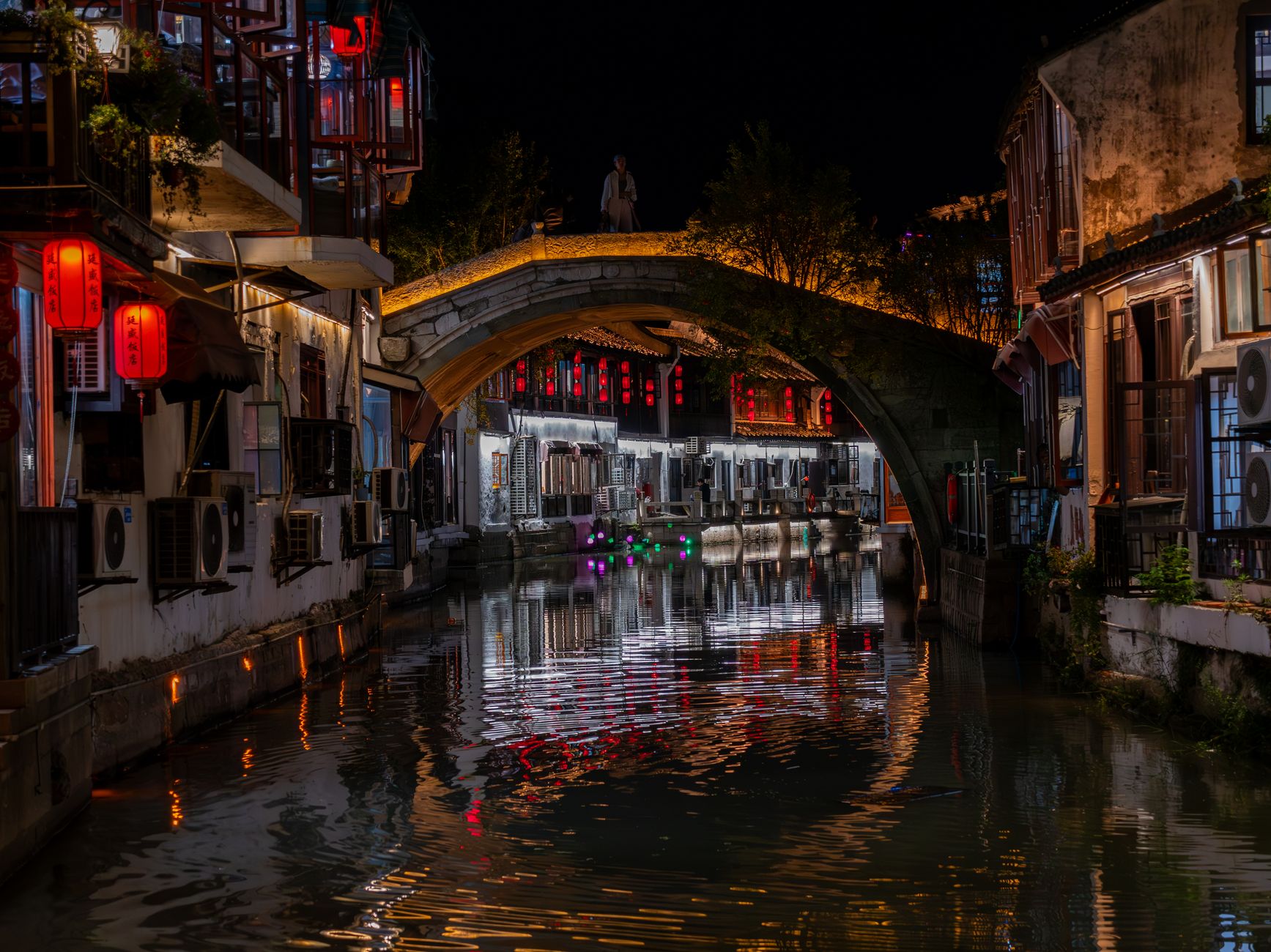
Pingjiang Road (平江路) mornings: small tea houses, old-style bakeries and a shorter canal boat trip focused on the human-scale streets. Shantang Street (山塘街) evening walk: night lights, snack stalls and short river taxis that operate before 18:00–19:00.
Yangcheng Lake (阳澄湖) dining in autumn: book a crab restaurant near the lake for the seasonal hairy crab feast. Humble Administrator's Garden evening closure ticket rhythm: go early morning to avoid tourist buses. Silk Museum tours: a focused introduction to local weaving techniques and a good place to buy quality silk products with clear labelling.
The Suzhou Pingjiang Historical Block sometimes runs small performances on plazas; check local listings. A short silk embroidery workshop in Pingjiang Road area gives a hands-on view of the craft rather than only shopping. Finally, a short bicycle ride along the Suzhou Creek in parts of the Industrial Park shows a different urban redevelopment angle than the old town.
Where to Stay
Gusu District (老城区): suits first-time visitors who want walking access to Humble Administrator's Garden, Pingjiang Road and Guanqian Street. Expect mid-range hotels from CNY 300–700 per night (≈ EUR 40–90 / USD 45–100). This area is convenient for morning garden visits and late-evening canal walking.
Jinji Lake / Suzhou Industrial Park (高新区): suits travellers who prefer modern hotels, lakeside dining, and evening skyline walking. Prices range from CNY 400–1,000 per night (≈ EUR 50–130 / USD 55–140), with more international-brand options and a livelier evening scene.
Near Suzhou Railway Station or Suzhou North Railway Station: suits those arriving by train who value quick transfers and lower costs. Expect budget and mid-range options from CNY 200–500 per night (≈ EUR 25–65 / USD 30–70). This choice trades a short metro ride for convenience when timing departures.
Food and Drink
Squirrel-shaped Mandarin Fish (松鼠桂鱼): a deep-fried whole freshwater fish scored into a fan and served with a sweet-sour sauce; good versions at established Jiangsu restaurants near Shantang Street; expect CNY 80–200 for a small share.
Yangcheng Lake hairy crab (阳澄湖大闸蟹): seasonal specialty (late September–November) served steamed with vinegar and ginger; book a specialty restaurant by the lake or a reputable downtown dealer; prices vary widely by size and origin, CNY 150–400 per crab during peak season.
Suzhou-style mooncake (苏式月饼): a flaky, layered pastry often with sweet or savory fillings; buy at bakeries such as local branches around Guanqian Street; single pastries cost CNY 8–25.
Miancha (面茶) and local breakfast stalls: a slightly thick, savory-sweet wheat porridge or flour tea sold at street stalls near Pan Gate and old-market areas; expect CNY 5–15 for a bowl. Street skewers and small fried snacks on Shantang Street cost CNY 5–30 each.
Dinner recommendation: choose a mid-range Jiangsu restaurant that lists freshwater fish, seasonal vegetables and local tofu preparations; a two-person meal with a few dishes and tea typically runs CNY 120–300 depending on place and wine.
Getting Around
Metro: Suzhou Rail Transit includes Line 1, Line 2, Line 4, Line 5 and newer lines covering much of the city; Line 1 and Line 2 hit major tourist nodes and the railway station. Buy single tickets at station machines or use a Suzhou Tong card (苏州通) to tap in/out.
Single-ride fares start at about CNY 2 and increase with distance; a short city taxi fare starts around CNY 10–15 plus CNY 2–3 per kilometre. An airport taxi from Sunan Shuofang International Airport to central Gusu District costs roughly CNY 70–120 (≈ USD 10–18), depending on traffic. No universal day metro pass is widely recommended for most three-day trips; multiple top-ups on Suzhou Tong are efficient.
Useful apps: Metro official app and Amap (高德地图) for transit routes, Didi for taxis. Bicycle-sharing and e-scooter apps operate in parts of the park district and old town but check local parking rules.
Best Time to Visit
Spring (March–May): temperatures range roughly 8–22°C, with flowering season and lower hotel rates than summer; late April and early May are pleasant but see Golden Week spikes. Summer (June–August): hot and humid, 25–35°C, frequent rain and higher humidity; gardens look lush but expect afternoon storms and school holiday crowds.
Autumn (September–November): 12–24°C, the most comfortable stretch for walking and dining outdoors; late autumn is also hairy crab season, which draws domestic tourists. Winter (December–February): cold, damp and grey, 0–8°C; fewer tourists and lower prices but more overcast days. Best value months: March–April and October for reasonable weather and manageable crowds.
Budget and Practical Tips
Typical daily budget (per person, mid-range): Accommodation CNY 300–700 (≈ EUR 40–90 / USD 45–100), Food CNY 100–200 (≈ EUR 13–26 / USD 15–30), Transport CNY 20–60 (≈ EUR 3–8 / USD 3–9), Entry fees CNY 50–150 depending on gardens and museums. Total mid-range daily around CNY 470–1,110 (≈ EUR 60–145 / USD 70–155).
Lower-budget travellers can aim for CNY 200–400 per day by staying in hostels or budget hotels and eating street food. Exchange and cards: large hotels and shopping centres accept international cards; smaller vendors typically use WeChat Pay or cash. Tipping: not customary in most restaurants in China; taxis and small cafés do not expect tips. Practical tip: carry passport for hotel check-ins and for some museum reservations.
FAQ
How safe is Suzhou for solo travellers?
Suzhou is generally safe with low violent crime; standard urban precautions apply—watch bags in crowded markets and on busy pedestrian streets.
Is three days enough to see the major sites?
Yes—three days covers the main gardens, Pingjiang/Shantang canal areas, Tiger Hill and a Jinji Lake visit if planned tightly.
Do I need to book garden or museum tickets in advance?
Book Humble Administrator's Garden for peak season mornings and Suzhou Museum requires free online reservation with passport details.
Are English signs common on transit and at attractions?
Major metro stations and tourist attractions have English signage, but smaller bus stops and local eateries may not.
Is a city pass worth buying?
There is no single pass that covers all gardens and transport cheaply; buying timed garden tickets and using Suzhou Tong for transit is more practical for three days.
How do I travel from Shanghai for a day trip?
High-speed trains run from Shanghai Hongqiao to Suzhou Railway Station with journey times around 25–35 minutes; buy tickets in advance for peak weekends.
Are taxi apps reliable here?
Didi works well in urban areas; during peak festival times wait times can increase.
Can I use Alipay or WeChat Pay as a tourist?
Alipay and WeChat Pay are widely used; set up can require linking a bank card—cash remains necessary at small stalls if mobile payment is not available.
Conclusion
Three days here deliver a clear contrast between the compact classical gardens and canal lanes and the modern lakeside district. The most memorable item for many travellers is the canal quarter experience—morning teahouses, short boat rides, and close-up street architecture—combined with one garden visit done at a calm pace. If time runs short, prioritise an early-morning Humble Administrator's Garden visit and a canal walk on Pingjiang Road; these two elements capture the city's defining spatial and culinary rhythms.
How this guide was prepared
This guide was prepared through a structured research that combines destination research, geographic context, itinerary planning logic, and content review.