
3 Days in Napa: A Practical Weekend Itinerary and Planning Guide
A practical 3-day Napa itinerary with transit tips, tasting reservations, realistic budgets, and where to spend evenings without wasting time.
A clear, no-fluff plan for three days in Napa: how to organize tastings, use local transit, where to eat, and what to skip when time is tight.
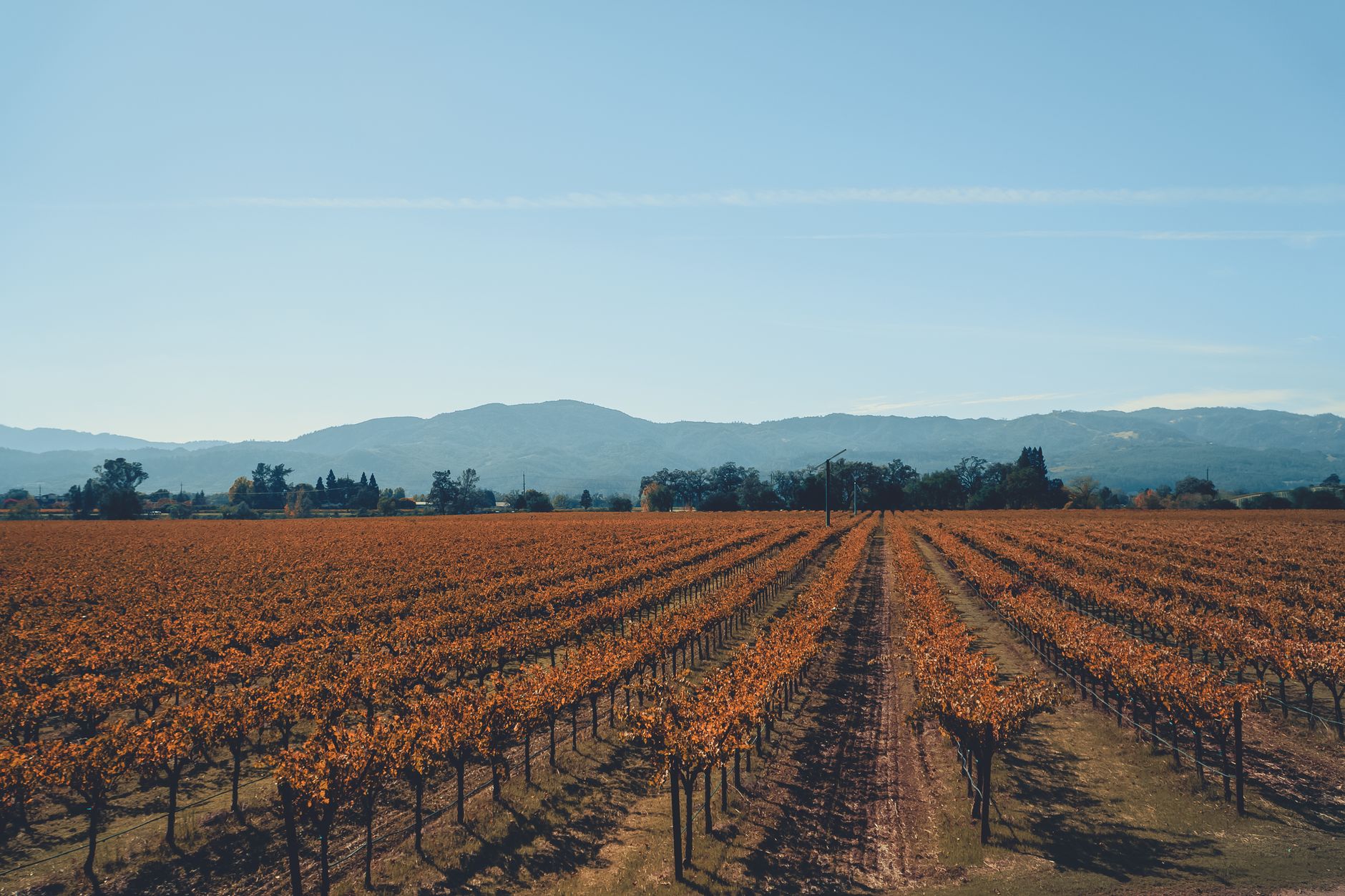
A weekend here feels more like a short rural small-city trip than a dense urban break. Streets in downtown are compact, the riverfront gives a clear orientation, and wineries spread out along Highway 29 and the Silverado Trail create a ribbon of destinations where driving time—not walking time—sets the pace.
Expect sensible service at tasting rooms but also reservation requirements during weekends and harvest season. Crowds cluster at a few famous stops; quieter, lower-key wineries are often 10–20 minutes' drive away. This place suits visitors who accept scheduled tastings, are comfortable with short drives between stops, and value food paired with wine as much as cellar tours.
Is 3 days in Napa enough?
Yes—three days lets a traveler see downtown, the Oxbow area, one full winery route (Highway 29 or Silverado Trail), and a day in the northern valley (Yountville/St. Helena/Calistoga). The honest caveat: skip trying to visit more than 3–4 formal tastings per day and accept that seeing every famous estate is impossible in one weekend.
Who This Guide Is For
Best for travelers focused on wine tasting, short drives, and food-driven itineraries who don't mind modest crowds and paying reservation fees. Poor fit for people expecting a purely pedestrian, public-transit-based trip or nightlife-focused travelers.
Local Tips for Napa
Practical details that most travel sites skip — specific to Napa.
- Model Bakery on First Street is known for its English muffins — single muffins cost about $2.75–3.50 and sell out on weekend mornings.
- Oxbow Public Market stalls often close by 7–8pm on weekdays (later weekends); plan dinner earlier or reserve a table at nearby restaurants.
- Many mid- to high-tier tasting rooms (Domaine Carneros, Artesa, Trefethen) require reservations and charge $25–60 for seated tastings that may be credited with bottle purchases.
- Napa VINE buses operate across the valley; single rides are roughly $1.75–2.00 and a day pass costs about $5–6—buy fares with the VINE Transit app or exact cash on board.
- Castello di Amorosa in Calistoga charges a guided-tour tasting fee (roughly $30–50 depending on tour) and blocks many weekend slots; book a time or arrive early morning for shorter waits.
How This Guide Was Prepared
This guide treats Napa as a small, busy wine region with a working downtown rather than a theme-park version of winery visits. Many guides over-sell the idea of casually dropping into any tasting room; the reality is reservation-driven, with three tiers of experiences—downtown casual, reserve-only wineries, and tourist-heavy attractions in Calistoga. Practical sequencing and honest time estimates are the crucial differences here. This guide was prepared through a structured research that combines destination research, geographic context, itinerary planning logic, and content review.
Plan Your Stay in Napa
Use this itinerary as your starting point, then compare areas to stay, transport options, seasonal timing, and realistic daily costs before booking.
Why Visit
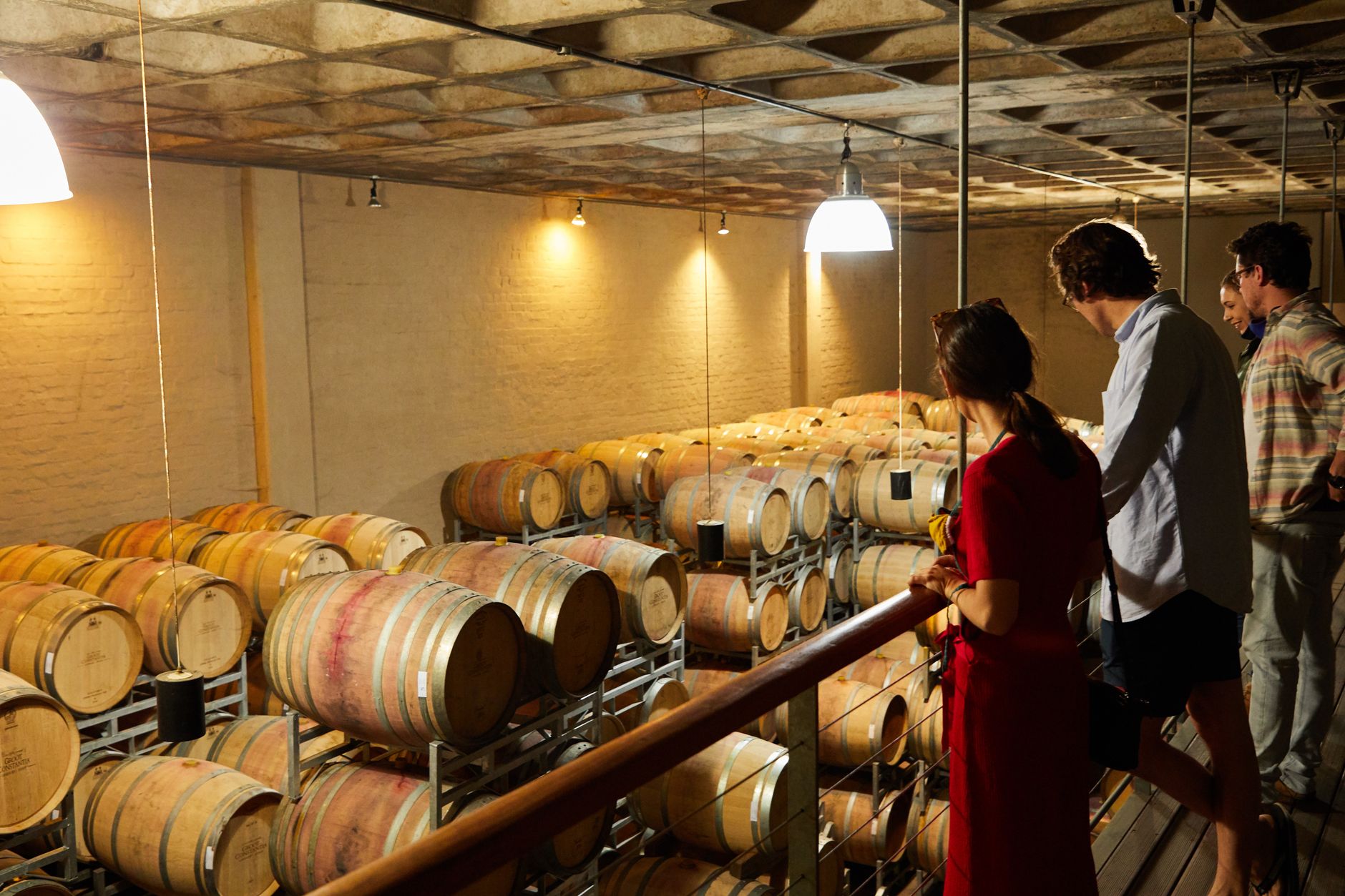
Clear terroirs and small, private wineries create tasting experiences that differ from big-city wine bars. Estates like Robert Mondavi and Domaine Carneros offer structured tours and cellars with documented winemaking practices, while smaller producers on Silverado Trail provide focused varietal tastings.
Food is a central draw: Oxbow Public Market, single-vineyard pairing dinners in Yountville, and the legacy bakeries on First Street make meals as important as tastings. Outdoor activities—biking the Napa Valley Vine Trail or soaking in Calistoga hot springs—add active options to tasting days.
The compact downtown and short distances between major towns mean better time use compared with longer coastal drives, so a three-day stay delivers a good balance of winery visits, meals, and a bit of walking without constant transit planning.
Quick Planning Tips
Most visitors arrive through San Francisco (SFO), Oakland (OAK), or Charles M. Schulz–Sonoma County Airport (STS); driving or a pre-booked shuttle (Napa Airporter or private shuttle services) is the simplest way to reach town. Rent a car for flexibility—rideshare is available but fares and wait times increase when leaving the core downtown area.
Carry a credit card that has chip-and-signature compatibility; many tasting rooms take cards but smaller vendors and some market stalls prefer contactless or card over cash. Book tasting reservations at least 3–7 days ahead for weekends, and reserve any special winery tours or dinner tables earlier for peak season.
One planning mistake to avoid: lining up multiple reserve-only tastings on the same afternoon. Schedule one reserve tasting per day plus one or two walk-in or casual stops to save time and reduce stress.

Day 1
Morning: Start in Historic Downtown on First Street. Walk the riverfront promenade and stop at Model Bakery for an English muffin (expect a short line on weekend mornings). Allow 1–1.5 hours for coffee, pastries, and a quick look at local shops and the Napa Valley Welcome Center.
Late morning: Walk two blocks to Oxbow Public Market for small-plate tasting from Hog Island Oyster Co. or C Casa. Plan 1–1.5 hours here; stalls often close earlier in the evening so midday is best.
Afternoon: Drive 10–15 minutes to a nearby tasting room such as Robert Mondavi Winery on Highway 29 or a smaller urban tasting room in the Oxbow/Arch area. Expect parking and tasting fees; a seated tasting is typically 45–60 minutes. Leave time for a short stop at the Bale Grist Mill on the way out if interest in local history exists (10–15 minutes).
Dinner and evening: Head to downtown for a sit-down dinner—La Toque in nearby Yountville requires reservations and offers a prix-fixe experience, while downtown options like Angele or Torc make for solid evening choices. End the night with a stroll along the riverfront; downtown streets quiet down after 9pm on weekdays but stay livelier on weekends.
Day 2
Morning: Drive south to Carneros for sculptural tasting rooms and vineyards—Domaine Carneros and Artesa are clustered near Highway 121; both require reservations for seated tastings and offer views over vineyard slopes. Allow 2–3 hours if combining a tasting and a short vineyard walk.
Midday: Continue on to Yountville for lunch. Bouchon Bakery or a table at Bouchon Bistro provide a focused, food-driven stop. Parking in Yountville is limited; aim to arrive early to avoid circulating for spots.
Afternoon: Move north along Silverado Trail toward St. Helena. Stop at Trefethen or other family-run estates for a late-afternoon tasting (many have 45–60 minute seated tastings). Travel time from Yountville to St. Helena is roughly 20–30 minutes without heavy traffic.
Evening: Dine in St. Helena—go for a relaxed meal at Farmstead at Long Meadow Ranch or a more casual option on Main Street. If energy remains, check event listings at the Napa Valley Opera House for an evening show, but expect limited late-night activity beyond downtown eateries.
Day 3
Morning: Drive north to Calistoga for a different character—mud baths and the Castello di Amorosa castle make the town feel more tourist-oriented and relaxed. Castello appointments run early; a guided tour-plus-tasting takes about 90 minutes. From St. Helena, plan 20–30 minutes to Calistoga.
Late morning: After the castle, visit a local hot-springs soak facility or take a short hike on the Petrified Forest trailhead for a 30–60 minute walk. These activities are good picks before checkout times.
Afternoon (departure options): If checking out midday and catching an afternoon flight, allow at least 90–120 minutes to drive to SFO or OAK plus traffic; from Santa Rosa (STS) expect 40–60 minutes. For those with a later flight, stop at a final tasting room closer to downtown to avoid long drives.
Evening: If time allows on departure day, pick a single, well-reviewed winery near the exit route rather than trying to squeeze in multiple tastings. This reduces the risk of missing shuttles or flights and keeps travel times predictable.

Best Local Experiences
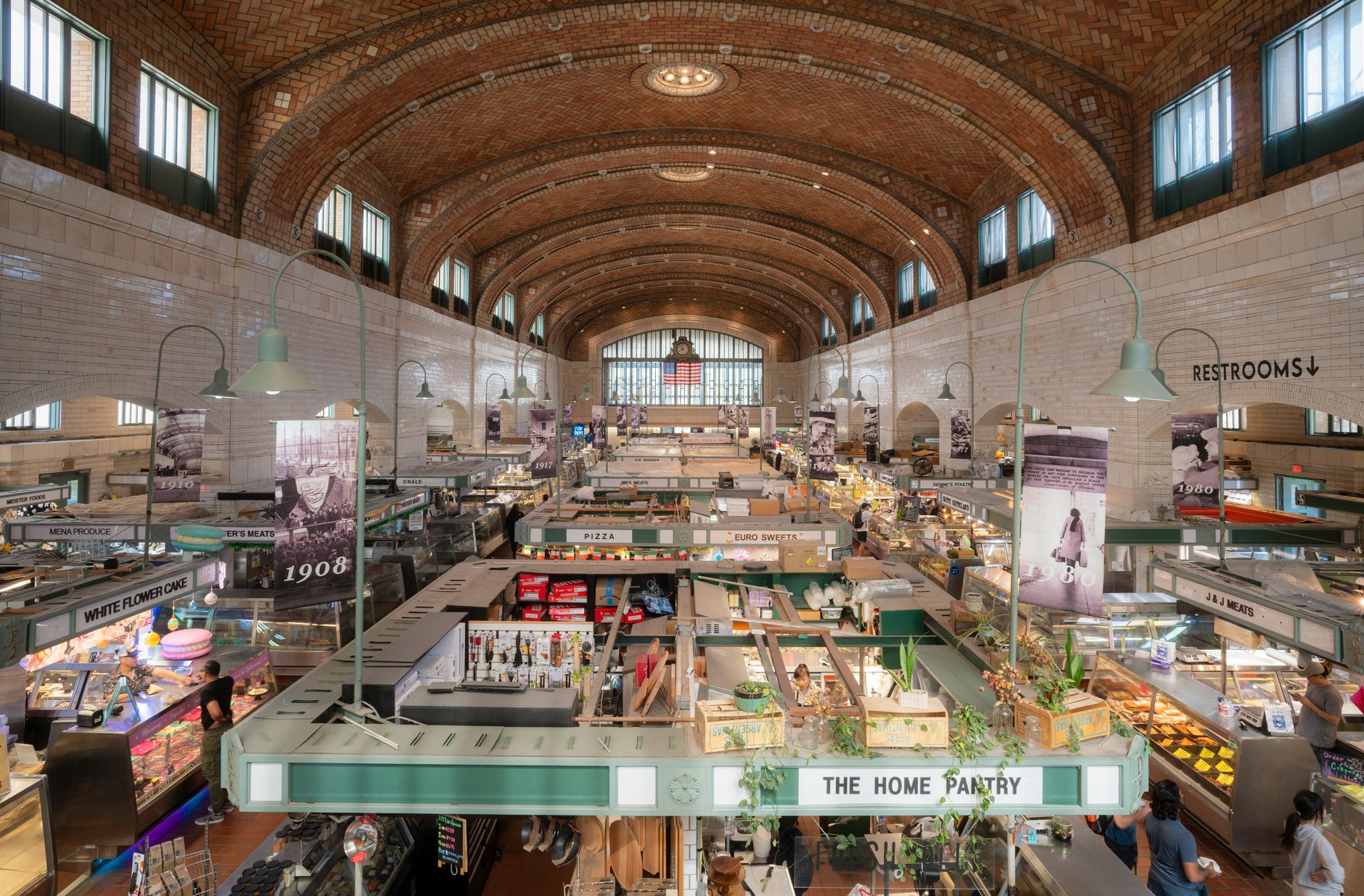
Oxbow Public Market — a central food hall with local vendors and seasonal produce stalls; ideal for assembling picnic supplies. Model Bakery morning lineup — try the English muffin. Napa Valley Vine Trail — a developing bike route with long segments suitable for a half-day ride between downtown and Yountville.
Castello di Amorosa castle tour — theatrical but popular; book the guided tour-plus-tasting early. Hot-spring soak in Calistoga — a post-tasting recovery option available at several soaking spas with 1–2 hour sessions. Hess Collection — combines contemporary art with winery tours and has a standard entry fee (roughly $25–40).
Where to Stay
Downtown/First Street: Suits travelers who want walking access to restaurants, Oxbow Public Market, and riverfront. Expect boutique hotels and converted inns; nightly rates generally run $220–400 (USD) midweek and $300–550 on peak weekends (roughly €200–500 depending on season).
Yountville: Good for food-focused visitors who want close access to Michelin restaurants and short drives to central wineries. Small luxury inns and higher-end hotels are common; expect $350–700/night depending on room type and season (€320–650).
Calistoga: Best for those seeking hot springs and a quieter, small-town feel with easier access to northern valley wineries. Options range from modest motels to resort spas; rates typically fall between $180–450/night (€165–415), with spa packages pushing higher.
Choose lodging that balances driving distances to planned tastings. Parking is usually free at hotels but can be tight in downtown street-side locations.
Food and Drink
English muffin at Model Bakery — a dense, buttery muffin served warm; expect $2.75–3.50. Oysters at Hog Island Oyster Co. (Oxbow) — fresh raw oysters and small plates, $3–5 per oyster depending on variety.
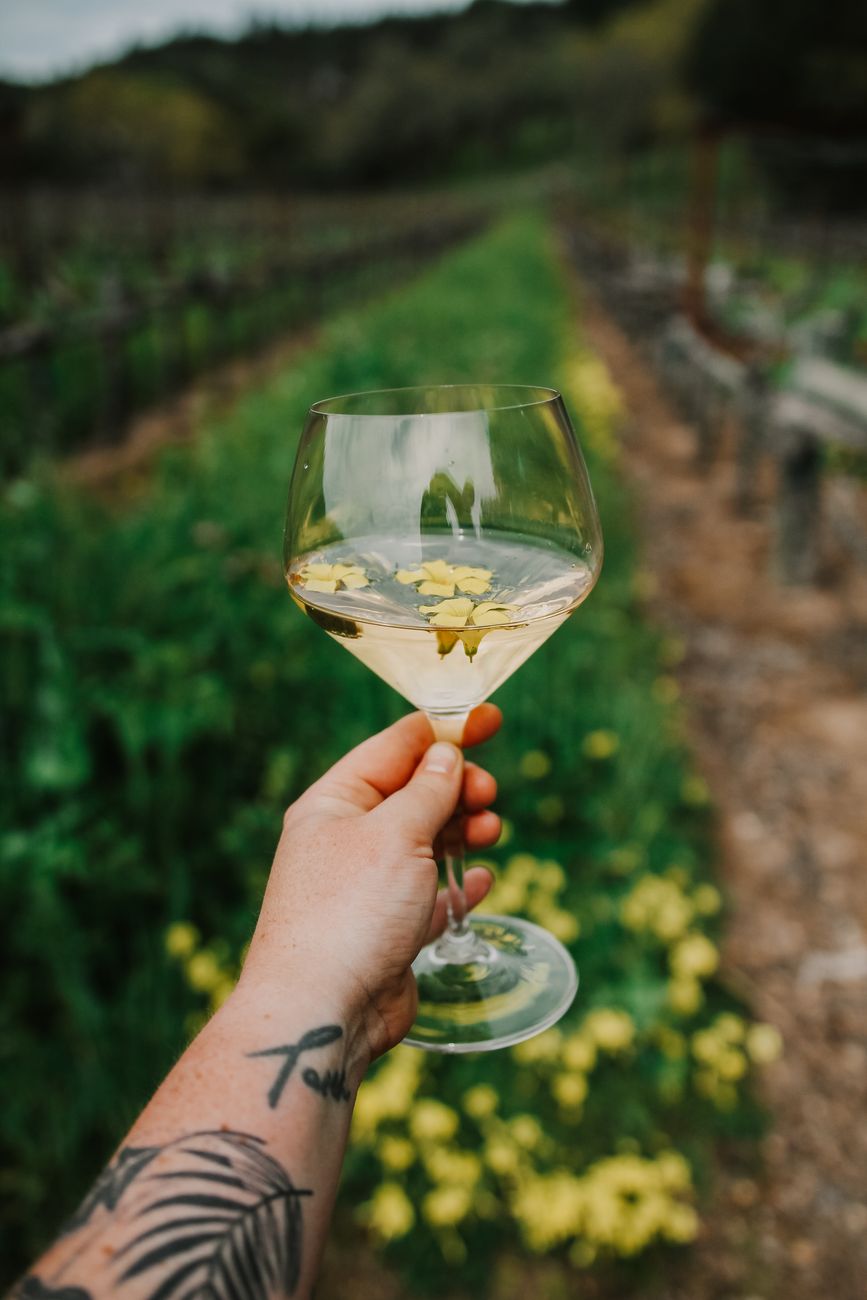
Cioppino or local seafood at downtown restaurants — a tomato-based seafood stew often priced $28–45. Napa Valley wines by variety: try a regional Cabernet Sauvignon (full-bodied; reserve tastings $35–60) and a Carneros Chardonnay (cool-climate; $20–40). Many tasting rooms offer flights of 3–5 wines priced $20–60; fee sometimes credited with bottle purchase.
Street-food snack: a roasted nut or local jam purchase at Oxbow market makes for an easy on-the-go item, roughly $6–12. Dinner recommendation: Bouchon Bistro (Yountville) or a tasting-menu restaurant in downtown for a more formal multi-course experience; tasting menus usually start around $75–150 per person.
Getting Around
Local buses operate under the VINE Transit brand; they connect downtown with St. Helena, Calistoga, and parts of the valley. Napa Valley Wine Train runs a scenic rail route for a premium experience but is not a point-to-point transit option. Rideshare services (Uber, Lyft) operate but can be expensive between towns—expect surge pricing on weekends.
Typical single-ride VINE fares are around $1.75–2.00; a day pass costs about $5–6—buyable via the VINE Transit app or with cash on board. Taxi from SFO to downtown ranges widely; budget $120–180 one-way, while shared shuttles like Napa Airporter run $30–50 per person and take about 90–120 minutes depending on traffic.
Bike rentals and guided cycling tours are popular on the Napa Valley Vine Trail; many companies provide e-bikes and route support for half-day or full-day trips. Use Google Maps or the VINE Transit app to plan bus connections and check winery distances before committing to a stop.
Best Time to Visit
Spring (March–May): Temperatures 50s–70s°F (10–25°C) with fewer crowds than summer; many wineries reopen events after winter. Late spring offers good value and comfortable outdoor tasting weather.
Summer (June–August): Warm to hot days, 60s–90s°F (16–32°C), busiest period with higher rates and fuller tasting rooms; book early and expect higher accommodation prices. Harvest/early fall (September–October): Cooler mornings but busy weekends and elevated tasting-room demand; weather is often ideal for vineyard views but prices rise.
Winter (November–February): Cooler, wetter weather with lower rates and more relaxed tasting schedules; some smaller tasting rooms reduce hours or close for the season. For best combination of weather and value, late spring and early fall balance lower crowds with pleasant conditions.
Budget and Practical Tips
Sample daily budget (USD, approximate) for a mid-range traveler: Accommodation $220–400/night; food $60–120/day (mix of market lunches and one sit-down dinner); transport $20–80/day (rental car split or rideshare); tastings and entry fees $40–120/day depending on choices. In EUR/USD conversions, expect roughly €0.90–1.10 per USD depending on rates; use the exact exchange at booking.
Tasting fees vary: casual bar tastings can be $15–25, seated reserve tastings $35–60, and guided tours $30–80. Napa Valley Wine Train or specialized experiences often cost $150–300 per person. Tipping: standard U.S. norms apply—15–20% at restaurants, $2–5 for bar service, and discretionary tips for tasting-room staff of $5–10 if service is personal and helpful.
Practical tip: combine one high-end reserve tasting with a couple of lower-fee stops to manage costs. Carry cash for small market purchases but rely on cards for most expenses.
FAQ
Is Napa safe for solo travelers?
Yes; downtown and major winery areas are generally safe during daytime hours. Standard precautions apply—avoid walking alone late at night in poorly lit areas and keep valuables secure.
Are wine tastings free?
Most are not. Casual bar tastings may run $10–25; seated and reserve tastings commonly cost $25–60 and are often credited with bottle purchases.
Is a car necessary?
A car or private shuttle is the most practical option for winery-hopping. Public buses exist but have limited schedules and do not serve every tasting room.
Is a Napa Valley pass or city card worth buying?
There is no single all-in-one city pass that covers everything; individual winery membership benefits or specific attraction tickets (Hess Collection, Wine Train) are better buys than a general pass.
How many wineries can be visited in a day?
Realistically 2–4 formal tastings a day, allowing for 45–60 minutes per tasting and drive time. Add casual pour stops for variety.
What is the best way to get from SFO to downtown?
Options include rental car (90–120 minutes), private shuttle services like Napa Airporter (about 90–120 minutes), or rideshare/taxi (variable cost and time depending on traffic).
Conclusion
A three-day trip delivers a useful cross-section: downtown food and market culture, a day on Carneros and Yountville for food-focused tasting, and a northern loop to Calistoga for different scenery. The memory that tends to stick is the contrast between intimate, appointment-only cellar rooms and busy, market-driven downtown meals.
If time runs short, prioritize one reserved tasting at a notable estate and a good sit-down lunch at a market or Yountville restaurant—those paired experiences capture the region better than trying to hit many tourist sites in one day.
How this guide was prepared
This guide was prepared through a structured research that combines destination research, geographic context, itinerary planning logic, and content review.