
3-Day Sapporo Itinerary and Practical Weekend Guide
A practical three-day Sapporo guide covering transport, neighbourhoods, seasonal tips, food, and day-trip options, with realistic times and budgets.
Clear, usable plan for 72 hours in Sapporo: what to see each day, how to move around, where to eat, and which seasonal traps to avoid.
A northern island capital with grid streets and wide avenues, Sapporo feels less frenetic than Tokyo and more practical than a resort town. First impressions often highlight wide public parks, low-rise blocks and clear seasonal swings: heavy snow in winter, humid summers with fewer tourists, and vivid autumn leaves in late October.
Expect practical services geared to domestic visitors: train and tram timetables are reliable but many small vendors still prefer cash. The urban layout makes walking between main sites straightforward, but distances can add up if hopping between neighbourhoods — trust the subway lines when time is limited.
Sapporo suits travellers who want a compact mix of markets, museums and strong local food scenes without the long commuting distances found in larger metropolises. This guide emphasizes workable day plans, realistic transit choices and seasonal cautions that many short itineraries skip.
Is 3 days in Sapporo enough?
Three days are enough to cover central highlights—Odori Park, Hokkaido Museum, Susukino nightlife, and a day in Maruyama or Otaru—if transit time and one day-trip are acceptable. The honest caveat: exploring deeper Hokkaido attractions like Noboribetsu or Furano requires additional travel time and should be saved for a longer trip.
Who This Guide Is For
Best for travellers who like walkable city grids, food markets, and compact museums; not ideal for those wanting extensive rural hikes or multiple long day trips. Works for mid-budget travellers; budget backpackers and luxury travellers should adjust lodging expectations.
Local Tips for Sapporo
Practical details that most travel sites skip — specific to Sapporo.
- Buy a SAPICA (city subway) or Kitaca (JR) IC card at New Chitose or any major station; single rides on Sapporo Municipal Subway start around ¥210 depending on distance.
- The JR Rapid Airport train from New Chitose to Sapporo Station takes about 37 minutes and costs roughly ¥1,150 one-way — faster and cheaper than a taxi.
- Odori Park's Snow Festival site runs across 11 blocks during February and causes regular road closures; book hotels at least three months ahead for travel in January–February.
- Nijo Market sellers often close mid-afternoon (around 15:00); go early for sashimi breakfast and note several popular stalls accept only cash.
- Use the Sapporo Subway lines Namboku (green), Tozai (orange) and Toho (blue) plus the Sapporo Streetcar app or NAVITIME for Japan Travel to plan transfers and check first/last train times.
How This Guide Was Prepared
This guide treats Sapporo as a northern Japanese regional capital with its own rhythms rather than a smaller Tokyo. Most guides over-focus on the Snow Festival and ramen; this one balances transit realities, market schedules, neighbourhood characters and winter logistics so a short stay feels efficient and honest. This guide was prepared through a structured research that combines destination research, geographic context, itinerary planning logic, and content review.
Plan Your Stay in Sapporo
Use this itinerary as your starting point, then compare areas to stay, transport options, seasonal timing, and realistic daily costs before booking.
Why Visit
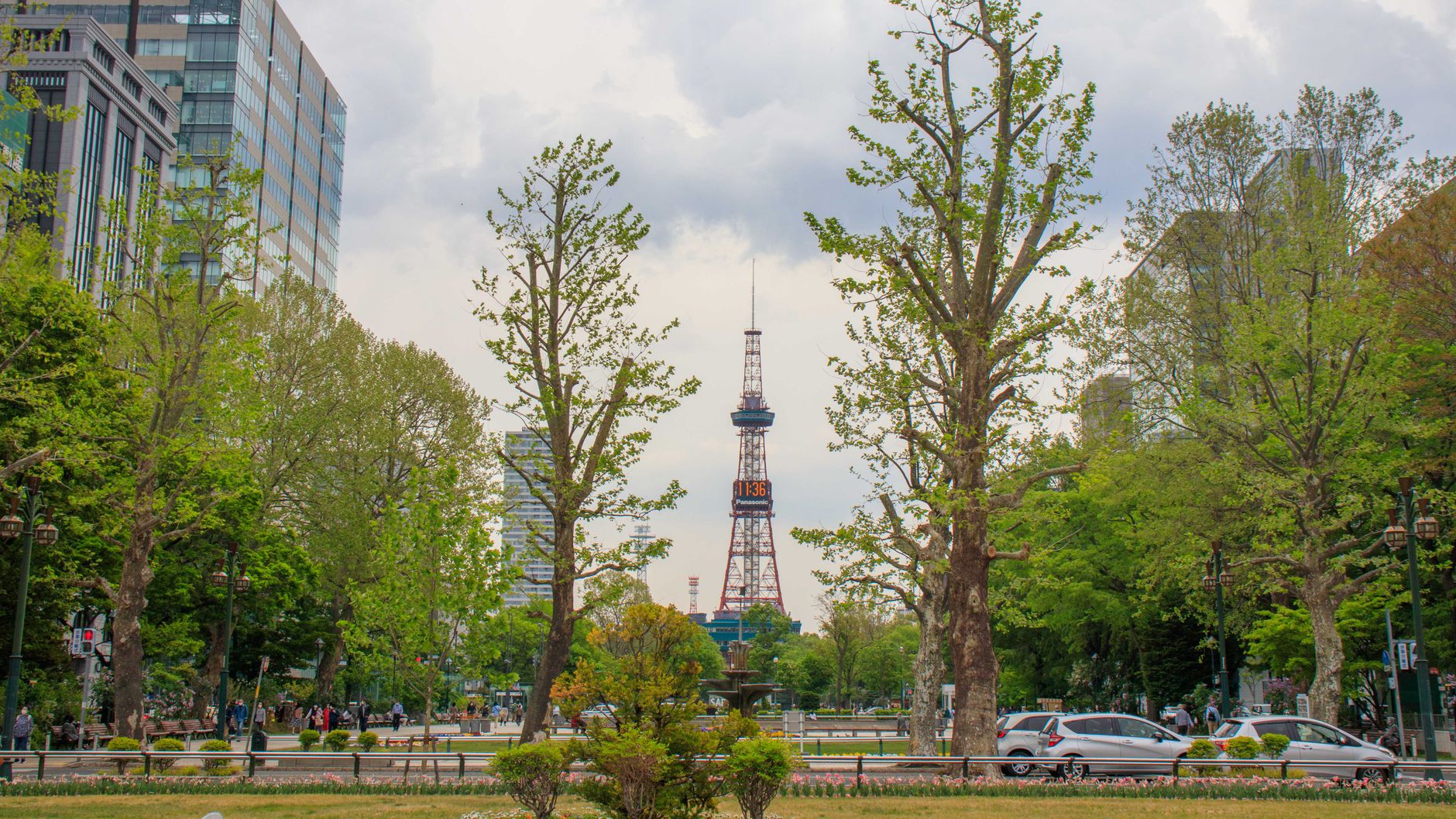
Clear civic spaces and a grid layout make sightseeing efficient; Odori Park and the TV Tower anchor an easy walking loop through central sights. Markets such as Nijo Market put Hokkaido seafood on display; a morning visit delivers sashimi breakfasts and ready-to-eat crab without the long queues of coastal towns.
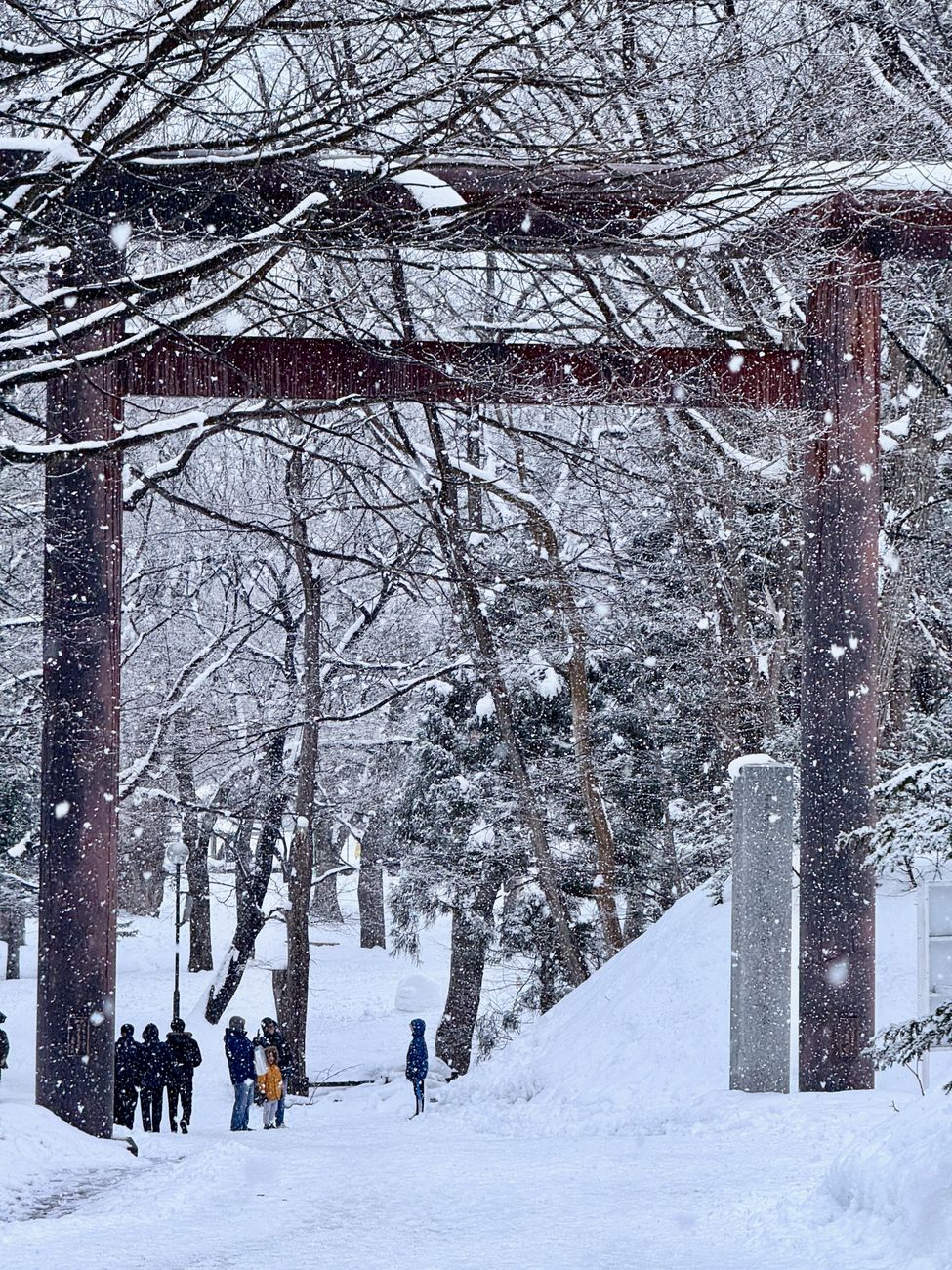
Seasonal events define visits: the Snow Festival in February uses the same central park blocks visitors can walk in a day, while autumn colours in Maruyama Park and Hokkaido Shrine feel accessible from the city core. Local food scenes are another draw: Sapporo ramen, soup curry and fresh dairy produce are available at neighbourhood vendors rather than only tourist restaurants.
Practical advantages include a compact transit network — three subway lines plus the streetcar — plus a short airport rail link. Museums and brewery tours are concentrated near central districts, so museums, beer sampling and evening izakaya can fit into the same day without long transfers.
Quick Planning Tips
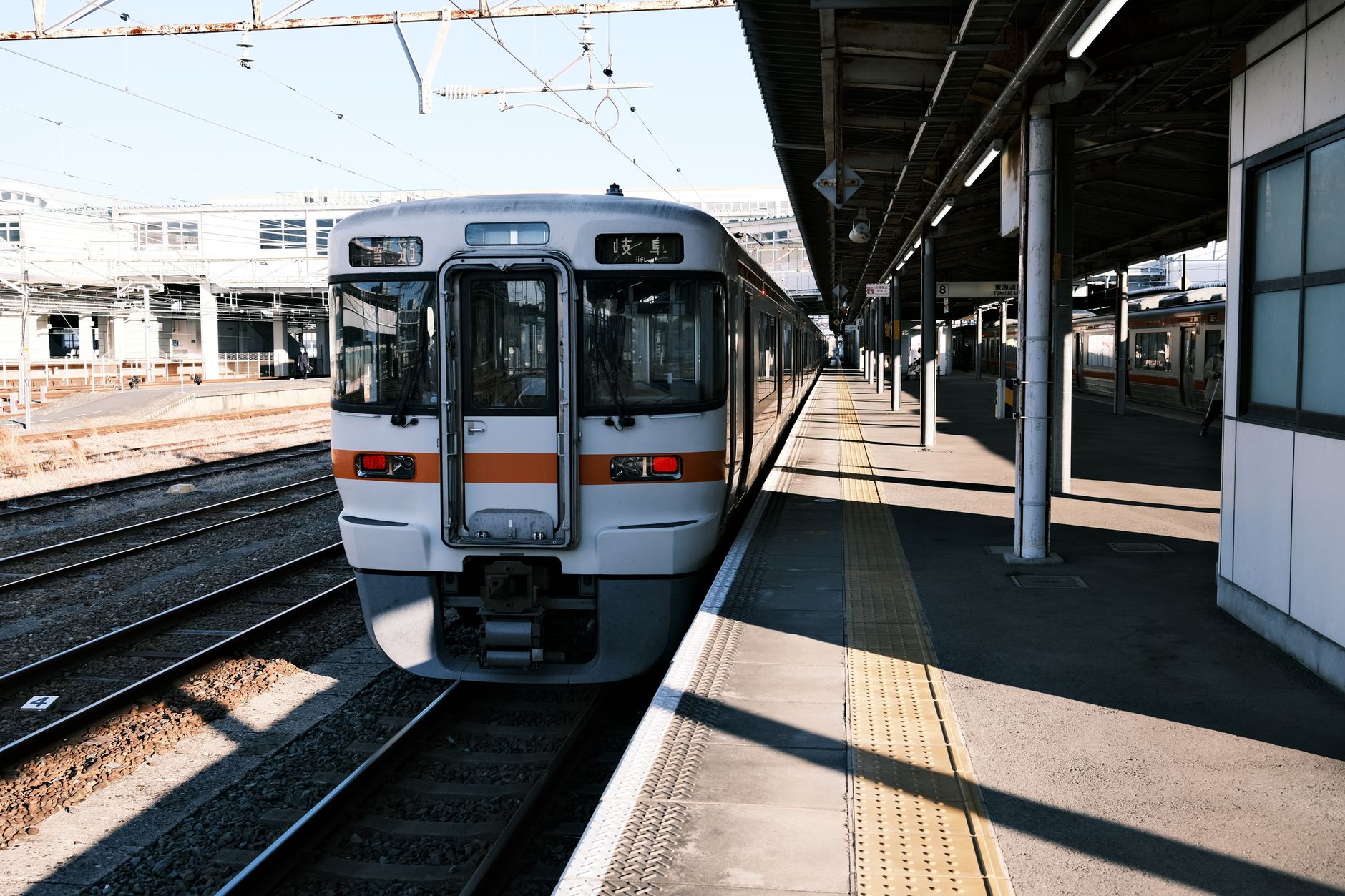
Fly into New Chitose Airport and take the JR Rapid Airport train to Sapporo Station (around 37 minutes, ~¥1,150). For tight schedules, time the last train back to the airport and avoid relying on taxis for airport transfers — fares can exceed ¥15,000 one-way.
Top up a Kitaca or SAPICA IC card at ticket machines for seamless transfers across JR lines, metro and some buses; the Sapporo Subway's minimum fare is about ¥210. Many market stalls and small eateries are cash-only, so carry at least ¥5,000–10,000 in small bills and coins.
Avoid the planning mistake of scheduling an Otaru and Jozankei day in one 24-hour window; both merit half days because public transport connections and winter road conditions lengthen travel times. Book accommodations early for January–February if Snow Festival dates overlap with planned travel.
Day 1
Morning: Start at Odori Park and stroll the linear park from Odori Station towards Sapporo TV Tower. The TV Tower observation deck offers a quick city view (observation fee around ¥800); plan 45–60 minutes including photos. From there walk 10 minutes to the Former Hokkaido Government Office (Akarenga) to see the red-brick building and small exhibits — allocate 30–45 minutes.
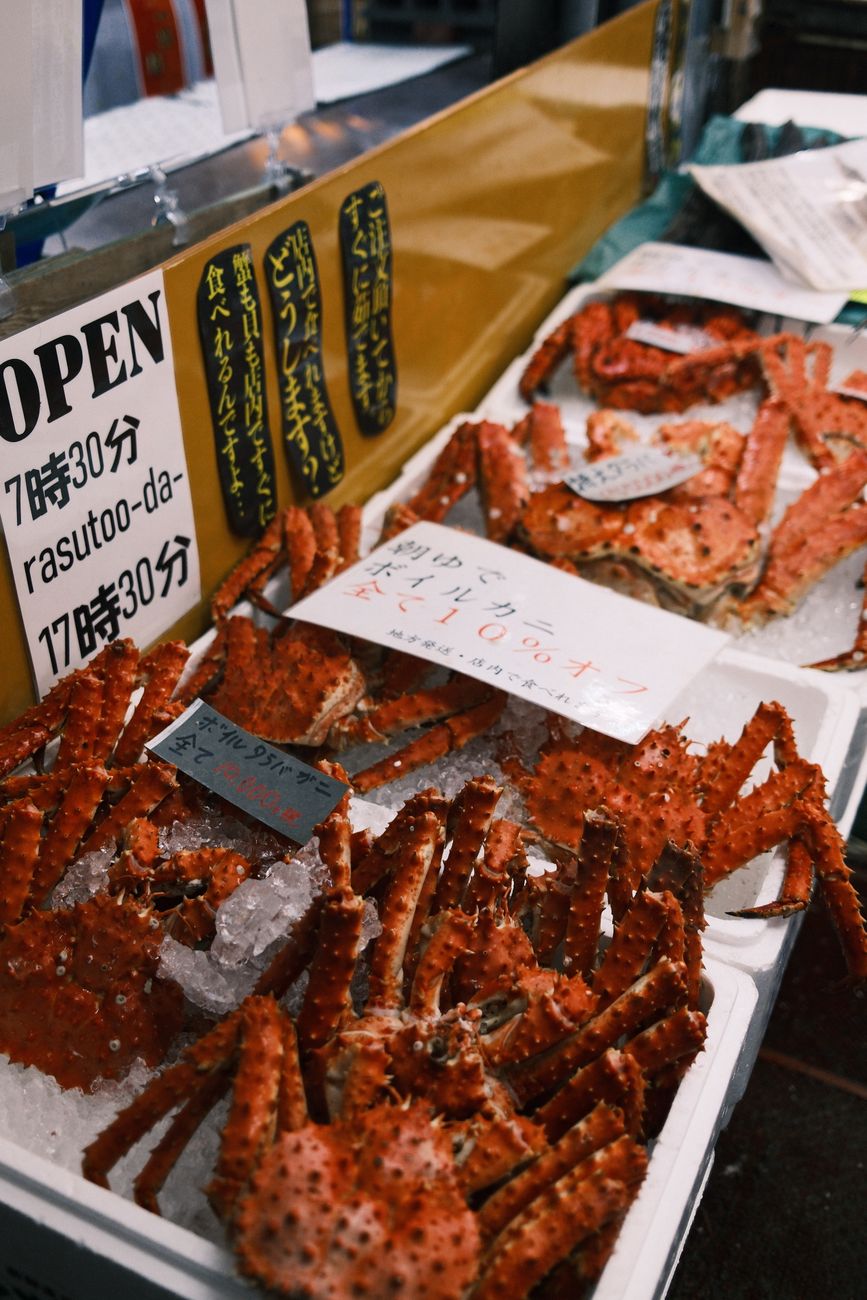
Late morning: Head to Nijo Market (5–10 minutes on foot from the government office) for a seafood lunch; many stalls prepare crab or kaisendon fresh (expect ¥1,200–3,000 for a bowl). Finish with a 10–15 minute walk to the Sapporo Clock Tower for a short visit and photos (entry modest, check current fee).
Afternoon: Take the Namboku subway line from Odori to Sapporo Beer Museum (about 10–15 minutes including transfer to the bus or a 20–25 minute tram/bus ride). The brewery museum's free entry plus a paid tasting or beer garden set costs roughly ¥500–2,500. Return to the Susukino area (5 minutes by subway from Odori) for early evening wandering through the neon streets and alley ramen stalls.
Dinner and evening: Eat in Susukino — narrow alleys like Ramen Yokocho focus on variety; expect a bowl for ¥800–1,200. End the night at an izakaya near Susukino Station or a casual bar on Minami 4-jo, keeping cash handy for small checkouts.

Day 2
Morning: Travel to Maruyama Park and Hokkaido Shrine via subway to Maruyama Koen Station on the Tozai Line (10–15 minutes from Odori). Spend time in the park paths and the shrine precinct; during cherry blossom season the park fills quickly, so arrive early. Nearby Maruyama Zoo is another option for families and is a 10–15 minute walk from the shrine.
Lunch: Try a local café on Miyagaoka or the small shops along Maruyama Street; soup curry restaurants are common here and a substantial lunch runs ¥900–1,500. After lunch, walk or take a short bus to the Hokkaido Museum (formerly Historical Village exhibits nearby) to see regional exhibits about settlement and Ainu culture.
Afternoon: Ride the ropeway/cable combination up Mt. Moiwa from Ropeway Station (about 20–30 minutes travel from Maruyama by tram and bus). The summit lookout gives a city panorama especially good at sunset; round-trip fares vary (around ¥1,000–1,700 depending on season). Return to the city via the local tram or subway.
Evening: Choose an izakaya in the Susukino or Odori area for a multi-course meal, or head to Sapporo Factory complex for shopping and casual dining. Evening after-sightseeing works well because many attractions close in the late afternoon, but restaurants stay open later in central districts.
Day 3
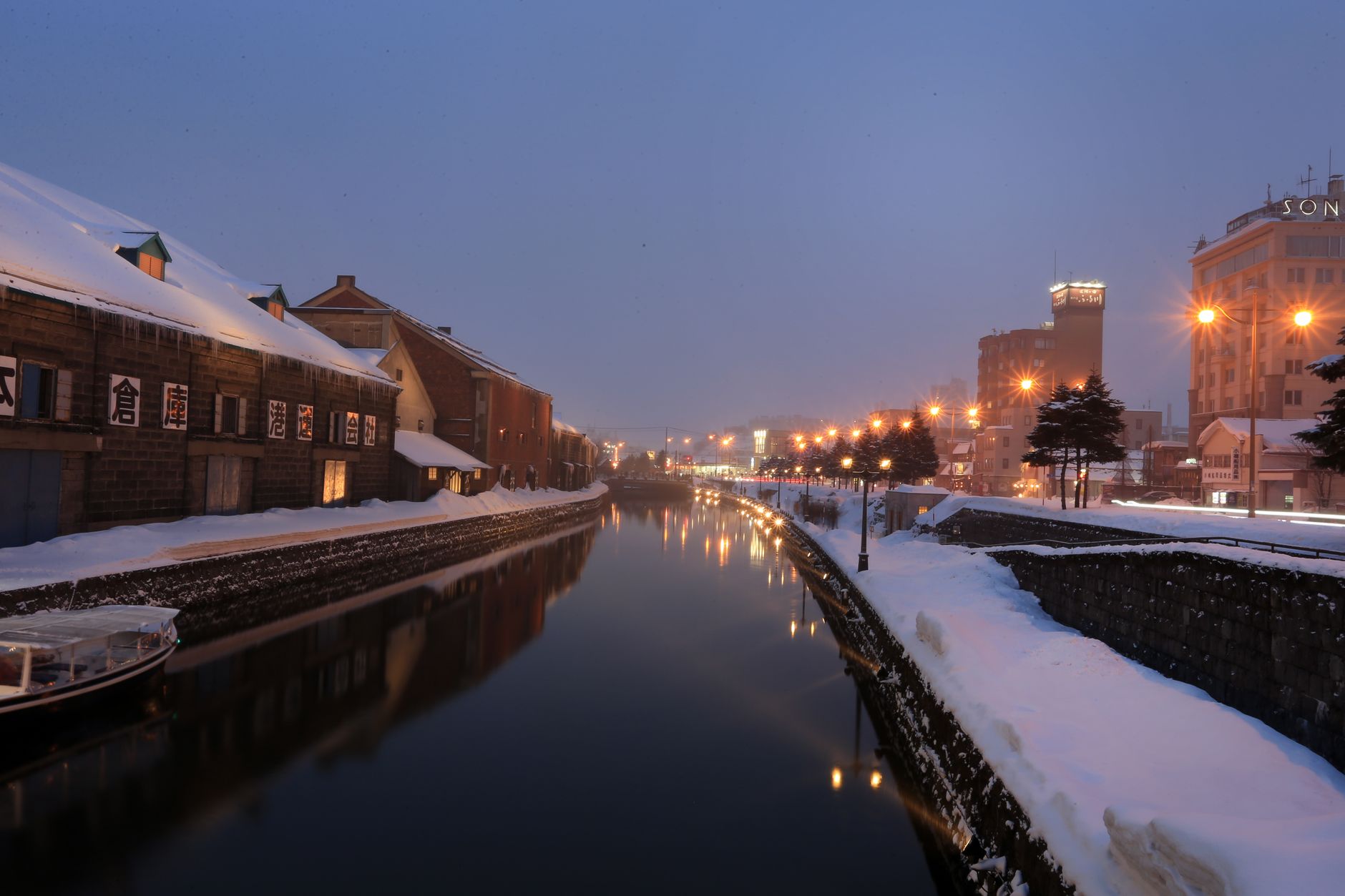
Option A — Otaru day trip: Take the JR local/rapid train from Sapporo Station to Otaru (30–45 minutes, fares around ¥640–800). Walk the canal area, visit the Otaru Music Box Museum and have seafood along Sakaimachi Street; allow at least four hours and return mid-afternoon. Timing matters: trains run frequently but slower local services add 10–20 minutes compared with limited rapid options.
Option B — Local museums and shopping: If staying in the city, use the morning for the Hokkaido Museum of Modern Art or the Sapporo Art Park depending on interests. Both are reachable by subway or a short bus; plan transport times of 20–40 minutes from central Odori. Combine a final market visit at Nijo Market or Tanukikoji Shopping Street for souvenirs and last-minute snacks.
Practical note if catching an afternoon flight: take the JR Rapid Airport from Sapporo Station to New Chitose (37 minutes) and arrive at the airport at least 90 minutes before departure for domestic flights, 120 minutes for international. If luggage storage is needed, use coin lockers at Sapporo Station or hotel baggage services; leave extra time for transfers if travelling in winter with snow-clearing delays.
Evening (if staying late): Finish with a relaxed dinner near the station — try a seafood izakaya or a sushi counter for a guaranteed last-night treat and expect a final meal price of ¥2,000–4,000 per person depending on choices.
Best Local Experiences
Visit Nijo Market early for sashimi bowls and live crab stalls where vendors prepare single-portion seafood for breakfast. Walk the covered Tanukikoji Shopping Street for local snacks, confectionery shops and seasonal sales rather than open-air markets.
Experience Susukino’s Ramen Yokocho alley to compare pork-broth and miso bowls from several stalls in a compact block. Ride the Mt. Moiwa Ropeway for a quick mountain panorama without a long hike; sunset runs attract locals for views and photos.
Attend a beer-rail tasting at the Sapporo Beer Museum or the Sapporo Beer Garden for classic draft pours paired with jingisukan or set menus. In winter, aim for the Odori Snow Festival sculptures or the Susukino ice sculpture displays; in summer check for local outdoor concerts in Odori Park and food stalls near the TV Tower.

Where to Stay
Chuo-ku / Odori: Best for first-time visitors who want central walkability near Odori Park, TV Tower and subway lines. Mid-range business hotels and boutique options line Odori and nearby streets. Expect around ¥8,000–20,000 per night (≈€50–€125 / US$55–US$140) depending on season.
Susukino: Suits nightlife-focused travellers and late eaters; dozens of izakaya and ramen stalls are within walking distance. Rooms tend to be slightly smaller but convenient; expect ¥7,000–18,000 per night (≈€45–€110 / US$50–US$125).
Maruyama / Hokkaido Shrine area: Better for quieter, greener stays and easy access to the zoo and shrine; more family-friendly hotels and pensions appear here. Prices range roughly ¥9,000–22,000 per night (≈€55–€140 / US$60–US$155).
Food and Drink
Sapporo ramen: A miso-based, slightly oily bowl with thick noodles and toppings such as butter, corn and roasted pork. Good examples are in Susukino and Ramen Yokocho; expect ¥800–1,200 per bowl.
Soup curry: A local spicy stew-like curry with large vegetable and meat pieces served with rice. Try stores around Maruyama or near Sapporo Station; portions cost ¥900–1,800. Perfect for colder days because of the hearty broth.
Kaisendon at Nijo Market: A sashimi-on-rice bowl featuring scallop, sea urchin or crab. Early morning stalls make the best versions and prices run ¥1,200–3,500 depending on seafood quality.
Jingisukan (Genghis Khan): A grilled mutton dish popular in Hokkaido served at specialty restaurants or beer gardens. Expect a shared set menu for two at ¥2,500–4,500.
Breakfast option — Japanese-style set meals: Many ryokan-style or market stalls offer grilled fish, rice and miso soup sets from ¥600–1,200; Nijo Market and station-area cafés are reliable choices. For street food, try corn on the cob or grilled scallops at market stalls (¥300–700).
Getting Around
Three subway lines serve central transfer needs: Namboku Line (green), Tozai Line (orange) and Toho Line (blue). They meet at Odori Station and connect to Sapporo Station via short walks or transfers. The Sapporo Streetcar runs a loop from Susukino to the west; check tram numbers for stops near Odori and the mountainside sectors.
Single subway fares start around ¥210 and increase by distance. A one-day Sapporo subway and streetcar pass is often available for about ¥830 for adults; loads and fares work with SAPICA or Kitaca IC cards. The JR Rapid Airport train costs about ¥1,150 one-way from New Chitose.
Expect taxi fares of ¥16,000–¥20,000 from New Chitose to central stations if choosing door-to-door service; within central districts short rides run ¥600–1,200 for a few kilometres. Use NAVITIME for Japan Travel or Google Maps for timetables; station offices and ticket machines provide change and route maps.
Best Time to Visit
Winter (December–February): Cold with heavy snow, average temperatures −6°C to −2°C; peak tourism in February for the Snow Festival. Expect crowded hotels and book early; good for winter sports or festival photos but be prepared for sub-zero walking conditions.
Spring (late April–May): Thawing, cherry blossoms in late April to early May; temperatures 5°C–15°C and fewer tourists than summer. This is a good compromise for milder weather and manageable crowds.
Summer (June–August): Warm and humid with temperatures 18°C–26°C; festivals and outdoor events increase visitor numbers but overall crowds remain lower than major Honshu cities. Autumn (September–October): Clear skies and autumn colours, temperatures 8°C–18°C, pleasant for park walks and photography. Best value months are late spring and autumn when accommodation costs are moderate and attractions are less crowded.
Budget and Practical Tips
Typical daily budget for a sensible mid-range traveller: accommodation ¥8,000–15,000 (~€50–€95 / US$55–130), food ¥3,000–6,000 (~€18–€35 / US$20–45), transport ¥600–1,500 (~€4–€10 / US$4–11), entry fees and extras ¥500–3,000 (~€3–€20 / US$4–25). Budget backpackers can aim for total daily costs near ¥6,000–9,000, while comfortable travellers should plan ¥18,000+.
Admission examples: Sapporo TV Tower ~¥800, some small museums ¥200–700, brewery tastings or paid exhibits ¥500–2,500; check current prices online. Tipping is not customary in Japan; small service charges may appear on bills in tourist restaurants but rounding up or leaving coins is not expected.
Practical tips: carry cash for small vendors, use an IC card for convenience on trains and buses, and check first/last train times if travelling late. In winter, pack waterproof boots and traction devices for icy sidewalks and allow extra transfer time between tram and subway during snow clearing.
FAQ
Is Sapporo safe for solo travellers?
Yes; crime rates are low compared with major global cities, but normal precautions apply at night in entertainment districts and keep wallets secure in crowded train stations.
Can the JR Pass be used on the subway and streetcar?
No; the Japan Rail Pass does not cover Sapporo Municipal Subway or the Sapporo Streetcar, so budget separately for IC card fares or day passes.
How long to travel from New Chitose Airport to the city center?
The JR Rapid Airport train takes about 37 minutes to Sapporo Station and costs around ¥1,150 one-way; buses and taxis take longer and can be affected by snow.
Is a Sapporo city pass worth buying?
A one-day subway/streetcar pass (around ¥830) is worth it only if making multiple trips; individual journeys on an IC card can be cheaper for two or three rides.
Are English signs and English-language menus common?
Major stations, tourist sites and larger restaurants often provide English signage and menus, but smaller stalls and neighbourhood eateries may not — use a translation app or ask staff for recommendations.
What should be packed for winter travel?
Warm layers, waterproof insulated boots, gloves, a hat and gaiters or traction devices for icy sidewalks; expect daytime temperatures below freezing and heavy snow in February.
Conclusion
A three-day visit will leave a clear impression of Hokkaido's urban face: wide parks, fresh seafood, and an efficient transit spine that makes compact sightseeing possible. Travelers will most likely remember the food markets, the difference in seasonal weather and the manageable distances between major sights.
If short on time, prioritise Odori Park plus either Maruyama/Hokkaido Shrine or an Otaru half-day trip depending on preference for nature or canal streets; both give very different but representative slices of the region. Practical preparation—IC card, cash for small vendors and winter footwear if relevant—turns a tight schedule into a satisfying short break.
How this guide was prepared
This guide was prepared through a structured research that combines destination research, geographic context, itinerary planning logic, and content review.