

Three Days in Viareggio: Practical 72-Hour Itinerary
Hands-on 3-day Viareggio plan covering the Passeggiata, Cittadella del Carnevale, Torre del Lago Puccini, seafood markets, transit tips.
A no-nonsense 72-hour guide for visitors who want to see the seafront, Carnival workshops, local seafood markets and nearby Puccini sites without wasting time.
First impressions are often a long sea promenade framed by early-20th-century Liberty facades, lines of stabilimenti and a working dock where fishing boats tie up. The place feels simultaneously holiday-focused and industrial: shopfronts for bathing cabins sit beside metal workshops that still build Carnival floats. Crowds gather at the weekend and during Carnival, but on weekday mornings the town moves at a local pace, with fishermen delivering at the market and residents taking coffee on small piazzas. This balance suits travelers who want both a shoreline stroll and tangible local industry, not those seeking an art-museum marathon or an ultra-luxury beach resort.
Is 3 days in Viareggio enough?
Yes — three days is enough to cover the Passeggiata, Cittadella del Carnevale, a day trip to Torre del Lago Puccini and a relaxed seafood meal by the dock. Short on time: skip long beach-chair lounging and reserve an afternoon for the naval museum or a market visit instead.
Who This Guide Is For
Best for short-breakers who like beaches plus local crafts, music or opera fans heading to the Puccini Festival, and food-focused travelers on a modest budget. Less suitable for those wanting an extended art-museum crawl or a luxury-only beach holiday.
Local Tips for Viareggio
Practical details that most travel sites skip — specific to Viareggio.
- Cittadella del Carnevale (near Viale della Libertà) has sculptors’ workshops open for viewing; a museum ticket is typically around €6–10 depending on temporary exhibitions.
- Regional Trenitalia trains run Pisa–Viareggio–Lucca; Pisa Centrale to Viareggio is roughly 20–25 minutes and a regional one-way ticket costs about €2.70 when bought on the Trenitalia app or at the station.
- Most beaches on the Passeggiata are private stabilimenti that charge about €15–€30 per day for two sunbeds and an umbrella in high season; look for public stretches at the eastern and western ends for free sand.
- Autolinee Toscane buses cover local routes and link Viareggio station with Torre del Lago Puccini and Lido di Camaiore; buy single tickets at Tabacchi shops or via the Autolinee Toscane app to avoid onboard fines.
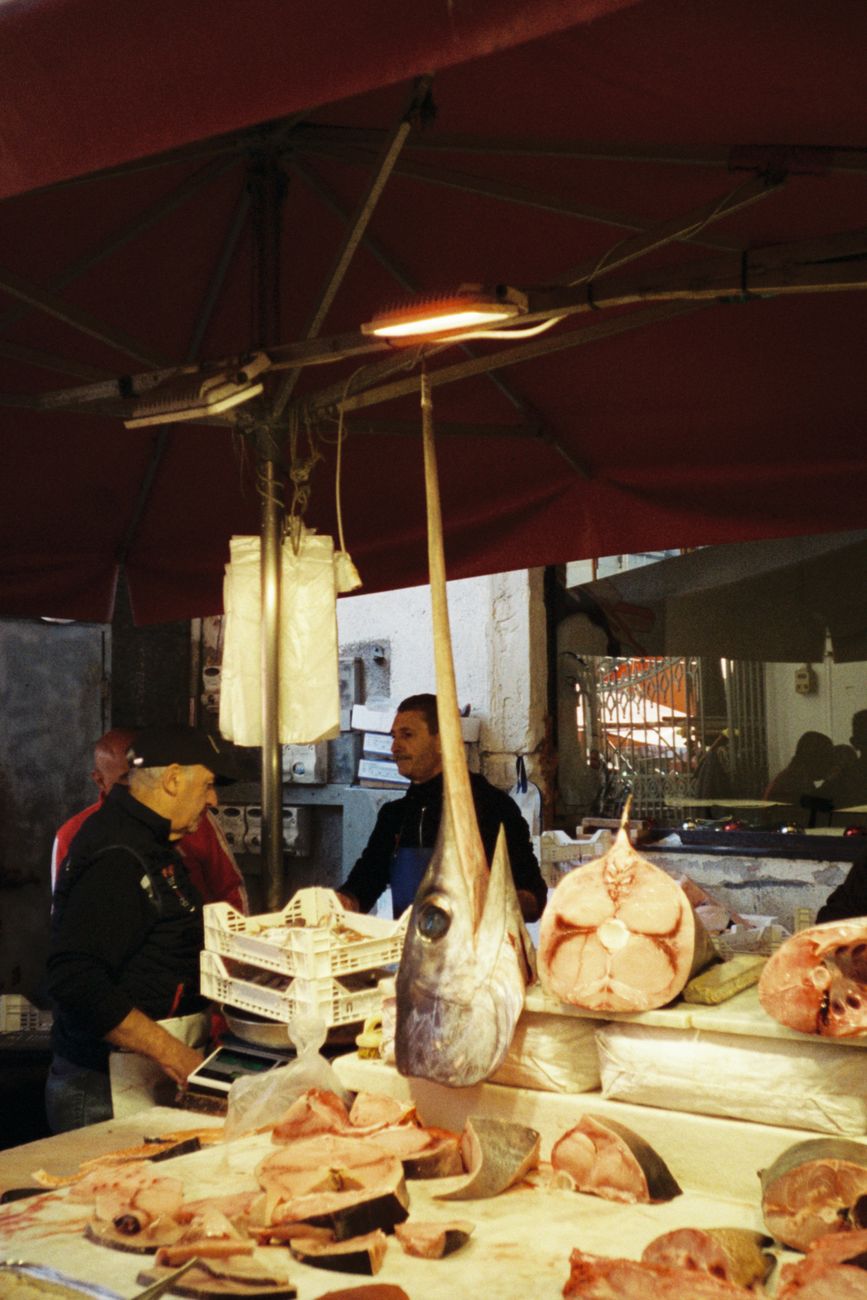
- Fish and produce arrive each morning at the covered market near Darsena di Viareggio; arrive between 8:00–10:00 for the best selection and lower prices before restaurateurs buy the top fish.
How This Guide Was Prepared
Visiting Viareggio for three days is about balancing seaside life with a surprisingly strong holiday-industry culture: paper-mâché craftsmanship, bathing establishments and Liberty-era architecture. Most guides either treat it as a beach resort or as a Carnival curiosity; this guide shows how to use three days to see both the working town and the coast, and to avoid the tourist traps that cluster around the busiest stretches of sand. This guide was prepared through a structured research that combines destination research, geographic context, itinerary planning logic, and content review.
Plan Your Stay in Viareggio
Use this itinerary as your starting point, then compare areas to stay, transport options, seasonal timing, and realistic daily costs before booking.
Why Visit
See living Carnival craft at Cittadella del Carnevale where full-size papier-mâché floats are built and stored; that access to working workshops is rare outside festival cities. Walk the Passeggiata for an uncompromising seaside experience: the promenade displays art nouveau villas and direct access to a sequence of private and public beaches. Visit Torre del Lago Puccini and Villa Puccini on Lake Massaciuccoli for an intimate look at Puccini’s life and, in summer, the open-air Puccini Festival. Eat seafood straight from the docks at restaurants near the Darsena or pick raw fare at the covered morning market where chefs buy the day’s best catches.

Quick Planning Tips
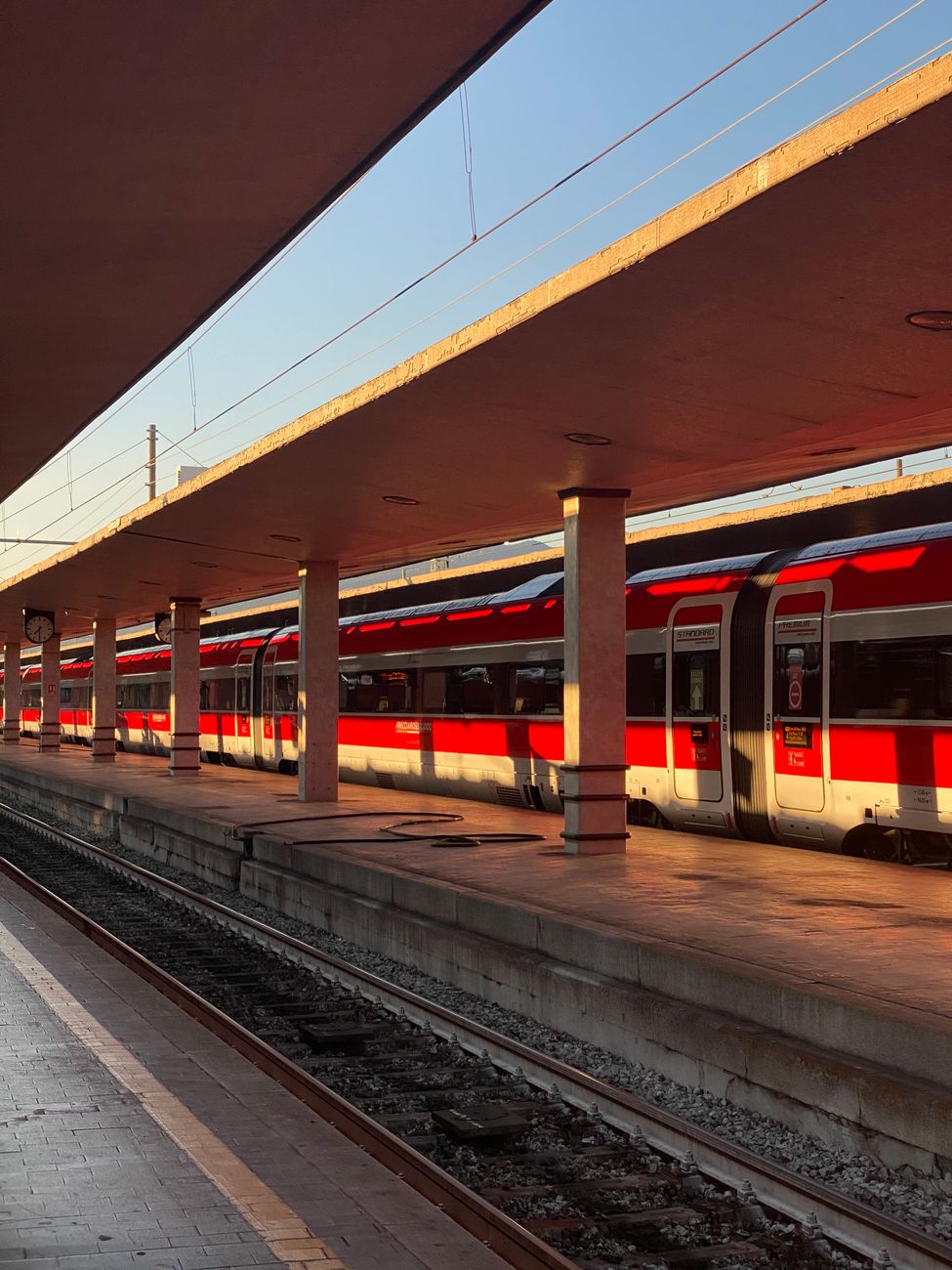
Arrive by train if possible: Pisa Centrale and Lucca both connect by Trenitalia regional services, with Pisa about 20–25 minutes away and Lucca roughly 30 minutes. From Pisa International Airport, take the Pisa Mover shuttle to Pisa Centrale then a regional train; a taxi to central Viareggio costs roughly €45–60 depending on traffic. Use the Trenitalia app for train tickets and the Autolinee Toscane app for local bus routes; buy single bus tickets before boarding at Tabacchi or newsstands to avoid fines. Avoid booking a beachfront stabilimento on day one without checking prices first — summer high-season set-ups commonly add €15–€30 per person for day use and these costs quickly inflate the trip budget.
Day 1
Start at the train station and walk 10–15 minutes to the Passeggiata for an orientation stroll along the Lungomare; expect 30–45 minutes to cover the main stretch on foot. Pause at the Burlamacco statue near Piazza Mazzini for photos and continue toward the Darsena di Viareggio; the marina area offers fishing-boat views and is a good spot to watch daily unloading. For lunch, choose a dockside trattoria such as Trattoria Lo Scoglio or Ristorante La Bottega del Mare for steamed mussels or fish soups; expect €12–€20 per main dish. After lunch, visit Museo della Marineria (check opening hours; entry around €3–5) then walk 10 minutes to Cittadella del Carnevale to see workshop spaces and smaller displays; allow 1–2 hours for the museum and visible workshops. Dinner options along Viale a mare include seafood grills and pizzerie; end the evening with a drink at a bar on Viale Italia where locals gather, noting that weekends fill up and table service may be slow.

Day 2
Spend Day Two on the western side: take a short Autolinee Toscane bus or a 10-minute train to Torre del Lago Puccini (station: Torre del Lago Puccini) to visit Villa Puccini and the lakefront path; Villa Puccini tour times vary, check online and budget 1–1.5 hours. Walk or cycle along the lakeshore toward the Puccini Festival grounds if the season is right; an afternoon can include a relaxed picnic near the reed beds. Return to Viareggio and explore the Pineta di Ponente for a quieter green space and Art Nouveau villas; this pine park is a 15–20 minute walk from the centre or a short bus ride. For dinner, try a trattoria that specializes in fritto misto or grilled fish near Viale Manzoni; travel between Torre del Lago and the pineta by bus takes about 20–30 minutes depending on route timing. Evening suggestion: check theatre or festival listings — opera and chamber concerts happen seasonally at Torre del Lago and smaller venues in town.

Day 3
Use the final day for markets and a relaxed seaside rhythm before departure. Start at the covered fish and produce market near the Darsena (best from 8:00–10:00) for breakfast of fresh pastry and espresso, then pick up cured fish or local olive oil as gifts. Walk 15–20 minutes along the Passeggiata toward the eastern end where public beach stretches and local bakeries are less crowded; rent a single sunbed for an hour if needed, or simply enjoy a seaside coffee. If catching a mid-afternoon train or flight, leave time for a quick visit to Cittadella del Carnevale shop for small souvenirs and to collect any late museum visits; from the central promenade allow 15 minutes to walk back to the station. Practical travel note: for afternoon flights via Pisa, regional trains to Pisa Centrale take about 20–25 minutes, but factor in 45–60 minutes for transfers and airport shuttle time.
Best Local Experiences
Watch float construction at Cittadella del Carnevale during non-festival months when workshops are active and quieter. Attend a Carnevale parade night if visiting in Feb–Mar; ticketed grand parades run with prices typically €15–€30 for evening sessions. Visit Villa Puccini and attend a concert during the Puccini Festival at Torre del Lago Puccini for opera in an open-air lakeside setting. Buy seafood at the Darsena morning market and eat it at a nearby osteria that grills the catch; this market run is a local weekday ritual. Rent a bike and ride the seafront from Viareggio to Lido di Camaiore for a two-hour ride with regular rental depots along the promenade. Explore Pineta di Ponente on foot for quiet paths past Liberty villas, a contrast to the louder beachfront.

Where to Stay
Centro (around Viale Carducci and Piazza Mazzini): suits travelers who want immediate access to the Passeggiata, restaurants and evening life; mid-season double rooms start around €90–€150/night (€95–160 USD). Darsena/Port area: a good fit for seafood lovers and those who prefer quieter mornings by the water; expect small B&Bs and boutique hotels from €80–€140/night (€85–150 USD). Pineta di Ponente and residential zones west of the promenade: better for families or those seeking green space and slightly cheaper accommodation; weekly apartments and pensioni range €60–€120/night (€65–€130 USD) depending on season. Book well in advance for peak summer weeks and Carnevale weekends when prices surge and available rooms fall quickly.
Food and Drink
Cacciucco alla Viareggina: a local fish stew related to Tuscany’s cacciucco but lighter; often found at harbour restaurants for €12–€20 per portion. Fritto misto di pesce: mixed fried seafood (small prawns, squid, anchovies); look for it at family-run trattorie near the Darsena, roughly €10–€18. Baccalà alla livornese: salted cod stewed with tomato and capers, common in Versilia menus and available for €8–€14 as a main. Breakfast option — cornetto and espresso: small bars along the Passeggiata serve good morning coffee and a pastry for about €2–€4. Street food: lampredotto sandwiches are not typical here, but panini with smoked local tuna or grilled sardines are common at beach kiosks for €4–€8. Dinner recommendation: shellfish risotto at an established ristorante on Viale Italia or near the marina, expect €18–€30 per main. For drinks, local white wines from Bolgheri or nearby Maremma pair with seafood; a house glass runs about €3–€6.
Getting Around
Regional trains operated by Trenitalia link Pisa Centrale, Viareggio and Lucca; buy tickets on the Trenitalia app or at station machines. Autolinee Toscane runs local buses; the Autolinee Toscane app or Tabacchi shops sell single tickets — don't board without a pre-purchased ticket to avoid fines. Typical fares: regional train short hops like Pisa–Viareggio about €2.70 one-way; single local bus fare around €1.50–€2.50 depending on distance; a taxi from Pisa Airport to central Viareggio about €45–€60. No special city card is widely used for short stays; occasional combo tickets for local museums appear during festival periods, so check Cittadella del Carnevale and Museo della Marineria pages in advance.
Best Time to Visit
High season runs June–August with sunny weather, sea temperatures 22–25°C and heavy beach crowds; prices peak and stabilimenti are fully staffed. Shoulder seasons April–May and September–October offer mild weather 15–22°C, fewer crowds and better rates; spring brings blossom and pre-summer festivals while autumn has seafood-focused menus. Carnival season (Feb–Mar) draws large crowds for parade nights despite cooler temperatures around 8–14°C; nights can be chilly but the spectacle is unique. Avoid late November–February except for Carnival dates, when many beachfront businesses close for the low season and some services are limited.
Budget and Practical Tips
Realistic daily budget per person in high season: accommodation €90–€180, food €30–€60, local transport €5–€15, entry fees €5–€20; total roughly €130–€275/day (USD approx. $140–$300). In shoulder season expect accommodation drops to €60–€120 per night and overall daily totals near €80–€140 ($85–$150). Entry fees: Cittadella del Carnevale museum approx. €6–€10, Museo della Marineria €3–€5, Villa Puccini guided tours around €7–€12 depending on season. Tipping norm: service is often included in the bill as coperto or servizio; add small change for good table service or €1–€3 for café staff for extra help. Carry some cash for market stalls and smaller shops; credit cards are accepted in most restaurants but small vendors may be cash-only.
FAQ
Is Viareggio safe for solo travelers?
Yes — daytime streets, the Passeggiata and main squares are generally safe; exercise usual caution after midnight and avoid poorly lit side streets.
How do I get from Pisa Airport to Viareggio?
Take the Pisa Mover shuttle to Pisa Centrale then a Trenitalia regional train to Viareggio (20–25 minutes); taxi direct to Viareggio costs around €45–€60.
Is a city card or tourist pass worth buying?
No widely useful city card exists for a 3-day stay; occasional museum combo tickets appear seasonally, but most visitors save time by buying individual museum or event tickets.
Can beaches be used for free?
Some stretches are public, but the most comfortable sections are private stabilimenti with daily charges of €15–€30 for two sunbeds and umbrella in high season.
Are trains and buses reliable for day trips to Lucca or Pisa?
Yes — Trenitalia regional trains between Viareggio, Pisa and Lucca are frequent; local buses by Autolinee Toscane serve nearby beaches and Torre del Lago but check timetables on the app.
What are typical opening hours for restaurants and museums?
Restaurants often open for lunch 12:30–14:30 and dinner 19:30–22:30; many museums close on Mondays or have reduced winter hours, so check ahead.
Is English widely spoken?
Basic English is common in hotels, restaurants and tourist sites, but market vendors and smaller bars may speak little English — a few Italian phrases help.
Are there good seafood markets to buy fresh fish?
Yes — the covered market by the Darsena receives morning fish deliveries and supplies local restaurants; arrive early for the best selection.
Conclusion
Three days deliver a clear sense of the place: a shoreline that doubles as daily worksite for fishermen and Carnival artisans, with easy access to Puccini’s lakeside world and quieter pine parks. Most travelers will remember the contrast between the commercial beach scene and genuine craftwork at Cittadella del Carnevale. If time runs short, prioritize a morning at the Darsena market plus a Cittadella visit or a short trip to Villa Puccini — those give the sharpest sense of local character.
How this guide was prepared
This guide was prepared through a structured research that combines destination research, geographic context, itinerary planning logic, and content review.