

3 Days in Ragusa: A Baroque Weekend in Sicily
Spend 3 days exploring Ragusa's Baroque streets, hilltop views, Sicilian food, and easy day trips to Siracusa or Catania. Practical itinerary and transit tips.
A compact 3-day itinerary for Ragusa that balances Ragusa Ibla’s Baroque charm, local food, museums and a countryside excursion—ideal for a long weekend in Sicily.
This is a compact, hilltop Sicilian town defined by honey-colored Baroque architecture, twisting lanes and dramatic viewpoints over the Iblean valley. It suits couples looking for a romantic getaway, culture seekers who enjoy churches and small museums, and food-minded travelers eager for local cheeses, pastries and a Michelin experience. Three days works well because the historic core and main museums can be covered in a day and a half, another half day gives time to savor food and neighborhood walks, and a final day fits a relaxed countryside castle visit or a short coastal or Siracusa day trip.
Expect narrow cobbled streets, terraces and cafés clustered in the older quarter, low-key nightlife focused on dining, and practical access to nearby airports for weekend travelers.
Quick Answer
A compact 3-day itinerary for Ragusa that balances Ragusa Ibla’s Baroque charm, local food, museums and a countryside excursion—ideal for a long weekend in Sicily.
Who This Guide Is For
This guide is best for first-time visitors, couples, solo travelers, and anyone planning 3-day city break, romantic getaway, cultural trip in Ragusa with a balance of highlights, local character, and reasonable spending.
How This Guide Was Prepared
This guide was prepared through a structured editorial workflow that combines destination research, geographic context, itinerary planning logic, and practical travel review.
Plan Your Stay in Ragusa
Use this itinerary as your starting point, then compare areas to stay, transport options, seasonal timing, and realistic daily costs before booking.
Why Visit
The town is one of Sicily’s baroque gems—less crowded than nearby Noto but equally photogenic. You’ll find ornate churches, quiet gardens, and viewpoints that feel cinematic. The food scene mixes traditional trattorie, street snacks and at least one standout Michelin experience. It’s a compact destination that combines architecture, slow-paced Sicilian life, and easy access to the southern coast or larger Sicilian cities for day trips. For photographers, foodies, and couples it offers an intense but manageable taste of authentic island culture without the hustle of bigger cities.

Quick Planning Tips
Fly into Comiso (closer) or Catania-Fontanarossa for more connections. Rent a car if you plan day trips; otherwise plan buses or taxis for the hilltop climbs. Book restaurants in advance for weekend evenings and any Michelin tables. Pack comfortable shoes for cobbles and steps; some streets are steep. Note that many small shops take a midday riposo (around 1–4pm) in low season. Cash is handy for markets; credit cards are widely accepted in restaurants and hotels but less so in very small cafés.

Day 1
Morning: Start in Ragusa Superiore to orient yourself. Walk Corso Italia for coffee and pastries, then head up to Piazza San Giovanni for views.
Late morning: Walk down to the historic quarter of Ragusa Ibla. Explore Piazza Duomo and the magnificent Duomo di San Giorgio. Pause at nearby palazzi and artisan shops.
Lunch: Try a trattoria in Ibla for pasta with local cheeses or scacce (Sicilian stuffed flatbread).
Afternoon: Visit Giardini Iblei for relaxed views, then drop into the Museo Archeologico Ibleo for local finds.
Evening: Reserve a table at a well-regarded restaurant—consider a tasting menu for local ingredients—and enjoy a passeggiata under the lamps of Ibla.

Day 2
Morning: Drive or take a short bus to Castello di Donnafugata for a morning among gardens and a 19th-century villa.
Lunch: Picnic or return to town to sample street food and a market selection.
Afternoon: Spend time hunting Baroque details—Palazzo La Rocca, tiled balconies and small churches. Consider a guided walking tour for architecture history.
Late afternoon: Coffee at a panoramic belvedere; many overlook the Iblean valley, perfect for late light and photos.
Evening: Head to a local wine bar or osteria in Ragusa Superiore for an informal meal and try the region’s cheeses and cured meats.

Day 3
Morning: Use the final day for a relaxed rhythm—visit any missed museums, return to a favorite viewpoint, or take a short coastal detour to Marina di Ragusa for sea air.
Midday: If you prefer a longer day trip, set out early to Siracusa or Catania (by car or train/bus) for archaeological sites and a larger urban context.
Afternoon: Shop for local specialties—Ragusano cheese, olive oil and pastries—then enjoy a last leisurely meal in Ibla.
Evening: End with sunset photos on a terrace and a final gelato or espresso before departure the next morning.

Best Local Experiences
Stroll early through Ibla to watch light hit the Baroque facades and avoid crowds. Try a tasting menu at the Michelin-starred Duomo for a high-end interpretation of local ingredients. Visit a small pasticceria to sample cannoli and local pastries and buy Ragusano DOP cheese at a market or deli. Attend an evening passeggiata along Corso Italia or a local church concert if available. For a unique memory, do a short countryside drive among limestone outcrops and olive groves around the Iblean plateau.
Where to Stay
Ibla: Best for atmosphere and late-night charm. Choose a renovated palazzo or boutique B&B with a terrace for views.
Ragusa Superiore: Practical for parking, shops and quicker access to buses and services. Good for families and longer stays.
Outskirts: Agriturismi and countryside villas are excellent if you want a quiet stay and access to car-based day trips.
Book early for spring festivals and summer weekends. Check whether your accommodation offers parking if you rent a car; parking in Ibla is limited and often on the plateau.
Food and Drink
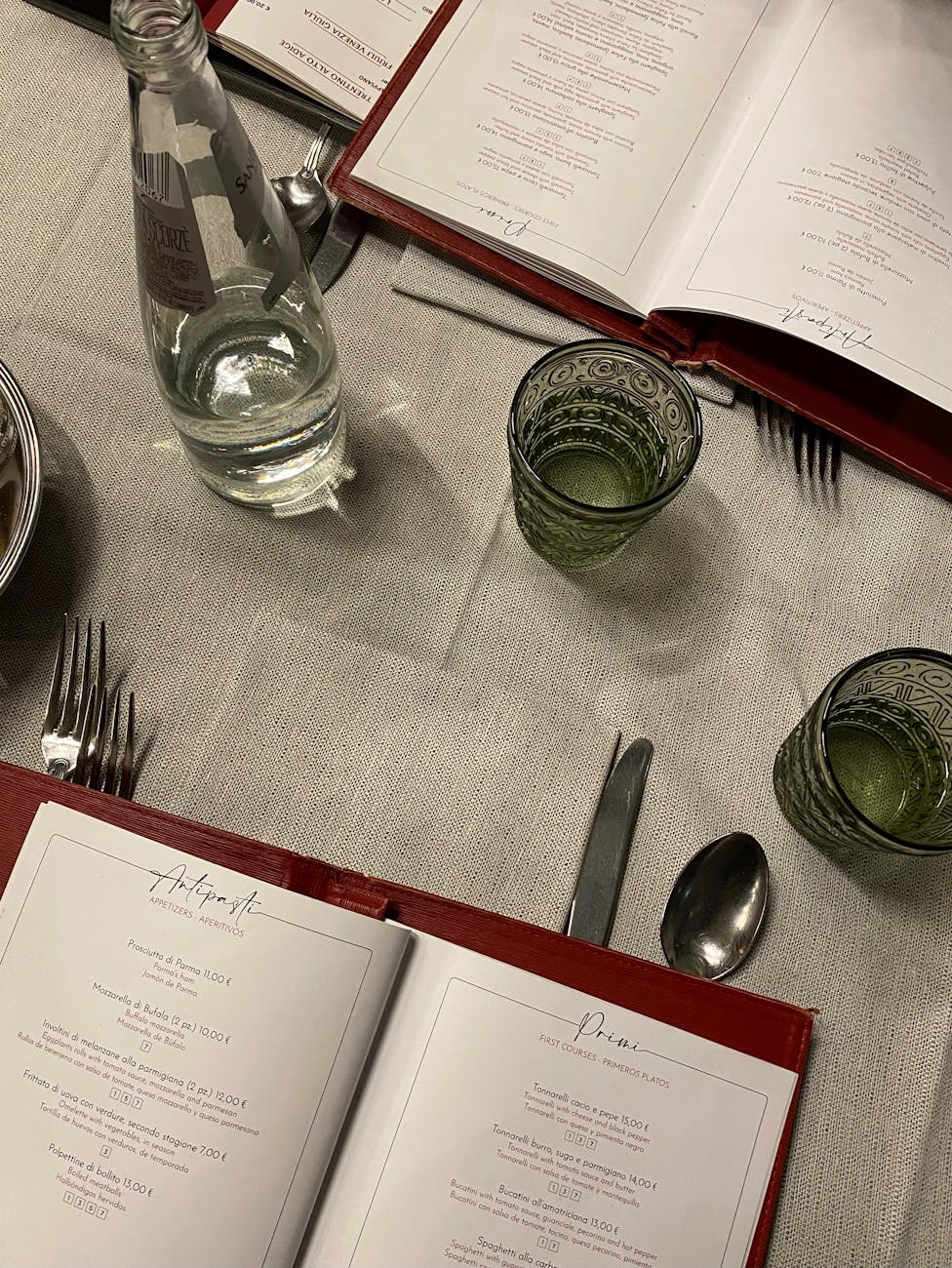
Start meals with antipasti of local cheeses, caponata and olives. Try scacce (a Ragusan flatbread), pasta with ricotta or norma-style eggplant, and fresh seafood if you head to the coast. For dessert, seek out cannoli and cassata slices at artisanal pasticcerias. For wine lovers, look for native Sicilian varieties and local producers from the Iblean hinterland. Late afternoons are ideal for espresso and pastries; evenings for long dinners. Reserve high-end seats in advance and ask hosts for neighborhood trattorie for authentic, affordable meals.
Getting Around
The historic center is best explored on foot; many streets are pedestrian-only and steep. Driving is useful for countryside sights and day trips. Comiso Airport is the nearest (around 25–35 minutes by car); Catania is 1–1.5 hours by car depending on traffic. Regional buses connect to Siracusa and Catania but schedules can be infrequent—check times in advance. Taxis are available but limited at night; agree on a price for longer trips. If staying in Ibla with a car, park on the plateau or use hotel transfer options to avoid navigating steep lanes.
Best Time to Visit
Spring (April–June) and early autumn (September–October) offer the best weather: warm days, cooler evenings and fewer crowds. Late July and August are hot and busy; many locals head to the coast. Winter is mild but some small businesses may have limited hours. Festivals—Easter celebrations and local feast days—are lively but bring more visitors, so book accommodation and dining ahead if traveling then.
Budget and Practical Tips
Currency is the euro; ATMs are common but carry some cash for small shops. Expect mid-range restaurant prices for Sicily but reserve for Michelin or popular spots. Many museums have modest entrance fees; combine visits where possible. Observe riposo hours in small shops and restaurants—plan museum visits in the morning. Learn a few Italian phrases; staff are helpful but English fluency varies. For safety, normal precautions suffice: secure bags in crowded areas and avoid leaving valuables in parked cars.
FAQ
How do I get from the airport to the town center?
From Comiso airport take a short taxi or rental car ride (about 25–35 minutes). From Catania airport a drive takes around 1–1.5 hours; buses exist but can be slower.
Is one day enough to see the main sights?
One day gives a good introduction to the historic core and Duomo, but three days lets you savor food, explore museums and take a relaxed day trip.
Can I visit on public transport without a car?
Yes, but expect limited schedules for regional buses. Within the town walkability is excellent; plan connections ahead for day trips.
Are there good restaurants for vegetarians?
Yes—many trattorie and modern restaurants adapt Sicilian vegetable dishes, pasta and cheeses for vegetarians; ask staff for recommendations.
Is Ragusa family-friendly?
Families will enjoy open squares, gardens and short excursions; note steep streets and cobbles which may be challenging with strollers.
What local specialties should I buy to bring home?
Ragusano DOP cheese, artisan olive oil, and packaged sweets or biscuits from a pasticceria travel well.
Conclusion
Three days in this baroque hill town gives you a balanced mix of architecture, food and relaxed exploration. Spend mornings on museum and church visits, afternoons savoring local cuisine and terrace views, and reserve one day for a nearby castle or coastal escape. With a car you’ll expand your options; without one the compact center still rewards walkers and food lovers. Book key restaurants and accommodation in advance, bring comfortable shoes, and leave room for slow, Sicilian moments between sightseeing.
How this guide was prepared
This guide was prepared through a structured research that combines destination research, geographic context, itinerary planning logic, and content review.