

Innsbruck in 3 Days: A Practical Weekend Itinerary
No-nonsense 3-day Innsbruck guide with transit tips, route-by-route days, neighbourhood food picks and realistic budget estimates for planning.
A clear, realistic plan for 72 hours in Innsbruck that balances Old Town sights, a mountain cable car, neighbourhood markets and honest budgets.
A first visit feels compact: an Alpine skyline frames a medieval core with short walking distances between major sights. Streets in the Altstadt are pedestrian-friendly but narrow; expect seasonal crowds on the Goldenes Dachl forecourt and lines at cable car kiosks in summer.
The local pace mixes administrative city rhythm—university, shops and cafés—with quick escapes into mountains that begin at the city edge. Visitors often mistake the place for a resort town; it functions as both a regional capital and a starting point for alpine activities.
Is 3 days in Innsbruck enough?
Yes: three days gives time to see the Altstadt, take the Hungerburg/Nordkette route up to Seegrube or Hafelekar, visit one or two museums and fit in a nearby attraction like Bergisel or Wattens. Caveat: squeezing in both full-day hiking on the Nordkette and a museum-heavy day will feel rushed; choose mountain time or museum time if energy is limited.
Who This Guide Is For
Best for active city travellers who like short uphill outings, museum visits and local markets. Less suitable for pure skiers who need more days to access multiple resorts or travellers expecting long, late-night nightlife.
Local Tips for Innsbruck
Practical details that most travel sites skip — specific to Innsbruck.
- Buy the Innsbruck Card at the tourist office on Maria-Theresien-Straße or online; a 48-hour card is roughly around €55 and covers IVB public transport plus Nordkette cable cars and many museums.
- The Hungerburgbahn departs from the Congress/Marktplatz area and links to the Nordkettenbahnen (Seegrube and Hafelekar); buy a combined ticket at the Hungerburg station if not using the Innsbruck Card.
- Saturday farmers’ market on the Landhausplatz runs from about 7:00 to 12:30—look for Tyrolean cheese, 'Käsefaschiertes' and smoked speck from local producers.
- Use the IVB ticket machines or the IVB-Tirol mobile app (search 'IVB App Innsbruck') to buy single tickets; machines accept cards and contactless pay but some mountain cable kiosks still take cash only.
- ÖBB Railjet and EuroCity trains stop at Innsbruck Hauptbahnhof with direct connections to Munich and Vienna; book in advance for lower fares and use the Railjet for daytime intercity legs.
How This Guide Was Prepared
This guide treats Innsbruck as a compact alpine regional capital rather than a generic mountain resort. Many guides either over-focus on photo spots in the Altstadt or treat the Nordkette as a half-day novelty; this plan balances urban museums, market life and a proper mountain ride so time isn’t wasted on queues and repeat views. This guide was prepared through a structured research that combines destination research, geographic context, itinerary planning logic, and content review.
Plan Your Stay in Innsbruck
Use this itinerary as your starting point, then compare areas to stay, transport options, seasonal timing, and realistic daily costs before booking.
Why Visit
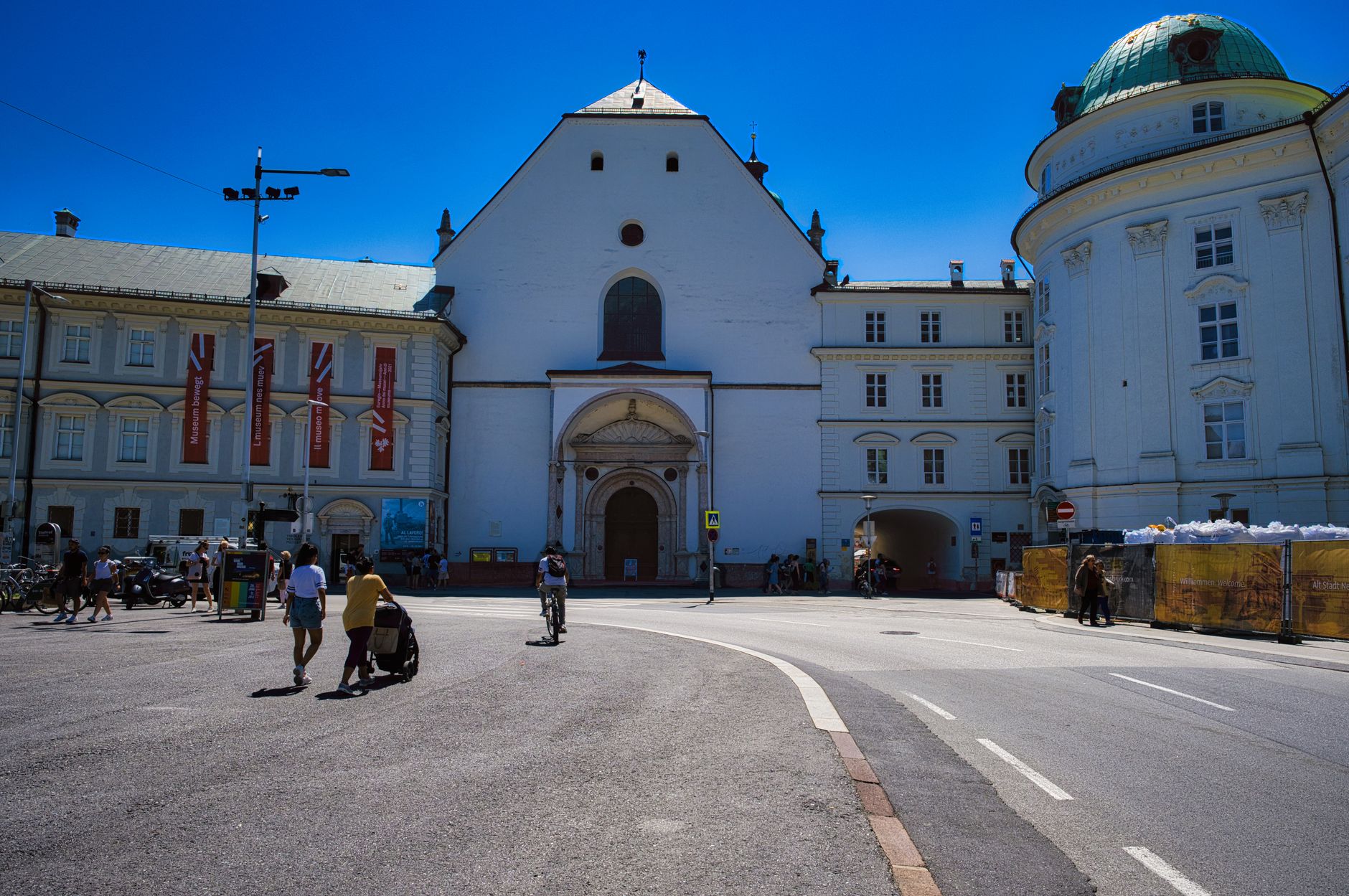
Major mountain access within minutes of the historical centre makes this unusually convenient for short trips: the Hungerburgbahn and Nordkettenbahnen put alpine views on a half-day schedule. The Altstadt offers concentrated sights—Goldenes Dachl, Hofkirche and Hofburg—close enough for efficient walking and photography.
Cultural variety is real: the Tiroler Landesmuseum Ferdinandeum houses regional art and archeology while the Alpenzoo focuses on Alpine species, a rare city zoo theme. Nearby Wattens and the Swarovski Kristallwelten gallery make a short out-and-back that's easier here than from larger cities.
Quick Planning Tips
Fly or arrive by Railjet to Innsbruck Hauptbahnhof; the station sits a 10–15 minute tram/bus ride from the Old Town or a 25–30 minute walk. From Innsbruck Airport (Kranebitten) the bus F runs to Hauptbahnhof; allow 20–30 minutes depending on traffic.
Buy IVB single tickets or a 24/48-hour IVB pass at machines or via the IVB-Tirol app for convenience. One planning mistake: assuming mountain kiosks take cards—carry a few euros for small cable stations and huts.

Day 1
Start in the Altstadt at the Goldenes Dachl and walk the pedestrian lane of Herzog-Friedrich-Straße to the Hofkirche (15–20 minutes total including stops). The Hofkirche houses the black tomb of Emperor Maximilian I; expect a €10–€12 entry fee and a steady flow of visitors. A five-minute walk brings you to Maria-Theresien-Straße for cafés and window-shopping before lunch.
Lunch at Stiftskeller on Maria-Theresien-Straße offers Tyrolean classics like rump steak with roasted potatoes; budget around €12–18 for a main. After lunch, cross the Inn River to visit the Altstadt from the other bank and continue to the Nordgau quarter for smaller galleries and craft shops (10–15 minutes on foot).
Late afternoon, take the Hungerburgbahn from the Congress/Marktplatz area to Hungerburg, then switch to the Nordkettenbahn up to Seegrube (total ride about 30 minutes). Evening recommendation: dinner in the city centre—choose Die Weisse for local beer and dumplings or a trattoria on the Inn’s south bank—finish with a short walk along the river at dusk.

Day 2
Spend a day east of the river and on the Bergisel hill. Begin with the Tiroler Landesmuseum Ferdinandeum and the Stadtgalerie for regional art and exhibits (both within 10–15 minutes on foot from the Old Town). From there, catch a bus or a 20–30 minute walk to Bergisel Ski Jump; the viewing platform gives a different angle over the city and the lift or stairs to the tower take 10 minutes.
After Bergisel, head south to the Sillpark area or take the tram back to the Hauptbahnhof and walk to the Alpenzoo beneath the Nordkette (plan 45–60 minutes for the zoo). Lunch in this area can be casual—try an open sandwich with local speck or a dumpling soup at a zoo café.
Afternoon options include a museum visit to the Ferdinandeum if missed earlier, or a 30–40 minute train or bus trip to Hall in Tirol for a quieter medieval centre. Evening: try a restaurant in Mariahilf or the university quarter where prices are slightly lower and crowds thin.

Day 3
Reserve this day for a short excursion or a relaxed final morning. Option A: morning trip to Wattens and Swarovski Kristallwelten (20–25 minutes by bus or regional train); aim to arrive at opening to avoid crowds. Option B: take the Patscherkofel cable car from Igls for panoramic walking paths and an alternative mountain view (bus 4132 or local bus from the city centre, about 20–30 minutes).
If checking out midday or catching an afternoon flight, keep luggage at the Hauptbahnhof lockers or use a hotel day storage and stay within the city centre. Finish with a relaxed lunch at the Markthalle (Marktplatz) where regional cheeses, dumplings and soups are available—allow 60–90 minutes before heading to the station or airport.
Practical note: afternoon trains to Vienna or Munich require seat reservations on Railjet at busier times; for flights, allow 60–90 minutes from central Innsbruck to the airport by taxi or airport bus depending on time of day.

Best Local Experiences
Saturday Landhausplatz farmers’ market for local cheeses, speck and seeded breads; arrive early for best selection. Morning ride on the Hungerburgbahn and the Nordkettenbahnen to Seegrube or Hafelekar for short alpine walks and city panoramas without long hiking commitment.
Afternoon visit to the Tiroler Landesmuseum Ferdinandeum for regional art and archeology, paired with a stop at the Innsbruck City Gallery for contemporary shows. Day trip to Wattens and the Swarovski Kristallwelten for a curated art-meets-retail experience that occupies around three hours. Evening at a traditional Gasthaus—look for menus listing 'Tiroler Gröstl' and local beers—this gives a more honest local meal than tourist-focused restaurants in the centre.

Where to Stay
Altstadt (Old Town): Best for first-timers who want immediate access to Goldenes Dachl, Maria-Theresien-Straße and most museums. Quiet at night only on side streets; expect €100–€180 per night (roughly €100–€180).
Hungerburg / Saggen: Suited for travellers who want quieter residential streets and fast Hungerburgbahn access to the Nordkette. More apartments and B&Bs; expect €80–€140 per night.
Hauptbahnhof / Sillpark area: Practical for rail travellers and budget stays; easy tram links to the centre and direct trains to Wattens. Expect €60–€110 per night. Each zone offers a mix of chain hotels, family-run guesthouses and a few apartment rentals; book early for weekends and Salzburg/Munich transfer days.
Food and Drink
Kaiserschmarrn: A shredded, caramelised pancake served with plum compote; find good versions at traditional Gasthäuser like Gasthaus Anich and expect €7–12. Tiroler Gröstl: Pan-fried potatoes, onions and leftover roast with a fried egg—hearty and available at Stiftskeller for around €8–13.
Speck (smoked ham): Often sold by weight at the farmers’ market on Landhausplatz; a lunch snack portion costs about €3–6. Breakfast option: a 'Kipferl' and coffee at local bakeries like Café Katzung on Maria-Theresien-Straße for about €4–7.
Street food: Leberkäse or sausage stands near the Hauptbahnhof and market stalls in the Markthalle offer quick sausages or sandwiches for €3–6. Dinner recommendation: book a table at a Gasthof that lists local dishes—expect main courses €12–22; mid-range restaurants in the centre run slightly higher.
Getting Around
Public transport is run by IVB: trams and buses operate across the city and connect to the Hungerburgbahn funicular. Buy single tickets or day passes from machines, driver kiosks or the IVB-Tirol app; single tickets are about €2.70–€3.00 and a 24-hour pass is roughly €6–€8 depending on current fares.
Regional and long-distance trains run through Innsbruck Hauptbahnhof via ÖBB Railjet and EuroCity services to Munich and Vienna. Taxi from Innsbruck Airport to the centre costs about €25–€35; airport bus F is cheaper (around €4–€6). For route planning use the 'IVB-Tirol' app for city transit and 'ÖBB Scotty' or ÖBB app for trains.
Best Time to Visit
Late spring (May–June) and early autumn (September) offer mild temperatures, fewer crowds at popular viewpoints and lower accommodation rates than peak summer. Expect daytime highs around 15–22°C in shoulder months and cold nights, with snow possible at higher elevations.
High season July–August brings warm days (20–27°C) and busy cable cars and Old Town streets; book tickets in advance. Winter (December–February) suits skiers but urban attractions can be quieter; expect sub-zero temperatures and bundled clothing for outdoor visits.
Budget and Practical Tips
A realistic daily budget for a moderate traveller: Accommodation €80–€140, food €30–€60, local transport €5–€10, museums and entries €10–€30; total roughly €125–€240 per day (approximately $135–$260 USD depending on exchange). Budget travellers using hostels and markets can aim for €60–€90 per day; mid-range travellers should allow €140–€200.
Tipping: small service charges may be included on bills but it’s normal to round up or add 5–10% for table service. Cash is useful for small market stalls and some mountain kiosks, though cards and contactless are widely accepted in shops and larger cafés.
FAQ
How safe is Innsbruck for solo travellers?
Innsbruck is generally safe with low violent crime; usual city precautions apply—watch belongings in crowded tourist spots and on public transport.
Is the Innsbruck Card worth buying for 3 days?
If planning to use the Nordkette cable cars plus two or more museums and public transport, a 48- or 72-hour Innsbruck Card often pays off; calculate based on planned entries.
What is the easiest way to get from the airport to the centre?
Take the airport bus F to Innsbruck Hauptbahnhof or a taxi; the bus is cheaper and takes 20–30 minutes, a taxi about 20 minutes depending on traffic.
Can day trips to Wattens or Hall in Tirol be done without a car?
Yes; Wattens is a direct regional bus/train ride of 20–25 minutes and Hall in Tirol is reachable by S-Bahn in under 20 minutes.
Are tram and bus tickets checked often?
Random inspections occur; carry a valid ticket or risk a fine. Machines are at all major stops and on trams.
Is English widely spoken?
Yes; most staff in hotels, museums and tourist services speak English, though German signs and menus are common.
Are museums and churches open on Sundays?
Some are closed or have reduced hours on Sundays; plan museum visits for weekdays or Saturday mornings when possible.
Conclusion
Three days give a compact, honest impression: a day in the Altstadt and museums, a day for mountain access and views, and a flexible third day for Wattens or a quieter neighbourhood. The clearest memory will be sudden mountain vistas from a cable car that require little travel time from the centre.
If short on time, prioritise a Nordkette ride to Seegrube or Hafelekar in the morning and a late stroll through Maria-Theresien-Straße to the Goldenes Dachl—those two elements convey the city’s essential contrast between urban life and immediate alpine access.
How this guide was prepared
This guide was prepared through a structured research that combines destination research, geographic context, itinerary planning logic, and content review.