

Ravenna in 3 Days: Practical Itinerary and Local Tips
A practical 3-day Ravenna itinerary covering mosaics, Classe basilica, transit tips, food and budgets for a productive weekend in the city.
A clear, no-nonsense 72-hour plan for seeing Ravenna’s mosaics, Dante’s tomb, and the Classe basilica, plus beach time and realistic budget and transit advice.
A first visit feels like entering a city that keeps important sites spaced out. The mosaic churches cluster near the historic centre, while the Classe basilica and the Classis archaeological area lie to the south near the long-time port, and the waterfront at Marina di Ravenna sits further east. Streets in the centro storico are an easy mix of pedestrian alleys and larger avenues such as Via Cavour and Via Dante; signage is generally clear but ticket offices close for lunch at many monuments.
Expect a quieter tempo than Rimini: fewer nightclubs and more daytime museum visitors and local shoppers. The city suits people who want deep, focused visits to a few spectacular monuments rather than rapid museum-hopping. Practical issues such as bus timetables to Classe, short opening hours at the mausoleum, and seasonal beach services will shape any sensible 72-hour plan.
Is 3 days in Ravenna enough?
Three days are enough to see the main mosaic monuments, visit the Basilica of Sant'Apollinare in Classe, spend an afternoon at Marina di Ravenna, and sample Romagna food. Expect to skip longer museum deep-dives and any exhaustive study of Byzantine mosaics unless extra time is available.
Who This Guide Is For
Best for cultural sightseers who prefer slow museum visits, short beach time, and compact city walks; less suitable for travelers wanting a packed schedule of nightlife or those who need nonstop fast-rail connections.
Local Tips for Ravenna
Practical details that most travel sites skip — specific to Ravenna.
- Pick up the Ravenna Card (Pass Musei e Monumenti) at the Ufficio Turistico in Piazza del Popolo — it typically covers San Vitale, Galla Placidia, the two baptisteries and Sant'Apollinare Nuovo for around €10–15.
- Start Romagna operates local buses; check the Start Romagna app for timetables. Look for lines that say 'Classe' or 'Marina' on the route display when heading to Sant'Apollinare in Classe or the beach.
- The combined ticket for Basilica di San Vitale and Mausoleo di Galla Placidia is normally about €10; Galla Placidia has a very small interior and short visit times, so plan the slot early to avoid queues.
- Buy a piadina filled with squacquerone and prosciutto at a piadineria near Darsena or Piazza del Popolo for roughly €3.50–5 and eat it standing to save time between sites.
- Regional trains to Ferrara and Rimini run from Stazione di Ravenna; the Trenitalia regionale service is the practical choice and the ride to Ferrara takes about 50–60 minutes.
How This Guide Was Prepared
This guide treats Ravenna as a working city with dispersed key sites rather than a single walkable square of attractions. Many guides cram everything into the centro storico; this one separates the mosaic core, the Classe area, and the waterfront so time and transport are realistic. It also admits that museums close midday and that piadina kiosks and seasonal buses change the practical flow of a visit. This guide was prepared through a structured research that combines destination research, geographic context, itinerary planning logic, and content review.
Plan Your Stay in Ravenna
Use this itinerary as your starting point, then compare areas to stay, transport options, seasonal timing, and realistic daily costs before booking.
Why Visit
Unmatched early medieval mosaics: San Vitale and the Mausoleo di Galla Placidia contain mosaics with tight iconography and original tesserae rarely seen elsewhere.
A compact cluster of UNESCO sites that can be done on foot with short rides: the Neonian Baptistery, the Arian Baptistery, and Sant'Apollinare Nuovo are all within the centro storico, saving travel time between highlights.
The Classe area offers a different scale — Basilica di Sant'Apollinare in Classe and the Museo Classis demonstrate how the city grew from port to episcopal centre; it feels more open and less touristy than the downtown monuments.
A short, practical beach option: Marina di Ravenna is a low-key alternative to Rimini for an afternoon of sand without long travel times from the centre.
Quick Planning Tips
Arrive by train if possible: regional Trenitalia services run into Stazione di Ravenna from Ferrara and Rimini; Bologna Guglielmo Marconi airport connects by fast regional train plus bus or taxi. Taxis have fixed supplements at night and for luggage; a taxi from Bologna airport to the centre commonly costs around €80–110 depending on time and traffic.
Pick up the Ravenna Card at the tourist office in Piazza del Popolo to simplify entry to several main sites; individual combined tickets (San Vitale + Galla Placidia) usually run about €10. Carry small change for market stalls and some museum machines because a few smaller sites still prefer cash.
Avoid the planning mistake of stacking all indoor monuments on a single hot afternoon; several sites close for a long lunch break and lines at the Mausoleo di Galla Placidia can form early. Check opening hours the day before and reserve time slots where offered.
Day 1
Morning: Start at Piazza del Popolo and walk (2–5 minutes) to the Battistero Neoniano to see its early baptism mosaics. From there head to Basilica di San Vitale (5–8 minutes on foot) to spend time with the octagonal interior and the Justinian mosaics. Allow 60–90 minutes for both; San Vitale often allows timed entries and combined ticketing with the mausoleum.
Late morning: Cross to Mausoleo di Galla Placidia (less than 5 minutes on foot). The interior is small and intense; plan to arrive early to beat the queue. Combined ticket around €10 saves repeated entry lines.
Lunch: Walk 5–10 minutes to Mercato Coperto or a piadineria near Via Cavour for a piadina with squacquerone and prosciutto (€3.50–5). Eating standing is normal and keeps the day moving.
Afternoon: Visit Basilica di Sant'Apollinare Nuovo (10 minutes’ walk from San Vitale) to contrast Arian mosaics with San Vitale’s Byzantine program. From there, allocate a 10–15 minute walk to Museo d'Arte della città (MAR) for a shorter modern collection visit or a quick coffee nearby.
Evening: Stroll along Via Dante or the riverfront near Darsena for an aperitivo. For dinner, choose a trattoria around Piazza del Popolo that lists passatelli or cappelletti; dinner prices typically €18–30 per person excluding wine.

Day 2
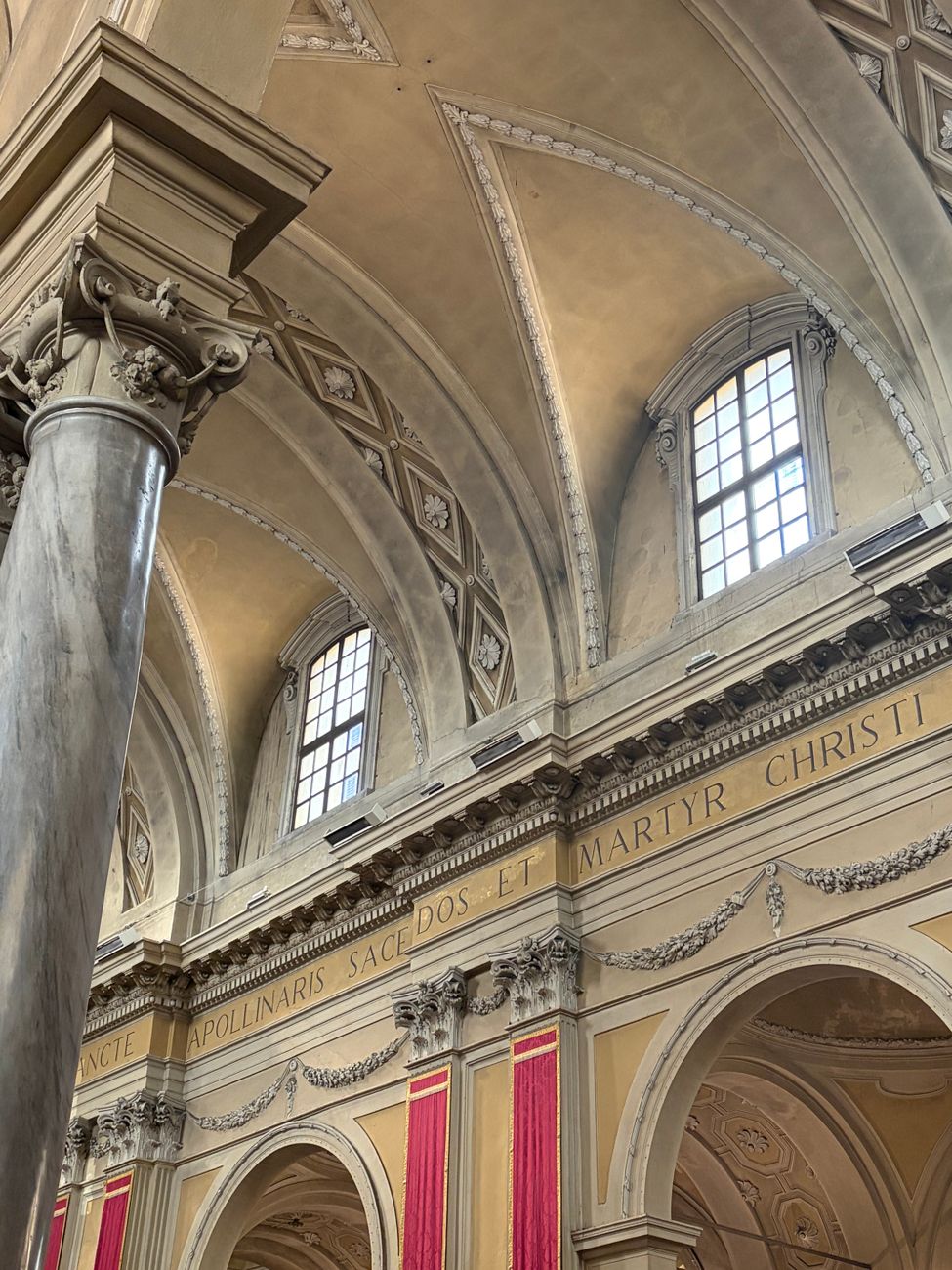
Morning: Take a Start Romagna bus or taxi to Sant'Apollinare in Classe (bus journey about 20–30 minutes depending on traffic). Allow 60–90 minutes to see the nave mosaics and the open archaeological area outside the basilica. Nearby Museo Classis (Classis Ravenna) documents the ancient port and deserves a stop; entry is usually around €6–8.
Lunch: Eat near Classe at a small osteria or bring snacks to the site; options are limited so plan accordingly. A simple lunch in Classe will typically cost €10–15.
Afternoon: Return to the centro storico by bus (20–30 minutes) and visit the Battistero degli Ariani and the Tomba di Dante near Via Dante. The Dante site is compact; pair it with a slow cafe break in Piazza del Popolo.
Late afternoon: Explore the Darsena and Porto area by foot — the waterfront walk gives a sense of the city’s maritime history and is useful before the evening ferry or beach plans. If time allows, rent a bicycle from a local shop to cycle part of the coastline.
Evening: Dinner in Darsena or near Via Cavour. Choose seafood if in season; expect €20–35 per person for a mid-range meal with wine.
Day 3
Morning: Reserve this day for anything missed and a relaxed start. If staying near the station, walk to the Museo Nazionale or the MAR for a final art session (allow 60 minutes each). If there are queued sites left, fit them in early when crowds are thinner.
Late morning to early afternoon option A (beach): Catch a bus to Marina di Ravenna (20–30 minutes) for sand and an afternoon at a stabilimento or the free beach strip. Check whether facilities are open in low season before going.
Late morning to early afternoon option B (day trip): Take a regional train to Ferrara (about 50–60 minutes) for a half-day if time permits; trains back in the early afternoon arrive before late-afternoon flights.
Practical checkout note: If catching an afternoon flight from Bologna, leave the city centre at least 3–3.5 hours before scheduled departure to allow for train/bus plus airport transfer; taxis run faster but cost substantially more. End the day with a simple final meal near the station or Piazza del Popolo and a final walk through the lit mosaics if time and opening hours permit.

Best Local Experiences
See mosaics at San Vitale and compare them with the tighter, more intimate mosaics of the Mausoleo di Galla Placidia. These two sites show different scales and contexts.
Attend a short guided tour at Basilica di Sant'Apollinare in Classe and then walk the adjacent archaeological area to visualize the late Roman port complex. The Museo Classis tours give context to the maritime remains.
Buy a piadina at a local piadineria (look for signs reading piadineria) and eat it near Darsena or Piazza del Popolo to experience a fast local lunch with local cheese squacquerone and cold cuts.
Visit the Tomba di Dante and the surrounding patrician streets in the centro storico to understand the civic side of the city — the area has small museums and bookshops worth browsing.
Spend an afternoon at Marina di Ravenna or a bike ride along the coast; seasonal birdwatching is possible in the salt pans near Cervia and can be arranged as a half-day trip.

Where to Stay
Centro Storico (historic centre) — suits first-time visitors who want walking access to San Vitale, Galla Placidia, Piazza del Popolo and many restaurants. Expect small boutique hotels or B&Bs; typical nightly cost €70–140 (EUR) / $75–150 (USD) depending on season and room size.
Darsena / Porto area — suits people who prefer quieter evenings, easy waterfront walks and quick access to seafood restaurants. A few guesthouses and apartments are available; expect €60–110 per night / $65–120 USD.
Marina di Ravenna — suits travellers wanting beach time and a relaxed coastal stay; accommodates families and summer visitors. In high season prices rise: €80–160 per night / $85–175 USD for mid-range hotels or private apartments.
Book early for summer weekend stays near the Marina and for weekend cultural festivals; shoulder seasons (April–May, September–October) often yield better rates and still pleasant weather.
Food and Drink
Piadina — flatbread folded and filled with squacquerone cheese and cured meats; buy at a piadineria near Darsena or Piazza del Popolo for €3.50–5.00. A classic quick lunch.
Passatelli in brodo — thin noodle-like dumplings made with breadcrumbs and parmesan served in broth; find it at traditional osterie such as those around Via Cavour for €8–14 as a starter or primo.
Cappelletti — small stuffed pasta often served in meat broth; look for good versions at family-run trattorie in the centro storico for €10–16.
Sardoncini alla griglia or al saor (seasonal) — small grilled Adriatic sardines, commonly served at seafood restaurants in Darsena or along the waterfront; price €10–18 depending on portions.
Albana di Romagna — the local white wine, available by the glass in enoteche and restaurants; a glass typically costs €3.50–6. For dessert try a small bottle of local fortified Albana if offered.
Breakfast option: a cornetto and espresso at a pasticceria near Piazza del Popolo for about €2. Street food option: fried seafood or panini by the Darsena stalls for €4–8. Dinner recommendation: choose a trattoria that lists passatelli or tagliatelle al ragù for a proper regional meal, budget €18–35 per person excluding wine.
Getting Around
Local buses are run by Start Romagna; urban routes cover the centro storico, Darsena and Marina. Use the Start Romagna app or Moovit for live times. Single urban bus tickets cost roughly €1.50; a day pass (where available) is around €5.
Regional trains (Trenitalia regionale) link Stazione di Ravenna with Ferrara, Rimini and Faenza. Tickets can be bought at the station machine or via the Trenitalia app. Expect slower regional schedules rather than high-speed connections.
Taxis are available by phone or at ranks near the station and Piazza del Popolo; a ride from Bologna airport is typically €80–110, while local short trips inside the city are usually €8–€20 depending on distance and time of day.
Bicycles are rentable seasonally near Darsena and Marina; cycling is a practical way to reach the waterfront. Carry small change and check bus driver guidance for bike carriage on regional services.
Best Time to Visit
Spring (April–June) offers mild temperatures 12–22°C and fewer crowds at mosaic sites; good value for hotels and pleasant walking weather. Late spring is the most balanced for outdoor and indoor visits.
Summer (July–August) brings 20–30°C and beach crowds at Marina di Ravenna; expect higher hotel rates and fuller restaurants. Some museum lines lengthen in July and August.
Autumn (September–October) usually has 15–22°C, falling prices and festival weekends; this is a good compromise between weather and lower tourist numbers. Winter (November–March) is off-season: 3–11°C, fewer services at stabilimenti, and many museums still open but with reduced hours.
Budget and Practical Tips
Daily budget (per person, moderate) — Accommodation: €60–120 / $65–130; Food: €25–45 / $28–50; Transport and local tickets: €6–12 / $6.50–13; Entry fees: €10–20 / $11–22 depending on how many monuments are visited. A typical comfortable daily total is €100–200 / $110–220.
Save by buying the Ravenna Card if visiting 3–4 of the main sites; combined tickets reduce overall cost. Small groceries and market lunches keep food costs below restaurant prices.
Tipping norms: round up in cafes (leaving the coins), and leave 5–10% in restaurants only if service is not included and the experience was good. Do not feel required to tip taxi drivers beyond rounding up small amounts unless the driver helps with heavy luggage.
FAQ
Is Ravenna safe for solo travellers?
Yes. The centro storico and the Darsena are generally safe by day and night. Usual city precautions apply: watch belongings in crowded sites and on buses.
How do I get from Bologna airport to the city centre?
Take a regional train toward Bologna Centrale then a direct or connecting train/bus to Stazione di Ravenna; expect total journey time 1.5–2 hours. A taxi is faster but usually costs €80–110.
Is the Ravenna Card worth buying?
If planning to enter San Vitale, Galla Placidia, Sant'Apollinare Nuovo and at least one museum, the card usually pays for itself; buy at the tourist office in Piazza del Popolo.
Can the main mosaic sites be visited on foot?
The centro storico mosaic sites (San Vitale, Galla Placidia, baptisteries, Sant'Apollinare Nuovo) are walkable between each other. Sant'Apollinare in Classe and the Museo Classis require a bus or taxi.
Are English tours available at the monuments?
Yes, some guided tours and audio guides are offered, but availability varies by season; book in advance for peak months.
Is there an easy day trip to the beaches?
Yes. Marina di Ravenna is a 20–30 minute bus ride from the centre; check seasonal schedules for stabilimenti opening times.
How accessible are the sites for travellers with limited mobility?
Several monuments have uneven surfaces and steps; some sites provide ramps or assistance but notify staff in advance to confirm access arrangements.
Can a day trip be made to Ferrara or Rimini from Ravenna?
Yes. Trains to Ferrara take about 50–60 minutes; Rimini is similarly reachable by regional rail in around an hour, making both feasible half-day or day trips.
Conclusion
Three days allow careful, non-rushed visits to the main mosaic churches, a focused visit to Sant'Apollinare in Classe, and a taste of the coast. The lasting impression is usually the contrast between the intimate mausoleum mosaics and the long basilica mosaics in Classe, plus the easy local routines around piadina stands and waterfront cafés.
If time becomes tight, prioritise Basilica di San Vitale plus the Mausoleo di Galla Placidia in the centro storico; those two offer the most concentrated experience of the city’s mosaic art and are the single best use of a shortened schedule.
How this guide was prepared
This guide was prepared through a structured research that combines destination research, geographic context, itinerary planning logic, and content review.