
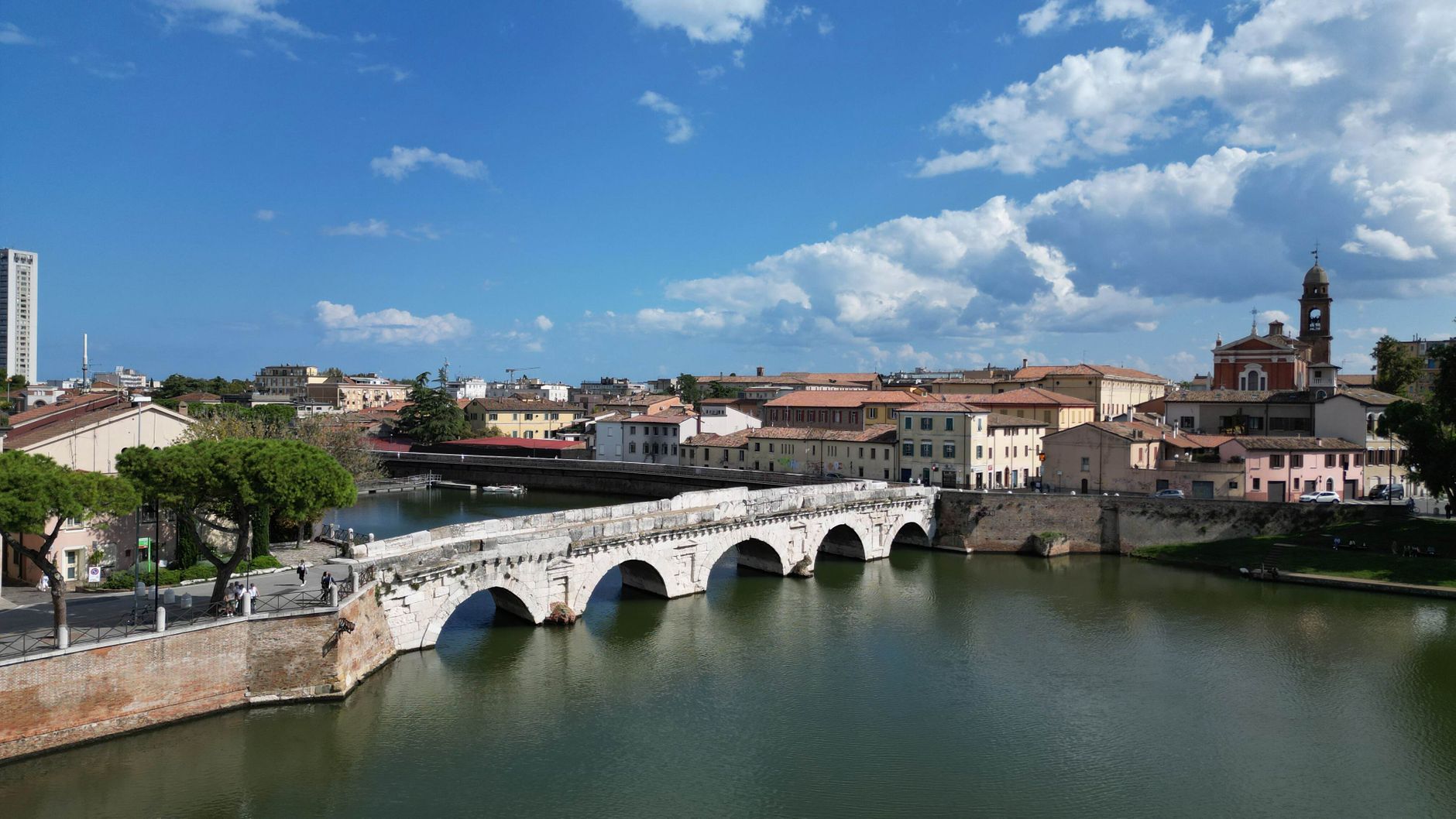
3-Day Cervia Itinerary: Salt Pans, Beaches, Pine Forest
A practical 3-day guide to Cervia’s salt pans, beaches, pine wood and seafood, with transport, neighbourhood tips, sample days and budget estimates.
Three days here cover the salt museum and pans, a long day on the beach and a pine-forest bike ride, plus practical tips on buses, markets and local food.
Expect a low, horizontal town arranged between wide beaches and flat salt marshes. The first impression is seaside service industry by day and a quieter residential feel by evening; the pine forest and salt pans determine the pace more than hotels or nightclubs.
The working saltworks remain visible in the landscape and local shops and restaurants use the 'sale dolce di Cervia' on menus and at market stalls. Many guidebooks treat this place as a generic Adriatic resort; that misses the small-scale fisheries, the birdwatching at the Salina and the pine-forest cycling culture.
This place suits travelers who prefer short, concrete activities—museum and saltworks visits, a long beach day and a bike ride in the Pineta—rather than multi-museum urban days. Expect the town to be busiest in July and August; on weekday mornings the markets, fish auction and saltworks feel most local.
Is 3 days in Cervia enough?
Yes: three days is enough to see the Museo del Sale and Salina di Cervia, spend time on the stabilimenti, and cycle the Pineta di Milano Marittima. Travelers will have to skip longer day trips to Ravenna or Rimini if they want to move at an unhurried pace.
Who This Guide Is For
Best for travelers who like coastal nature, seafood and short bike rides; not ideal for those seeking a large-city museum itinerary or intense nightlife. Budget travelers can manage with hostels and public buses, while upscale visitors should book stabilimenti and restaurants in advance.
Local Tips for Cervia
Practical details that most travel sites skip — specific to Cervia.
- Salina di Cervia guided tours operate with the Museo del Sale; the museum entry is about €4–€6 and guided saltworks walks or birdwatching sorties are often limited to small groups, so book ahead on the museum website or by phone.
- Start Romagna runs the regional buses connecting Ravenna, Milano Marittima and Rimini; single bus tickets bought at a tabacchi or via the Start Romagna app usually cost €1.60–€2.20 depending on route.
- Milano Marittima’s Pineta has dedicated cycling paths; local bike rentals on Viale Roma charge roughly €8–€12 per day for a city bike and about €20–€30 for an e-bike.
- Central stabilimenti (beach clubs) charge for a sunbed and umbrella: expect €20–€35 in July–August; private beach access means one-day visitors should confirm pricing before sitting.
- The weekly market by Piazza Garibaldi (market days vary by season) sells 'sale dolce di Cervia' and local honey; go before noon for best produce and salt-packed specialties.
How This Guide Was Prepared
This guide treats Cervia as a small working seaside town built around its saltworks and pine wood rather than as a resort. Many guides only list beaches and nightlife; they skip how the Salina shapes local food, birdwatching and the weekday rhythms. The practical focus here is on routes, costs and timing so three days feel calm instead of compressed. This guide was prepared through a structured research that combines destination research, geographic context, itinerary planning logic, and content review.
Plan Your Stay in Cervia
Use this itinerary as your starting point, then compare areas to stay, transport options, seasonal timing, and realistic daily costs before booking.
Why Visit
Visit for the salt landscape: the Salina di Cervia is a rare coastal salt-works still in operation and it directly shapes local cuisine and products. The Museo del Sale explains the process and offers short guided walks that lead to good birdwatching.
Visit for the pine forest and cycling: the Pineta di Milano Marittima has shaded, flat bike paths leading to quieter beaches and small villas; renting a bike makes several short trips realistic during three days. The pine is also the place to escape midday heat.
Visit for seafood and Romagna dishes: local ports supply fish to the trattorie along the Lungomare and in the marina; dishes such as brodetto alla romagnola and freshly grilled fish are worth prioritising over generic beach food.
Visit for an unhurried seaside rhythm: compared with Rimini or Riccione this town has fewer large clubs and more family-run restaurants and stabilimenti, which suits travelers who want a calmer coast experience.
Quick Planning Tips
Arrive by train to Ravenna or Rimini then take a Start Romagna bus to the town centre; trains run regional services (Trenitalia) to both Ravenna and Rimini and the bus connection is about 20–40 minutes depending on origin. From Rimini Federico Fellini airport a taxi is quicker than multiple bus changes; from Bologna airport expect at least 1h30 by train then bus.
Buy bus tickets at a tabacchi, from the Start Romagna ticket machines or via the Start Romagna app; keep them validated on board to avoid fines. Cash is accepted at small shops but most restaurants and stabilimenti accept cards; still carry €20–€50 for market stalls, bike rentals and small cafés.
Avoid planning multiple long day trips in one itinerary; attempting Ravenna and Rimini plus the salt pans will produce rushed days. Reserve a slot for the Salina guided visit and check stabilimenti prices in July–August before committing.

Day 1
Morning: Start at the Museo del Sale for the exhibit on local salt production and the modern cooperative; allow 1–1.5 hours. The museum ticket is about €4–€6 and guided walks into the Salina are scheduled in the morning when birds are most active.
Late morning: Walk or bike to the Salina di Cervia salt pans (5–15 minutes from the museum depending on the gate used) for a guided tour or a self-guided loop. Bring binoculars for flamingos and waders; the salt flat paths are flat and mostly firm.
Lunch: Eat at a seafood trattoria on the marina—Osteria near Porto di Cervia serves brodetto or grilled fish; expect mains €12–€25. Walking time from the Salina to the marina is about 20 minutes or a 6–8 minute bike ride along the salt-side path.
Afternoon: Stroll the Lungomare and visit the central stabilimenti for a beach session. Renting a sunbed and umbrella will cost about €20–€35 in high season; free public beach stretches exist but fill up fast. Walk back to Piazza Garibaldi to browse the market stalls (market days vary by season).
Evening: Dine in the old town near Piazza Garibaldi for small-plate seafood and a local wine by the glass; finish with an evening passeggiata along the seafront promenade for views of the Diga di Levante pier.
Day 2
Morning: Head to Milano Marittima and the Pineta for cycling; rent a city bike on Viale Roma (about €8–€12/day). A recommended route is Viale Roma into the pineta, then toward Bagno 53 for a beach break; total cycling time with stops can be 2–3 hours.
Late morning: Stop at a bakery on Viale Gramsci for piadina and coffee; piadina shops are common and a filled piadina costs around €3–€6. From the pineta, reach the seafront in under 15 minutes by bike.
Lunch: Choose a stabilimento in Milano Marittima for a quick seafood plate or a pasta dish; expect €12–€20 for a simple pasta. Allow time for payment and a short siesta or shaded walk through the pinewood.
Afternoon: Visit the marina and town centre of Milano Marittima for shop windows and small galleries, or return to the salt pans for late-afternoon birdwatching when light is softer. Travel between Milano Marittima and the salt pans is 10–20 minutes by bike or 5–10 minutes by car/taxi.
Evening: Try a trattoria specializing in Romagna dishes in the marina area—book ahead in high season. Finish with a gelato on the promenade before returning to the hotel or B&B.

Day 3
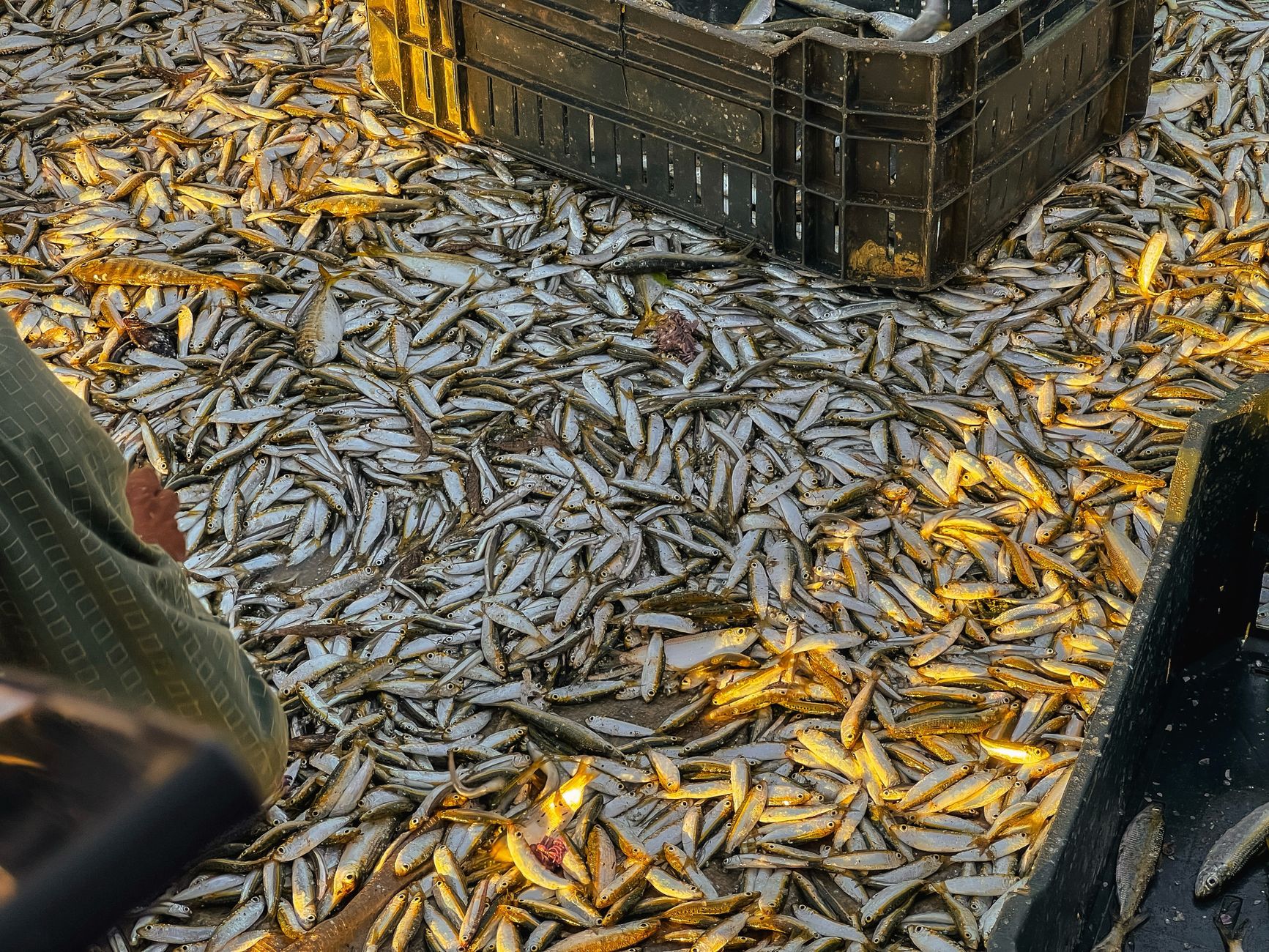
Morning: If checking out, store bags at the accommodation and take an early short trip to the fish market near the port to see the morning auction and the working side of the harbour. The fish market usually wraps up late morning; plan for a 1–1.5 hour visit.
Midday: Walk the town centre to buy 'sale dolce di Cervia' from a specialist shop and pick up souvenirs; shops near Piazza Garibaldi and Via Bogo sell jars of seasoned salt and honey. Allow 30–45 minutes for shopping.
Lunch: Choose a lunch spot near the station or main bus stop depending on outbound travel; lighter options such as seafood salads or piadina keep check-out flexible. If catching an afternoon flight, allow at least 90–120 minutes for travel to Rimini or Ravenna stations plus transfer time.
Afternoon option: For those with a later departure, return to a quiet stretch of public beach or the pineta for a final walk. Taxis to Rimini airport cost about €20–€30 from town; to Bologna airport expect €100–€130 and at least 1h30 travel time depending on traffic.
Practical note: Confirm bus schedules on the Start Romagna app the day before, as weekend and seasonal timetables change and missing the one-hour bus can disrupt afternoon flights.
Best Local Experiences
Guided Salina walks and birdwatching at the Salina di Cervia following the Museo del Sale route are distinctive and often run in small groups; book in advance for morning sessions when waders and flamingos are active.
Rent a bike and spend time in the Pineta di Milano Marittima; the shaded paths and villas make for easy half-day rides and short detours to quieter beaches. Several bike shops on Viale Roma rent city bikes and e-bikes.
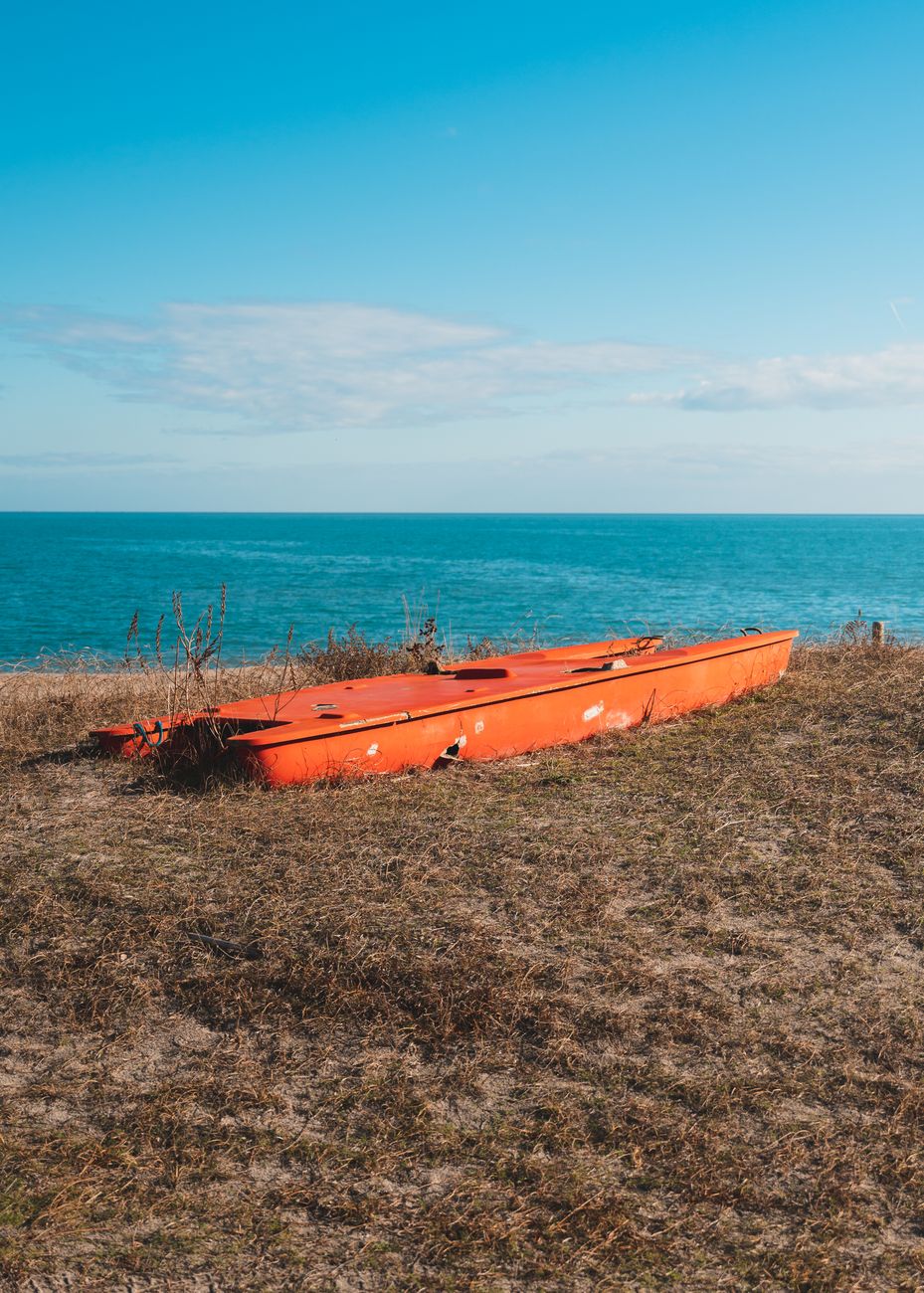
Visit a stabilimento for a full beach-service day: early arrival secures a central spot. Choose a stabilimento with on-site lunch service to avoid walking back to the promenade at midday.
Attend the local market near Piazza Garibaldi on market days to buy sale dolce di Cervia, local honey and cured meats; vendors often package salt in small jars as souvenirs.
Try a late-afternoon guided salt-pan photo tour; the low light and reflections on the salt basins create strong photos and the tours combine ecology with local salt-production history.

Where to Stay
Centro (town centre / near Piazza Garibaldi) — suits travellers who want short walks to restaurants, shops and the museum; near the port and bus stops for Ravenna. Expect small B&Bs and midrange hotels at €60–€120/night (about $65–$130). Book early in July–August.
Milano Marittima (pineta and seafront) — suits cyclists and people who want shaded walks and higher-end beach clubs; several villas and boutique hotels sit inside the pinewood a short walk from the beach. Nightly rates range €90–€220 (about $98–$240) depending on proximity to the beach and season.
Lido di Savio / Marina area (southern stretch) — suits families and visitors wanting a quieter stabilimento scene and easy access to Rimini by bus; simpler apartments and family hotels are common at €50–€110/night (about $55–$120). Use this area for lower-cost options in high season.
Food and Drink
Sale dolce di Cervia — a local coarse sea salt with a milder flavour; sold at Museo del Sale shop and specialist food stores near Piazza Garibaldi. Small jars €3–€6.
Piadina romagnola — a flatbread filled with prosciutto, squacquerone or vegetables; available at dedicated piadinerie and bakeries. Expect €3–€6 for a filled piadina.
Brodetto alla romagnola — a local seafood stew with mixed fish and tomato base; order at traditional trattorie on the marina or via lungomare restaurants. A main course runs €12–€22.
Spaghetti alle vongole or grilled Adriatic fish — common on menu fronts along the port; clams and fresh fish priced between €10–€20 for a pasta plate, €15–€30 for grilled whole fish.
Local desserts and drinks — try gelato from independent gelaterie and caffè ristretto; espresso is €1–€1.50, gelato €2–€4 per scoop. Local Romagna wines such as Sangiovese pair well and glasses in restaurants cost €3.50–€6.
Getting Around
Regional trains (Trenitalia) serve Ravenna and Rimini; there is no major national rail hub inside the immediate centre so most visitors transfer by bus. Start Romagna operates buses between Ravenna, Milano Marittima, Cervia and Rimini.
Typical single bus tickets bought at tabacchi or the Start Romagna app cost about €1.60–€2.20 depending on distance; a day pass for local buses and short regional trips is usually €6–€8 — check the Start Romagna app for exact lines and prices. Validate paper tickets on board.
Taxis are available and short trips (station to town) run about €8–€20 depending on distance; Rimini airport to town is around €20–€30 and Bologna airport transfers are considerably higher (approx €100–€130). Bike rentals are common and often the fastest way to move short distances; download the Start Romagna app and the Trenitalia app for schedules and ticket purchases.
Best Time to Visit
High season (July–August): warmest weather (24–30°C) and busiest beaches; expect full stabilimenti, higher prices and crowded promenades. Book accommodation and stabilimenti well in advance.
Shoulder seasons (May–June and September): temperatures around 18–25°C, fewer crowds and lower prices; salt-pan birdwatching and cycling in the pine are especially pleasant. Several restaurants and lidos reduce hours in late September.
Low season (October–April): cooler weather with temperatures 6–16°C, many beach businesses closed and a quieter town; good value on rooms but less choice for evening dining. March–April can be windy, so plan sheltered activities on those days.
Best value months are May and September when weather is pleasant, prices are moderate and services remain widely available.
Budget and Practical Tips
Daily budget estimate (per person): Budget traveller: accommodation €40–€70, food €20–€35, local transport €2–€6, entry fees €4–€10; total €66–€121 (approx $72–$132). Mid-range traveller: accommodation €80–€140, food €35–€60, transport €6–€12, entry fees €10–€25; total €131–€237 (approx $143–$258).
Accommodation costs rise significantly in July–August; renting an apartment or staying in Lido di Savio can reduce costs. Meals at trattorie cost €12–€25 for mains; a coffee or ice cream is inexpensive and useful for quick refuelling.
Tipping norms: small tips are appreciated but not obligatory. Restaurants sometimes add a coperto (cover charge) of €1–€3 per person and service is often included; leave €1–€3 for table service if satisfied. Round up taxi fares or add €1–€3 for helpful drivers.
FAQ
How safe is the town for solo travellers?
Generally safe with low violent crime; exercise normal precautions with belongings on crowded beaches and at markets, and avoid poorly lit empty beach stretches after midnight.
Is there a city card or tourist pass worth buying?
No widely used city card for attractions; buy individual tickets for Museo del Sale and book guided Salina tours separately—passes are uncommon and rarely cost-effective here.
What is the best way to get from the nearest airport?
From Rimini (Federico Fellini) a taxi is quickest (~€20–€30); from Bologna airport take a train to Ravenna or Rimini and then a Start Romagna bus—expect 1h30–2h total travel time.
Are the beaches public or private?
Both: many beaches are run by private stabilimenti that rent umbrellas and sunbeds; public free beaches exist but are limited and fill early on busy days.
Can the Salina di Cervia be visited independently?
Parts can be seen from public paths but guided visits from the Museo del Sale or cooperative-led tours provide access to restricted areas and expert commentary, so book ahead.
How frequent are buses to Ravenna and Rimini?
Start Romagna runs multiple daily connections but frequency varies by season—check the Start Romagna app for current timetables; expect fewer services on Sundays and holidays.
Is it easy to do day trips to Ravenna or Rimini?
Yes, but each requires half a day at minimum due to travel and site time; Ravenna’s mosaics and Rimini’s old town deserve dedicated visits rather than rush stops.
Conclusion
Three days allows a measured visit: the Museo del Sale and a Salina tour, a full beach day with stabilimento time and a relaxing bike ride in the Pineta. The most memorable part for many is the salt landscape and the taste of local products made with sale dolce di Cervia.
If time becomes tight, prioritise a morning at the Salina and one long beach session rather than attempting two full day trips to Ravenna and Rimini. Those two priorities give a compact, realistic sense of what makes this coastal town different from its larger neighbours.
How this guide was prepared
This guide was prepared through a structured research that combines destination research, geographic context, itinerary planning logic, and content review.