

Cesenatico in 3 Days — Practical Itinerary and Local Tips
A no-nonsense 3-day guide to Cesenatico with transit advice, Porto Canale and Museo della Marineria must-sees, beach timing, budgets and realistic planning.
A clear, realistic 72-hour plan for Cesenatico that balances the canal port, the maritime museum, shoreline time and seafood without sugar-coating costs or crowds.
Expect a small Adriatic town where the port and the shoreline define daily rhythm more than high-rise hotels. The first impression is salt air, low-rise buildings and a mix of family-run trattorie and modern beachfront kiosks rather than a dense urban core.
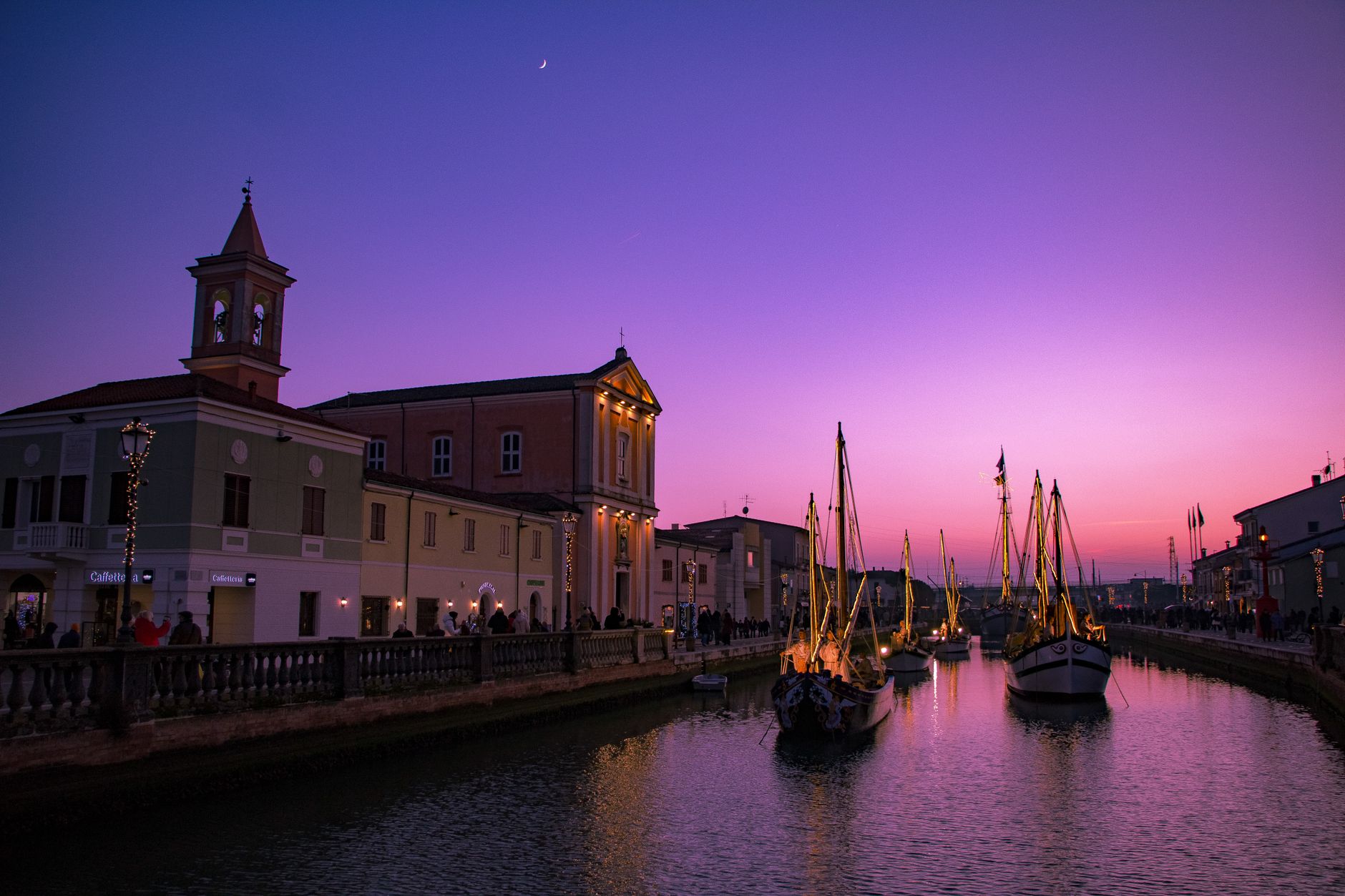
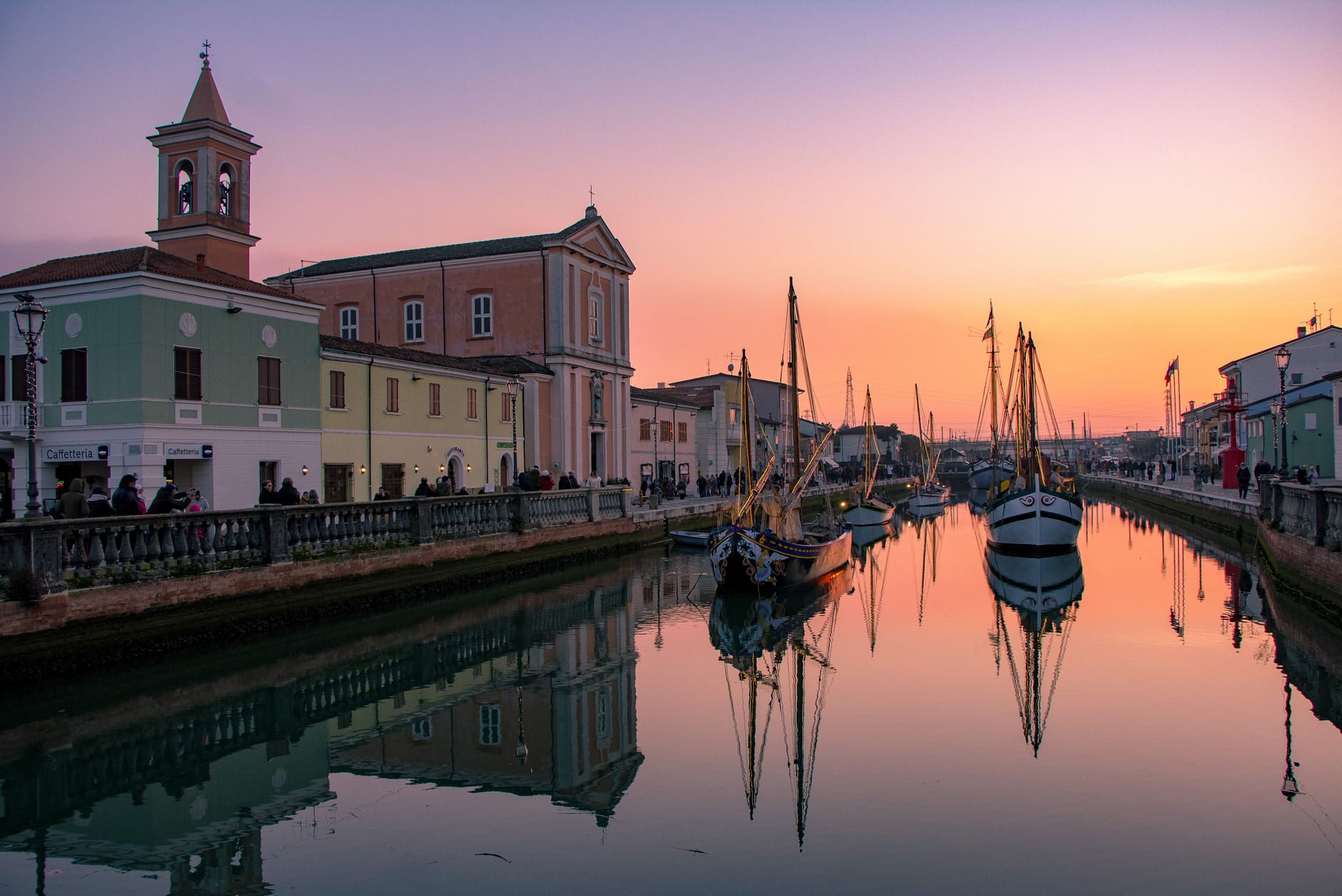
The port area around Porto Canale is the most distinctive element; old fishing boats sit alongside bars and galleries and the canal is used by locals, not only tourists. Noise levels rise in July and August; outside high summer the town feels quiet and most beach services scale back.
Is 3 days in Cesenatico enough?
Three days is enough to see the Porto Canale, visit the Museo della Marineria, walk both the Levante and Ponente lungomare and fit in a seafood meal and a bike ride along the coast. The honest caveat: day-trippers from Rimini or Ravenna often miss slow-morning routines and a full seafood festival or Sunday market that require a longer stay.
Who This Guide Is For
Best for travelers who want short, relaxed cultural-and-beach breaks — food-focused visitors and light walkers. Not a great fit for travelers wanting high-energy nightlife or intensive museum-hopping across Emilia-Romagna.
Local Tips for Cesenatico
Practical details that most travel sites skip — specific to Cesenatico.
- Porto Canale was reworked from Leonardo da Vinci's sketches; the canal-side fish market (Pescheria del Porto) operates early around 06:30–08:00 in summer and is worth visiting for fresh catch and local banter.
- Museo della Marineria ticket is typically around €6–8 for adults; buy at the museum cash desk on Viale Carducci or check reduced-entry times on the official site.
- Start Romagna runs local buses; buy tickets at tabacchi, newsstands or via the Start Romagna app (search 'Start Romagna' in Italian stores) — single rides are around €1.50 in town.
- The Sagra del Brodetto (local fish stew festival) takes place in spring/early summer in the historic centre—dates vary, so check municipal event listings in advance.
- Night-time beach services and many restaurants operate largely from mid-June to early September; outside those months expect reduced opening hours and fewer staffed beach establishments.
How This Guide Was Prepared
Cesenatico is not just a beach resort; the working Porto Canale and small-boat culture give the town a fisherfolk pace that many guides ignore. Most tourist copy treats it like a generic Adriatic resort and skips the maritime museums, early-morning fish market and local festivals that reveal how residents live and eat. This guide was prepared through a structured research that combines destination research, geographic context, itinerary planning logic, and content review.
Plan Your Stay in Cesenatico
Use this itinerary as your starting point, then compare areas to stay, transport options, seasonal timing, and realistic daily costs before booking.
Why Visit
The Porto Canale and Museo della Marineria offer a maritime story tied to working boats and local fishing techniques rather than polished tourist displays. Casa Moretti gives access to local literary history on a modest scale that complements a seafood-focused visit.
The coastline is walkable: both Levante and Ponente stretches are reachable without a car, and the bike path connecting to Cervia is practical for a half-day ride. Culinary reasons are specific: brodetto alla cesenate and fritto di paranza in straightforward trattorie show how seafood is prepared on this stretch of the Adriatic.
Public transport links to Rimini and Ravenna make short detours feasible, so the town works as a compact base for exploring the southern Romagna coast without the crowds of larger resorts.
Quick Planning Tips
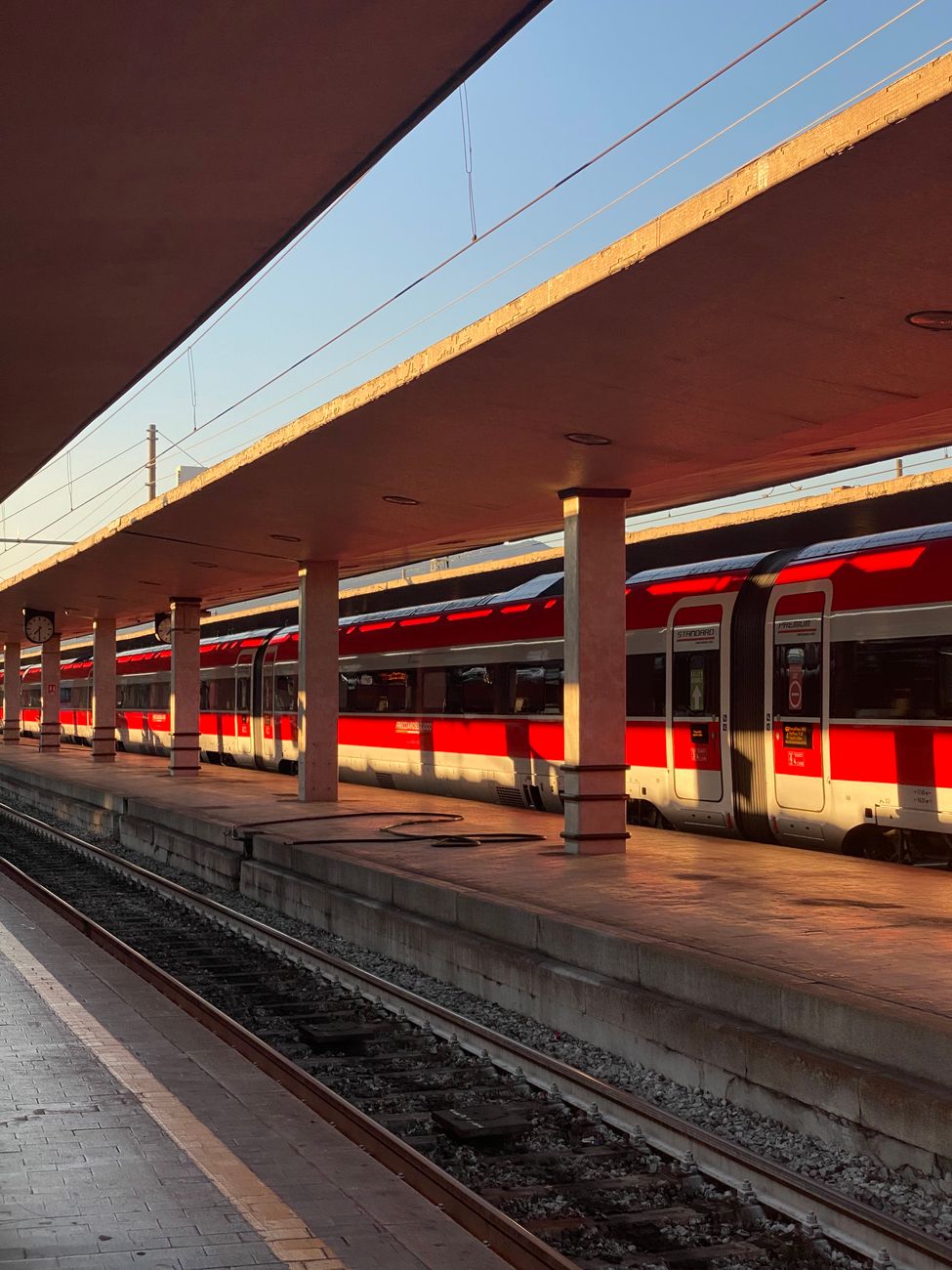
The easiest rail access is via Trenitalia regionale to Cesenatico station; regional trains on the Bologna–Ancona corridor stop here but check schedules for reduced frequency on Sundays. From Rimini Federico Fellini Airport expect about 30–45 minutes by taxi or a combination of bus and train; Bologna Guglielmo Marconi Airport is nearer 1 hour 15 minutes by car.
Buy local bus tickets for Start Romagna at tabacchi or via the Start Romagna app and validate on board; single urban tickets run about €1.50. A common planning mistake: assuming beach establishments and boat tours run year-round — many operate mainly from mid-June to early September.
Day 1
Start at Porto Canale in the historic centre, arriving early (07:00–09:00) to watch the fish stalls open and to photograph the painted hulls and wooden boats. Walk the canal from the far head near the Faro di Cesenatico toward Piazza Pisacane; allow 30–45 minutes for a slow, photo-friendly stroll.
From the canal, cross to Museo della Marineria on Viale Carducci to see the stripped traditional boats and small exhibits; plan about 1.5–2 hours including the outdoor display of boats. The museum ticket is usually €6–8 and the entrance is next to the canal path.
Lunch at a canal-side trattoria — try a place on Via Marina by the Ponte di San Giacomo for brodetto alla cesenate or fritto di paranza; expect €15–25 per person for a seafood plate. After lunch, walk 15 minutes to Casa Moretti and the small surrounding streets to feel the residential scale and view the poet’s study and garden.
Late afternoon, rent a bike near Villamarina and cycle the coastal pista ciclabile toward Cervia for 30–45 minutes one way. Evening recommendation: eat on the Levante lungomare (Viale Carducci) where beach clubs and family run restaurants open late; finish with a slow passeggiata along the seafront.
Day 2
Spend the morning along the Levante beachfront (Lungomare Carducci) for a beach-and-breakfast combination at a bar that serves cornetto and espresso; linger on the shore and use facilities at a stabilimento balneare if visiting in high season. Walking the beach north toward Parco di Levante takes 20–30 minutes and reveals family-oriented sections and playgrounds.
After the beach, take local bus line or bike back to the central market area for the covered Mercato Comunale (check opening days) to sample local salumi, cheese and seafood to-go. Midday, try a piadina specialist for a quick, authentic lunch — many piadinerie on Via Mazzini or near Piazza delle Conserve serve fillings with squacquerone and prosciutto for €3–6.
In the afternoon, visit the Faro di Cesenatico and the small fishing-boat repair yards to see artisanal work; this area is a 10–15 minute walk from the canal head. For dinner, choose a seafood trattoria in Villamarina where locals eat; expect €25–40 for a full seafood menu. Evening recommendation: check local events board for temporay concerts or the Sagra del Brodetto if dates coincide.

Day 3
Use the third day to slow down and pick what was missed: a second museum visit, a longer bike ride to Cervia salt pans or an inland short trip to Ravenna by train. If catching an afternoon flight, keep morning simple: early canal walk, coffee at a bar on Via Carducci and a quick visit to any remaining shops on Via Mazzini.
Practical note for departures: allow at least 60 minutes to reach Rimini Airport by taxi from the center in good traffic, and 75–90 minutes to Bologna. For train departures, the Cesenatico station is a 10–15 minute walk from the canal; buy regional tickets via the Trenitalia app and validate if needed.
Midday choices include a final piazza lunch at Piazza Costa or a beachfront panino; expect to budget €10–20 for a quick last meal. If time allows before leaving, cycle north to the Cervia salt pans (about 20–30 minutes by bike) for a contrasting landscape and birdlife viewing.

Best Local Experiences
Attend the Sagra del Brodetto if dates match the trip; small local stands serve versions of the fish stew and the event highlights working recipes rather than touristized plates. Go to the morning Pescheria del Porto at Porto Canale to see fishermen unload catch and to buy the freshest fish directly from stalls.
Rent a bike and ride the pista ciclabile to Cervia salt pans for birds and coastal scenery; the route is mostly flat and well signed. Browse the Mercato Comunale and weekly outdoor markets for local produce and picnic supplies — many vendors sell schiacciata, seasonal fruit and small prepared fish dishes.
Catch an open-air concert or a Rimini Riviera event (for example Notte Rosa activities that extend to neighbouring towns) in high season for nightlife that spreads along the lungomare. Visit Casa Moretti and the small literary exhibitions to grasp local culture beyond seafood and the beach.

Where to Stay
Centro storico / Porto Canale: suits sightseers who want canal-side access and evening promenades; near Museo della Marineria and Viale Carducci. Expect mid-season nightly rates around €90–€160 (≈ $95–170) for a mid-range hotel room.
Levante lungomare: suits beach-focused travelers who want direct access to stabilimenti and family-friendly services; close to Parco di Levante. Nightly rates vary from €100–€220 (≈ $105–$235) for beachfront rooms in July–August, cheaper shoulder-season prices apply.
Villamarina / Ponente: suits budget travelers and families seeking larger apartment-style accommodations and quieter beaches; near Faro di Cesenatico and small local shops. Expect €60–€120 (≈ $65–$130) per night for a modest pensione or apartment outside peak weeks.
Food and Drink
Brodetto alla cesenate: local fish stew made from mixed Adriatic catch, often served with polenta or toasted bread; good versions appear at family-owned trattorie on Via Marina and near the canal for €10–18 a bowl. Piadina romagnola: thin flatbread filled with squacquerone cheese and prosciutto or salsiccia; available at piadinerie on Via Mazzini for about €3–6 and ideal as street food.
Fritto di paranza: mixed, small-fry deep-fried seafood — expect a shared plate for €12–20 at canal-side restaurants. Squacquerone con miele or with cured meats is a common starter; a small plate costs €4–7. Wine: Sangiovese di Romagna or Trebbiano local bottles are standard; a house carafe at a trattoria is €8–15 for 0.5–1.0 litre.
Breakfast option: espresso and cornetto at a bar on Piazza Costa or Viale Carducci for about €1.10–2. Dinner recommendation: choose a canal-front trattoria around Piazza Pisacane for seafood specialties and watch the lights on the water; expect €25–40 per person for a three-course seafood meal including wine.
Getting Around
Trains: Trenitalia regionale serves Cesenatico station on the Adriatic corridor (Bologna–Ancona); regional trains connect to Rimini and Ravenna. Buses: Start Romagna operates urban and regional buses; look for lines that link the station, central canal and lungomare. Single urban tickets cost about €1.50 and day passes around €4.50.
Taxis: short town rides are inexpensive but expect roughly €35–50 from Rimini Airport and €120–150 from Bologna Airport depending on time and traffic. Bike rental is a practical mode for short coastal trips; many rentals are near the canal and Villamarina.
Useful apps and cards: use the Trenitalia app for regional train tickets, Start Romagna app for local bus tickets or buy at tabacchi, and MyCicero for some regional parking and ticketing where accepted. Validate paper bus tickets on board to avoid fines.
Best Time to Visit
High season (mid-June to early September) offers full beach services, nightly events and open restaurants but brings the largest crowds and peak prices; daytime highs are often 25–32°C. Shoulder seasons (late April–May and September–early October) balance milder weather (15–24°C) and lower prices; some beach clubs close but museums and restaurants remain open.
Winter months (November–March) are quiet with many businesses closed; temperatures 5–12°C and brisk sea winds make beach time impractical but local museums are easy to visit. Best value and decent weather typically appear in May and September when facilities run on reduced schedules but rates for accommodation drop significantly.
Budget and Practical Tips
Daily budget (mid-range traveller, per person): accommodation €70–140 (≈ $75–$150), food €30–50 (≈ $32–$55), local transport €3–6 (≈ $3–$6), entry fees €6–12 (≈ $6–$13). A typical 3-day total (excluding travel to the region) runs €300–550 per person depending on season and choices.
Tipping norms: service is often included on bills as coperto or servizio; leaving a few euros for good table service is appreciated but not required. Carry some cash for fish stalls, market purchases and small bars; most restaurants and stores accept cards but smaller vendors may not.
FAQ
How safe is Cesenatico for tourists?
Cesenatico is generally safe with low violent crime; usual pickpocketing can occur in crowded summer promenades and buses, so keep valuables secure.
What is the best way to get from Rimini Airport to the centre?
Taxi is the fastest at about 30–45 minutes and €35–50; a combination of bus to Rimini train station and regional train or local bus is cheaper but takes longer.
Is a city card or pass worth buying?
There is no single Cesenatico city pass; buying individual Museo della Marineria tickets and using Trenitalia and Start Romagna tickets as needed is usually more economical for three days.
Are beaches free or paid?
Both options exist; public stretches are free, while stabilimenti (beach clubs) rent sunbeds and umbrellas typically €10–€25 per day in high season.
Can day trips to Ravenna or Rimini be done by public transport?
Yes; regional trains connect easily to Rimini and Ravenna with travel times under an hour to each destination depending on the service.
Is English widely spoken?
Basic English is common in hotels, restaurants and tourist shops; learning a few Italian phrases speeds transactions at markets and with older proprietors.
Where is the fish market and when does it operate?
The fish market is on Porto Canale near Piazza Pisacane and runs early in the morning, around 06:30–08:00 in summer; times shorten outside high season.
Are there good options for vegetarians?
Yes; many restaurants offer pasta, piadina and grilled vegetables, but seafood dominates menus so check menus in advance for vegetarian options.
Conclusion
A three-day visit will leave a clear impression of a working Adriatic port with a seaside rhythm: early-morning fish stalls, museum displays of traditional boats and long, flat beachfronts. Prioritise the Porto Canale morning routine and a canal-side seafood meal if time is tight; those two experiences convey what is most distinct about the town.
If running short on time, choose an early canal walk, Museo della Marineria visit and a lunch of brodetto or fritto di paranza on the canal — that combination gives a concentrated view of local life and food.
How this guide was prepared
This guide was prepared through a structured research that combines destination research, geographic context, itinerary planning logic, and content review.