

3-Day Reading Itinerary: Practical Weekend and Short-Trip Guide
A practical 3-day Reading guide with neighbourhood plans, transit tips, meal picks, realistic timings, budget estimates, and festival-crowd warnings.
A clear, practical plan for 72 hours in Reading that balances town-centre history, river walks in Caversham, local museums, and realistic transit and eating options.
This town feels like a practical transport hub that also keeps pockets of quieter riverside life. The railway station, the shopping mall at The Oracle and the Forbury Gardens lion give a first impression of a place that mixes commercial energy with local parks. Streets around Broad Street and King’s Road are busy during daytime shopping hours and quieter by late evening apart from weekend pubs.
Expect clear signage at the station but uneven paving on some riverfront sections. The town suits walkers who want short museum visits, pub meals and riverside strolls rather than those seeking a dense art-scene or heavy nightlife. Caversham across the Thames offers quieter river paths and independent cafes for a different pace of day two.
Is 3 days in Reading enough?
Three days is enough to see the town centre, the Abbey ruins and museum, explore riverside Caversham, and take a longer canal or countryside walk. One honest caveat: a visit to Henley, Basildon Park or a full theatre programme will require extra time or will need to be dropped.
Who This Guide Is For
Best for short-trip travellers who want easy walking, local museums and river scenery rather than long gallery crawls. Not ideal for visitors seeking a packed metropolitan nightlife or a base for multiple day trips without transport planning.
Local Tips for Reading
Practical details that most travel sites skip — specific to Reading.
- Forbury Gardens: the Maiwand Lion is the most photographed monument; morning visits avoid both tour groups and lunchtime crowds from Broad Street.
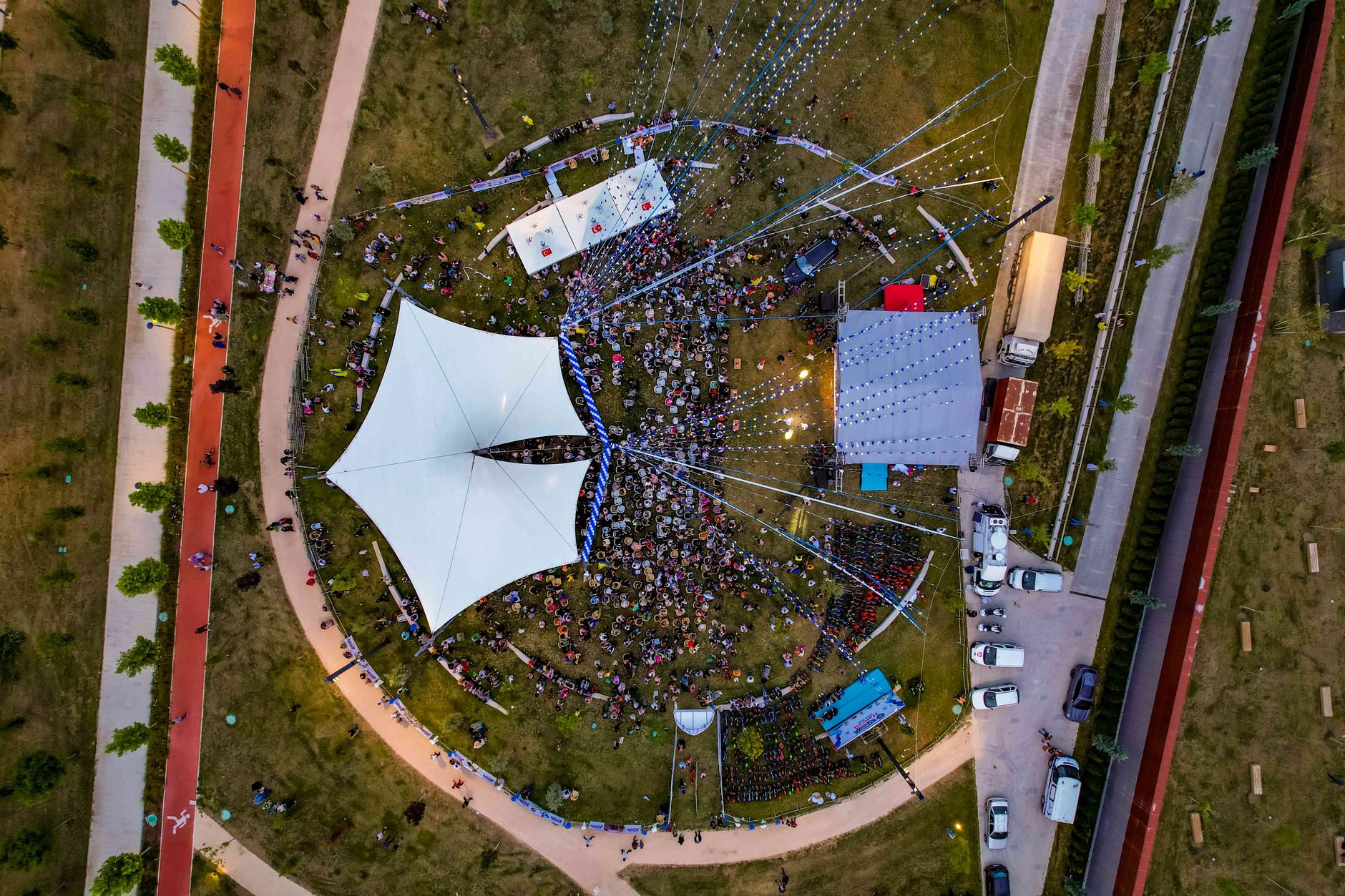
- Reading Festival at Richfield Avenue (mid-August) shuts parts of the town centre with road closures; book accommodation at least six months ahead and expect higher local taxi fares.
- Reading station has separate platforms and a clear north/south exit; the exit to Broad Street and The Oracle is the one to use for town-centre walking routes.
- Museum of English Rural Life (Whiteknights Campus) is free entry for the main galleries and is a short 25–30 minute walk from Broad Street or a 10-minute bus ride on Reading Buses routes.
- Reading Buses app sells a day ticket for the urban network; single fares are around £2 and day tickets are typically £4–£5 when bought on the app.
How This Guide Was Prepared
This guide treats Reading as a working market town with a big railway hub and an important riverside suburb, not as a clichéd London satellite. Many guides either over-sell the festival or under-explain day-to-day logistics like bus tickets, station exits and which neighbourhoods are walkable; this guide focuses on what can actually be done in three days with realistic timing and costs. This guide was prepared through a structured research that combines destination research, geographic context, itinerary planning logic, and content review.
Plan Your Stay in Reading
Use this itinerary as your starting point, then compare areas to stay, transport options, seasonal timing, and realistic daily costs before booking.
Why Visit
A compact mix of town-centre museums and accessible riverside walks provides a quick but varied short break. The Museum of English Rural Life on Whiteknights Campus is a well-curated free museum about countryside life and food systems. Reading Museum next to Forbury Gardens has local archaeology, the local regimental displays and rotating special exhibits.
The riverside neighbourhoods at Caversham and the Kennet canal offer easy boat-side walking without leaving town. Reading Festival is a major draw in August and alters the whole town’s mood for that week, making the place a genuine festival destination for music fans.

Quick Planning Tips
The easiest rail arrival is Reading station which has direct services from London Paddington, Bristol and the West Midlands on Great Western Railway and CrossCountry. From Heathrow, take the Heathrow Express or Elizabeth line to Paddington then a direct GWR train; National Express coaches also run directly to Reading from Heathrow.
Buy Reading Buses tickets on the Reading Buses app for the best day-ticket price and keep small change for pay-on-bus where the app isn’t used. Avoid booking accommodation solely by being near the football stadium if matchday or conference dates coincide; prices and noise spike.

Day 1
Start at Reading station to get bearings. Exit towards Broad Street and walk 5 minutes to Forbury Gardens to see the Maiwand Lion and the public gardens; allow 30–45 minutes for a relaxed stroll and photos. From the Gardens, cross to Reading Museum on Blagrave Street; main galleries are free but special exhibits may have a charge — budget £3–£7 and allow 45–60 minutes.
Walk 5 minutes to the Abbey Ruins on the Abbey Quarter; this is an outdoor site so check weather and allow 20–30 minutes. Follow the Kennet towpath east for 10–15 minutes to reach The Oracle riverside. Lunch options at The Oracle range from chains on the riverside terrace to independent cafes inside the shopping centre; an average lunch is £10–£18. After lunch, explore Broad Street and the indoor shopping arcades, then head for a short canal walk west toward Kennet Island — 20–30 minutes on foot. Dinner option: L'Ortolan in Shinfield for a fine-dining meal (tasting menus from roughly £70–£120) but book in advance. Evening: riverside pubs at The Oracle or a show at the South Street Arts Centre depending on listings.

Day 2
Spend day two across the Thames in Caversham and along the River Thames. Cross Caversham Bridge from the town centre and follow the Thames Path east to Caversham Court Gardens; walking time from Broad Street to the gardens is about 25–30 minutes. Visit the riverside near Caversham Lock for rowing club activity and photos; this stretch is good for spotting local wildlife and watching river traffic.
Take Reading Buses route or a 10–12 minute taxi back to the Museum of English Rural Life on Whiteknights Campus; allow 1–2 hours for the gallery and grounds. From MERL, walk or bus to Prospect Park in Tilehurst for open green space and town views — reachable by a 25-minute bus ride or 35–40 minute walk. Dinner: try a pub on Caversham High Street for a locally supplied menu with mains around £12–£20. Evening: riverside walk under low light or early-evening film at a local cinema if weather is poor.

Day 3
Reserve morning for a longer walk or a short day trip. Option A: follow the Kennet and Avon Canal west from Kennet Island toward West Reading for 60–90 minutes return walk and canal locks. Option B: take a 20-minute bus or 10-minute taxi to the Select Car Leasing Stadium area and combine a stadium walk with nearby Shinfield lakes paths.
Plan lunch around Broad Street or the Oracle if checking out of accommodation mid-afternoon. If catching an afternoon train, leave time for station security checks and platform changes; allow 30–45 minutes extra compared with smaller stations. For an afternoon flight from Heathrow, schedule at least 2.5–3 hours from Reading station to terminal including rail connections and transfer time by Tube or Heathrow Express. End the day with a relaxed tea at a local café in Caversham or an early dinner at a riverside pub.

Best Local Experiences
Attend Reading Festival if dates match travel plans; it changes the whole week's atmosphere and local transport. Shop the weekly market on Friday at Market Place for local produce and stall food; go early for best selection. Walk the Thames Path from Caversham to Sonning for river scenery and the historic Sonning Mill restaurant area.
Visit the Museum of English Rural Life for exhibits on farming and rural life and the Reading Museum for local archaeology and regimental displays. Take a short canal-side cycle or walk along the Kennet and Avon Canal towpath for lock-operator activity and barges. Finish with a pub meal at a riverside inn on Caversham High Street for local ales and simple seasonal menus.
Where to Stay
Town centre (Broad Street, Friar Street): Suited to shoppers and first-time visitors who want easy walking to museums and The Oracle. Rooms typically from £70–£140 per night (GBP), roughly €80–€160 or $85–$175 depending on season.
Caversham and riverside: Suited to those who want quieter evenings and riverside cafés; expect to pay £65–£120 per night and plan for a 10–20 minute walk or short bus into town.
Tilehurst/Prospect Park: Suited to budget-minded visitors or those with a car; quieter residential streets and access to long walks. Nightly rates can be £50–£90. Always check dates during the August festival and for major football matches when prices rise sharply.
Food and Drink
Full English breakfast: fried items, sausages, beans and toast found at local cafes such as the Broad Street cafés; expect £6–£10. Street food: The Oracle food court and Market Place stalls offer global street options with prices around £5–£9.
Pub meal: local pubs on Caversham High Street or near Forbury Gardens offer mains £10–£18 and local ales; try fish and chips or a seasonal pie. Afternoon tea: several hotels and tearooms near the station offer sandwiches and scones for around £15–£25. Special-occasion dinner: L'Ortolan (Shinfield) offers a tasting menu and is suitable for splurge dinners; menus typically range from £70–£120 per head.
Getting Around
Main rail services: Great Western Railway and CrossCountry operate frequent trains to London Paddington, Bristol, Oxford and the West Midlands. Reading station is the main hub and has clear signage to town exits.
Bus network: Reading Buses operates urban routes and sells single fares and day tickets via the Reading Buses app (single about £2, day ticket about £4–£5). Taxis: expect £30–£60 from Heathrow depending on time and traffic; local short trips in town are typically £6–£12. Useful apps and cards: Reading Buses app for local tickets, GWR app for rail tickets, and National Rail Enquiries or Citymapper for trip planning.
Best Time to Visit
Summer (June–August): warmest weather with daytime highs around 18–25°C. Festival week in mid-August brings crowds and higher prices. Spring (March–May): mild temperatures 8–15°C and fewer tourists; good value for accommodation. Autumn (September–November): cooler, 8–16°C and often wet; quieter after festival season. Winter (December–February): cold, 1–8°C and shorter daylight; best weeks for lower hotel prices but expect frost and rain. April–May and September offer the best balance of milder weather and lower crowding.
Budget and Practical Tips
Daily budget realistic breakdown: Accommodation £60–£120 per night (€70–€140 / $75–$150). Food: £20–£40 per day (€24–€47 / $25–$50). Transport: local bus day ticket £4–£5 (€5–€6 / $5–$6), occasional taxis £6–£15 for short trips. Sightseeing and entry fees: many local museums are free but budget £10–£25 per day for special exhibitions or paid attractions.
Tipping: restaurants often include a service charge; otherwise 10%–12% is normal for table service. Pubs and cafes rarely expect a tip; rounding up or leaving change is acceptable. Carry a contactless card and the Reading Buses app; cash is useful for small market stalls but not essential.
FAQ
Is Reading safe for tourists?
The town centre is generally safe in daytime; usual city precautions apply at night as some streets near Broad Street can be lively. Stay aware around station exits and late-night transport hubs.
What is the best way to get from Heathrow to Reading?
Take a rail connection via London Paddington (Heathrow Express or Elizabeth line) then a GWR train, or use direct National Express coaches; expect 50–90 minutes depending on route and traffic.
Is a Reading travel card or city pass worth it?
There is no single 'city pass' that covers all attractions; use the Reading Buses day ticket for buses and individual museum websites for any special exhibition tickets.
Can Reading be used as a base to visit Oxford or London?
Yes; trains to Oxford and London Paddington are frequent, making day trips possible but plan departures early to maximise time.
Are museums free?
The Museum of English Rural Life and Reading Museum have free main galleries; special exhibitions can charge a small fee. Check each site for current pricing.
How do I get to Caversham from the station?
Cross Caversham Bridge on foot (about 15–25 minutes from Broad Street) or take local bus services that cross the Thames. Taxis take around 5–10 minutes depending on traffic.
Will Reading be crowded during the festival?
Yes. Expect road closures, higher accommodation costs and busier pubs in mid-August; book transport and rooms early.
Are there good river walks nearby?
Yes. The Thames Path through Caversham, the Kennet towpath and the canal routes offer scenic, flat walking within town limits.
Conclusion
Three days delivers a clear sense of the town's practical mix of transport links, local museums and riverfront life. Visitors will most likely remember the lion in Forbury Gardens, a riverside walk in Caversham and the ease of short museum visits. If time is tight, prioritise Forbury Gardens, Reading Museum and a Thames Path stretch; they together give a concise, accurate impression of the place.
How this guide was prepared
This guide was prepared through a structured research that combines destination research, geographic context, itinerary planning logic, and content review.