
3-Day Mobile, Alabama Itinerary: Practical Weekend Guide
Three days in Mobile, Alabama covers the Historic District, USS Alabama, Mardi Gras museums, Gulf Coast seafood, transit tips, and realistic budget guidance.
A practical 72-hour plan for exploring Mobile's historic downtown, waterfront battleship, Mardi Gras culture, and nearby Gulf beaches without wasting time.
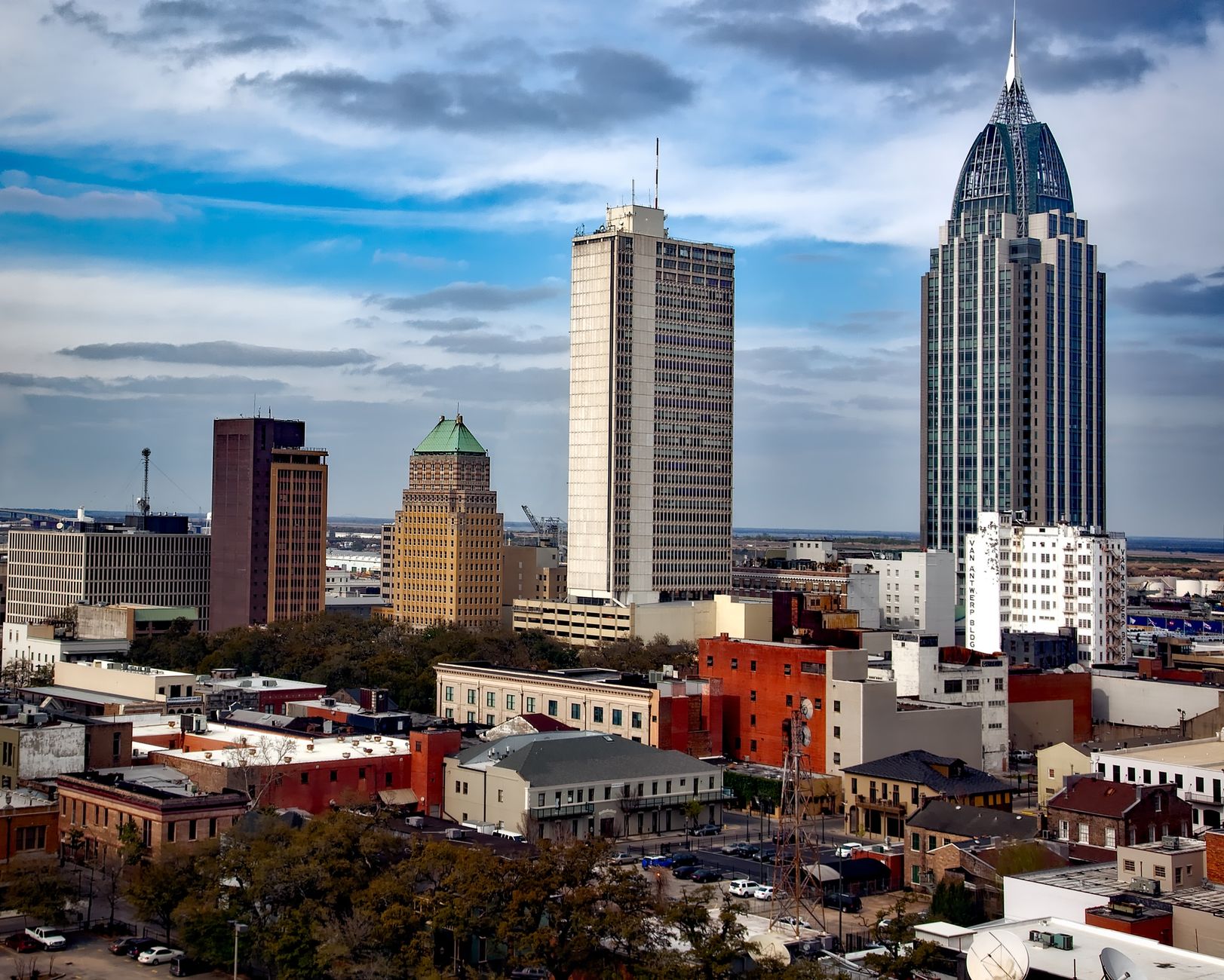
Expect a low-rise port city with a downtown built around a riverfront and a long local memory of Mardi Gras and maritime trade. The first impression is old masonry storefronts on Government Street, a compact parade route through the Historic District, and regular boat traffic on Mobile Bay. Noise levels vary: daytime traffic, a steady loop of delivery trucks near the port, and quiet residential blocks a few minutes' walk away. Many guidebooks treat Carnival and the battleship as the only reasons to come; the city also rewards time spent in small museums, seafood joints, and a single long walk along the riverpark.
Is 3 days in Mobile enough?
Yes—three days is enough to see downtown Historic District, USS Alabama (Battleship Park), GulfQuest and to sample Dauphin Street restaurants while fitting in a beach or Fort Conde visit. Caveat: there won't be time for a full Dauphin Island day trip plus all neighborhood restaurants—pick one side-trip.
Who This Guide Is For
Best for travelers who like slow, walkable downtowns, military history, coastal food, and short drives. Not ideal for those expecting a nonstop nightlife scene or dense urban public transit.
Local Tips for Mobile
Practical details that most travel sites skip — specific to Mobile.
- Buy tickets for Battleship USS Alabama at Battleship Memorial Park (adult admission roughly $15–$20) and plan a 90–120 minute visit to see the ship, submarine USS Drum, and small exhibits.
- Mobile Carnival Museum on Government Street has weekday entry around $10–$12 and closes earlier than larger museums—check hours before going, especially outside Carnival season.
- Bienville Square hosts a Saturday morning farmers' market (around 8–12) in spring and fall; vendors sell local produce and boiled peanuts, and parking is limited on nearby Royal Street.
- The Wave Transit System runs local buses; many routes have limited Sunday schedules and evening service ends early—use the Transit app for live bus times and plan taxis or rideshares after 9pm.
- Ferry service to Dauphin Island (Mobile Bay Ferry) operates seasonally and can sell out on holiday weekends; vehicle and passenger fares vary so reserve ahead if bringing a car.
How This Guide Was Prepared
This guide treats Mobile as a working Gulf port with layered neighborhoods rather than a one-note weekend stop. Many travel write-ups reduce Mobile to Mardi Gras and a battleship; the city is also a low-rise, walkable downtown with neighborhood bars on Dauphin Street, serious seafood spots, and a museum scene that rewards afternoon visits. This guide was prepared through a structured research that combines destination research, geographic context, itinerary planning logic, and content review.
Plan Your Stay in Mobile
Use this itinerary as your starting point, then compare areas to stay, transport options, seasonal timing, and realistic daily costs before booking.
Why Visit
First, the military history collection at Battleship Memorial Park is unusually accessible; visitors can walk through a World War II battleship and a Cold War-era submarine in one visit. Second, Mobile maintains an older Southern Mardi Gras tradition with organized mystic societies documented at the Mobile Carnival Museum and visible parades on Conti and Dauphin Streets. Third, the Gulf seafood scene—oysters, shrimp, and po'boys—has restaurants that prioritize local catch over touristy presentation, particularly along Dauphin Street and the waterfront. Fourth, the city's museums, such as GulfQuest and the Mobile Museum of Art, are compact enough for leisurely afternoon visits without long lines.

Quick Planning Tips
Fly into Mobile Regional Airport (MOB); it's about a 15–20 minute drive to downtown under normal traffic. Rideshare and local taxis are common—expect $20–30 from the airport to downtown; rental cars are useful for beach or Fort Morgan trips. Many museums accept credit cards, but some small shops and parking meters still prefer exact change; keep $1–5 bills and a card. Avoid scheduling heavy walking on the first day if arriving late afternoon—downtown has uneven sidewalks and some long blocks between attractions.

Day 1
Start at Battleship Memorial Park on Battleship Parkway for the USS Alabama and USS Drum; allow 90–120 minutes for the ship, submarine, and small exhibits. From there drive or rideshare 12–15 minutes to the South End historic area around Dauphin Street for lunch at Wintzell's Oyster House or The Royal Scam—expect a 10–15 minute walk from central parking. After lunch walk the central stretch of Dauphin Street (20–30 minutes walking if stopping at shops) toward Bienville Square, pausing at the Cathedral Basilica of the Immaculate Conception near Government Street and Conti Street. In the afternoon visit the Mobile Carnival Museum on Government Street; a focused visit is 45–60 minutes. For dinner choose a seafood spot on Dauphin Street or a riverfront restaurant near Bienville Wharf. End the evening with a short stroll along the Mobile River at Cooper Riverside Park or a drink on Dauphin Street; note that late-night public transit is limited so arrange a taxi if staying outside walking distance.

Day 2
Dedicate day two to museums and neighborhood exploration. Begin at GulfQuest on the waterfront for a Gulf of Mexico-focused maritime display; a thorough visit takes 60–90 minutes. Walk 5–10 minutes to the nearby Mobile Museum of Art in Langan Park for rotating exhibitions and sculpture gardens; plan 60 minutes here. Take a midday break at a nearby Midtown lunch spot on Spring Hill Avenue or Government Street—look for local po'boy shops or barbecue. In the afternoon explore Oakleigh Historic Complex and the adjoining historical neighborhood; the house museum tour is about 45 minutes. Finish with an evening on the western end of Dauphin Street or at a riverside bar in the loft district; if driving between sites, expect 10–20 minute trips within the city and factor in parking time.
Day 3
Reserve the final day for a beach or fort trip and a relaxed downtown afternoon. For a short coastal outing drive 30–50 minutes to Dauphin Island or head 45–60 minutes to Fort Morgan at the mouth of Mobile Bay—each needs 2–4 hours if including beach time or a fort tour. Return to downtown in the afternoon for a final walk through Fort Conde and Government Street museums or last-minute shopping on Royal Street. If checking out of accommodation midday, store luggage with the hotel and plan transport to the airport—allow 45–60 minutes for airport travel during rush hours. For a late departure, visit a final meal spot on Dauphin Street and leave for the airport with a margin of at least 90 minutes.

Best Local Experiences
Attend a Mardi Gras parade if timing allows; Mobile's Order of Myths parade is a local institution with century-old societies. Visit the Mobile Carnival Museum for parade floats, suits, and society history. Shop or stroll at the Bienville Square farmers' market on Saturday mornings for local produce and boiled peanuts. Take a guided tour of Battleship Memorial Park to board USS Alabama and the USS Drum submarine. Ride the Mobile Bay Ferry to Dauphin Island when it runs to see the bay and learn about coastal defenses. Each activity shows a different civic face: civic ritual, maritime industry, neighborhood markets, and military memory.

Where to Stay
Downtown/Historic District: Suits visitors who want walking access to Government Street, Fort Conde, and many museums. Expect boutique hotels and converted buildings; nightly rates typically run $120–$200 (USD) depending on season. Midtown/Dauphin Street area: Suits those wanting nightlife, restaurants, and bars along Dauphin Street; many small inns and chain hotels here with rates around $90–$160 per night. West Mobile/Langan Park area: Suits travelers with a car who prefer quieter, residential surroundings and easy access to the Mobile Museum of Art; expect nightly costs of $80–$140. Prices convert roughly to EUR at current midrange exchange—$100 ≈ €90, though rates vary by season and event weekends drive prices higher.
Food and Drink
Oysters on the half shell: raw Gulf oysters best at Wintzell's Oyster House or Felix's Fish Camp; expect $1–2 per oyster in casual spots. Shrimp and grits: a Southern breakfast/dinner staple—find good versions at local breakfast rooms or dinner restaurants for $10–$18. Po'boy: a Gulf Coast sandwich (fried shrimp, oyster, or roast beef with debris) available on Dauphin Street and at local deli counters; plan $8–$15. She-crab soup: cream-based crab bisque with sherry—served at midrange restaurants for $6–$10 a bowl. Fried catfish dinners: available at neighborhood joints and seafood houses, usually $12–$20 including sides. For breakfast try a biscuit with sausage and gravy at a local diner for $4–$8. For a drink, seek locally produced craft beers at bars along Dauphin Street; cocktails in riverfront restaurants run $8–$14.
Getting Around
Primary local transit is The Wave Transit System buses plus limited downtown shuttles; service maps are available on The Wave website and in the Transit app for live times. Many routes have limited Sunday or evening service, so plan rideshare or taxis for late nights; single bus fares are usually low (roughly $1–$2) and day passes are available for regular riders. Mobile Bay Ferry runs seasonally between portions of the bay—check schedules and fares before travel. Rideshare services (Uber, Lyft) operate throughout the metro and taxis and airport shuttles are options from Mobile Regional Airport; airport rides to downtown typically cost $20–$30. For drivers, on-street parking is metered in downtown and private lots charge hourly or flat evening rates.
Best Time to Visit
Spring (March–May) offers mild temperatures 60s–80s°F (15–27°C) and lower humidity; this is the most pleasant period and good for outdoor museum visits. Carnival season (January–February) is lively and busy—expect parade crowds and higher hotel rates during peak parade days. Summer (June–August) is hot and humid, often 80s–90s°F (27–35°C) with frequent afternoon storms; value hotels and quieter streets outside major events but plan indoor activities midday. Fall (September–November) cools to comfortable levels with fewer tourists; hurricane season peaks September but most visits are unaffected—monitor forecasts if traveling in early fall.
Budget and Practical Tips
Daily budget (midrange traveler): accommodation $100–$160 (USD), meals $30–$60, local transport $5–$15, attractions $10–$30. Converted roughly: accommodation €90–€145, meals €25–€55. Entry fees: Battleship Memorial Park about $15–$20, GulfQuest $12–$18, Mobile Carnival Museum $10–$12. Tipping: standard U.S. norms apply—15–20% in sit-down restaurants, $1–$2 per drink at bars, rounding up for taxis. Bring a credit card that works in the U.S. and some small bills for parking meters and smaller vendors. Expect occasional road closures during parade season—check local event calendars in advance.
FAQ
Is Mobile safe for tourists?
Central touristed areas such as Government Street, Dauphin Street, and Battleship Park are generally safe in daylight; normal precautions for any U.S. city apply after dark—use lit streets, avoid isolated blocks late at night, and secure valuables.
Can the Wave buses take me to Battleship Memorial Park?
Some Wave bus routes serve the general area near Battleship Parkway; schedules and exact stops change, so check The Wave map and Transit app before relying on bus travel for that trip.
Is there a city pass worth buying?
There is no widely promoted all-in-one city pass; paying admission individually for GulfQuest, Mobile Museum of Art, and Battleship Park is common—look for bundled offers on museum websites during shoulder season.
How long should I plan for USS Alabama?
Allocate 90–120 minutes to see the main ship, the submarine, and outdoor exhibits at a comfortable pace.
Can a day trip to New Orleans be added?
New Orleans is about 2–2.5 hours by car each way; doable as a long day but it will consume most of a day—better as a separate overnight trip.
Are there good beaches nearby?
Dauphin Island beaches are the nearest public options and require a 30–50 minute drive; Fort Morgan and Gulf Shores are longer drives but have broader beach access.
Conclusion
Three days provide a compact, realistic view of downtown, military sites, and Gulf Coast food without rushing. The clearest memories will be boarding USS Alabama, tasting fresh Gulf seafood on Dauphin Street, and seeing the Civic pageantry tied to Carnival. If time runs short, prioritize Battleship Memorial Park and a good po'boy or oyster meal—those two give the strongest sense of place in a single afternoon.
How this guide was prepared
This guide was prepared through a structured research that combines destination research, geographic context, itinerary planning logic, and content review.