

Responsible travel in Ubud — practical support for a 3-day visit
Practical, low-impact advice for spending 3 days in Ubud: where to stay, book, and move; seasonal tips; ethical experiences; and local-first recommendations for markets, rice terraces, yoga and temples.
A compact, scan-friendly guide to make a 3-day Ubud trip low-impact, locally focused and easy to book. Includes neighborhood advice, transport realities, ethical experience choices, and onward travel notes for Kuta, Malang, Surabaya, Yogyakarta and Semarang.
Quick Answer
A compact, scan-friendly guide to make a 3-day Ubud trip low-impact, locally focused and easy to book. Includes neighborhood advice, transport realities, ethical experience choices, and onward travel notes for Kuta, Malang, Surabaya, Yogyakarta and Semarang.
Who This Page Is For
This page is for travelers planning a stay in Ubud who want clearer decisions about responsible travel, local logistics, timing, budgeting, and practical trip planning.
How This Page Was Prepared
This page was prepared through a structured editorial workflow that combines destination research, geographic context, and practical travel-planning review.
Plan the Rest of Your Trip
Use this page together with the full itinerary and the related planning pages below to make better booking, timing, transport, and budget decisions.
If you have three days, base yourself within easy walking distance of Ubud Palace or Monkey Forest Road so you can reduce short car trips. Prioritize: a morning at Tegallalang or Campuhan Ridge, a community cooking class or small-group artisan visit in Mas/Penestanan, and a gentle yoga or wellness session run by a local studio.
Best times: shoulder seasons (April–May, Sept–Oct) for drier weather, fewer crowds, and better rates. Avoid heavy rains (Nov–Mar) for long outdoor walks and early-morning rice-terrace photography.
Book in advance: preferred homestays, popular cooking classes and specialized yoga workshops. For onward travel to Java (Yogyakarta, Semarang, Surabaya, Malang), favor flights from Ngurah Rai (DPS) for speed; for Kuta, a 1–1.5 hour private transfer is common.
This page is a practical companion to the main 3 days in Ubud itinerary. It focuses on choices that reduce impact, support local livelihoods and keep your trip authentic. Use it to decide where to stay, which experiences to prioritize, and how to move between Ubud and nearby cities (Kuta, Malang, Surabaya, Yogyakarta, Semarang). The advice favors shoulder-season travel, small local operators, and low-impact transport in and around town.
What This Page Helps You Decide
Use this page to make quick, responsible choices before you open the main 3 days in Ubud itinerary:
– Where to stay: neighborhood trade-offs between convenience and quiet.
– What to book in advance: cooking classes, small cultural tours, and popular yoga studios.
– How to get around: when to walk, rent a bike, hire a local driver, or use app taxis.
– Which experiences to avoid or replace with ethical alternatives (animal attractions, mass tourism farms).
It also gives simple guidance for onward travel to Kuta (short transfer) and to Java cities (flight vs. long overland options).
Top Recommendations
Actionable, local-first picks to fill three days sustainably:
– Stay small and central: choose a family-run guesthouse in Ubud center, Penestanan, or Sayan to keep short trips walkable and support local hosts.
– Morning rice terraces: visit Tegallalang at dawn to avoid crowds and hire a local guide from the village cooperative.
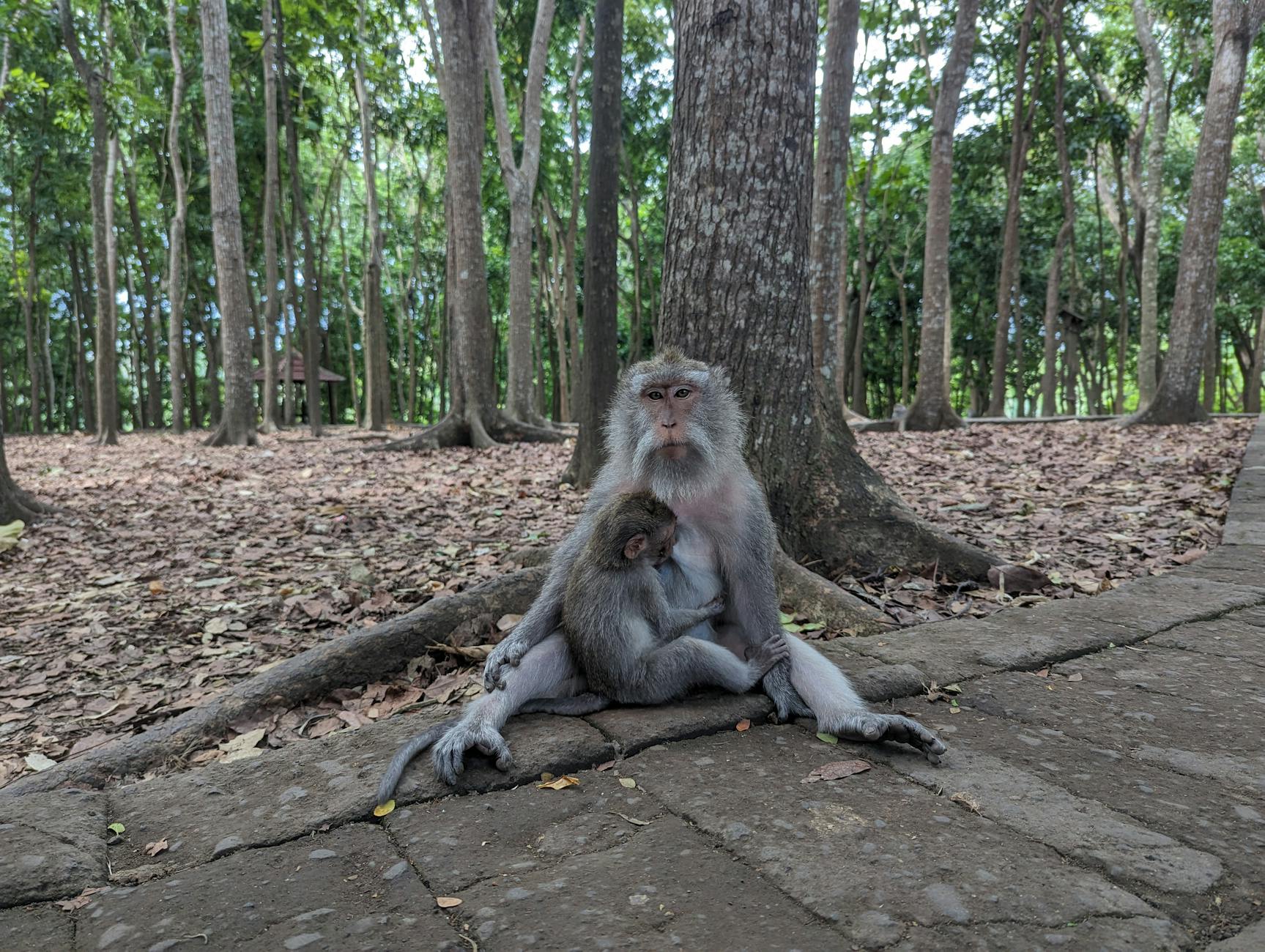
– Ethical wildlife: observe but do not feed the macaques at Ubud Monkey Forest; follow the site rules and keep distance.
– Community cooking class: pick classes that source ingredients from local farmers or run by community groups.
– Art & craft: shop at cooperative galleries in Mas (woodcarving) and local stalls at Ubud Market rather than large export shops.
– Wellness: pick smaller yoga studios and massage businesses that employ local therapists and use locally produced oils.
– Move smart: walk or cycle for short trips; hire a local day driver for longer excursions, and consolidate stops to reduce emissions.
For details and a sample day-by-day plan, see the companion 3 days in Ubud guide.

Local Context
Neighborhoods: Ubud center around Ubud Palace and Ubud Market is lively and walkable; Penestanan and Sayan are quieter creative hubs with guesthouses and rice views; Monkey Forest Road and Jalan Hanoman are the main pedestrian corridors with shops and cafes.
Seasonality:
– Dry season (Apr–Oct): best for walks and terraces, busiest months Jul–Aug.
– Wet season (Nov–Mar): heavy afternoon showers, fewer day-trippers but some rural roads muddy.
– Shoulder months (Apr–May, Sep–Oct): best compromise for weather, rates and crowd levels.
Transport realities:
– Streets are narrow. Motorbikes are common; inexperienced riders should avoid renting scooters.
– App taxis (Gojek/Grab) operate but pickup points can be constrained near narrow lanes; walking often faster within the center.
– Day trips to Kuta are ~60–90 minutes by car depending on traffic; flights required for most mainland-Java destinations (Surabaya, Yogyakarta, Semarang, Malang) from Denpasar airport.
How to Choose Well
Accommodation:
– Prefer family-run homestays, locally owned guesthouses or small eco-lodges with energy and water-saving policies.
– Check hosts’ community involvement and whether they source staff locally.
Experiences:
– Favor small-group tours, licensed guides, and community-run activities. Ask where earnings go.
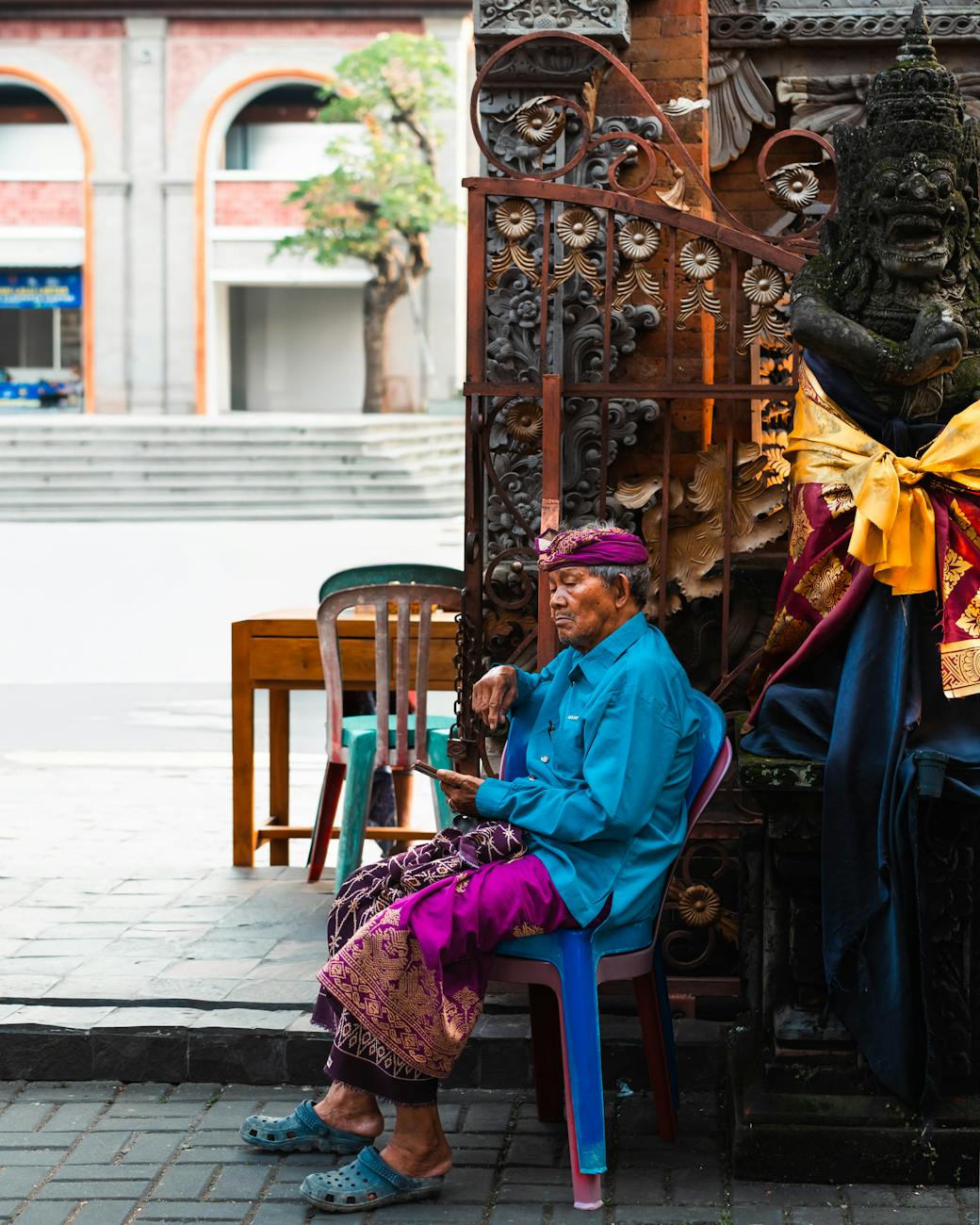
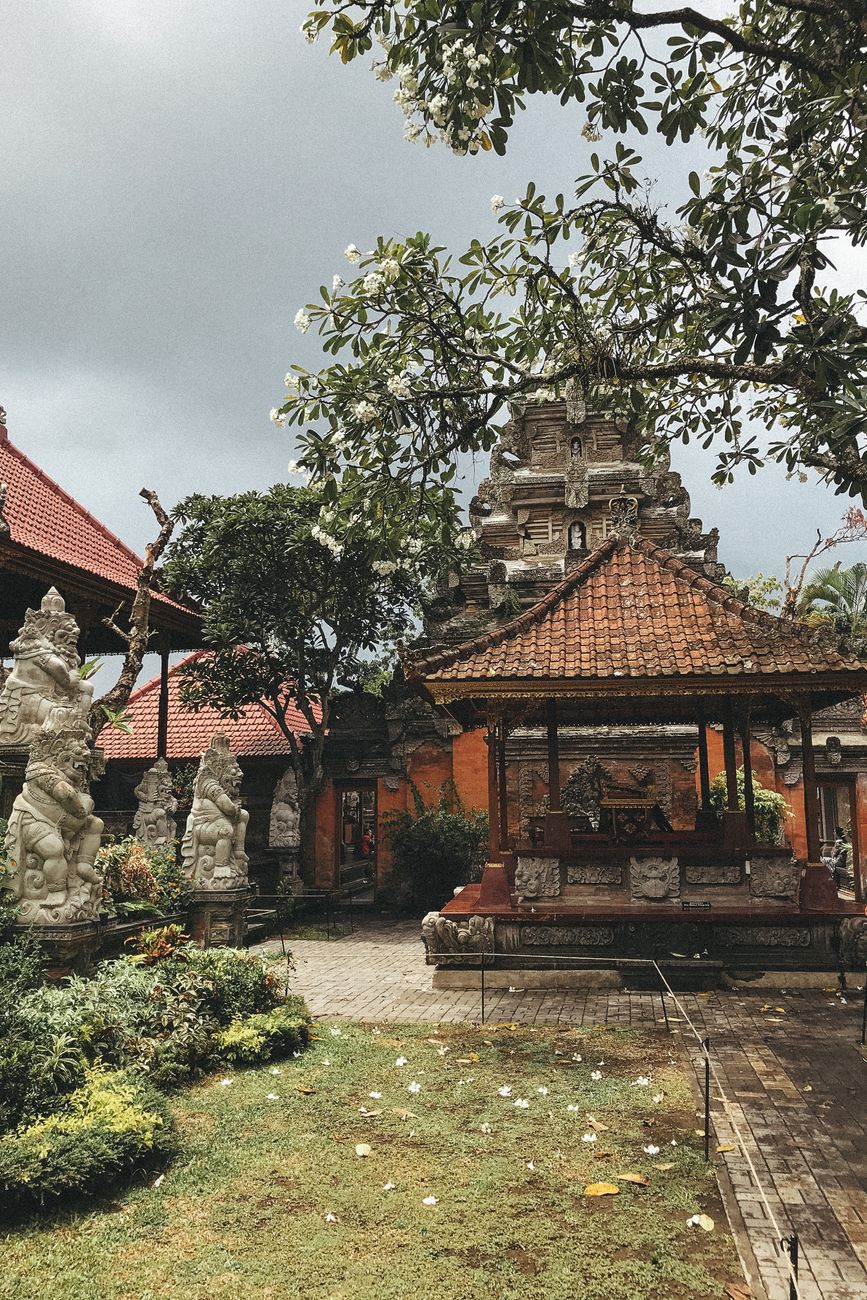
– For temples, look for operators who include information on etiquette and contributions to temple upkeep.
Transport:
– For multiple day trips, hire a vetted local driver for the day instead of several short taxis; it’s often cheaper and reduces repeated pickups.
– If you must rent a scooter, only do so with full insurance, correct license, and if you have prior experience.
Booking tips:
– Reserve the few truly popular activities in advance (specialized workshops, acclaimed local chefs’ classes, or limited-capacity yoga retreats).
– For everything else, book locally the day before to support small businesses and get up-to-date scheduling.
Responsible and Local-First Tips
Practical habits that help the local economy and reduce impact:
– Eat local: choose warungs and markets for meals—this keeps spending in the community and often reduces packaging.
– Buy direct: purchase crafts from makers in Mas and Ubud Market or from cooperatives rather than middlemen.
– Avoid animal exploitation: do not support attractions that offer photo ops with restrained animals or elephant rides. Observe macaques only at recommended distances.
– Reduce waste: carry a refillable water bottle and ask restaurants to avoid single-use plastics.
– Respect dress and rituals: for temple visits wear a sarong and sash when required and accept any entry contributions as support for upkeep.
– Hire local guides and teachers: ask about fair pay and choose businesses that employ locals.
– Consider impact of flights: if you fly on to Java (Yogyakarta, Semarang, Surabaya, Malang), consolidate segments and consider carbon offsets or alternative transport when practical.

Common Mistakes to Avoid
- Staying on a resort bubble: pick a central guesthouse or homestay to spend money locally and walk more.
- Leaving bookings to the last minute for popular workshops and yoga classes—weekend and high-season slots fill early.
- Feeding or teasing macaques in Monkey Forest: this causes aggressive behavior and endangers both animals and visitors.
- Renting scooters without experience or insurance; crashes are a common source of serious injury.
- Bargaining aggressively at cooperatives and artisan stalls—aim for fair prices that reflect makers’ labor.
- Visiting Tegallalang or Campuhan mid-afternoon on busy days when the light and crowds are worst; go early.
- Assuming all tours are ethical—ask before you book whether activities support local communities.
FAQ
What is the best time of year for a low-impact visit to Ubud?
Aim for shoulder months—April–May and September–October. Weather is generally pleasant, crowds are lower than peak season, and local prices are better. Avoid the heaviest rains in November–March for outdoor walking.
How do I get to Ubud from Denpasar (Ngurah Rai) airport?
The simplest is a pre-booked private transfer (around 60–90 minutes) which supports local drivers. App taxis are available but can be slower to navigate narrow lanes. Public transit options are limited and less convenient with luggage.
Is the Monkey Forest safe to visit ethically?
Yes if you follow rules: do not feed or touch the macaques, secure loose items and cameras, and follow staff instructions. Choose visiting times with fewer visitors—early morning.
Should I rent a scooter in Ubud?
Only if you have experience riding in Southeast Asia and proper insurance. Narrow lanes, dogs and heavy tourist traffic make scooters riskier. Prefer walking, cycling on quieter lanes, or hiring a local driver for day trips.
How do I choose a cooking class or yoga studio responsibly?
Look for classes run by local cooks or studios that employ local teachers and source local ingredients. Ask whether proceeds support local suppliers or community programs. Avoid large commercial operations that import staff or goods.
What about onward travel to Java (Yogyakarta, Semarang, Surabaya, Malang)?
Most travelers fly from Denpasar (DPS) to Java cities; flights are fastest and often reasonably priced. Overland routes require a mix of ferry and train and take considerably longer—choose those only if you have the time and prefer slower travel. For Kuta, a 60–90 minute private transfer is typical.
Do I need to tip in Ubud?
Tipping is appreciated but not mandatory. Small tips for guides, drivers and spa therapists are a helpful supplement to local wages. For small warungs, a polite thank-you and rounding up is fine.
Conclusion
Ubud rewards travelers who slow down, spend locally and choose small operators. Use this support page alongside the 3 days in Ubud itinerary to plan logistics, pick ethical experiences and make responsible day-to-day choices. When you're ready to move on, consider short transfers to Kuta or flights from Denpasar to Malang, Surabaya, Yogyakarta and Semarang—and keep the same local-first, low-impact mindset on the road.
How this guide was prepared
This guide was prepared through a structured research that combines destination research, geographic context, itinerary planning logic, and content review.