
Rotorua in 3 Days: Practical Weekend Itinerary & Tips
Three-day Rotorua guide with transit tips, realistic costs, geothermal must-sees, Māori experiences, meal suggestions and timing to avoid crowds.
A focused, realistic 72-hour plan for seeing Rotorua’s geothermal parks, Māori cultural experiences, forests and lakes without overscheduling — with price cues and transport realities.
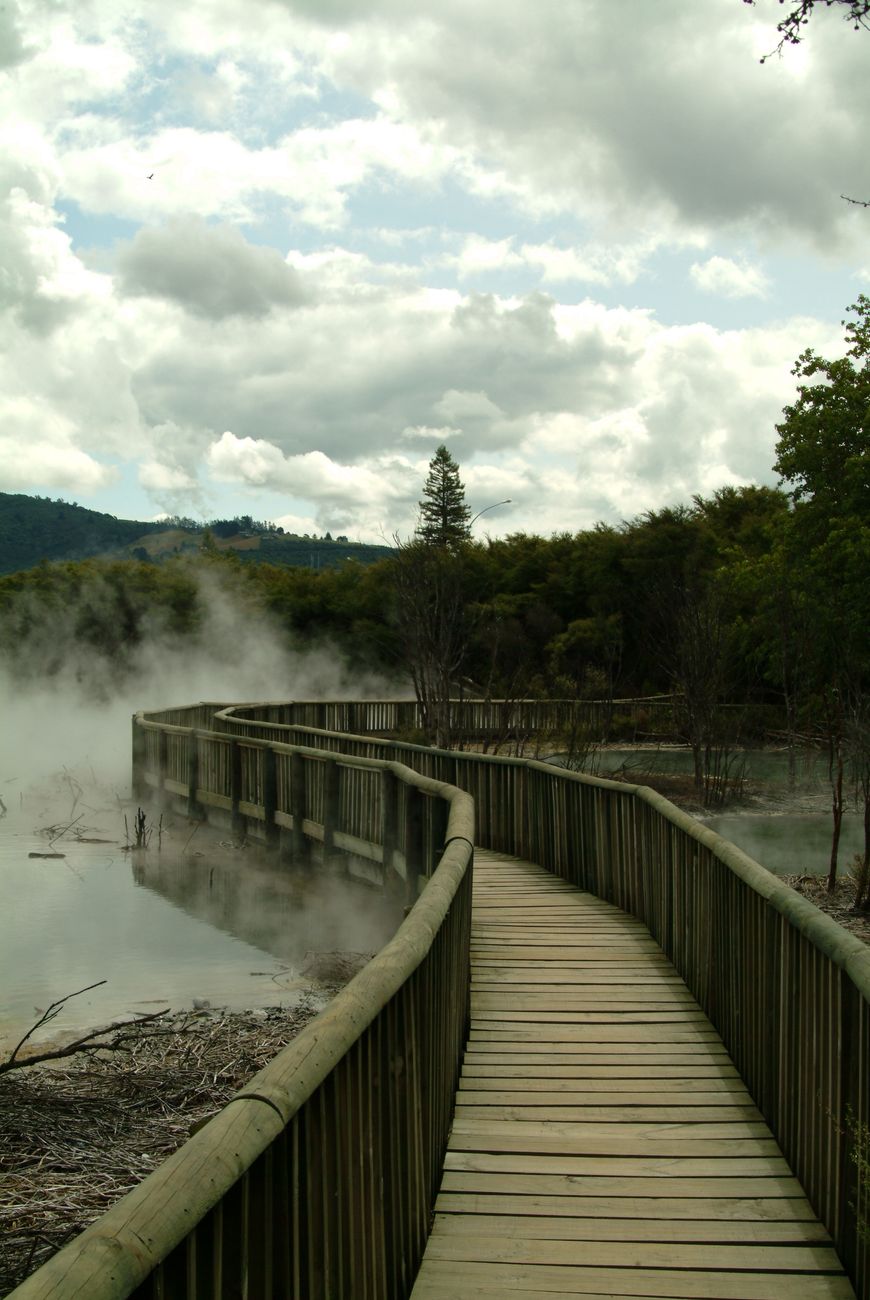
Rotorua feels like a working geothermal laboratory set against lakes and pine forest. The first impression is steam plumes, hot ground textures and a persistent sulfur note on windy days; the town centre is compact and walkable but can feel more tourism-oriented than residential.
Expect clear signage around major attractions but limited late-night options; most dining clusters are near the lakefront on Tutanekai Street and Eat Streat. Many visitors assume every attraction is within a five-minute walk — distances to Wai-O-Tapu, Whakarewarewa and Whakarewarewa Forest require short drives or shuttle time.
The place suits travelers who prioritise geothermal landscapes, Māori cultural performances and accessible forest walks. It is less suitable for travelers needing extensive public transit; a rental car or carefully planned transfers makes the three days far less stressful.
Is 3 days in Rotorua enough?
Three days is enough to see Rotorua’s most famous geothermal parks, take a Māori cultural evening, ride the Gondola and walk the Redwoods, and still leave time for a spa soak. The caveat: expect to skip a second full-day trip (Hobbiton or White Island) unless extending to four days.
Who This Guide Is For
Best for travelers who want nature, geothermal activity, Māori culture and accessible day hikes; less suitable for visitors seeking a big-city nightlife scene or those relying entirely on public transit without a car.
Local Tips for Rotorua
Practical details that most travel sites skip — specific to Rotorua.
- Buy Wai-O-Tapu tickets online (adult around NZD 38) and book the earliest entry to avoid late-morning coach groups that arrive from Auckland.
- Kuirau Park on Arawa Street is a free geothermal park in the CBD with hot-foot pools and public footbaths — carry a towel and expect a faint sulfur smell.
- Redwoods Whakarewarewa Forest has both the gondola-based Skyline mountain entrance and the Forest carparks on Centennial Drive; book the Redwoods Treewalk sunset slot (about NZD 49 adult) for cooler light and fewer people.
- Te Puia (Pōhutu Geyser and Māori Arts centre) runs cultural performances with set start times; combine the geyser visit with the carving school demonstration and allow 2–3 hours.
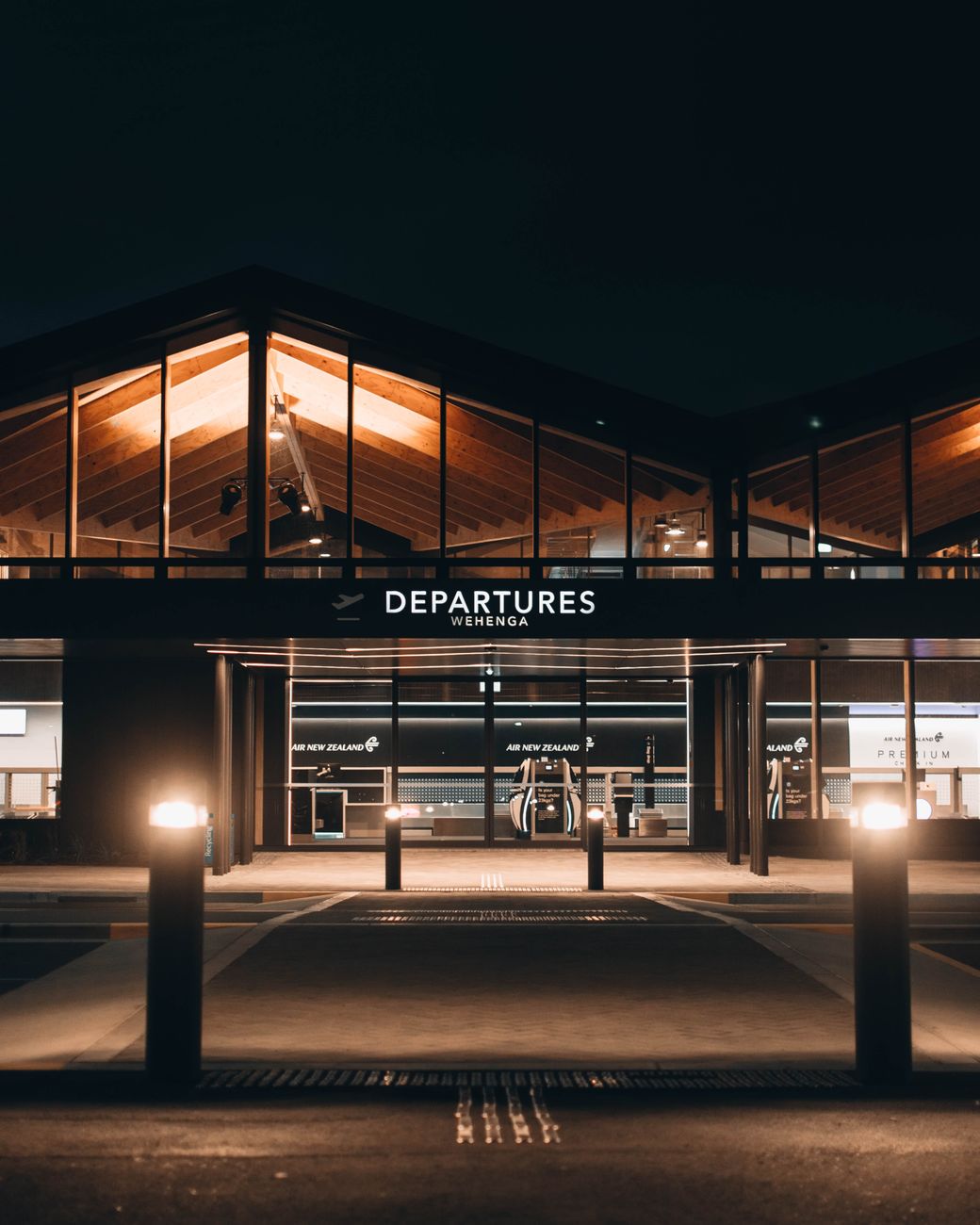
- Rotorua Airport to the CBD is about 8–12 km; taxi fares typically run NZD 45–60 depending on time and luggage — shared shuttles and rental cars are common for arrivals.
How This Guide Was Prepared
Rotorua’s character comes from active geothermal valleys, Māori cultural tourism and a compact lakeside town that serves as a gateway for adventures. Many guides turn it into a checklist of attractions without advising on timing, smell management, or the fact that some central attractions close for repairs — this guide prioritises realistic pacing and what to skip when short on time. This guide was prepared through a structured research that combines destination research, geographic context, itinerary planning logic, and content review.
Plan Your Stay in Rotorua
Use this itinerary as your starting point, then compare areas to stay, transport options, seasonal timing, and realistic daily costs before booking.
Why Visit
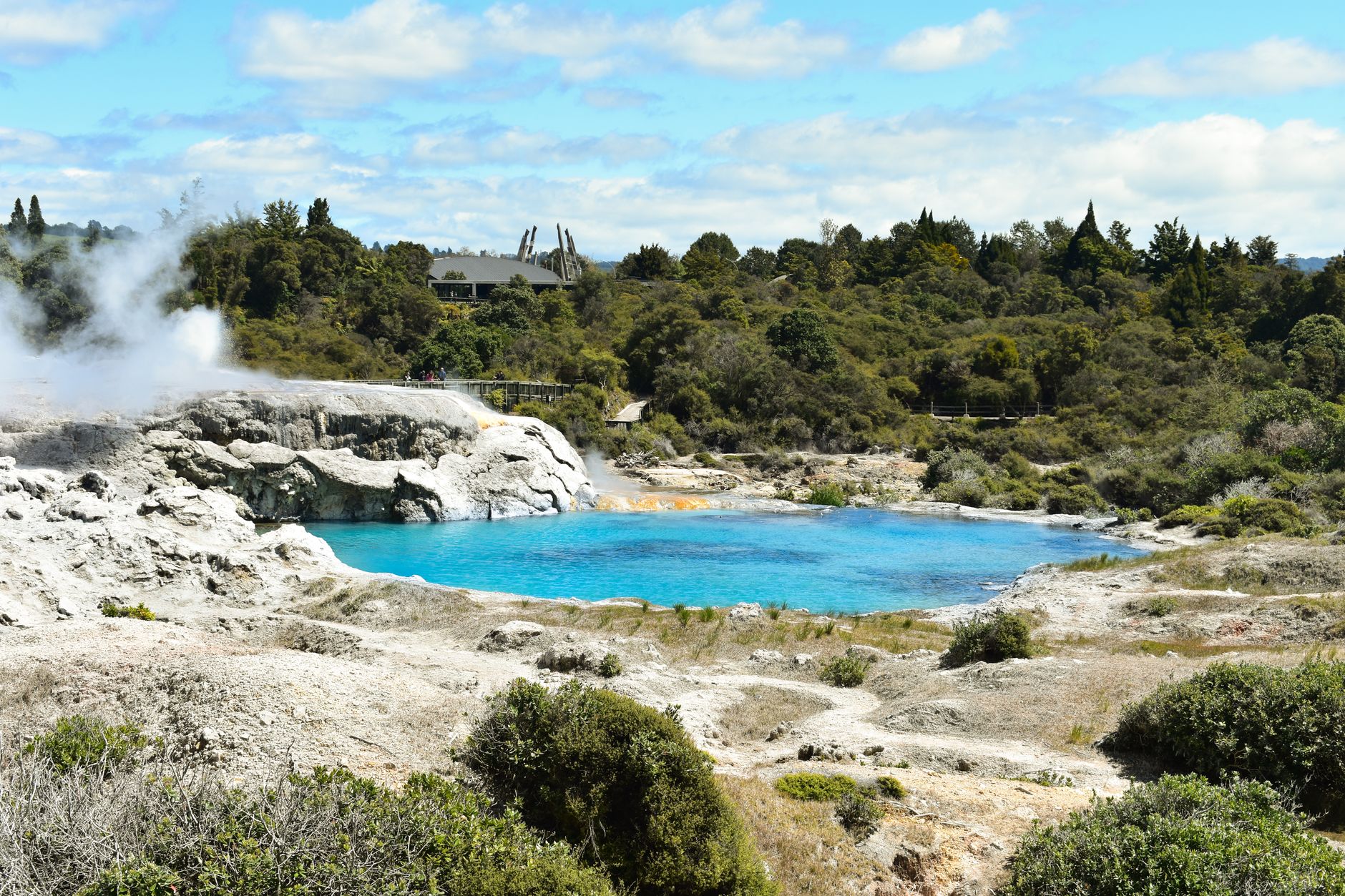
The geothermal landscapes are the main reason to visit: Wai-O-Tapu’s colourful silica terraces and thermal pools offer a scene different from standard national parks. The active geyser at Te Puia (Pōhutu) pairs geology with living Māori arts and carving demonstrations.
Redwoods Whakarewarewa Forest provides a contrast with tall Californian redwoods, mountain-bike trails and the Treewalk canopy experience that feels nothing like a typical park. The lakes — Lake Rotorua and nearby Blue and Green Lakes — make for relaxed swimming and short scenic drives.
Cultural evenings at Mitai or Tamaki Māori Village present hangi cooking, pōwhiri-style welcomes and storytelling that are staged but specific in local technique. Finally, the town functions as a practical base for nearby destinations: Hobbiton is under an hour’s drive and Tauranga/Auckland coach links make day trips possible.
Quick Planning Tips
Fly into Rotorua Regional Airport (ROT) for the shortest transfer to the CBD; taxis and airport shuttles run frequently and take 15–20 minutes. Auckland to Rotorua by car is about 3 hours; InterCity coaches connect both cities and stop in town.
Cash is accepted but most places prefer card; note that smaller market stalls and some park entry booths may not take contactless for small purchases, so carry NZD 20–50 in change. Book Wai-O-Tapu and Redwoods Treewalk online for precise time slots to avoid coach crowds.
Avoid trying to cram both Wai-O-Tapu and Te Puia between 9:00 and 12:00 on the same morning. Plan one major geothermal site per half-day, leave afternoons for forests, lakefront or a spa soak.
Day 1
Morning: Start at Kuirau Park (Arawa Street). Spend 45–75 minutes walking the boardwalks, checking hot-foot pools and the public footbaths near the duck pond. The park is free and in the CBD, so it’s useful to adjust to the sulfur smell before heading further out.
Midday: Drive or take a shuttle 10–15 minutes to Te Puia in the Whakarewarewa Valley. Allow 2–3 hours for the Pōhutu Geyser, kiwi house (if open), carving demonstrations and the Māori Arts centre. Lunch on-site at the café or return to Eat Streat (Tutanekai Street) for more choices; Eat Streat has casual options and pubs.
Afternoon: Head to Government Gardens and the lakefront for a short walk (10–15 minutes from Te Puia by car if returning via the CBD). Visit the exterior of the Bath House and the Blue Baths; the Rotorua Museum building remains closed, so plan for photos and the surrounding gardens.
Evening: Book a Māori cultural evening such as Mitai Māori Village or Tamaki Māori Village for a hangi dinner and performance; expect a 3–4 hour experience that includes transport from central meeting points. If preferring a quieter evening, the Polynesian Spa has evening sessions for private pools and public bathing pools.
Day 2
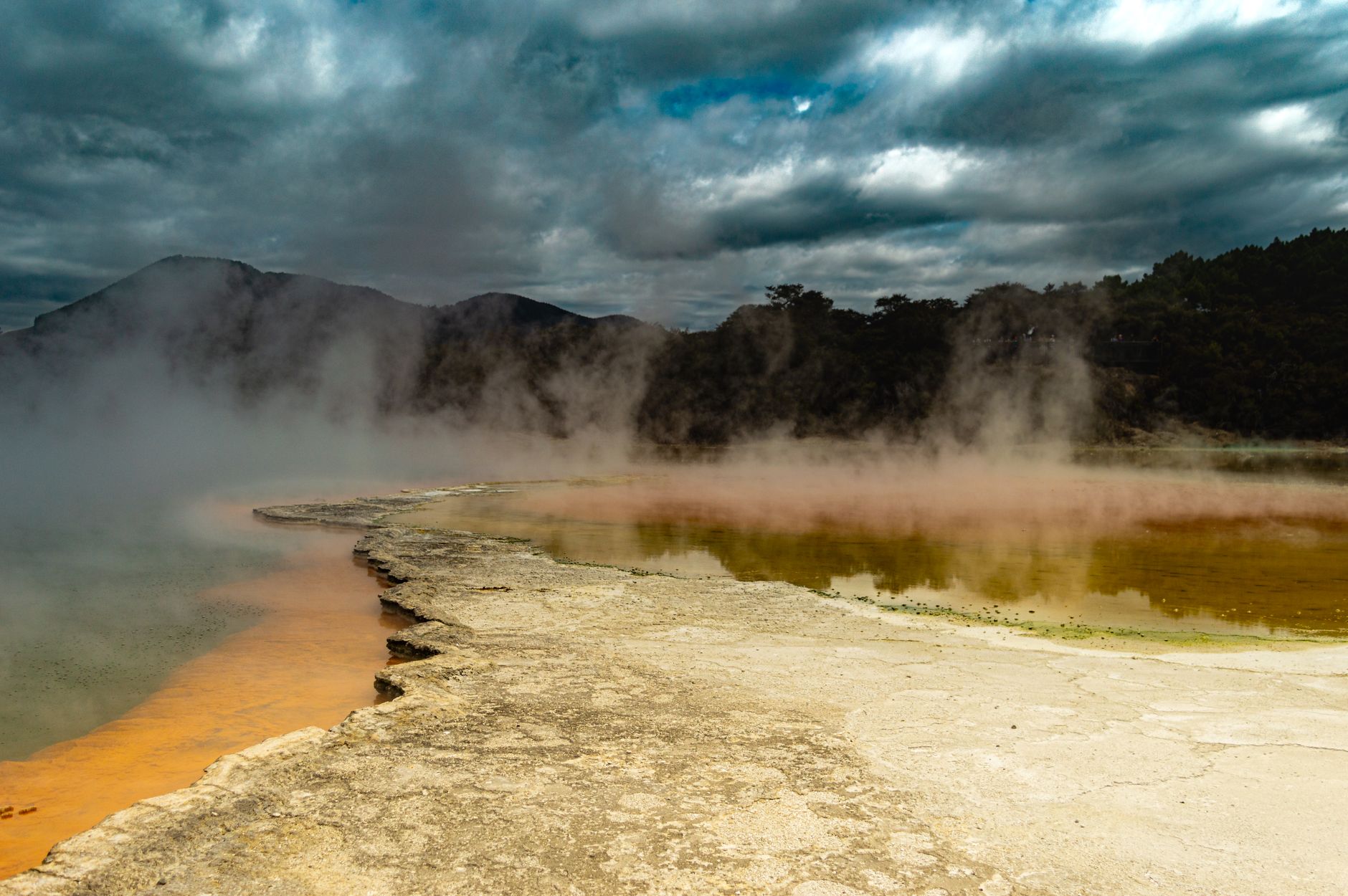
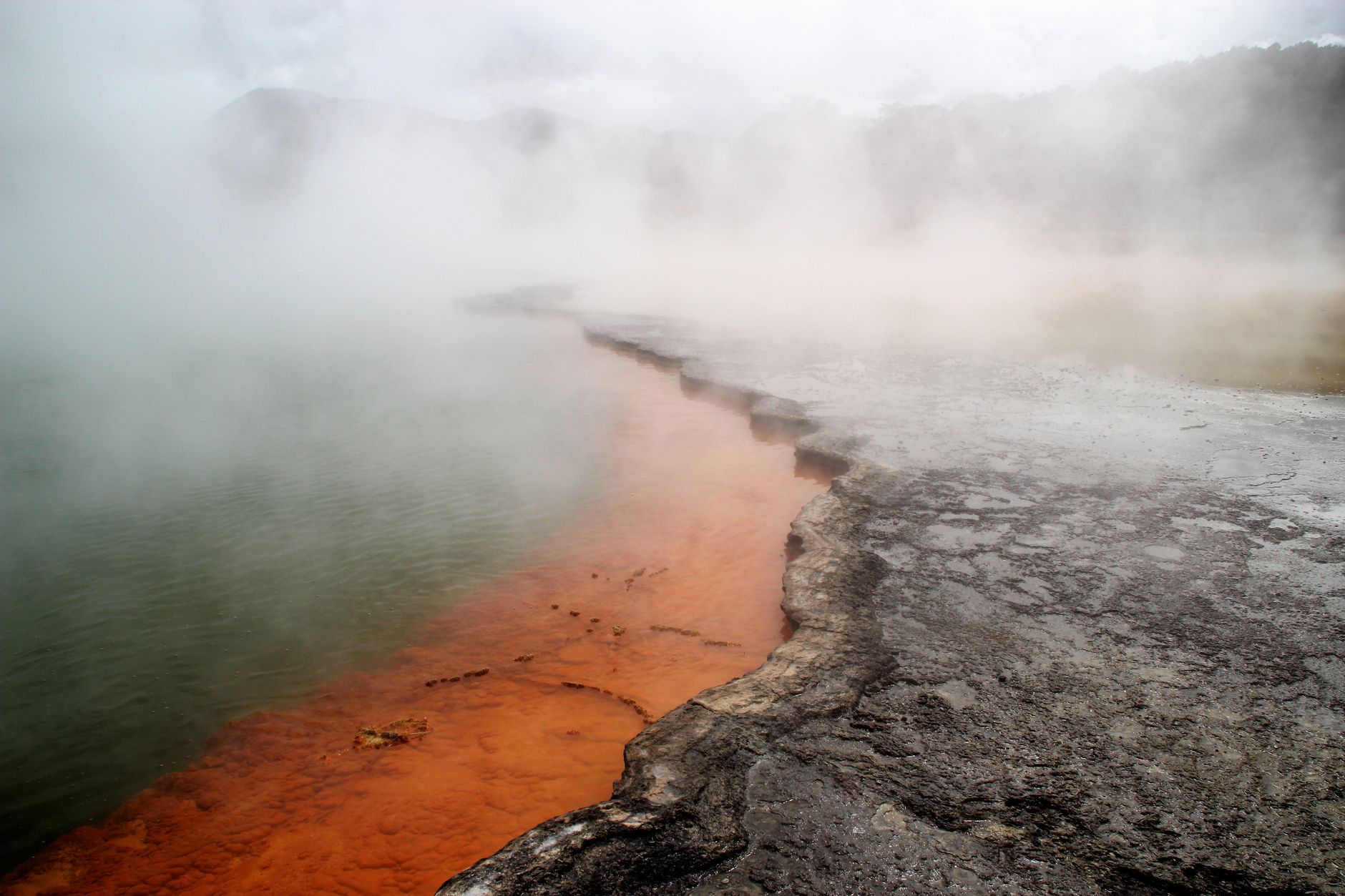
Morning: Drive 15–20 minutes to Wai-O-Tapu Thermal Wonderland (State Highway 30). Arrive at opening or the early slot booked online; take the 1–2 hour loop past the Champagne Pool, Artist’s Palette and sulphur cliffs. Allow another 30 minutes for photos and the café.
Midday: From Wai-O-Tapu, drive 20–30 minutes to the Blue and Green Lakes (Lake Tikitapu and Lake Rotokakahi) for a picnic lunch or a short beach walk. The drive between sights crosses pine forest and farm country; parking is available at both small lake reserves.
Afternoon: Return toward town and spend the late afternoon in Redwoods Whakarewarewa Forest. Park at the Forest carpark on Centennial Drive or at the Skyline base. Choose either a forest loop walk (30–90 minutes) or the Redwoods Treewalk canopy experience; book the sunset slot for cooler temperatures and better light.
Evening: Ride the Skyline gondola at Mount Ngongotaha for views over the lake; add an evening luge session if energy remains. Dinner options back in town along Eat Streat or Tutanekai Street cover craft beer, pub roasts and seafood.
Day 3
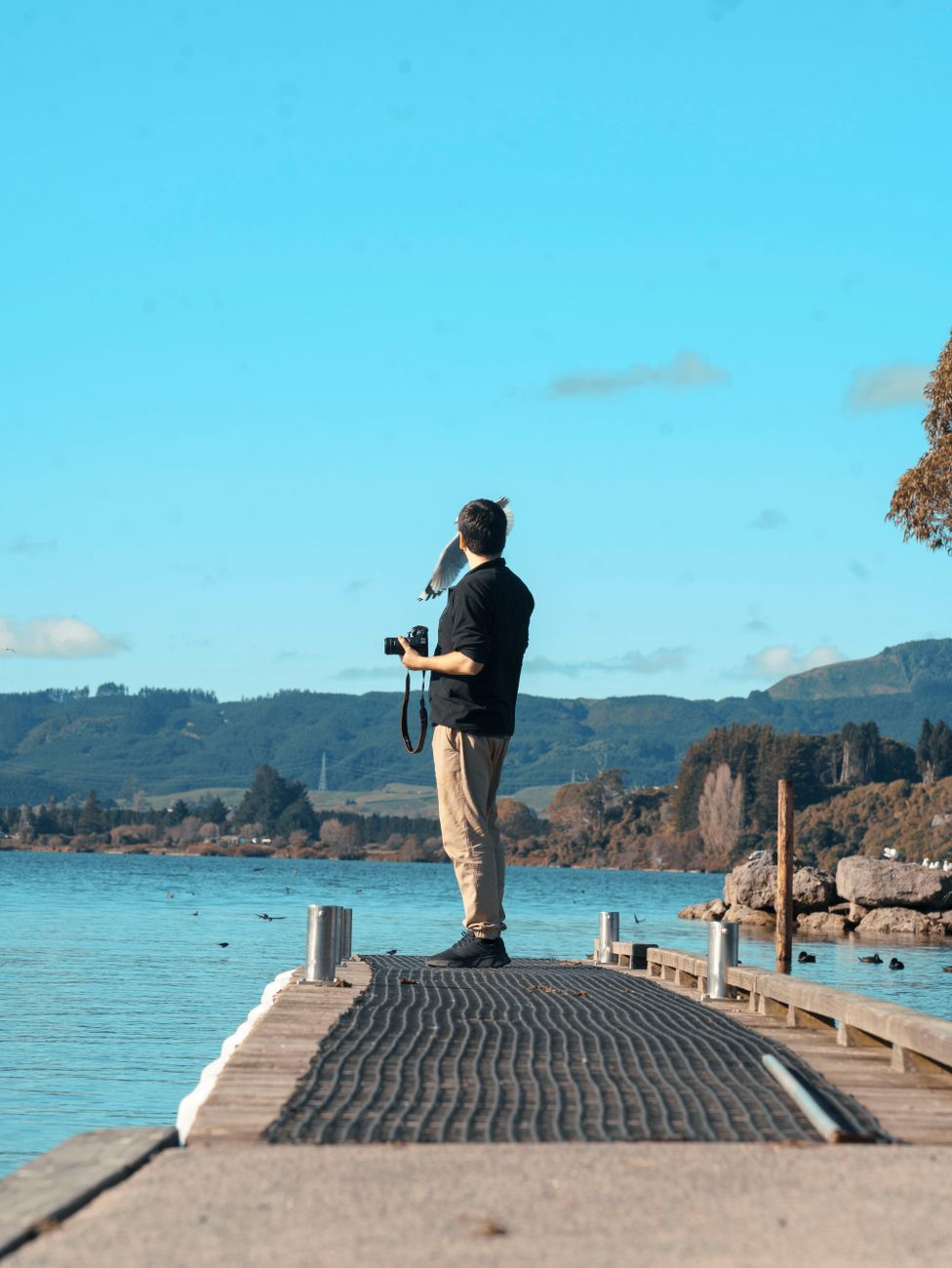
Morning: Choose either a half-day trip or a gentle local activity. For a half-day option, book Hobbiton Movie Set tours from Matamata (allow 1 hour each way driving, tour 2 hours). For a local morning, paddleboard on Lake Rotorua or take a 60–90 minute lakefront walk starting at the wharf.
Midday: Return to town and visit the Polynesian Spa for a midday soak in the Lake Terrace pools or a private bathing pool; public pools start from lower prices while private pools are pricier. Have lunch at a café near the lake — Capers or the local bakery provide reliable sandwiches and coffee.
Afternoon (checking out or flight): If catching an afternoon flight, keep the last morning light and spa before packing. Allow 45–60 minutes drive time plus 30–45 minutes for rental-car return and security for flights out of Rotorua Airport. If staying longer, book a longer mountain-biking route in the Redwoods or a guided fishing trip on a nearby lake.
Evening: For departures late in the day, a final stroll along the lakefront and an early dinner on Eat Streat keeps timing comfortable; avoid booking attractions that end close to your transfer time.
Best Local Experiences
Mitai Māori Village or Tamaki Māori Village: evening hangi and performance that shows cooking technique, stories and river-side demonstrations. Book ahead for the combined meal-and-show package. Wai-O-Tapu Thermal Wonderland: the Champagne Pool, Artist’s Palette and the scheduled Lady Knox Geyser show (check start time) are unmissable; go early for light and fewer coaches.
Redwoods Whakarewarewa Forest: ride mountain-bike trails, walk the Treewalk suspension bridges or take a guided night walk. Kuirau Park: a free, urban geothermal area with footbaths and steaming vents — useful for quick photo stops and to test sensitivity to the sulfur. Eat Streat (Tutanekai Street): the lakeside dining strip for a concentrated set of pubs and restaurants; good for flexible evening meals and people-watching.
Night markets and seasonal events: the Rotorua Night Market (usually held weekly in town) has local food stalls and crafts — exact nights vary by season so check local listings. For longer excursions, Hobbiton Movie Set tours are under an hour’s drive and are highly staged but very popular.
Where to Stay
CBD / Lakefront (Tutanekai Street, Government Gardens): Suits first-time visitors who want walkable access to restaurants, the lake and short transfers to shuttle pick-ups. Midrange hotels and motels typically cost NZD 160–300 per night (approx EUR 85–160 / USD 90–170).
State Highway 5 corridor / Fenton Street area: Suits budget travellers and those with cars; closer to supermarket chains and quicker access north/south. Expect motels and budget hotels from NZD 100–160 per night (approx EUR 55–85 / USD 60–90).
Redwoods / Ngongotaha foothills: Suits outdoor and mountain-biking visitors wanting quick access to trails and the Skyline Gondola. Cottage rentals and B&Bs run NZD 140–260 per night (approx EUR 75–140 / USD 80–150).
Booking tip: choose accommodation with a secure parking spot if renting a car; free street parking in the CBD is limited and often time-restricted.
Food and Drink
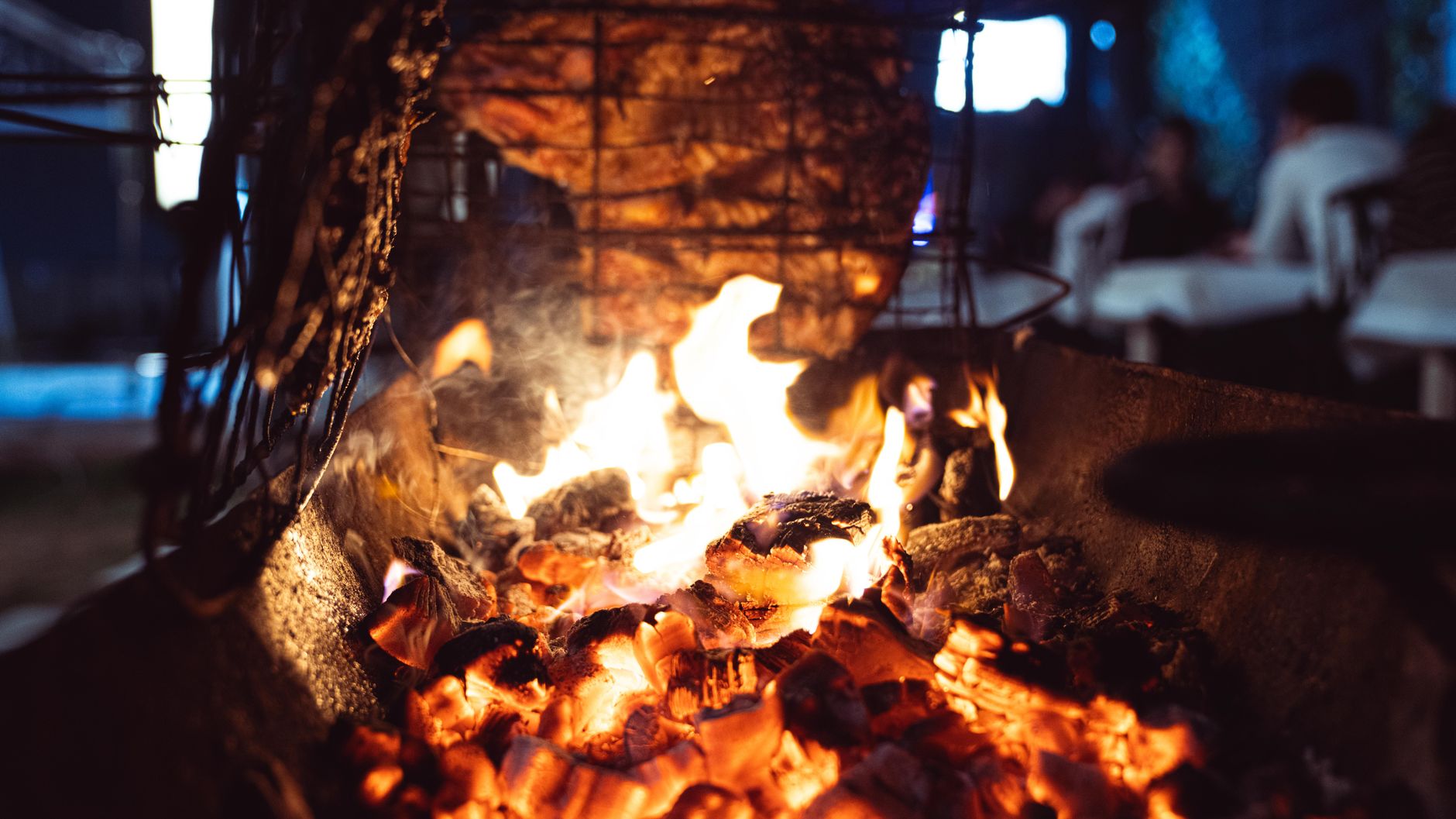
Hāngi (Māori earth-cooked meal): A communal roast cooked in a ground oven with meats and kūmara. Best experienced as part of an evening at Mitai or Tamaki Māori Village; part of dinner packages from about NZD 85–140 (EUR 45–75 / USD 50–80).
Fish and chips: Classic Kiwi seaside option — try takeaway on the lakefront near the wharf or at popular spots on Eat Streat. Expect NZD 12–22 for a takeaway portion (EUR 6–11 / USD 7–13).
Whitebait fritter: Seasonal small-fish fritter served at local cafés or pubs when available; price c. NZD 18–28 (EUR 9–15 / USD 10–16).
Breakfast: Flat white and a bacon-and-egg sandwich at a café such as Capers Café or local bakeries; expect NZD 10–18 for coffee and NZD 8–14 for a sandwich (total NZD 18–30 / EUR 9–16 / USD 10–18).
Local dessert / honey products: Manuka honey sold at specialty stores and markets; try honey ice cream or a honey tasting at pop-up stalls. Small jars or tasting portions start around NZD 8–20.
Dinner recommendation: A sit-down meal at an Eat Streat restaurant for roast lamb, local trout or pork belly runs NZD 28–45 per main (EUR 14–23 / USD 16–26). For a cultural option, the hangi dinner packages include performance and can be the most efficient single-night booking.
Getting Around
No metro or tram system exists; the town depends on local buses, regional coaches, rental cars, taxis and rideshares. Local city buses operate irregular routes around the urban area and to some suburbs; InterCity coaches connect Rotorua with Auckland, Wellington and Tauranga.
Typical single local bus fares hover around NZD 3–4; a day pass for unlimited local travel is roughly NZD 8–12 depending on exact operator (prices vary and exact change or card payment may be required). Taxi or rideshare from Rotorua Airport to the CBD is typically NZD 45–60; car hire is common for flexibility and drives to Wai-O-Tapu are 25–35 minutes from the centre.
Use the InterCity app for regional coach schedules, Google Maps or Moovit for local stop times, and the Bay of Plenty regional transport page for bus timetables. Reserving shuttles to major attractions or booking combined attraction shuttles reduces wait time.
Best Time to Visit
Summer (December–February): Warmest weather with daytime highs 20–28°C and long daylight; busiest period and highest accommodation rates. Expect more coach groups at Wai-O-Tapu and Te Puia.
Autumn (March–May): Mild days 15–22°C and fewer crowds; March and April give good light for forest walks and generally better value on accommodation. This is a strong shoulder-season pick for fewer tourists and comfortable weather.
Winter (June–August): Colder mornings 3–12°C and chilly nights; geothermal steam is more visible, but some outdoor activities feel brisk and evenings are quieter. Shorter daylight reduces time for multiple sites in one day.
Spring (September–November): Variable weather, 8–18°C, with blossom and fewer visitors than summer; good for lower prices and clearer tracks after winter rain. Avoid late-December holidays if possible for both cost and crowd reasons.
Budget and Practical Tips
Sample daily budget (midrange traveler): Accommodation NZD 160–250 (EUR 85–135 / USD 90–150), food NZD 50–90 (EUR 25–50 / USD 30–55), transport NZD 15–45 (including shuttles) (EUR 8–24 / USD 9–27), entries and activities NZD 30–100 (Wai-O-Tapu NZD ~38, Redwoods Treewalk NZD ~49) (EUR 16–45 / USD 18–55). Expect a comfortable daily total of NZD 260–480.
Car hire for three days adds NZD 120–250 depending on vehicle and season; fuel and parking are additional. Tipping is not obligatory in New Zealand — service charges are rare — but small tips for exceptional service are appreciated, typically rounding up or 5–10% in restaurants.
Bring layers for quick temperature swings between geothermal valleys and forested hills. Park signs warn about fragile ground and boiling water; keep to boardwalks and marked paths. Carry a small first-aid kit and a reusable water bottle since some areas have limited vending options.
FAQ
Is Rotorua safe for tourists?
Yes; normal petty-crime precautions apply. Keep valuables out of sight in parked cars at attraction carparks, and avoid isolated trails after dark.
Is 3 days enough to see the highlights?
Yes for Wai-O-Tapu, Te Puia, Redwoods and a cultural evening; add more time if planning Hobbiton or White Island day trips.
Is there a city card or pass worth buying?
No comprehensive city card is standard; buy attraction tickets (Wai-O-Tapu, Te Puia, Redwoods) online for discounts and book combined tours that include transfers to save time.
How do I get from the airport to downtown and how much does it cost?
Taxi or rideshare is fastest (about 15–20 minutes) and runs NZD 45–60; shared shuttles and rental cars are alternatives. Book transfers in advance for peak times.
Will the sulfur smell be a problem?
The smell is noticeable near geothermal areas and the CBD on some days; most visitors find it tolerable outdoors but sensitive people should plan outdoor activities and short indoor breaks.
Are the forests and mountain-bike trails beginner-friendly?
The Redwoods have marked trails for all abilities; beginners should stick to the blue/green routes and consider bike-hire shops that advise on trail choice.
Can buses take visitors to Wai-O-Tapu and Te Puia?
Some local shuttles and tour buses serve those sites; public buses are limited so check schedules or book shuttle services with attractions.
Are pools and spas family-friendly?
Polynesian Spa has separate family-friendly pools and private options; public mineral pools are mixed and have age recommendations for hot pools.
Conclusion
Three days provides a tidy slice of what makes this place distinctive: geothermal activity, Māori cultural evenings, tall redwood forests and accessible lakefront walks. The most likely lasting memory is the contrast between steaming thermal valleys and cool forest canopy, plus whether the sulfur scent stood out.
If time runs short, prioritise a geothermal park (Wai-O-Tapu or Te Puia) plus one forest activity (Redwoods walk or Skyline) and an evening Māori experience; those four elements give a compact but representative experience.
How this guide was prepared
This guide was prepared through a structured research that combines destination research, geographic context, itinerary planning logic, and content review.