

Milan in 3 Days: Practical Itinerary, Neighbourhoods and Tips
A practical 3-day Milan plan covering Duomo and Last Supper bookings, Navigli canalside evening, transit passes, realistic costs and safety notes.
A compact, realistic 3-day plan for Milan that balances major sights, neighbourhood time, transit tips and food pointers so time is spent seeing and experiencing, not running.
First impression: compact streets around the Duomo open into broad avenues of late-19th-century commercial architecture, high-fashion retail and junctions of tram and metro lines. The pace is efficient; mornings feel busy with office traffic and afternoons ease into aperitivo culture along canals and piazzas. Expect crowds at the cathedral and at the Last Supper site; both spaces manage visitor flow tightly with timed tickets.
Common preconceptions that miss the point: thinking this is all about shopping or that everything shuts early. Museums and restaurants have staggered schedules and nightlife centers like Navigli stay lively after 10pm. Suits, designers and students coexist here—useful for planning because transit is dense and most attractions sit within a short tram or metro ride.
Is 3 days in Milan enough?
Three days are enough to see the Duomo, Sforza Castle, Last Supper, a museum or two and two different neighbourhoods while leaving room for a relaxed evening on the Navigli. A firm limitation: skip in-depth visits to every interior collection (for example, only one major art museum fits comfortably without rushing).
Who This Guide Is For
Best for first-time visitors who prefer a balance of art, architecture and local food within a tight schedule; less suitable for travellers who want slow, museum-by-museum study or day trips to the lakes without extra nights.
Local Tips for Milan
Practical details that most travel sites skip — specific to Milan.
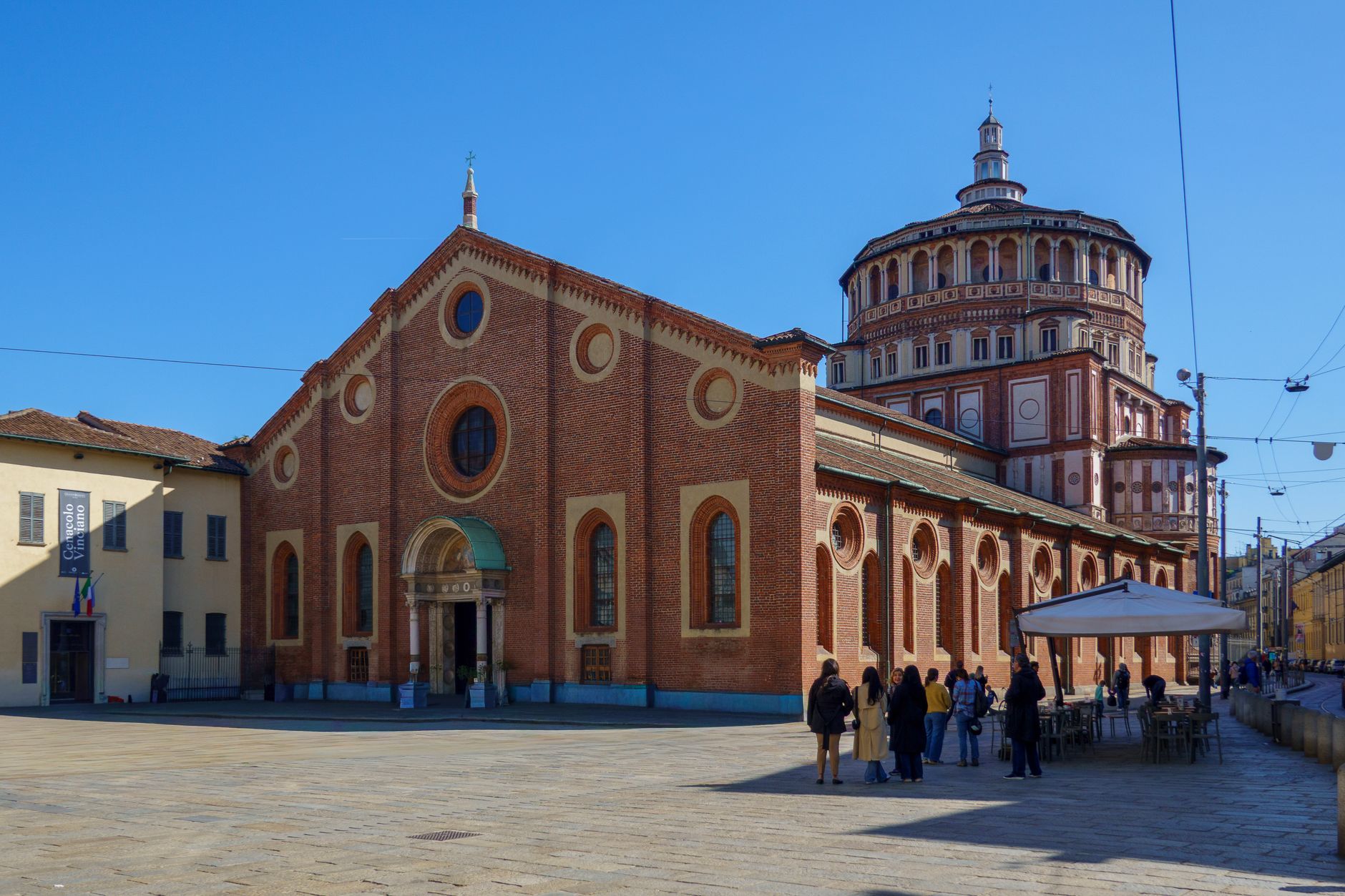
- Book Cenacolo Vinciano (Last Supper) tickets via cenacolovinciano.vivaticket.it at least 2–3 weeks ahead; standard tickets typically cost around €15 and are timed-entry only.
- Buy ATM single ticket (Biglietto Ordinario) for €2.20 — it is valid 90 minutes on metro, tram and bus and must be validated once on board or at station machines.
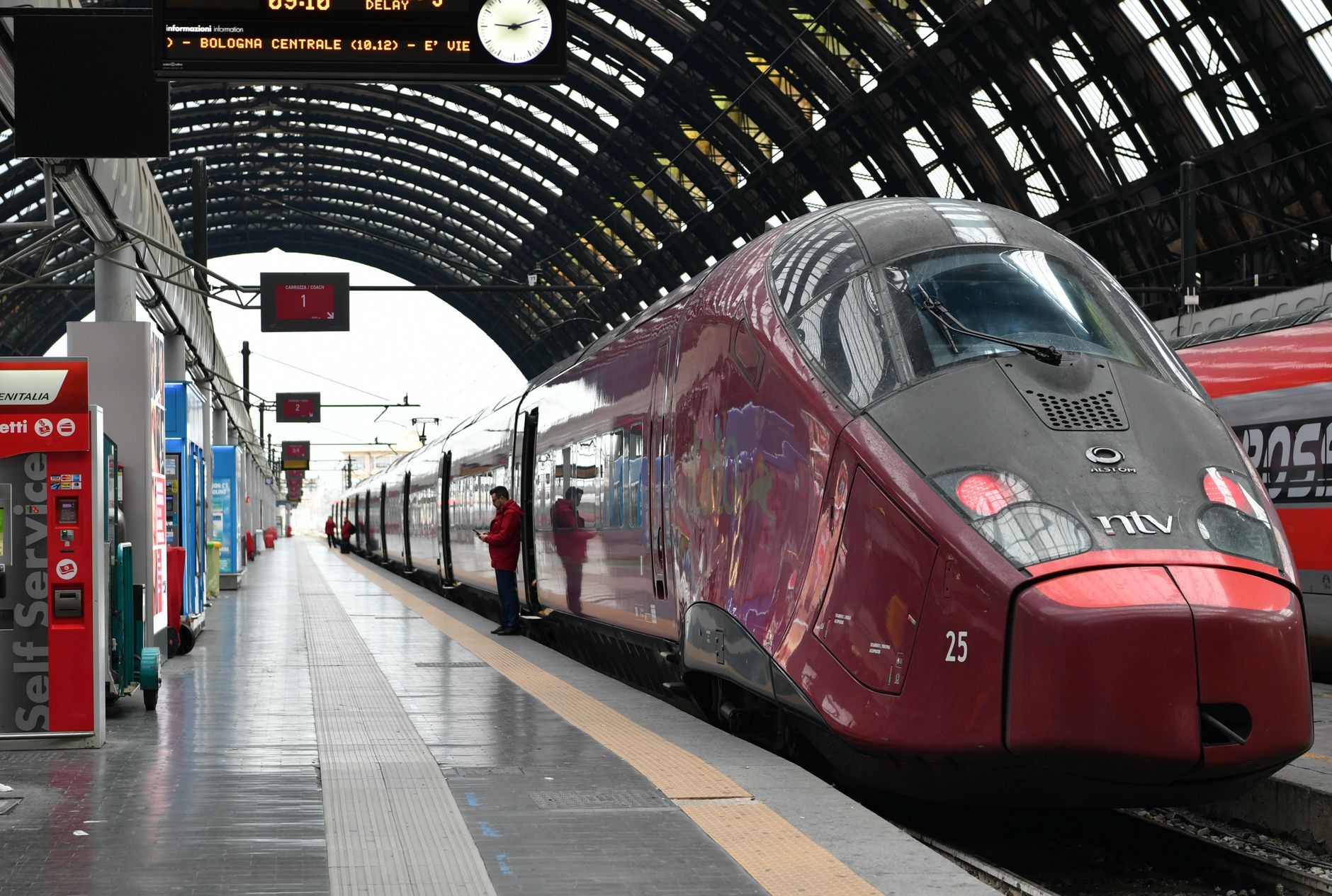
- Malpensa Express train runs between Malpensa T1/T2 and Milano Centrale or Cadorna; one-way ticket is about €13 and is faster and cheaper than a taxi for most travellers.
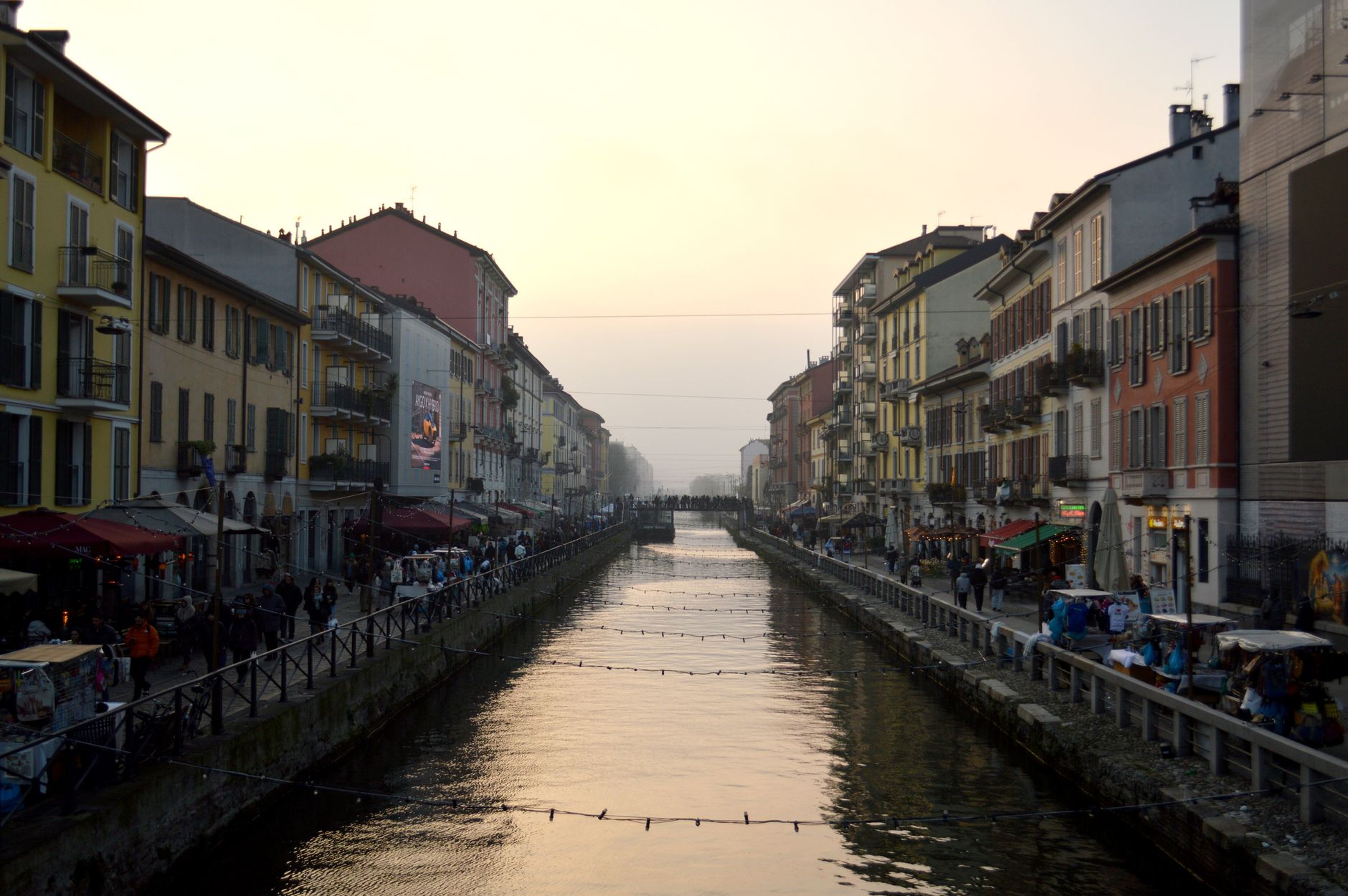
- On Sundays that coincide with the monthly Mercatone dell'Antiquariato (last Sunday) the Naviglio Grande hosts a large antiques market along Ripa di Porta Ticinese; arrive early for the best stalls.
- Area C is the paid congestion zone for central driving; if renting a car, avoid entering without a pre-paid pass (daily fee around €5–10 depending on vehicle and time) to prevent fines.
How This Guide Was Prepared
This guide treats Milan as a working city with concentrated blocks of major sights and distinct neighbourhood personalities rather than a single sightseeing zone. Many guides overload one day with both cathedral, museums and long museum queues; this plan splits high-demand tickets (Last Supper, Duomo terraces) and uses transit to avoid wasted time. This guide was prepared through a structured research that combines destination research, geographic context, itinerary planning logic, and content review.
Plan Your Stay in Milan
Use these planning pages to compare areas to stay, expected costs, seasonal timing, and local transport before booking.
Why Visit
Three major drawcards make a short visit rewarding: concentrated masterpieces, accessible modern districts and strong food traditions. The Last Supper at Santa Maria delle Grazie is a timed, concentrated experience not spread across a large gallery, so a booked slot yields a memorable hour. Brera hosts the Pinacoteca di Brera with Caravaggios and canvases close together, which suits limited time.
Modern Milan offers distinct contrasts: Porta Nuova and Piazza Gae Aulenti display contemporary urban redevelopment and public art within a 10–20 minute tram/metro ride from historic centre. Food and drink tie the visit together—aperitivo culture around Navigli or Corso Como provides social evening options where a single price for a drink can replace a full meal. Practical advantages include multiple airports with fast rail links and a compact public transit grid of five metro lines that keeps transfers short.

Quick Planning Tips
Arrive planning how to get from the airport: Malpensa Express links Malpensa T1/T2 to Milano Centrale or Cadorna (≈€13); Linate is closest to the city and linked by bus 73 or taxi. Orio al Serio (Bergamo) has regular buses to Centrale and can add 45–60 minutes travel time.
Payment tip: card payments are widely accepted in shops and restaurants, but small coffee bars often prefer contactless or cash for counter purchases. Carry some euro coins for counter service and tram drivers.
Avoid the planning mistake of stacking high-demand sites on the same morning. Book Last Supper and Duomo rooftop slots on separate days or in the morning/evening slots to reduce queue pressure. Use the ATM Milano Official app or Trenord app for regional train schedules and ticket purchases.
Day 1
Start in the historic core at Piazza del Duomo. Visit the Duomo di Milano interior and then take the elevator to the terraces for skyline views (allow 1.5–2 hours including lines). From Duomo, walk 5–8 minutes to Galleria Vittorio Emanuele II for a quick look at the 19th-century arcade and window-shopping; this area is compact and walkable.
After a short 10-minute walk, reach Teatro alla Scala and the Museo Teatrale alla Scala if interested (allow 1 hour). For lunch, try Luini near the Duomo for panzerotto (expect queues but rapid service; price around €4–€6) or head 12 minutes on foot to Casa Tua Brera for a sit-down pasta (≈€15–€20).
In the afternoon, take metro M2 from Lanza (Brera area) to Cadorna and walk 12 minutes to Castello Sforzesco to explore the courtyards and at least one museum collection (allow 1.5 hours). From Castello, stroll through Parco Sempione opposite the castle for a calmer hour before evening.
Dinner recommendation: dine in Brera at Osteria di Brera for classic risotto alla Milanese (main courses €18–€28). Evening: head to Navigli by tram 2 or metro M2 to Porta Genova (15–20 minutes) for an aperitivo along the canal and relaxed bars.

Day 2
Begin in Brera to visit the Pinacoteca di Brera—spend 1.5–2 hours seeing key works. Brera streets are short and suited to walking; combine this with a coffee at a bar on Via Fiori Chiari before moving on.
From Brera, take tram 1 along Corso Monforte towards Porta Venezia (about 10 minutes) to reach the Museo Diocesano or the gardens of Villa Reale if the exhibition schedule fits. For lunch, try Ratanà in Isola for contemporary Milanese fare (tram 12 to Isola, or metro to Garibaldi then 5–8 minute walk; mains €18–€30).
Spend the afternoon in Porta Nuova/Isola to see modern architecture at Piazza Gae Aulenti and the Vertical Forest (Bosco Verticale) — these are a 10–15 minute walk from Garibaldi station. Consider a quick visit to Fondazione Prada in the south-west quadrant by tram or taxi (allow 40 minutes travel from Garibaldi). This area feels different from the historic centre: glass towers, start-up offices and new public spaces dominate.
Evening: return to Navigli or Corso Como for cocktails; Corso Como is small but popular for design-focused bars and late dining. Night transport options include trams and night buses; check ATM night routes if out late.

Day 3
Reserve morning time for Santa Maria delle Grazie to see the Last Supper if a ticket was secured—timed visit is about 15 minutes inside plus a short introductory room. After this, walk 12–15 minutes to the nearby Museo Nazionale della Scienza e della Tecnologia Leonardo da Vinci for a different kind of cultural visit (allow 1.5–2 hours).
If checking out of accommodation midday with luggage, use left-luggage facilities at Milano Centrale or store bags at stations like Cadorna; plan onward travel allowing extra time. For a relaxed late lunch, take tram 9 or metro to Navigli and eat at Trattoria del Pescatore or have pizza al taglio along the canal (pizza al taglio €3–€5).
Afternoon options: visit Cimitero Monumentale for its open-air sculptures and history (30–45 minutes) or, if trains to nearby lakes are planned, head to Milano Centrale and catch a 40–60 minute regional train to Como or Bergamo for an afternoon trip. Practical flight note: if flying from Malpensa, allow 1.5–2 hours from central stations to T1/T2 with Malpensa Express or taxi; for Linate plan 30–45 minutes by bus or taxi depending on time of day.
Evening: a final relaxed meal near the station or a late espresso before departure keeps the last hours flexible.
Best Local Experiences
Aperitivo on the Naviglio Grande (drink plus buffet-style snacks for €8–€14) captures local social life. Attend the monthly Mercatone dell'Antiquariato along Naviglio Grande on the last Sunday for antiques and curiosities.
Visit the Cimitero Monumentale to see sculptural funerary art and the Famedio columned memorial area for a quieter, visual experience. Walk Corso Como and Via Tortona during Milan Design Week or outside it to see design showrooms and concept stores; Via Tortona hosts many design events during Fuorisalone.
Explore the food hall at Eataly Smeraldo for regional producers in one location. For nightlife with a local crowd, check bars around Porta Romana and Darsena; both areas provide late-night options that are less tourist-focused than central Navigli. Finally, a tram ride on route 1 or 2 gives a practical city snapshot and passes through multiple neighbourhoods without changing lines.
Where to Stay
Brera: suits museum and dining-focused travellers who want short walks to Duomo and Pinacoteca; expect nightly prices around €150–€280 (≈$165–$310). Hotels and small guesthouses are common in restored 19th-century buildings.
Navigli/Ticinese: suited to those prioritising evening canal life and bars; near Porta Genova station with easy tram links. Typical nightly rates range €100–€200 (≈$110–$220). This area is louder at night but convenient for late meals and nightlife.
Centrale / Repubblica / Isola: practical for train arrivals and departures and for catching early trains to Como or Bergamo. Suits transit-focused travellers and business travellers; expect €70–€150 per night (≈$77–$165). More modern hotels and budget chains cluster here.
CityLife / Fiera area: newer district with apartment hotels and business-style lodging; suits those who prefer quieter streets and modern architecture, with rates around €90–€180 (≈$100–$198). Choose this for easy tram or metro access to the centre.
Food and Drink
Risotto alla Milanese: saffron-flavored risotto traditionally made with beef marrow; find a good version at Trattoria Milanese or Ratanà for €16–€26. Ossobuco: braised veal shank often paired with risotto, available at classic osterie for €20–€35.
Panzerotto: fried or baked stuffed dough, quick street-food found at Luini near the Duomo for about €4–€6. Cotoletta alla Milanese: breaded veal cutlet, ordered in sit-down restaurants like Al Matarel for €18–€30. Gorgonzola and local salumi are available at Eataly and at Mercato Centrale for small tasting plates (€5–€12).
Breakfast option: espresso (≈€1–€1.50 at the counter) and cornetto at a bar; a sit-down cappuccino costs €1.50–€3. Aperitivo: order a spritz or wine (€8–€14) and use the food spread as an early dinner in Navigli or Corso Como. For dessert, try panettone from historic bakeries like Pasticceria Marchesi; slices or small boxes cost €3–€15 depending on size.
Getting Around
Metro lines: M1 (red), M2 (green), M3 (yellow), M4 (blue), M5 (purple). Key tram lines include 1, 2, 9, 12 and 14 which cross central areas and offer short surface rides. Regional and suburban trains run under Trenord with S lines connecting suburbs and nearby towns like Bergamo and Como.
Ticketing: single ticket (Biglietto Ordinario) currently costs €2.20 and is valid 90 minutes across metro, tram and bus after validation. A 24-hour ATM pass is about €7 and can pay off if using multiple trips. Use the ATM Milano Official app or the Trenord app to buy and validate tickets; MyCicero also sells tickets and handles parking payments.
Airport transfers: Malpensa Express ≈€13 one-way to Centrale or Cadorna. Linate is reachable by bus 73 or a short taxi ride (≈€15–€30 depending on traffic). Taxi fixed fares from Malpensa to central city areas typically run €90–€100; factor in traffic at peak times. Bike-sharing and scooter services operate in central districts for short hops.
Best Time to Visit
Spring (April–June) offers mild temperatures (12–22°C) and fewer extreme crowds than summer; this is often the best balance for museums and outdoor time. Autumn (September–October) has similar conditions with fewer tourists and a strong restaurant season, temperatures 13–21°C.
Summer (July–August) brings high temperatures (24–33°C) and local closures in August when some smaller shops and family-run restaurants shut for vacations; expect higher hotel prices and busy outdoor sights. Winter (December–February) is cold and damp (0–8°C) but hotel rates are lower and museums are less crowded, making it a practical low-season choice if willing to wear layers.
For best value and manageable crowds, target late April–June or September. Avoid the absolute peak of August for museums unless travel dates are fixed.
Budget and Practical Tips
Daily budget estimates (per person): Budget traveller: €65–€90 (≈$72–$99) broken down as accommodation €35–€50, food €18–€25, transport €7, entry fees €5–€10. Midrange traveller: €150–€230 (≈$165–$253) with accommodation €90–€140, meals €30–€50, transport €7–€10, entries €20–€30. Higher-end: €300+ (≈$330+) depending on hotel choice and fine dining.
Museum fees: Duomo terraces combined ticket ≈€13–€19 depending on elevator use; Cenacolo Vinciano ≈€15; Pinacoteca di Brera ≈€12. Entry prices can change for temporary exhibitions; book online for fixed-price tickets where possible.
Tipping: tipping is modest. Rounding up the bill or leaving 5–10% for table service in restaurants is appreciated but not required. For taxis, round up or add a couple of euros for luggage help. Carry small change for bar coffees and tram drivers.
FAQ
Is Milan safe for tourists?
Yes; central areas and transit are generally safe during daytime. Take usual precautions against pickpockets in crowded trams, metro stations and around main sights.
How should Last Supper tickets be booked?
Book via the official Cenacolo Vinciano/Vivaticket website in advance; timed-entry only and limited daily capacity means early booking is essential.
Is a Milan city card worth buying?
The official MilanoCard (commercial product) can save on museum entries and transit for heavy users, but most travellers find single tickets or a 24h ATM pass more cost-effective for three days.
Which airport is best for a quick trip?
Malpensa has the fastest rail link to central stations via Malpensa Express (≈€13); Linate is closest by road for short transfers. Bergamo/Orio al Serio can be economical but adds bus transfer time.
Are credit cards accepted everywhere?
Cards are widely accepted in shops and restaurants, but small bars and market stalls may prefer cash or contactless; keep some euros on hand.
Can day trips to Lake Como or Bergamo fit into a 3-day trip?
Yes, a half-day to Como or a full day to Bergamo is possible from Milano Centrale with regional trains; expect 40–60 minutes each way depending on destination.
Conclusion
A well-planned three-day stay will leave a clear set of memories: rooftop views from the Duomo, a timed Last Supper visit, one focused museum and time in at least one neighbourhood after dark. Prioritise timed attractions and split museum visits across mornings and afternoons to avoid queues.
If time runs short, prioritise a Duomo rooftop ticket and a booked Last Supper slot—these are unique and cannot be fully replaced by other experiences. Leave space for a canalside aperitivo; that end-of-day tempo is where the city's social life becomes most visible.
How this guide was prepared
This guide was prepared through a structured research that combines destination research, geographic context, itinerary planning logic, and content review.