
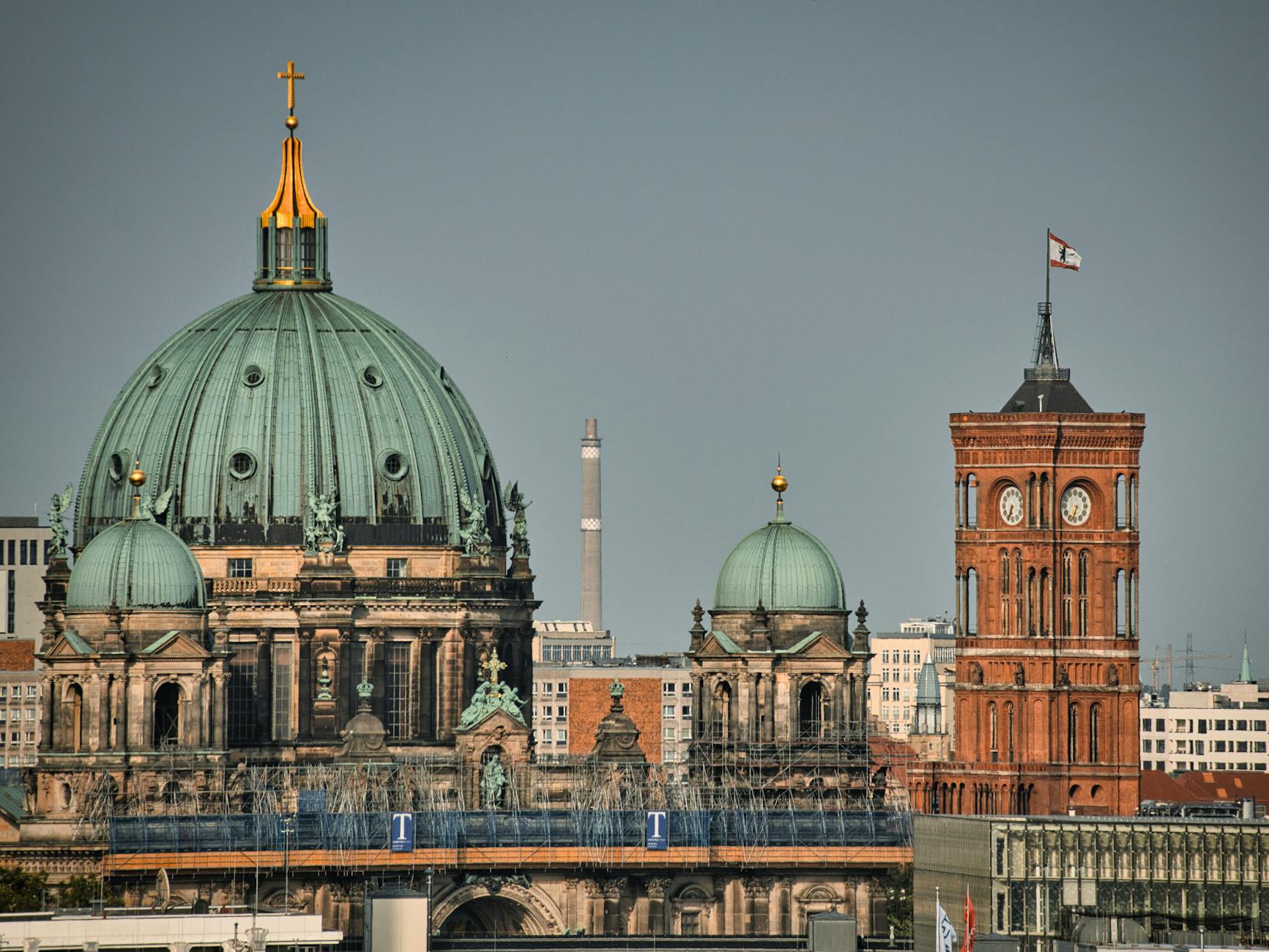
Best Time to Visit Berlin
Decide when to visit Berlin with practical, sustainable advice: weather by season, crowds, festivals, neighborhood tips, booking pointers, and low-impact travel notes to support a 3-day Berlin itinerary and nearby day trips.
Shoulder seasons—late April to June and September to October—balance mild weather, fewer crowds, and better value. Use this guide to match weather, events, and neighborhood life to a 3-day Berlin plan and nearby sustainable day trips to Potsdam, Leipzig, Dresden, Magdeburg, or Chemnitz.
Best overall: late April through June and September through October. These shoulder months offer mild weather, longer daylight, lower prices than peak summer, and manageable crowds at the major museums and memorials.
If you want festivals and nightlife: mid-June to August is lively but crowded and hotter. If you prefer quieter streets, lower airfare and Christmas markets: late November to February, with the understanding that daylight is short and some outdoor attractions are chilly.
For a direct plan: pick shoulder-season dates and use this guide to adapt your 3 days in Berlin itinerary to local events and operating hours.
This page helps you pick the best window to visit Berlin based on weather, events, crowds, and your priorities for a 3-day visit. It focuses on sustainable, low-impact choices and local-first experiences so your trip supports neighborhood businesses and reduces strain on popular sites. Plan timing with the practical details below and link those choices into your 3 days in Berlin itinerary or nearby day trips to Potsdam, Leipzig, Dresden, Magdeburg, and Chemnitz.
What This Page Helps You Decide
Use this guide to choose dates and structure for a short Berlin trip that aligns with your interests and values.
Decisions this page supports:
– Which months to avoid or prefer for museums, outdoor cafés, and walking tours.
– Whether to time your trip around Berlinale, the Marathon, or Christmas markets.
– How to layer neighborhood choices into a 3-day plan to minimize transit time and support local businesses.
– When to book timed tickets for Museum Island and the Reichstag dome, and when regional trains to Potsdam or Leipzig make sense as day trips.
See our 3 days in Berlin itinerary for a schedule that adapts to the season you pick.
Top Recommendations
Months and reasons:
– April to June: flowering parks, pleasant walking weather, many cultural sites open longer hours. Great for outdoor cafés and markets.
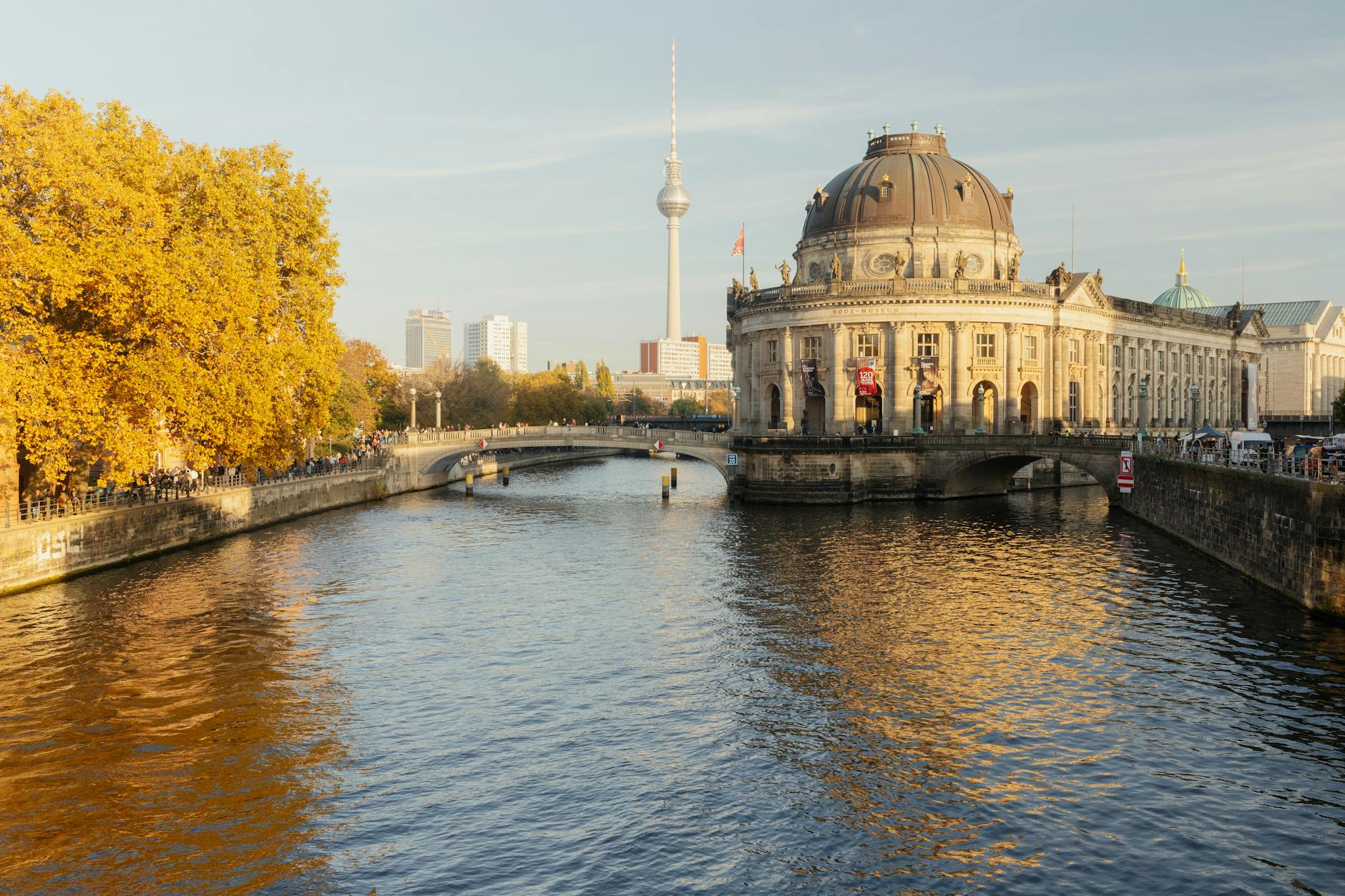
– September to October: crisp air, autumn color in Tiergarten, fewer tourists than July-August, many cultural seasons restarting.
– November to February: lowest visitor numbers, cheap fares, festive Christmas markets late November to December; bring warm layers.
– July-August: warm and lively but busiest and most expensive; book accommodation and key attractions well in advance.
Booking tips:
– Reserve timed tickets for Pergamon and other Museum Island museums and register for Reichstag dome entry in advance.
– For day trips, book regional trains (RE, RB) early for the best prices and prefer regional over long-distance for shorter environmental impact.
Local-first tips:
– Choose lodging in neighborhoods like Mitte, Kreuzberg, Prenzlauer Berg, or Neukölln to support small businesses and reduce daily travel.
Local Context
Neighborhoods and rhythms:
– Mitte concentrates classical sights and daytime crowds; weekday mornings are quieter for photos.
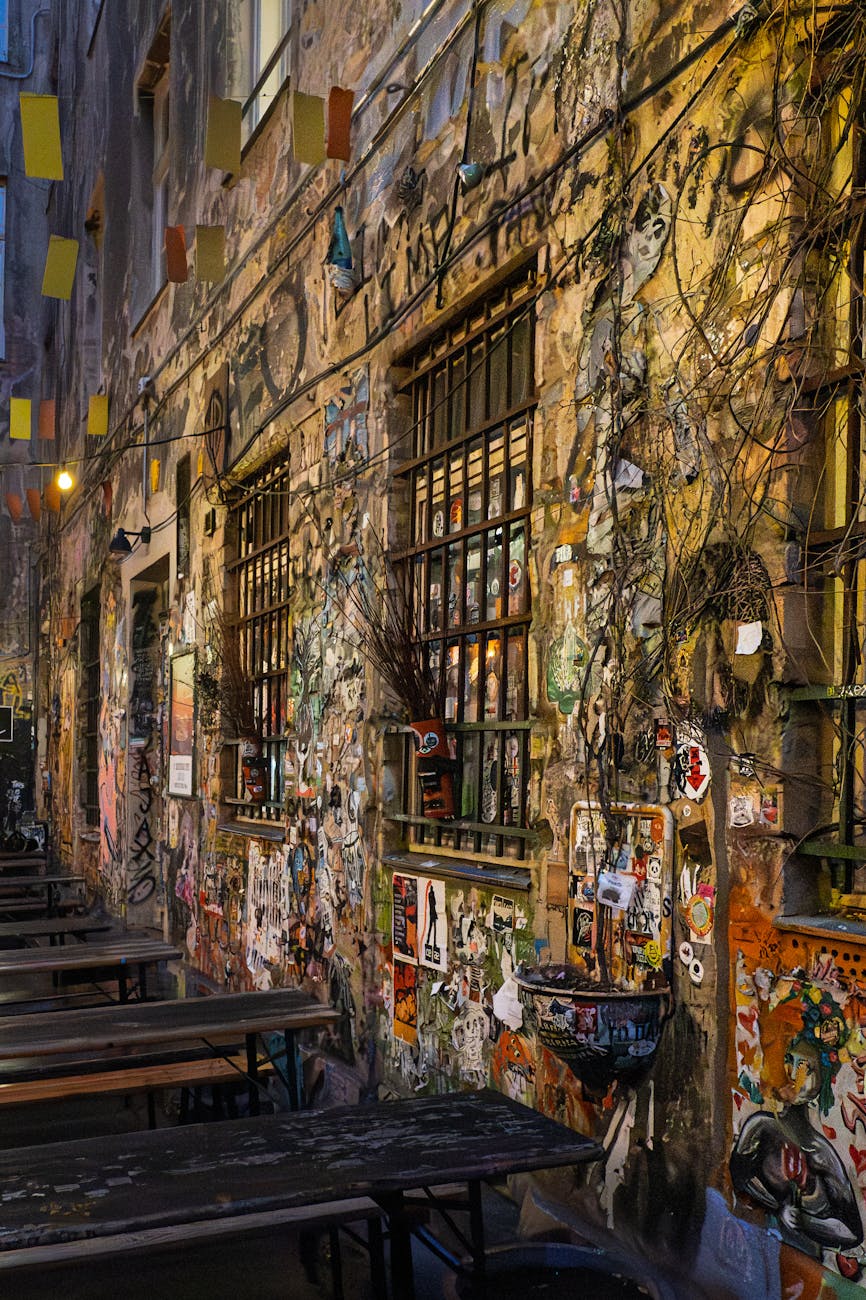
– Kreuzberg and Neukölln are best for street food, markets, and evening scenes; they buzz later into the night.
– Prenzlauer Berg and Friedrichshain offer markets and calmer streets good for mornings.
Transport realities:
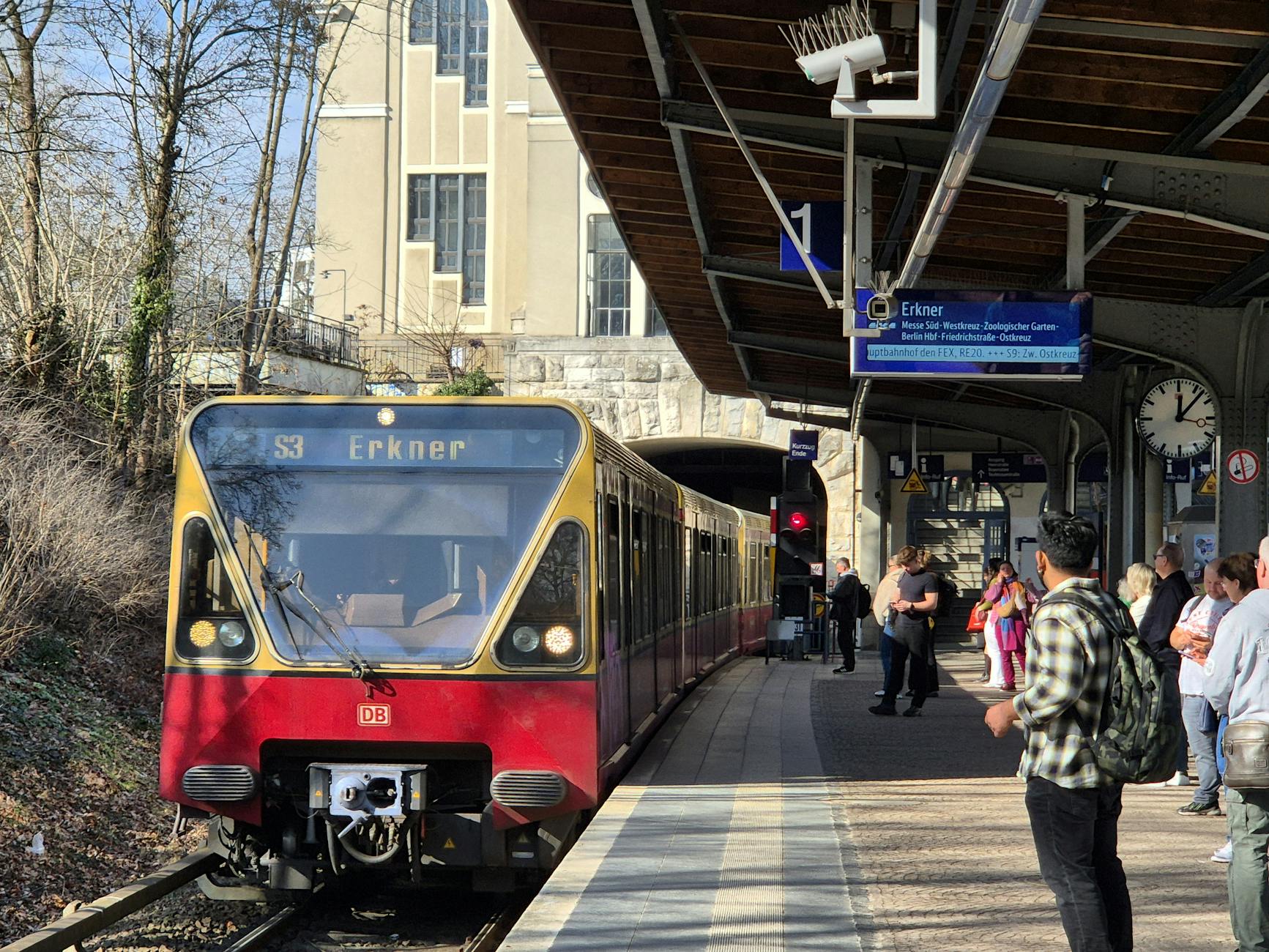
– Berlin's BVG network (U-Bahn, S-Bahn, trams, buses) is efficient. Buy a day pass or a Berlin WelcomeCard for discounts on attractions and regional travel.
– Regional trains connect quickly to Potsdam (30–40 minutes), and to Leipzig or Dresden in 1.5–2 hours; day-trip feasibility depends on season and daylight.
Local etiquette and practicalities:
– Observe Ruhezeiten (quiet hours) in residential areas, typically 10pm–7am and Sundays.
– Recycling and separate waste streams are standard; follow bin labels.
– Many small cafés and markets prefer card and contactless, but keep some euros for small vendors.
How to Choose Well
Match timing to interests:
– Museums and indoor culture: shoulder seasons or winter when museums are less crowded. Book timed entries for big collections.
– Outdoor life, parks, cycling: April to October, with peak greenery in May–June and pleasant cycling weather in September.
– Nightlife and festivals: summer for open-air events; consult festival calendars and reserve club or show tickets early.
Practical selection tips:
– Pick a neighborhood as a base to minimize daily travel time during a 3-day visit.
– If planning a day trip, choose Potsdam for palaces and gardens, Leipzig for music and architecture, Dresden for baroque art, Magdeburg or Chemnitz for off-the-beaten-path visits.
– Check opening hours for Sundays and public holidays; many shops close but attractions often remain open.
Responsible and Local-First Tips
Low-impact choices that support Berlin's neighborhoods:
– Travel shoulder season to ease pressure on busy sites and spread visitor spending across the year.
– Use public transit, tram, or a city bike rather than taxis. Buy regional train tickets for nearby day trips rather than long-distance high-speed options when practical.
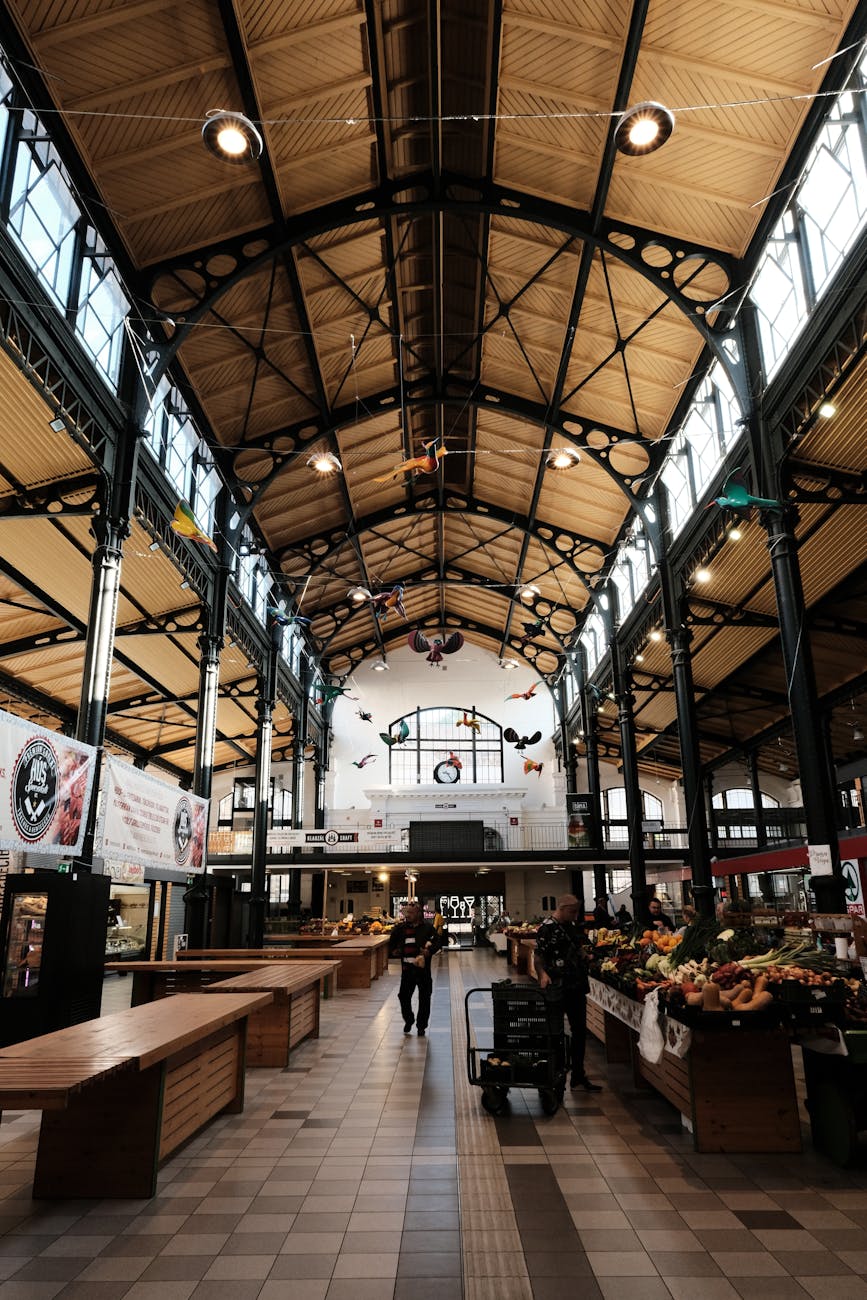
– Dine at local eateries, buy groceries at neighborhood markets like Markthalle Neun, and choose locally owned accommodation.
– Respect memorial sites and neighborhoods: keep noise low near residential streets and memorials, and follow photography guidelines at sensitive sites.
– Carry a reusable bottle and bag; many cafés will refill water and markets welcome reusable containers.
Support community projects by visiting smaller museums and paying for guided tours run by local guides when available.
Common Mistakes to Avoid
Avoid these frequent missteps:
– Packing only for one season: Berlin weather can shift; layered clothing is essential year-round.
– Expecting all shops to be open on Sundays: plan grocery and shopping needs ahead of time.
– Waiting to book timed-ticket attractions during high season: this includes Pergamon, Neues Museum, and Reichstag dome access.
– Basing yourself far from transit hubs for a 3-day visit: transit time eats into short itineraries.
– Assuming taxis are the easiest low-stress option: taxis are useful late at night, but public transit and ride-hailing are often cheaper and faster.
Plan and book the few essentials early, then leave room for neighborhood discovery and slower mornings.
FAQ
When is the best month for comfortable walking and fewer crowds?
Late May and September strike the best balance of pleasant weather and thinner crowds compared with July and August.
Is Berlin worth visiting in winter?
Yes. Winter offers cheaper travel, museum time, and atmospheric Christmas markets in December. Bring warm layers and expect shorter daylight.
Do I need to book tickets in advance for major museums?
For Museum Island highlights and the Reichstag dome, book timed tickets in advance, especially during spring and autumn shoulder periods and summer.
Are day trips to Potsdam or Leipzig feasible from Berlin on a 3-day trip?
Potsdam is an easy half-day or full-day trip by regional train. Leipzig and Dresden are doable as day trips but require early starts; consider overnight stays for a more relaxed visit and lower CO2 per traveler if using rail.
What transport pass makes sense for short stays?
For 2–4 days, a Berlin WelcomeCard or multi-day BVG pass covering AB zones usually covers central itineraries. Add regional tickets if you plan outside-day trips.
Conclusion
Choose shoulder-season dates for the best mix of weather, value, and lower crowds, then tailor your 3 days in Berlin around a neighborhood base and a couple of prebooked highlights. Prefer trains, trams, bikes, and neighborhood vendors to keep your trip sustainable and locally beneficial. For nearby exploration, plan efficient regional rail trips to Potsdam, Leipzig, Dresden, Magdeburg, or Chemnitz depending on your interests and daylight availability.
How this guide was prepared
This guide was prepared through a structured research that combines destination research, geographic context, itinerary planning logic, and content review.