
3 Days in Macau: A Perfect Long Weekend Itinerary
Plan 3 days in Macau: heritage streets, Cotai casinos, Taipa food alleys and Coloane beaches. Practical 3-day itinerary with transit, eats, and top sights.
A compact 3-day plan mixing UNESCO heritage, casino glamour, local food lanes and island beaches—ideal for a weekend break or a short trip from Hong Kong.
Macau is a compact, contrast-rich destination where Portuguese-colonial heritage meets neon casino glamour. It suits history lovers, food-focused travelers, couples looking for a stylish weekend, and anyone combining a short trip from nearby Hong Kong. Three days is ideal because you can cover the historic center and museums in one day, explore the Cotai casino strip and rooftop views on day two, and take a relaxed day in Taipa and Coloane beaches and villages on day three—without rushing.
This guide gives a practical, transit-friendly 72-hour plan with neighborhoods, top sights, signature food streets, and local tips so you get both the highlights and quieter local experiences.
Why Visit
Heritage: a compact UNESCO World Heritage historic centre with baroque churches, pastel facades and Chinese temples within short walking distance.
Glamour and spectacle: a short stretch of Cotai towers with casino resorts, world-class shows and distinctive architecture.
Food culture: dim sum, pork chop buns, egg tarts and street snacks in Taipa’s Rua do Cunha and Senado Square.
Easy access: frequent ferries and the Hong Kong–Zhuhai–Macao Bridge make it a convenient add-on to a Hong Kong trip.

Quick Planning Tips
Arrival: Ferries connect Hong Kong (Sheung Wan, Tsim Sha Tsui) to the ferry terminal in central Macau in about 55 minutes. The HZMB shuttle bus is an alternative from Hong Kong or Shenzhen.
Currency: Macau pataca (MOP) and Hong Kong dollar (HKD) are widely accepted; ATMs are common.
SIM and connectivity: buy an airport or ferry terminal SIM for data, or rely on hotel Wi‑Fi.
Packing: comfortable walking shoes for cobbled streets, a light jacket for evening tower views, and sun protection for Coloane beaches.
Day 1
Morning: Start at Senado Square to admire mosaic pavements and pastel colonial buildings. Walk to the Ruins of St. Paul's and the adjacent Macau Museum for history and city context.
Lunch: Try pork chop bun and famous egg tarts at a nearby bakery in the historic centre.
Afternoon: Visit A-Ma Temple by the waterfront and stroll Lou Lim Ieoc Garden for a quiet contrast.
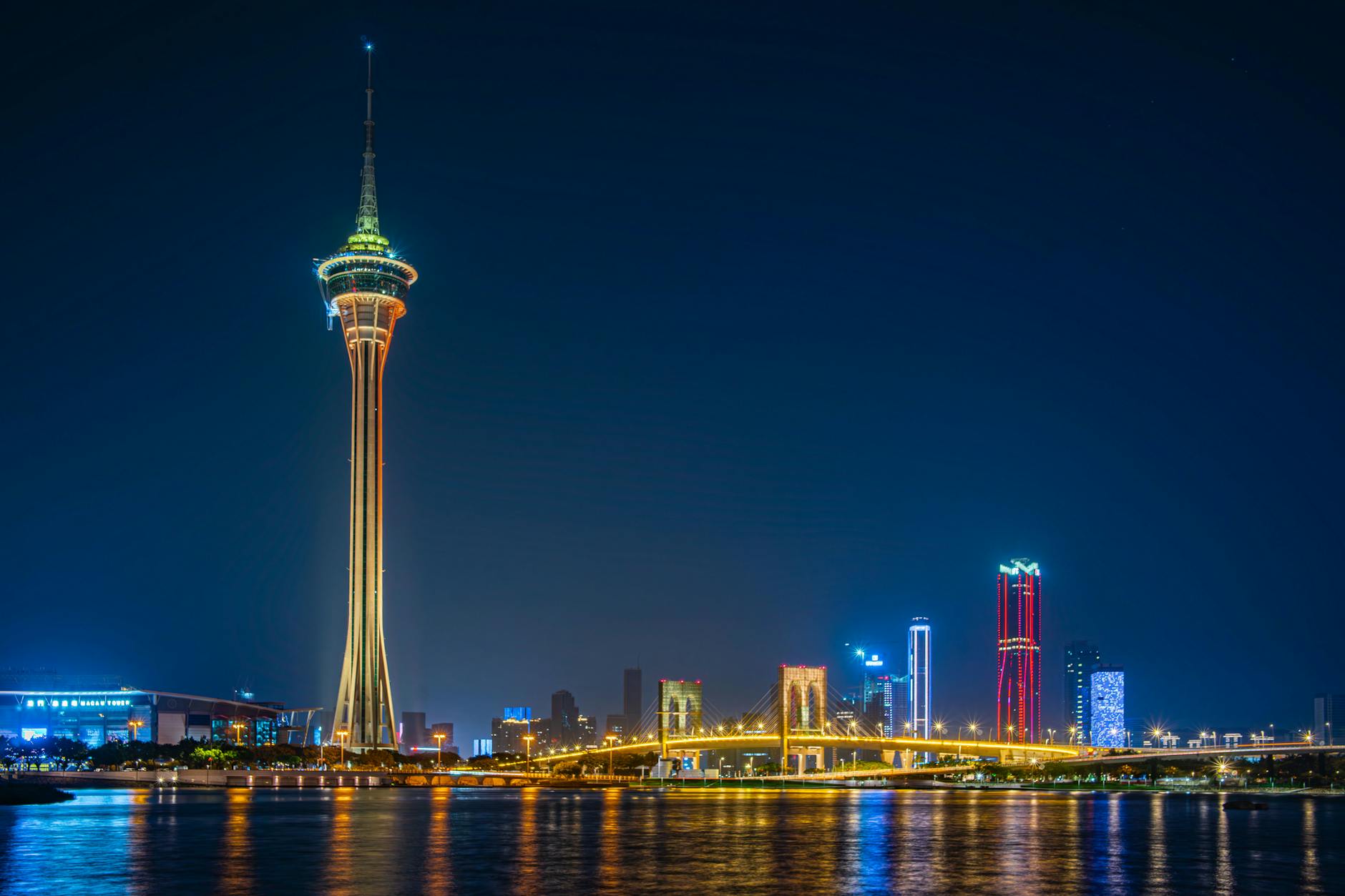
Evening: Head to Macau Tower for panoramic sunset views and, if you dare, the skywalk or bungee. Dinner options nearby range from Cantonese seafood to rooftop bars.

Day 2
Morning: Cross to Cotai and explore The Venetian Macao and its indoor canals. Pop into other casino resorts for unique lobbies and shopping.
Lunch: Buffet or high-end Cantonese at a Cotai hotel, or sample Portuguese-style seafood in Taipa.
Afternoon: Visit the Grand Prix Museum or the Macau Museum of Art depending on interest, then relax at a cafe in the Taipa Village lanes.
Evening: Take in a show or live music at a resort. Cotai is the nightlife and entertainment hub—pre-book show tickets and allow time for taxi or hotel shuttle transfers.

Day 3
Morning: Head to Taipa Village for breakfast on Rua do Cunha—try local snacks like almond cookies and pork chop buns.
Midday: Continue to Coloane for a slower pace: visit Chapel of St. Francis Xavier, stroll Coloane Village, and relax at Hac Sa Beach.
Afternoon: Sample Coloane’s famous Lord Stow’s bakery egg tart, or cycle the coastal paths.
Evening: Return to the harbour for a quiet dinner in the historic quarter or try a waterfront seafood restaurant before departure.

Best Local Experiences
Eat across districts: morning egg tart in the historic centre, lunchtime street snacks in Taipa, evening seafood in Coloane.
Heritage walk: join a guided walking tour of the Historic Centre covering Senado Square, St. Paul’s, and A-Ma Temple.
Hidden calm: Lou Lim Ieoc Garden and the small lanes of Taipa offer quiet breaks from the casino bustle.
Festival timing: Chinese New Year and the Macau Grand Prix are highlight moments but bring crowds—book well ahead.

Where to Stay
Historic centre: boutique hotels near Senado Square and the Ruins are best for walkable heritage access.
Cotai Strip: choose large resorts for shows, casinos and family facilities—great if you want amenities on-site.
Taipa Village: quieter guesthouses and mid-range hotels near food streets suit food-focused travelers.
Transit tip: many hotels run free shuttles to ferry terminals and the airport; check schedules before booking.
Food and Drink
Must-eats: Portuguese egg tarts, pork chop buns, dim sum, African chicken, and shrimp roe noodles.
Where to go: Rua do Cunha in Taipa for street snacks; food stalls around Senado Square for local pastries; Cotai hotels for fine dining.
Markets and cafes: try small bakeries for almond cookies and old-school tea houses for milk tea.
Tip: Many local places take cash; have small notes. For a local touch, pair Portuguese dishes with local Macanese wine or a cold beer.
Getting Around
Public buses: an extensive and low-cost network links the historic centre, Taipa, and Coloane—look up routes by district.
Taxis: plentiful and metered; have addresses in Chinese or Portuguese for drivers.
Hotel shuttles: many Cotai and airport hotels run free shuttles to ferry terminals and major transit points.
Walking: the historic centre is compact and best explored on foot; wear comfortable shoes for uneven cobbles.
Best Time to Visit
Autumn (October–December): generally the most comfortable with mild weather and lower humidity.
Spring (March–May): pleasant but can be humid; festivals may add color and crowds.
Avoid peak summer typhoon months if possible. If you’re targeting events like the Macau Grand Prix (November) or Chinese New Year, book well in advance.
Budget and Practical Tips
Money: bring some MOP but HKD is widely accepted. Credit cards work in large hotels and restaurants.
Costs: heritage walking and many temples are free or inexpensive; expect higher prices at Cotai resorts.
Safety and laws: Macau is very safe; public drinking laws and smoking rules vary—observe signage.
Connectivity: public Wi‑Fi is spotty; pick up a local eSIM or pay-as-you-go SIM at arrival points.
FAQ
Is 3 days enough to see Macau?
Yes. Three days covers the historic centre, a Cotai day, and Taipa/Coloane for beaches and local food without rushing.
How do I get here from Hong Kong?
Fast ferries from Hong Kong terminals take about 55 minutes; the Hong Kong–Zhuhai–Macao Bridge shuttle bus is an alternative for land transfer.
Do I need a visa?
Visa requirements vary by nationality—check official immigration guidance before travel.
Is Macau safe for solo travelers?
Yes. It’s generally very safe with low violent crime; usual precautions about belongings and night travel apply.
What currency should I bring?
Macau pataca (MOP) is official; Hong Kong dollars (HKD) are widely accepted. ATMs are common.
Can I use public transport to reach Coloane and Hac Sa Beach?
Yes. Public buses connect Taipa and Coloane; taxis are also an affordable option for direct trips.
Conclusion
Three days in Macau gives a satisfying mix of UNESCO-listed streets, culinary highlights, casino spectacle and island calm. Plan one day for heritage, one for Cotai and shows, and a relaxed day in Taipa and Coloane. Use ferries or the HZMB for arrival, book popular restaurants and shows ahead, and leave a little unplanned time to wander lanes and discover local bakeries. With compact distances and distinct neighborhoods, this itinerary helps you see both the polished and the local sides in a single long weekend.
How this guide was prepared
This guide was prepared through a structured research that combines destination research, geographic context, itinerary planning logic, and content review.