
3-Day Practical Guide and Itinerary for Valladolid, Spain
Practical 3-day Valladolid itinerary: museums, plazas, tapas trails and a Rueda wine stop, with transport tips and realistic budgets for planning.
A clear, no-nonsense three-day plan to see Valladolid’s main museums, plazas and parks, eat well, and add a short wine stop — with realistic times and costs.
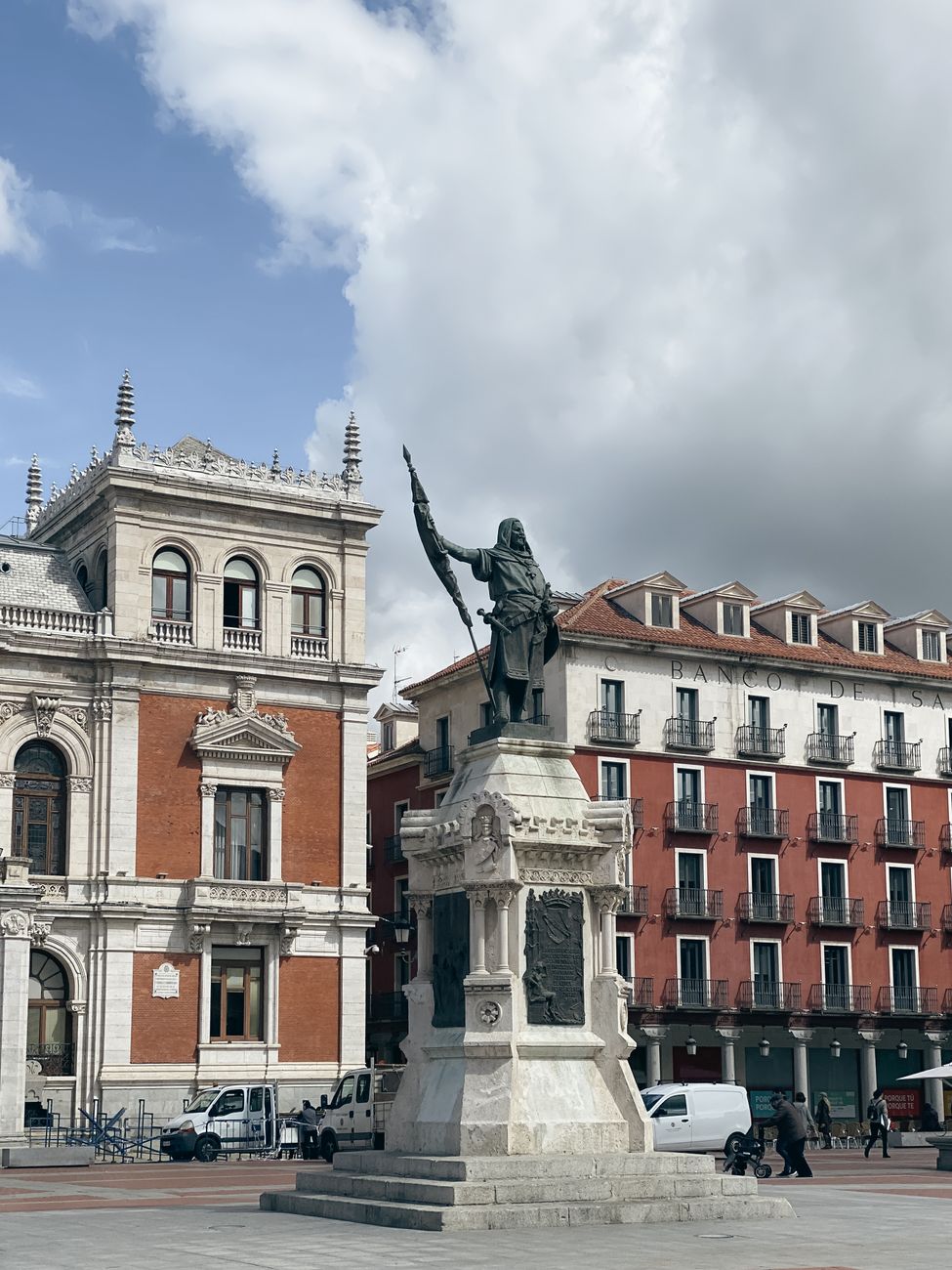
A provincial administrative capital with large public squares, wide boulevards and a surprisingly strong museum scene, Valladolid feels different from Spain’s coastal or tourist-heavy cities. First impressions are of solid stone architecture from the 16th and 17th centuries, sizable civic spaces such as Plaza Mayor and honest, working-class neighbourhoods rather than an over-curated centre. Expect quieter streets after 15:00 on weekdays when shops close for a siesta-style lull, and busier plazas in the early evening when locals eat and socialise. This place suits visitors who like museums, regional wine and walks along a river rather than those chasing nightlife or beach time.
Is 3 days in Valladolid enough?
Yes: three days is enough to see Plaza Mayor, the Museo Nacional de Escultura, Iglesia de San Pablo, Campo Grande and a short wine visit to Rueda, and to sample the tapas circuit. Caveat: skipping a full-day trip to Salamanca or Burgos will be necessary to keep the pace reasonable.
Who This Guide Is For
Best for culture-focused travelers who prefer museums, architecture, local wine and manageable walking days. Poor fit for beach seekers, nightlife-only travelers, or those who want to day-trip to multiple other cities in one weekend.
Local Tips for Valladolid
Practical details that most travel sites skip — specific to Valladolid.
- Buy an AUVASA 10-journey Tarjeta Urbana at kiosks or the AUVASA office near Plaza de Zorrilla — a 10-ride pack costs about €10 and is far cheaper than single tickets if using buses multiple times.
- Campo Grande (Parque Campo Grande) opens early and is free to enter; look for the parakeet flocks and turtles in the ponds and the small aviary near Calle de Recoletos.
- Mercado del Val, on Calle de Las Armas near Plaza Mayor, has daily stalls with local cheese and charcuterie; Saturday mornings (08:00–11:30) are best for regional producers from Castilla y León.
- Museo Nacional de Escultura (Palacio de Villena) typically charges around €3–€5 and closes on Mondays; plan morning visits to avoid school groups and guided-tour arrivals.
- Many independent tapas bars and smaller restaurants close either Sunday evening or all day Monday; always check opening times and book dinner on Friday–Saturday nights.
How This Guide Was Prepared
Valladolid rewards visitors who slow down and treat it like a provincial capital rather than a shorter stopover. Many guides sell it as only a tapas stop or Semana Santa highlight; this guide focuses on museums, Renaissance architecture, riverside walks and regional wine, and explains how to fit those into three practical days. This guide was prepared through a structured research that combines destination research, geographic context, itinerary planning logic, and content review.
Plan Your Stay in Valladolid
Use this itinerary as your starting point, then compare areas to stay, transport options, seasonal timing, and realistic daily costs before booking.
Why Visit
Three concrete reasons: an unusually strong concentration of sculpture and religious art held at the Museo Nacional de Escultura; Plaza Mayor as an early model for later Spanish plazas with arcades and nearby tapas streets; and access to Rueda wine country a short drive away for Verdejo tastings. The city’s riverfront along the Río Pisuerga offers calm cycling and walking routes that contrast with its dense historic center, useful for travelers who want both compact urban museums and green space. Finally, museums like Museo Patio Herreriano provide modern Spanish art that many visitors miss, so the program combines classical and contemporary collections without long transfers. These qualities make it a practical base for anyone prioritising art, architecture and wine without the crowds of larger Spanish destinations.
Quick Planning Tips
The nearest airport is Valladolid Villanubla (VLL); the quickest reliable option to the city centre is a taxi (around €20–€30) or the scheduled airport shuttle bus that serves Campo Grande — check the airport website for exact times. Trains from Madrid run into Valladolid-Campo Grande station; high-speed AVE services take about 1 hour 10 minutes if booked in advance and save time compared with driving. Carry a small supply of euros for small tapas bars and market stalls; many places accept cards but some local vendors and smaller cafés are cash-only. Do not assume museums or smaller shops stay open all day; avoid planning multiple museums for a Monday, as closures are common.
Day 1
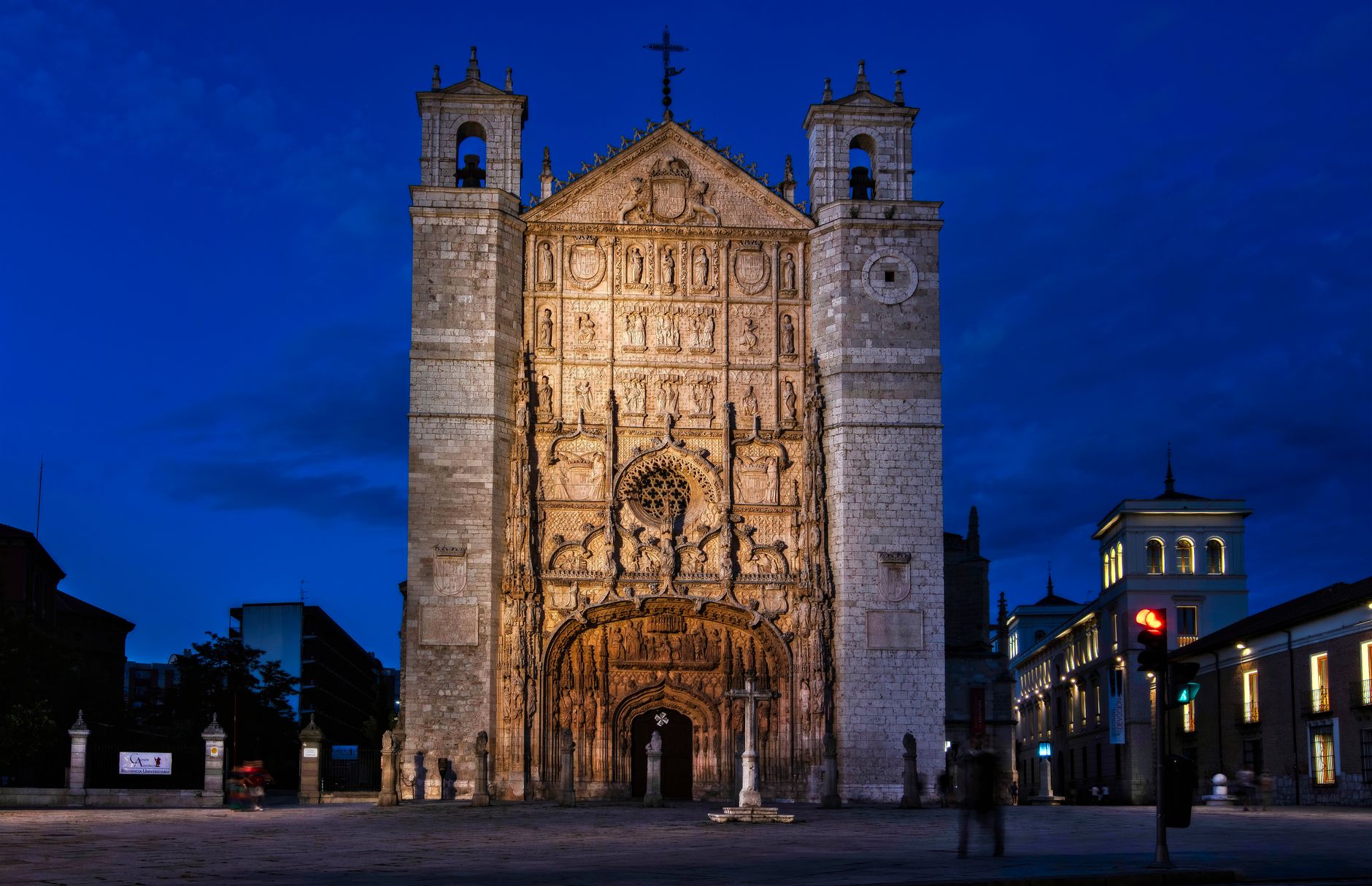
Morning: Start at Plaza Mayor to get orientation; it’s a compact rectangle with arcades and cafés on its edges and easy to reach on foot from most central hotels. From Plaza Mayor walk 5–8 minutes to Museo Nacional de Escultura (Palacio de Villena) and plan 60–90 minutes for the main rooms; check the ticket desk for combined entry with temporary exhibitions. Late morning: Cross to Iglesia de San Pablo, a 15th-century brick-and-stone church 4–6 minutes’ walk from the museum; allow 30–45 minutes to inspect the façade and interior chapels. Lunch: Eat at Mercado del Val stalls or sit down at a nearby tavern such as El Gato Negro for classic tapas and raciones (expect €12–€20 per person for a modest selection). Afternoon: Walk 10–15 minutes to Catedral de Valladolid (Catedral de la Asunción) and then continue on a 10–15 minute stroll to Campo Grande park for a relaxing hour among the birds and ponds. Evening: Dine on Calle de Santiago or the streets around Plaza Mayor where tapas bars stay lively; finish with a short walk along the Río Pisuerga to see bridges lit at night.

Day 2
Morning: Head to Museo Patio Herreriano for modern and contemporary Spanish art; it’s about a 12–15 minute walk from Plaza Mayor or a short bus ride on an AUVASA route. Spend 60–90 minutes here, then walk to Casa-Museo de Cervantes (roughly 8 minutes) to see the preserved house and period rooms associated with Miguel de Cervantes; a focused visit takes 45–60 minutes. Midday: Walk or catch a short bus to Mercado de Pilarica or small neighbourhood cafés in the Universidad district for tapas with students — this area feels younger and less formal than the historic centre. Afternoon: Take a tram-free stretch and walk or cycle along the Río Pisuerga (bike rentals available near Campo Grande) for 60–90 minutes and then visit the military and historic displays around Paseo Zorrilla and the Railway Museum area if open. Evening: Reserve a casual dinner at a parrilla or asador to try lechazo (suckling lamb) if available; these restaurants are often 10–20 minutes by taxi from the centre but some central options exist. Transport between these points is simple by foot or AUVASA buses; expect several short walks of 5–15 minutes.

Day 3
Morning: Use the third day for either a short wine excursion to Rueda (book a half-day tour for tasting and a vineyard visit, roughly 45 minutes by car) or deeper museum time in town at Museo de Valladolid and Casa Lis if interested in Art Nouveau glass. If staying local, walk through the Rondilla or La Victoria neighbourhoods to see working-class streets and small plazas where daily life happens; these areas are 15–25 minutes from Plaza Mayor on foot. Midday: Return to the centre for a final tapas lunch on Calle de la Pasión or Calle Santiago and buy any food items from Mercado del Val to take home — leave enough time for packing. Practical note for departures: if catching an afternoon flight from Villanubla, aim to leave the city centre at least 90 minutes before flight time for a taxi (€20–€30) or check the airport shuttle timetable to ensure arrival two hours before departure. Evening option if staying late: a quieter dinner near Teatro Calderón, where service typically remains steady on weekend nights.

Best Local Experiences
Visit Mercado del Val for regional cheeses, chorizo and fresh produce with local vendors on Saturday mornings. Spend time at Campo Grande watching parakeets and pond turtles and follow the park paths to find the small aviary and kiosks. Take a Rueda wine tasting at a bodega such as José Pariente or a local cooperative — half-day tours include a vineyard visit and tastings of Verdejo. Walk the tapas circuit around Plaza Mayor, Calle de Santiago and Calle de la Pasión, ordering different montados, lomos and croquetas at 3–4 bars rather than a single meal. Attend a performance, if available, at Teatro Calderón for a regional production or concert; check schedules in advance as programming varies seasonally.

Where to Stay
Centro (Plaza Mayor, around Centro Histórico): Suits first-time visitors who want museums, tapas streets and short walks to major sights. Expect midrange hotels €70–€120 per night (≈US$77–US$132) and budget hostels from €20–€40 (≈US$22–US$44). Parquesol and Zona Este: Suits families and those seeking quieter, more residential streets near green space and larger hotel options; expect midrange hotel prices €60–€100 per night (≈US$66–US$110). Universidad / Rondilla: Suits budget travellers and those wanting nightlife with student cafés and cheaper tapas; small guesthouses and private rooms typically €30–€60 per night (≈US$33–US$66). Near Valladolid-Campo Grande station: Suits train travellers and people with early departures; practical midrange hotels are €50–€90 per night (≈US$55–US$99) and provide easy access to RENFE services.
Food and Drink
Lechazo asado (suckling lamb): roasted in a wood oven, commonly found at asadores and specialist restaurants — expect €20–€35 per person for a shared portion; look for local asadores near Plaza Mayor or along Calle Recondo. Ribera and Rueda wines: Verdejo from Rueda (white) is the local white wine to order by the glass (€2.50–€5) or bottle (€10–€25); Ribera del Duero reds are widely available and slightly pricier. Sopa de ajo (garlic soup): a homely, brothy dish often on winter menus and at taverns — around €3–€6. Tapas and montados: order small plates like torreznos, croquetas and lomo at El Gato Negro or bars along Calle de Santiago; expect €1.80–€4 per tapa. Breakfast option: a café breakfast of café con leche and a tostada or napolitana typically costs €3–€6; try cafés around Plaza Mayor for standard options. Street food: churros with chocolate or small bocadillos from market stalls are cheap and filling — €2–€5. Dinner recommendation: book a seat at a midrange asador to sample roast meats and regional sides; dinners typically run €20–€40 per person depending on wine.
Getting Around
Public buses are run by AUVASA; routes are numbered and cover the city centre and suburbs — the AUVASA website and the AUVASA Movilidad app show timetables and bus stops. There is no metro or tram system; most central sightseeing is walkable with short AUVASA trips when needed. Typical single AUVASA bus fare is about €1.30 and a 10-journey Tarjeta Urbana costs roughly €10; day passes are uncommon, so the 10-ride card is usually the best value. Trains arrive at Valladolid-Campo Grande station with RENFE services including high-speed AVE to Madrid (around 1h10m) and regional Cercanías; use the Renfe app to book tickets. Taxi from Villanubla airport to the centre is about €20–€30 depending on luggage and time; local taxis operate by meter within the city. Bike rentals and riverfront cycling are common for short transfers and give access to green routes along the Río Pisuerga.
Best Time to Visit
Spring (April–June) and early autumn (September–October) offer the best balance of mild temperatures (12–25°C) and fewer unbearably hot days, with pleasant conditions for walking and winery visits. Summer (July–August) gets hot, often 30–35°C, and some local businesses slow down in August as residents head to the coast; air-conditioned museums remain comfortable but outdoor touring is tiring. Winter (December–February) is cold with daytime highs around 6–12°C and occasional freezing nights; good for lower prices and quieter museums but some outdoor activities feel brisk. For best value, aim for late April–June or September when hotel rates are reasonable and outdoor wine visits are pleasant.
Budget and Practical Tips
Sample daily budgets (per person): Budget traveller: accommodation €25 (hostel), food €20, transport €3, entry fees €6 — total ≈€54/day (≈US$60). Midrange traveller: accommodation €85, food €35, transport €4, entry fees €12 — total ≈€136/day (≈US$150). Splurge: accommodation €150+, food €60+, transport €8, entries €25 — total ≈€243+/day (≈US$270+). Museum entry fees are generally low: Museo Nacional de Escultura €3–€5, Museo Patio Herreriano €3–€6; check sites for temporary show surcharges. Tipping: in Spain rounding up in cafés and leaving 5–10% in sit-down restaurants for good service is appreciated but not obligatory; taxi drivers are tipped by rounding up. Practical money tip: carry small euro notes and coins for market stalls and small bars — card payments are widespread but small vendors may prefer cash.
FAQ
Is Valladolid safe for solo travellers?
Yes; general safety is good in central areas, petty pickpocketing can occur in crowded bars or on busy tram stops—keep an eye on belongings and avoid poorly lit backstreets late at night.
How do I get from Villanubla airport to the city centre?
Taxi is the most direct (≈€20–€30); check the airport shuttle schedule for a cheaper bus to Campo Grande, and confirm times in advance as services vary.
Is a city card or tourist pass worth it?
There is no widely promoted city pass; buying individual tickets is normal and the best savings come from combined tickets at specific museums when available rather than a blanket pass.
Can I do a day trip to Salamanca or Burgos from here?
Both are doable but each needs at least a full day; Salamanca is about 1.5–2 hours by car and Burgos around 1.5 hours, making them poor choices if wanting relaxed three days in the city.
Are museums free at certain times?
Some national or municipal museums offer free or reduced entry at specific times or days—check official museum pages; don’t assume universal free entry on a particular weekday.
What is the best way to get around the historic centre?
On foot — the centre is compact and most major sites are within 10–20 minutes of each other; use AUVASA buses for longer hops or to reach outskirts.
Are there good wine tours available locally?
Yes; half-day and full-day Rueda winery tours operate from the city and include tastings and cellar visits; book in advance during harvest (September–October).
Is English commonly spoken?
Tourist-facing staff in museums, hotels and larger restaurants usually speak at least basic English, but in smaller bars and markets Spanish is more common; a few phrases help.
Conclusion
A well-paced three-day visit will leave a clear memory of plazas, carved altarpieces at the Museo Nacional de Escultura, riverside walks and a Verdejo tasting from Rueda. Prioritise one or two museums, a relaxed lunch at Mercado del Val and an afternoon in Campo Grande over trying to see every site; that yields a better feel for local life. If time runs short, choose Plaza Mayor and the Museo Nacional de Escultura as the top priority — they capture much of what makes the place distinctive for visitors.
How this guide was prepared
This guide was prepared through a structured research that combines destination research, geographic context, itinerary planning logic, and content review.