
Responsible Travel in Lima — Practical Support for Your 3-Day Visit
Practical, sustainable advice for spending three days in Lima: where to stay, how to move, food and market tips, seasonal notes, and low-impact activities that support local communities.
A short, local-first guide to getting the most from three days in Lima while minimizing your impact and maximizing benefits for neighborhood businesses and guides.
Quick Answer
A short, local-first guide to getting the most from three days in Lima while minimizing your impact and maximizing benefits for neighborhood businesses and guides.
Who This Page Is For
This page is for travelers planning a stay in Lima who want clearer decisions about responsible travel, local logistics, timing, budgeting, and practical trip planning.
How This Page Was Prepared
This page was prepared through a structured editorial workflow that combines destination research, geographic context, and practical travel-planning review.
Plan the Rest of Your Trip
Use this page together with the full itinerary and the related planning pages below to make better booking, timing, transport, and budget decisions.
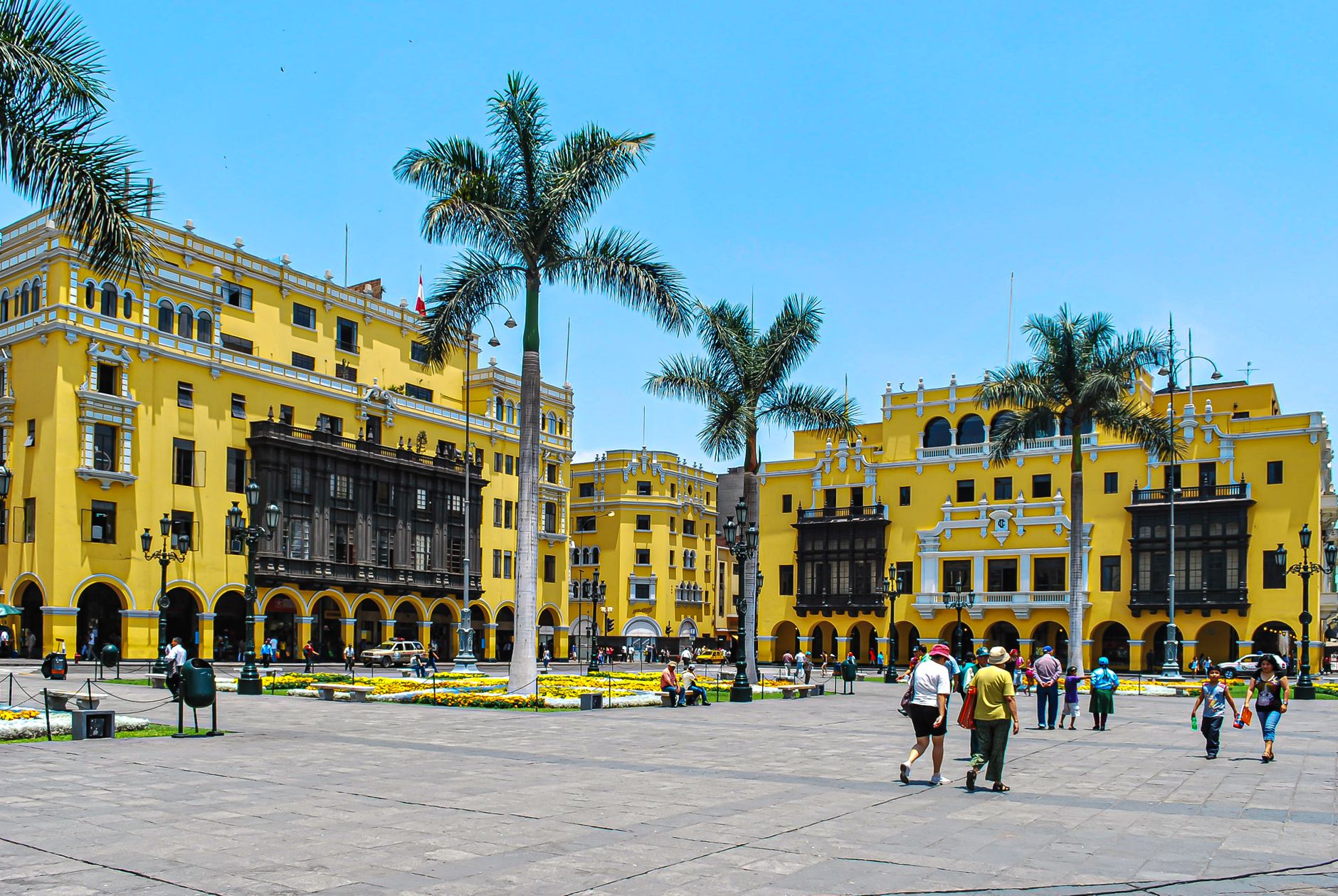
If you have three days, prioritize Miraflores and Barranco for coastal views, San Isidro for relaxed green spaces and local dining, and one morning in the Historic Centre for scale of colonial Lima. Travel in shoulder months (April–May or September–November) to avoid peak crowds and heavy sun. Use walking, bike lanes, and licensed ride-hailing; book popular museums and huacas ahead; choose small local guides and eateries to put money into neighborhood businesses.
This support page is written to complement our main 3-day Lima guide and help you make responsible, low-impact choices while in the city. It focuses on neighborhood-savvy planning, local-first spending, practical transport realities, and seasonal tips so your short stay benefits Lima’s communities rather than just passing through.
What This Page Helps You Decide
Use this page to figure out:
– Which neighborhoods to book for a 3-day Lima stay (close to sights, safe, local economy-friendly).
– When to buy tickets for Larco Museum and Huaca Pucllana and when to book a market or food tour.
– Which transport modes to favor for low-impact travel around the city.
– Whether to add a cheap domestic flight to Cusco, Arequipa, or Trujillo or save that for another trip.
For step-by-step timing, see our companion 3-day Lima guide; this page gives the sustainable choices that make that itinerary work better for neighborhoods and guides.
Top Recommendations
Where to stay:
– Base yourself in Miraflores for coastal access and a wide range of locally owned guesthouses, or choose Barranco for a quieter creative scene. San Isidro suits business-class comfort with leafy parks.
Must-do low-impact activities:
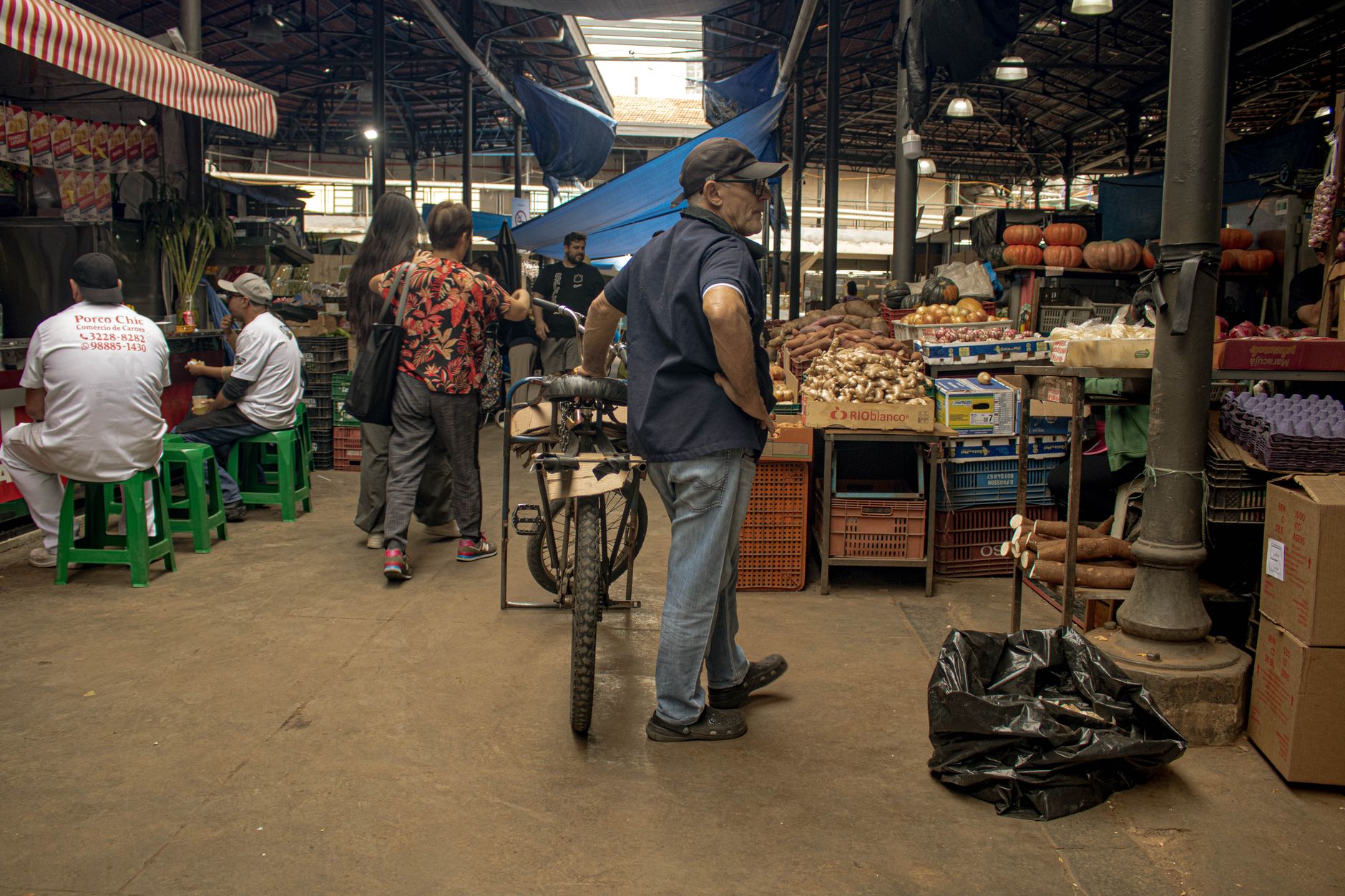
– Morning walk along the Miraflores malecón and picnic from a Surquillo market shop.
– Book a small-group food tour with a local guide who sources from neighborhood markets.
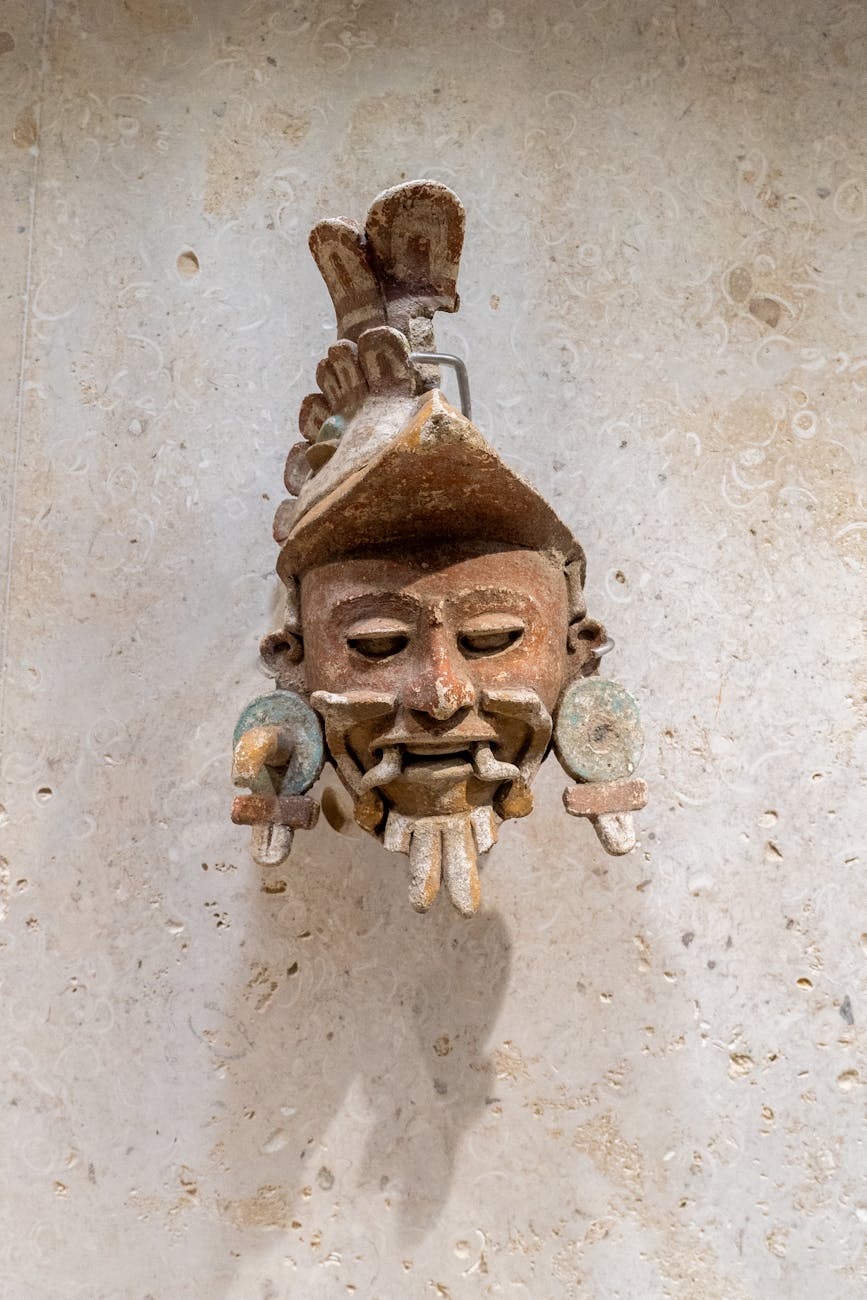
– Visit Huaca Pucllana at dusk (fewer crowds, better light) and Larco Museum with advance tickets.
Day-trip and transport notes:
– Pachacamac is a short sustainable excursion by taxi or shared van; avoid operators that rush you through the site.
– Flights to Cusco, Arequipa, Puno and Iquitos are frequent; book flexible fares and consider one-way domestic carriers to optimize time.
Booking advice:
– Reserve popular restaurants and guided tours at least a few days ahead in high season; choose operators with clear local-hiring practices.
Local Context
Climate and seasons:
– Lima’s weather is coastal: sunny and warm December–March; cool, overcast, and humid with garúa fog roughly May–September. Shoulder months (April, November) often balance clearer skies and fewer visitors.
Transport and timing:
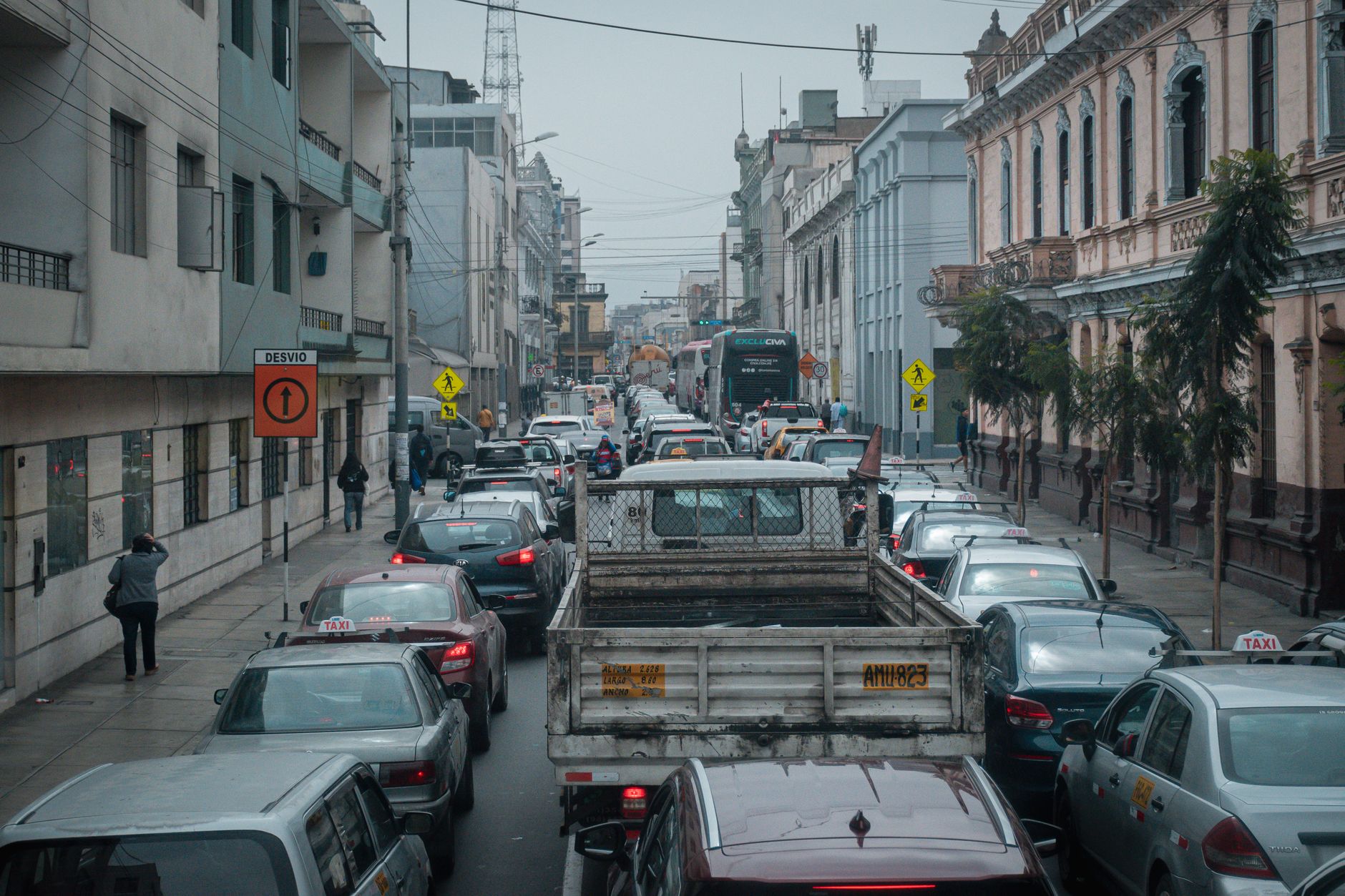
– Peak traffic runs weekday mornings (7–9am) and evenings (5–8pm). Allow extra time for airport transfers. The Metropolitano bus and the Metro (Tren) serve limited corridors; ride-hailing apps (Beat, Cabify) are common and safer than flagged street taxis.
Culture and etiquette:
– Greet with a friendly "buenos días/tardes" and a handshake. Tip around 10% in restaurants unless a service charge is included.
– Ask permission before photographing people, especially vendors. Spanish is the working language; basic Spanish phrases help in markets and small shops.
How to Choose Well
Accommodation:
– Prefer locally owned hotels, small guesthouses, or family-run B&Bs. Look for properties that limit single-use plastics and support local staff.
Tours and guides:
– Choose small-group or private tours run by local guides with verified reviews. Confirm that guides are paid fairly and that profits stay in the community.
Dining and markets:
– Source lunches from mercados (Surquillo, Mercado de San Isidro) and evening meals from neighborhood restaurants (huariques) known for hiring local cooks.
Transport choices:
– Walk or cycle short distances along the malecon. For longer trips, prefer licensed ride-hailing or the Metropolitano rather than unmarked taxis.
Timing and booking:
– Buy Larco Museum and Huaca Pucllana tickets in advance for weekends. Reserve high-demand restaurants (cevicherías, Nikkei spots) ahead, especially for dinner.
Responsible and Local-First Tips
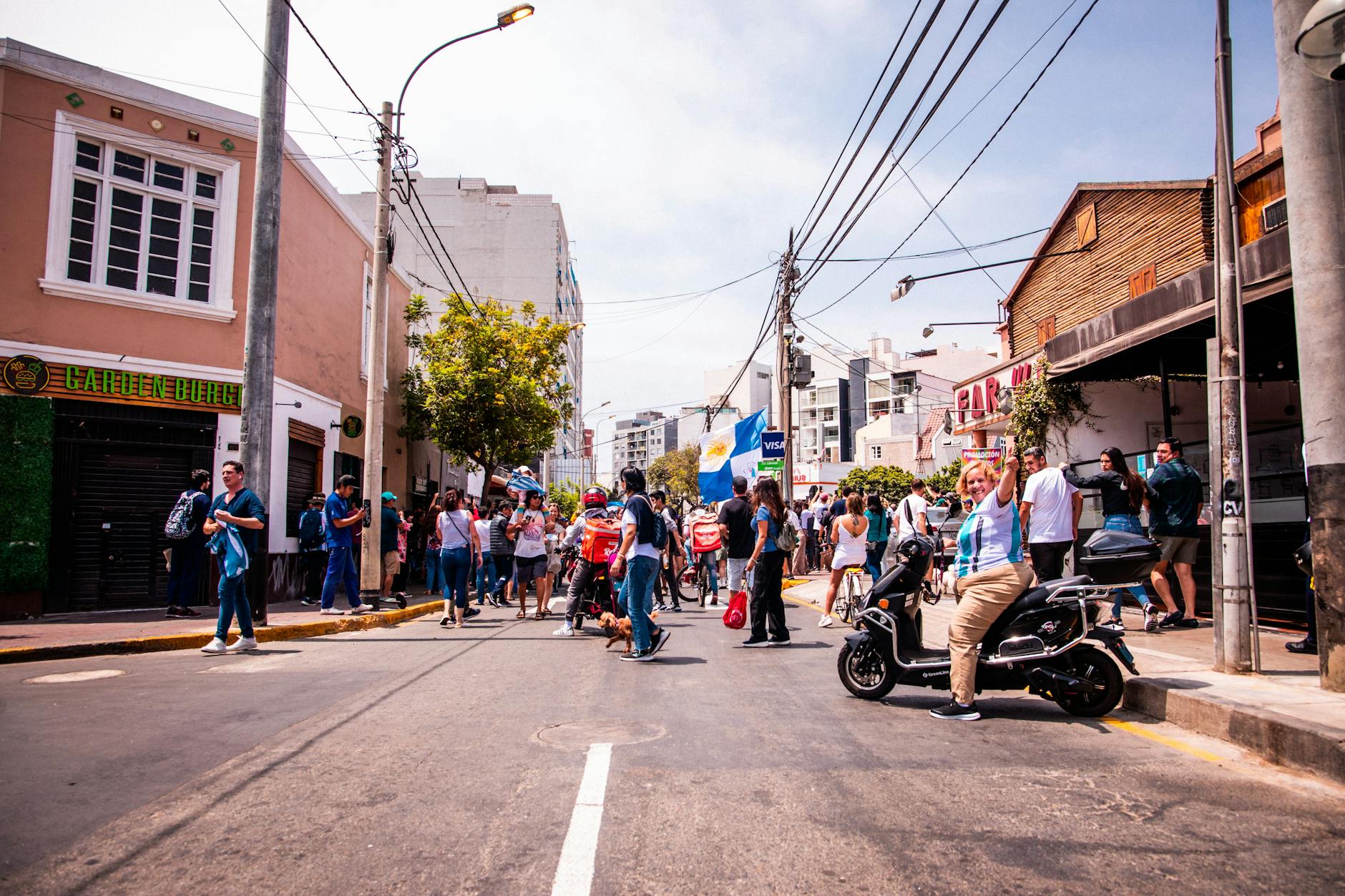
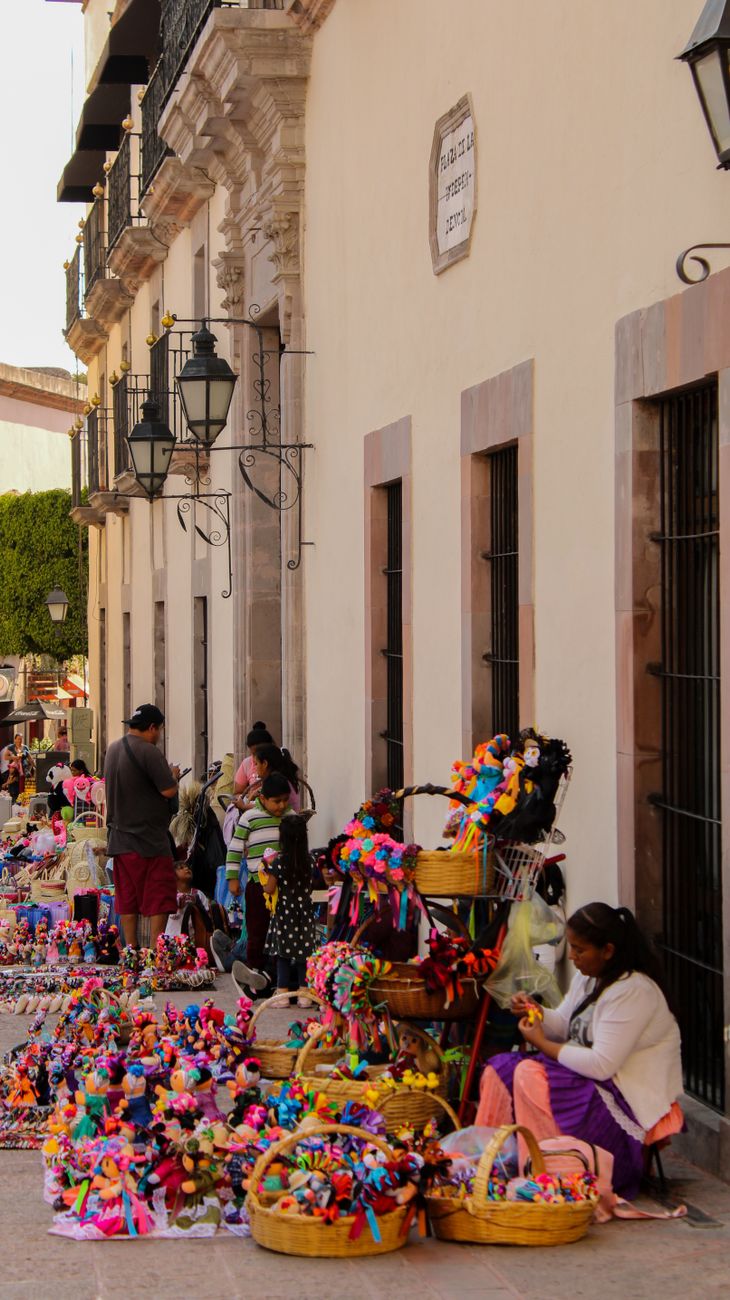
- Spend in neighborhoods: eat at family-run restaurants, buy crafts from local artisans rather than airport shops.
- Reduce plastic: carry a refillable bottle—many cafés and restaurants will refill it.
- Choose walking and bike tours; if you hire vehicles, ask about carbon-offset programs or combine trips to reduce mileage.
- Respect archaeological sites: stay on marked paths at Huaca Pucllana and Pachacamac; avoid touching structures.
- Support social enterprises: look for community-led cooking classes, art studios, or cooperative tours in Barranco and Surquillo.
- Animal welfare: avoid attractions that promote captive wildlife or questionable animal interactions.
Common Mistakes to Avoid
- Staying only in Miraflores: you’ll miss Barranco’s creative scene and Centro Histórico’s history.
- Ignoring microclimates: pack a light jacket for coastal fog even in warm months.
- Using unregistered taxis: always use apps or ask your accommodation to order a licensed taxi.
- Overbooking your schedule: allow time for traffic and to eat slowly—Peruvian meals and markets are meant to be savored.
- Not carrying small cash: many market stalls and huariques accept only cash, often small notes or coins.
FAQ
When is the best time to visit Lima for comfortable weather and fewer crowds?
Shoulder months—April–May and September–November—often offer clearer skies and lower visitor numbers. December–March is warm and sunny but busier.
Is Lima safe for solo travelers?
Many parts of Lima (Miraflores, Barranco, San Isidro) are safe during the day. Use common-sense precautions: avoid poorly lit streets at night, keep valuables out of sight, and use licensed ride-hailing or hotel-arranged taxis after dark.
How should I travel between Lima and nearby cities like Cusco or Arequipa?
Domestic flights are the fastest option; book with reputable carriers and allow time at the airport. For Trujillo and southern coastal stops you can combine buses (long-distance coaches) with short flights depending on your schedule.
Can I drink tap water in Lima?
Tap water is treated but many travelers prefer bottled or filtered water. Use a refillable bottle with a filter if you prefer to reduce plastic waste.
Are the markets safe for food and are street vendors hygienic?
Choose busy stalls with high turnover, eat cooked dishes from well-reviewed vendors, and follow your guide’s recommendations. Market tours that include food sampling are a safe, educational choice.
How can I reduce my environmental impact while in Lima?
Walk, bike, or use public transit where feasible; bring a reusable water bottle and shopping bag; support small, locally owned restaurants and guides; avoid single-use plastics and unnecessary domestic flights.
Conclusion
Your three days in Lima can be both rich and responsible. Use this page with our 3-day Lima guide to map neighborhoods, book tickets and local tours, and decide whether to extend to Cusco, Arequipa, Trujillo, Puno or Iquitos by air. Small, local-first choices—markets, neighborhood restaurants, licensed guides, and low-impact transport—make your visit better for you and for Lima.
How this guide was prepared
This guide was prepared through a structured research that combines destination research, geographic context, itinerary planning logic, and content review.