
3 Days in Hong Kong: A Balanced Weekend Itinerary
Explore Hong Kong in 3 days: skyline views, street food, markets, temples and a Lantau escape with clear transit tips and must-see sights.
A focused 3-day plan that mixes skyline moments, markets, hiking and local eats for first-time and return visitors.
A compact, high-energy metropolis where glass-and-steel skyscrapers meet busy street stalls, steep hiking trails and outlying islands. It suits first-time visitors who want a little of everything—big-city views, world-class Cantonese food, lively markets and short nature escapes—plus repeat travelers seeking deeper neighborhoods. Three days is ideal because you can cover a classic skyline day in Central and Tsim Sha Tsui, a market-and-neighborhood day around Mong Kok, Sheung Wan and Soho, and a half-day escape to Lantau for the Big Buddha or a coastal hike. This plan balances must-see sights with local food stops and transit-smart moves so you leave feeling like you sampled the city's best.
Why Visit
Vibrant contrasts define the place: towering finance districts, colonial-era piers, crowded street markets and quiet temple gardens. Food culture here is a major draw—dim sum, cha chaan teng milk tea, dai pai dong street stalls and diverse international dining. Culture and hiking options are just a short MTR or ferry ride away, so you can switch from museums to a seaside village in under two hours. The efficient transit network makes a three-day visit feel expansive rather than rushed. It's ideal for travelers who want intense urban energy with easy access to nature and islands.
Quick Planning Tips
Buy an Octopus card at the airport or MTR station for seamless travel on MTR, buses, trams and ferries. Download an MTR map app and Google Maps or Citymapper for walking-suitable routes. Carry small cash for street food and wet market stalls; contactless payments are widely accepted in shops and cafes. Expect steep stairs and steps in older neighborhoods—wear comfortable walking shoes. Reserve peak tram or Peak Tram times if you want to avoid long queues. For Lantau or Tai O, check ferry and cable car times in advance.
Day 1
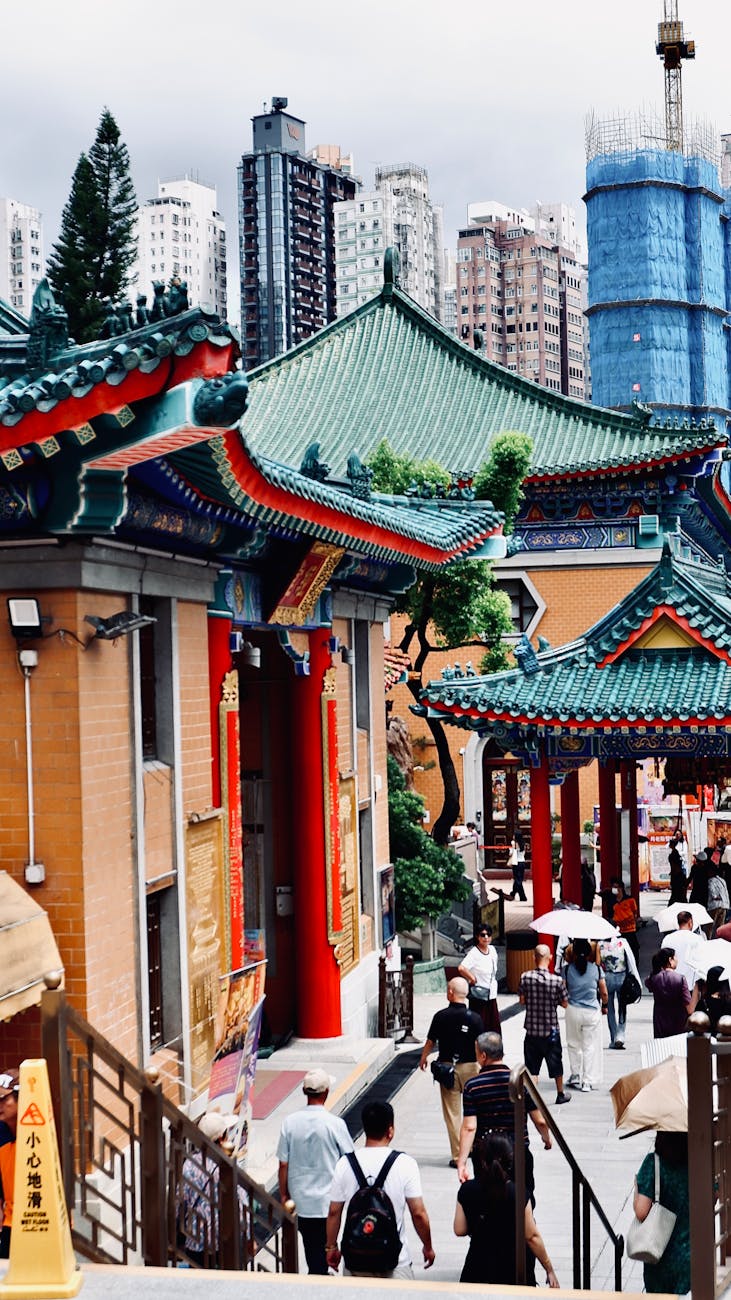
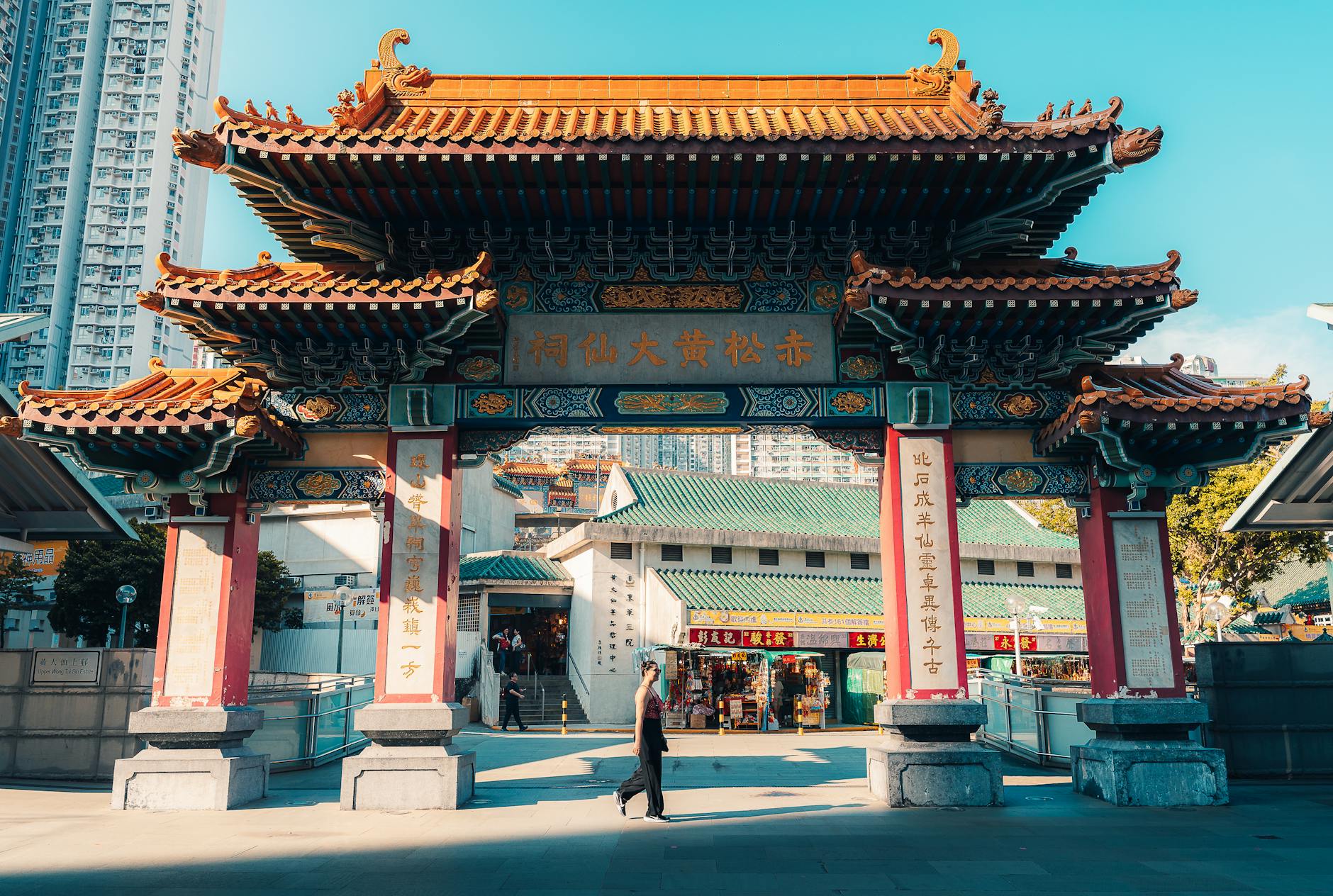
Morning: Start in Central. Grab coffee and an egg tart at a local bakery in Sheung Wan, visit Man Mo Temple, then ride the Central–Mid-Levels Escalator up to Soho. Midday: Walk to PMQ and explore boutique shops, then eat lunch at a dai pai dong or a Michelin-style wonton noodle shop in Central. Afternoon: Take the Peak Tram or bus to Victoria Peak for skyline views and a short loop on Lugard Road. Evening: Cross by Star Ferry to Tsim Sha Tsui, stroll the Promenade and watch the nightly skyline light show. Dinner on Canton Road or try seafood in Tsim Sha Tsui East.
Day 2
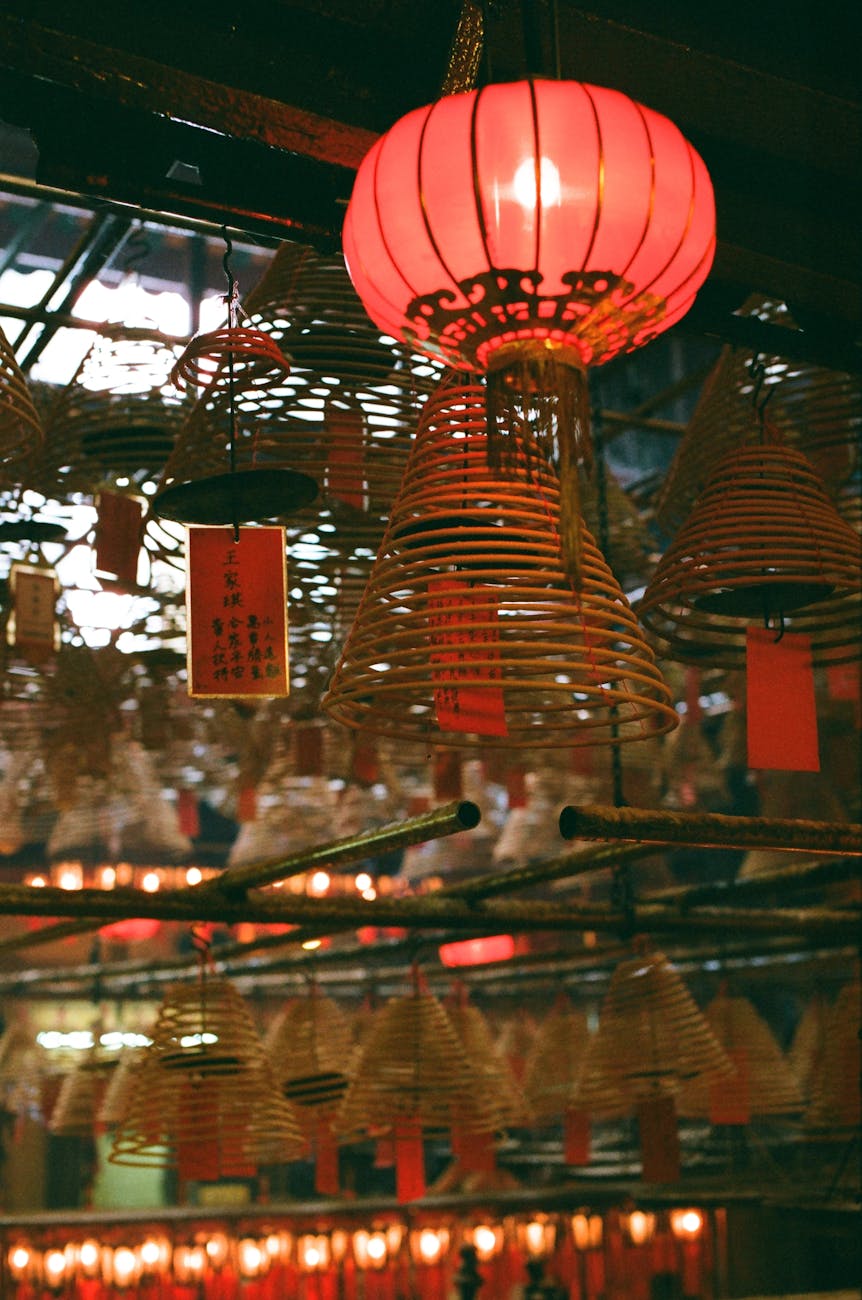
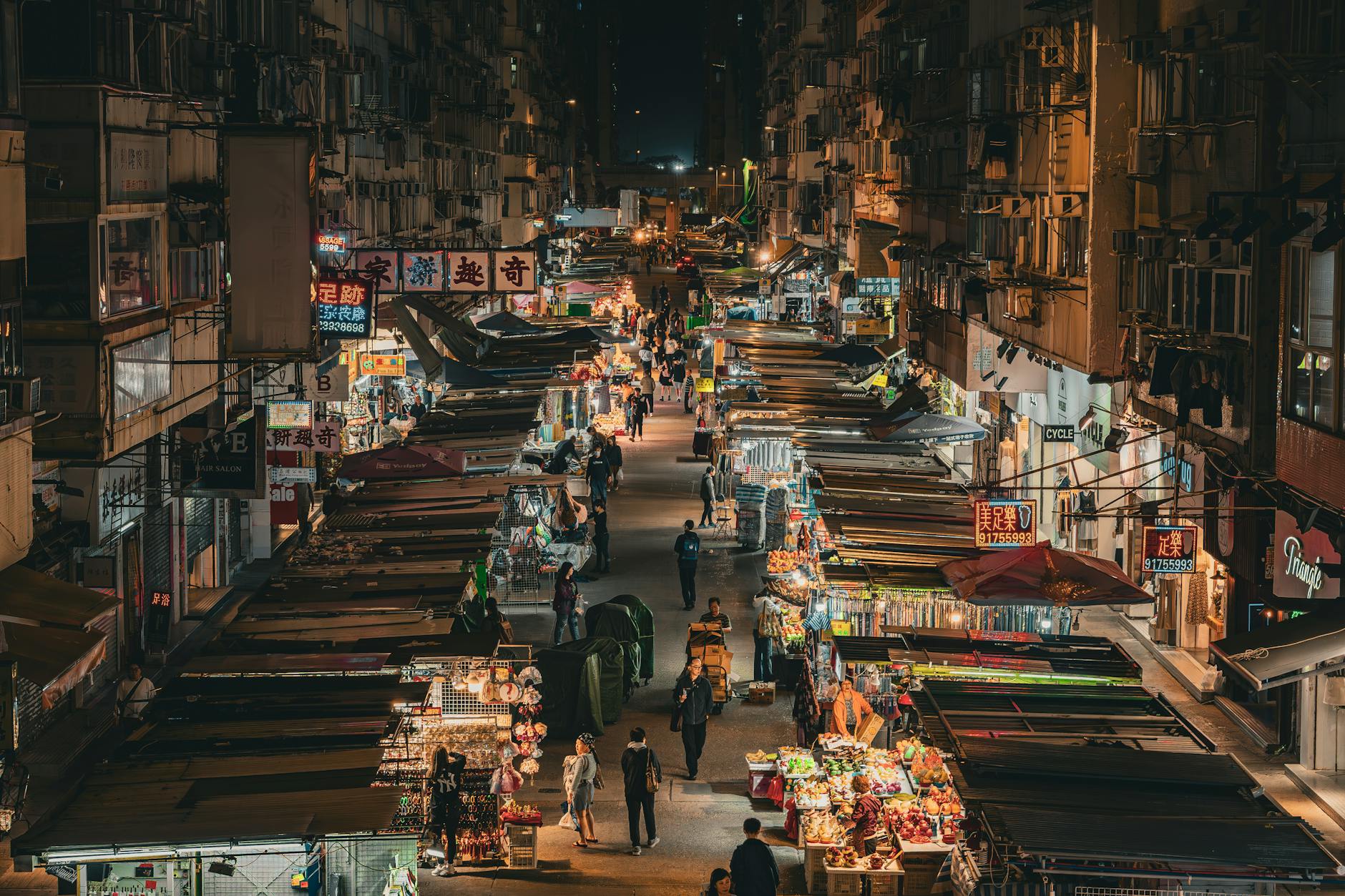
Morning: Start in Mong Kok. Visit the Flower Market, Goldfish Market and explore Ladies' Market on Tung Choi Street. Try local breakfast items like pineapple bun and milk tea. Midday: Head to Sham Shui Po for an authentic street-food lunch and electronics markets—sample claypot rice or cheung fun. Afternoon: Return to Kowloon to visit the Hong Kong Museum of History or Kowloon Park. Evening: Head to Temple Street Night Market for street snacks and bargain hunting, with optional live Cantonese opera performances and night market eats.
Day 3
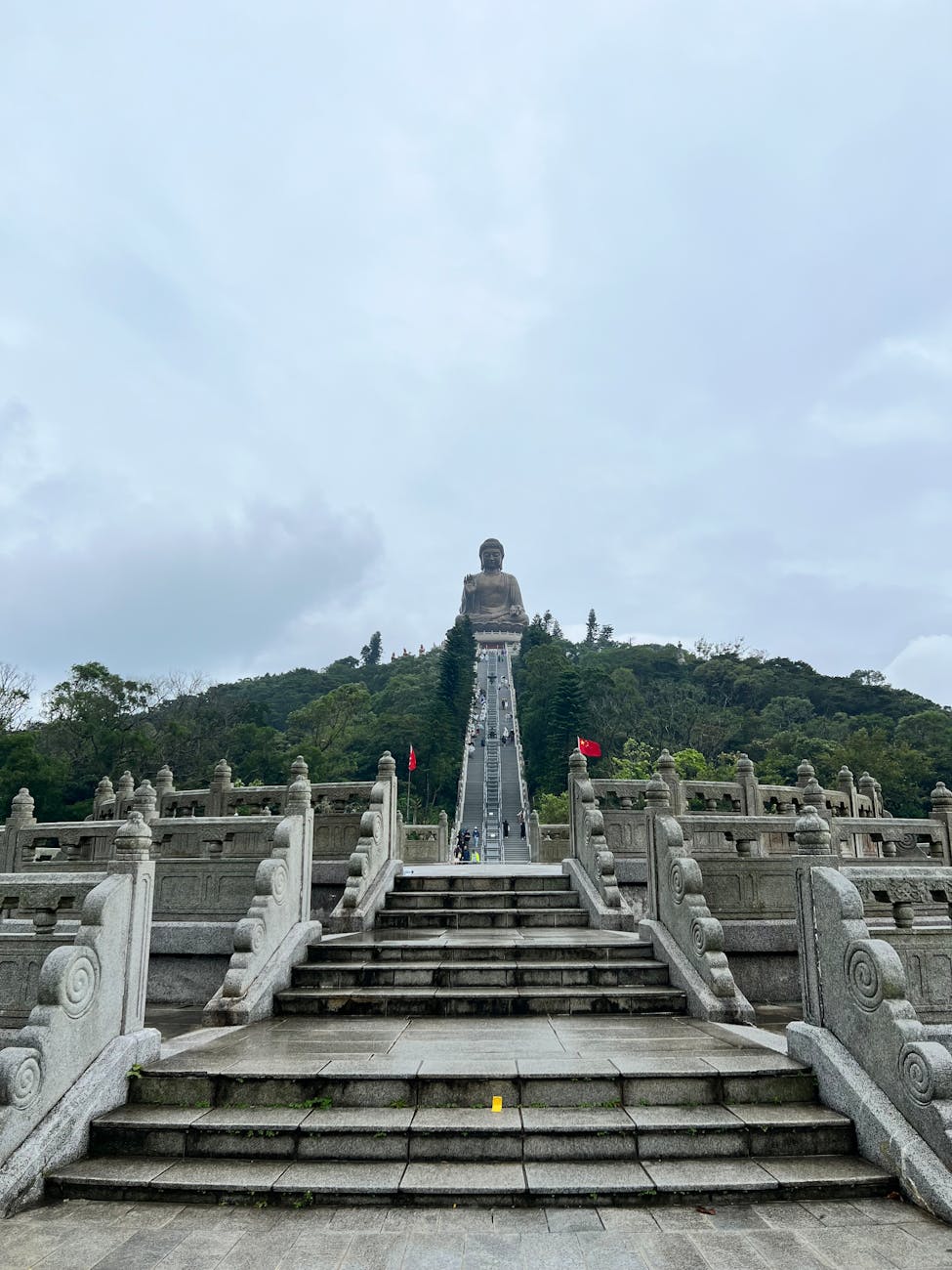
Morning: Dedicate this day to Lantau or a coastal hike. For Lantau, take MTR to Tung Chung, then the Ngong Ping 360 cable car to visit Tian Tan Big Buddha and Po Lin Monastery; explore Ngong Ping Village. Alternative: Hike Dragon's Back for panoramic coastal views and relax at Shek O Beach. Midday: Try seafood in Tai O fishing village if you choose the western Lantau route. Afternoon: Return to Central for a relaxed late-afternoon tea or a tram ride along Hong Kong Island. Evening: Finish with a rooftop bar or a casual meal in Lan Kwai Fong or SoHo.
Best Local Experiences
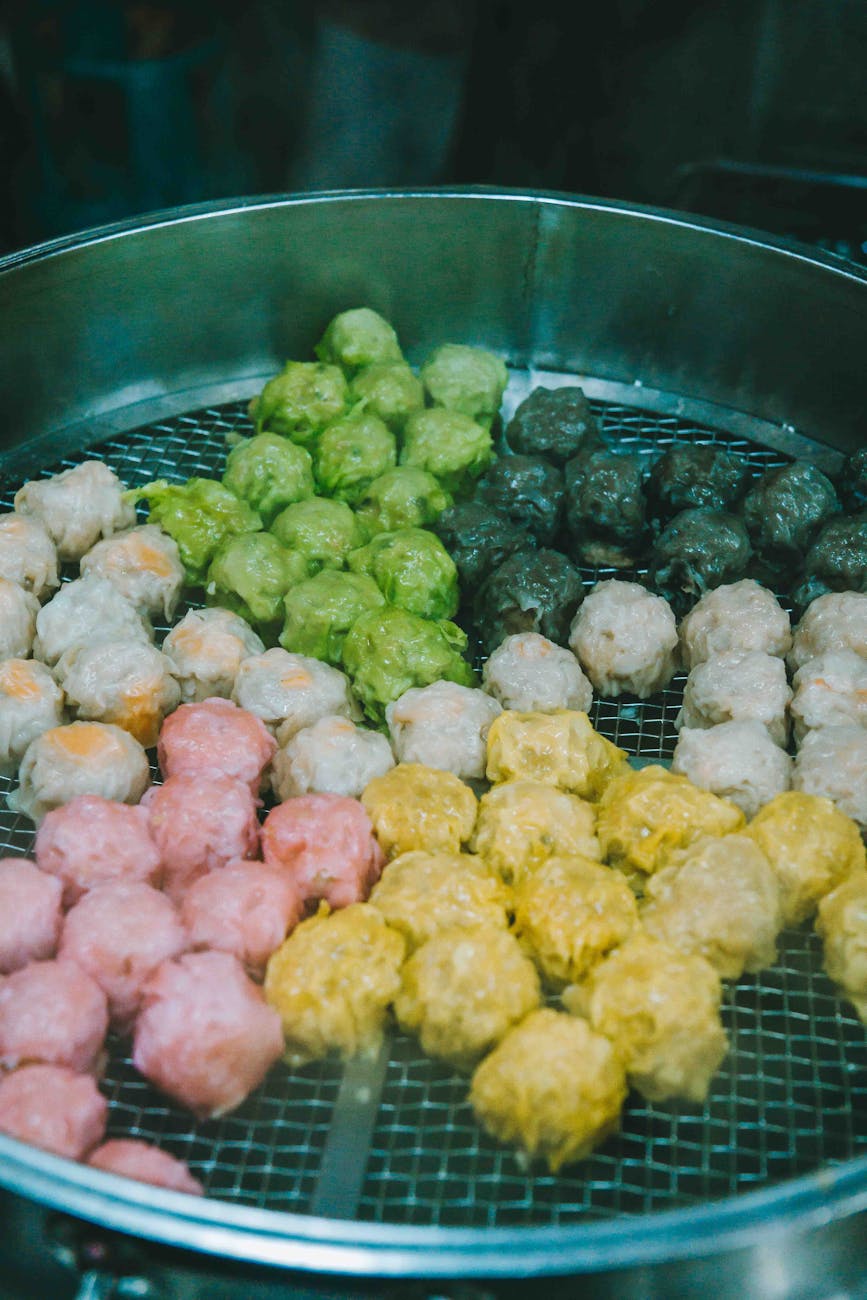
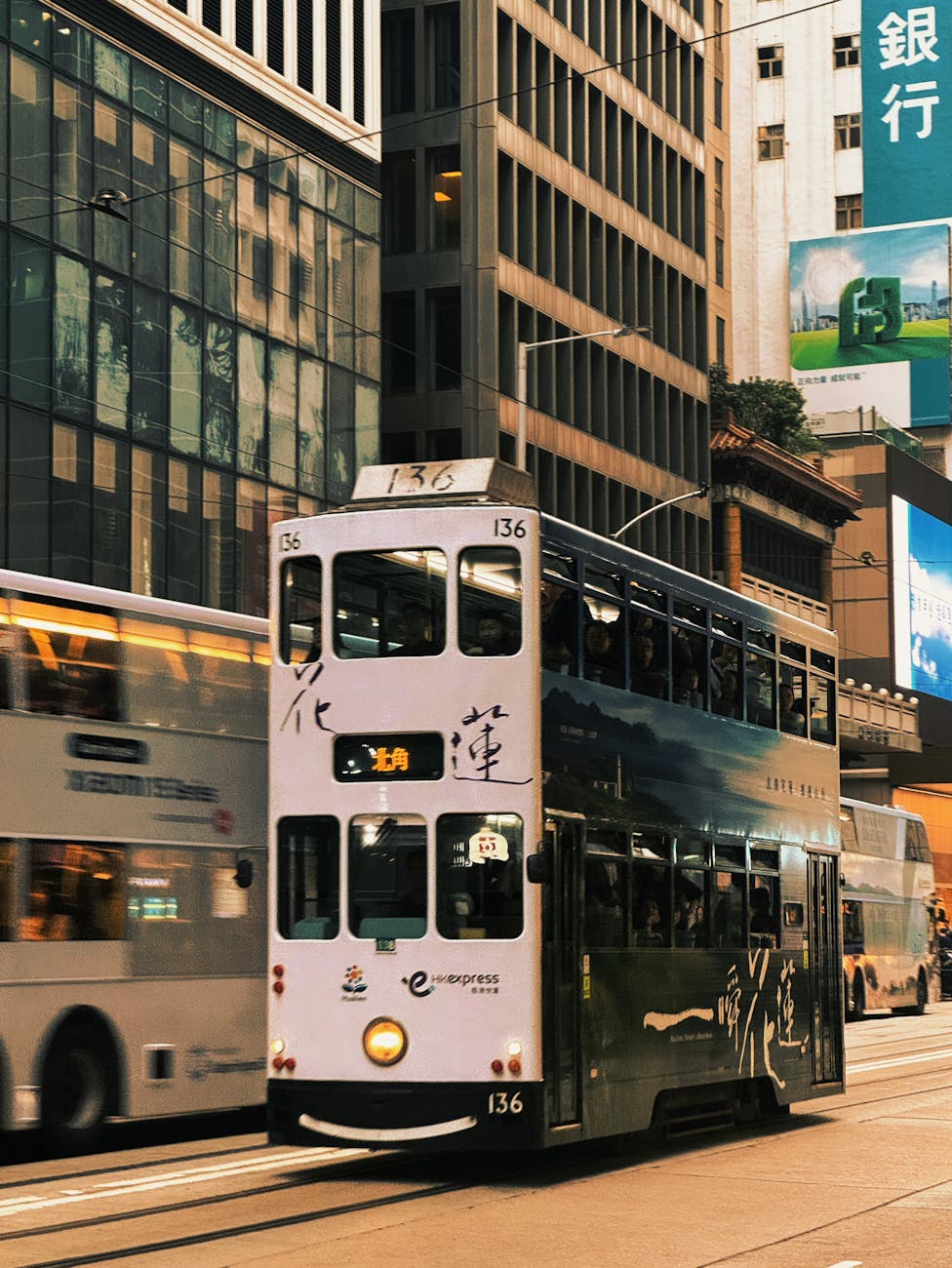
Ride a double-decker tram along the northern shore of Hong Kong Island for a slow, cheap city view. Order dim sum in a busy teahouse—ask for har gau and siu mai. Hunt for bargains in Mong Kok's markets and sip Hong Kong-style milk tea in a cha chaan teng. Visit a wet market early to see daily life and fresh produce. Hike the Dragon's Back or explore Tai O for stilt houses and salted fish vendors. Take a Star Ferry at dusk for postcard-perfect skyline photos.
Where to Stay
Central and Sheung Wan: best for nightlife, restaurants and quick access to ferries and the Peak. Tsim Sha Tsui (Kowloon): ideal for harbour views, museums and shopping. Mong Kok: budget-friendly, close to markets and street food. Wan Chai: a middle ground with local markets and good MTR links. For quieter stays, consider Sai Wan (Western District) or Lantau if you want proximity to nature. Choose an MTR-accessible hotel to save transit time; evening crowds thin near 10pm most places.
Food and Drink
Must-tries: Cantonese dim sum, wonton noodles, roast goose, egg tarts and Hong Kong-style milk tea. Street-food highlights: curry fishballs, stinky tofu, egg waffles and skewers at Temple Street and Mong Kok. For seafood, Aberdeen and Sai Kung offer fresh-catch restaurants. Try a dai pai dong for open-air local cooking and PMQ or SoHo for innovative Cantonese fusion. Afternoon tea is a local ritual—order a set with tea, sandwiches and pastries at a hotel or local bakery.
Getting Around
Octopus card is the easiest payment for MTR, buses, trams and ferries. MTR is fast and covers most tourist routes; peak hours get crowded, so travel early or later if possible. Trams on Hong Kong Island are scenic and cheap; taxis are convenient but pricier—use them for late-night or luggage-heavy transfers. Ferries connect Kowloon, Central and outlying islands; check schedules for Ngong Ping and Tai O services. Walking is often the quickest way within dense neighborhoods—expect stairs and steep lanes in older districts.
Best Time to Visit
Prime months are October to early December and March to May for mild weather and lower humidity. Late spring and summer (June to August) are hot and humid with higher typhoon probability. Winters are cool and dry but occasionally chilly in January—pack a light jacket. Festival highlights include Chinese New Year (late January or February) for cultural events and Mid-Autumn Festival for lanterns. Book accommodations and key attractions in advance during holiday periods.
Budget and Practical Tips
Expect a wide range of budgets: street food and local eateries keep costs low, while upscale restaurants and hotels are pricier. Typical single-trip MTR fares are modest; short tram rides are very cheap. Tap-and-go contactless payments and Octopus cards reduce the need for cash, but keep small bills for market stalls. English is widely spoken in tourist areas; Cantonese phrases are appreciated. No need to tip aggressively—rounding up or small tips are common in restaurants and for porters. Buy a local SIM or eSIM for maps and ride-hailing apps.
FAQ
Is 3 days enough to see Hong Kong?
Yes. Three days covers key island and Kowloon highlights plus one island or hiking escape if you plan efficiently.
How do I get from Hong Kong International Airport to the city?
Take the Airport Express to Hong Kong or Kowloon stations, an Airport bus, or an airport taxi; choose by luggage and budget.
Is English widely spoken?
English is commonly used in signage, transit and tourist areas, though Cantonese is the local language.
Do I need an Octopus card?
Highly recommended for easy payment on MTR, buses, trams and many shops; it saves time and small change hassles.
Are credit cards accepted widely?
Most restaurants and shops accept cards, but bring cash for markets, small stalls and older eateries.
What should I pack for a 3-day visit?
Comfortable walking shoes, a light rain jacket in summer, a light sweater in winter, power adapter (British-style plug), and a portable charger.
Conclusion
Three days here gives you a powerful sampler: dramatic skyline views, bustling markets, memorable Cantonese food and an island or hiking escape. Move between neighborhoods by MTR, tram and ferry, and balance tourist highlights with relaxed local rituals like afternoon tea or a night market stroll. With an Octopus card and a compact plan, you can leave feeling you experienced both the city's famous attractions and its everyday life.
How this guide was prepared
This guide was prepared through a structured research that combines destination research, geographic context, itinerary planning logic, and content review.