
Greenville 3-Day Itinerary: Practical Weekend Guide
Practical 3-day guide to Greenville, SC with detailed itineraries for downtown, Swamp Rabbit Trail, transit tips, and realistic budgeting.
A concise, no-nonsense 72-hour plan for Greenville, SC that balances Falls Park, the Swamp Rabbit Trail, local restaurants, and downtown culture without wasted time.
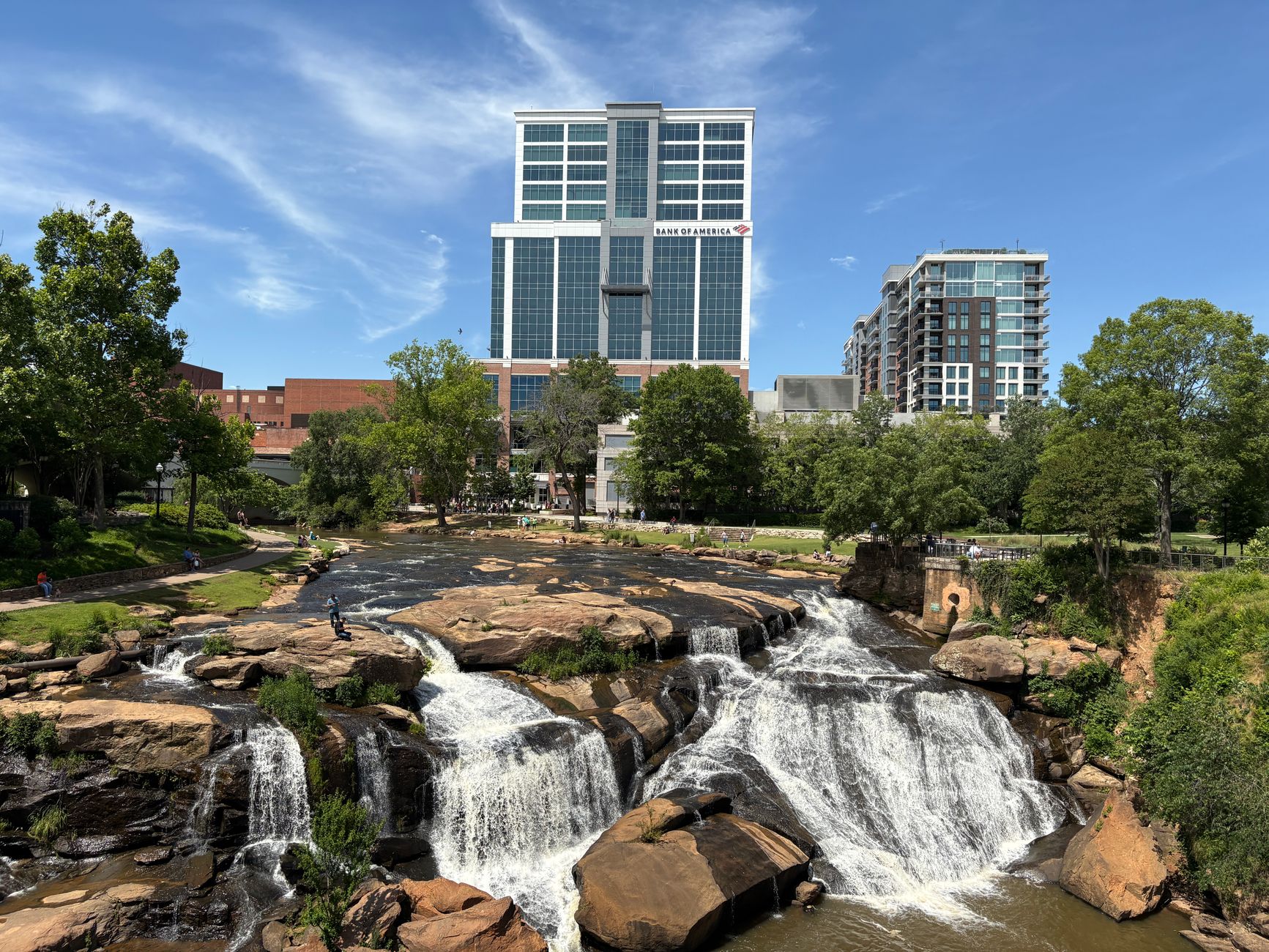
Greenville feels like a midsize Southern downtown focused on its riverfront and trails rather than on one big museum district. First impressions are often set by Main Street and Falls Park on the Reedy: people are out at lunchtime, restaurants open late, and the Liberty Bridge draws immediate attention. The pace is not frantic but it is not sleepy either; weekday mornings see office traffic and a steady stream of coffee shops filling.
Expect honest contrasts: a clean, walkable core framed by light industry and creative reuse in West Greenville, and a regional feel that leans toward outdoor activity more than museum crawling. Visitors who only see photographs of the waterfall can overestimate how concentrated the attractions are; many worthwhile places lie a short drive or bike ride from downtown. This city suits travelers who like compact walking days balanced with short cycling or shuttle trips, and who prefer practical timing over trying to squeeze in every single attraction.
Is 3 days in Greenville enough?
Yes: three days is enough to see downtown highlights (Falls Park, Main Street, Fluor Field), ride sections of the Swamp Rabbit Trail and sample the local restaurant scene. The caveat: museums and deeper tasting tours (more than one long hike or multiple food tastings) will require more time.
Who This Guide Is For
Best for first-time visitors who like a mix of walkable city center attractions, easy outdoor activity, and food-focused evenings. Poor fit for travelers wanting long-distance day trips or slow museum-deep dives.
Local Tips for Greenville
Practical details that most travel sites skip — specific to Greenville.
- Swamp Rabbit Trail runs 22 miles between downtown and Travelers Rest; bike rental at Reedy Rides (over the Liberty Bridge) typically $12–20/day.
- Greenville-Spartanburg International Airport (GSP) sits about 12 miles from downtown; expect rideshare fares of roughly $35–50 to Main Street outside peak holiday windows.
- Greenlink is the local bus system; single-ride fare is $1.25, and Greenlink sells day passes and route maps on RideGreenlink.com and at the Transit Center on Main Street.
- Main Street parking uses meter kiosks and the RiverPlace parking garage; expect $1.25–$2.00 per hour in the daytime, cheaper after 6pm and on Sundays.
- Fluor Field at the West End hosts Greenville Drive minor-league baseball; weekday ticket prices commonly run $8–18 depending on seat and promotions.
How This Guide Was Prepared
This guide treats Greenville as a working small city with a strong downtown pulse and an impressive outdoor network, not a quaint weekend postcard. Many guides overfocus on Falls Park and Main Street; this one balances the riverfront with West Greenville’s breweries, the Swamp Rabbit Trail out to Travelers Rest, and realistic transport and timing advice. This guide was prepared through a structured research that combines destination research, geographic context, itinerary planning logic, and content review.
Plan Your Stay in Greenville
Use this itinerary as your starting point, then compare areas to stay, transport options, seasonal timing, and realistic daily costs before booking.
Why Visit
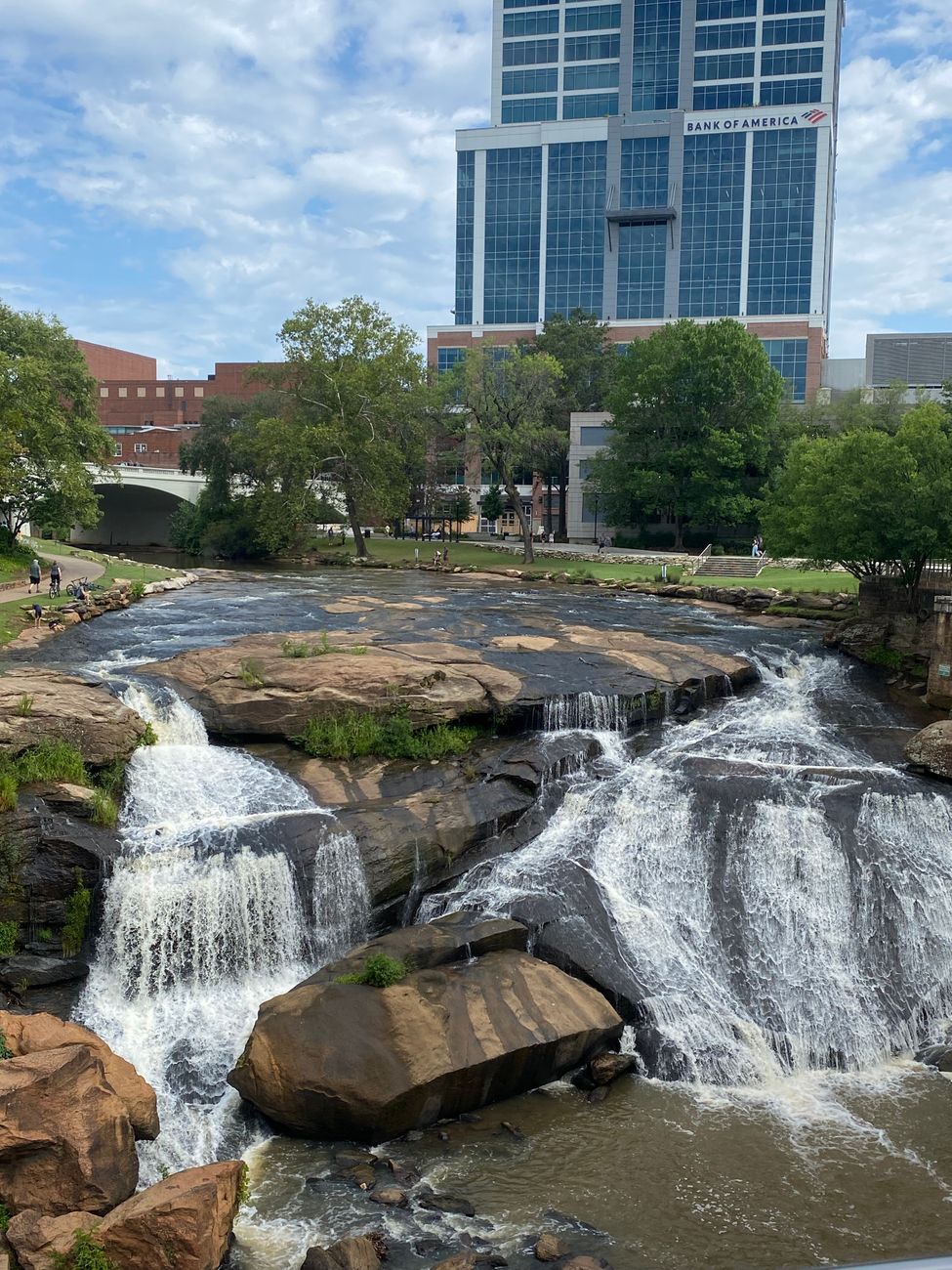
There are clear, concrete reasons to plan a three-day visit. First, Falls Park on the Reedy and the Liberty Bridge are an unusually accessible urban waterfall and river walk right off Main Street; that single area can fill a half-day with photos, coffee, and a picnic. Second, the Swamp Rabbit Trail offers long, safe, paved riding up to Travelers Rest — this connects downtown to a lively small-town end-point with food and microbreweries. Third, Greenville’s food scene mixes modern Southern plates and reliable BBQ with forward-looking chefs; restaurants such as Soby’s and The Anchorage anchor very different dining options. Fourth, the city supports regular festivals and a year-round Saturday market on Main Street, so planning around a weekend market or a Peace Center performance adds local texture. These realities make a three-day visit feel substantial rather than rushed.
Quick Planning Tips
Fly into Greenville-Spartanburg International Airport (GSP) for the most frequent regional connections; sign up for text alerts with the airline for gate changes. The most reliable way into downtown is rideshare (Uber/Lyft) or a local taxi; pre-booked airport shuttles run but are slower. Bring a credit card and some cash; small vendors and market stalls may prefer exact-change or chip cards.
Buy bus passes on RideGreenlink.com if planning multiple bus trips; otherwise pay exact change on board. One common planning mistake is assuming downtown is tiny — walking between West End, Main Street, and the TD Pavilion can take 20–30 minutes, so group stops logically. Reserve dinner for busy weekends in advance, and check Fluor Field and Peace Center calendars to avoid event-related closures or heavy parking demand.
Day 1
Morning: Start at Falls Park on the Reedy and cross the Liberty Bridge; allow 45–75 minutes for photos and a coffee at Spill the Beans on Main. From the bridge, walk up Main Street toward the West End Historic District — a flat 5–10 minute stroll that showcases shops, galleries, and public art.
Late morning: Visit Fluor Field at the West End and the nearby Shoeless Joe Jackson statue; the ballpark tour or a game fills 1–2 hours when in season. If the schedule allows, check the Greenville County Museum of Art or its temporary exhibitions — plan an hour for a focused visit.
Lunch: Eat at Soby’s on Main Street or the nearby Nose Dive for Southern plates; expect lunch entrees $12–20. Both are within a 5–8 minute walk of Falls Park.
Afternoon: Walk the RiverWalk past the Peace Center and explore the boutique shops on North Main — allow 60–90 minutes. Take a short taxi or Greenlink ride to the West Greenville creative district (10–15 minutes) to see murals and craft breweries.
Evening: Dinner in the West End or return to Main Street for a concert at the Peace Center or a late meal. Finish with a drink at a rooftop bar or a riverside bench to watch the lights reflect on the Reedy River.

Day 2
Morning: Rent a bike at Reedy Rides near the Liberty Bridge and ride the Swamp Rabbit Trail north toward Cleveland Park and beyond. Plan 60–90 minutes to reach Cleveland Park (about 4 miles) with stops for photos and the Brookside green spaces.
Midday: Continue to Travelers Rest for lunch at Main Street eateries such as Tandem Creperie or The Village Grind; the full ride from downtown is roughly 11–12 miles one-way, so many people choose to bike 6–8 miles out and return. Bike rental return is available in Travelers Rest or downtown; allow 2–4 hours for the round trip depending on stops.
Afternoon: Back in downtown, visit the Upcountry History Museum to understand regional textile and industrial history — expect 1–1.5 hours and an admission fee around $8–12. Alternatively, explore the boutique shops and galleries in the West End and the Warehouse District, where light manufacturing spaces now house studios and breweries.
Evening: Dine at an upscale neighborhood restaurant such as The Anchorage on Augusta Road (reserve ahead). End the night at a craft brewery in West Greenville for a relaxed local beer tasting.
Day 3
Morning: Take a relaxed start with breakfast at Methodical Coffee on Main and a walk along the RiverWalk; allow 60–90 minutes. If checking out of a downtown hotel, store luggage with the front desk to avoid carrying bags on bikes or buses.
Late morning: Visit the Children’s Museum of the Upstate or the Greenville County Museum of Art depending on interest — expect 60–90 minutes for a solid visit. Choose stops that are close together to reduce transit time if catching an afternoon flight.
Lunch: Try a barbecue spot such as Henry’s Smokehouse or a casual sandwich at The Bohemian Cafe; lunch should be planned within a 10–15 minute drive of the hotel for convenience. Budget 45–75 minutes total for lunch and last-minute souvenir shopping on Main Street.
Afternoon: If catching a flight from GSP, plan at least 60–75 minutes travel time plus usual airport arrival rules; rideshare to the airport is typically 30–45 minutes depending on traffic. If staying later, take a scenic stroll back through Falls Park or schedule a short Reedy River kayak or paddleboard rental from a downtown outfitter.
Evening: For late departures, consider an early dinner near the hotel or Main Street before heading to the airport. Prioritize getting to GSP early during university move-out or holiday weekends to avoid longer queues.

Best Local Experiences
Saturday Market on Main Street: The weekly market runs spring through fall and is a good way to sample regional produce, pastries, and crafts; run time is typically 9am–1pm. Swamp Rabbit Trail day ride: A paved rail-trail used by commuters and families; biking to Travelers Rest and back is a full- or half-day depending on stops. West Greenville brewery crawl: Visit Birds Fly South Ale Project, Brewery 85, or local taprooms clustered around Pendleton Street for tasting flights and food trucks.
Peace Center performance or festival: Check the calendar for orchestral concerts, Broadway touring shows, and local festivals; events draw big crowds and can change parking patterns. Upcountry History Museum and textile exhibits: These focus on regional industry and migration and help explain why Greenville developed as a manufacturing hub. Fluor Field game night: Minor-league baseball with promotional nights and food options; a relaxed evening activity that’s easy to combine with a Main Street dinner.

Where to Stay
Downtown / Main Street and West End: Suits first-time visitors who want walking access to Falls Park, Fluor Field, and most restaurants. Expect mid-range hotels and boutique options with nightly rates around $140–$220 USD (about €130–€200). Parking is available at RiverPlace garage for an extra fee.
West Greenville / Pendleton Street: Suits food and craft-beer focused travelers who prefer converted warehouses and a more local scene. Smaller inns and short-term rentals are common; nightly costs often range $110–$170 USD (approx €100–€155). This area has a more industrial-turned-creative feel and is 5–10 minutes by rideshare to Main Street.
Augusta Road / North Main / Overbrook: Suits families and visitors wanting quieter residential streets and tree-lined blocks with restaurants within a short drive. Expect B&Bs and chain hotels with rates from $90–$150 USD per night (roughly €80–€140). This area is 10–15 minutes by car to downtown and often has cheaper parking and calmer nights.
Food and Drink
Shrimp and grits: A Southern standard of sautéed shrimp on stone-ground grits. Good versions appear at Soby’s (expect $14–22 for an entree). Pimento cheese: A spread of cheddar and pimiento — find it on snack plates at many taverns or at the Saturday Market (snack portion $3–6).
Fried green tomatoes: Served as appetizers or side dishes at classic Southern restaurants; expect $6–10. Carolina-style pulled pork: Vinegar- or mustard- influenced depending on the cook; barbecue plates at Henry's Smokehouse or local roadside joints run $8–15. Sweet tea and craft beer: Sweet tea is ubiquitous and usually served free with meals; local craft beers from Birds Fly South or Swamp Rabbit Brewery offer tasting flights for $6–12. Breakfast option: Biscuits and gravy or an egg sandwich with coffee at Methodical Coffee or Tandem Creperie; breakfast items typically $5–10.
Street food: Food trucks cluster near the West End and at festivals — tacos, smoked meats, and regional snacks are common and run $6–12 per item. Dinner recommendation: The Anchorage on Augusta Road offers a seasonal tasting menu with local produce — expect $35–60 for a multi-course meal when available, reserve in advance.
Getting Around
Greenlink fixed-route buses form the backbone of public transit; key stops include the Transit Center on Main Street and links to the Greenville County Airport shuttle area. Single-ride fare is $1.25; check RideGreenlink.com for day pass options and route maps. Rideshare apps (Uber, Lyft) are widely used for nights and airport transfers; a typical GSP–downtown fare is $35–50.
Biking: The Swamp Rabbit Trail is the safest and most pleasant way to cover longer distances without a car. Bike rentals are available near the Liberty Bridge and in Travelers Rest. Taxis and local shuttle services operate but can be slower than rideshare during peak events. Useful apps: Google Maps for walking and transit routing, RideGreenlink for bus schedules, and any rideshare app for point-to-point travel.
Best Time to Visit
Spring (April–May) is one of the best periods: daytime temperatures commonly sit between 60–80°F (15–27°C), flowering trees are out, and crowds are moderate. Fall (September–October) is similarly pleasant with daytime highs in the 65–80°F (18–27°C) range and lower humidity.
Summer (June–August) is hot and humid with highs often 85–95°F (29–35°C) and higher hotel rates on event weekends. Winter (December–February) is mild to cool, with daytime temps often 40–55°F (5–13°C); snow is rare but possible. For the best balance of price and weather, aim for late April–May or September–early October.
Budget and Practical Tips
Daily budget (mid-range traveler): Accommodation $140–220 USD ($130–200 EUR) per night downtown; food $40–70 USD (€35–65) including one sit-down dinner; local transport $5–15 USD (€5–14) including occasional rideshare or bus; entry fees $10–25 USD (€9–23). A modest daily total would be about $200–330 USD (€185–310).
Budget options: Stay in Augusta Road or a chain hotel outside downtown to save $30–60 per night; use Greenlink and bike rides instead of rideshare for short trips. Tipping norm: Restaurants typically expect 15–20% for table service; bar tabs and coffee shops commonly accept rounded-up change. Practical tip: Carry a small reusable water bottle for trail rides and summer days; tap water is safe and filling stations are available in parks.
FAQ
Is Greenville safe to walk at night?
Generally yes in downtown and the West End; use common-sense precautions after late-night events and stick to well-lit streets near Main Street and the river.
How do I get from GSP to downtown without a car?
Rideshare (Uber/Lyft) is the most direct option. Some hotels offer shuttles; public bus options exist but can be slow with transfers.
Is a city pass worth buying?
There is no widely used single city pass; individual museum admissions and event tickets are usually purchased separately, so passes are rarely necessary unless bundled for a specific festival.
Can the Swamp Rabbit Trail be biked in one day?
Yes. A strong rider can do the full round trip to Travelers Rest (22 miles total) in a day; casual riders should plan for shorter segments and rest stops.
Where is parking easiest downtown?
RiverPlace parking garage and numbered municipal lots off Mauldin Street are convenient and cheaper than cruising Main Street for a spot.
What is the tipping custom for taxis and rideshares?
Rideshare drivers commonly receive 10–15% or a few dollars for short trips; taxis expect similar amounts.
Are major attractions open on Sundays?
Many restaurants and Falls Park are open; some museums reduce hours or close on Mondays, so check before planning a Sunday morning museum visit.
Is it easy to combine this trip with Raleigh or Charleston?
Drive times are long enough to make those separate trips rather than day trips; choose one extra city per longer road trip.
Conclusion
A three-day visit leaves most travelers with a clear memory of the riverfront, a section of the Swamp Rabbit Trail, and at least one strong meal. The single most valuable priority, if short on time, is the Falls Park/Liberty Bridge area combined with a Main Street lunch and a short Swamp Rabbit ride — this captures the city’s best contrasts. Expect practical urban energy rather than a museum marathon, and leave room for a leisurely dinner and a late walk along the Reedy River to close each day.
How this guide was prepared
This guide was prepared through a structured research that combines destination research, geographic context, itinerary planning logic, and content review.