
Punta Cana Travel Budget: How Much to Spend and Where to Save
Practical daily budgets, real transport and seasonal realities, and local-first tips for planning a cost-conscious, responsible trip to Punta Cana. Ideal as a support page for the 3 days in Punta Cana itinerary.
Clear daily budgets, booking and transport advice, and sustainable ways to save in Punta Cana—focused on real neighborhoods like Bávaro, El Cortecito, Punta Cana Village and Cap Cana.
Quick Answer
Clear daily budgets, booking and transport advice, and sustainable ways to save in Punta Cana—focused on real neighborhoods like Bávaro, El Cortecito, Punta Cana Village and Cap Cana.
Who This Page Is For
This page is for travelers planning a stay in Punta Cana who want clearer decisions about travel budget, local logistics, timing, budgeting, and practical trip planning.
How This Page Was Prepared
This page was prepared through a structured editorial workflow that combines destination research, geographic context, and practical travel-planning review.
Plan the Rest of Your Trip
Use this page together with the full itinerary and the related planning pages below to make better booking, timing, transport, and budget decisions.
Typical per-person daily budgets (approximate, in USD):
- Shoestring / backpacker: $40–$70 — hostel dorms or budget guesthouses, local eateries, public buses or shared shuttles, minimal paid tours.
- Budget traveler: $70–$140 — small hotels or private rooms in El Cortecito or Punta Cana Village, occasional paid excursions, rented car for a day, casual restaurants.
- Midrange: $140–$300 — boutique hotels or smaller all-inclusives, guided excursions like Saona Island, taxis or car rental, tips and souvenirs.
- Resort / luxury: $300+ — full-service all-inclusive resorts, private transfers, premium tours and dining.
Expect higher prices in high season (Dec–Apr) and better deals in shoulder months; factor in airport transfer costs and one or two paid excursions for a typical 3-day itinerary.
This page gives practical, realistic budget guidance for Punta Cana, with local transport realities, seasonal tips, and low-impact recommendations. Use it alongside our 3 days in Punta Cana itinerary to adapt daily plans to your budget. The focus is on where spending matters (transfers, excursions, meals) and where you can save without losing the experience.
What This Page Helps You Decide
Use this page to decide:
- Whether to book an all-inclusive or stay local in neighborhoods like Bávaro or Punta Cana Village.
- How much to budget per day for food, transport, and 1–2 excursions during a short trip (see our 3 days in Punta Cana itinerary for activity sequencing).
- When to travel for lower prices without excessive weather risk (shoulder seasons) and how to manage hurricane-season considerations.
It also helps you choose sustainable, local-first options: small guesthouses, community-operated tours, and local restaurants that keep money in the neighborhood.
Top Recommendations
Practical moves that save money and improve the trip:
- Book an airport transfer in advance: shared shuttles or reputable shuttle operators are often cheaper than taxis and reduce arrival stress.
- Stay in or near El Cortecito or Punta Cana Village to access local restaurants and markets; these areas are cheaper than beachfront all-inclusives while still close to Bávaro Beach.
- Plan one major paid excursion (Saona Island or Indigenous Eyes) and fill other time with low-cost options: beach days, snorkel gear rental, or a local fishing village visit.
- Use local eateries (comedor or soda) for cheap, fresh meals; ask hosts where locals go—this supports the local economy and lowers food costs.
- Compare package deals vs. booking components separately—sometimes low-season packages bundle cheaper flights with midrange hotels.
If you’re using the 3 days in Punta Cana itinerary, swap one paid tour for a free beach day or a DIY market visit to bring costs down.

Local Context
Neighborhoods and transport realities:
- Bávaro and El Cortecito: the main budget-to-midrange hub. Good for small hotels, local restaurants, and easy beach access. Walking is pleasant in El Cortecito.
- Punta Cana Village: quieter, a short taxi ride from beaches, with small supermarkets and restaurants.
- Cap Cana and private resort zones: upscale, pricier, and further from local commerce.
Transport realities:
- Punta Cana is centered around PUJ airport; many travelers use pre-booked transfers, hotel shuttles, or taxis. Public transport exists but is less convenient for tourists staying in resort areas.
- Car rental is useful if you plan day trips (drive to Macao Beach or inland), but factor in insurance, local driving norms, and parking. Roads to Santo Domingo are paved; trip time to Santo Domingo is roughly 2–3 hours by car.
- Regional flights connect to San Juan, Kingston, Port-au-Prince and Bonaire; these are short flights but check schedules—connections may require Santo Domingo or other hubs.
Currency and etiquette:
- Dominican peso is the local currency; many places accept USD but use pesos for the best local prices.
- Tipping: 10–15% in restaurants if service isn’t included; small cash tips for porters, drivers, and housekeeping are appreciated.
How to Choose Well
Match choices to your priorities:
- If you value price and local culture: choose a guesthouse or small hotel in El Cortecito or Punta Cana Village, eat at local comedores, and rely on shared shuttles or one rented car day.
- If you want convenience and predictable cost: an all-inclusive can simplify budgeting—confirm which activities, drinks and transfers are included before booking.
- If eco-impact matters: prioritize locally run tours (community boat operators, certified ecological parks), avoid single-use plastics, and select accommodations with visible sustainability practices.
Booking tips:
- Reserve airport transfers and popular excursions (Saona Island, zipline, Indigenous Eyes) in advance in high season.
- For the best rates, compare refundable hotel rates with flight + hotel packages—sometimes last-minute hotel-only deals appear in shoulder months but carry weather risk in the wet season.
- Use local advice: ask your host or front desk for recommended, licensed guides and the fair local prices for taxis and excursions.
Responsible and Local-First Tips
Sensible, low-impact suggestions that also stretch your budget:
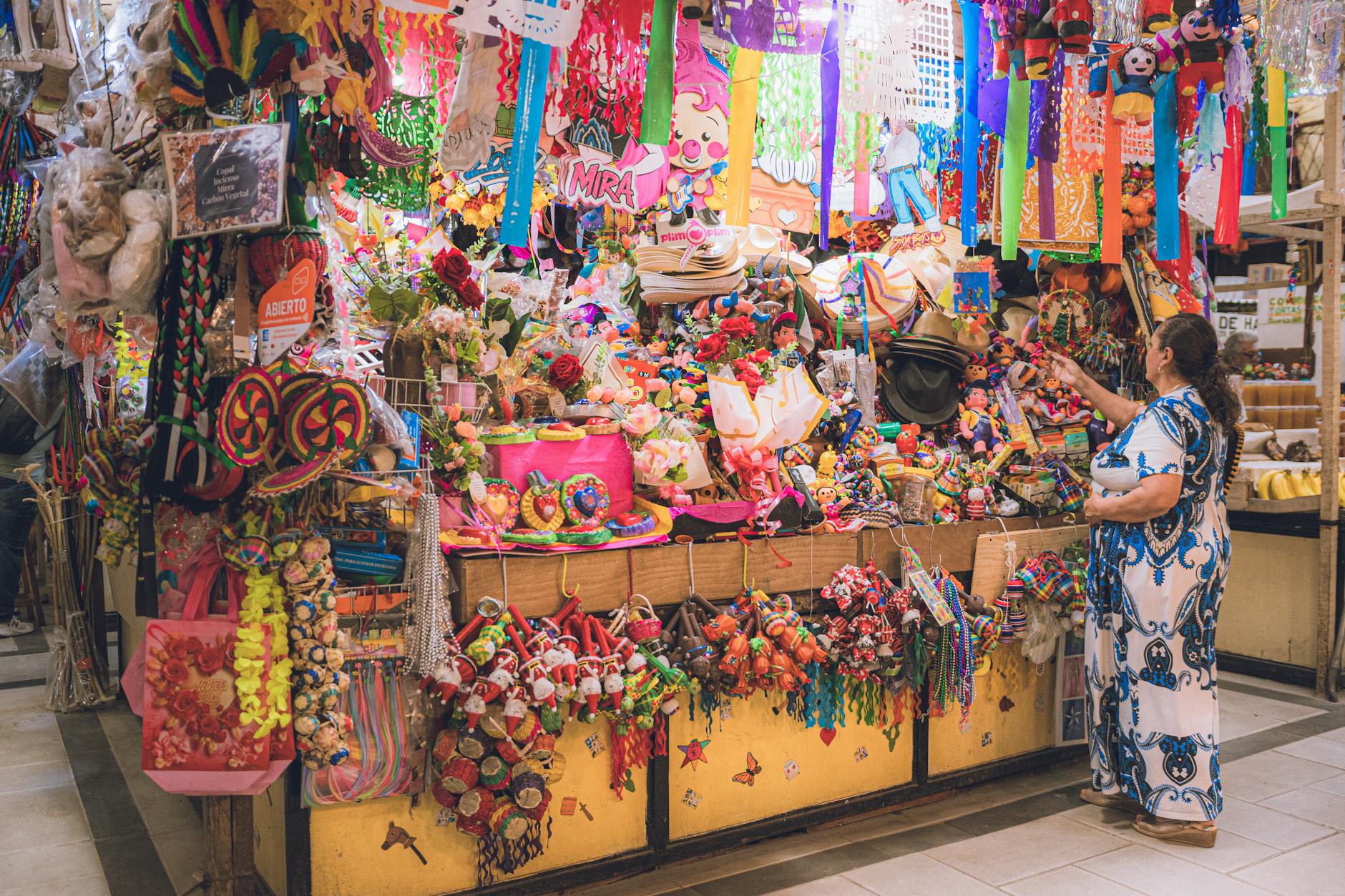
- Spend locally: choose family-run guesthouses, eat at neighborhood restaurants, and buy souvenirs from local artisans in El Cortecito.
- Choose smaller-group excursions and community-run tours rather than large commercial operators to keep revenue local.
- Reduce single-use plastic: carry a refillable water bottle and ask for tap water alternatives where safe.
- When booking wildlife or coastal activities, pick operators with clear conservation policies and avoid attractions that stress animals.
- Travel in shoulder months for lower prices but watch weather forecasts; buy travel insurance that covers severe-weather interruptions.
These choices often cost little or no more and make your money benefit local people rather than large international chains.
Common Mistakes to Avoid
Frequent ways travelers overspend or get poor value:
- Relying only on resort prices: many resort menus and excursions are marked up; leaving the resort for a meal or a taxi ride to El Cortecito can be far cheaper.
- Skipping advance transfers: airport taxis can be expensive; pre-book shared shuttles or transfers to save money and avoid inflated arrival fares.
- Underestimating weather risk: traveling in mid-to-late hurricane season (Sep–Oct) to chase cheap deals can lead to cancellations and higher replacement costs—use travel insurance.
- Ignoring local currency: paying in USD everywhere often yields worse exchange value; carry pesos for small purchases and tips.
- Not checking what's included: always confirm what an all-inclusive covers (transport, activities, taxes, gratuities) so you can compare true costs.
FAQ
How much should I budget for airport transfers?
Expect shared shuttles to run about $10–$25 per person depending on distance and operator; private transfers and taxis range $35–$70 from PUJ to the main hotel areas. Book ahead for the best rates.
Are there cheap places to eat near the beaches?
Yes. El Cortecito and streets off Bávaro Beach have comedores and sodas offering rice, beans, fish and chicken for $3–$8. Look for places busy with locals—fresh, affordable, and supportive of the local economy.
Is it cheaper to rent a car or use taxis and shuttles?
For short stays (3 days) taxis and pre-booked shuttles are usually cheaper and less stressful. Car rental becomes worthwhile if you plan multiple day trips (Macao Beach, inland towns, or drive to Santo Domingo) but factor insurance and fuel.
When is the cheapest time to visit without too much weather risk?
Shoulder months (late April–early June and November) often have lower prices with reasonable weather. Hurricane season runs June–November—September and October have the highest storm risk, so weigh savings against cancellation risk and buy insurance.
Can I visit Santo Domingo or other nearby capitals from Punta Cana?
Yes. Santo Domingo is a 2–3 hour drive and is an excellent day or overnight trip offering colonial history. Regional flights connect Punta Cana to San Juan, Kingston, Port-au-Prince and Bonaire—check schedules, as some routes require connections through Santo Domingo or other hubs.
Conclusion
Punta Cana can be budget-friendly if you choose local neighborhoods, book transfers and one or two excursions in advance, and prioritize local restaurants and small operators. Use this budgeting guide alongside our 3 days in Punta Cana itinerary to match activities and costs to your travel style. For short regional hops, consider Santo Domingo by road or a short flight to nearby Caribbean capitals if you want to extend your trip sustainably.
How this guide was prepared
This guide was prepared through a structured research that combines destination research, geographic context, itinerary planning logic, and content review.