

Responsible Travel in Punta Cana: Low-Impact, Local-First Tips
Practical, sustainable travel advice for Punta Cana: when to go, where to spend locally, responsible tours and transport realities to support low-impact trips and connect with the community.
A concise, practical guide to traveling responsibly in Punta Cana—seasonal timing, neighborhood realities, sustainable tours, local etiquette, and how to choose operators that benefit people and place. Use alongside our main 3 days in Punta Cana itinerary.
Quick Answer
A concise, practical guide to traveling responsibly in Punta Cana—seasonal timing, neighborhood realities, sustainable tours, local etiquette, and how to choose operators that benefit people and place. Use alongside our main 3 days in Punta Cana itinerary.
Who This Page Is For
This page is for travelers planning a stay in Punta Cana who want clearer decisions about responsible travel, local logistics, timing, budgeting, and practical trip planning.
How This Page Was Prepared
This page was prepared through a structured editorial workflow that combines destination research, geographic context, and practical travel-planning review.
Plan the Rest of Your Trip
Use this page together with the full itinerary and the related planning pages below to make better booking, timing, transport, and budget decisions.
Choose shoulder seasons (May–June, late October–November) for fewer crowds and lower impacts. Favor small, locally owned tour operators, book transfers with licensed companies, and prioritize experiences that pay guides and communities directly. If you follow one rule: avoid activities that exploit wildlife or damage reefs—seek operators that use mooring buoys and reef-safe practices.
This page is a compact, practical companion to the main 3 days in Punta Cana itinerary. It focuses on low-impact choices, neighborhood realities, and local-first options so your time in Punta Cana benefits residents and the landscape. Read this before booking transfers, excursions, or an all-inclusive stay so your decisions are informed by seasonality, transport realities, and respectful behavior.
What This Page Helps You Decide
Use this page to decide:
- When to travel to reduce environmental and social pressure.
- Whether to stay inside an all-inclusive resort or split nights with a small guesthouse or eco-lodge.
- Which local tours and operators are more likely to follow sustainable practices.
- Practical transport options between Punta Cana, Higüey, and nearby destinations like Santo Domingo.
It’s built to complement the 3 days in Punta Cana itinerary with sustainable tweaks and local-first recommendations.
Top Recommendations
High-impact choices you can make today:
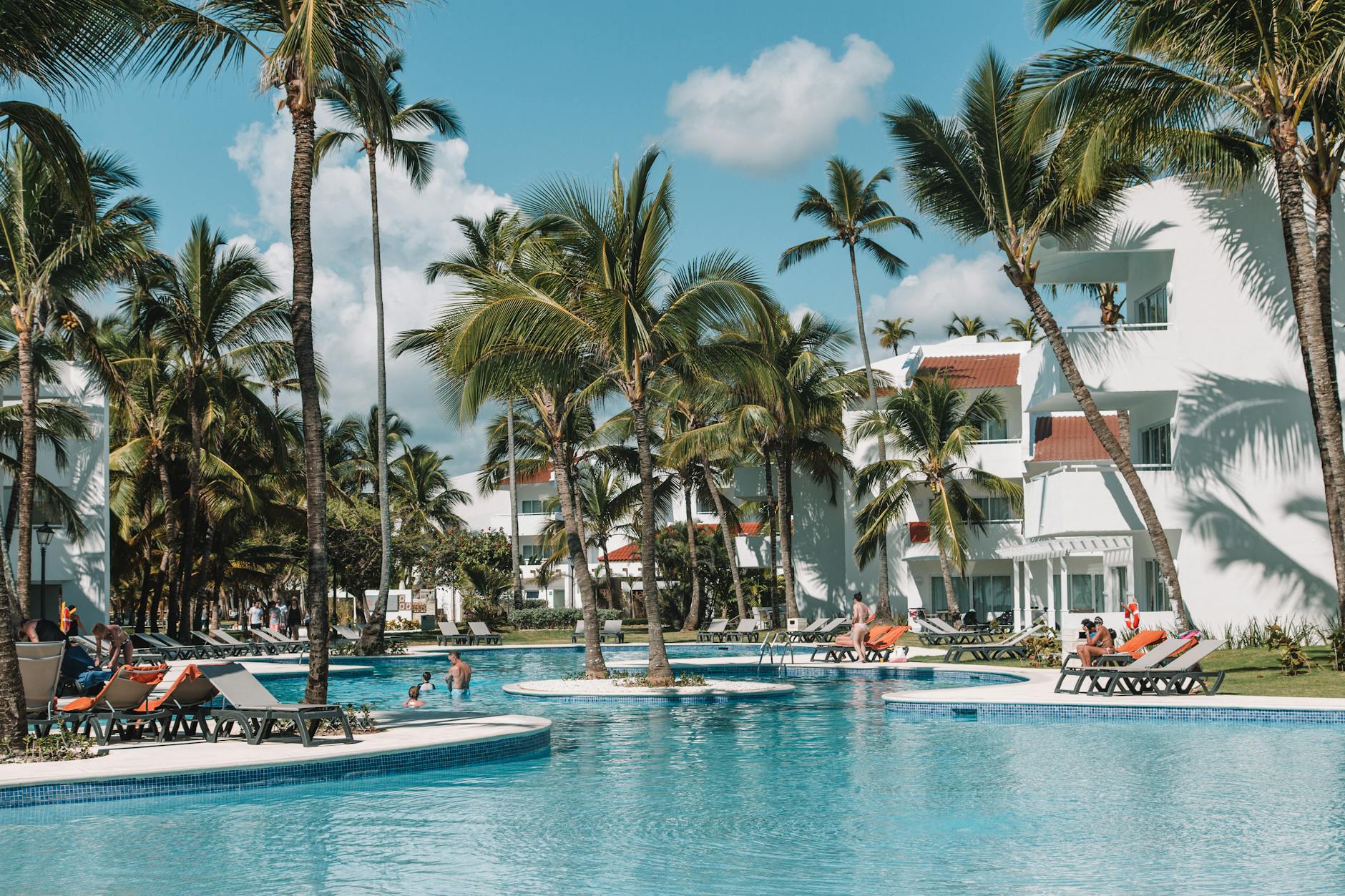
- Stay locally for at least one night: split a stay between a beachfront property and a locally owned guesthouse to funnel money into the community.
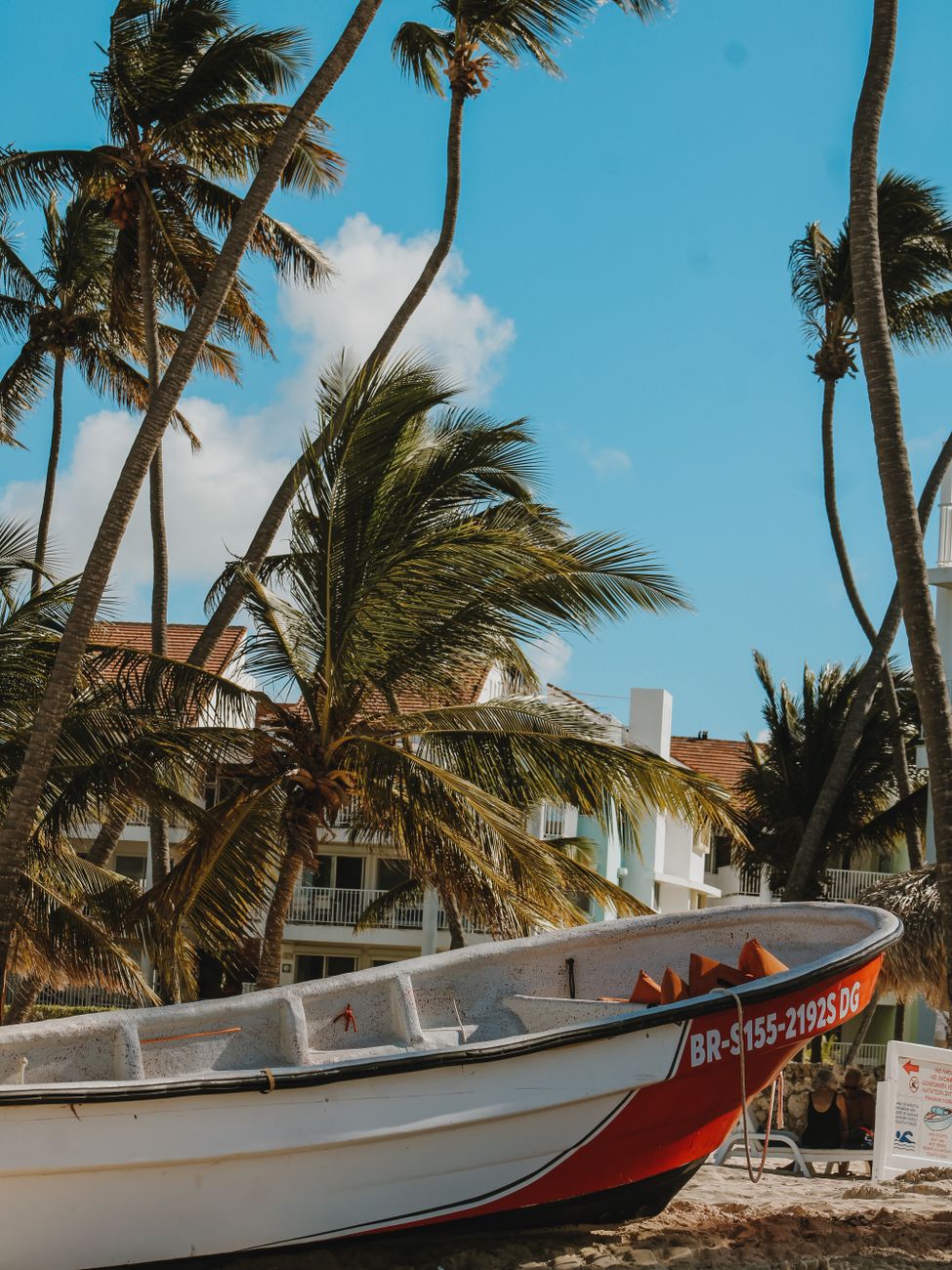
- Book day trips with small boats that use mooring buoys and have clear no-touch wildlife policies (no dolphin-swim commodification).
- Visit Indigenous Eyes Ecological Park with a certified guide; it’s a good low-impact nature stop near Bávaro.
- Explore Higüey market in the morning for crafts and food; buy from cooperatives or artisans rather than large souvenir stands.
- Use pre-booked airport transfers or registered taxi cooperatives; public guaguas run between Punta Cana and Higüey but are infrequent—plan time.
Suggested low-impact experiences:
– Snorkel at Marinarium with a company that enforces reef-safe sunscreen and no-anchor stops.
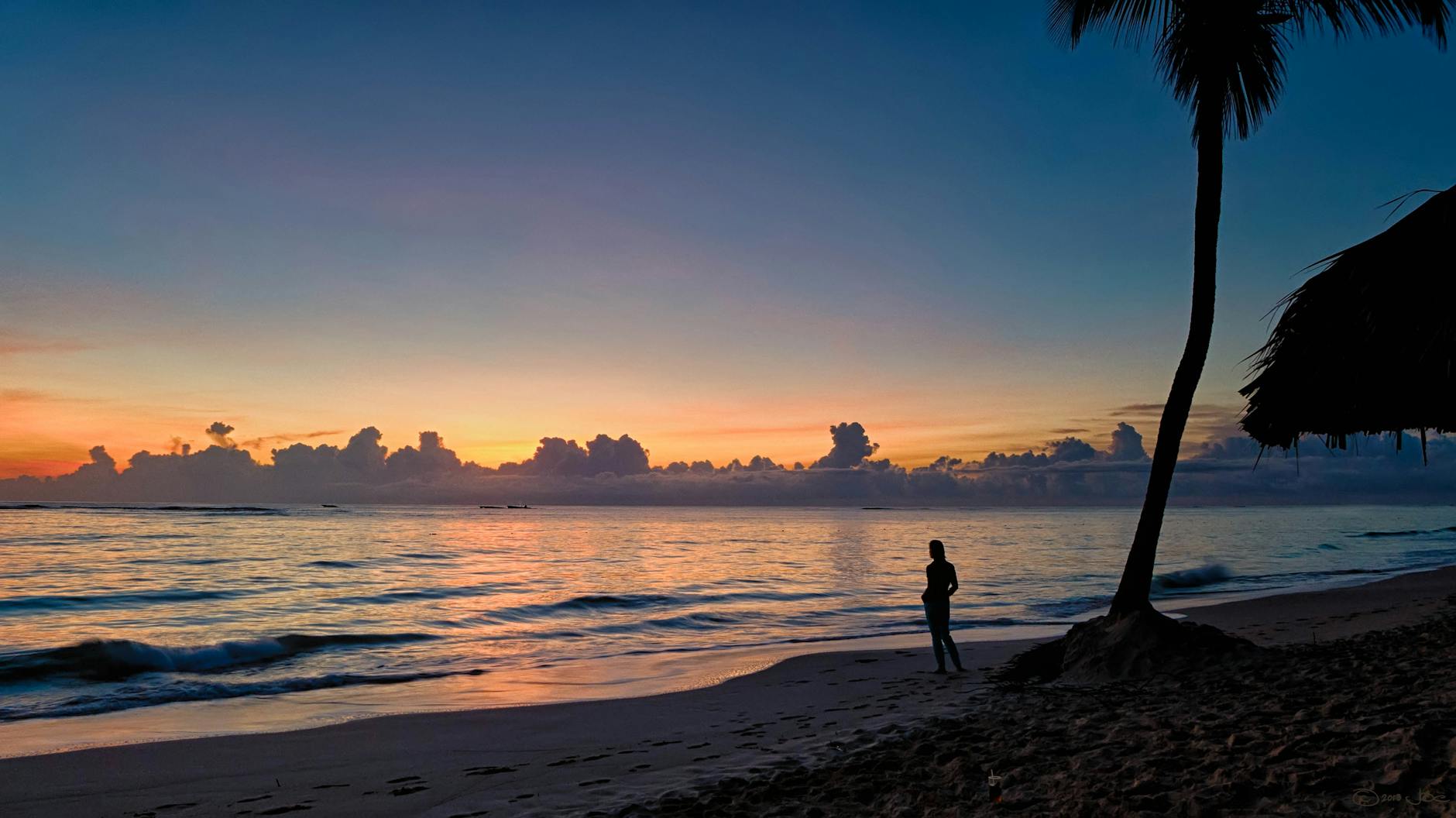
– Walk Cap Cana marina early morning to see local fishing activity and small cafes run by residents.
– Half-day cultural visit to Higüey and the Basilica rather than a packaged city hop—support local guides.
Local Context
Neighborhoods and transport:
- Bávaro is the main tourist zone with beaches, shops, and many resorts; it’s walkable in parts but long stretches require taxis.
- Cap Cana is newer and quieter, with a marina and gated communities—higher-end, but good for early-morning walks and fishing-boat views.
- Cabeza de Toro and El Macao are more local-feeling coastal spots with small restaurants and surfable breaks.
Transport realities:
– Punta Cana International Airport (PUJ) is the gateway; arrange reliable transfers ahead of arrival during high season.
– Public transport exists (guaguas) between Punta Cana and Higüey, but departures are irregular—allow extra time if you plan to use them.
– Ride-hailing has limited coverage; rely on registered taxi cooperatives or pre-booked shuttles for predictable fares.
Seasonal patterns:
– High season: December–April (driest, most visitors).
– Shoulder seasons: May–June and late October–November (lower crowds, better balance).
– Hurricane season: June–November, peak risk August–September—buy travel insurance and check local advisories.
Local etiquette and practical notes:
– Greet shopkeepers and guides with a hello (hola) and a small courtesy phrase in Spanish when possible.
– Tipping of around 10% in restaurants is customary when service isn’t included.
– Ask permission before photographing people, especially in bateyes (rural worker communities).
How to Choose Well
Checklist for accommodations:
– Prefer small locally owned hotels or guesthouses for at least part of your stay.
– Look for properties with water-saving measures, renewable-energy signals, and community programs.
Checklist for tours and activities:
– Verify that operators use mooring buoys and have no-anchor policies for reef visits.
– Ask about guide training, local hiring practices, and where tour fees go.
– Avoid operators offering captive wildlife interactions; choose observation-based wildlife experiences.
Booking and money-handling tips:
– Book transfers and high-demand excursions in advance, especially during high season.
– Carry small bills for local purchases; support corner shops, street vendors, and cooperatives.
– Use official receipts and confirm cancellation policies—many local operators have flexible rebooking in shoulder seasons.
When deciding between a resort and local stays, ask: how much of my spend reaches local staff and suppliers? If in doubt, split nights—two in a resort for convenience, one in a community-run or small guesthouse to support local income.

Responsible and Local-First Tips
Practical, low-effort ways to be responsible:
- Choose reef-safe sunscreen and bring a reusable water bottle—many hotels now offer refill stations.
- Buy seafood and meals from small local restaurants instead of always eating inside all-inclusives.
- Hire local guides for cultural and nature trips; ask if proceeds support conservation or community projects.
- Prioritize operators that demonstrate waste management and reduced single-use plastics.
Support local enterprises:
– Purchase crafts from artisan cooperatives in Higüey or market stalls with transparent pricing.
– Use local taxi cooperatives and neighborhood restaurants for at least one meal a day.
– When tipping, give directly to the person who provided the service and ask if pooled tips are used by staff.
Low-impact activity choices:
– Kayaking in protected lagoons, guided mangrove walks, small-boat reef snorkeling with ethical operators, and cultural market visits.
– Avoid souvenir purchases made from coral, shells, or endangered species.
Common Mistakes to Avoid
- Relying solely on the all-inclusive bubble: it concentrates spending and reduces benefits to the wider community.
- Booking last-minute airport rides without verifying credentials—resulting in overcharges or delays.
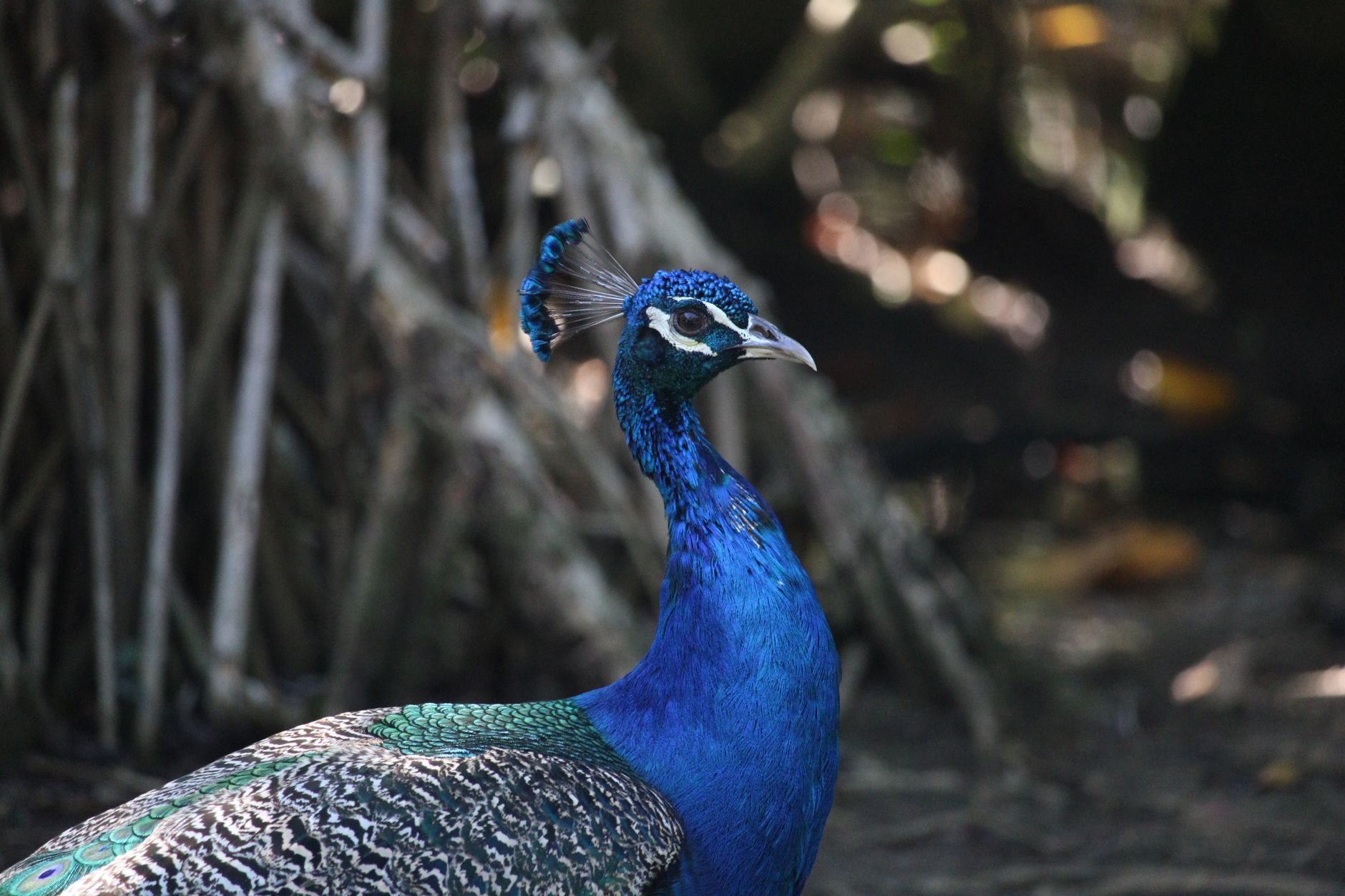
- Paying for wildlife attractions that keep animals in captivity; these often harm animals and local reputations.
- Ignoring seasonal risks: travel during peak hurricane months without insurance or flexible plans.
- Photographing people without consent or buying crafts made from protected materials.
Avoid these by asking operators direct questions, splitting accommodation types, and favoring shoulder-season travel when feasible.
FAQ
Is Punta Cana safe for responsible solo travelers?
Punta Cana is generally safe in tourist areas but exercise normal precautions: avoid isolated spots at night, keep valuables secure, use registered taxis or pre-booked transfers, and let someone know your plans. For solo visits into rural areas, hire a local guide.
Can I support local communities if I stay in an all-inclusive resort?
Yes—choose excursions operated by local guides, eat at nearby community restaurants for at least one meal, and buy crafts directly from artisans. Ask your resort about local sourcing and community programs before booking.
Are there public transport options to visit Higüey or Santo Domingo?
There are guaguas (shared buses) between Punta Cana and Higüey; schedules can be irregular so plan flexibly. For Santo Domingo and other cities, consider reputable shuttle companies or domestic flights depending on time. Always allow extra travel time.
What wildlife experiences should I avoid?
Avoid attractions that keep dolphins, turtles, or birds in captivity for shows. Seek observation-focused tours and operators that prioritize animal welfare and do not encourage touching or feeding wildlife.
When is the best time to travel to minimize environmental impact?
Shoulder seasons (May–June, late October–November) offer fewer visitors and lower environmental pressure while still providing good weather outside peak hurricane months. Always check forecasts and have flexible bookings during hurricane season.
How can I make a local economic impact with a short trip?
Spend one or two meals per day at local restaurants, buy coffee and souvenirs from markets or cooperatives, book at least one tour with a locally owned operator, and stay one night outside a large resort if possible.
Conclusion
Punta Cana can be a low-impact, locally beneficial destination with a few deliberate choices: travel in shoulder season, split nights between resort comfort and local stays, choose vetted small operators for nature and cultural outings, and prioritize reef-safe and animal-friendly activities. Use this page alongside the 3 days in Punta Cana itinerary to plan practical logistics and to consider short, responsible side trips to nearby cities such as Santo Domingo, San Juan, Port-au-Prince, Kralendijk, or Kingston when you extend your trip.
How this guide was prepared
This guide was prepared through a structured research that combines destination research, geographic context, itinerary planning logic, and content review.