
3-Day Chesapeake, VA Itinerary: Practical Weekend Guide
A clear, practical 3-day itinerary for Chesapeake, VA that balances wetlands, local history, and seafood with realistic transport and timing advice.
A hands-on 72-hour plan for seeing Great Bridge, the Dismal Swamp, Greenbrier shopping, and South Norfolk without overscheduling.
Expect a horizontally spread place with suburban neighborhoods, big green spaces, and working waterways. The immediate impression on arrival is less about a tight town center and more about parks, canals, and retail strips punctuated by historic markers.
Many outsiders lump this area with Virginia Beach or Norfolk and miss how much the natural areas dominate local life: canoe launches, long canal towpaths and preserved swamp trails are part of everyday recreation. The place suits travelers who like short drives to nature or quiet history rather than those looking for dense museums and nightlife.
Is 3 days in Chesapeake enough?
Three days is enough to cover the town-level highlights: Great Bridge Battlefield, a swamp walk or paddling on the Dismal Swamp Canal, a nature-focused morning at Northwest River Park, and some shopping or local dining in Greenbrier or South Norfolk. Travelers will need to skip a deep run into Norfolk or Virginia Beach nightlife to keep the schedule relaxed.
Who This Guide Is For
Best for travelers who prefer outdoor activities, light history, and short drives rather than intense urban sightseeing; less ideal for visitors wanting a dense museum crawl or late-night entertainment.
Local Tips for Chesapeake
Practical details that most travel sites skip — specific to Chesapeake.
- Great Dismal Swamp National Wildlife Refuge: use the Dismal Swamp Canal Welcome Center at Deep Creek (park at the small lot, free) to pick up maps for canal-side trails and the wooden boardwalk.
- South Norfolk Jordan Bridge is a cashless toll bridge (pay-by-plate or E-ZPass); two-axle vehicles typically see a toll around $3–$4 depending on time and billing options.
- Greenbrier Parkway is the main commercial spine; for groceries and chains head to the Greenbrier Mall area — many stores stay open later than neighborhood centers.
- Northwest River Park charges a small day-use fee for launching boats; canoe and kayak rentals operate seasonally and should be reserved for weekend summer mornings to avoid sellouts (expect $10–$25 per person).
- Hampton Roads Transit (HRT) runs bus service into parts of the area; buy fares in the HRTGO app or on-board when offered — short single rides are roughly $2, while regional pass options exist for frequent riders.
How This Guide Was Prepared
Chesapeake is a spread-out working suburb with surprisingly extensive waterways and preserved swamp, not a dense downtown destination. Many guides treat it as a stopover for Virginia Beach or Norfolk and miss the canoeing, the Dismal Swamp access points, and the local neighborhood centers that shape how visitors should move and time visits. This guide was prepared through a structured research that combines destination research, geographic context, itinerary planning logic, and content review.
Plan Your Stay in Chesapeake
Use this itinerary as your starting point, then compare areas to stay, transport options, seasonal timing, and realistic daily costs before booking.
Why Visit
There are clear, specific draws that separate this area from nearby Norfolk or Virginia Beach. First, the Great Dismal Swamp National Wildlife Refuge and the adjacent Dismal Swamp Canal provide direct access to a rare coastal lowland peat basin and long canal levees that are unusual on the Mid-Atlantic coast. Second, the Battle of Great Bridge site and related waterway history offer short, readable history stops without the crowds found at larger colonial sites. Third, Northwest River Park and the Chesapeake Arboretum give compact options for paddling, short hikes and family-friendly outdoor time within city limits. Fourth, Greenbrier and South Norfolk are real neighborhood centers where diners, breweries and small performance spaces host local life rather than tourist traps.
Quick Planning Tips
The easiest way into the area from Norfolk International Airport (ORF) is by rental car or rideshare; expect 20–35 minutes depending on the destination and traffic. From Amtrak at Norfolk or Newport News, rideshare is practical; public buses from Hampton Roads Transit serve portions of the city but runs are infrequent outside peak hours.
Pay with a card almost everywhere; many parks and small museums accept credit but bring $5–$20 cash for some park day-use fees or farmer-stand purchases. Buy an EZ-Pass or have pay-by-plate ready if planning to cross the South Norfolk Jordan Bridge to avoid toll surprises. One planning mistake to avoid: placing too many activities on a single day — distances add up and parking or launch queues can consume an afternoon.
Day 1
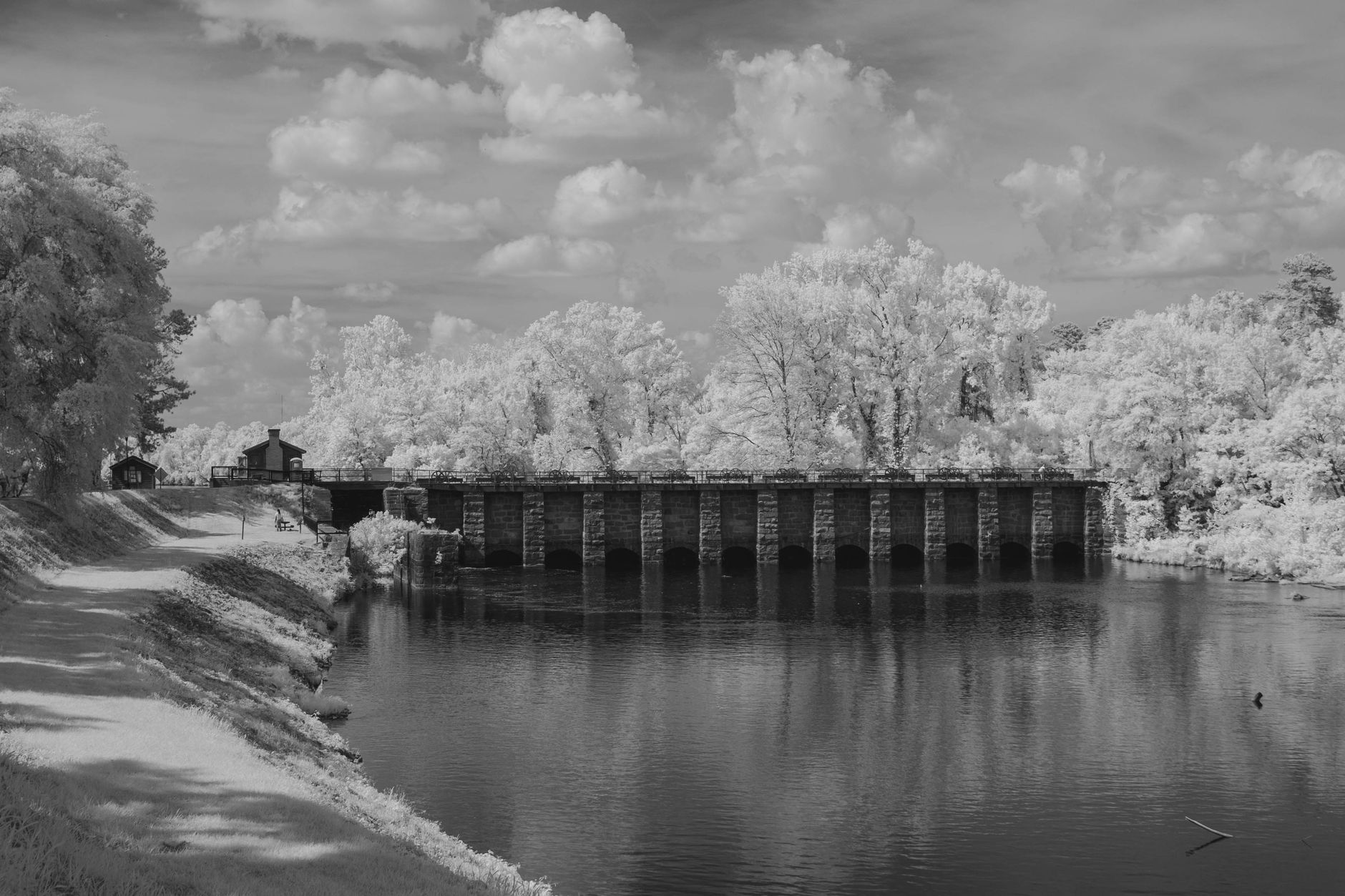
Start at Great Bridge Battlefield & Waterways History Center to ground the visit in the local Revolutionary War action; plan 60–90 minutes for exhibits and the small outdoor trail. From the museum, walk 10 minutes to the Great Bridge Lock Park and the Dismal Swamp Canal towpath for a short 40–60 minute stroll along the water. After the canal, drive 8–12 minutes to the Greenbrier Parkway corridor for a late lunch — a seafood-focused local joint or a crab house along Greenbrier Parkway serves regional oysters and steamed crabs (lunch budget $12–25 per person).
Mid-afternoon, visit the Chesapeake Arboretum for 45–75 minutes of marked trails and interpretive signs; the arboretum parking is typically free. Finish the day in the Greenbrier shopping area for errands or an early dinner; many restaurants here stay open late. Evening recommendation: a quiet riverside walk at Oak Grove Lake Park or a craft beer at a nearby taproom in South Norfolk if the schedule allows.
Day 2
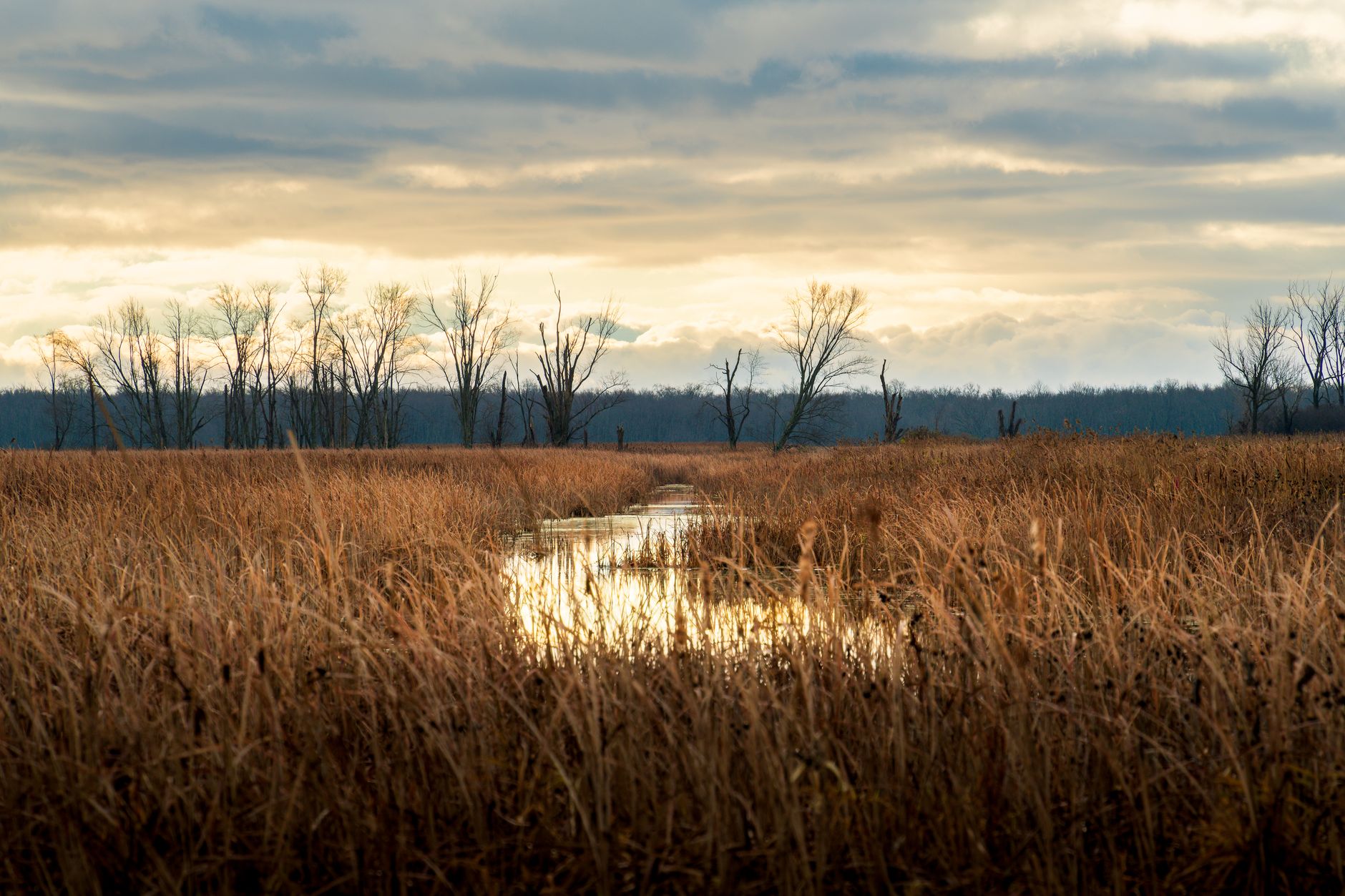
Dedicate this day to the wetlands and waterways. Leave early for the Great Dismal Swamp National Wildlife Refuge — use the Dismal Swamp Canal Welcome Center at Deep Creek as a base for maps and the boardwalk approach. Plan a 2–3 hour combination of the boardwalk, a short swamp trail and time at the canal; early morning is best for quiet and bird activity.
After the refuge, drive 15–25 minutes to Northwest River Park for an afternoon paddling session or to rent a kayak; allow two to three hours for a river loop plus a picnic. There is a small day-use/launch fee and seasonal rental prices usually between $10 and $25. Late afternoon, head to South Norfolk Historic District for a stroll down Washington Street and to check local galleries or the Chesapeake Center for the Arts schedule. Dinner in South Norfolk: seek a local seafood spot or gastropub; sizes and portions are generous compared with downtown Norfolk options. Evening recommendation: catch a community event or small live-music show if available — the district hosts regular weekend programming.
Day 3
Spend the final day mixing quieter neighborhoods and a final nature stop with practical travel notes for departures. Begin in Deep Creek with a short visit to the canal locks and any interpretive signage; an early walk along the towpath is calm and often empty. From Deep Creek drive 15–25 minutes to visit a local farm stand or farmer's market (seasonal) near the Greenbrier corridor for breakfast pastries or local seafood to-go.
Midday, make a short visit to one or two retail or museum stops missed earlier, such as a specialty shop in South Norfolk or a small local museum; allow at least 90 minutes. If leaving in the afternoon for a flight, time the return trip to Norfolk International Airport at 60–90 minutes from most points with normal traffic; aim to depart for the airport at least two hours before the recommended arrival time if returning a rental. Final evening option for those staying later: a quiet sunset on a public pier along the Elizabeth River or a short waterfront park in the Greenbrier area.
Best Local Experiences
Walk or paddle the Dismal Swamp Canal towpath from the Deep Creek Welcome Center for canal history and birdwatching. Spend a morning canoeing at Northwest River Park and watch for ospreys and herons along the river. Visit the Great Bridge Battlefield & Waterways History Center for short, readable Revolutionary War exhibits and the battlefield markers. Explore the South Norfolk Historic District (Washington Street) for small galleries, occasional weekend markets and local performance listings at the Chesapeake Center for the Arts. Ride or drive the South Norfolk Jordan Bridge for views across the Elizabeth River and to understand local traffic patterns; remember the bridge uses cashless tolling. Seasonal experiences: the Chesapeake Jubilee (annual festival) and local Christmas light displays around Great Bridge draw families and local crowds.
Where to Stay
Greenbrier/Greenbrier Parkway: best for convenience to shopping, chain restaurants and central services. This area suits travelers who want an easy base with plentiful parking; typical midrange hotel rates run about $100–$150 per night (USD), roughly €90–€135. Great Bridge: best for history-minded visitors and those who want closer access to the canal and battlefield. Expect small inns or midrange chain hotels at roughly $90–$140 per night (USD), about €80–€125. South Norfolk / Berkley area: best for a quieter, more local feel with proximity to small galleries and evening programming. Small boutique options or short-term rentals appear here; nightly rates vary widely but budget $80–$160 per night (USD), €75–€145. For all neighborhoods, booking a ground-floor room or a place with on-site parking simplifies early morning departures to the refuges and parks.
Food and Drink
Blue crabs (steamed Chesapeake Bay-style): whole steamed blue crabs served with vinegar, Old Bay seasoning or melted butter; find them at crab houses along Greenbrier Parkway and near waterfront eateries (expect $18–$35 per meal depending on season). Oysters on the half shell: locally harvested Chesapeake Bay oysters, served raw or roasted at seafood restaurants in Great Bridge and South Norfolk (about $2.50–$4 per oyster at midrange places). Fried soft-shell crab sandwich: a regional summer favorite — fried battered whole soft-shell crab, often on a roll with slaw; check seasonal menus in local seafood restaurants ($12–$20). She-crab soup: a creamy crab bisque with crab roe in some local menus; usually $6–$10 a cup at dinner. Breakfast option: a biscuit sandwich with local ham or country ham and egg at a diner in Greenbrier (roughly $5–$9). For drinks, look for local craft beers on tap in South Norfolk pubs and seasonal spritzes at waterfront restaurants. Expect tax and gratuity; dinner for two at a midrange seafood place will typically run $45–$80 before drinks.
Getting Around
Driving is the most practical mode for most visitors; the area is car-dependent and attractions are spread out. Hampton Roads Transit (HRT) operates bus routes into portions of the area; check the HRT website or the HRTGO mobile app for route maps and schedules. Single-ride bus fares are roughly $2; day-pass and multi-day options are available on the app for frequent users.
Taxis and rideshares (Uber/Lyft) are common; expect fares from Norfolk International Airport to central neighborhoods in the $25–$45 range depending on time and exact drop-off. For tolls, carry or register an E-ZPass to avoid pay-by-plate charges on the South Norfolk Jordan Bridge. For cyclists, select streets have marked lanes but many connectors are busy, so plan routes on quieter neighborhood streets.
Best Time to Visit
Spring (April–June) brings comfortable daytime temperatures in the mid-60s to mid-70s°F (18–24°C) and is ideal for paddling and birdwatching; expect higher humidity by June. Summer (July–August) is hot and humid, with temperatures often in the mid-80s to low-90s°F (29–34°C); this is busiest for local families and rentals, and morning paddles are essential to avoid heat. Fall (September–November) cools into the 50s–70s°F (10–24°C) and offers lower humidity and good value on lodging; fall foliage on swamp boardwalks is subdued but pleasant. Winter (December–February) is mild to cool with temperatures from the 30s–50s°F (0–10°C); some attractions operate reduced hours and birding can still be rewarding. Best value months are late September through November when crowds are thinner and rates drop; avoid mid-July weekends for lower availability at paddling rentals and campsites.
Budget and Practical Tips
Daily budget example per person (midrange): accommodation $90–$140 USD ($80–$125 EUR) per night; food $30–$60 USD ($27–$55 EUR) including one seafood dinner; transport $10–$25 USD ($9–$22 EUR) for local fuel or occasional rideshare; entries and rentals $5–$30 USD ($5–$27 EUR) depending on park or canoe rental. Many parks and trails are free, but expect small fees for boat launches or guided rentals. Tipping norms follow broader U.S. practice: 15–20% at sit-down restaurants, $1–$2 per drink at bars, and rounding up for small services; park attendants and rental staff generally expect cash or card tips for good service.
Bring sunscreen and insect repellent for swamp and river outings; tick checks are important after trails. A refillable water bottle and a small dry bag for phones and wallets are practical for canoeing days.
FAQ
Is Chesapeake safe for solo travelers?
Most neighborhoods are safe in daytime; standard urban caution applies after dark, especially in quieter parking lots and undeveloped park edges. Stay in well-lit areas and check local advisories for any temporary closures.
Can public transit get me to the Great Dismal Swamp?
Public transit options are limited for direct access to the refuge; a car or rideshare is recommended for reliable timing and early-morning visits.
Is an EZ-Pass worth getting for local travel?
Yes if driving across the South Norfolk Jordan Bridge or traveling frequently on regional tolls; it avoids pay-by-plate surcharges and faster processing.
Are there guided canoe or wildlife tours?
Small operators and park-run rentals operate at Northwest River Park and some canal-launch points seasonally; reserve ahead on summer weekends. Prices vary by provider.
Is a city or attraction pass worth buying?
There is no single pass that covers regional parks and local attractions here; most visits are a la carte and single-site fees are modest, so a separate pass is usually unnecessary.
What about parking at the main sites?
Most parks and the battlefield have free or modest-fee parking; Greenbrier commercial areas offer free public parking at shopping centers. Expect limited parking at popular boat launches on busy summer weekends.
Can a day trip cover both the Dismal Swamp and a museum in one day?
Yes if starting early and planning driving times, but adding extra stops increases the risk of rushing; allow several hours for swamp trails or paddling.
Conclusion
A focused three-day visit delivers a clear sense of the area's waterways, the Dismal Swamp access points and neighborhood centers without overscheduling. Most travelers will remember the quiet canal boardwalks, a morning paddle and a crab or oyster meal more than a long museum list. If pressed for time, prioritize an early canal boardwalk visit at Deep Creek or a paddle at Northwest River Park — both give immediate, distinctive context to why this place matters.
How this guide was prepared
This guide was prepared through a structured research that combines destination research, geographic context, itinerary planning logic, and content review.