
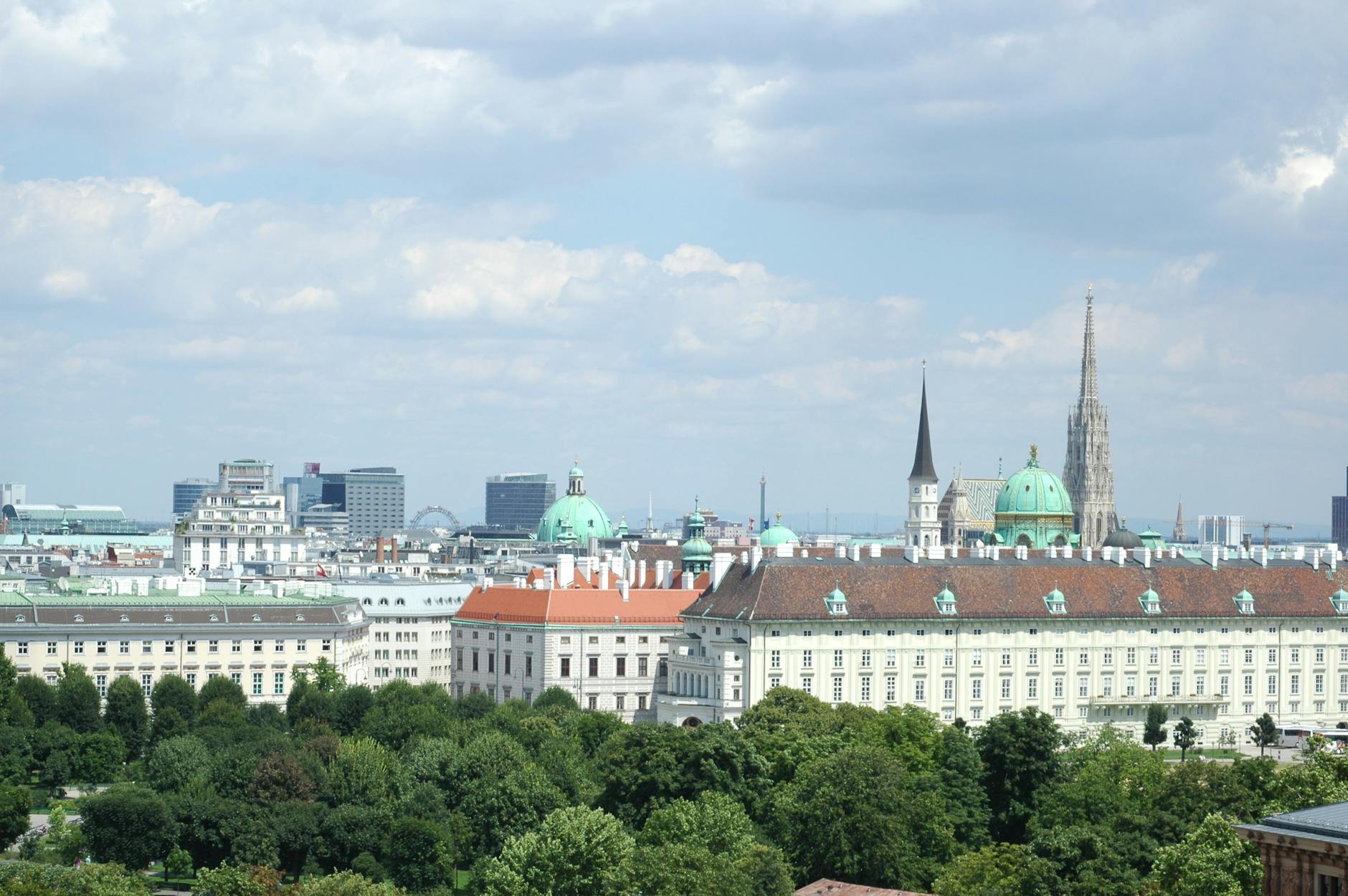
Vienna Travel Budget: Practical Costs, Smart Choices, and Low-Impact Tips
Clear, practical budget guidance for Vienna: daily cost ranges, transport passes, neighborhood choices, sustainable tips, and quick pointers for linking this advice to a 3-day Vienna itinerary and nearby day trips.
Daily budget snapshots (approximate, per person):
- Shoestring/backpacker: €40–€60 — dorm or budget private, supermarket meals, lots of walking, occasional tram ticket.
- Midrange: €100–€180 — 2–3-star hotel or private apartment, café lunches, one or two paid attractions, public transport day pass.
- Comfortable: €250+ — centrally located hotel, restaurant meals, guided tours, taxis sometimes.
Public transport is efficient and often the best value: single tickets are cheap (~€2.40) and 24/48/72-hour or multi-day Wien passes become cost-effective if you plan multiple museum visits or transfers. Shoulder seasons (April–May, September–October) give lower accommodation rates and pleasant walking weather.
This page gives a tight, usable picture of what it costs to travel in Vienna and how to spend your money intentionally. It’s meant as a support page for a 3 days in Vienna itinerary and for travelers who prefer low-impact choices and local-first spending. Read this before booking hotels, transport passes, or day trips so you can optimize time and budget without sacrificing authenticity.
What This Page Helps You Decide
Use this page to immediately:
- Pick a neighborhood that balances price and time: save by staying in Leopoldstadt, Landstrasse, or Mariahilf rather than the Innere Stadt.
- Choose the right transport option: single tickets vs. 24/48/72-hour passes vs. weekly tickets depending on your length of stay.
- Budget meals and attractions to match your travel style and the 3 days in Vienna itinerary.
- Decide which day trips to budget for (Bratislava, Budapest, Salzburg, Graz, Innsbruck) based on travel time and ticket prices.
If you’re following our 3-day Vienna guide, use the midrange budget to cover the core attractions; shave costs by swapping paid museums for walking tours and free viewpoints.
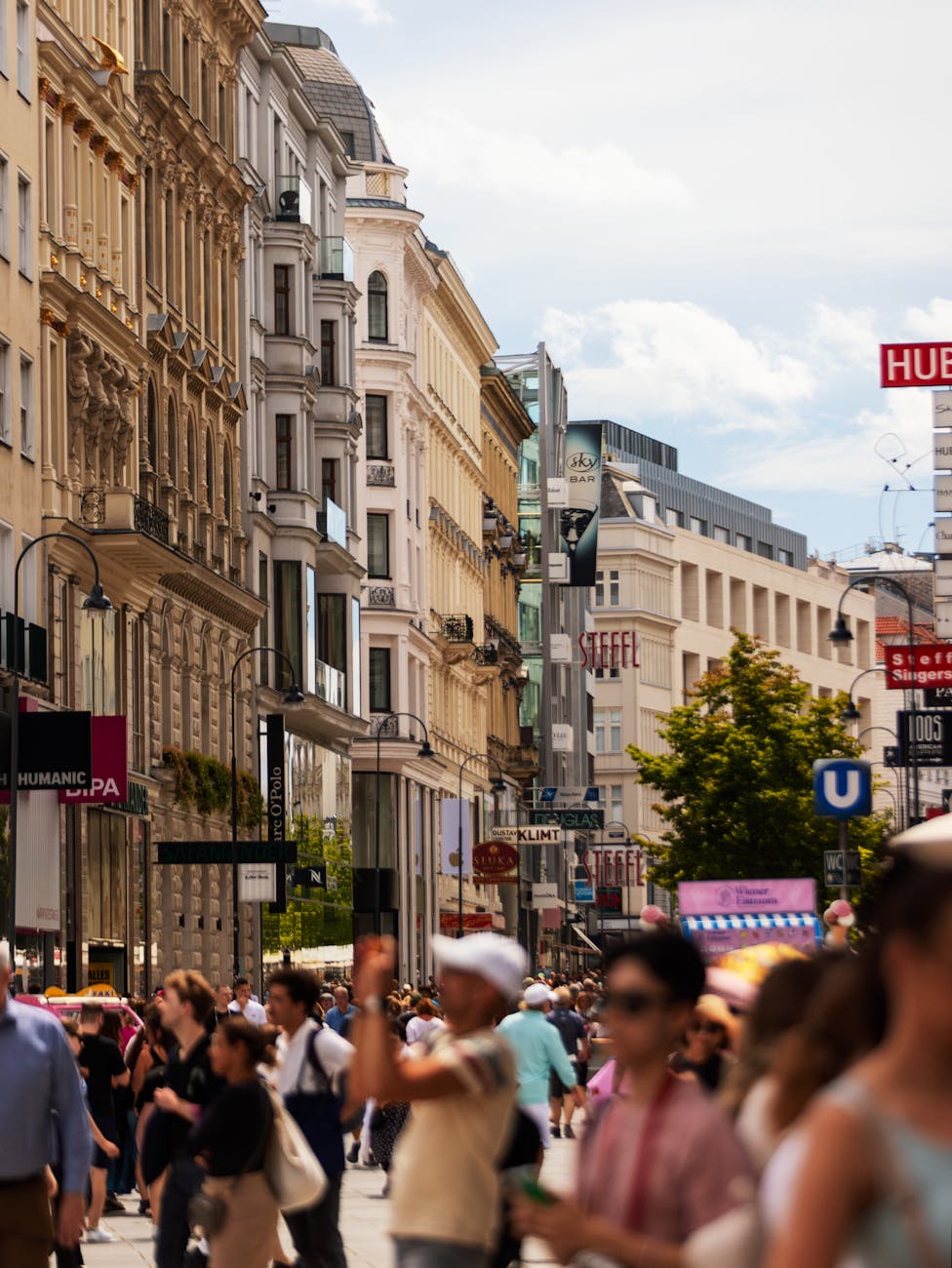
Top Recommendations
Where to spend smartly:
- Accommodation: Book small pensions or guesthouses in Leopoldstadt, Neubau, or Mariahilf for better value and local flavor. If you want quieter nights, look near Landstrasse or the district around Prater.
- Transport: Buy tickets on the Wiener Linien app or at U-Bahn stations. For stays of 2–4 days, a 48-hour pass is often the best value. Use S-Bahn S7 from the airport for a lower-cost transfer than premium airport shuttles.
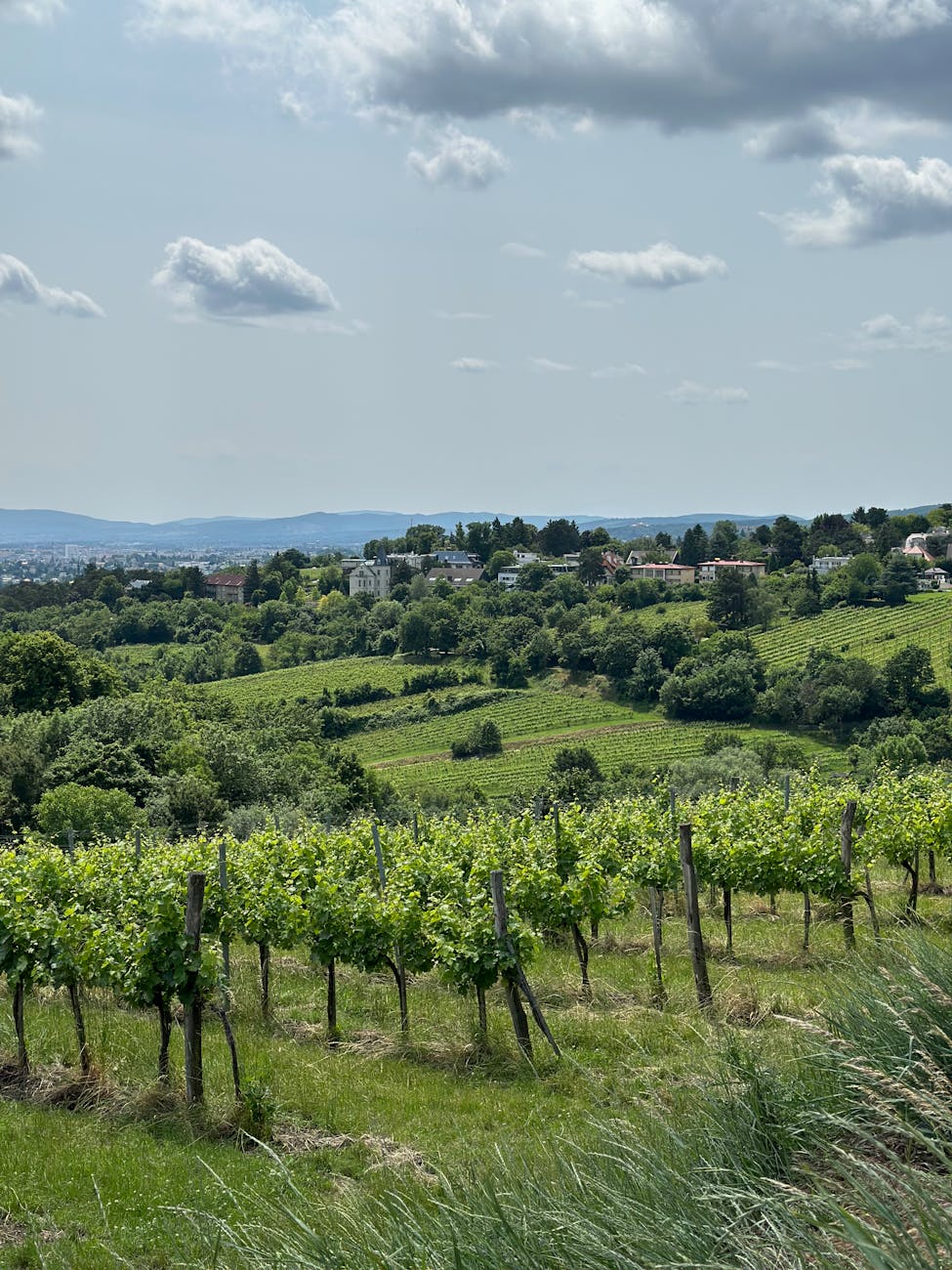
- Food: Favor Naschmarkt stalls, neighborhood coffeehouses, and small heuriger (wine taverns) in Grinzing for authentic meals that keep money in the local economy.
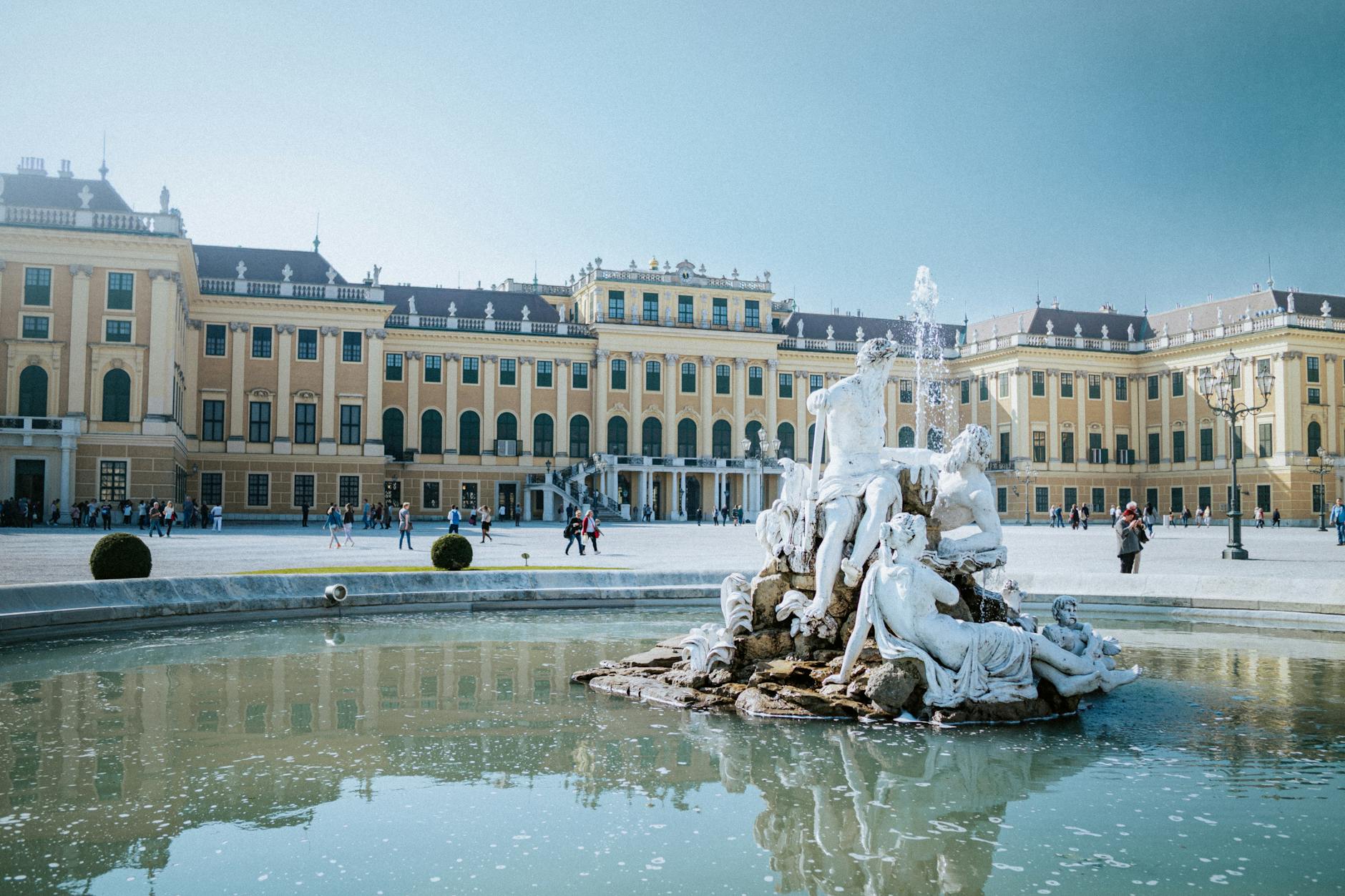
- Attractions: Reserve timed-entry popular sites like Schönbrunn Palace online to avoid queues. Mix paid museums with free strolls through MuseumsQuartier and the Ringstraße architecture.
- Day trips: Bratislava is the cheapest, easiest day trip by train or boat (about an hour). For Salzburg or Graz, book early with ÖBB/Westbahn for discount fares.
Practical booking tip: for short stays, prioritize location over star rating—less transit time often saves both money and fatigue.
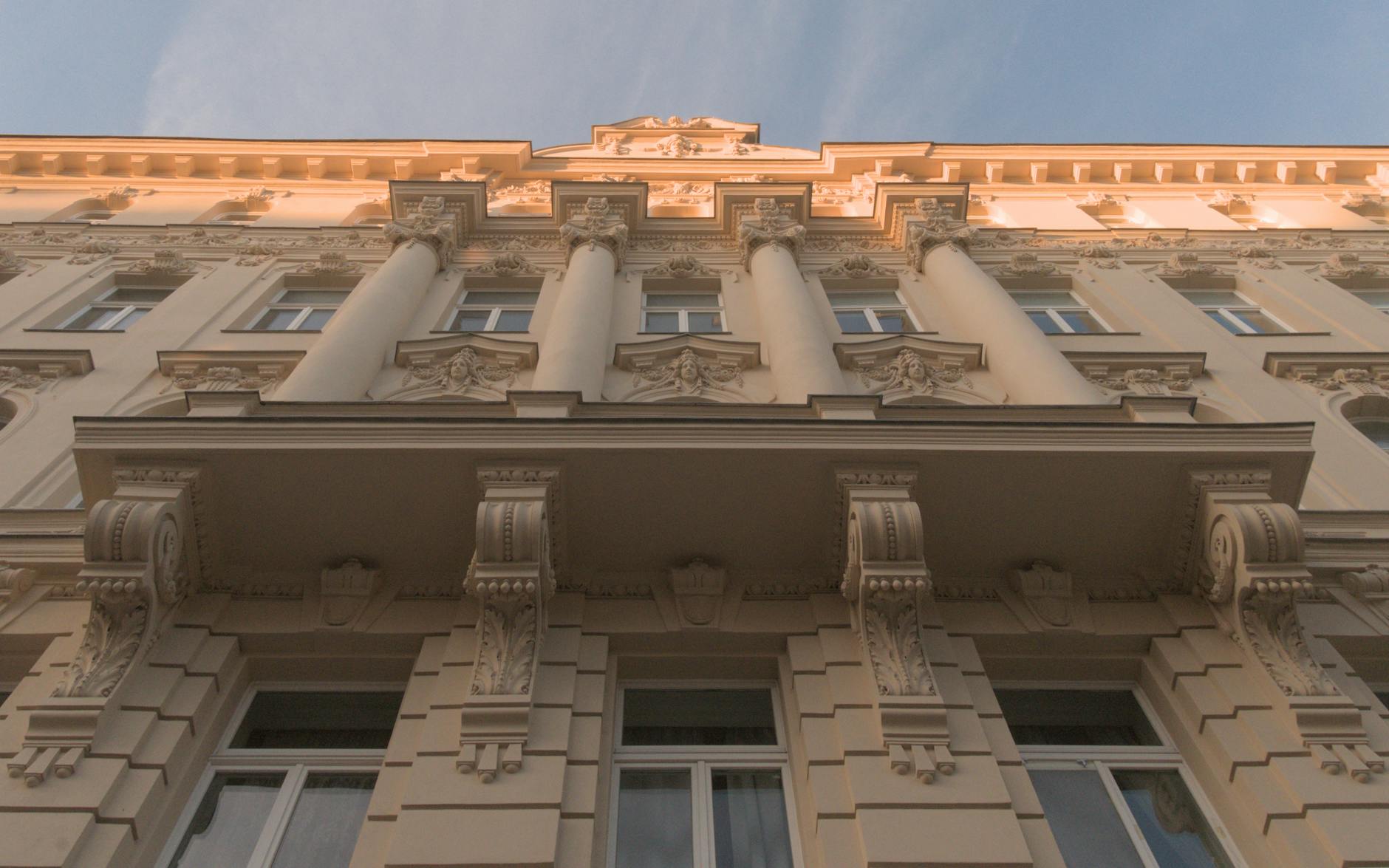
Local Context
Neighborhoods and travel reality:
- Innere Stadt: Tourist heart with easy walking access to top sights; expect higher prices and quieter evenings (residents value calm).
- Neubau and Mariahilf: Creative, good cafes, galleries, and reasonably priced private apartments — a good base for midrange travelers.
- Leopoldstadt and Landstrasse: Faster tram and U-Bahn connections, better value hotels, family-friendly parks like Prater.
- Schönbrunn area: Convenient for palace visits but quieter at night; consider it if gardens and a relaxed morning are priorities.
Seasonality and crowds:
– Shoulder seasons (Apr–May, Sep–Oct) balance lower prices and fewer crowds.
– Summer (Jun–Aug) is busiest; book accommodation and key attractions in advance.
– Winter (Dec–Feb) can be cheaper for accommodation but expect short daylight hours and some attractions with reduced hours.
Transport realities:
– Vienna’s U-Bahn, trams, and buses run on a unified ticket system. Machines, apps, and tobacco shops sell tickets; validators are required only for some modes and always for buses/trams when boarding without a station machine.
– Taxis are safe but more expensive than public transport. Bike-share and walking are excellent for central neighborhoods.
Local etiquette:
– Keep noise low on trams and in residential areas.
– Simple German greetings are appreciated (Guten Tag, Danke).
– Tipping is polite: around 5–10% in restaurants or by rounding up; small change for cafés is fine.
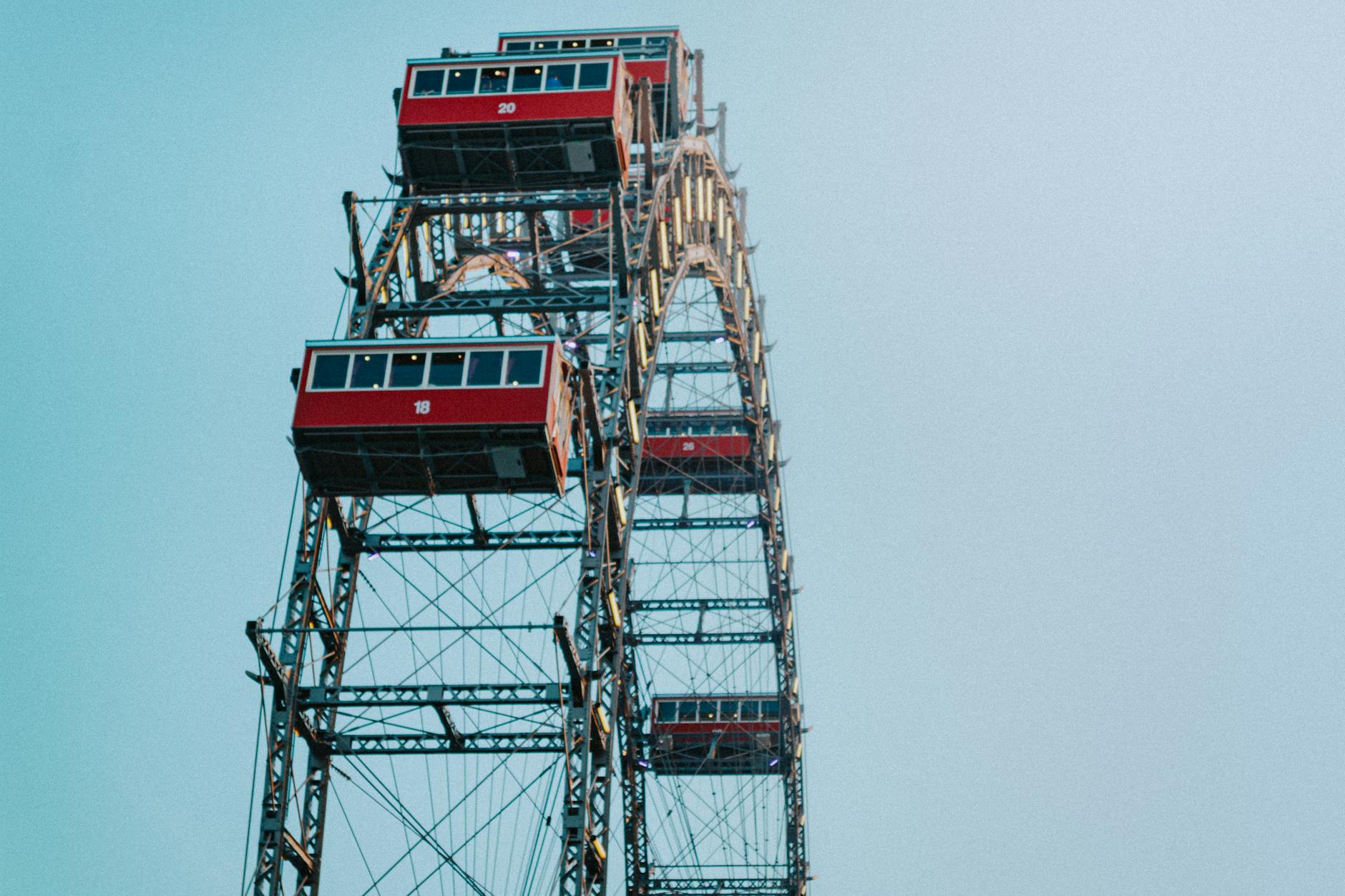
How to Choose Well
Decide based on three practical questions:
1) How much time will you spend in transit versus exploring?
– If you plan many museum visits and transfers, buy a multi-day transport pass.
– If you’ll mostly walk a compact 3-day route (use our 3 days in Vienna guide), single tickets plus a few short rides may be cheaper.
2) Do you prioritize mornings in a calm neighborhood or late nights close to restaurants?
– For quiet mornings choose Schönbrunn or Landstrasse; for evening life choose Neubau or Mariahilf.
3) Are day trips a priority?
– Bratislava is cheap and fast; Budapest and Salzburg need longer travel time and should be budgeted for train fares and a full day.
Booking advice:
– Compare ÖBB, Westbahn, and FlixTrain for intercity fares; book early for best prices.
– For accommodation, filter for places with small kitchens if you want to save on meals by cooking a few times.
Responsible and Local-First Tips
Spend to benefit local businesses and reduce impact:
- Eat local: choose family-run heuriger, market stalls at Naschmarkt, and coffeehouses that source Austrian goods.
- Shop local: buy at small bakeries, independent shops in Neubau, and seasonal farmers’ markets.
- Transport: prefer walking, tram, U-Bahn, or bike-share over taxis. Use regional trains for day trips instead of short-haul flights.
- Low-impact stays: consider smaller guesthouses or eco-certified hotels; avoid air-conditioning-heavy options when possible.
- Avoid over-touristed patterns: spread visits across mornings and late afternoons, and include free or low-cost community activities like neighborhood walks or park visits.
Support local guides and small businesses by booking directly where possible and leaving specific, constructive reviews that help others find authentic experiences.
Common Mistakes to Avoid
Typical budget errors and how to avoid them:
- Overpaying for central hotels without saving transit time: calculate transit time savings; cheaper neighborhoods can be quicker if U-Bahn lines are nearby.
- Buying the wrong transport ticket: estimate the number of single trips before choosing a day pass.
- Ignoring discounted train fares: book ÖBB/Westbahn early for intercity trips to Salzburg, Graz, Innsbruck, or Budapest.
- Dining only in tourist strips: walk a few blocks off the main routes to find better prices and local food.
- Not checking opening hours seasonally: some museums and gardens have reduced hours in winter—check in advance.
Small planning steps—charging a local transit app, reserving timed-entry sites—save time and money on short trips.
FAQ
Is Vienna expensive compared with other European capitals?
Vienna sits in the mid-to-high range for Europe. You can manage a low daily budget with hostels, market food, and walking; midrange travelers will find good value in pensions and local eateries.
Which transport pass should I buy for a 3-day stay?
If you plan to use public transit multiple times per day and visit several outlying sites, a 48- or 72-hour Wien pass is usually best. If you’ll mainly follow a compact 3-day walking route with one or two rides, individual tickets and a short supplement may be cheaper. Check the Wiener Linien app for up-to-date pricing.
How do I budget for day trips to nearby cities like Bratislava and Budapest?
Bratislava is the cheapest and fastest (~1 hour by train/boat). Budapest and Salzburg require longer travel and higher fares—book ÖBB or Westbahn in advance for discounts. Factor in a full day for each farther city when using a short Vienna itinerary.
Are credit cards widely accepted?
Yes—cards are commonly accepted in hotels, restaurants, and shops, but carry small change for markets, small cafés, tips, and some tram ticket vendors.
How much should I tip in restaurants and cafés?
Tipping is modest: round up or add about 5–10% for table service. For small cafés and takeaway, leaving a couple of euros is fine.
Any quick sustainable money-savers?
Walk or use tram/U-Bahn, eat at markets and family-run places, and book regional trains instead of tours that use buses when possible.
Conclusion
Vienna can be budget-friendly with a little planning. Choose a neighborhood that reduces transit time, mix markets and cafés with a few paid attractions, and use public transport or bikes for low-impact travel. Use this page to refine costs for your 3 days in Vienna itinerary and to judge which nearby day trips fit your schedule and wallet. Small, local-first choices improve the experience and direct your money to where it helps the city most.
Plan the Rest of Your Trip
This page works best alongside the main itinerary and the other planning pages for Vienna.