
Rome Travel Budget: Practical Costs, Savings, and Low-Impact Choices
Practical budget guidance for 3 days in Rome: realistic daily costs, neighborhood choices, transport passes, sustainable tips, and affordable day trips to Orvieto, Assisi, Perugia, Cortona and Ischia.
Typical per-person budgets (per day):
– Shoestring: €50–€75 — hostel or budget B&B, one cheap meal out, public transport, mostly free sights.
– Midrange: €120–€220 — 2–3-star hotel or private apartment, mix of casual restaurants and a couple of paid attractions.
– Comfortable: €250+ — central hotel, several paid tours, taxis or private transfers.
Key saving moves: walk the historic center, use regional trains for day trips, book timed Vatican and Colosseum tickets in advance, and eat at markets and family-run trattorie rather than tourist traps.
This page gives focused, practical budget guidance you can use alongside our main 3 days in Rome itinerary. It breaks down daily costs, neighborhood tradeoffs, transport realities, and low-impact options for food and sightseeing. Use it to pick the right accommodation, decide which timed tickets to buy, and plan affordable day trips to nearby towns such as Orvieto, Assisi, Perugia, Cortona and Ischia.
What This Page Helps You Decide
Decisions you can make after reading:
– Which neighborhood gives the best value for a 3-day stay (see Monti, San Lorenzo, Prati, Trastevere, Testaccio).
– Whether to buy a transport pass or single tickets for your schedule.
– Which attractions to prebook and which free options to include.
– Which nearby towns make practical, sustainable day trips by regional train and when to choose them over pricier excursions.
It’s designed to be a quick companion to the 3 days in Rome guide, not a replacement for that itinerary’s day-by-day plan.
Top Recommendations
Where to save and where to spend:
– Stay: Monti (central, good budget options), San Lorenzo (student scene, cheap eats), Prati (calmer near Vatican), Testaccio (food-focused and less touristy).
– Transport: single ticket €1.50 for 100 minutes, 24‑hour pass ~€7, 48‑hour ~€12.50, 72‑hour ~€18 — choose by how many trips you plan each day.
– Book: timed-entry for the Colosseum/Forum and the Vatican Museums well in advance to avoid long queues; small group or skip-the-line options add cost but save hours.
– Eat: breakfast at a bar (coffee and cornetto), market lunches at Mercato Trionfale or Testaccio, dinner at neighborhood trattorie away from tourist squares.
– Day trips: Orvieto and Cortona are efficient by regional train; Assisi and Perugia are doable but slightly longer; Ischia requires train+ferry and is best for an overnight stay.
Local Context
Season and crowd patterns: peak season is June–August and Holy Week; shoulder seasons (April–May, September–October) give better value and cooler walking weather. Winter is cheapest but some small businesses close.
Transport realities:
– Rome’s metro has three lines and doesn’t reach every central spot; walking often beats changing lines.
– Buses cover more areas but can be slow in traffic; validate tickets on boarding.
– Regional trains from Termini or Tiburtina connect to Orvieto, Perugia, and Cortona.
Local etiquette and practicalities:
– Dress respectfully in churches (shoulders and knees covered) and be quiet inside sacred spaces.
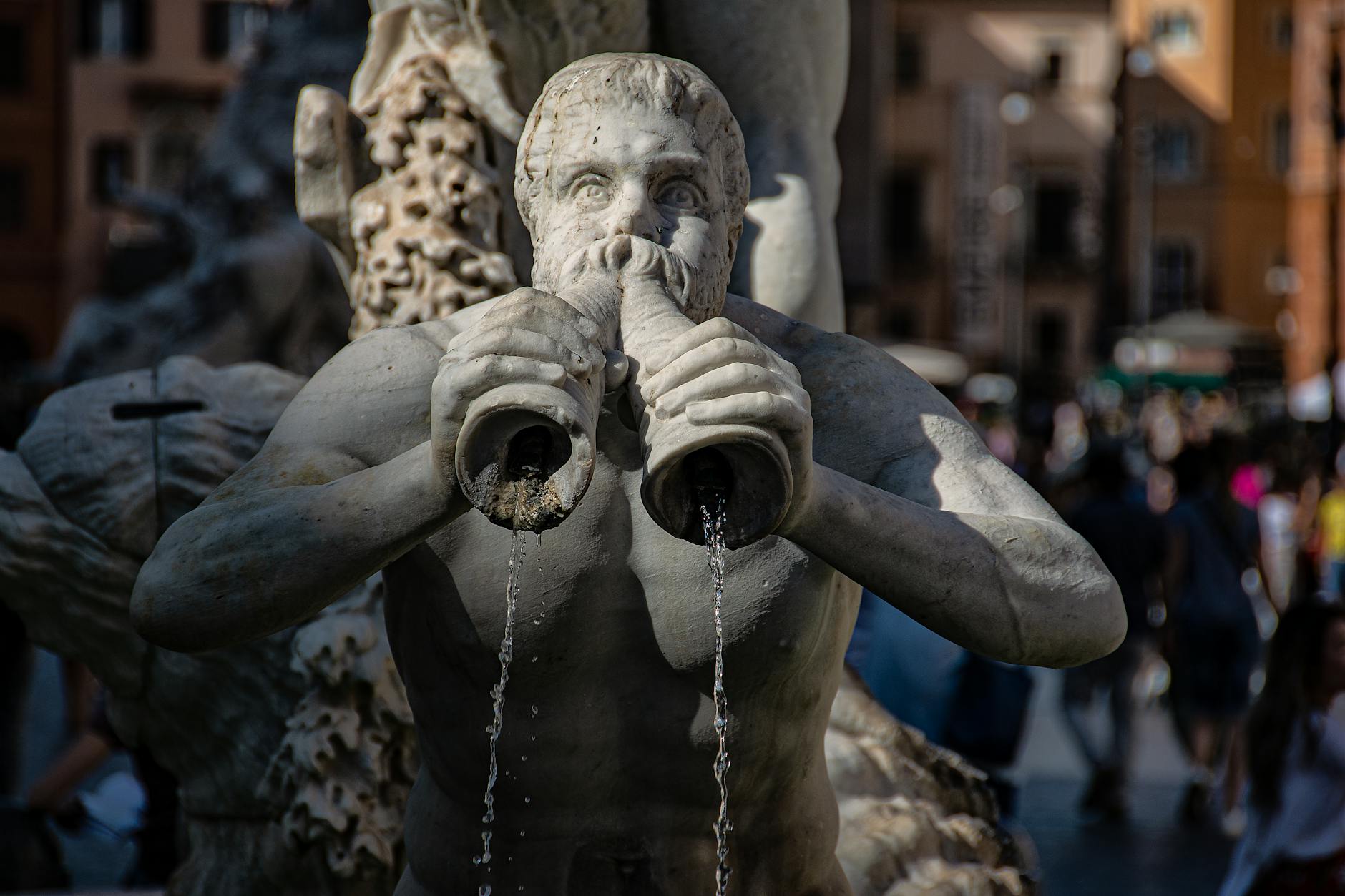
– Use public water fountains (nasoni) to refill bottles and save money.
– Watch for pickpockets in crowded areas like Termini, the Colosseum, and on buses.
How to Choose Well
Choose accommodation by what you value most:
– For lowest cost and nightlife: San Lorenzo (near Tiburtina/Termini).
– For walking distance to main sights and evening atmosphere: Monti or Trastevere.
– For family or quieter stays close to the Vatican: Prati.
When deciding passes and tickets:
– For a 3-day stay, calculate whether 24–72h transport passes pay off versus pay-as-you-go; if you plan many museum entries, compare individual ticket prices with a city cultural pass.
– Book Vatican and Colosseum timed tickets online; guided tours make sense if you prefer context and shorter queues.
Pick day trips based on travel time and sustainability: prefer direct regional trains over organized coach tours when possible to support local rail and small businesses at your destination.
Responsible and Local-First Tips
Support the local economy and reduce impact:
– Eat where Romans eat: small family-run trattorie, bakeries, and market stalls. Look for daily specials (menu del giorno).
– Take regional trains instead of airport shuttles or long transfers for day trips; they keep money in local economies.
– Buy locally made food, wine, or ceramics from small vendors rather than mass-market souvenirs.
– Avoid peak-times and large tour groups at fragile sites; visit early morning or late afternoon to spread your footprint.
– Use a refillable bottle and public fountains; bring comfortable shoes to keep walking instead of short taxi trips.
Common Mistakes to Avoid
Avoid these frequent budget and planning errors:
– Underestimating walking times: the historic center is compact but sights are spaced and streets are uneven.
– Waiting to buy Colosseum or Vatican tickets on the day — lines can cost you hours.
– Staying in Termini without checking street-level reviews — it’s convenient but noisy; compare with nearby Monti or San Lorenzo for value.
– Overbuying city passes that you won’t use; calculate realistically based on the 3 days.
– Paying for taxis for short trips that are an easy walk or a €1.50 public transport ride away.
FAQ
How much should I budget per day for a thrifty 3-day Rome trip?
Plan €50–€75 per person per day as a realistic thrifty budget: dorm or budget B&B, two inexpensive meals, coffee at the bar, public transport and mostly free sights.
Is the Roma Pass worth it for a 3-day stay?
It depends. If you plan multiple paid museum entries and use public transport frequently, a 48–72 hour Roma Pass can save money and include skip-the-line benefits. If you only do one paid attraction and walk a lot, individual tickets may be cheaper.
Where are the cheapest places to eat without sacrificing quality?
Try market stalls (Mercato Trionfale, Testaccio), pizza al taglio shops, small family-run trattorie in Monti or Testaccio, and lunchtime menu del giorno specials in non-tourist streets.
Can I do Orvieto, Assisi, Perugia, Cortona, or Ischia as day trips from Rome?
Orvieto and Cortona are efficient by regional train for day trips. Perugia and Assisi are doable but require earlier departures and later returns. Ischia requires train to Naples + ferry and is best as an overnight to avoid rushed travel.
Conclusion
Balance comfort and impact: choose a neighborhood that reduces daily transit, prebook the few big-ticket tickets, and spend intentionally on food and experiences that support local businesses. Use this page alongside the 3 days in Rome itinerary to lock in reservations, pick the best transport pass for your schedule, and add one sustainable day trip to nearby Orvieto or Cortona. Small choices—walking more, buying from markets, and timing visits—sharply improve both your budget and the local benefit of your trip.
Plan the Rest of Your Trip
This page works best alongside the main itinerary and the other planning pages for Rome.