

Getting Around Rome — Practical, Sustainable Transport for a 3-Day Visit
How to move around Rome efficiently and responsibly: walking, metro, buses, trams, taxis, regional trains for day trips (Orvieto, Assisi, Perugia, Cortona) and ferry options for Ischia. Tips on passes, ZTLs, local etiquette, booking, and low-impact choices to support local businesses.
Walk where you can: central Rome is compact and richest at street level. For longer hops use the metro (Lines A and B), trams or buses; validate tickets before boarding. For day trips, regional Trenitalia/Italo trains from Termini or Tiburtina reach Orvieto, Perugia and Cortona; Assisi is best via Perugia or direct regional links; Ischia requires a train or bus to Naples and a ferry. Avoid renting a car in Rome proper because of ZTLs, parking scarcity and fines. Prefer regional trains and ferries over flights for lower-impact day trips.
Quick checklist:
– Wear comfortable shoes for walking cobbles and alleys.
– Validate paper or digital transit tickets—machines and app validation are enforceable.
– Prebook high-demand site entries (Colosseum, Vatican) and intercity trains for peak dates.
– Use local guides and neighborhood businesses to spread your spending beyond the historic core.
This page is a compact, practical companion for the main 3 days in Rome itinerary. It focuses on moving between major sites, choosing a sustainable base neighborhood, and planning trusted day trips to Orvieto, Assisi, Perugia, Cortona and Ischia. Expect clear transport choices, local realities like ZTLs (restricted-traffic zones), ticket validation, and seasonal tips to make the most of your time while supporting small, local businesses.
What This Page Helps You Decide
This page helps you make concrete choices for a short stay:
- Where to base yourself for the '3 days in Rome' itinerary (tradeoffs between walkability and transit access).
- When to walk versus taking public transport or a taxi.
- Which transport pass or single tickets make sense for your schedule.
- How to plan sustainable day trips to Orvieto, Assisi, Perugia, Cortona and Ischia.
- When to prebook transfers, tickets, and guided neighborhood experiences to avoid crowds and support local guides.
Top Recommendations
1) Base choices: pick Centro Storico, Trastevere, Monti or Prati for walking access to most sights. Choose Termini or Tiburtina if you prioritize early trains for day trips.
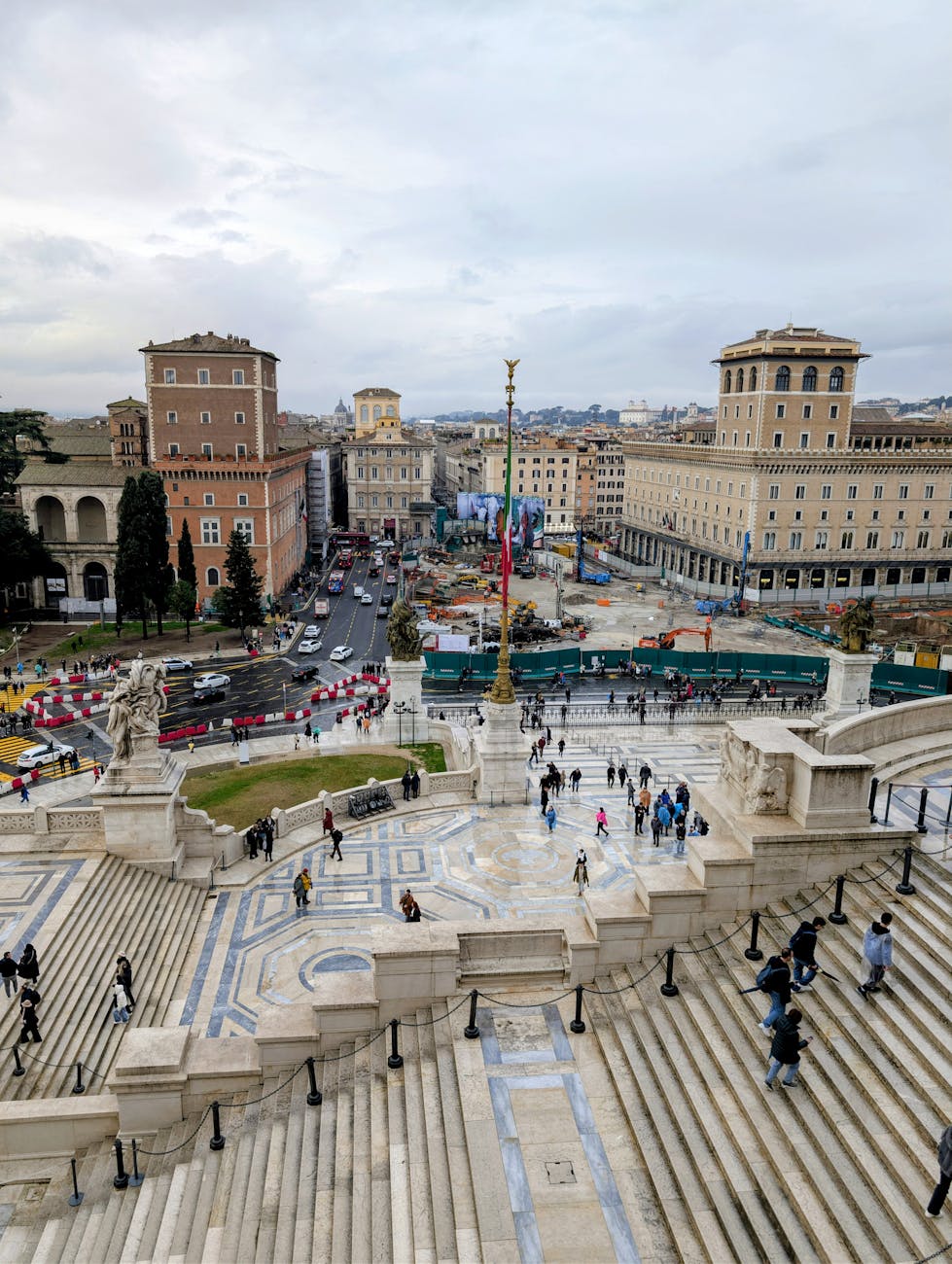
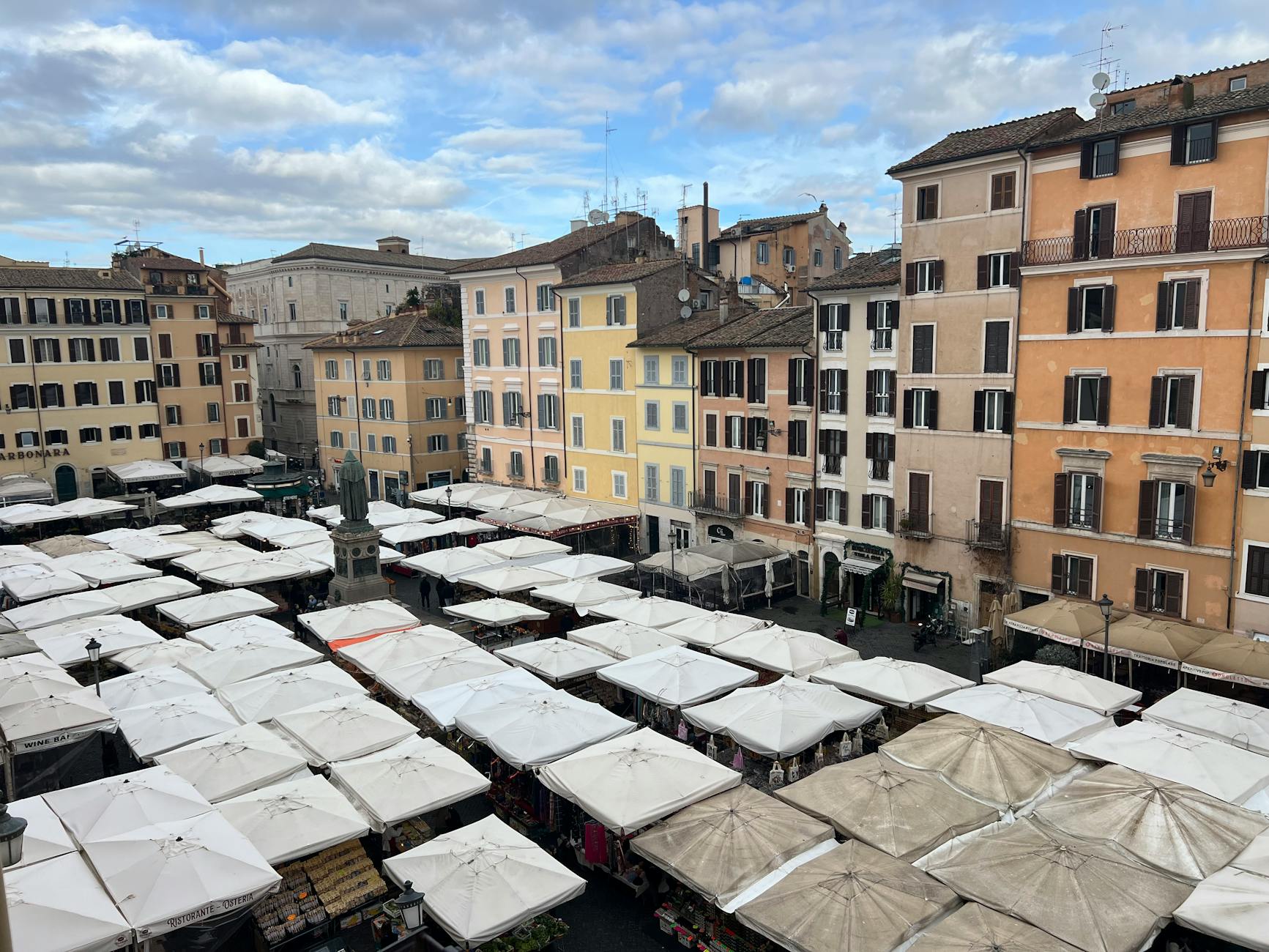
2) Walk first: many highlights are best explored on foot—Pantheon, Campo de' Fiori, Piazza Navona, narrow lanes of Monti and Trastevere.
3) Use public transit for longer distances: metro for fast cross-city travel; buses/trams for scenic surface routes (trams are useful across eastern and southern stretches).
4) Day trips: use regional trains to Orvieto (~1–1.5 hrs from Termini/Tiburtina), Perugia/Cortona via direct regional services or a short connection; reach Ischia via Naples (train + ferry). Book Trenitalia or Italo in advance on busy dates.
5) Airport transfers: Leonardo Express is the direct Fiumicino–Termini service; FL1 regional trains and private shuttle buses are lower-cost alternatives. From Ciampino use buses or prearranged transfer; taxis have set fares from airports to city center—confirm current rates.
6) Sustainable choices: choose local guesthouses, take guided walking tours with certified local guides, use refillable water bottles at Rome's public drinking fountains (nasoni).
Local Context
Rome is layered: ancient ruins meet dense residential neighborhoods. Expect narrow, often uneven pavements and many ZTLs that restrict car access to historic centers—camera enforcement is common and fines are automatic.
Seasonal patterns:
– Spring (April–June) and autumn (September–October) offer pleasant walking weather and fewer extreme crowds than midsummer.
– July–August can be hot and crowded; plan early starts and indoor breaks.
– Winter is quieter but some smaller businesses may reduce hours.
Transport realities:
– Metro is fast but limited: three lines serve many sites, but many attractions are off-line and require short walks or buses.
– Buses/trams are extensive but can be slower in traffic; use them for direct links where the metro doesn't reach.
– Night bus network covers after-metro hours; check schedules, as frequency falls late at night.
Local etiquette:
– Dress respectfully for churches (cover shoulders and knees).
– Keep voices moderate on public transport and avoid eating on metro cars during peak hours.
– Tip modestly for table service; round up for taxis if service is helpful.
How to Choose Well
Decide by priorities and constraints:
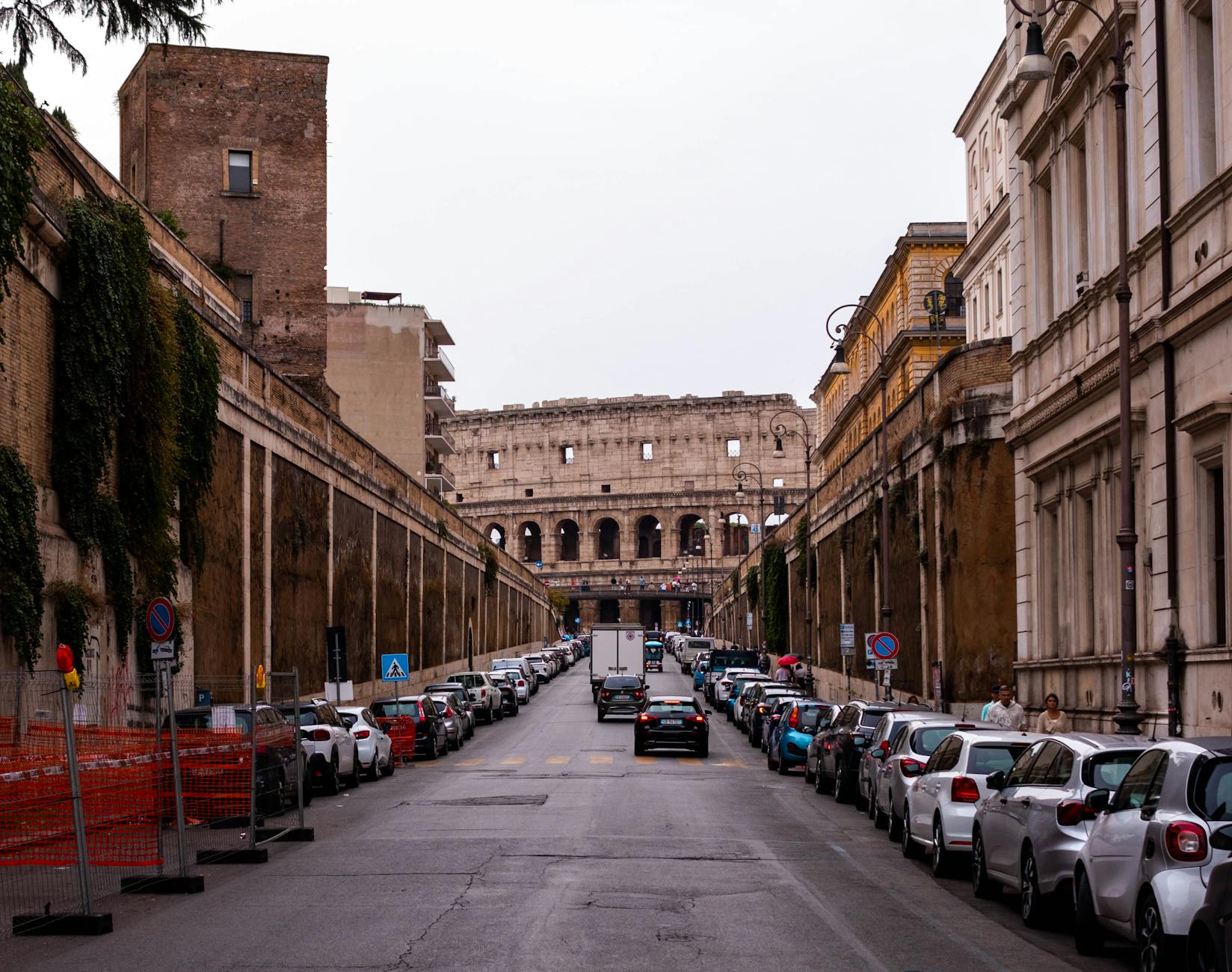
- If your days are packed with sightseeing (as in the 3 days in Rome plan), prioritize a neighborhood within 20–30 minutes' walk of the Colosseum, Pantheon and Vatican to reduce transit time.
- If you plan several day trips, prioritize proximity to Termini or Tiburtina for early regional trains.
- For a low-impact stay, choose smaller B&Bs, family-run guesthouses, or locally owned hotels—this keeps expenditures in the neighborhood economy.
Practical booking advice:
– Reserve Colosseum, Vatican Museums and Borghese Gallery tickets in advance; skip-the-line options from official sites are best.
– Book intercity or regional train seats for holidays and weekends; regional trains may not require seat reservations but can fill up.
– Check live transit apps (ATAC, Trenitalia, Google Maps) the morning of travel for strikes or schedule changes—Rome has occasional service disruptions and scheduled maintenance.
Responsible and Local-First Tips
Support neighborhoods and reduce footprint:
- Eat and shop locally: pick neighborhood trattorie, bakeries and markets (Campo de' Fiori market, Testaccio market) rather than chains.
- Use public transport and regional trains for day trips instead of flights; when possible, combine nearby towns into one trip to reduce repeated long journeys.
- Choose certified local guides or small-group walking tours led by resident guides; tip and book directly with them when feasible.
- Reduce single-use plastics: bring a refillable bottle—the city has abundant public drinking fountains (nasoni).
- Respect residential rhythms: avoid loud group behavior in quiet neighborhoods after 10pm and follow posted rules for scooter and bike parking.
Common Mistakes to Avoid
- Driving into the historic center without checking ZTL signs — camera fines are real and can take months to arrive.
- Boarding buses without validating your ticket. Yellow/green validation machines and app validation are mandatory.
- Underestimating walking time between sites—Rome's scale and pedestrian congestion mean short distances often take longer than they look.
- Relying only on taxis at peak times—radio-free taxis can be scarce and surge pricing or long waits will apply.
- Booking intercity trains at the last minute during holidays—trains to Orvieto, Perugia and coastal ferries to Ischia sell out on high season weekends.
- Treating scooters as a shortcut in crowds—avoid sidewalk riding and park in designated areas to respect neighbors and pedestrians.
FAQ
What’s the easiest way from Fiumicino Airport to central Rome?
The Leonardo Express is the fastest direct train to Termini (no stops). Cheaper options include FL1 regional trains to Tiburtina and buses to Termini or city center. Choose based on which station or neighborhood you need; if you have lots of luggage, a prebooked airport transfer can save time.
Do I need a Roma Pass or other transport pass?
It depends. If you plan heavy public transport use and museum entries, a Roma Pass or integrated transport pass can be convenient. For a short 3-day visit focused on walking plus a few train rides, single tickets or a 48-hour pass may be enough. Compare current prices and what cultural access each pass includes before buying.
How do I get to Orvieto, Assisi, Perugia, Cortona and Ischia from Rome?
Orvieto: regular regional trains from Termini/Tiburtina; journey ~1–1.5 hours. Perugia and Cortona: regional connections, sometimes via direct lines; Cortona is often reached via Camucia station. Assisi: reachable by train via Foligno or Perugia bus connections. Ischia: take a train or bus to Naples (Napoli Centrale), then a ferry from either Molo Beverello or Pozzuoli. For each, book intercity or regional services in advance for busy dates and check last-mile bus or shuttle schedules for hilltop towns.
Is Rome safe to walk at night?
Central Rome is generally safe for pedestrian evenings, but stay in well-lit, populated streets, keep valuables secure, and choose licensed taxis late at night. Use common-sense precautions against pickpockets in tourist areas and on crowded transport.
Can I rely on bike and scooter sharing?
Bike lanes exist but are not continuous across the city; e-scooters are widespread. If you choose them, follow traffic rules, wear a helmet where possible, and park in designated spots. Avoid scooters in very crowded or uneven-pavement areas.
Where can I store luggage for a few hours after check-out?
Stations such as Termini and many private lockers or luggage services in the historic center offer short-term storage. Use official station services or trusted private providers and check opening hours in advance.
Conclusion
Choose walking-first for the heart of Rome, add metro/tram for efficient hops, and use regional trains and ferries for nearby day trips. Book key museum entries and intercity trains ahead, avoid driving into ZTLs, and favor neighborhood businesses and local guides to keep your visit sustainable and rewarding. For concrete daily timing and routes that match these transport choices, see the companion '3 days in Rome' itinerary and the linked day-trip notes for Orvieto, Assisi, Perugia, Cortona and Ischia.
Plan the Rest of Your Trip
This page works best alongside the main itinerary and the other planning pages for Rome.