
Paris on a Budget: Practical Costs, Neighborhood Picks, and Low-Impact Choices
A compact, practical budget guide to Paris that supports a 3-day itinerary with neighborhood picks, realistic daily cost estimates, sustainable tips, and smart booking advice for day trips to Reims, Rouen, Amiens, Le Havre and Orléans.
If you want a short bottom line for budgeting a 3-day visit:
- Daily budget (excluding accommodation): plan €50–€90 for a frugal traveler; €100–€200 for a comfortable mid-range traveler who dines out and pays for a few attractions.
- Accommodation: hostels and budget hotels are common in 10th, 11th, and parts of 18th and 19th arrondissements; expect lower prices in shoulder seasons (April–May, September–October).
- Transport: mix walking, Vélib' bike-share, and metro; buy multi-ride tickets or short-term passes that match your length of stay.
For itinerary-specific cost trade-offs (what to skip, where to book timed tickets) see the linked 3-day Paris guide.
This page gives practical, local-first advice to keep costs down in Paris while still seeing key sights and supporting neighborhood businesses. It's built as a companion to the main 3-day Paris itinerary so you can plug cost-saving choices into each day without losing the flow of the schedule.
Read this before you pick hotels or book museum time slots. The goal: spend smarter (markets, bakeries, bike rides), travel lighter (walk and use transit), and keep money in small cafés, markets and independent shops.
What This Page Helps You Decide
This support page helps you choose:
- Where to base yourself for efficient access to your 3-day plan (neighborhood pros and cons).
- Which transport pricing option saves the most given your planned museum visits and day trips.
- When to book timed-entry tickets (Eiffel, major museums, day trains) and when to choose free or low-cost alternatives.
- Which day trips from Paris make sense for a budget traveler (Reims, Rouen, Amiens, Le Havre, Orléans) and roughly how long trains take.
It does not replace the main 3-day itinerary; instead it gives the cost and local-context choices you’ll use while following that plan.
Top Recommendations
Practical moves that deliver savings and authentic experiences:
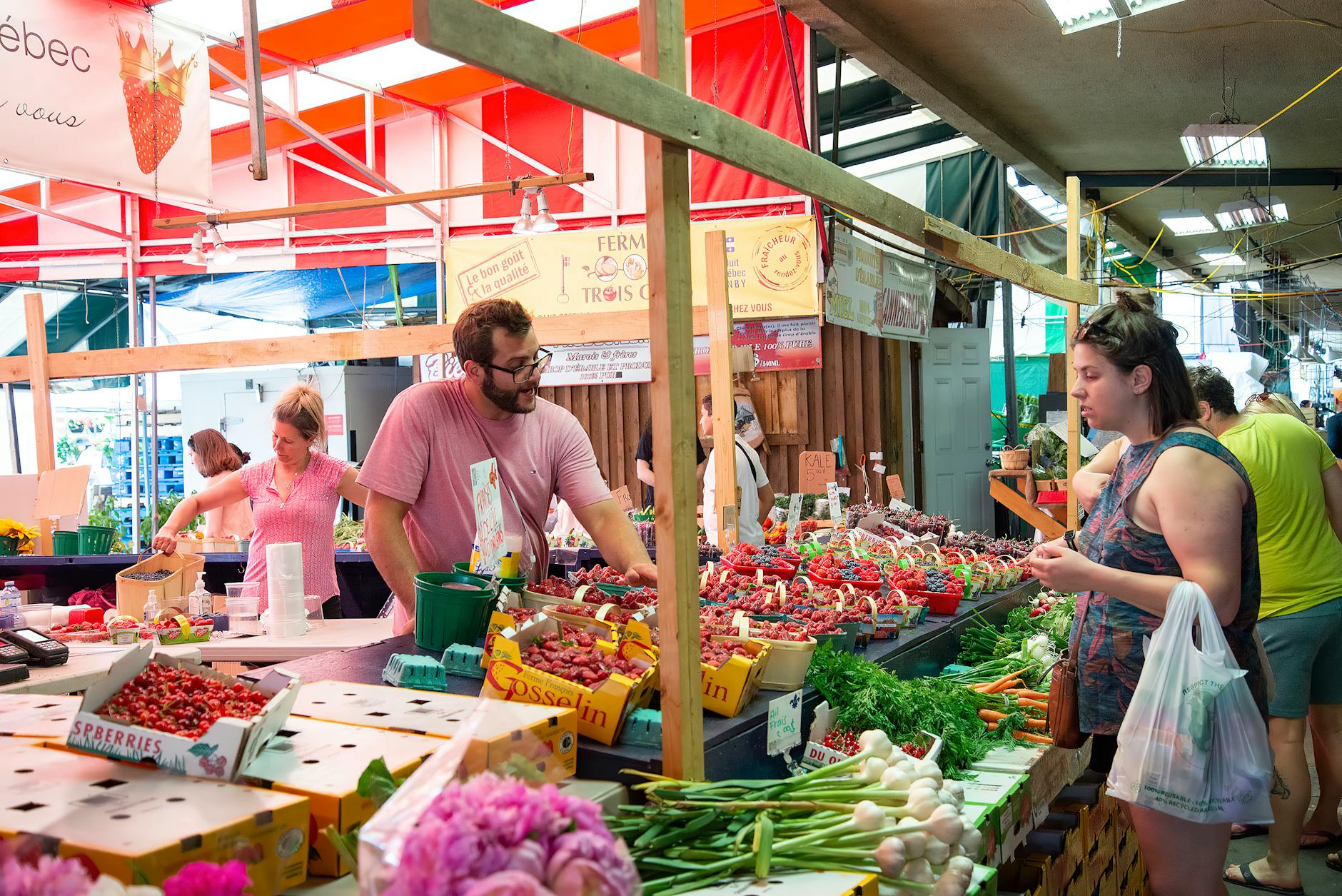
- Eat like a local: breakfast from a boulangerie, picnic from Marché d'Aligre or Marché des Enfants Rouges, prix-fixe lunches in bistros around the Latin Quarter or Canal Saint-Martin.
- Base yourself near a well-connected metro line: 3rd–4th (Le Marais), 5th (Latin Quarter), 10th–11th (Canal Saint-Martin / Bastille) balance price, nightlife and transit.
- Walk and bike: central Paris is compact; many sights in the 1st–7th arrondissements are within walking distance and Vélib' or walking saves on short metro rides.
- Time big-ticket visits: reserve Eiffel Tower and Musée d’Orsay slots in advance for controlled entry; choose one paid museum per day and fill other time with low-cost gardens, markets and walking tours.
- Consider a single day trip: Reims for Champagne houses (45–60 min TGV), Rouen for Gothic architecture (~1–1.5 h), Amiens for its cathedral and hortillonnages (~1–1.5 h), Le Havre for the coast (~2 h), Orléans for Loire access (~1–1.5 h).
These choices keep costs predictable while supporting neighbourhood cafés and markets.
Local Context
Seasonality and neighborhood character that affect budget and experience:
- Shoulder seasons (April–May, September–October) offer lower prices than July–August, better light for photos, and fewer crowds—good for a relaxed 3-day schedule.
- Neighborhood notes:
- Le Marais (3rd–4th): central, walkable, mid-range hotels, many small shops—great for markets and museums.
- Latin Quarter (5th): lively, student-oriented, good prix-fixe lunches and bookshops.
- Canal Saint-Martin / 10th–11th: more affordable cafés and nightlife; good for budget accommodation.
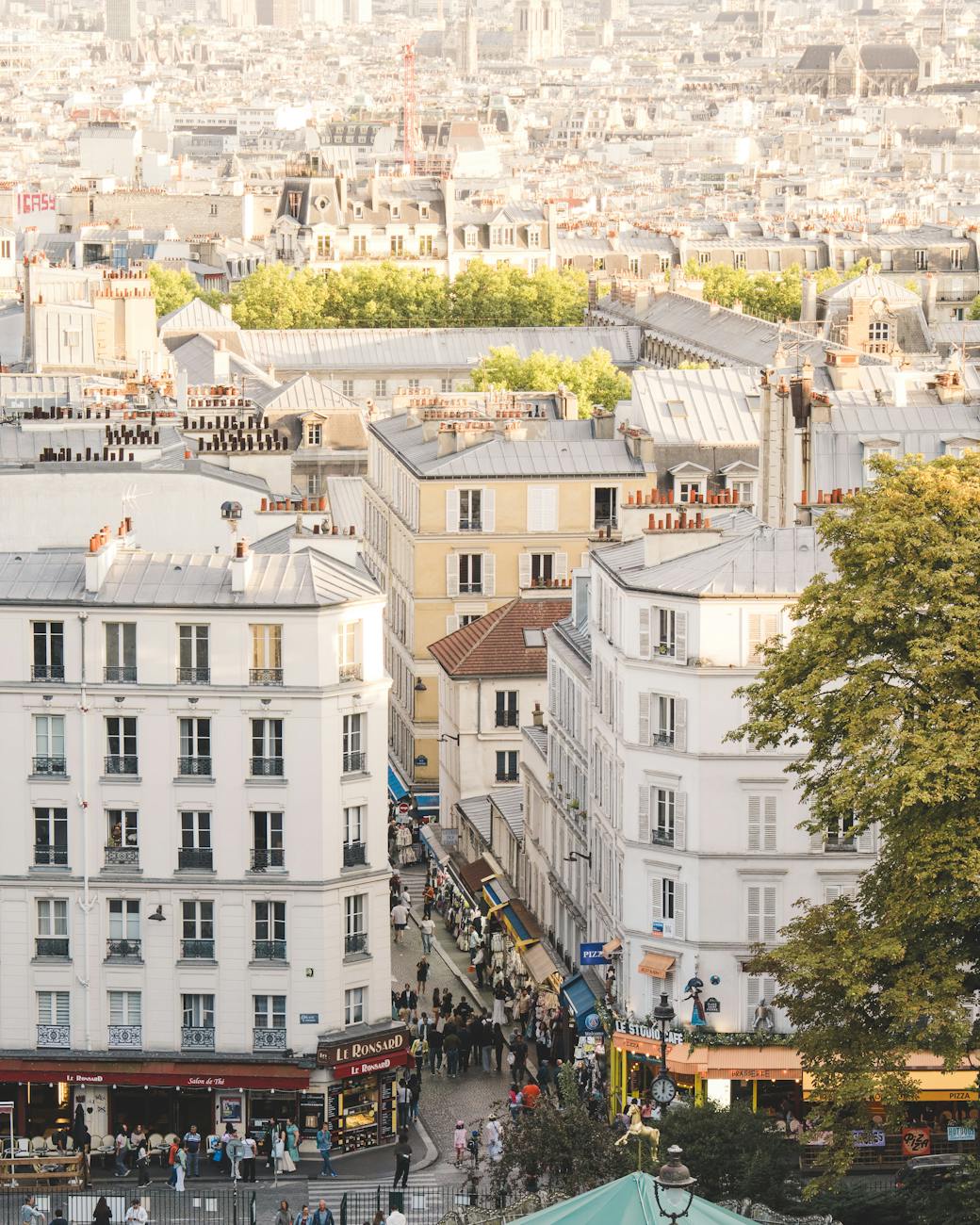
- Montmartre (18th): photographic views but steeper streets and tourist prices near Sacré-Cœur.
- 19th (Buttes-Chaumont): parks and quieter, often better-value stays for families.
- Transport reality: Paris is served by dense metro lines; many stations have stairs and limited elevator access. Avoid overestimating taxi availability or speed during rush hours.
- Etiquette: queue politely at boulangeries and counters, ask before photographing vendors, and keep noise low in residential streets after 10 p.m.

How to Choose Well
Decision checklist for budget-conscious travelers:
- Accommodation: choose proximity to a direct metro line over a cheaper but isolated hotel; save time and money on transport.
- Transport ticketing: estimate how many single trips you’ll take. If you plan many trips in a day, a multi-ride pack or short pass usually wins. For stays of 5–7+ days, a weekly pass can be economical—compare your trip plan to ticket prices before buying.
- Attractions: pick one or two paid museums per day. Free alternatives: Jardin des Tuileries, Luxembourg Gardens, Seine riverside walks, and some small free galleries.
- Eating: prioritize local markets and neighborhood bistros for mid-day meals; reserve splurge dinners only where you want the experience—book ahead for popular restaurants.
- Day trips: pick just one day trip to avoid wasting a full day on trains. Reims for Champagne tasting, Rouen or Amiens for cathedral city stops that are quick and rewarding by regional train.
Responsible and Local-First Tips
Small choices that help local businesses and reduce impact:
- Spend at markets and corner bakeries rather than international chains.
- Prefer small guesthouses, family-owned hotels or B&Bs when possible.
- Use low-impact transport: walk, take the metro, or use Vélib' for short hops. Combine walking routes suggested in the 3-day guide with transit to reduce taxi use.
- Bring a reusable bottle and refill at public fountains or cafés that allow refills; avoid one-use plastics.
- Choose guided experiences run by local guides or cooperatives for neighborhood walks and food tours so profits stay local.
- Be mindful in fragile spaces—respect signage at historic sites and stay on marked paths in parks.
Common Mistakes to Avoid
Frequent budget traps and how to dodge them:
- Overbuying passes: don’t purchase an expensive multi-day museum pass unless you’ll use multiple paid entries per day.
- Ignoring walking distance: a “cheap” hotel far from the center can cost more in time and transit than it saves in money.
- Last-minute dining: skipping reservations for popular mid-range bistros can force expensive tourist traps.
- Trying to see too much: the main 3-day guide paces top sights; compressing more into the same hours reduces enjoyment and increases taxi use.
- Assuming trains are always faster: regional trains can be frequent but factor in station transfers and luggage time when planning day trips.
FAQ
Is Paris expensive for a 3-day trip?
Paris can be managed on a modest budget if you pick mid-priced neighbourhoods, eat from markets and boulangeries, and favor walking and public transit over taxis. Plan for one meaningful paid attraction per day and use free public spaces for the rest.
Which neighborhood gives the best value for a 3-night stay?
The 10th–11th arrondissements (near Canal Saint-Martin, République, Bastille) often offer the best balance of price, local cafés, and metro access. Le Marais and the Latin Quarter are more central but can cost more.
Should I buy a Paris Museum Pass?
Only if you plan to enter many paid museums in consecutive days. For a 3-day trip, it often makes sense to buy timed tickets for the few museums you really want and spend other time on low-cost walking or free museums.
How do I save on transport?
Walk as much as possible, use Vélib' for short hops, and purchase multi-ride tickets or a short-term pass that matches your planned metro trips. Validate tickets or taps to avoid fines.
Are cheaper restaurants lower quality?
Not necessarily. Look for busy local spots, prix-fixe lunch menus, and market stalls. Avoid restaurants on the most touristy strips—wandering a block or two into residential streets usually finds better value.
Conclusion
A 3-day Paris trip can be affordable and rewarding with a few planning choices: choose a well-connected neighborhood, reserve at least major timed entries in advance, eat locally and picnic from markets, and walk or bike to soak in neighborhoods. Use this page alongside the 3-day itinerary to slot in real cost-saving moves and a single day trip to Reims, Rouen, Amiens, Le Havre or Orléans if your schedule allows. Small, local-first decisions make the difference—both for your wallet and for the places you visit.
Plan the Rest of Your Trip
This page works best alongside the main itinerary and the other planning pages for Paris.