

Best Things to Do in Bangkok — Practical, Sustainable Picks for 3 Days and Beyond
Practical guide to the best things to do in Bangkok: top sights, markets, river travel, neighborhood picks, sustainable tips, and how to fold these into a 3-day plan.
A compact, practical support page to help you choose the best Bangkok experiences for a 3-day itinerary or longer stay. Focused on local neighborhoods, transport realities, seasonal timing, and low-impact options that support small businesses.
If you have one short visit: prioritize the Grand Palace/Wat Phra Kaew (dress modestly), Wat Pho for the massage school and Reclining Buddha, and an evening food crawl in Chinatown (Yaowarat) or a river sunset at Wat Arun.
For a 3-day plan: mix Rattanakosin (historic core), a market day (Chatuchak weekend or Or Tor Kor/flower market during the week), and a neighborhood day (Thonburi canals, Bang Rak food lanes, or Thonglor/Ekkamai for contemporary cafes and bars).
Choose early mornings for temples and boat trips, and late afternoons for markets and sunset river views to avoid heat and crowds.
Bangkok is a dense, lively city where compact historic neighborhoods, riverfront life, and modern districts sit side by side. This page is a focused companion to our main 3 days in Bangkok guide: it helps you pick the right mix of temples, markets, parks, and neighborhood walks to match your interests and energy.
Read this when you want practical choices you can slot into a short itinerary, plus low-impact alternatives that favor local businesses and quieter times of day.
What This Page Helps You Decide
Use this page to decide:
- Which neighborhoods to prioritize if you have limited time (Rattanakosin, Chinatown, Silom/Sathorn, Thonburi).
- When to swap a crowded attraction for a quieter, more local alternative (e.g., Khlong tour instead of large floating-market packages).
- How to plan travel to nearby cities like Pattaya, Hua Hin, Si Racha, or Udon Thani as day trips or overnight options using trains, buses, or short regional flights.
This is a support page for your main 3-day itinerary: follow the day-by-day suggestions there and use these recommendations to customize each day by interest (food, temples, markets, canals).
Top Recommendations
Core sights and how to experience them with less crowding and more local benefit:
- Grand Palace & Wat Phra Kaew (Rattanakosin): arrive at opening, dress modestly (shoulders and knees covered). Book a timed ticket or buy on-site early. Support nearby family-run cafés rather than entrance-side touts.
- Wat Pho (Phra Nakhon): combine with a traditional Thai massage at the official school mid-morning when the site is quieter.
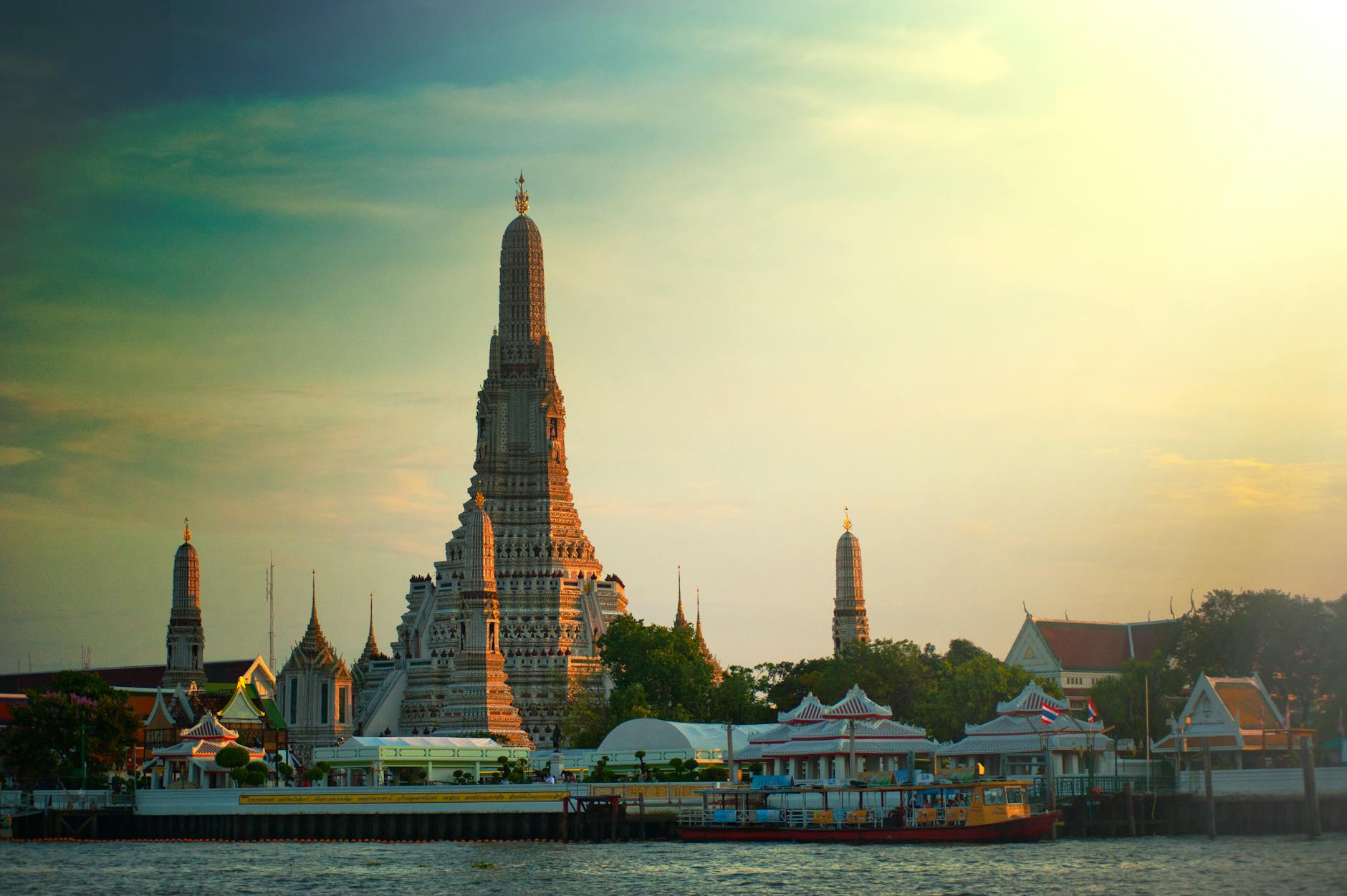
- Wat Arun (Thonburi riverbank): best views at sunset from the west bank or by taking a short cross-river ferry.
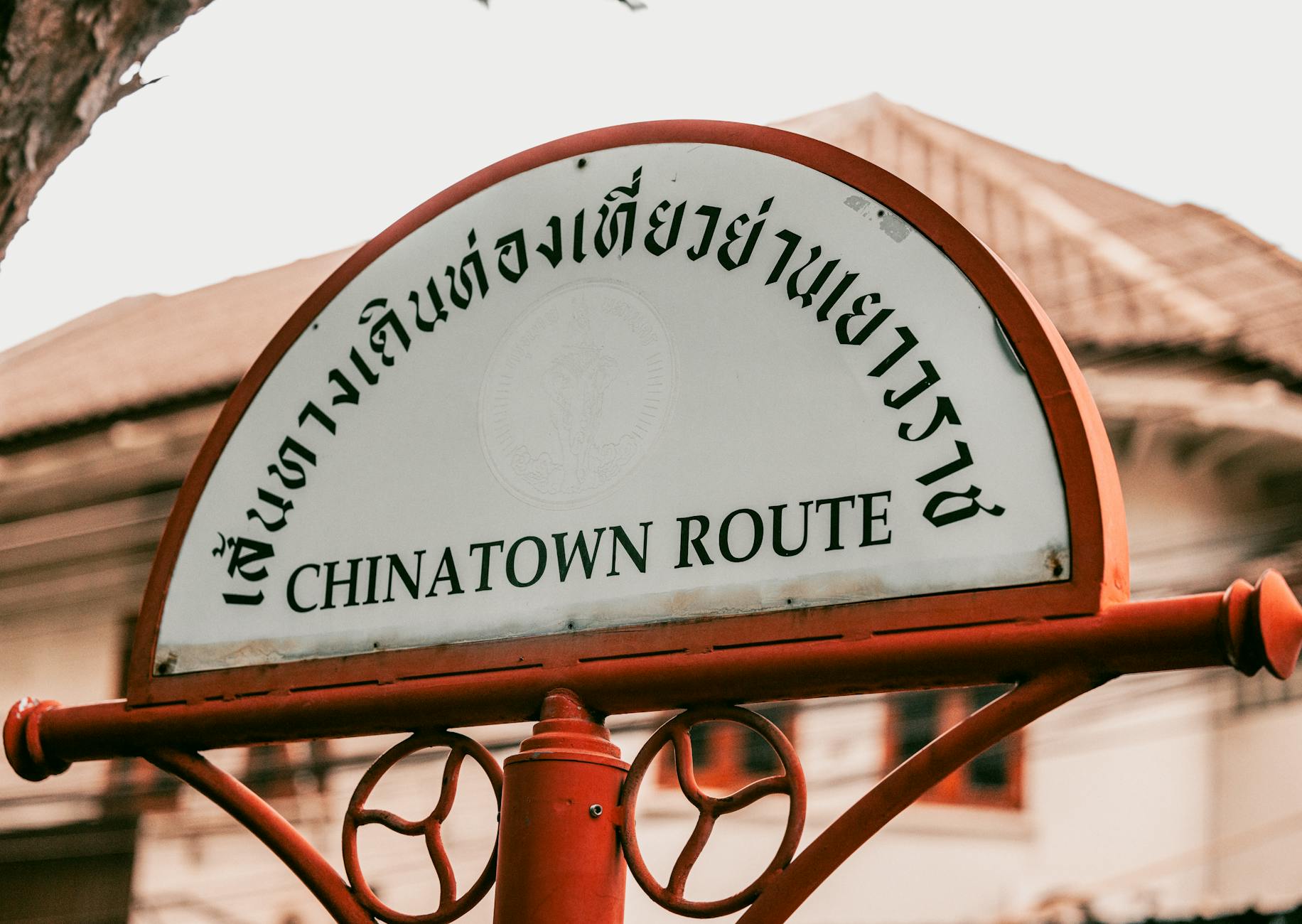
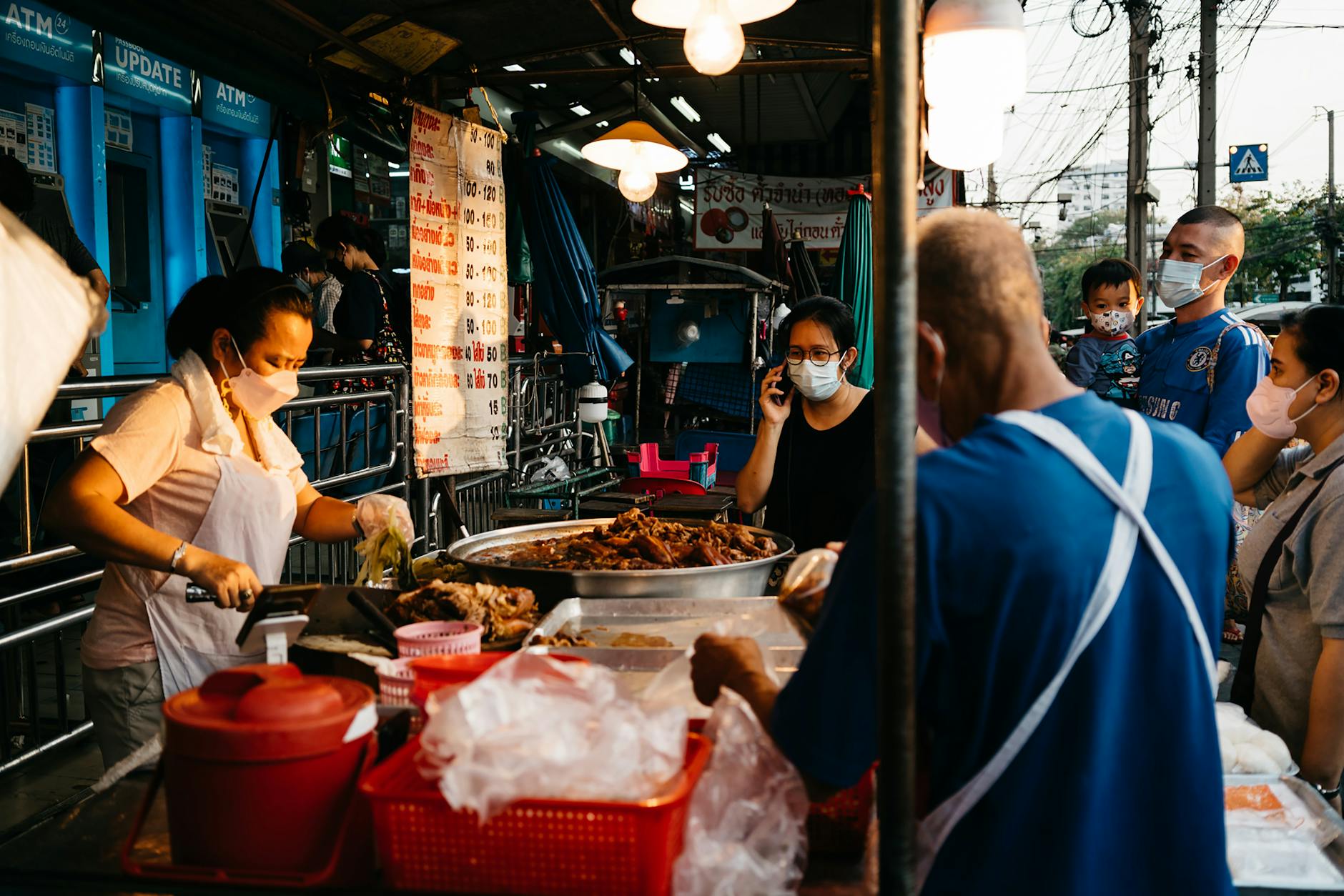
- Chinatown (Yaowarat & Talat Noi): evening food crawl on foot—prioritize small stalls and family businesses. Explore nearby Talat Noi for old shophouse streetscapes and street art.
- Chatuchak Weekend Market: go early (8–10am) or late afternoon on weekend. For a less touristy market day, try Or Tor Kor or Khlong Toei Market on weekdays.
- Pak Khlong Talat (Flower Market): visit before dawn for the busiest commercial activity and good photos.
- Thonburi canals & Khlong Saen Saep boat: opt for community-run long-tail tours that hire local skippers and avoid noisy motorboat tours that damage banks.
- Lumpini Park: early morning Tai Chi and lakeside walks to see daily city life and migratory birds in cooler months.
- Jim Thompson House and Bangkok Art and Culture Centre: good for air-conditioned cultural downtime and to support local artisans and exhibitions.
Day-trip ideas that pair easily with a 3-day stay:
– Pattaya/Phatthaya or Si Racha: bus or minivan for beaches and day tours; avoid weekend mass-tour groups if seeking quieter beaches.
– Hua Hin or Cha-am: take the train for a comfortable, scenic coastal option and support local guesthouses.
– Udon Thani: fly or overnight train if heading to northeastern Thailand—combine with local markets and Isaan cuisine.
Practical tips:
– Use BTS/MRT and river boats to avoid traffic. Carry small-change baht for river taxis and market purchases.
– Book the Grand Palace and special exhibitions in advance during peak season (Nov–Feb).

Local Context
Neighborhoods and seasonal realities:
- Rattanakosin/Phra Nakhon: historic core with the Grand Palace, Wat Pho and many built-environment details. Walkable but exposed to heat.
- Chinatown (Yaowarat/Talat Noi): lively after dark with dense food stalls and narrow lanes; noisy but essential for food culture.
- Silom/Sathorn: mix of offices and hotels, good transit access and rooftop views; evenings are busy on weekends.
- Sukhumvit (Thonglor/Ekkamai): contemporary food scene and nightlife; pricier but supports many independent cafés and small restaurants.
- Thonburi: quieter canals and traditional riverside neighborhoods where you can see local life.
Seasonality:
– Cool season (Nov–Feb) is busiest and most comfortable—book ahead and expect higher prices.
– Hot season (Mar–May) is very warm; favor early starts and indoor/rest breaks in air-conditioned museums or cafés.
– Rainy season (Jun–Oct) has afternoon downpours—use this for museum or market time and bring a small umbrella.
Transport realities:
– Traffic can make short distances take a long time. Use BTS/MRT, river taxis, and scheduled boat services to save time.
– Taxis: insist on the meter; negotiate only when the driver refuses to use it. Motorbike taxis are useful for short hops but carry little luggage.
– Airports: Suvarnabhumi (BKK) is the main international hub; Don Mueang (DMK) handles many low-cost carriers. Factor in 60–90 minutes to central districts during busy periods.

How to Choose Well
Match your choices to energy levels, weather, and values:
- If you love food: prioritize Chinatown night crawl, Or Tor Kor market, and local cafés in Ari or Ekkamai.
- If you love culture and calm: allocate morning hours to Wat Pho and a museum visit; take a Thonburi canal tour in the cooler part of the day.
- If you're short on time: do Rattanakosin + river crossing to Wat Arun in one afternoon, and a market or neighborhood walk the following morning.
Booking advice:
– Reserve Grand Palace tickets for peak season and check closing dates (royal ceremonies sometimes restrict access).
– For canal tours and cooking classes, choose small outfits with clear local hiring practices; read recent reviews and ask about group size.
– For nearby cities: choose trains or buses where possible to limit carbon footprint and arrive relaxed—reserve sleeper or fast trains early for Hua Hin in high season.
Timing and pacing:
– Start temples at opening (8–9am) to avoid heat and crowds.
– Use midday for indoor activities or a long lunch break, then return outdoors late afternoon.
– Plan one slower day to experience neighborhood life without rush (coffee shops, local markets, and a park).
Responsible and Local-First Tips
Simple ways to keep your visit low-impact and valuable to local people:
- Choose public transport, riverboats, and walking for short distances. They save time and keep revenue local.
- Eat at small, family-run stalls and neighborhood restaurants rather than international chains; bring cash in small bills.
- Pick community-based or family-owned tours for canal trips and cooking classes. Ask how revenue supports local crews.
- Reduce single-use plastic: carry a refillable bottle and a reusable bag for market purchases.
- Avoid attractions that exploit animals (elephant rides, tiger petting); seek wildlife sanctuaries with vetted welfare standards when possible.
- Buy crafts directly from artisans or social enterprises; ask about materials and where products are made.
Cultural respect:
– Remove shoes at temples, cover shoulders and knees, and avoid loud behavior inside religious sites.
– Always ask before photographing people, especially in markets and religious ceremonies.
Common Mistakes to Avoid
Avoid these common pitfalls so your days feel smoother and more enjoyable:
- Trying to squeeze too many distant sights into one day—Bangkok’s traffic can erase a schedule.
- Ignoring temple dress codes and arriving late to the Grand Palace when space may be limited.
- Relying only on tuk-tuks for long transfers—use BTS/MRT or metered taxis instead.
- Visiting floating markets late in the day or choosing the most commercial boat tours—opt for quieter community markets like Bang Nam Pheung or Khlong Lat Mayom.
- Not carrying small-denomination bills; many small vendors and moto drivers don’t accept cards or large notes.
- Skipping travel insurance for day trips or longer routes—unexpected delays or medical needs can be costly.
FAQ
What is the best time of year to visit Bangkok?
The cool season, November to February, offers the most comfortable weather and clearer skies. Shoulder months (late Oct, Mar) can be pleasant with fewer crowds but hotter temperatures. Monsoon season (Jun–Oct) has afternoon rains and lower prices.
Is Bangkok safe for solo travelers and families?
Generally yes. Use normal precautions: watch belongings in crowded markets and on public transport, prefer metered taxis or ride-hailing apps after midnight, and avoid poorly lit backstreets alone late at night.
How should I dress for temples and the Grand Palace?
Shoulders and knees must be covered. Bring a sarong or light wrap if you want flexibility. Remove hats and shoes when entering temple buildings.
How do I get from Suvarnabhumi Airport to central Bangkok?
Options include the Airport Rail Link to Makkasan/Phetchaburi (connects to MRT/BTS via short transfers), taxis (metered), and pre-booked airport transfers. Allow 45–90 minutes depending on traffic.
Which neighborhood is best for first-time visitors staying 3 days?
Phra Nakhon (Rattanakosin) or Banglamphu places you close to historic sights. Silom/Sathorn offers better transit access and a mix of day/night options. Sukhumvit is convenient for food and nightlife but can be busier.
Can I visit nearby cities as day trips and which transport should I use?
Yes. Pattaya and Si Racha are reachable by bus/minivan; Hua Hin and Cha-am are comfortable by train; Udon Thani typically requires a flight or overnight train. Trains and buses are more sustainable than short domestic flights when schedules suit your plan.
Conclusion
Bangkok rewards a paced approach: pair a few headline sights with slower neighborhood time, market wandering, and at least one river or canal experience. Use public transit to maximize time, favor small local businesses to keep tourism benefits local, and slot these choices into our 3 days in Bangkok guide to build a balanced itinerary.
If you’re planning day trips from Bangkok, consider rail or coach travel to nearby coastal towns to lower your footprint and see more of Thailand’s regions.
How this guide was prepared
This guide was prepared through a structured research that combines destination research, geographic context, itinerary planning logic, and content review.