
3-Day Tallinn Itinerary: Old Town, Kalamaja & Kadriorg
A practical 3-day Tallinn guide with realistic timings, transport tips, costs and neighbourhood-focused plans to make the most of a short stay.
A clear, realistic three-day plan that balances the medieval Old Town, creative Kalamaja/Telliskivi and the green museums of Kadriorg, with transit and cost details.
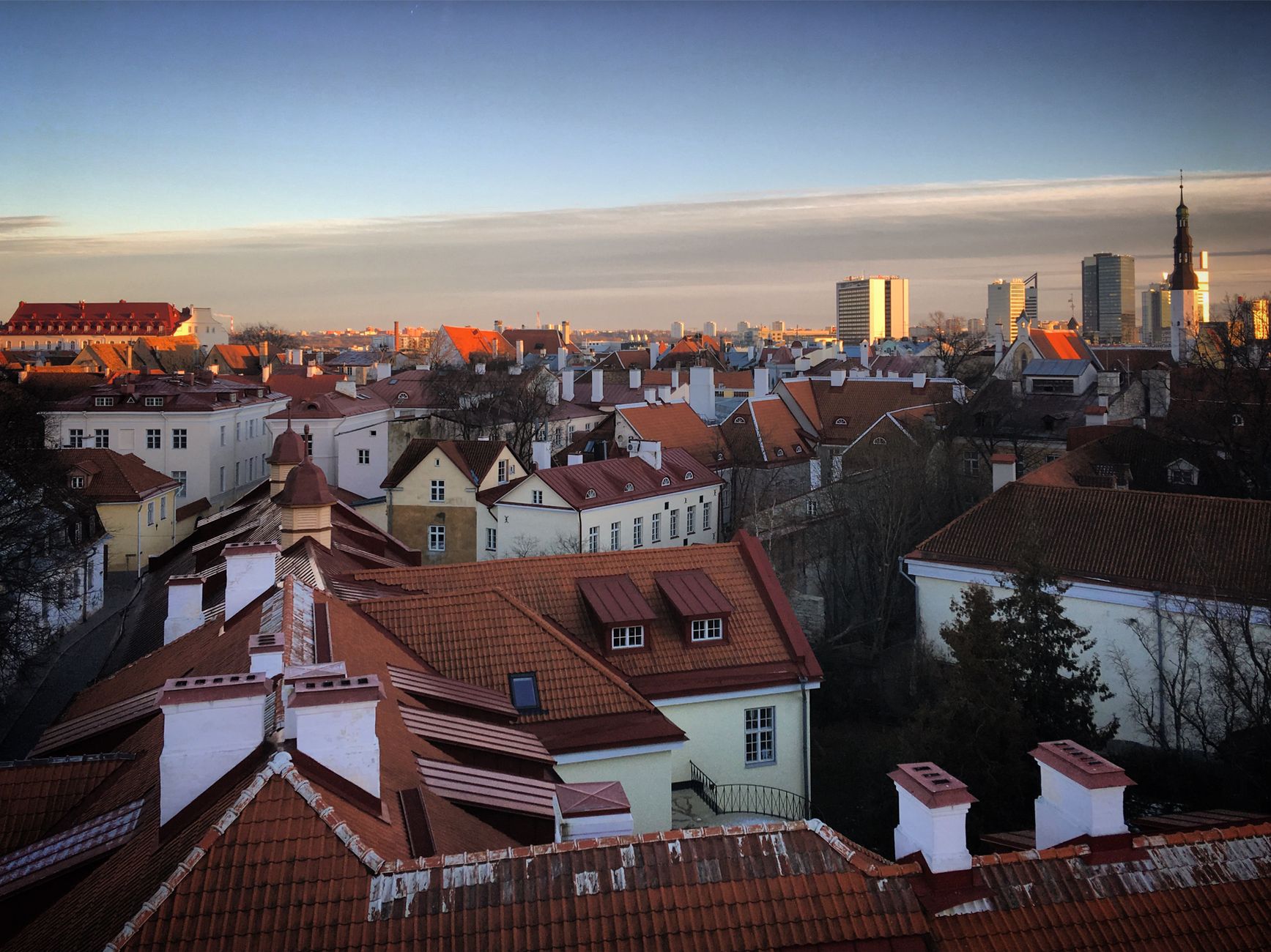
Expect narrow cobbled lanes, a skyline of church spires and abrupt shifts from neat medieval blocks to weathered wooden districts and postwar apartment rows. The initial impression is compact and walkable; many key streets cluster inside the Old Town walls so first-day logistics feel straightforward but crowded midday in summer. Outside the walls there are working harbour areas, art factories in Telliskivi and tree-lined museum gardens in Kadriorg that change the mood entirely.
A common preconception is that everything worth seeing sits inside the medieval core. That misses the seaside museums, Soviet-era monuments and the wooden-house neighbourhoods that give the place a broader personality. This guide suits travellers who want a clear plan, concrete transit steps and realistic costs rather than a long list of possibilities.
Is 3 days in Tallinn enough?
Three days are enough to see the Old Town highlights, Kadriorg’s museums and the creative Kalamaja/Telliskivi area without rushing. One honest caveat: only a single museum-heavy stretch (for example a full Kumu visit plus Lennusadam) fits comfortably — other attractions will need to be skipped.
Who This Guide Is For
Best for first-time visitors who want a mix of medieval streets, modern culture and seaside character on a modest budget. Not ideal for travellers who want exhaustive museum coverage or a long, slow rural escape.
Local Tips for Tallinn
Practical details that most travel sites skip — specific to Tallinn.
- Pick up a reloadable Ühiskaart at any R-kiosk, Tallinn Airport kiosk or the Balti jaam customer desk; fares are much cheaper per ride than single paper tickets.
- Ferries to Helsinki depart from A-terminal and D-terminal (Port of Tallinn); book Tallink or Eckerö lines in advance for weekend crossings to secure preferred departure times.
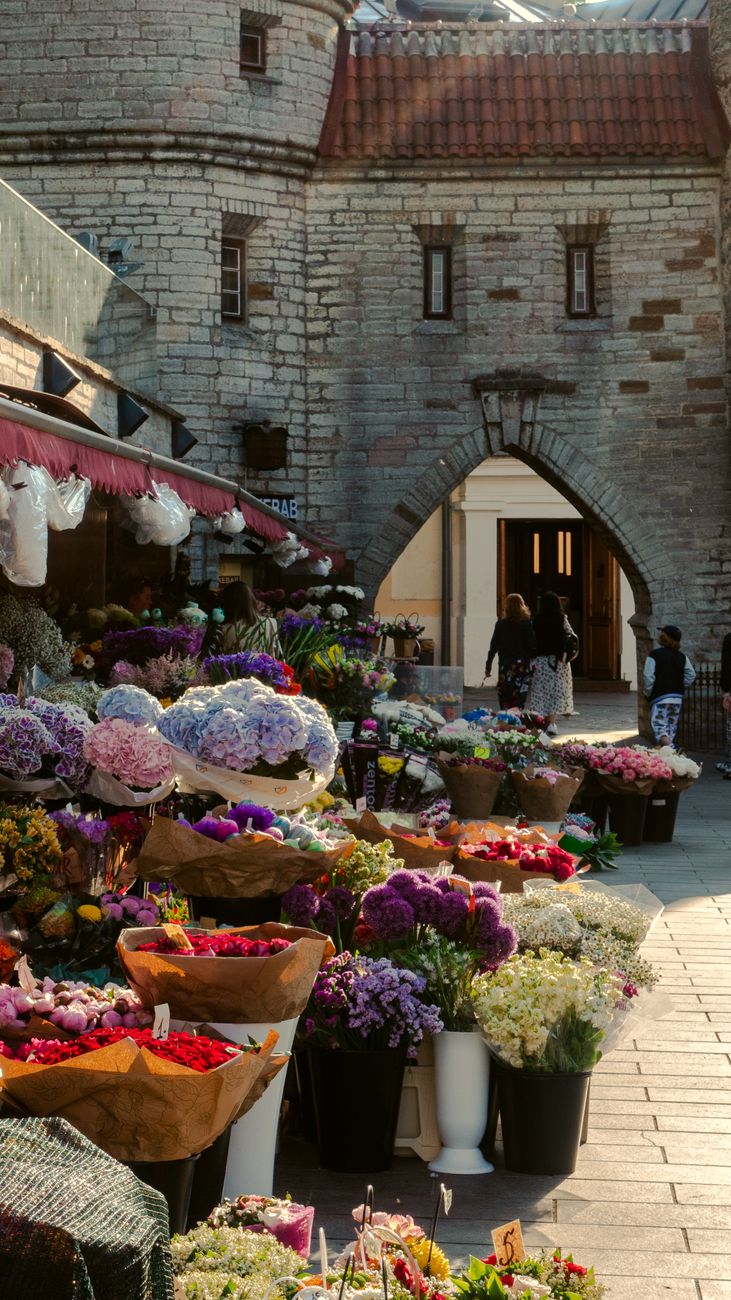
- Balti Jaam Turg behind Balti jaam (train station) has an indoor street-food section open daily and a Saturday flea market that starts from 09:00 and fills fast.
- Telliskivi Creative City shops and many small cafés often close by 18:00 on Sundays; plan markets and galleries for Saturday or weekdays if possible.
- Kopli and Kalamaja wooden house streets have uneven cobbles and low curbs; wear sturdy footwear and allow 15–25 minutes to walk between Telliskivi and Kalamaja coastline.
How This Guide Was Prepared
Tallinn is compact but split between a highly touristed medieval core and several very different neighbourhoods built in other eras. Many guides over-emphasize the Old Town and ignore how accessible museums, Soviet-era relics and seaside industrial quarters are — this guide treats those areas as equal parts of a three-day plan and gives realistic timings and costs. This guide was prepared through a structured research that combines destination research, geographic context, itinerary planning logic, and content review.
Plan Your Stay in Tallinn
Use this itinerary as your starting point, then compare areas to stay, transport options, seasonal timing, and realistic daily costs before booking.
Why Visit
The Old Town offers compact medieval streets and specific viewpoints: Toompea for the parliament and short panoramic overlooks, Raekoja plats for the Town Hall and the pharmacy with centuries-old interiors. Kadriorg is different: a Baroque palace, the Kumu art museum and large parkland that suit a calmer day away from tourist traffic.
Telliskivi and Kalamaja provide a working-creative scene with converted factories, street art and small independent shops; Balti Jaam Turg adds a working-day market and inexpensive street food. Maritime history has strong presence at Lennusadam Seaplane Harbour, where naval exhibits sit in an industrial harbour building for a hands-on contrast with palaces and churches.
Practical advantage: most major sights lie within 20–30 minutes by foot or short tram/bus rides, so a three-day plan can mix walking and short transit hops without long transfers.

Quick Planning Tips
From Lennart Meri Airport the cheapest public option is the city bus to the centre; a taxi or Bolt ride costs roughly €10–20 depending on luggage and time of day. Currency is euro; cards are accepted widely but small market stalls at Balti Jaam and some cafés prefer cash for low-value purchases.
Buy a Ühiskaart at R-kiosk, Balti jaam desk or airport kiosk to load single rides or day passes; it saves time compared with paper tickets. One planning mistake to avoid is assuming winter museum hours are the same as summer: check Kumu and Lennusadam opening times before arrival and reserve timed entries for Kumu exhibitions on busy weekends.

Day 1
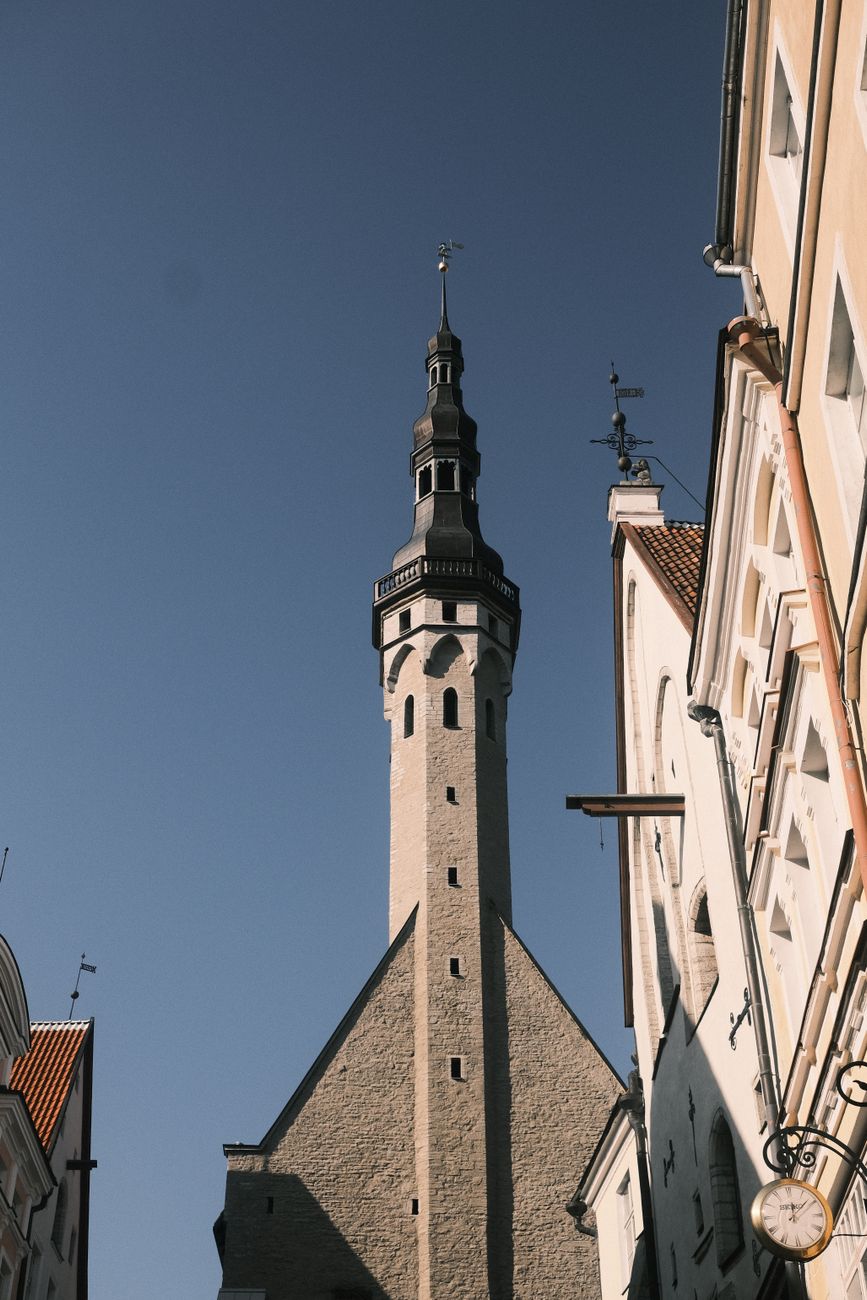
Morning: Start at Viru Gate and walk Pikk tänav into Raekoja plats (Town Hall Square). Allow 1–2 hours for the square, the Town Hall Tower (time your visit for clear weather) and Raeapteek (Town Hall Pharmacy) which dates back centuries. Walk time from Viru Gate to Town Hall Square is under 5 minutes.
Late morning: Climb up to Toompea Hill to see Toompea Castle and the Alexander Nevsky Cathedral. Walking between the square and Toompea takes about 10–15 minutes via Vene and Toom-Kooli streets. Spend 45–60 minutes on viewpoints and brief history panels.
Lunch: Eat at Rukis bakery near Town Hall for sandwiches and soups (expect €6–12). Its location means no backtracking.
Afternoon: Visit Kiek in de Kök and the Bastion Passages which are a 5–10 minute walk from Toompea. Allow 90 minutes for these together, including the short museum climb and narrow passages.
Evening: Dinner at Rataskaevu 16 (popular, reserve) for a more refined local menu — mains €15–30. Finish with a stroll down Pikk tänav and a drink at a small bar near Viru Gate. Walking distances are small; Old Town is best done on foot with occasional short tram rides to reach other areas.

Day 2
Morning: Head to Balti jaam (train station) and spend time at Balti Jaam Turg’s indoor food hall and market stalls. Allow 1–2 hours for sampling coffee, kiluvõileib or open-faced sandwiches and for browsing second-hand stalls. Balti jaam is a 10–15 minute tram or bus ride from Viru Gate depending on stop.
Late morning to early afternoon: Walk or take a 10–15 minute bus to Telliskivi Creative City for converted-factory galleries, design shops and street art. Plan 1.5–2 hours for galleries and the Telliskivi flea market on weekends. Lunch at the Telliskivi food yards — expect €8–15 for a meal.
Afternoon: Walk north into Kalamaja to see wooden houses and the small harbour area; from Telliskivi it’s a 10–20 minute stroll depending on pace. Visit the Seaplane Harbour (Lennusadam) for a 2–3 hour visit if maritime exhibits are a priority; otherwise use the time to explore Kopli promenade and local cafés.
Evening: Return to Telliskivi or head to Noblessner marina for dinner at a seafood restaurant. Noblessner has evening options and coastal views; bus or taxi from Kalamaja is 10 minutes. This day focuses on modern and maritime quarters rather than medieval sights.
Day 3
Morning: Dedicate the morning to Kadriorg Park and museums. Start at Kadriorg Palace and the park’s ponds, then walk to Kumu Art Museum for a 2–3 hour visit if modern Estonian art is of interest. From Telliskivi to Kadriorg allow 20–30 minutes by tram or bus; walking is possible in 40–50 minutes.
Lunch: Café at Kadriorg or small bistros on A. Weizenbergi tänav; expect €10–18. Keep luggage and time in mind if checking out of accommodation after lunch.
Afternoon: Head to Pirita for a seaside walk and the ruins of St. Bridget’s Convent. Pirita’s beach is accessible by bus in 20–30 minutes from Kadriorg. If an afternoon flight departs, plan a taxi or Bolt from Kadriorg to Lennart Meri Airport at roughly 20–25 minutes; allow at least 1.5–2 hours travel plus check-in time for flights.
Evening: If still in town, finish with light seafood near the marina or a last walk through the Old Town gate area. This final day mixes green spaces, one major museum and a coastal visit while keeping an eye on departure logistics.

Best Local Experiences
Balti Jaam Turg: weekday food hall and Saturday flea market for local bites, produce and second-hand finds. Telliskivi Creative City: factory conversions with independent shops and pop-up exhibitions; best on Saturday mornings.
Seaplane Harbour (Lennusadam): interactive naval museum with real submarines and seaplanes — book 2–3 hours. Kumu Art Museum: Estonia-focused modern and contemporary art with rotating exhibitions and a permanent collection.
Lauluväljak (Song Festival Grounds): check the schedule; national song festivals are rare but smaller concerts and events happen through summer. Kopli and Kalamaja wooden house streets: plan a guided walking route to understand the architecture and postwar changes.
Seasonal markets: the Old Town Christmas market in Raekoja plats runs from late November to early January and is busy but atmospheric. Local craft beer bars and Põhjala Brewery taproom in Noblessner offer a focused tasting experience for beer fans.
Where to Stay
Old Town (Vanalinn): Best for first-time visitors who want immediate access to Town Hall Square, Viru Gate and walking tours. Rooms range from budget guesthouses to boutique hotels; expect €70–160 per night in high season (70–160 EUR/night).
Kalamaja / Telliskivi: Suits travellers who prefer indie cafés, street art and a quieter evenings scene near Balti jaam. Walking distance to Telliskivi and the Seaplane Harbour makes it practical; expect €50–120 per night (50–120 EUR/night).
Kadriorg: Best for museum-focused stays and families who prefer park access and a calmer neighbourhood. Close to Kumu and Kadriorg Palace, with good tram links to the centre; expect €80–150 per night (80–150 EUR/night).
Food and Drink
Kiluvõileib: an open rye sandwich topped with marinated Baltic sprats, often found at Balti Jaam food stalls or small cafés; price €2.50–5. Kama: a traditional mixture of roasted barley, peas and oats used in desserts or with kefir, found at speciality cafés and some breakfast places; €2–4.
Kohuke and kringel: kohuke is a sweet curd snack coated in chocolate, widely sold in shops; kringel is a braided sweet bread sold in bakeries like Rukis; expect €1–4 for snacks.
Street food and lunch: Balti Jaam Turg indoor food court and Telliskivi food yards offer affordable meals — expect €6–12 for main street-food dishes. Dinner recommendation: Rataskaevu 16 in Old Town for local ingredients with mains €15–30.
Drinks: Vana Tallinn is a local spiced liqueur for sipping or cocktails, sold in bars and shops for €2–6 per bar pour and €15–25 for a bottle in stores. Craft beer: try Põhjala beers at the brewery taproom or local pubs, pints €4–7.
Getting Around
Main modes: trams, buses, trolleybuses, trains and ferries. Trams (lines 1–4) run along principal central corridors and connect to Balti jaam; trolleybuses serve major radial routes and buses fill the rest. Ferries to Helsinki depart from the Port of Tallinn’s A- and D-terminals.
Buy and use a reloadable Ühiskaart for the best fares; single-ride QR-tickets are also available from official ticket apps. A single adult fare is roughly €2 and a 24-hour pass is around €5–6; taxis and Bolt rides vary but airport rides typically cost €10–20.
Useful apps: Bolt for taxis, official transit or city apps for timetables and Ühiskaart balance checks, and Google Maps for route planning. Validate rides where required and keep the Ühiskaart topped up to avoid fines.
Best Time to Visit
Summer (June–August): warmest months with daytime highs typically 18–22°C and long daylight; busiest and most expensive, especially July. Spring (May and early June) and early autumn (September) offer milder crowds, shoulder-season prices and temperatures from 8–16°C.
Winter (December–February): cold and short days, often −2 to −8°C; Christmas market season is lively but some smaller cafés close or run reduced hours. Late October–November sees lower prices but more rain and grey skies; useful for budget travellers who accept shorter daylight.
Budget and Practical Tips
Daily budget estimates per person: accommodation €50–150 (hostel to mid-range hotel), food €20–40 (breakfast €3–8, lunch €6–15, dinner €12–30), transport €4–6 (if using a day pass), entry fees €5–15 per museum. Example daily total: €80–220 depending on choices.
Cards are widely accepted; small market purchases at Balti Jaam may be cash-only. Tipping is modest: rounding up or leaving 5–10% in restaurants for good service is appreciated but not obligatory. Watch for hidden service charges on high-end menus; receipts will show if a service fee is included.
FAQ
Is Tallinn safe for solo travellers?
Yes. Street crime is low compared with many European capitals; normal precautions against pickpockets in crowded tourist spots are sensible.
How long is the ferry to Helsinki?
Fast ferries take about 1 hour 45 minutes to 2 hours; slower ferries can take longer. Check operator schedules for exact durations.
Is public transport easy for visitors?
Yes. Use a Ühiskaart or buy a QR-ticket in the official app; trams and buses cover central routes and Balti jaam is the main rail hub.
Is a Tallinn Card or city pass worth buying?
It can be useful if planning multiple paid museums in a short time (for example Kumu plus Lennusadam and several paid tours). Compare single-entry prices to the card cost before committing.
Can debit/credit cards be used everywhere?
Most shops and restaurants accept cards; bring small cash for market stalls at Balti Jaam or very small vendors.
Are restaurants expensive?
Mid-range dinners average €15–30 for a main; there are plenty of budget street-food options and markets where meals cost under €10.
Is English widely spoken?
Yes. English is commonly spoken in cafés, museums and by younger staff in service industries.
Any safety concerns about walking at night?
The Old Town is well-lit and patrolled; some peripheral neighbourhoods are quieter at night, so use taxis or Bolt after late hours if unsure.
Conclusion
A three-day plan concentrates on the Old Town, one day for modern and harbour areas and a museum-and-park day in Kadriorg. Most travellers will remember the Old Town skyline, the wooden houses of Kalamaja and a hands-on maritime museum visit. If time becomes tight, prioritise a morning Old Town walk and an afternoon at Kumu or Lennusadam — those two choices together give the best sense of the city’s contrasts.
How this guide was prepared
This guide was prepared through a structured research that combines destination research, geographic context, itinerary planning logic, and content review.