
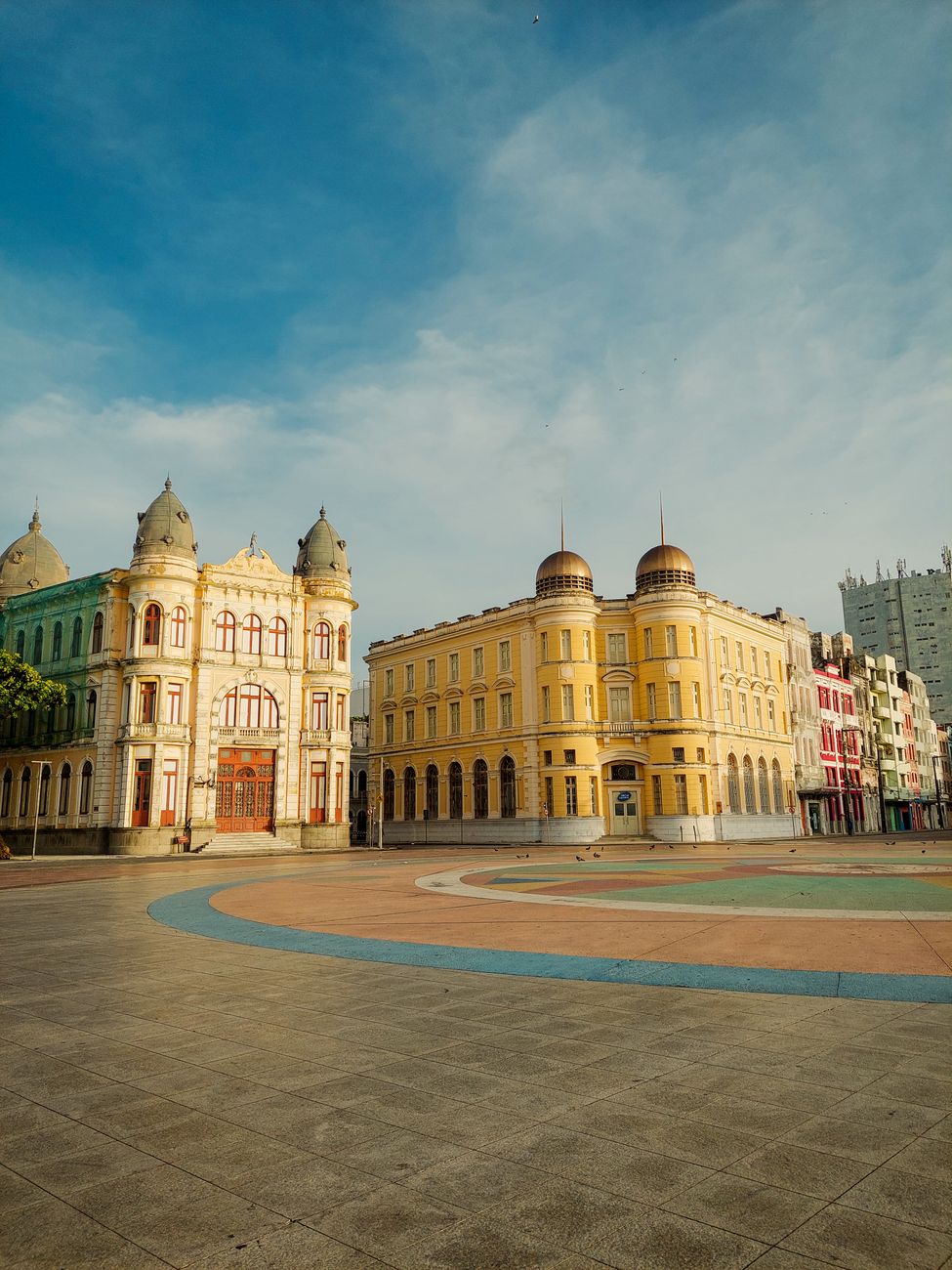
Practical 3-Day Itinerary for Recife: Beaches, Museums, Food
A realistic 3-day Recife guide with transit tips, neighbourhood plans, entry prices and where to eat so travellers can plan a productive long weekend.
Three days in Recife covers the colonial streets of Recife Antigo, a full museum day and an afternoon on Boa Viagem — with practical transit and food notes.
Arrival gives an immediate contrast: high-rise beachfront avenues meet a compact colonial port quarter and a river that cuts through the city. Streets in Recife Antigo are short and walkable, while neighbourhoods like Boa Viagem and Pina feel oriented toward daily life and commerce rather than tourism. Noise and traffic are real here — honking, motorcycles and buses are part of the rhythm — but distances are small enough to manage on foot plus short rides. The city suits visitors who want coastal street life, strong museum visits and regional cuisine rather than a solely beach resort experience.
Is 3 days in Recife enough?
Yes — three days allows a solid introduction: a half-day in Recife Antigo and Marco Zero, a museum day at Instituto Ricardo Brennand and Oficina Cerâmica, and a relaxed beach/market day in Boa Viagem and São José. Travelers will have to skip some nearby islands and deeper day trips (Itamaracá or Porto de Galinhas) unless they extend the stay.
Who This Guide Is For
Best for travellers on a long weekend who value museums, coastal food and short walks. Not ideal for those wanting a long island-hopping beach holiday or a complete inland Pernambuco itinerary.
Local Tips for Recife
Practical details that most travel sites skip — specific to Recife.
- Buy a VEM card at any Recife metro station or selected bus terminals (card costs ~R$4–6; top-ups at machines or kiosks) — it works on Metrô do Recife and most municipal buses.
- Marco Zero and Rua do Bom Jesus in Recife Antigo are quietest just after sunrise; avoid the midday cruise-ship influx and the Sunday afternoon craft stalls if seeking calmer photos.
- Mercado de São José sells regional cachaças and dried seafood: expect artisanal 200–300ml cachaça bottles for about R$10–20; bargaining is common with independent vendors.
- Instituto Ricardo Brennand is in the Várzea neighbourhood—take a 20–30 minute taxi (or app ride) from Boa Viagem; entry fee is around R$30–R$50 depending on exhibitions.
- Uber and 99 operate across the metro area and are usually cheaper than metered taxis late at night; airport-to-Boa Viagem rides run roughly R$35–R$80 depending on traffic and time.
How This Guide Was Prepared
Recife mixes strong coastal life with an underappreciated museum scene and working-class neighbourhood culture; many guides over-focus on Carnival-era images and Boa Viagem beach alone. This guide treats the city as a practical, multi-faced destination: historic port streets, serious private museums (Brennand, Ricardo Brennand), and neighbourhood food hubs that require local timing and transit know-how. This guide was prepared through a structured research that combines destination research, geographic context, itinerary planning logic, and content review.
Plan Your Stay in Recife
Use this itinerary as your starting point, then compare areas to stay, transport options, seasonal timing, and realistic daily costs before booking.
Why Visit
Three clear reasons stand out. First, the museum cluster: Instituto Ricardo Brennand (armory and art), Museu Cais do Sertão (Northeast sertão music and life) and Paço do Frevo (dance and movement) offer concentrated cultural returns. Second, the port quarter — Marco Zero and Rua do Bom Jesus — preserves Dutch and colonial-era fabric and provides clear walking routes and photo opportunities without long transfers. Third, regional food is distinctive: bolo de rolo, carne de sol with macaxeira and casquinha de siri are local staples best tried at Mercado de São José and seafood restaurants along Pina. Practical advantages include short taxi rides between highlights and many museums with modest entry fees compared with larger Brazilian cities.
Quick Planning Tips
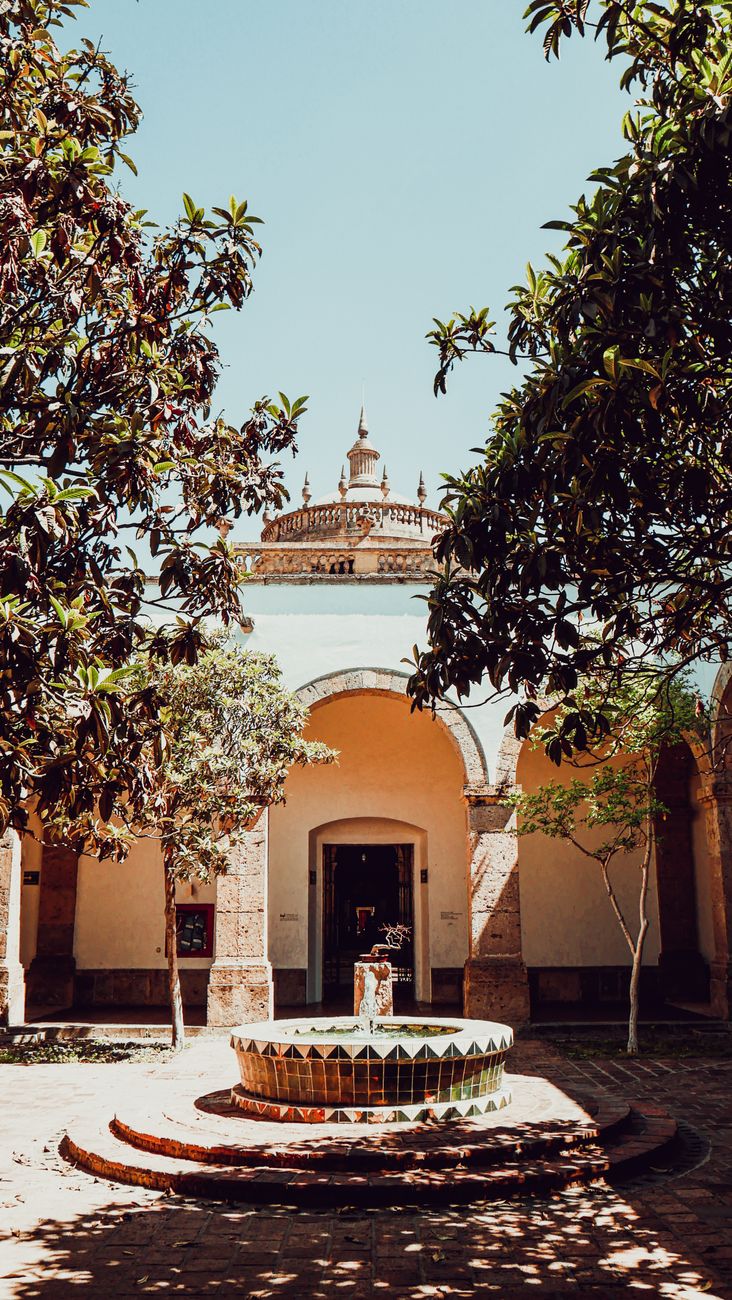
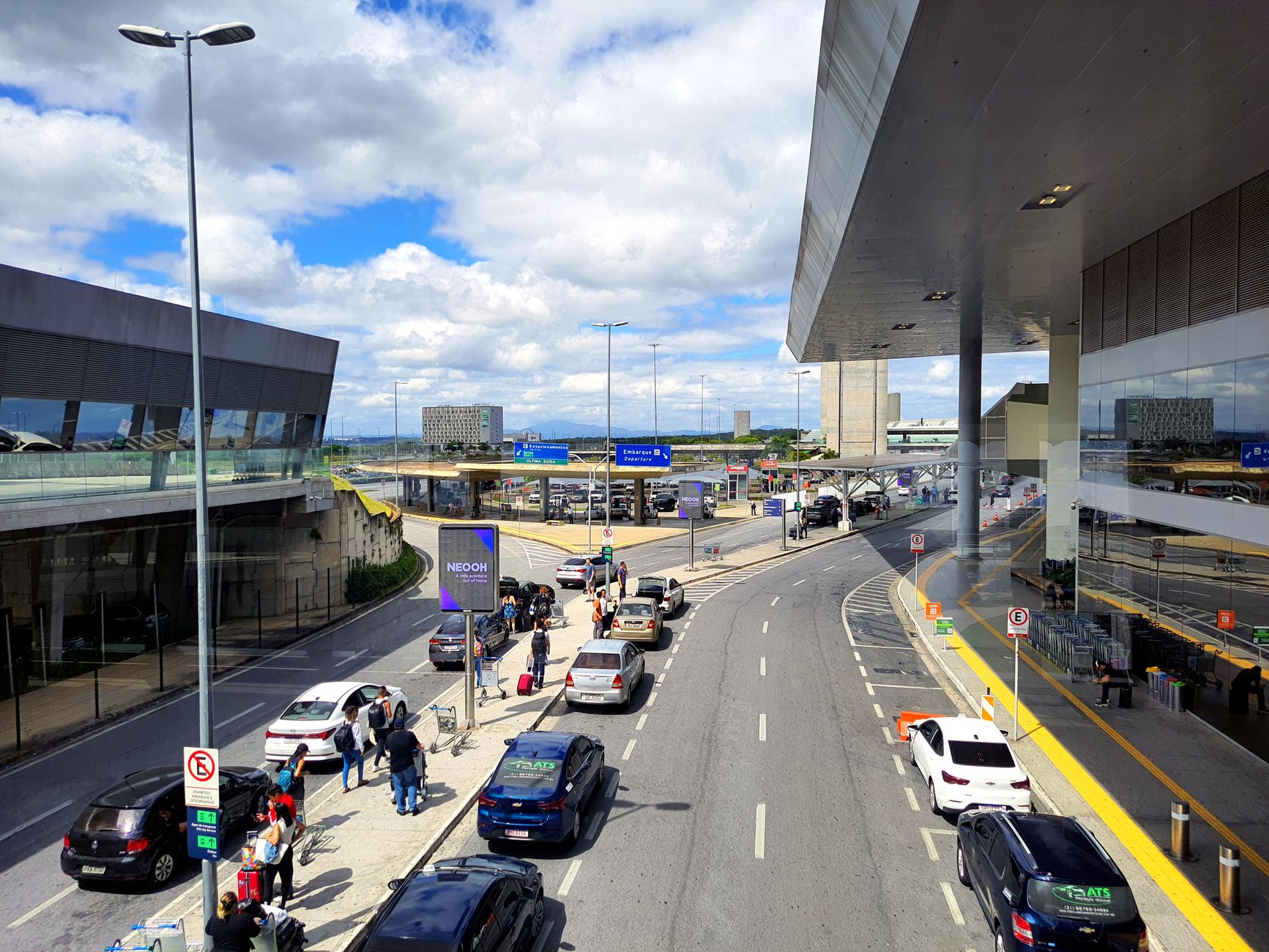
From Guararapes–Gilberto Freyre International Airport the fastest option to Boa Viagem is an app-based ride (Uber or 99) that usually costs R$35–80 and takes 20–40 minutes depending on traffic. Buy a VEM card at metro stations or ticket kiosks before using buses or the Metrô do Recife; single fares and transfers rely on that prepaid system. Bring small cash for street markets and smaller eateries; many places accept cards but machines fail occasionally. Avoid planning tight same-day island trips (Itamaracá or Porto de Galinhas) unless an entire day is reserved — those take most of a day by transfer and boat.
Day 1
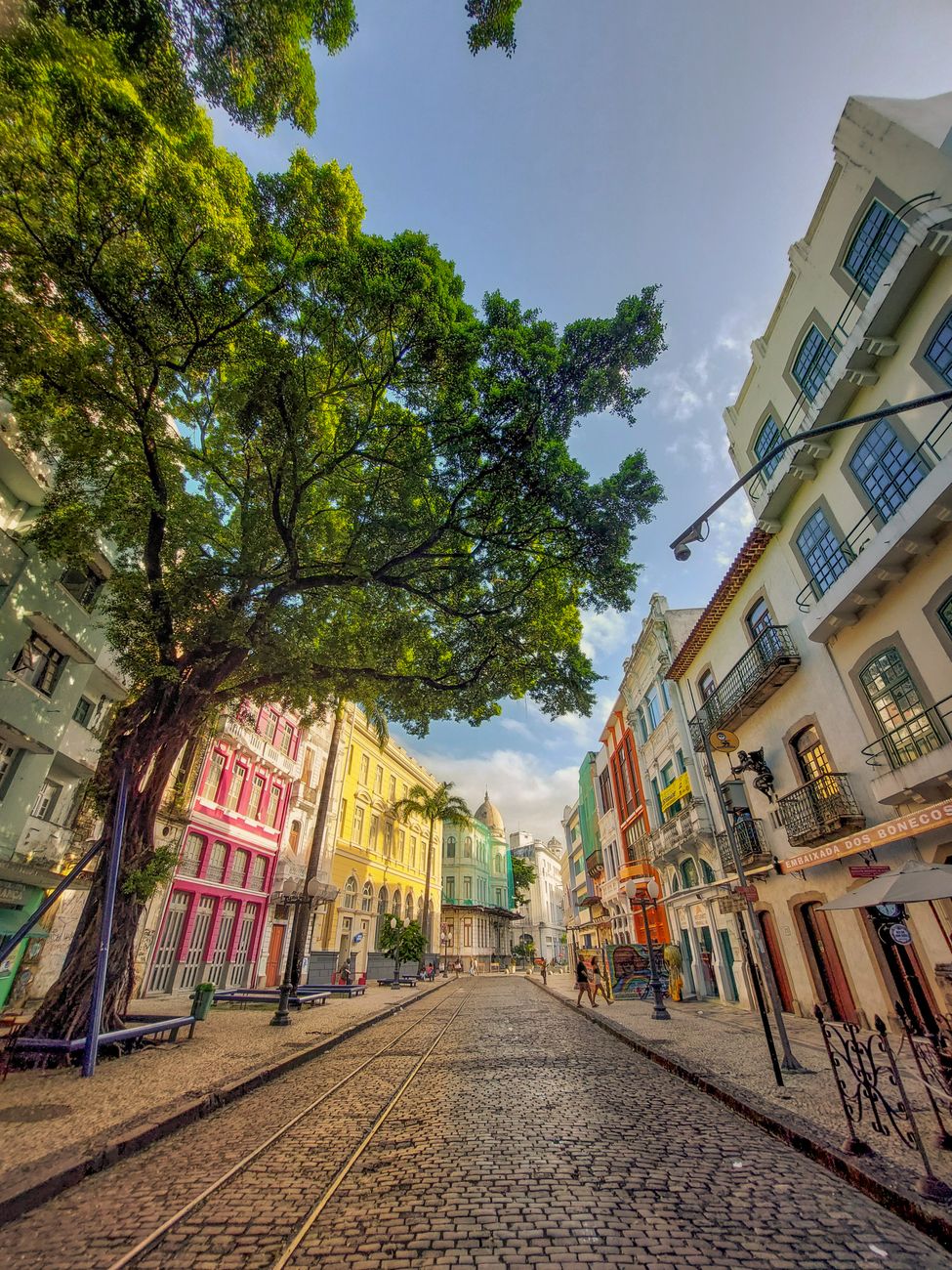
Start at Marco Zero in Recife Antigo and spend the morning on Rua do Bom Jesus and Rua do Sol exploring colonial facades and landmark buildings such as the Kahal Zur Israel site. Walk from Marco Zero to Paço do Frevo (under 10 minutes) and plan for a focused hour to see interactive exhibits on frevo dance and Carnival movement. From there stroll along Rua da Moeda toward the Mercado de São José (15–20 minutes) for a lunch of local seafood snacks and to sample cachaça; typical appetisers like casquinha de siri cost about R$15–30. After lunch, cross to the Capibaribe riverfront to see the fountain areas and take photos of old bridges — a 10–15 minute walk. Late afternoon transfer by taxi (10–20 minutes) to Avenida Boa Viagem for early evening beach time; watch tides and natural pools. Dinner recommendation: a seafood restaurant on Avenida Boa Viagem such as Restaurante Parraxaxá or Praça de Alimentação local options; expect dinner for two around R$80–150. End the night with a short walk along the beachfront boardwalk or a caipirinha at a bar near Av. Boa Viagem.
Day 2
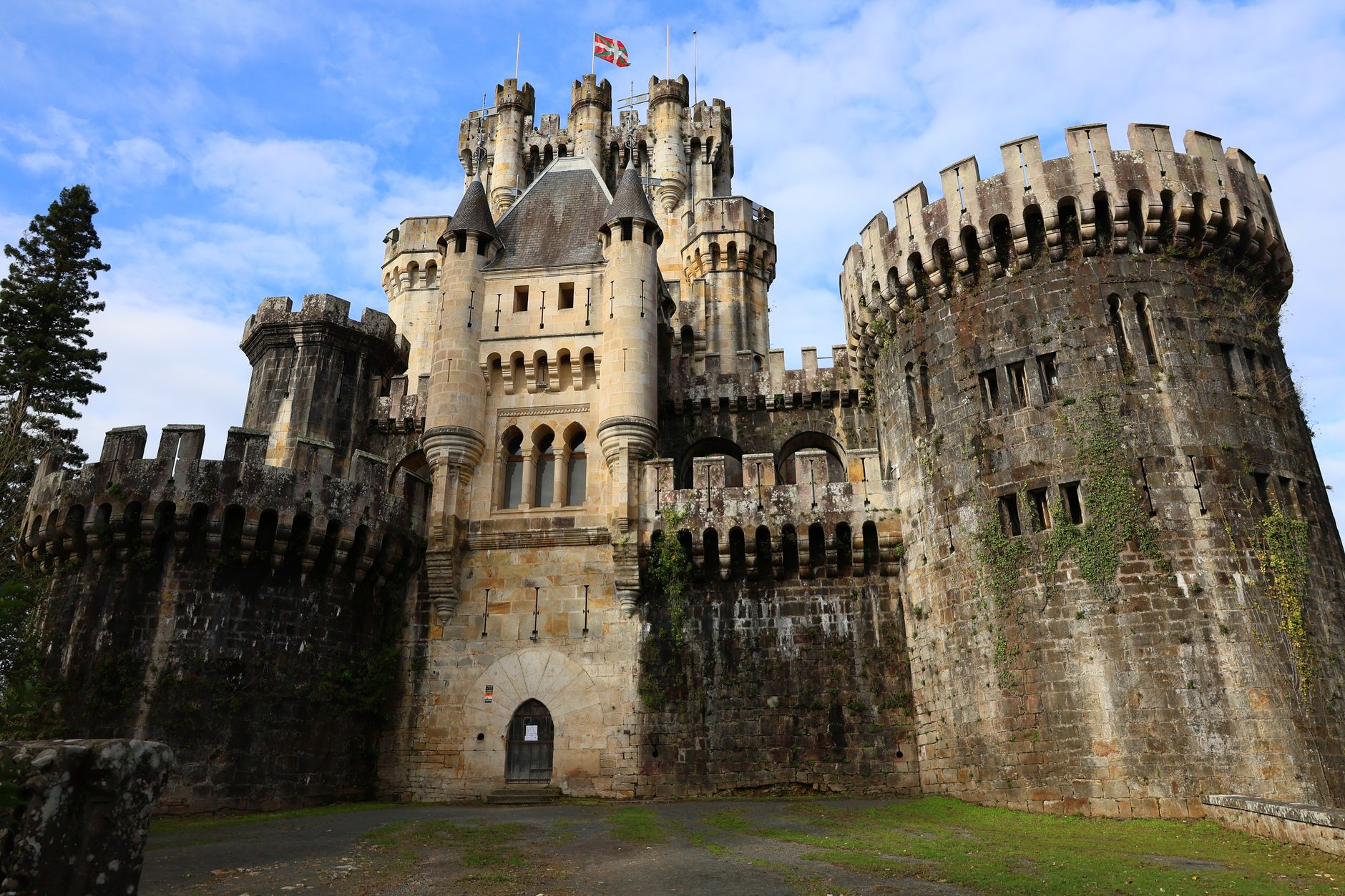
Dedicate this day to the museum circuit and the north-side art cluster. Start in Várzea with Instituto Ricardo Brennand — allow 2–3 hours to see the castle-like galleries, armory and sculpture garden; taxi from Boa Viagem is roughly 25–35 minutes. After the Brennand visit, head to Oficina Cerâmica Francisco Brennand in the nearby neighborhood (a short cab ride) to view large-scale ceramics and open-air installations — the site is quieter midweek. For lunch, seek a regional restaurant in the Casa Forte area that serves carne de sol with macaxeira for roughly R$30–50. Afternoon options include Museu Cais do Sertão near the port (back toward Recife Antigo) to experience narratives about the sertão and Luiz Gonzaga; take a 30–40 minute ride if returning from the north. If time allows, stop at Casa da Cultura (old prison turned craft market) for local handicrafts and a quick snack. Evening recommendation: a relaxed meal in Boa Vista or Casa Amarela with live forró or local music depending on the night; many bars start performances after 9pm.
Day 3
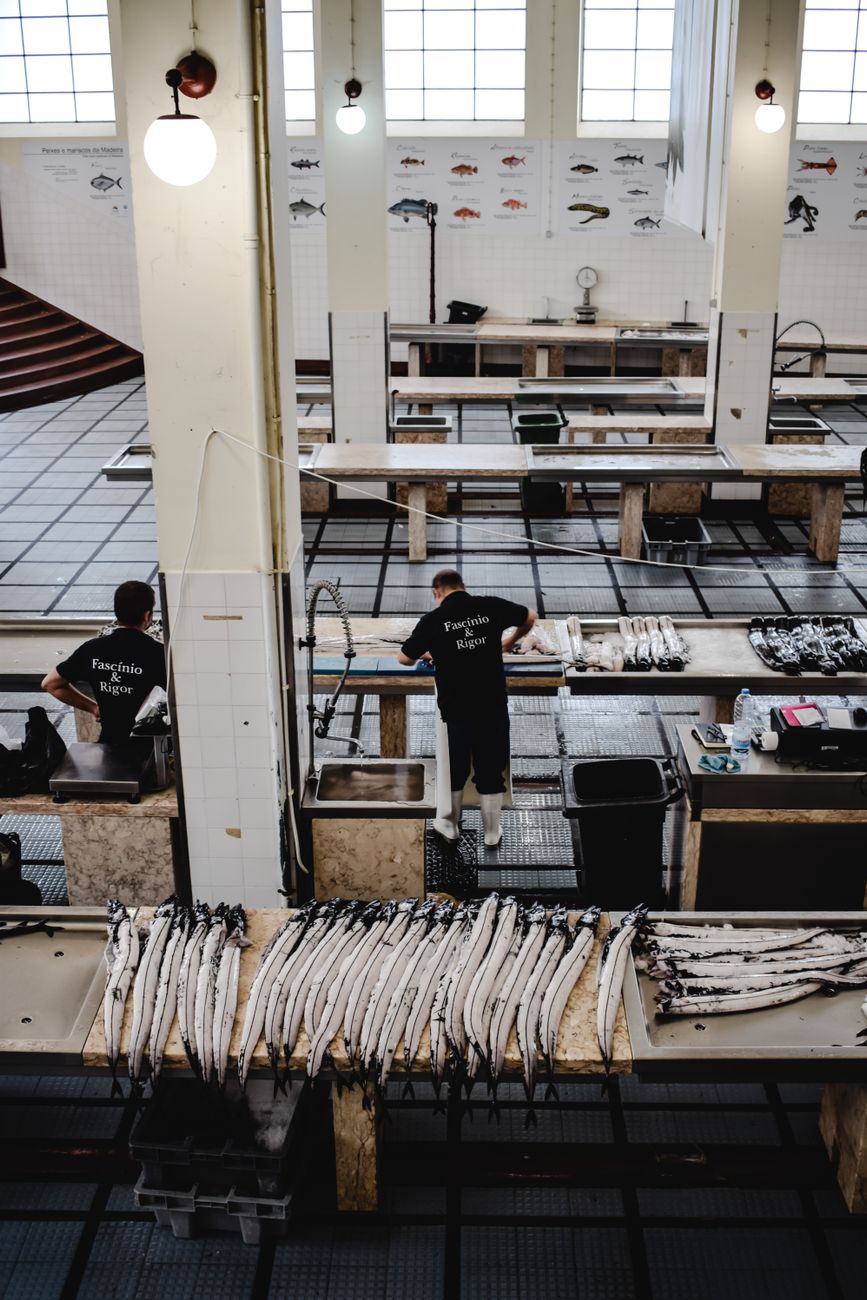
Reserve the last day for a market and neighborhood immersion before departure. Begin at Mercado de São José to watch fishmongers and try tapioca or bolinho de estudante for breakfast; arrive before 9am for the liveliest sections. From the market, walk 15–20 minutes to the Capibaribe river for a short boat trip or a riverfront walk toward Rua da Aurora, then catch a short taxi to Pina for a late-morning seafood snack. Midday, return to Boa Viagem for beach time and a final lunch at a beachfront barraca where prato do dia lunches run about R$25–45. Practical note for travellers checking out: allow at least 1–1.5 hours to move luggage and reach the airport by taxi, longer in rush hour; taxis from Boa Viagem to the airport take 20–40 minutes and cost roughly R$40–80. If an afternoon flight is planned, stay near the airport or in Boa Viagem and leave early to avoid traffic.
Best Local Experiences
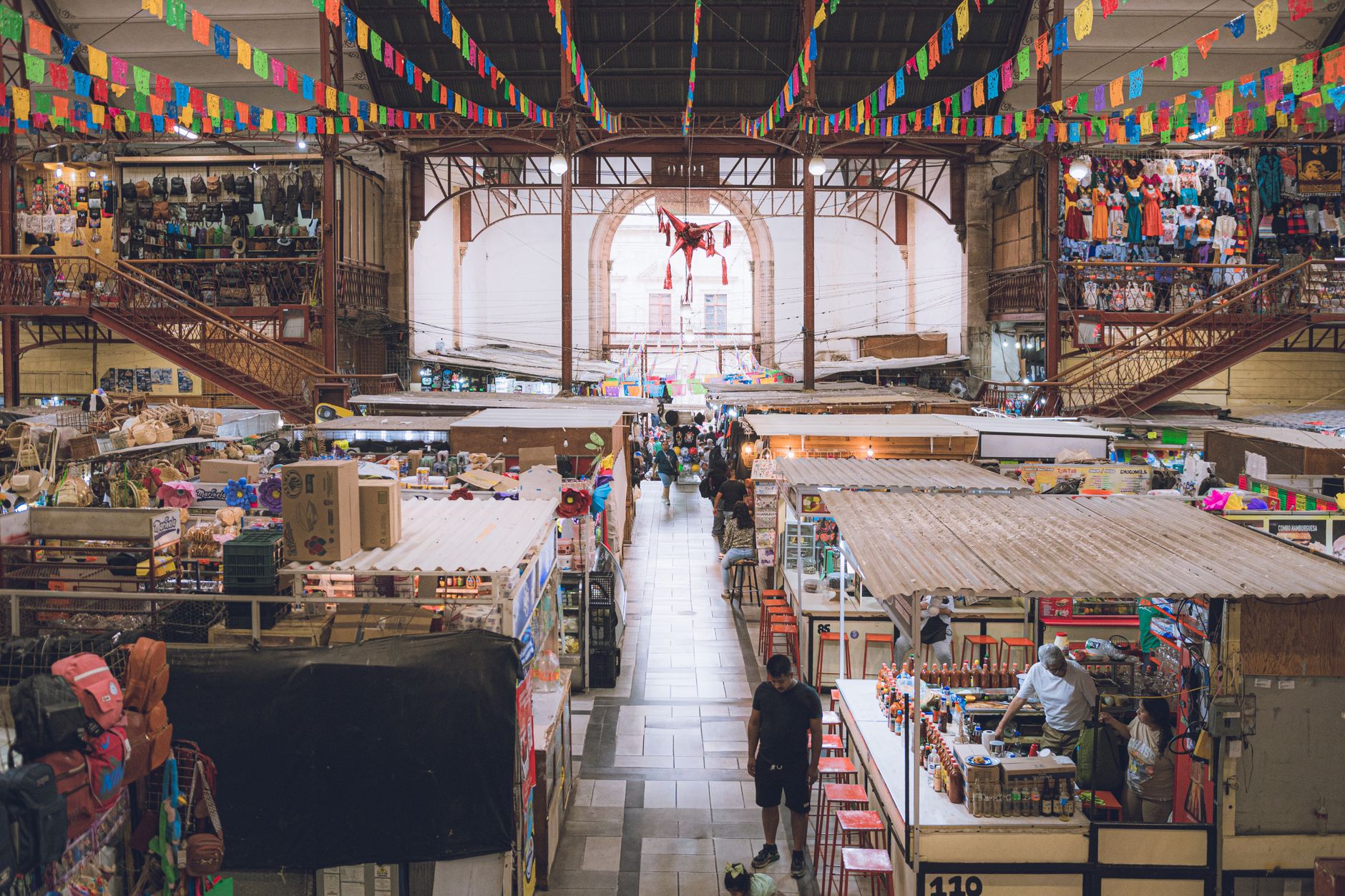
Five or more experiences are essential. Market life at Mercado de São José for dried fish, cachaça stalls and tapioca stands. A guided visit to Instituto Ricardo Brennand for its armory, collection of blades and European paintings. Oficina Cerâmica Francisco Brennand for large ceramics and an unusual outdoor sculpture park. The ritual and movement-focused exhibits at Paço do Frevo, including occasional short workshops on frevo steps. An evening walking the Avenida Boa Viagem boardwalk to sample street food and watch local beach routines. Additional options: a Sunday morning craft market in Recife Antigo near Marco Zero, a boat trip along the Capibaribe for urban river views, and live forró or samba nights in Casa Amarela or Boa Vista neighborhoods.
Where to Stay
Boa Viagem: Suits beach-first travellers and families; high-rise hotels and serviced apartments line Av. Boa Viagem and are 20–40 minutes from the airport by cab. Expect nightly rates around R$180–400 (≈€35–80/$40–90) for mid-range hotels. Recife Antigo / Marco Zero: Best for walkable sightseeing and nightlife; many pousadas and boutique options within minutes of museums and the port. Nightly cost typically R$150–300 (≈€30–60/$35–70) for modest rooms. Casa Forte / Pina / Várzea: Good for a quieter, local residential feel and closer access to Instituto Ricardo Brennand and Oficina Cerâmica; expect guesthouses or small hotels around R$120–260 (≈€25–55/$30–60). Each neighbourhood has trade-offs: Boa Viagem is busier and tourist-focused, Recife Antigo offers quick museum access, and Casa Forte gives quieter streets with local restaurants.
Food and Drink
Bolo de rolo — a thin-layered cake rolled with guava paste; find it at Casa dos Frios or Mercado de São José for about R$8–20 per slice. Carne de sol com macaxeira — salted sun-dried beef with boiled cassava; typical restaurant portions cost R$30–60 and are common in Casa Forte eateries. Casquinha de siri — baked crab shell with seasoned crab meat; street and mercado versions run R$10–30. Tapioca — a cassava flour crepe filled with cheese, coconut or meat; breakfast versions are R$5–15 from morning stalls. Cartola — fried banana with queijo coalho and sugar, often served as dessert in traditional restaurants for R$10–25. For drinks, look for local cachaça brands such as Pitú at Mercado de São José (R$10–20 per small bottle) and regional fruit juices like suco de acerola or cupuaçu sold at markets. Dinner recommendation: a seafood-focused restaurant on Av. Boa Viagem for local fish dishes and a relaxed seaside setting.
Getting Around
Public transit includes Metrô do Recife and a dense municipal bus network; both accept the VEM prepaid card. Key metro stations to know: Recife (Central station), Joana Bezerra and Derby for central access; trains connect to surrounding suburbs but do not hit all tourist sites directly. Single-ride fares for buses and metro are paid via VEM and typically cost around R$4–5; no widely marketed 24-hour tourist pass exists, though daily travel cards and top-ups are available for frequent users. Taxi meters in the city are common but app rides (Uber, 99) tend to be cheaper and more reliable; a taxi from Boa Viagem to the airport is roughly R$40–80. Useful transit apps: Moovit and Google Maps for routes, VEM card top-up apps where available for balance checks.
Best Time to Visit
High season runs December through March when temperatures are 26–31°C and beaches are busiest; expect higher hotel rates and larger crowds on Boa Viagem. April to June offers slightly cooler temperatures (24–28°C), fewer crowds and lower prices while still swim-friendly. July to September is drier and often less humid with temperatures 23–28°C, making it a comfortable shoulder season for museum visits and city walking. October and November bring more rain and variable sea conditions, which can affect beach plans; avoid planning short stays that hinge only on beach time during these months.
Budget and Practical Tips
A realistic daily budget (mid-range) per person: accommodation R$150–300 (≈€30–60/$35–70), food R$60–120 (≈€12–24/$15–28), local transport R$10–30 (≈€2–6/$2–7), museum entries R$20–60 (≈€4–12/$5–15) depending on sites. Street food and market snacks can keep daily food costs under R$50. Tipping: leaving small change or rounding up is normal for casual services; for sit-down restaurants a 10% service charge may be listed — check the bill before adding extra. Carry small bills for markets and a backup card; card machines at small vendors sometimes fail during busy market hours. Safety and baggage tip: keep valuables discreet on crowded streets and use hotel safes for passports and excess cash.
FAQ
Is Recife safe for tourists?
Most daytime tourist areas like Recife Antigo, Boa Viagem and Casa Forte are safe if usual precautions are used: avoid displaying valuables, do not walk alone late at night in less-trafficked streets and prefer app rides after midnight.
How do I get from the airport to Boa Viagem?
The most practical option is an app-based ride (Uber or 99) costing roughly R$35–80 and taking 20–40 minutes; metered taxis and hotel transfers are available but pricier.
Is a city card or pass worth buying?
There is no single standard tourist city card with major discounts; museum entry prices are moderate so buying a general pass is not usually necessary.
Can public transit reach Instituto Ricardo Brennand?
Metro and buses get close but most visitors use a short taxi or app ride from central stations because the institute sits outside the main metro corridor.
Are beaches swimmable year-round?
Boa Viagem is swimmable most of the year but watch for tide and beach signage about currents and jellyfish; natural rock pools are best at low tide.
What transport apps should be used?
Moovit and Google Maps are reliable for public transit planning; Uber and 99 are recommended for door-to-door trips.
Conclusion
A three-day plan balances the port quarter, a deep museum day and relaxed beach time without rushing. The most memorable elements tend to be the museum contrasts — Brennand’s castle-like setting and the kinetic exhibits at Paço do Frevo — plus the flavors of Mercado de São José. If time becomes tight, prioritize Marco Zero and Paço do Frevo for a compact historical and cultural snapshot; a single afternoon at Instituto Ricardo Brennand is the other must-do if museums are a priority.
How this guide was prepared
This guide was prepared through a structured research that combines destination research, geographic context, itinerary planning logic, and content review.