
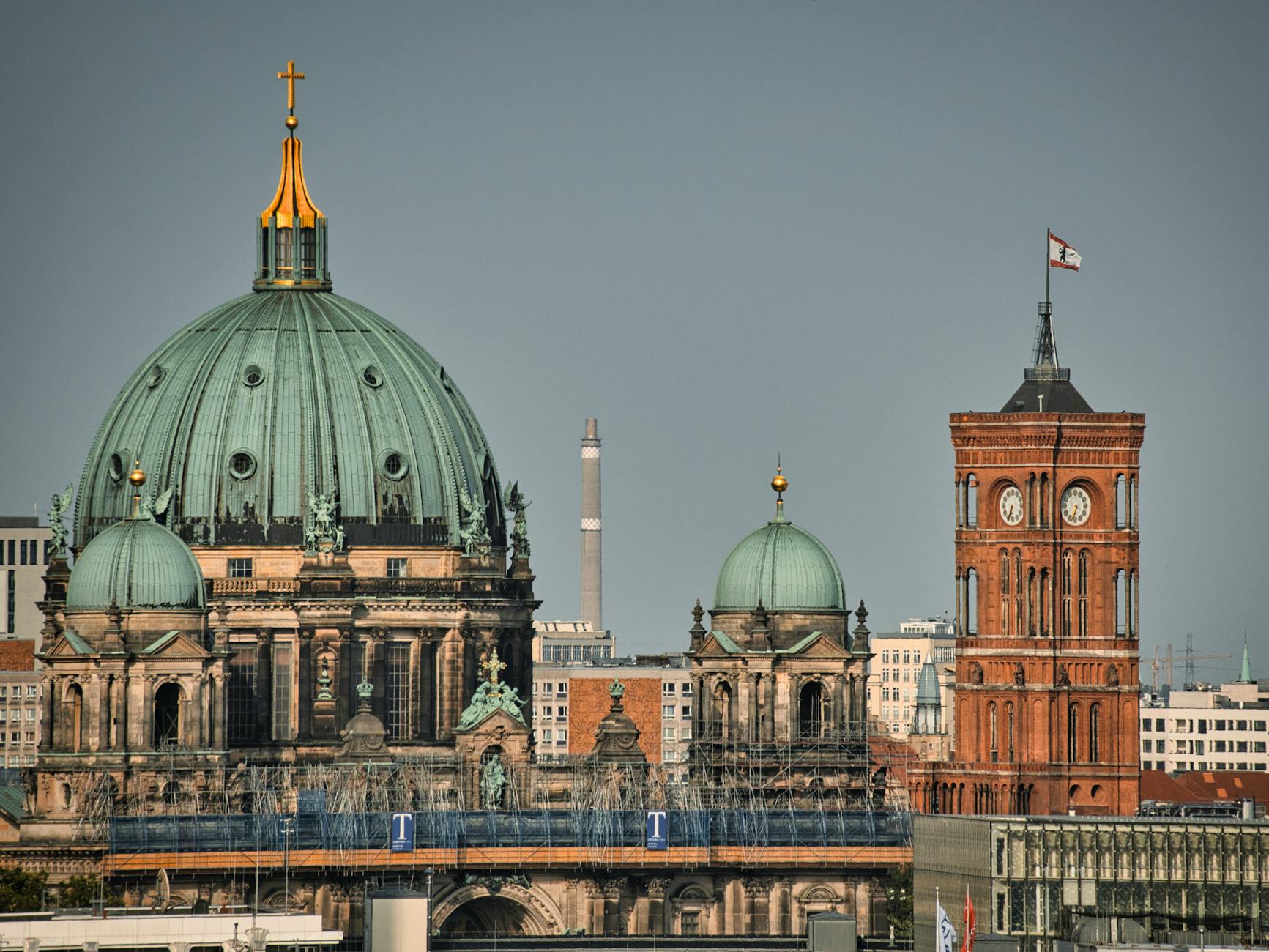
Responsible Travel in Berlin — Practical Support for a 3-Day Visit
A pragmatic, local-first guide to visiting Berlin responsibly. Practical neighborhood, transport, booking and seasonal tips to complement our 3 days in Berlin itinerary and plan sustainable day trips to Potsdam, Leipzig, Dresden and beyond.
Concise, actionable advice for low-impact, locally minded travelers spending a short stay in Berlin — neighborhoods, transit, booking tips, seasonal guidance and responsible choices that pair with our 3 days in Berlin itinerary.
If you have three days: base yourself in a central but residential neighborhood (Prenzlauer Berg, Kreuzberg, or Friedrichshain) to reduce transit time and spend money locally. Buy a day or multi-day BVG pass (zones AB unless you go to Potsdam) and book major timed tickets — Reichstag and Museum Island museums — in advance. Favor shoulder seasons (April–May or September–October) to avoid crowds and high temperatures and use regional trains for day trips to Potsdam and Saxony. See our 3 days in Berlin guide for a tested itinerary and timing.
This support page gives short, practical guidance for travelers who plan to use our 3 days in Berlin itinerary and want to travel with low impact, support local businesses, and avoid common mistakes. Use it to pick neighborhoods, sort transport and booking choices, and add responsible day trips to Potsdam, Leipzig, Dresden, Magdeburg or Chemnitz. The tone is practical: what to do, when to book, and how to behave respectfully in Berlin’s neighborhoods.
What This Page Helps You Decide
Use this page to decide:
– Where to stay: pick neighborhoods that match the tone you want and minimize taxi use.
– How to get around: which ticket to buy, when a bike or tram is smarter than a taxi.
– When to visit attractions: timed tickets and low-impact scheduling.
– Which day trips to add: realistic transit times for Potsdam, Leipzig, Dresden, Magdeburg and Chemnitz.
It supports the pace in our 3 days in Berlin itinerary and helps you shift activities to shoulder-season hours or quieter neighborhoods to reduce overtourism.

Top Recommendations
Neighborhood choices:
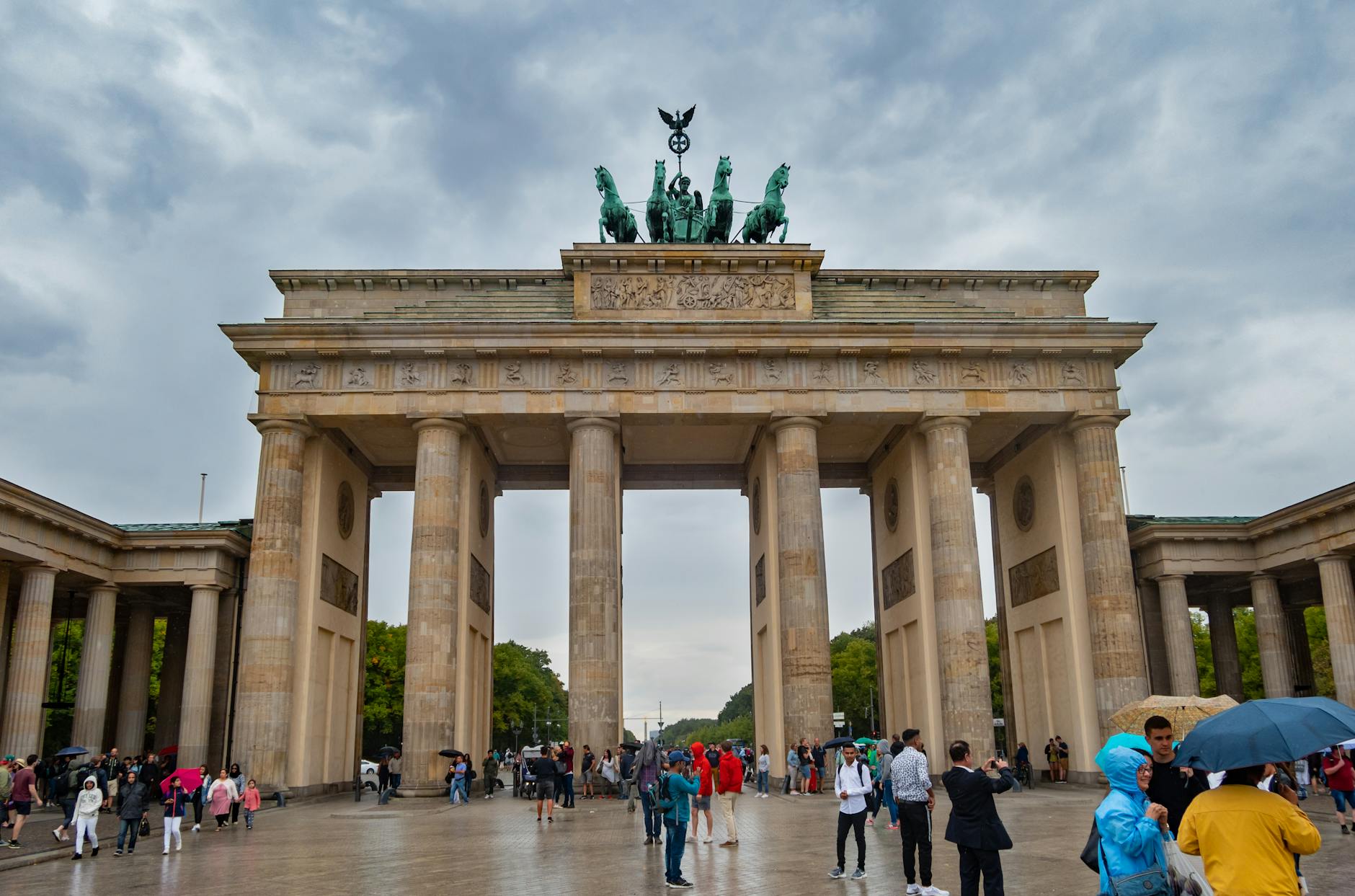
– Mitte: easy walking distance to Museum Island and Brandenburg Gate but busier and pricier; use it for one night max if you want proximity.
– Kreuzberg/Neukölln: lively, local cafés, markets (Maybachufer), and independent restaurants; good for evenings and sustainable spending.
– Prenzlauer Berg: quieter streets, family-run cafés, close to Mauerpark and transit links.
– Charlottenburg: better for visitors who prefer classic architecture and proximity to Charlottenburg Palace.
Transport and tickets:
– Buy a Berlin ABC pass only if you travel to Potsdam (zone C). For central Berlin, AB multi-day passes save time.
– Use BVG app or ticket machines; inspectors issue large fines for unpaid travel.
Must-book attractions:
– Reichstag dome (free but requires advance registration).
– Museum Island museums (limited-timed entries and combined tickets).
– Special exhibitions, clubs or guided walks — book ahead, especially on weekends.
Day trips that pair well with a 3-day stay:
– Potsdam: 30–40 minutes by S7 or regional train; compelling palaces and parks — buy an AB+C ticket if you return from Potsdam central stations.
– Leipzig or Dresden: 1.5–2 hours by IC/RE trains; better as overnight or early-start day trips.
– Magdeburg and Chemnitz: regional options, less crowded and good for low-impact travel if you prefer quieter urban culture.
Local Context
Berlin’s neighborhoods each have distinct rhythms.
– Mitte: tourist density and government institutions; quiet mornings, busy afternoons.
– Friedrichshain and Kreuzberg: nightlife hubs; respect residents by keeping noise low after 10pm.
– Prenzlauer Berg: family-oriented with weekend markets and quieter nights.
– Wedding and Neukölln: emerging scenes with low-cost local cafés and social projects worth supporting.
Seasonal notes:
– Shoulder seasons (April–May, Sept–Oct) offer milder weather, fewer crowds and better public-transport availability.
– Summer sees festivals and higher hotel rates; winters are quiet but cold — good for museum visits and lower prices.
Transport realities:
– Berlin’s public transport (U-Bahn, S-Bahn, trams, buses) is extensive. Expect occasional strikes or infrastructure work; always check BVG advisories.
– Bike lanes are widespread; use caution at junctions and follow local bike rules. Many neighborhoods are walkable, which supports local shops and lowers impact.

How to Choose Well
Pick accommodation for four practical reasons: commute time, local vibe, support for small businesses, and noise levels.
– Shortlist 2–3 neighborhoods that match your schedule: proximity to planned sights from the 3-day itinerary, late-night preferences, and access to regional trains if you plan day trips.
– Check booking terms: favor flexible, refundable options and small hotels or family-run pensions when possible.
– Transportation choice matrix:
– Walk: best in Mitte and along the Museum Island–Tiergarten axis.
– Bike: fastest for inner-city short hops; rent from local shops rather than international apps when possible.
– Public transport: reliable for longer distances and day trips; buy a multi-day pass if you’ll use S-/U-Bahn frequently.
– Timing attractions: visit popular museums early or late openings and reserve timed entries; use quieter weekdays for Museum Island and the Reichstag.
Responsible and Local-First Tips
Practical choices to prioritize local economies and reduce impact:
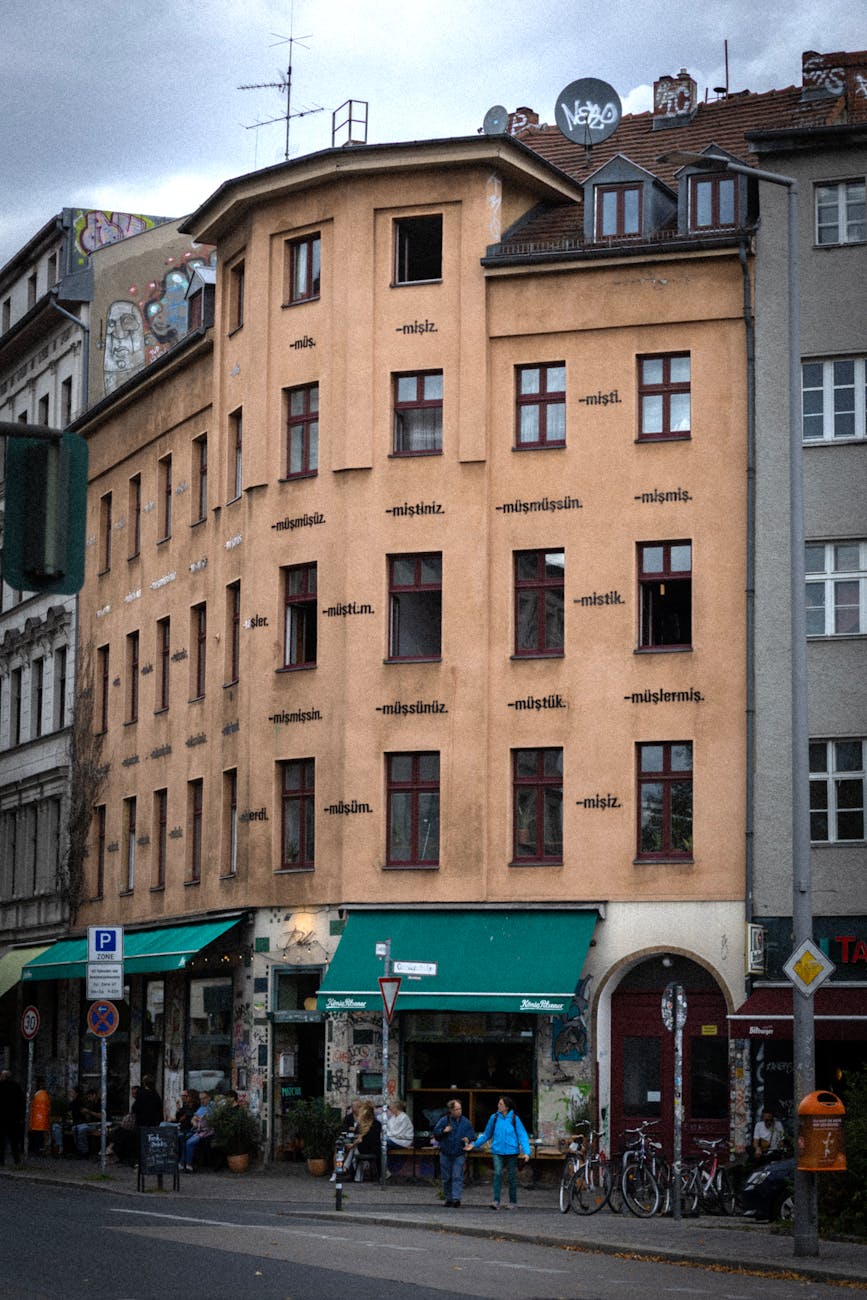
– Eat at market stalls and independent restaurants: Markthalle Neun and the Maybachufer market channel money to local vendors.
– Book local guides and small-group walking tours that pay fair wages and keep groups small.
– Use public transport or bike-sharing rather than taxis; if you rent a car for regional trips, choose trains first.
– Respect residential quiet hours (generally later evening quiet after 10pm) and avoid loud behavior in apartment-lined streets.
– Buy souvenirs from independent makers, not souvenir chains; consider a single, well-chosen item from a local craftsperson.
– Offset effects of travel by adding a low-impact activity: volunteer half-day experiences, donate to a local conservation project, or spend more in neighborhood cafés rather than tourist traps.
– For day trips: prefer regional trains (RE/IC) to multiple flights or long car journeys. Potsdam is an easy low-impact addition to a 3-day Berlin stay.

Common Mistakes to Avoid
Avoid these pitfalls that derail short stays:
– Staying only in Mitte to the exclusion of characterful neighborhoods. You’ll miss local businesses and often pay more.
– Not booking the Reichstag or Museum Island in advance; you’ll lose time queuing and risk sold-out slots.
– Assuming taxis are faster—during peak hours public transport or bicycles are usually quicker and cheaper.
– Trying to see too many far-flung cities in one short trip; pick one Saxony city (Leipzig or Dresden) as a day trip or overnight, not both in a single day.
– Ignoring BVG ticket rules. Inspectors fine without warning; use validated tickets or mobile app passes.
– Being loud late at night in residential streets—respect quiet hours and neighbors to keep neighborhoods welcoming.
FAQ
Which neighborhood is best for a 3-day stay?
For a short stay that balances convenience and local life, choose Kreuzberg or Prenzlauer Berg for cafés and markets, or Charlottenburg if you prefer quieter, classical sights. Mitte is convenient for museums but can be noisy and touristy.
Do I need a Berlin WelcomeCard or public transport pass?
If you plan multiple journeys per day inside the city, a day or multi-day BVG AB pass is usually the best value. Add zone C only if you travel to Potsdam without separate regional tickets.
How far in advance should I book Reichstag and Museum Island tickets?
Book Reichstag dome access and timed entries for Museum Island museums at least a week ahead in high season; during shoulder season a few days may suffice but weekends still sell out.
Are bikes safe and recommended?
Yes—Berlin has extensive bike lanes and bike-friendly streets. Rent from a reputable local shop, follow traffic rules, and avoid riding on pavements. Peak-hour tram and car junctions need extra caution.
Can I do Potsdam as a quick day trip from Berlin?
Yes. Potsdam is 30–40 minutes by S-Bahn or regional train. Start early to maximize palace and park time, and remember you may need an ABC ticket if returning from Potsdam central stations.
What about safety and pickpockets?
Berlin is generally safe, but standard precautions apply: keep valuables secure, be alert in crowded areas and on night transport, and avoid isolated spots late at night. Use well-lit routes when returning to neighborhoods after clubs or late trains.
Conclusion
Berlin rewards travelers who plan a little and favor low-impact choices. Match your neighborhood to the rhythm you want, buy appropriate BVG tickets, book timed tickets ahead, and choose one nearby city for a realistic day trip. These choices pair directly with our 3 days in Berlin itinerary and help you spend money and time in ways that support local people and reduce your footprint. If you want specific accommodation or transit options tailored to travel dates, check the 3 days in Berlin guide and adjust for shoulder-season advantages.
How this guide was prepared
This guide was prepared through a structured research that combines destination research, geographic context, itinerary planning logic, and content review.