

3 Days in Granada: Alhambra, Albaicín & Tapas Weekend Itinerary
Make the most of 3 days in Granada: see the Alhambra, wander Albaicín, catch sunset at Mirador de San Nicolás and enjoy a tapas crawl. Practical tips included.
A compact, atmospheric city built around the Alhambra. This 3-day plan balances top sights, neighborhood walks, flamenco, and tapas so you leave satisfied, not rushed.
This city is a compact, atmospheric blend of Nasrid palaces, whitewashed hills, and lively tapas bars built into a dramatic mountainous setting. It suits culture lovers, photographers, foodies and couples who enjoy walkable neighborhoods and memorable viewpoints. Three days works well because you can reserve a timed visit to the Alhambra, tour the winding Albaicín and Sacromonte quarters, and still have time for museums, a relaxed tapas crawl, and a sunset or flamenco evening without rushing. The itinerary below prioritizes efficient routing, realistic pacing and local tips so a long weekend feels like a proper short break.
Quick Answer
A compact, atmospheric city built around the Alhambra. This 3-day plan balances top sights, neighborhood walks, flamenco, and tapas so you leave satisfied, not rushed.
Who This Guide Is For
This guide is best for first-time visitors, couples, solo travelers, and anyone planning 3-day city break, weekend break, culture trip in Granada with a balance of highlights, local character, and reasonable spending.
How This Guide Was Prepared
This guide was prepared through a structured editorial workflow that combines destination research, geographic context, itinerary planning logic, and practical travel review.
Plan Your Stay in Granada
Use this itinerary as your starting point, then compare areas to stay, transport options, seasonal timing, and realistic daily costs before booking.
Why Visit
A unique fusion of Islamic and Christian history makes the city unforgettable. The Alhambra and its gardens are world-class. Neighborhoods like the Albaicín offer Moorish alleys and panoramic miradores, while Sacromonte adds cliffside cave houses and flamenco tradition. Food is a highlight: tapas culture means sampling many small plates while wandering between plazas. It’s compact enough to explore on foot yet rich enough to reward three days of slow discovery.
Quick Planning Tips
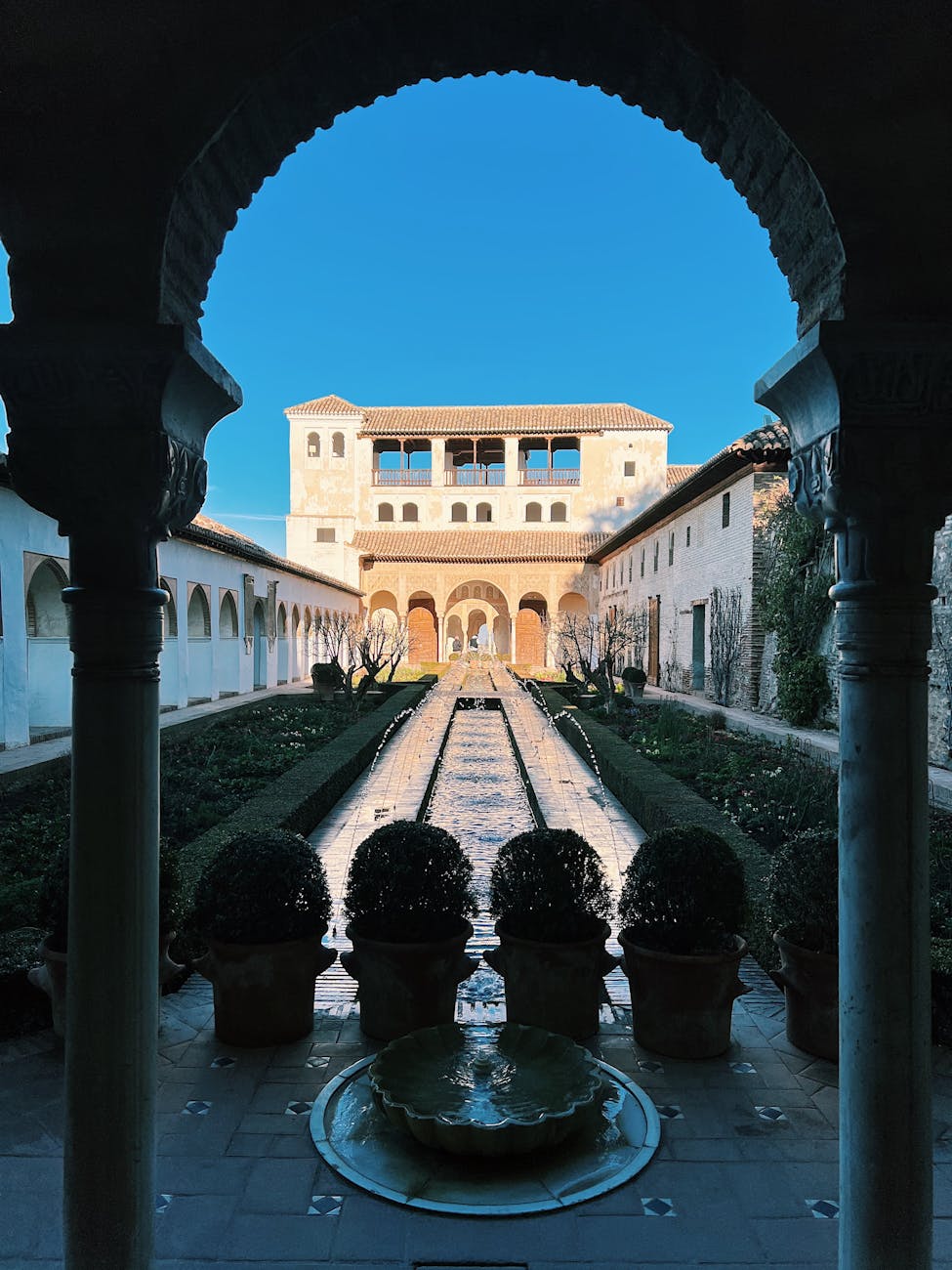
Book Alhambra tickets well in advance with a time slot for the Nasrid Palaces. Aim for early morning or late afternoon slots to avoid peak crowds. Pack comfortable shoes for cobbled streets and steep lanes. Expect Spanish opening hours: many shops close midday for siesta. Learn a few basic Spanish phrases; staff are helpful but English can be limited off the main tourist trail. Carry a small daypack with water, sunscreen and a photocopy of travel documents.
Day 1
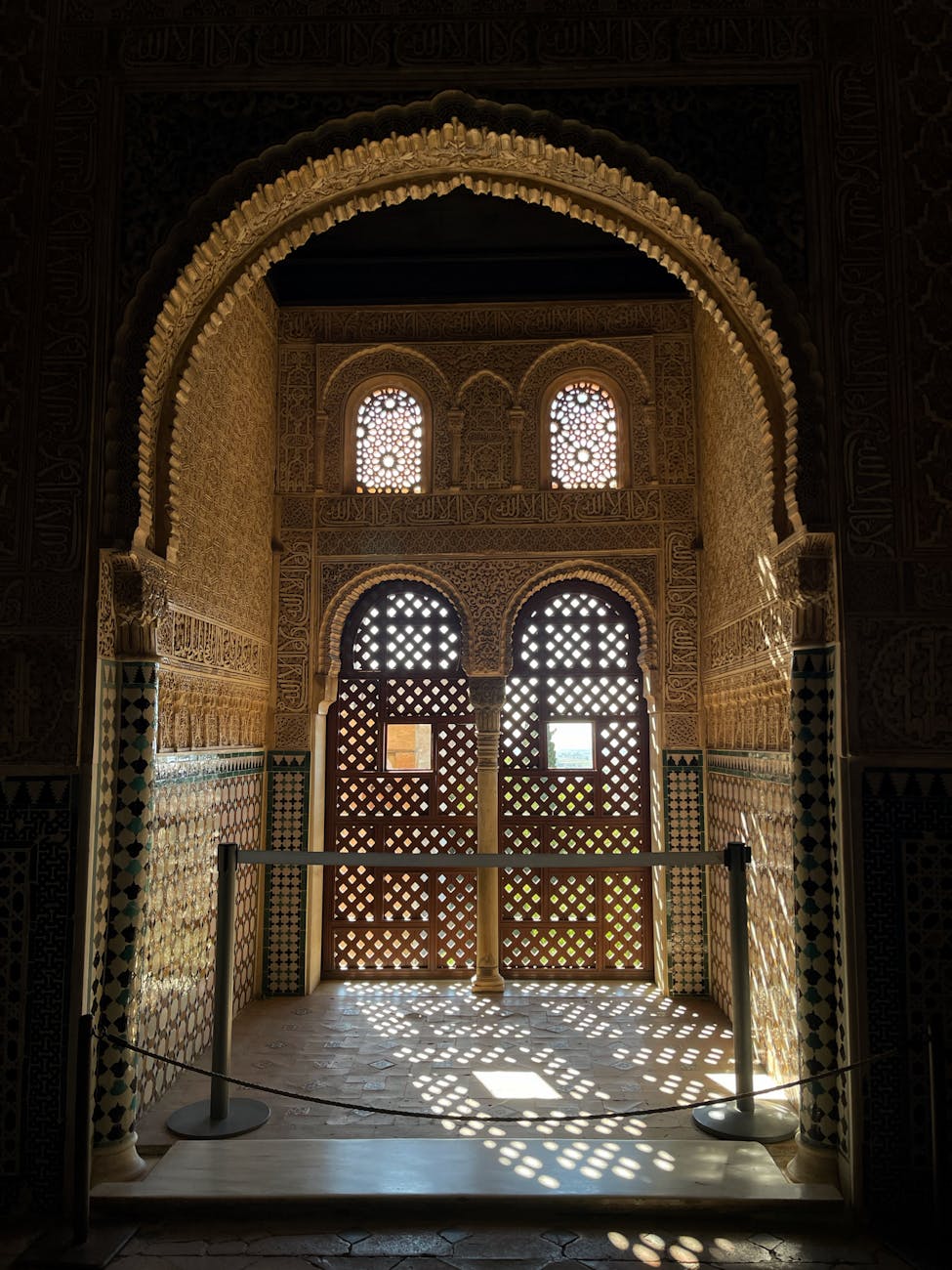
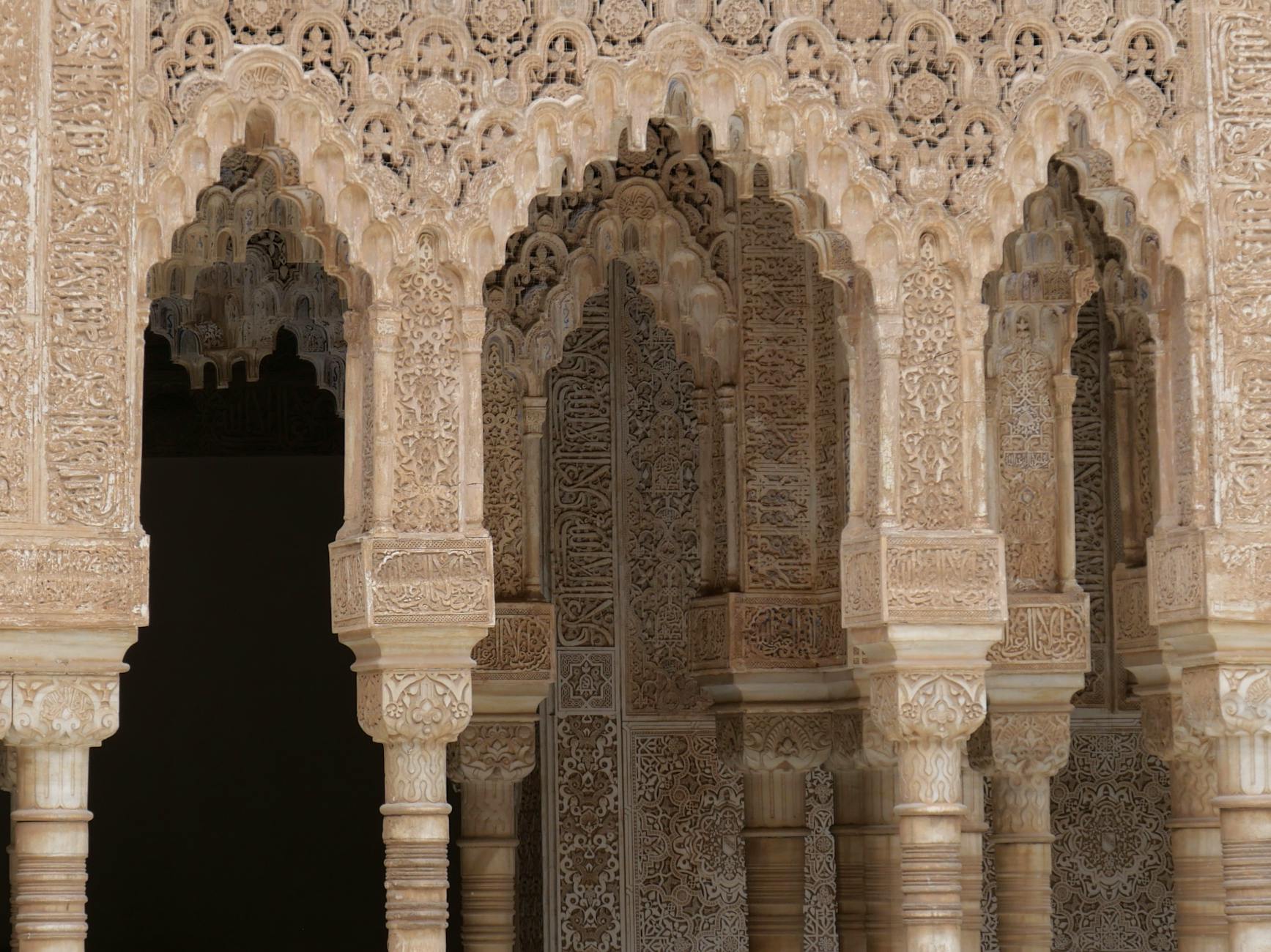
Morning: Start at the Alhambra with a timed ticket—prioritize the Nasrid Palaces first, then Generalife gardens and the Alcazaba. Take your time photographing carved stucco and patios.
Afternoon: Walk down to the Carrera del Darro, cross the Darro river and explore the historic center. Visit the Cathedral and the Royal Chapel to see Isabella and Ferdinand’s tombs.
Evening: Head to Plaza Nueva and Calle Navas for a tapas crawl. Try traditional dishes like piononos and local jamón. Finish with a sunset stroll to a nearby mirador.
Day 2
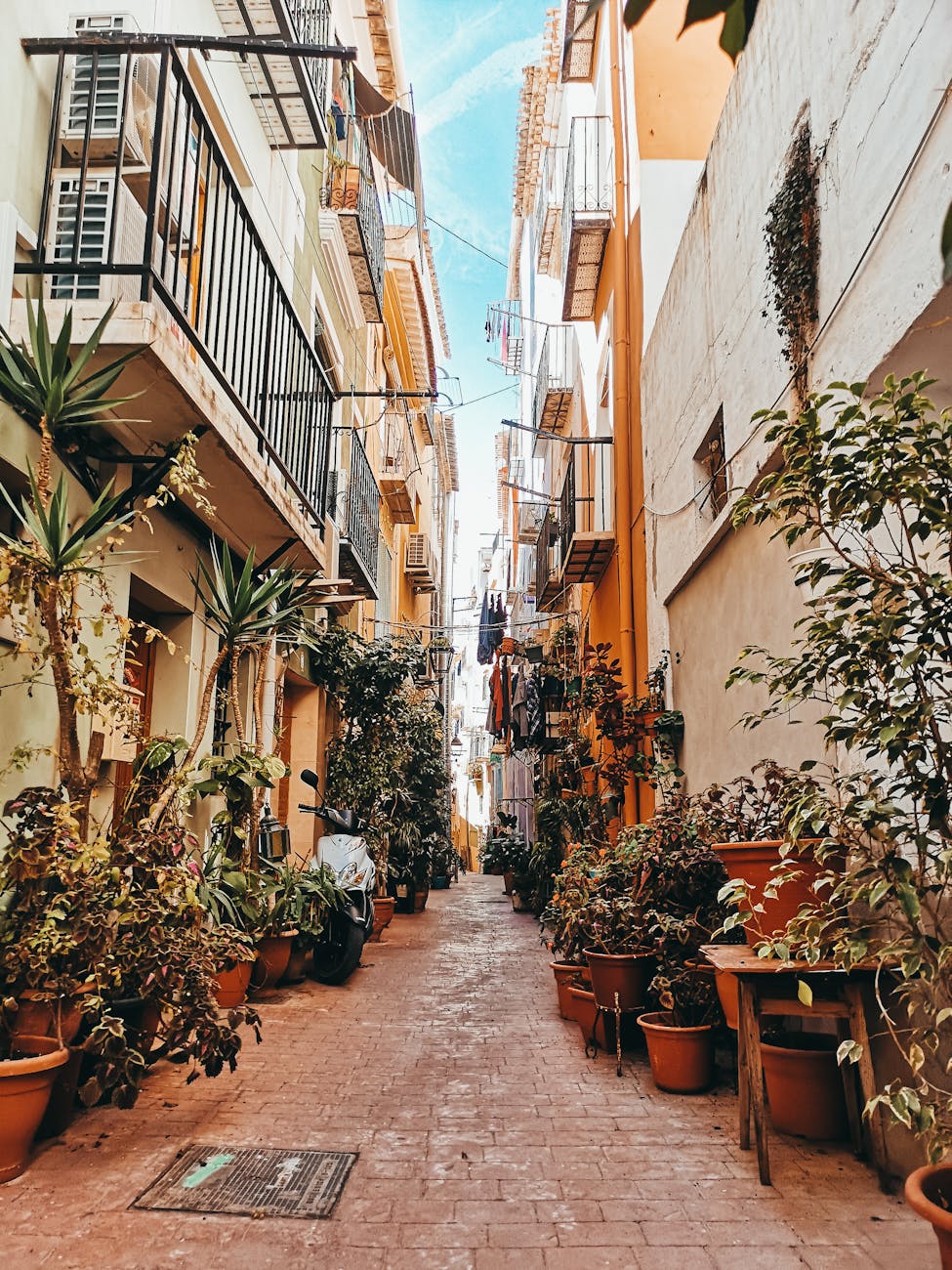
Morning: Explore the Albaicín. Wander its labyrinthine streets, stop at tea houses (teterías) and reach Mirador de San Nicolás for the classic Alhambra view.
Afternoon: Visit the Arab Baths for a relaxing hammam session, then head to the Corral del Carbón or a small museum like the Archaeological Museum depending on interest.
Evening: Book a cave flamenco show in Sacromonte for an intimate, authentic performance. Prebook to secure a good seat and combine with dinner.
Day 3
Morning: Take a relaxed walk through the Realejo neighborhood—graffiti art, bakeries and small galleries make it a pleasant morning. Visit the Science Park if traveling with kids.
Afternoon: Choose a short day trip: the Nerja caves and coast, or a fast train/bus to Málaga for an art stop. Alternatively, linger over museums you skipped and shop artisan ceramics and textiles in local boutiques.
Evening: Return for a final tapas dinner and a sunset view from a rooftop bar or small mirador to close your trip.
Best Local Experiences
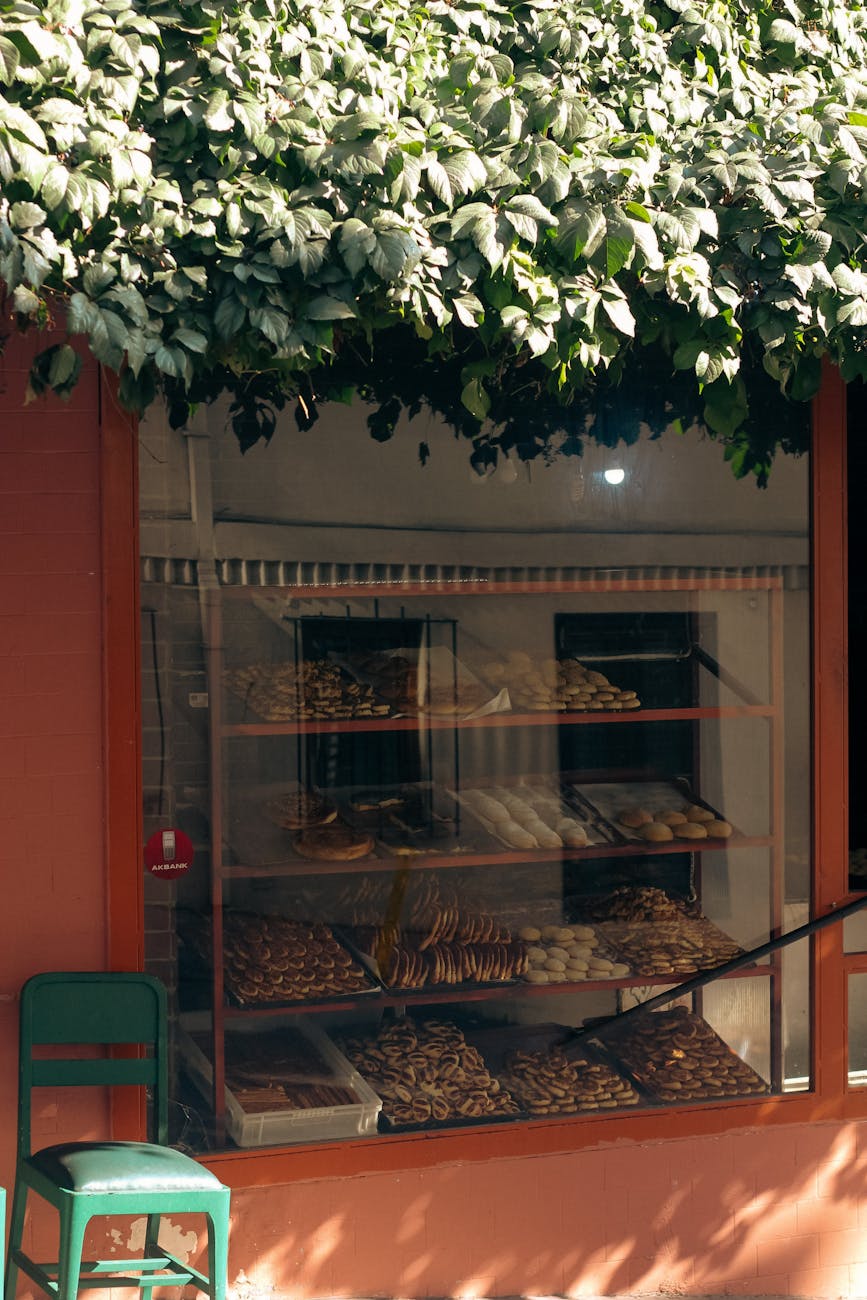
Watch a flamenco recital in a Sacromonte cave for raw, emotional art. Try a relaxed tea and pastries in an Albaicín tetería. Join a tapas crawl—many bars still include a free tapa with a drink in parts of the city. Book a hammam for a restorative soak. Climb to Mirador de San Nicolás at sunset for the quintessential postcard view. If you like markets, visit Mercado de San Agustín for local produce and snacks.

Where to Stay
Choose accommodation by mood: Realejo or Centro for central tapas bars and easy walking; Albaicín for romantic, traditional charm and views; near the Alhambra or Paseo de los Tristes for quick palace access and serene riverside walks. Many boutique hotels and guesthouses occupy restored historic buildings—book early in high season. Check walking distances: streets can be steep and taxi access limited in some historic lanes.
Food and Drink
Tapas rule here: order a drink and expect a small complimentary bite in many places, especially in the center. Must-tries include local cheeses, Jamón de Trevélez, gazpacho in summer and sweet piononos from nearby Santa Fe. For full meals, seek out traditional Andalusian restaurants in the Realejo and Centro districts. For coffee or tea, try a tetería in Albaicín. Wine lovers should sample wines from the Granada and Sierra Nevada vineyards.
Getting Around
The city center is very walkable but hilly—comfortable shoes are essential. Buses cover longer routes; single tickets are cheap and buses run to the Alhambra and train station. Taxis are plentiful after 10pm. From the airport take the Alsa bus to Centro or a taxi for a faster option. Trains and direct buses connect to Málaga and coastal towns like Nerja; consider a day trip by bus if you don’t want to rent a car. Many streets in Albaicín are pedestrian-only.
Best Time to Visit
Spring (April–June) and autumn (September–October) offer pleasant temperatures, blooming gardens and manageable crowds. Summer can be very hot and the Alhambra is busy; winters are mild and quieter but shorter daylight may limit outdoor time. Plan around local festivals like Semana Santa or the Granada Festival if you want cultural programming—expect higher prices and fuller bookings during those dates.
Budget and Practical Tips
Buy Alhambra tickets from the official website and print or save the QR code; some slots sell out weeks ahead. Many tapas bars offer free tapas with a drink, which keeps food costs low—ask when ordering. Cash is useful in small bars, but most places accept cards. Tipping is modest: round up or leave 5–10% in restaurants. Avoid peak tourist hours at key sites to save time. Keep a water bottle and mask for busy indoor spaces if desired.
FAQ
Do I need to book Alhambra tickets in advance?
Yes. Book on the official Alhambra site well before travel and choose a timed slot for the Nasrid Palaces.
How do I get from Granada airport to the city center?
The Alsa shuttle bus runs between the airport and central stops; taxis are quicker and more direct.
Are tapas really free here?
In many central bars you still get a free tapa with a drink, though practices vary by neighborhood and venue.
Is the city walkable with luggage?
The historic center is walkable but very hilly in parts; consider a hotel with pickup or a short taxi ride if you have heavy bags.
Can I visit the Alhambra and Generalife in one morning?
You can if you reserve an early slot and move efficiently, but allow at least three to four hours to appreciate both.
Are Sacromonte flamenco shows family-friendly?
Many are suitable for families though some venues are intimate and better for older children and adults.
Conclusion
Three days reveal the best of the city without rushing: palace mornings, neighborhood afternoons and relaxed tapas or flamenco nights. Prioritize Alhambra logistics, choose one or two neighborhood experiences to savor, and leave room for spontaneous walks and local treats. With these plans you’ll return home with lasting impressions of views, flavors and historic charm.
How this guide was prepared
This guide was prepared through a structured research that combines destination research, geographic context, itinerary planning logic, and content review.