
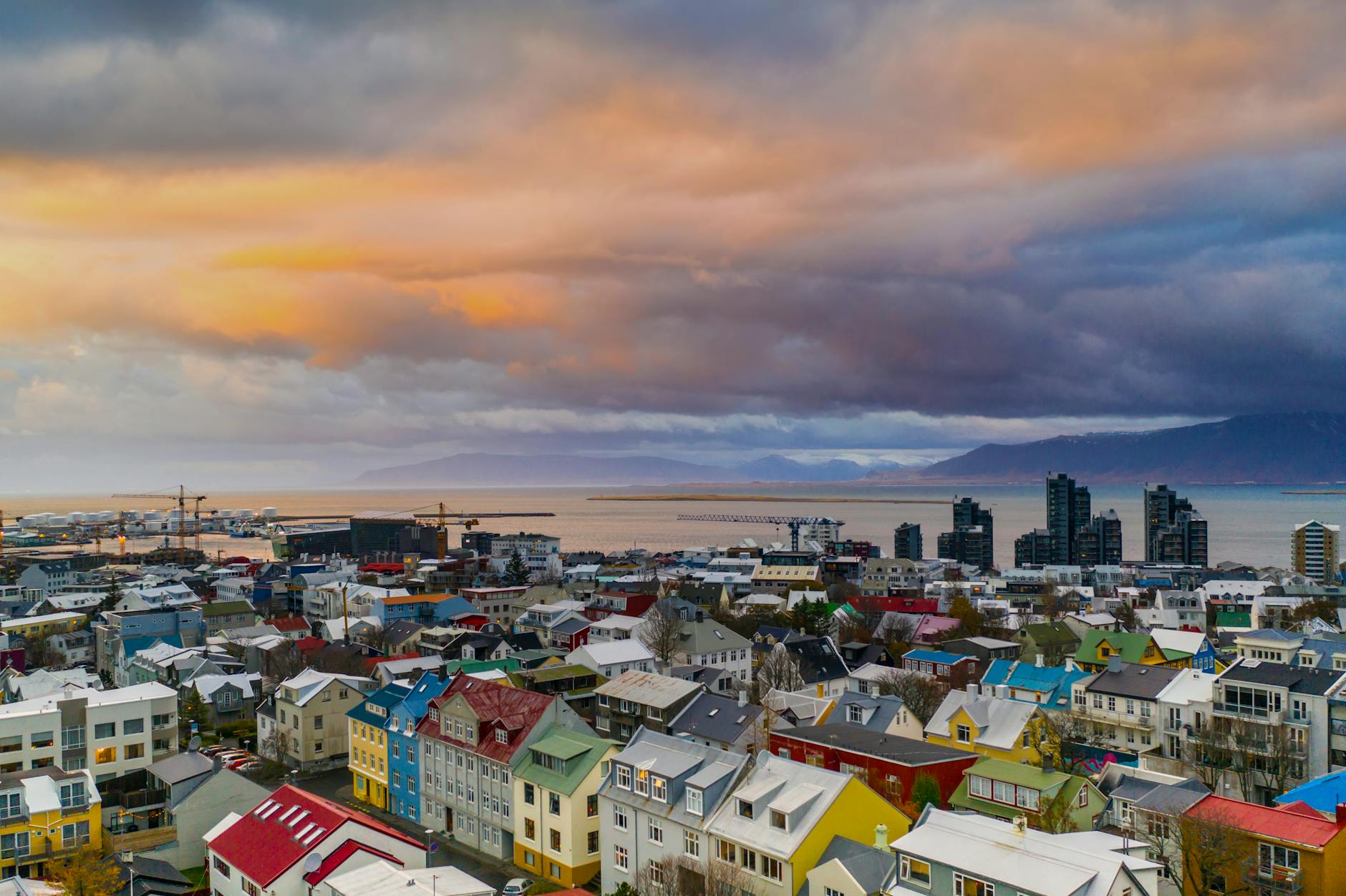
3 Days in Reykjavik: A Practical Itinerary
3-day Reykjavik itinerary: museums, geothermal baths, Golden Circle day trip, food halls, whale watching and neighborhood walks—ideal for a weekend break.
A compact, walkable capital framed by sea and volcanoes. This 3-day guide balances museums, neighborhood walks, a Golden Circle day trip or whale watching, and a geothermal soak.
A compact, creative capital by the North Atlantic, Reykjavik mixes low-rise modern design, lively cafés, and easy access to stark volcanic landscapes. It's ideal for culture seekers, food lovers and short-break travelers who want nature without long transfers. Three days is the sweet spot: enough time to explore downtown museums and neighborhoods, fit a Golden Circle or South Coast day trip, and enjoy a geothermal soak or whale-watching cruise.
This guide lays out a practical, walkable 72-hour plan with neighborhood tips, transit notes, and a few alternatives so you can adjust for season, weather, or energy levels.
Quick Answer
A compact, walkable capital framed by sea and volcanoes. This 3-day guide balances museums, neighborhood walks, a Golden Circle day trip or whale watching, and a geothermal soak.
Who This Guide Is For
This guide is best for first-time visitors, couples, solo travelers, and anyone planning 3-day city break, weekend break, city itinerary in Reykjavik with a balance of highlights, local character, and reasonable spending.
How This Guide Was Prepared
This guide was prepared through a structured editorial workflow that combines destination research, geographic context, itinerary planning logic, and practical travel review.
Plan Your Stay in Reykjavik
Use this itinerary as your starting point, then compare areas to stay, transport options, seasonal timing, and realistic daily costs before booking.
Why Visit
You get culture and raw nature in one short trip: contemporary art, Viking history, and a compact downtown alongside glaciers, geysers and basalt coastlines within easy reach.
Culinary creativity has boomed here—seafood, lamb and modern Nordic tasting menus feature alongside casual favorites like the famed hot dog stands. The compact scale means little time lost on transit; mornings for museums and afternoons for scenic outings are a realistic rhythm.
Seasonally, summer brings midnight sun and festivals; winter offers aurora-chasing and dramatic light.
Quick Planning Tips
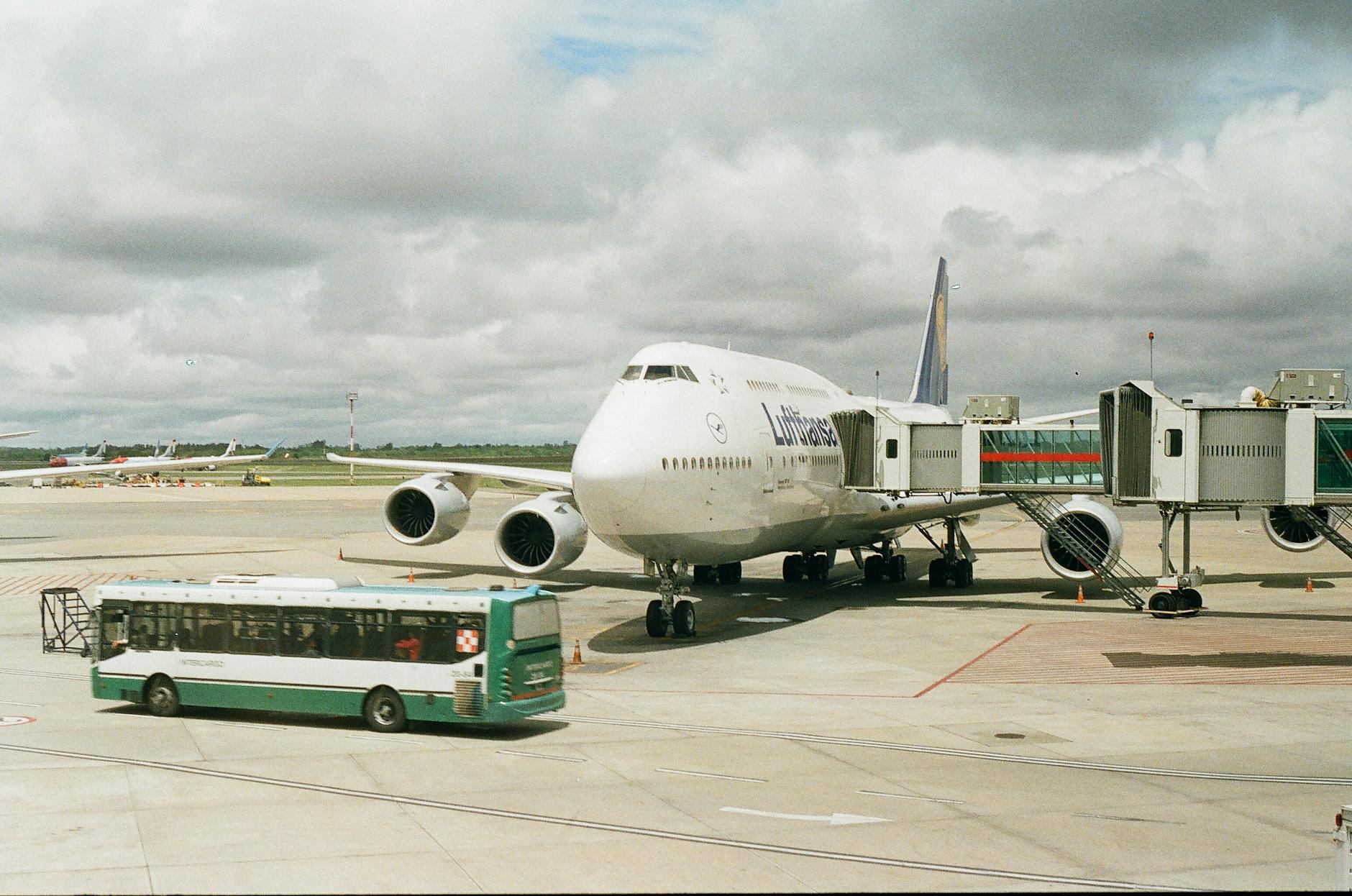
Fly into Keflavík (KEF); allow 45–60 minutes transfer to the city by Flybus, Airport Direct shuttle, or rental car. Currency is Icelandic króna (ISK); cards work almost everywhere.
Pack layered, waterproof clothing and sturdy walking shoes—the weather changes fast. Book popular restaurants, Blue Lagoon or Sky Lagoon, and Golden Circle tours in advance during high season.
Download a local map and the Strætó app for buses. Free tap water is safe; bring a refill bottle for savings.
Day 1
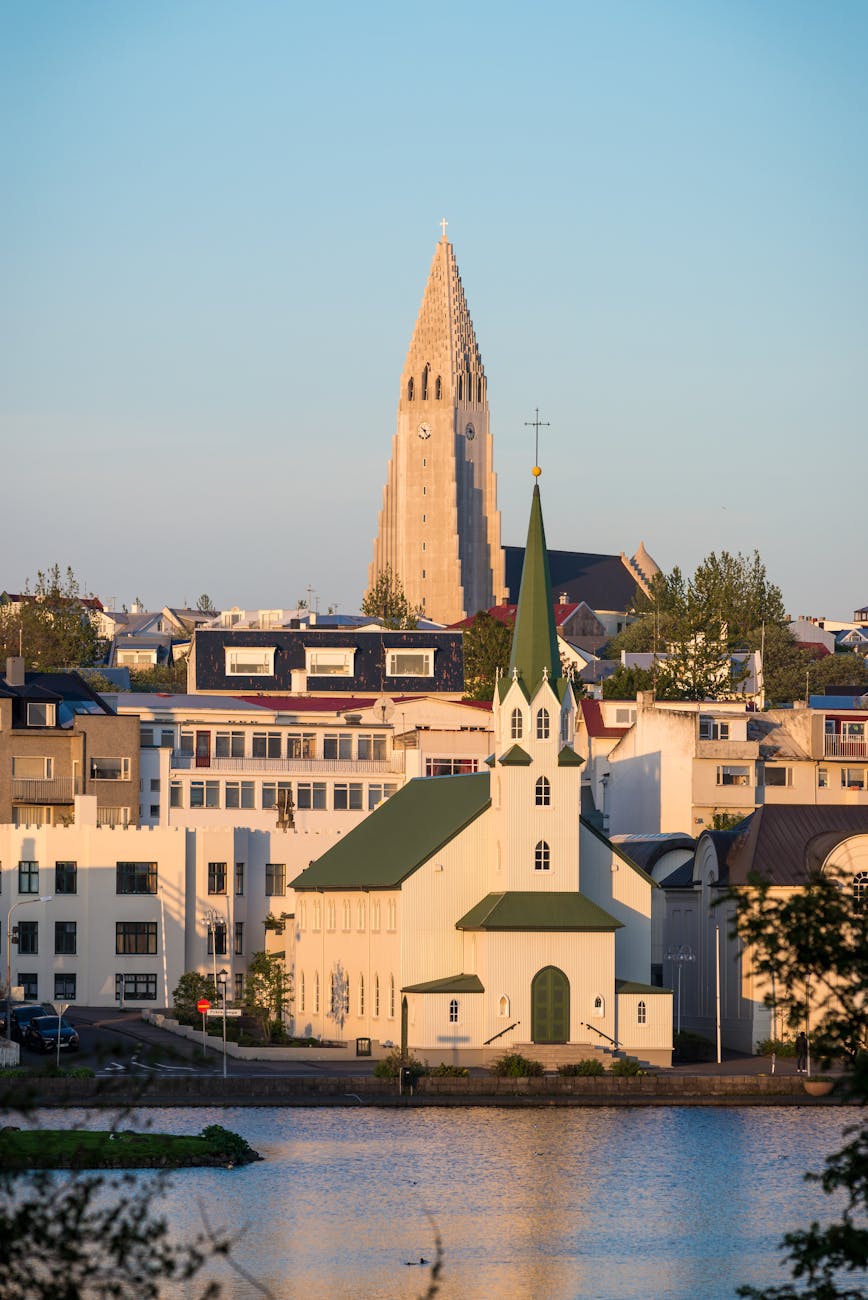
Morning: Start in the 101/Skólavörðuholt area. Climb Hallgrímskirkja tower for panoramic views, then stroll Skólavörðustígur and Laugavegur for boutiques and cafés.
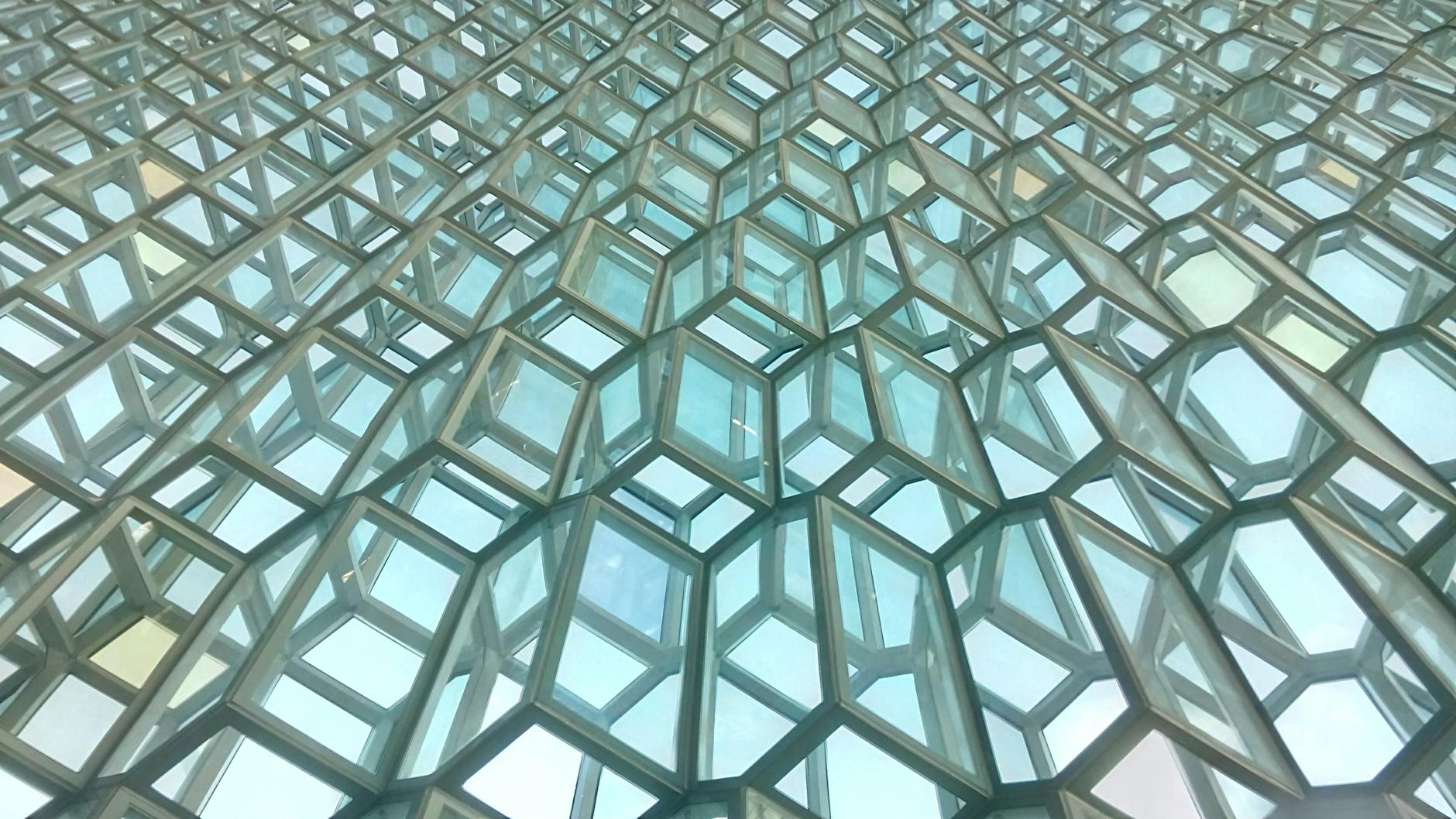
Lunch: Try fish and chips or fresh cod at the Old Harbour market stalls. Afternoon: Visit Harpa Concert Hall and the nearby Sun Voyager sculpture. Choose a museum—Settlement Exhibition or National Museum—depending on your interest in archaeology or national history.
Evening: Dine in the Grandi harbor district. If visiting in winter, reserve a northern lights small-group tour or watch forecasts and head to Grotta for an urban aurora possibility.
Day 2
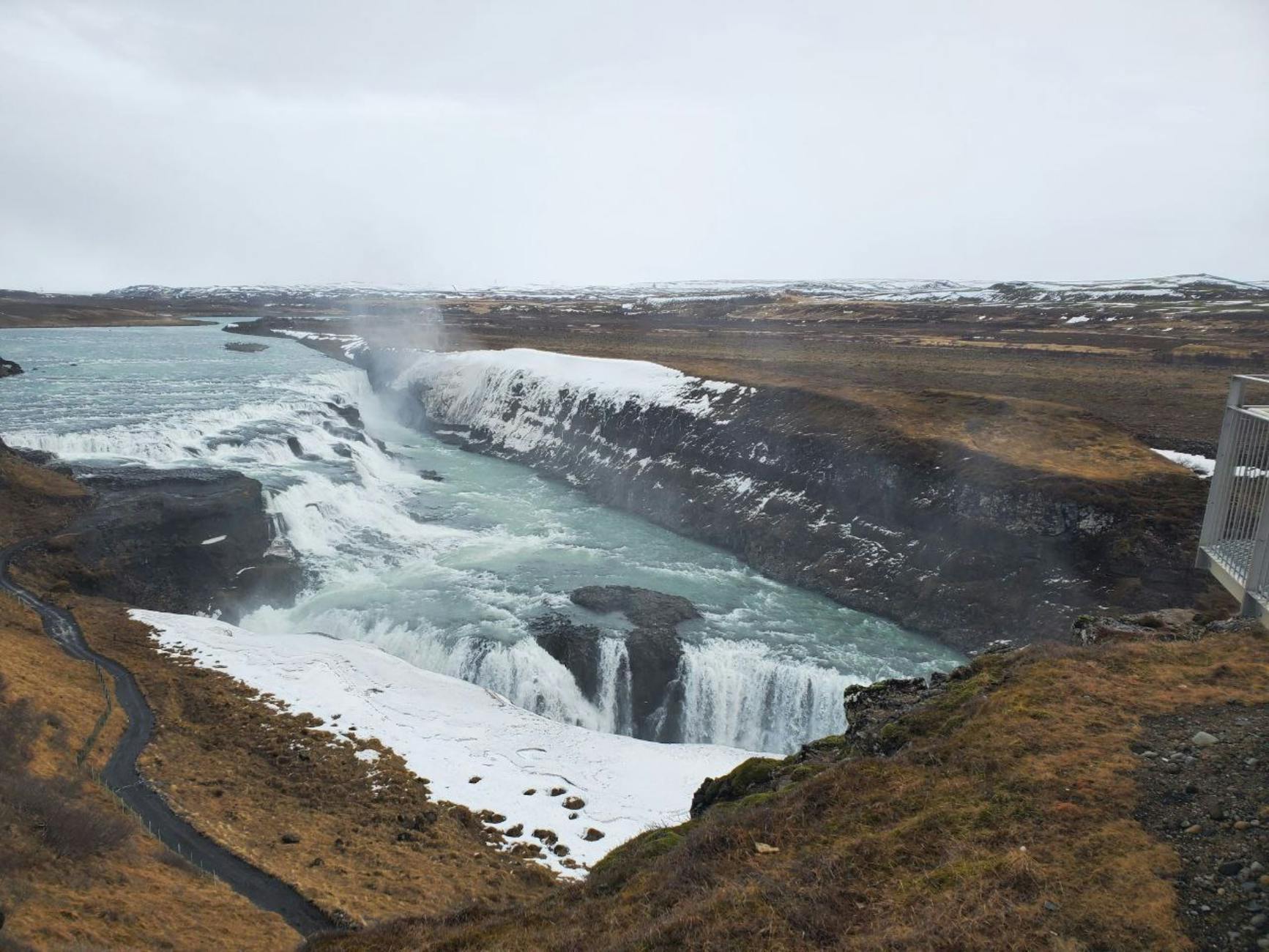
Option A — Golden Circle (classic day trip): Book a guided tour or self-drive to Þingvellir National Park, Geysir geothermal area, and Gullfoss waterfall. Add a local greenhouse stop or Fontana Spa on the return.
Option B — South Coast or Snæfellsnes: For dramatic cliffs, waterfalls and black-sand beaches, choose the South Coast; Snæfellsnes offers volcanoes and coastal villages for a longer day.
Return to the city for a relaxed dinner; sample modern Icelandic tasting menus or casual seafood plates depending on energy and budget.
Day 3
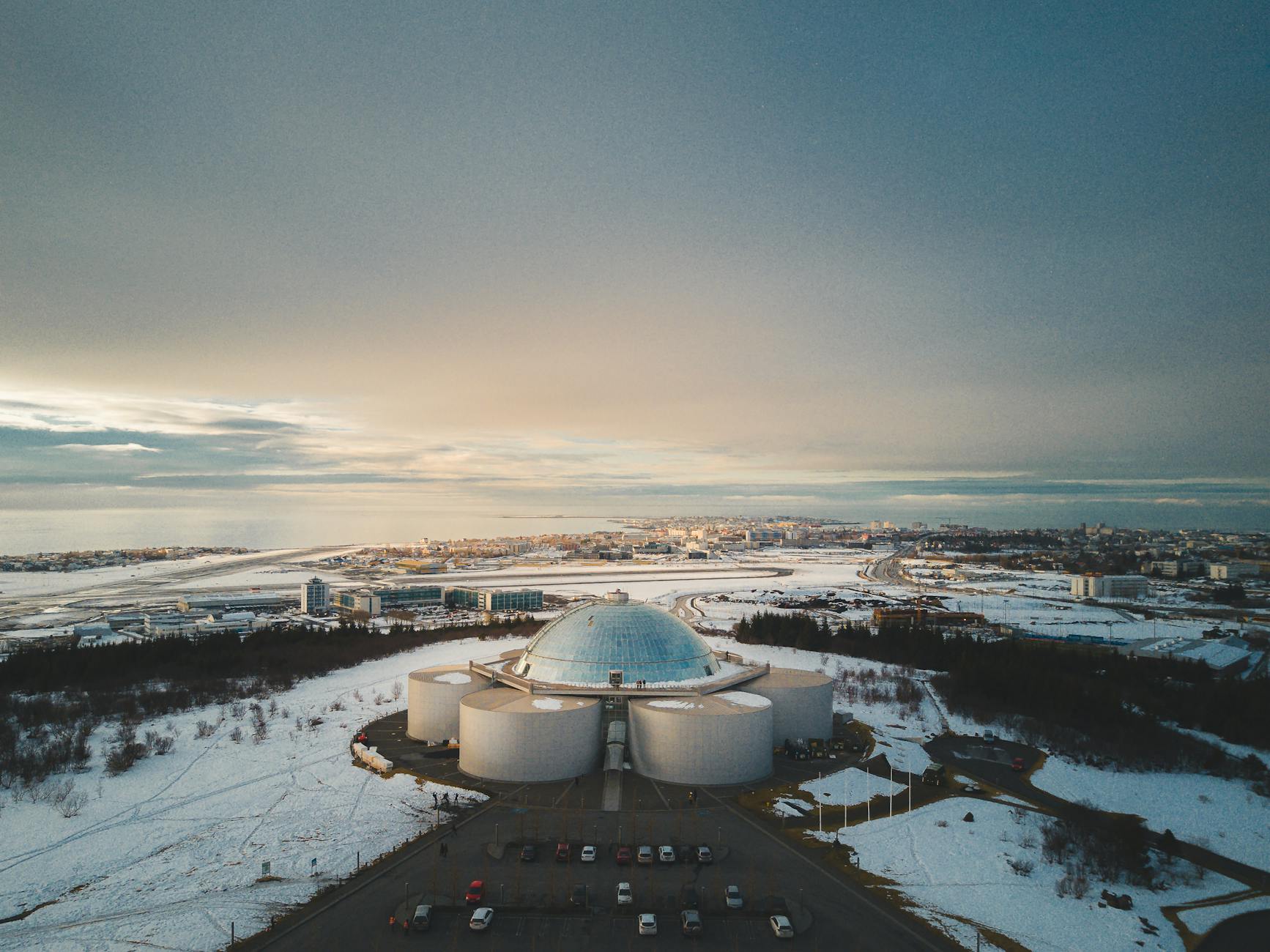
Morning: Visit Perlan for its Wonders of Iceland exhibition and the observation deck, or walk to Laugardalur for Laugardalslaug public pool and a geothermal soak.
Late morning: Head to the Old Harbour for a whale-watching cruise (3 hours) or a short ferry to Viðey island for coastal trails and outdoor sculptures.
Afternoon: Browse Kolaportið flea market (weekends) and pick up local chocolate, skyr or wool items. Spend your final evening sampling Reykjavik's bar scene in the 101 or Grandi neighborhoods or book an evening lagoon experience at Sky Lagoon.
Best Local Experiences
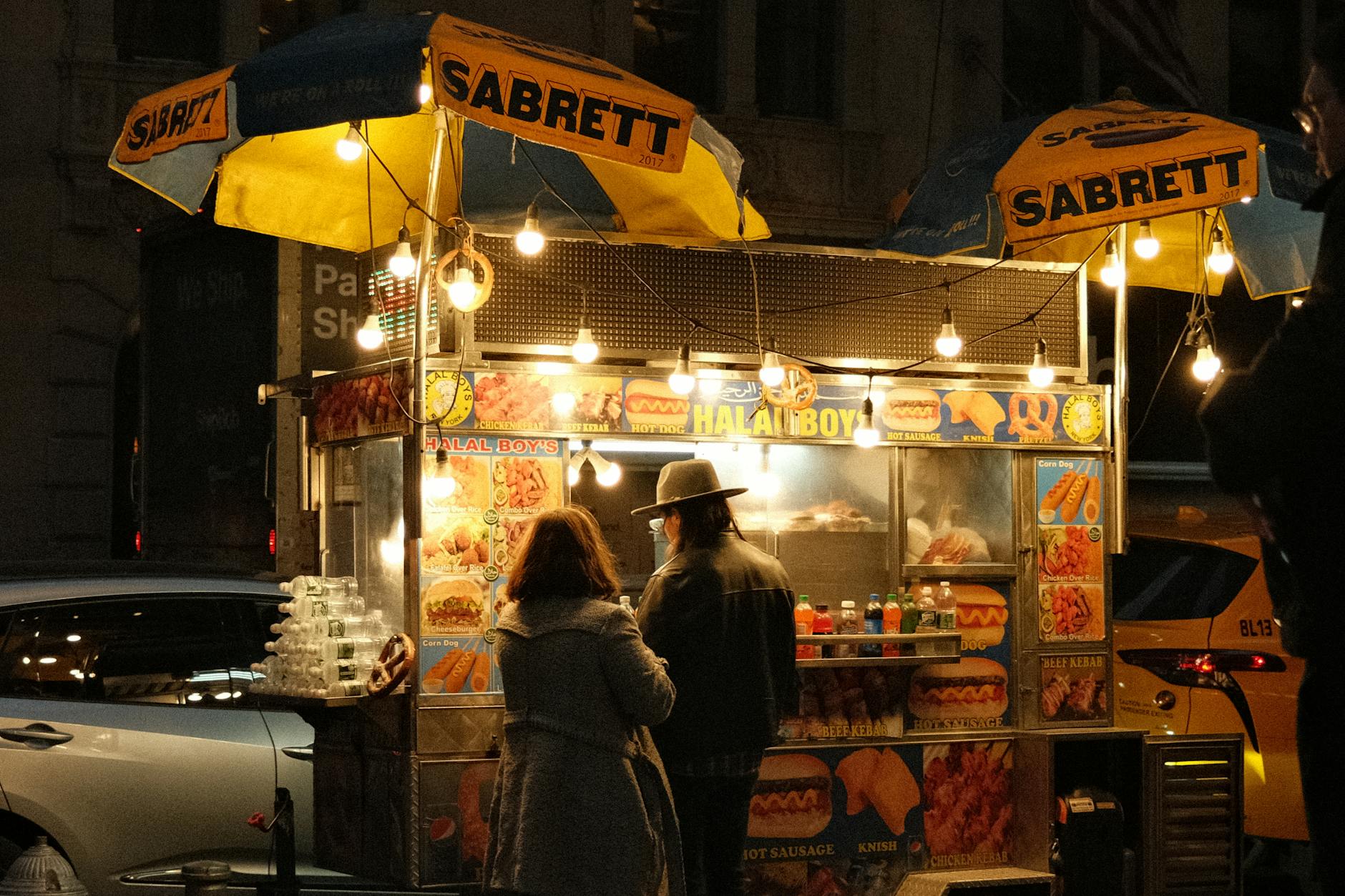
Eat a hot dog at Bæjarins Beztu Pylsur and a pastry from a local bakery. Try Icelandic lamb or seafood at a neighborhood bistro. Visit a public pool—locals socialise in hot tubs and saunas; bring flip-flops and a towel.
Seek out small design shops on Laugavegur and Skólavörðustígur for wool goods and ceramics. Take an evening walk along the waterfront from Harpa to Sun Voyager at golden hour.
If time allows, attend a live-music gig or a poetry reading in downtown venues to get a sense of the city's creative scene.
Where to Stay
Downtown (101) is best for first-timers—walkable to major sights, restaurants and nightlife. The Old Harbour and Grandi are great for food and boat tours. Laugardalur suits families and outdoor pool access. For quieter boutique stays, choose neighborhoods near Hlemmur or Þingholt.
Book early for summer and festival weekends. Small guesthouses and apartment rentals offer kitchen access to save on meals.
Food and Drink
Start days with strong coffee from a neighborhood roastery. Lunch options run from fish markets to hearty soups; try plokkfiskur (fish stew) or lobster rolls. Dinner ranges from inventive tasting menus to relaxed tapas and burgers.
Icelandic dairy and skyr are must-try items. For drinks, sample craft beers at small breweries and try kokteill bars for creative cocktails.
Reservations are recommended for popular restaurants, especially on weekends.
Getting Around
The city center is compact and best explored on foot. Strætó city buses cover suburbs; buy single fares or use a bank card on board, or download the app. Keflavík transfers run by Flybus and Airport Direct; taxis are available but costly.
Car hire is useful for independent day trips but unnecessary for a city-only stay. In summer, consider renting bikes; in winter, rely on buses and guided tours. Ferries to Viðey run year-round on a regular schedule.
Best Time to Visit
Summer (June–August) offers long daylight, outdoor festivals and easier rural drives. Shoulder seasons (May and September) give fewer crowds, lower prices and good daylight while still offering a chance of northern lights in September.
Winter brings aurora potential and a different light quality but shorter days and challenging weather. Choose season based on whether you prioritize hiking and long days or aurora-chasing and cozy indoor experiences.
Budget and Practical Tips
Iceland is expensive: expect cafe coffee around 400–600 ISK, casual meals 1,500–3,500 ISK, and sit-down dinners higher. Save by shopping groceries, using guesthouse kitchens, and choosing one paid attraction plus free walks.
Cards are accepted almost everywhere; cash is rarely needed. Tap water is excellent and free. No tipping is required but rounding up or small tips for exceptional service are appreciated.
Check weather and road conditions before independent drives; register plans for remote excursions.
FAQ
Is 3 days enough to see the highlights?
Yes. Three days covers downtown museums and neighborhoods, one major day trip (Golden Circle or South Coast), and a relaxation or wildlife activity.
How do I see the Northern Lights on a short trip?
Book an aurora tour with a guide who chases clear skies, or monitor forecasts and head to dark areas like Grotta or nearby countryside when conditions look good.
Do I need a car for this itinerary?
Not for the city itself. Use guided day tours or buses for popular attractions. Rent a car only if you want flexible exploration of remote areas.
Where should I go instead of Blue Lagoon?
Sky Lagoon near Kópavogur is closer and offers a modern, coastal spa experience. Local geothermal pools like Laugardalslaug are budget-friendly and authentic.
Is English widely spoken?
Yes. English is commonly spoken and signage is usually bilingual.
What's the best way to get from KEF to the city center?
Flybus or Airport Direct shuttles are convenient and drop at major downtown stops; taxis are faster but more expensive.
Is Reykjavik family-friendly?
Very. Parks, pools, easy walks and accessible museums make it good for families; book family rooms or apartments for space.
Should I bring cash?
No. Card payment is standard. Carry a small amount of ISK only if you plan to visit remote spots.
Conclusion
Three days here give a lively introduction to Icelandic culture and landscape: a day in town, a scenic day trip, and a relaxed final day with a soak or wildlife outing. Keep plans flexible for weather, book key experiences ahead, and leave a little free time to linger in cafés, galleries and coastal walks.
How this guide was prepared
This guide was prepared through a structured research that combines destination research, geographic context, itinerary planning logic, and content review.