
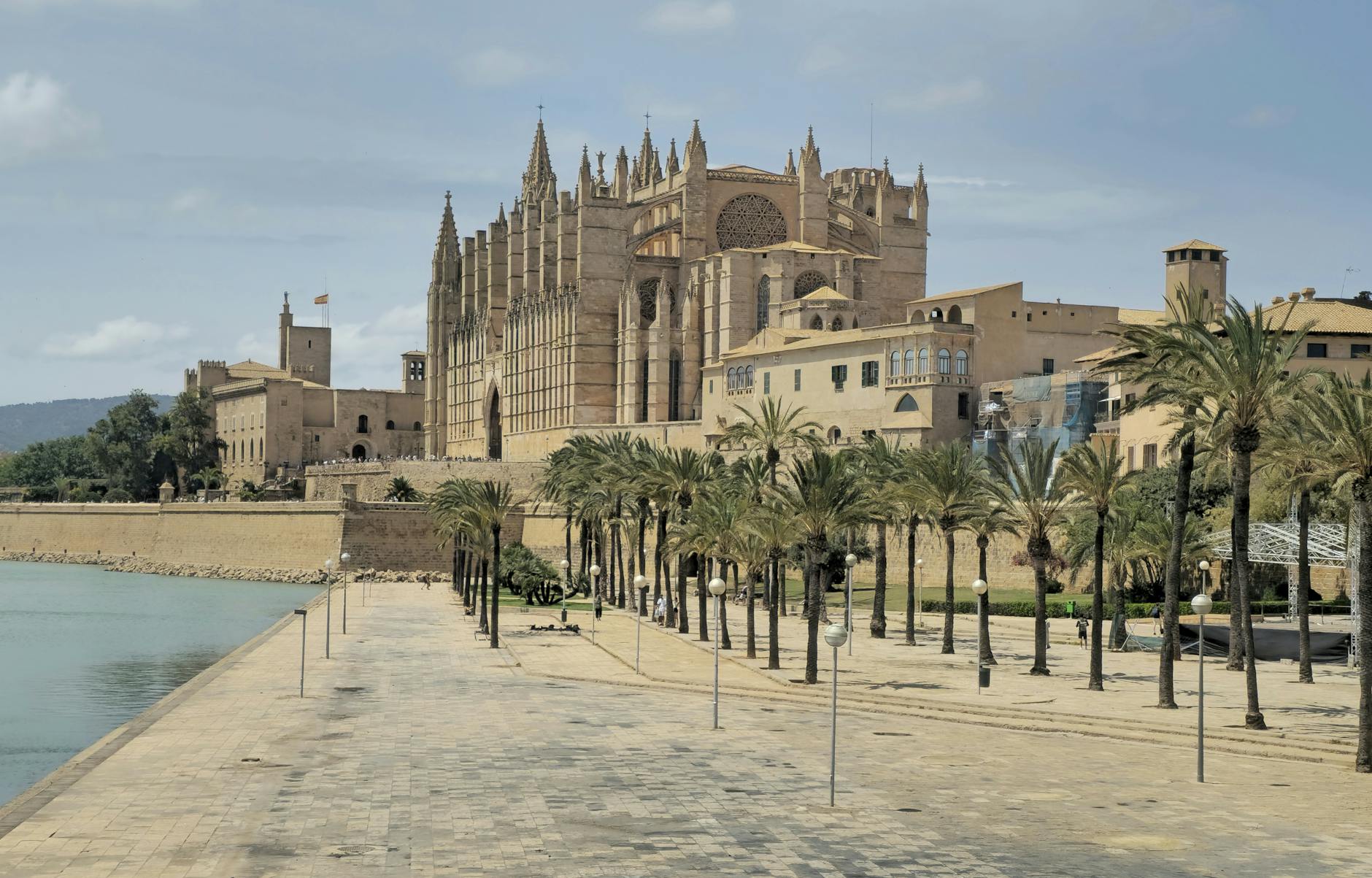
3 Days in Palma: A Perfect Weekend in Mallorca's Historic Capital
Plan 3 days in Palma: cathedral views, Old Town lanes, markets, beaches and top neighborhoods. Practical itinerary, transit tips and best local experiences.
A focused 3-day itinerary to experience Palma’s Gothic cathedral, lively markets, seaside neighborhoods and nearby beaches—ideal for a long weekend in Mallorca.
Palma is a compact Mediterranean capital that pairs Gothic grandeur with a lively waterfront, narrow cobbled lanes, and a buzzing food scene. It suits travelers who want history, beach access and good restaurants without long transfers—couples, culture seekers, and families all fit well. Three days is ideal: it gives time to explore the Old Town and cathedral, visit a museum or castle, linger at a market, and squeeze in a coastal stroll or short trip to nearby towns or beaches. The city's compact center means most highlights are walkable or a short bus or bike ride apart, so a long weekend delivers both relaxed downtime and discovery-packed sightseeing.
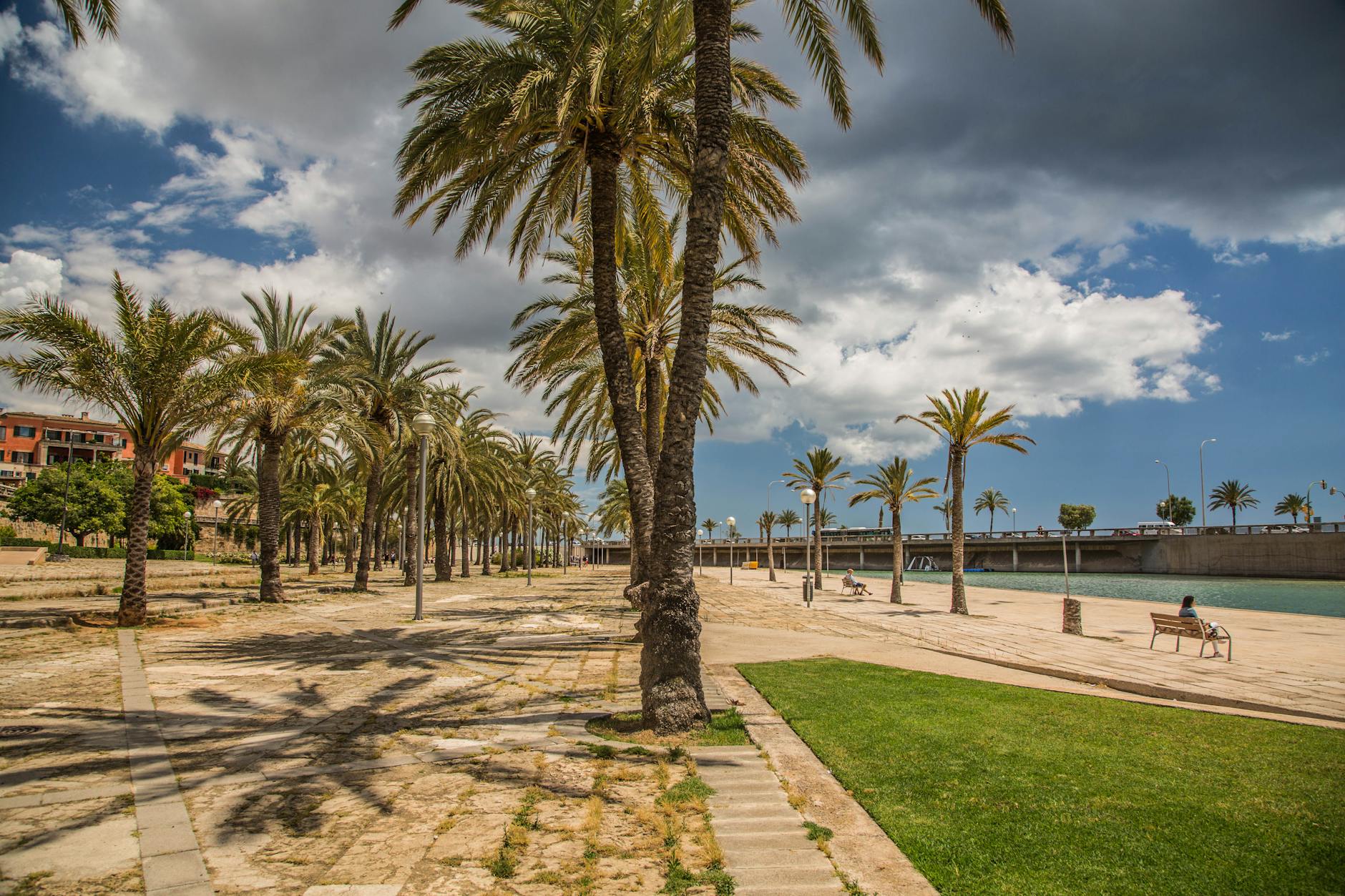
Start in the Old Town to feel the city’s rhythm: Gothic façades, tapas bars and boutique shops sit between shaded squares and palm-lined promenades. With evenings that glow over the marina, Palma balances sightseeing with leisurely meals and sunset walks.
Quick Answer
A focused 3-day itinerary to experience Palma’s Gothic cathedral, lively markets, seaside neighborhoods and nearby beaches—ideal for a long weekend in Mallorca.
Who This Guide Is For
This guide is best for first-time visitors, couples, solo travelers, and anyone planning 3-day city break, culture, romantic in Palma with a balance of highlights, local character, and reasonable spending.
How This Guide Was Prepared
This guide was prepared through a structured editorial workflow that combines destination research, geographic context, itinerary planning logic, and practical travel review.
Plan Your Stay in Palma
Use this itinerary as your starting point, then compare areas to stay, transport options, seasonal timing, and realistic daily costs before booking.
Why Visit
Historic architecture, approachable beaches and a thriving food scene make Palma a versatile short break. You get major sights—an emblematic cathedral, a hilltop castle, and contemporary art museum—within a few kilometers. Neighborhoods like Santa Catalina and Portixol add local color: fresh fish, tapas bars and a lively market. It's also a gateway to the rest of Mallorca for half-day trips to towns like Sóller or beaches along the southwest coast.
The city mixes relaxed island rhythms with cultural depth, so it satisfies both sightseers and slow-travelers who want to taste local life without constant transfers.
Quick Planning Tips
Fly into Palma de Mallorca Airport (PMI); buses and taxis reach the center in 15–30 minutes. Book cathedral and Bellver Castle tickets in advance for busy months. Pack comfortable shoes for cobbles and narrow alleys. Plan one museum visit and one beach or coastal walk per day to balance activity and downtime.
If you have a rental car, use it for day trips outside the city; inside Palma, walking, buses and bikes are faster. Carry a lightweight layer for breezy evenings near the sea.
Day 1
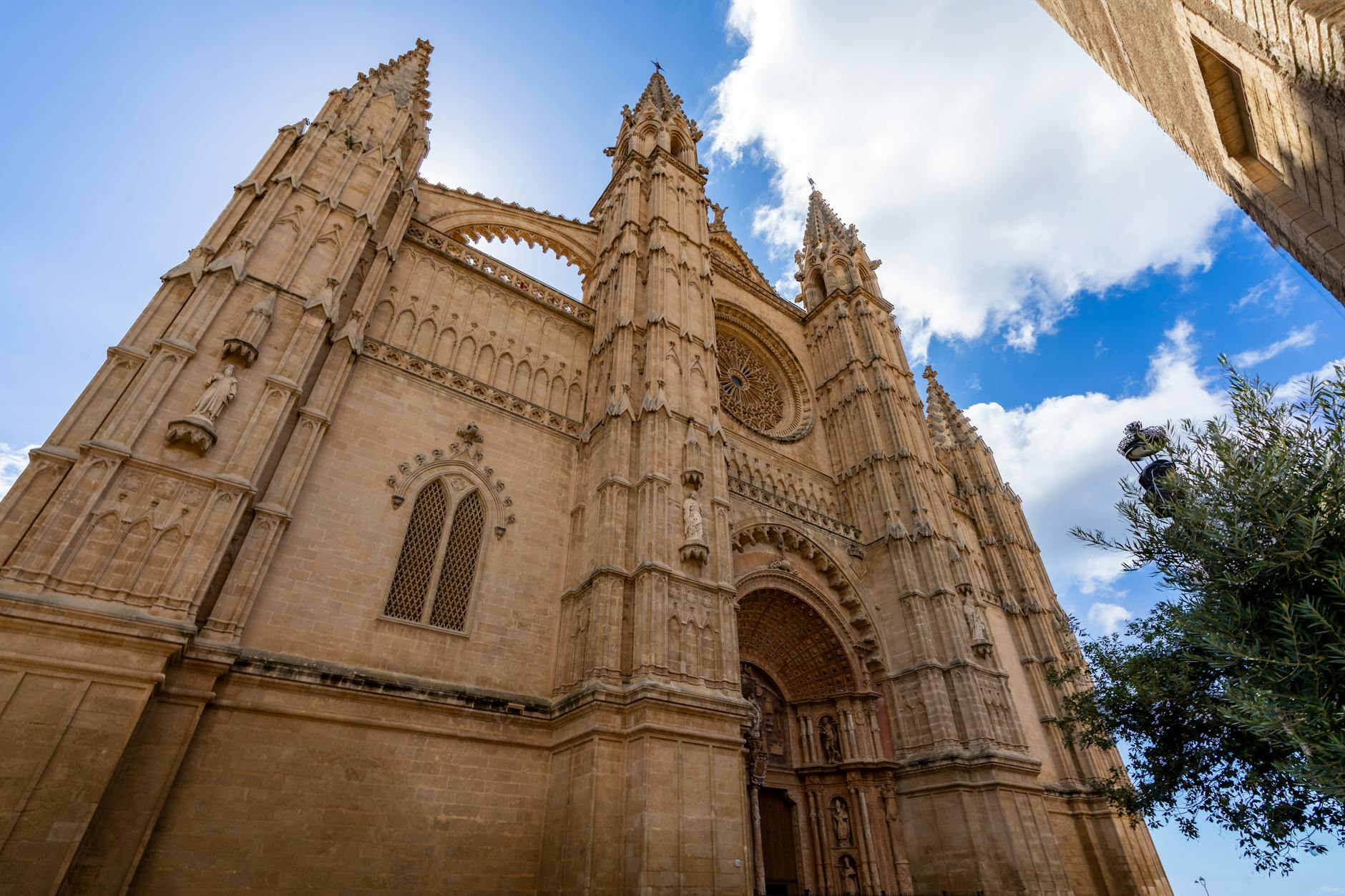
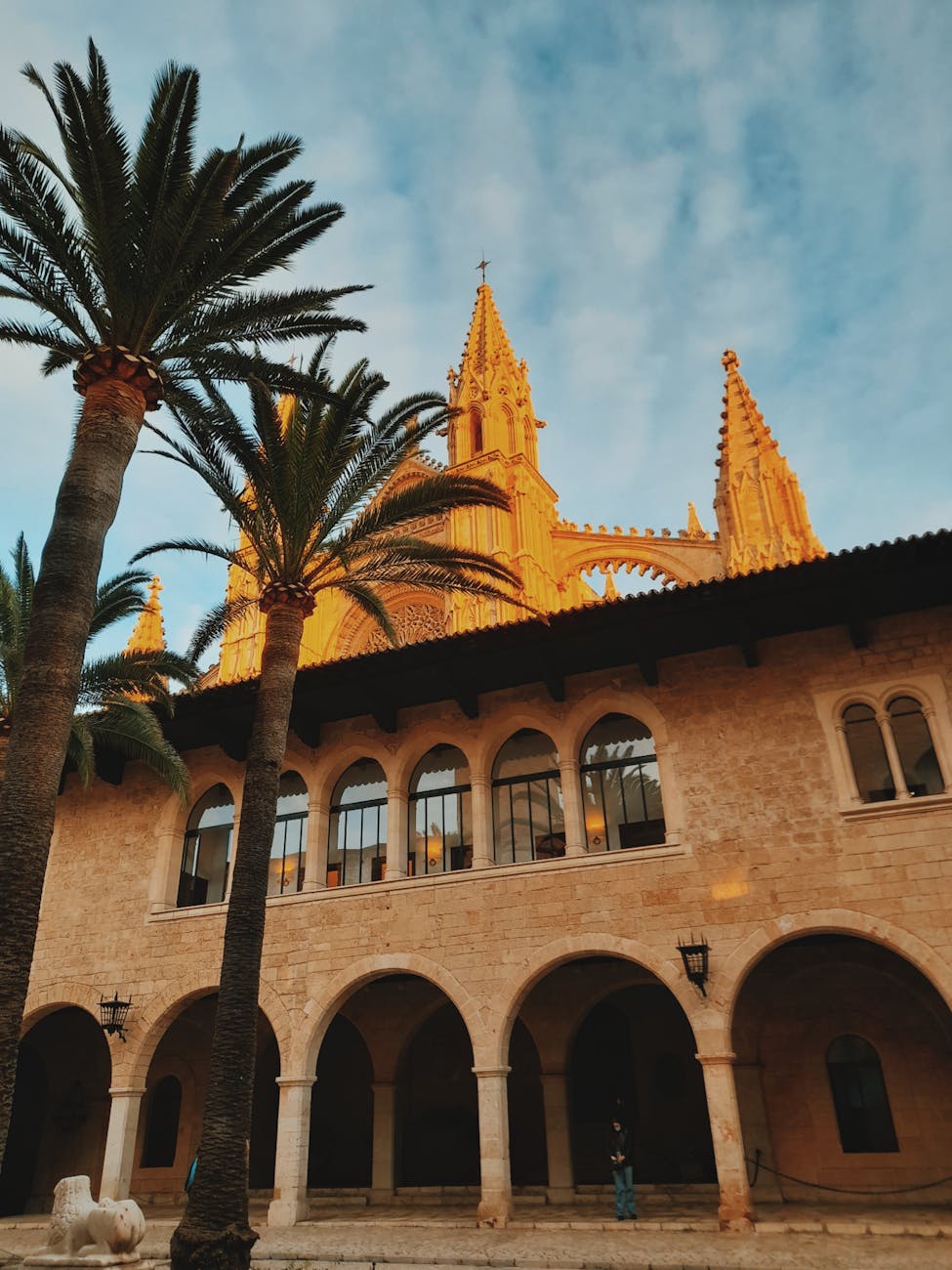
Morning: Start at La Seu cathedral for its soaring interior and rooftop views; book an early entry slot to avoid crowds. Walk the surrounding Old Town streets to Plaça de Cort and the town hall.
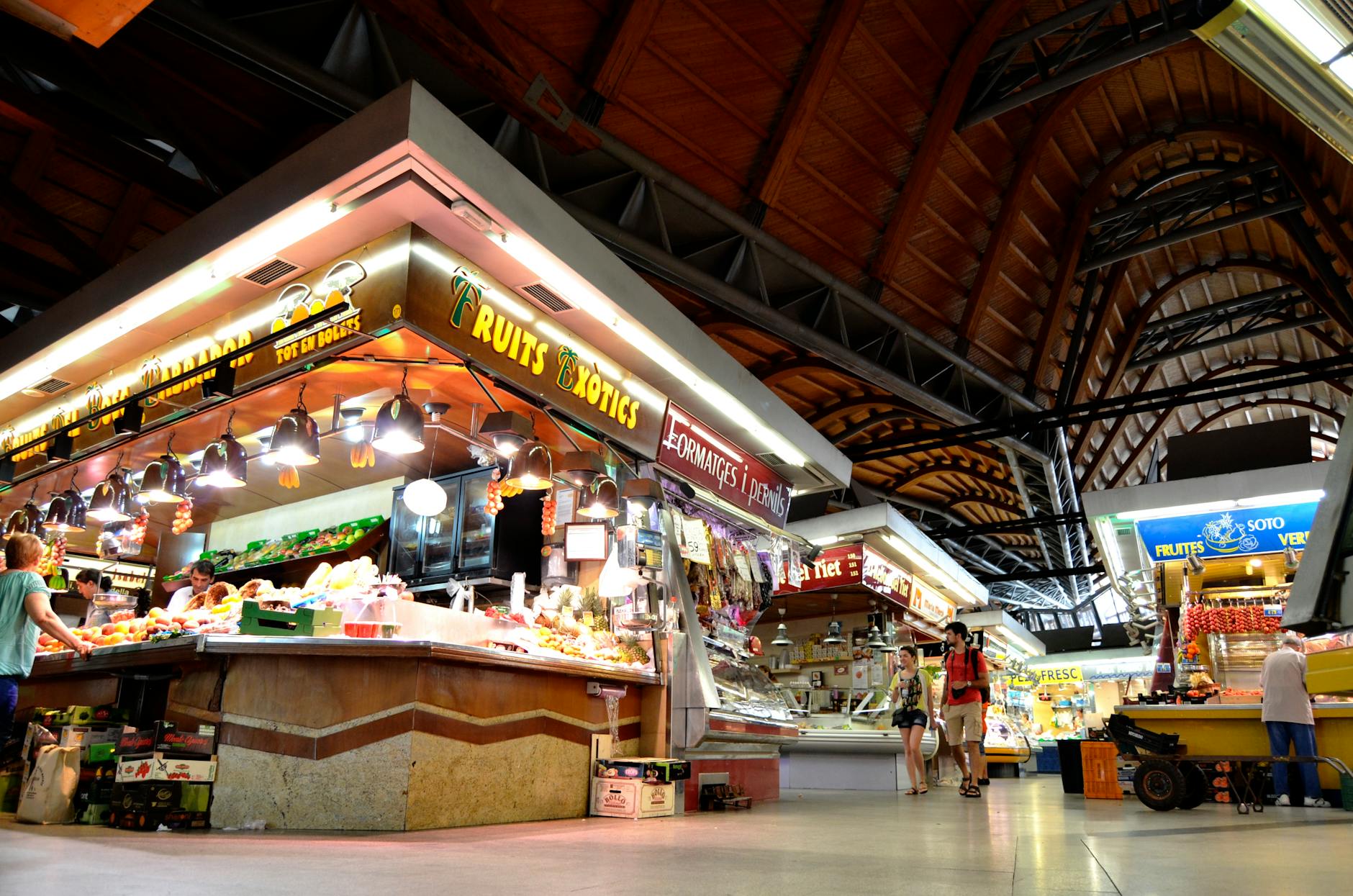
Lunch: Head to Mercat de l'Olivar for tapas-style stalls and fresh seafood. Try pintxos or a seafood rice dish.
Afternoon: Visit Palau de l'Almudaina beside the cathedral, then stroll Passeig del Born for cafés and boutique shops. Finish at Es Baluard museum for contemporary Mallorcan art and views over the harbor.
Evening: Dinner in La Llotja or La Lonja neighborhood followed by a relaxed walk along the Paseo Marítimo.
Day 2
Morning: Cycle or walk to Portixol for a seaside breakfast and a coastal promenade. Sunbathe or dip at a nearby urban beach.
Late morning: Return to Santa Catalina to explore its market and independent bakeries. The neighborhood is great for browsing vintage shops and food spots.
Afternoon: Take a short bus or taxi up to Bellver Castle for panoramic views over the bay and a look at the circular fortress.
Evening: Enjoy seafood along the marina or sample tapas in Santa Catalina. Consider a sunset drink at a rooftop bar in the Old Town.
Day 3
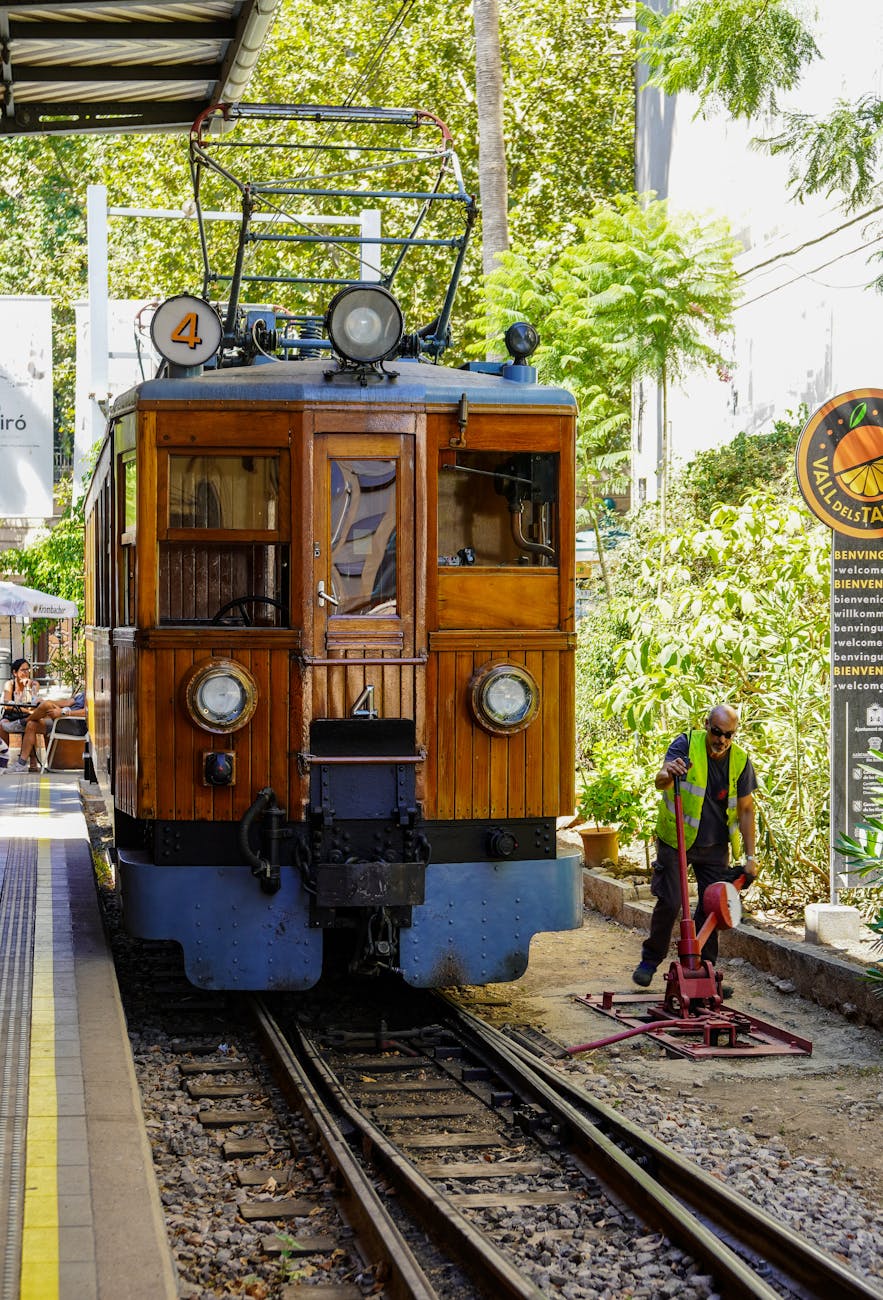
Morning: Head out on a half-day excursion. Options include Sóller by historic train, a short drive to Cala Major, or a boat trip to coastal coves.
Afternoon: Return for a relaxed museum visit or a second look at favorite Old Town lanes. Pick up local specialties: ensaimada pastry, sobrassada cured sausage, and Mediterranean almonds.
Evening: Choose a memorable final meal—fine dining near the harbor or a lively tapas crawl in Plaza Mercat. End with a twilight stroll along Passeig Marítim watching the yachts.
Best Local Experiences
Wander the Old Town early to watch shopkeepers set out pastries and cafés open. Visit Mercat de l'Olivar or Mercat de Santa Catalina for fresh produce and informal bites. Cycle or walk the Portixol to Es Molinar promenade for seaside cafés and swimmers.
Climb (or take the short drive) to Bellver Castle for sunset panoramas. Reserve time for Es Baluard to see contemporary Mallorcan artists. Try an evening of tapas hopping in La Lonja and Santa Catalina to sample sobrassada, local cheeses and grilled octopus.
Where to Stay
Old Town/La Lonja: Best for walking to major sights, restaurants and nightlife. Santa Catalina: A local, food-focused neighborhood with market and tapas bars. Portixol/Es Molinar: Quiet seaside promenades and seafood restaurants; good for early-morning walks. Paseo Marítimo: Marina views and easy access to nightlife.
Book centrally if you prefer walking; if you want quieter mornings, choose Portixol and expect a 10–20 minute taxi or bike ride to the cathedral.
Food and Drink
Start days with ensaimadas at local bakeries. For lunch or tapas, visit Mercat de l'Olivar or the Santa Catalina market stalls. Try local dishes: tumbet, pa amb oli, sobrassada and grilled seafood. Portixol restaurants are known for fresh fish and rice dishes. For drinks, order a local dry wine or vermouth on tap; cafés serve strong café con leche.
Reserve at popular waterfront restaurants in summer. For budget meals, small bodegas and market stalls offer great value and authentic flavors.
Getting Around
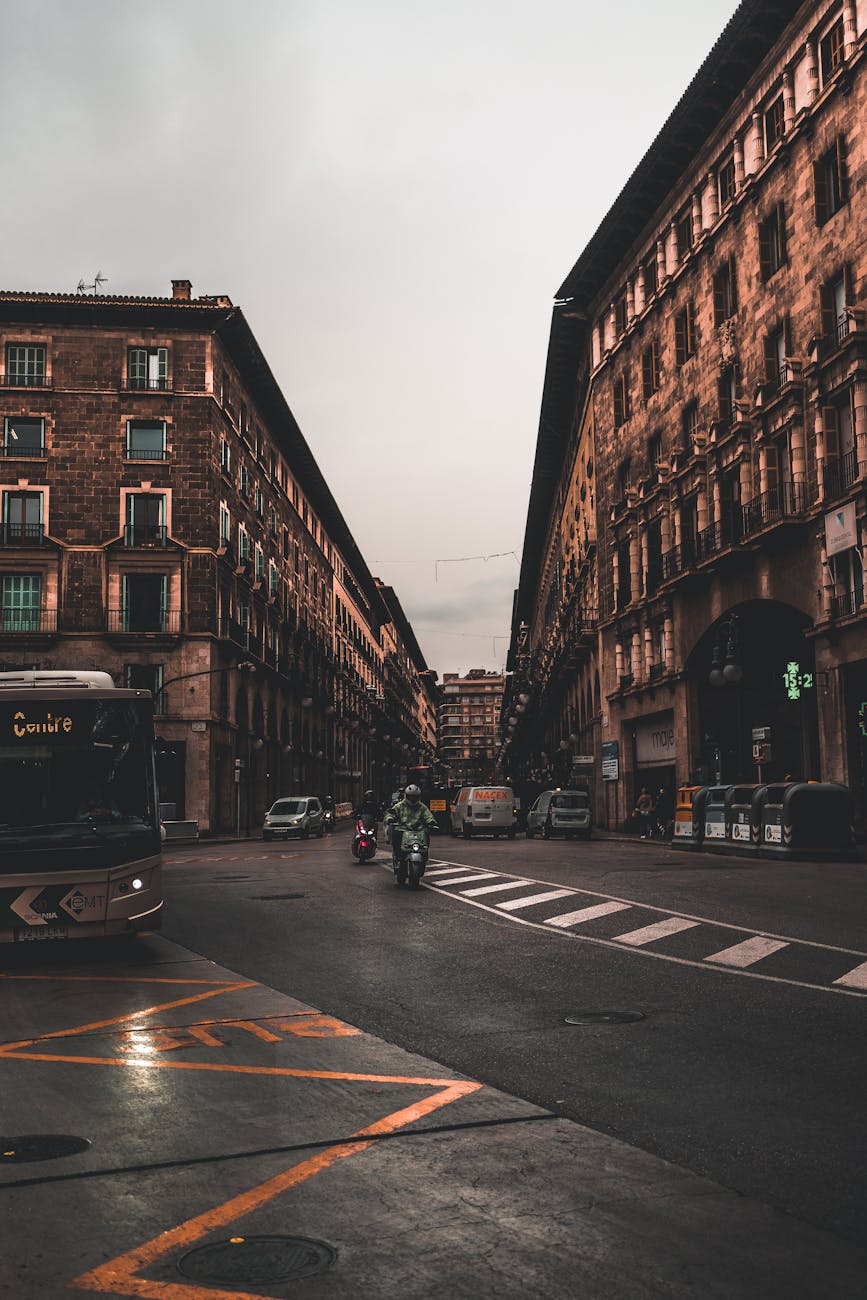
From the airport, take the A1 bus to Plaça d'Espanya (20–30 minutes) or a 15–25 minute taxi. The city center is highly walkable; many attractions are within a 10–25 minute walk of each other. EMT Palma buses cover neighborhoods; buy single tickets or a day pass at kiosks or onboard. Bike rental and e-scooters are common for short hops, and bike lanes are expanding.
For day trips, rent a car or use local trains and buses. Taxis are abundant near the marina and main squares; expect higher fares late at night.
Best Time to Visit
Late spring (May–June) and early autumn (September–October) offer warm weather, fewer crowds and pleasant sea temperatures. July and August are hottest and busiest—great for beachgoers but expect queues and higher prices. Winter is mild and quieter if you prefer museums, markets and lower rates, but some seasonal businesses may have reduced hours.
Plan ahead for national holidays and the Semana Santa period when the city is lively and some attractions may be busier.
Budget and Practical Tips
Expect mid-range prices for restaurants in tourist areas; market stalls and local bodegas are cheaper. A budget day (meals at cafes, a museum, public transport) can be €40–€70; a mid-range day with restaurant dinners and paid attractions €80–€150. Many places accept cards; carry some euros for small vendors.
Tipping is appreciated but modest—5–10% in restaurants if service was good. Learn a few Spanish phrases; Catalan is common on signs. Check attraction opening hours in low season and buy timed-entry tickets where available.
FAQ
Is 3 days enough to see Palma?
Yes. Three days covers the cathedral, Bellver Castle, one or two museums, market visits, neighborhood strolls and a short seaside visit or half-day trip.
How do I get from Palma airport to the city center?
Take the A1 bus to Plaça d'Espanya (about 20–30 minutes) or a taxi which takes 15–25 minutes depending on traffic.
Do I need a car to explore Palma?
No for the city itself—Palma is very walkable and well-served by buses, bikes and taxis. Rent a car only if you plan full-day excursions around the island.
Can I visit beaches from the city?
Yes. Portixol and Cala Major are easily reachable and good for a quick swim; for quieter coves, take a short drive or boat trip.
Are museums and attractions open year-round?
Most are open year-round but hours vary in winter. Check listings and book timed tickets for popular sites in high season.
Conclusion
Three days in Palma strikes a nice balance between landmark sightseeing and relaxed island life. You can move between Gothic streets, lively markets and sunny promenades without rushing, and still fit in a coastal escape or short day trip. Prioritize one major sight per morning, leave afternoons for neighborhoods and food, and save an evening for the harbor at sunset. With compact logistics and varied experiences, Palma makes a rewarding long weekend for a wide range of travelers.
How this guide was prepared
This guide was prepared through a structured research that combines destination research, geographic context, itinerary planning logic, and content review.