
Best Time to Visit Buenos Aires — When to Go, Weather, Crowds, and Practical Tips
Decide when to visit Buenos Aires with a clear look at seasons, neighborhood vibes, transport realities, and low-impact choices. Ideal for planning a 3-day Buenos Aires itinerary or day trips to Rosario, Mar del Plata, Córdoba, Mendoza, and Salta.
Buenos Aires is enjoyable year-round, but spring (Sep–Nov) and autumn (Mar–May) offer the best balance of weather, fewer crowds, and more affordable lodging. Use this page to match weather, events, and travel logistics to a 3-day Buenos Aires plan and nearby escapes.
Quick Answer
Buenos Aires is enjoyable year-round, but spring (Sep–Nov) and autumn (Mar–May) offer the best balance of weather, fewer crowds, and more affordable lodging. Use this page to match weather, events, and travel logistics to a 3-day Buenos Aires plan and nearby escapes.
Who This Page Is For
This page is for travelers planning a stay in Buenos Aires who want clearer decisions about best time to visit, local logistics, timing, budgeting, and practical trip planning.
How This Page Was Prepared
This page was prepared through a structured editorial workflow that combines destination research, geographic context, and practical travel-planning review.
Plan the Rest of Your Trip
Use this page together with the full itinerary and the related planning pages below to make better booking, timing, transport, and budget decisions.
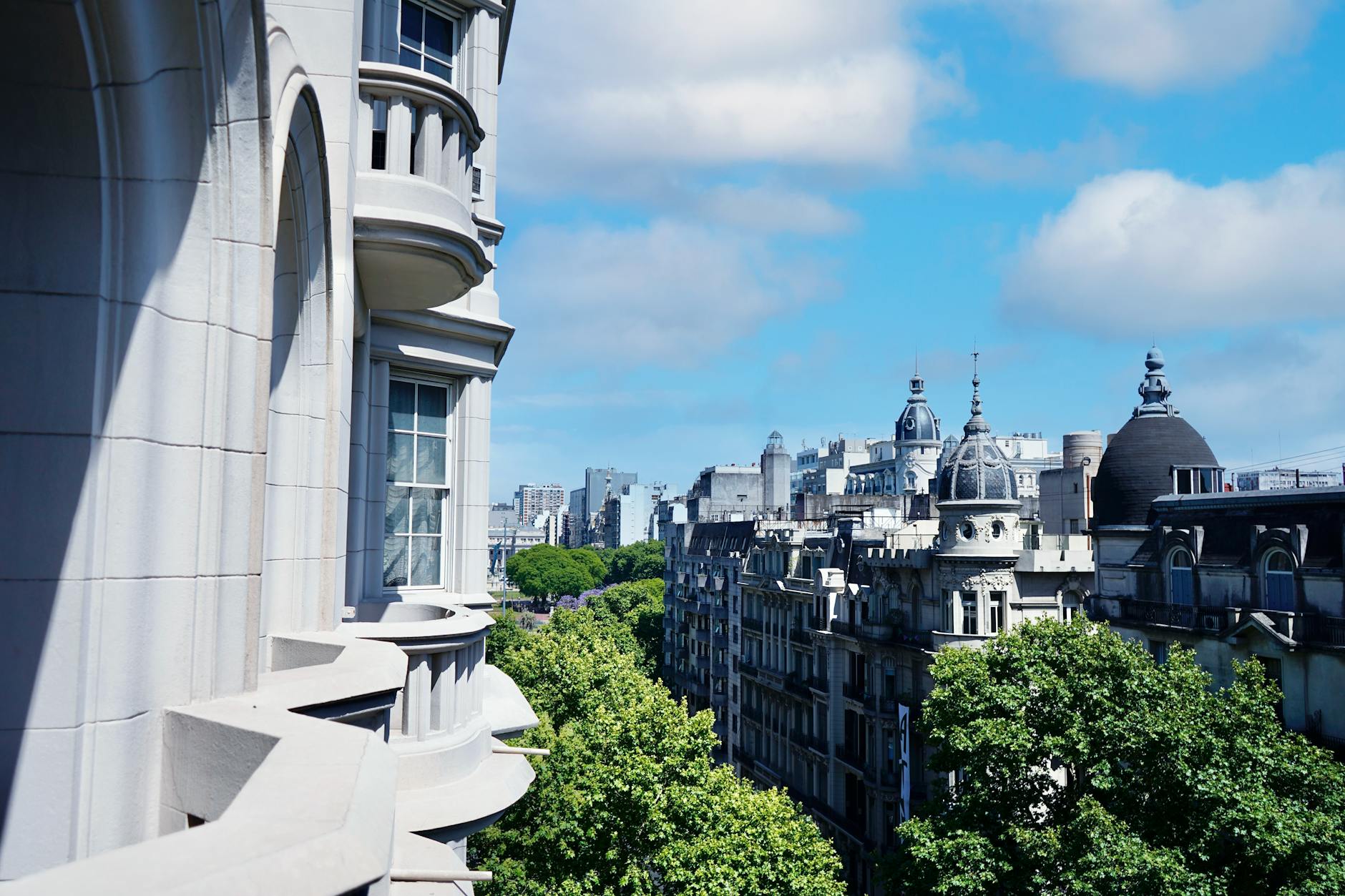
Best overall months: September–November (spring) and March–May (autumn). Expect mild temperatures, flowering jacarandas in spring, and comfortable restaurant patios in both shoulder seasons. If you need warm weather and beachside day trips, December–February works but bring sun protection and expect high humidity and higher hotel rates. Winter (June–August) is cooler and drier—good for museums, Teatro Colón performances, and lower prices.
Buenos Aires is a large, walkable capital with distinct neighborhood personalities, lively food and culture scenes, and weather that swings between humid summers and cool winters. This page helps you pick dates that match your priorities—outdoor cafés, Tango nights, theatre, or quieter museum visits—and gives practical, sustainable choices that complement a focused 3-day Buenos Aires itinerary or a multi-city trip to Rosario, Mar del Plata, Córdoba, Mendoza, or Salta.
What This Page Helps You Decide
Use this guidance to choose travel dates that fit the style of your visit and the 3-day Buenos Aires itinerary:
- Match weather to activities: outdoor strolling, food markets, nightlife, theatre or day trips.
- Time your visit for events you'll actually enjoy (Tango Festival, book fair, football matches) while avoiding overcrowded weekends.
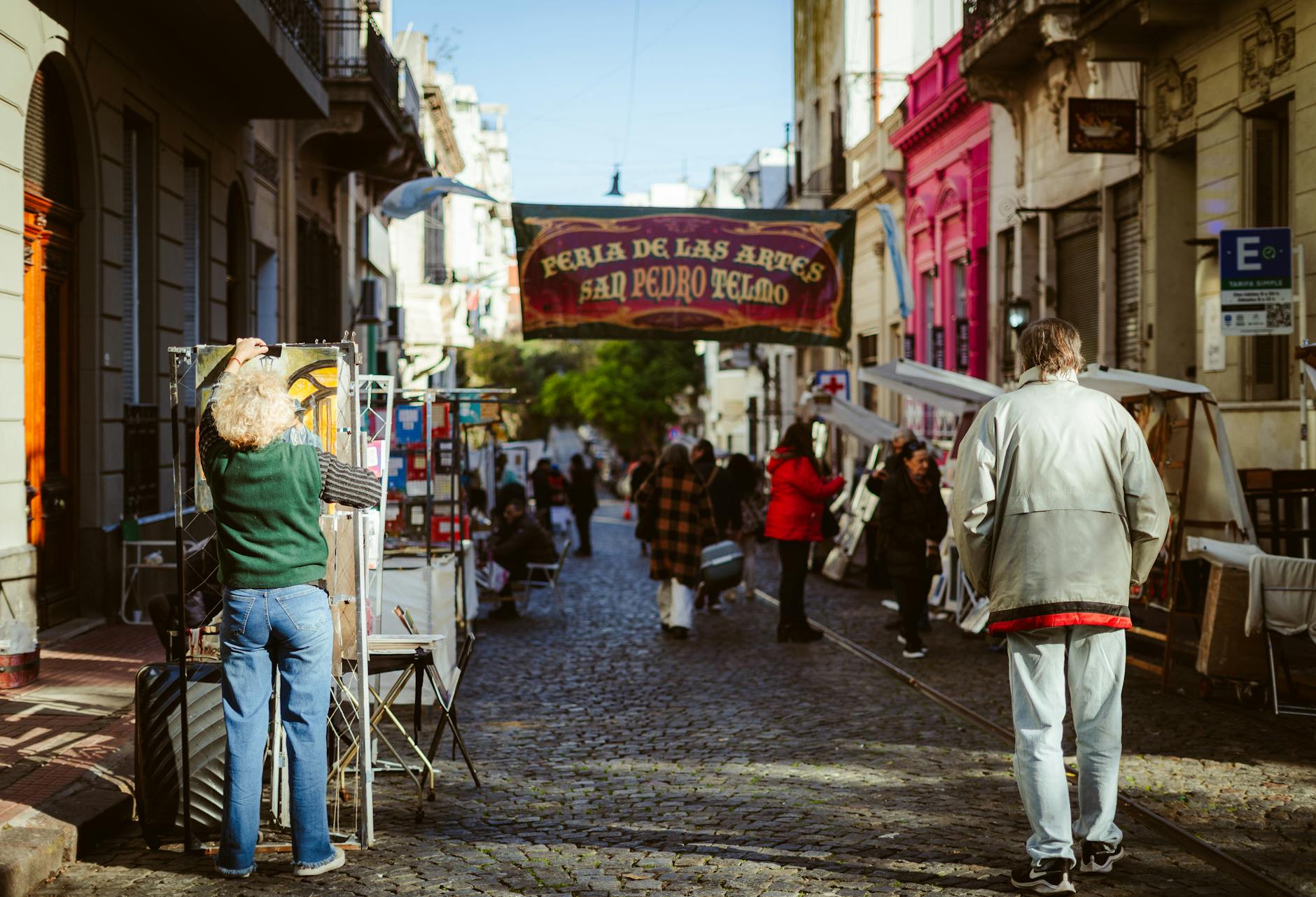
- Pick neighborhoods to prioritize (Palermo for nightlife and parks; San Telmo for antiques and Sunday market; Recoleta for museums and calmer streets).
- Decide between a low-impact, local-first trip (shoulder season, public transit, local guides) or a peak-season, beach-and-city mix (summer plus Mar del Plata).
This page supplies neighborhood and transport realities so you can slot dates into the 3-day plan and plan side trips to Rosario, Mar del Plata, Córdoba, Mendoza, or Salta.
Top Recommendations
Seasonal picks and neighborhood pairings:
- Spring (Sep–Nov): Best overall. Mild temps (15–25°C), jacarandas bloom in Palermo, lots of outdoor cafés. Ideal for walking the 3-day route and day trips by train or bus.
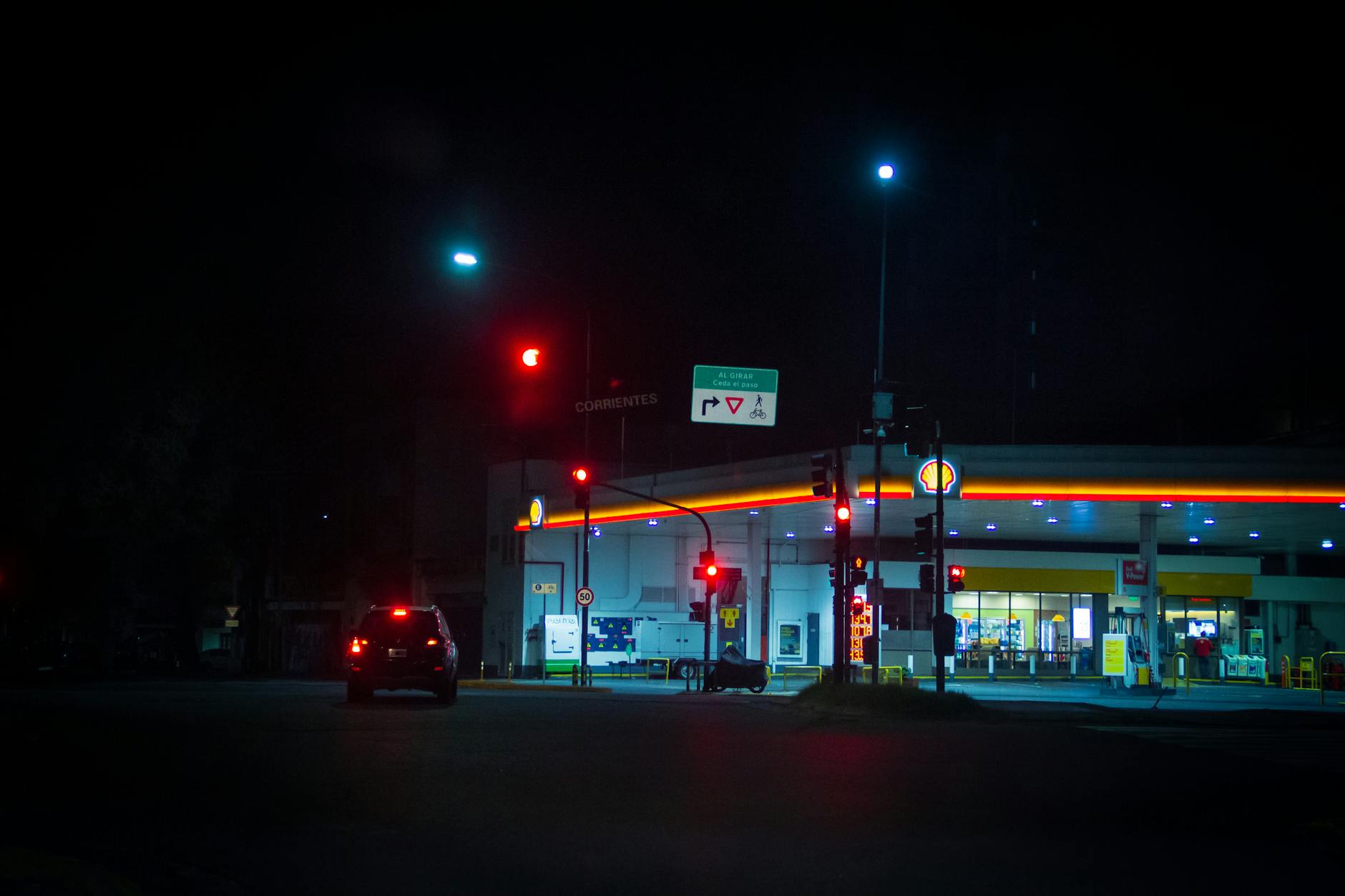
- Autumn (Mar–May): Equally pleasant. Cooler evenings, theater season in full swing on Avenida Corrientes; good time for cultural events and quieter streets.
- Summer (Dec–Feb): Warm to hot (25–35°C) with humidity and occasional storms. Great for late-night dining and riverfront walks, but book early and expect higher prices and crowds. Combine with Mar del Plata if you want beaches.
- Winter (Jun–Aug): Cool (8–16°C), low humidity. Museums, Tango shows, and lower rates; avoid rainier weeks if you want outdoor dining.
Neighborhood tips:
– Palermo (Soho/Palermo Viejo): best for cafés, parks, and nightlife—choose shoulder months for comfortable strolling.
– San Telmo: pick a Sunday for the market but expect crowds; go early for a calmer experience.
– Recoleta: quieter, museum-rich, good in any season but especially pleasant in cooler months.
– La Boca (Caminito): colorful and touristy—go in the morning and pair with a sustainable visit to the port area.
– Puerto Madero: waterfront walks best at sunset; pockets of higher-priced dining.
Event and booking notes:
– Book accommodation and shows (Tango, theatre) well in advance for peak periods: Christmas–New Year, Easter week, and the Buenos Aires Tango Festival (usually August).
– Reserve football match tickets from official club sources and be mindful of match-day crowds and closures.
Local Context
Buenos Aires sits on a broad river plain; humidity from the Río de la Plata amplifies summer heat and makes thunderstorms possible. Neighborhood microclimates matter—coastal areas like Puerto Madero can be breezier, while inner neighborhoods such as San Telmo and Monserrat feel warmer in summer.
Transport realities:
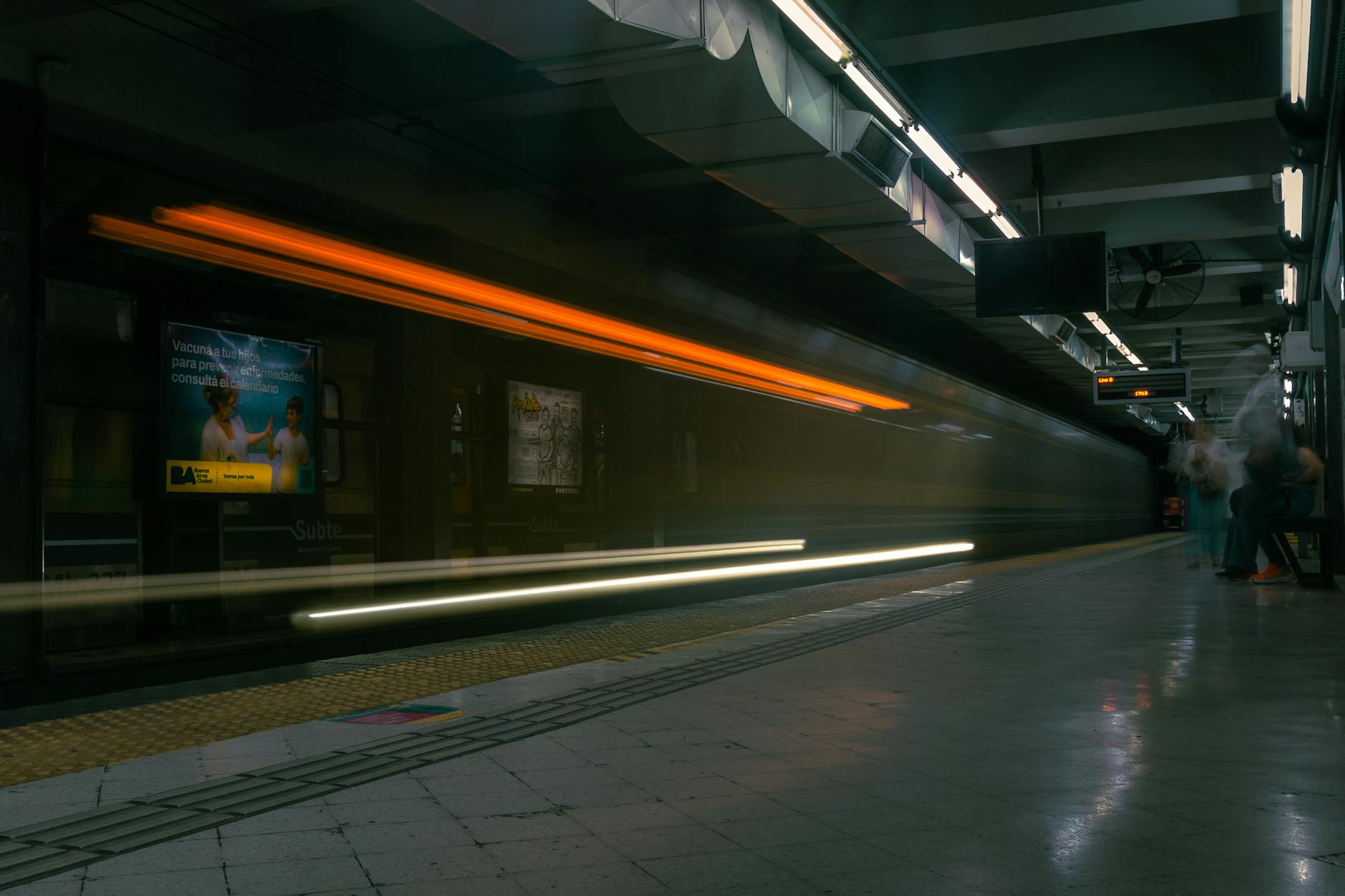
– Subte (metro) is fast in central corridors but can be crowded at peak times; many tourists rely on it for short hops between neighborhoods.
– Colectivos (buses) cover more ground but require a reloadable SUBE card and patience during traffic.
– Taxis and ride-share apps are widely available; prefer licensed cars or app-based services for security and fare transparency.
– Long-distance travel: overnight buses are comfortable and economical to Rosario and Mar del Plata (4–5 hours), Córdoba (~9–11 hours), Mendoza and Salta are long trips best done by air unless you prefer scenic, slow travel.
– Day trip to Tigre: take the Mitre Line train from Retiro for a low-impact visit to the delta; avoid large motorboat tours that disturb wetlands.
Public-service notes:
– Occasional public transport strikes can affect Subte and buses; check local news before travel. Plan extra time on arrival and departure days.
How to Choose Well
Decide by matching trip length, weather tolerance, and priorities:
- If you have 3 days: choose spring or autumn for the easiest walking, comfortable patios, and fewer delayed plans. Use the 3-day Buenos Aires itinerary to structure mornings in Recoleta and San Telmo, afternoons in Palermo, and evenings for Tango or Avenida Corrientes theatre.
- If you want beaches: combine Buenos Aires in December–February with Mar del Plata, but book lodging early and pick early-week stays to avoid weekend price spikes.
- If budget and smaller crowds matter: opt for June–August (winter) or shoulder seasons. Look for locally-run guesthouses or family-owned hotels that support the local economy.
- If you want festivals and cultural programming: check dates for the Teatro Colón season, the Buenos Aires International Book Fair (usually April/May), and Pride (November).
Practical booking advice:
– Reserve flights and major shows 6–12 weeks ahead for shoulder season and 3–6 months for peak summer or big events.
– For day trips to Rosario or Mar del Plata, book bus or train tickets a few weeks ahead in high season; flights are faster but often pricier.
Responsible and Local-First Tips
Choose low-impact and local-benefit options naturally:
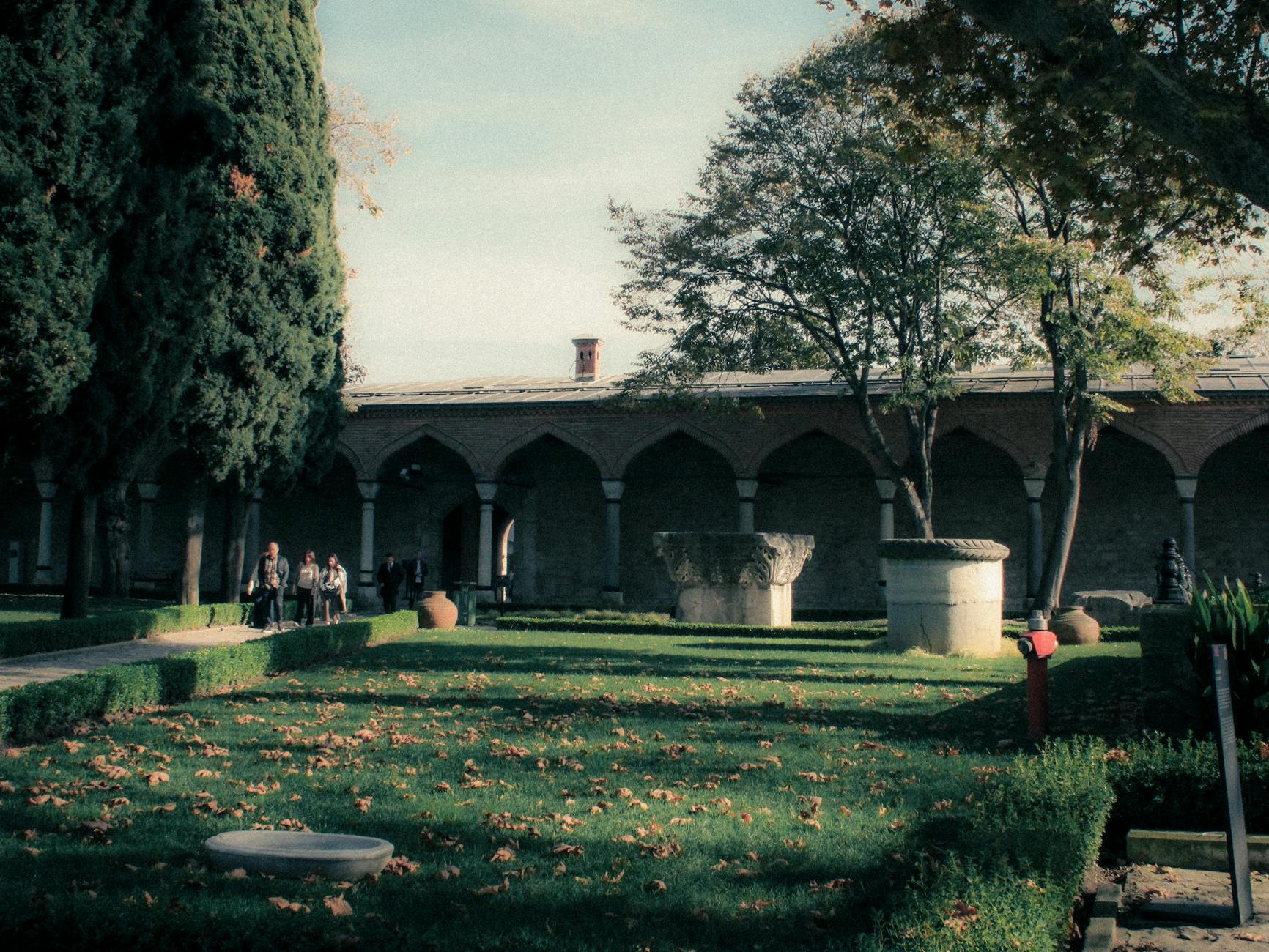
- Favor public transit, walking, and Ecobici bikes for short trips; they reduce emissions and reveal neighborhood details.
- Book small-group or licensed local guides for walking tours around San Telmo and La Boca to ensure earnings stay in the community.
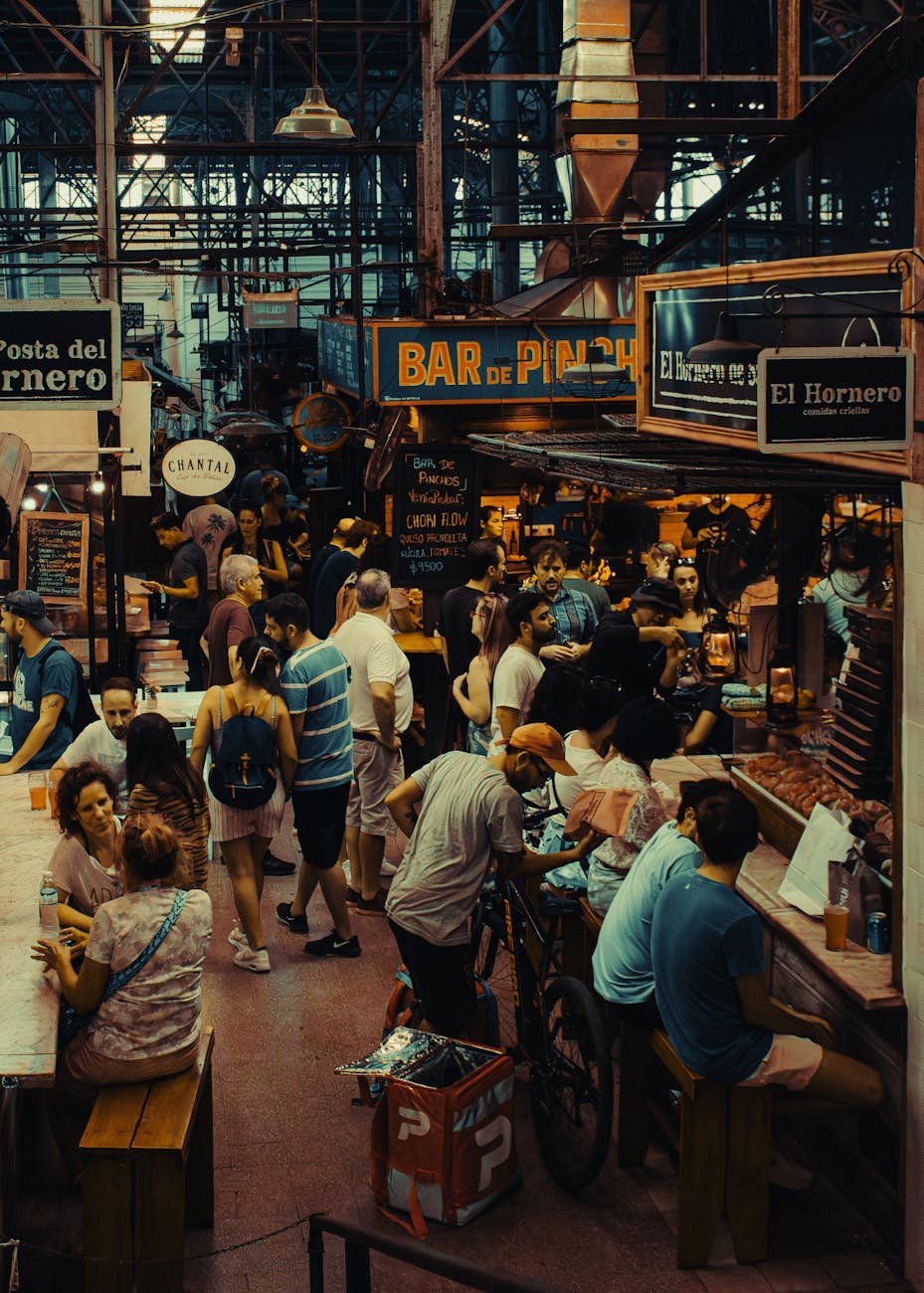
- Eat at neighbourhood bodegones, family-run parrillas, and market stalls in Mercado de San Telmo or Mercado de Belgrano to support local food economies.
- When buying leather or crafts, ask about provenance and prefer makers who disclose materials and ethical practices; avoid products claiming to use endangered materials.
- For Tigre and delta tours, prefer small electric or oar-powered excursions and operators that follow wetland-protection guidelines.
- Reduce waste by carrying a reusable bottle and saying no to single-use cutlery; many cafés will fill bottles if asked.
These choices help maintain neighborhood character and spread tourist spending beyond a few central blocks.
Common Mistakes to Avoid
- Visiting only in January to avoid crowds: January can be busy, hot, and noisy due to locals on holiday and tourists; consider shoulder months instead.
- Expecting a siesta everywhere: restaurants and shops in tourist areas stay open late; business hours vary by neighborhood.
- Underestimating transfer times: traffic and occasional strikes can delay airport transfers—allow extra time, especially for early flights.
- Ignoring football schedules: big matches (Boca Juniors, River Plate) change neighborhood accessibility—verify dates and book tickets through official channels.
- Relying on cash only or card only: carry both—small stalls and neighborhood cafés sometimes prefer cash, while most restaurants accept cards.
- Taking high-speed motorboat tours in the delta: they can harm wetlands. Choose lower-impact operators or train-and-kayak options.
FAQ
When is the absolute best month to visit Buenos Aires for comfortable weather?
Late October and April are frequently the most comfortable—daytime highs around 20–25°C, pleasant evenings, and fewer tourists than peak summer.
Is Buenos Aires too hot in summer?
Summers (Dec–Feb) can be hot and humid, with highs often above 30°C and occasional thunderstorms. If you prefer open-air cafés and riverfront walks, go early mornings and evenings, and plan indoor activities during the hottest afternoon hours.
Can I do day trips to Rosario or Mar del Plata from Buenos Aires?
Yes. Rosario and Mar del Plata are reachable by comfortable long-distance buses (about 4–5 hours) or short flights. Córdoba, Mendoza, and Salta are farther—flights are recommended unless you have extended travel time.
How far in advance should I book if I want to see a Tango show or Teatro Colón performance?
For popular Tango shows and Teatro Colón performances, book 4–12 weeks ahead for shoulder season and up to 3–6 months ahead for high season or festival dates.
Are there times I should avoid for environmental or local-impact reasons?
Avoid large motorboat tours in the Tigre Delta that damage wetlands. Also, try to skip peak summer weekends if you want to reduce your footprint and avoid overcrowding in popular districts.
Is Buenos Aires safe to visit year-round?
Generally yes, but standard big-city precautions apply: watch belongings in crowded markets, avoid poorly lit streets at night, and stick to licensed taxis or ride-share apps if unfamiliar with bus routes.
Conclusion
Plan Buenos Aires around your priorities: pick spring or autumn for mild weather and easy walking, winter for lower prices and cultural programming, and summer for late nights and beach combos. Use public transit, neighborhood guides, and small businesses to keep your visit low-impact and locally beneficial. Slot your chosen dates into the 3 days in Buenos Aires companion page for a compact, sustainable, and enjoyable stay, and use the transport notes here when planning side trips to Rosario, Mar del Plata, Córdoba, Mendoza, or Salta.
How this guide was prepared
This guide was prepared through a structured research that combines destination research, geographic context, itinerary planning logic, and content review.